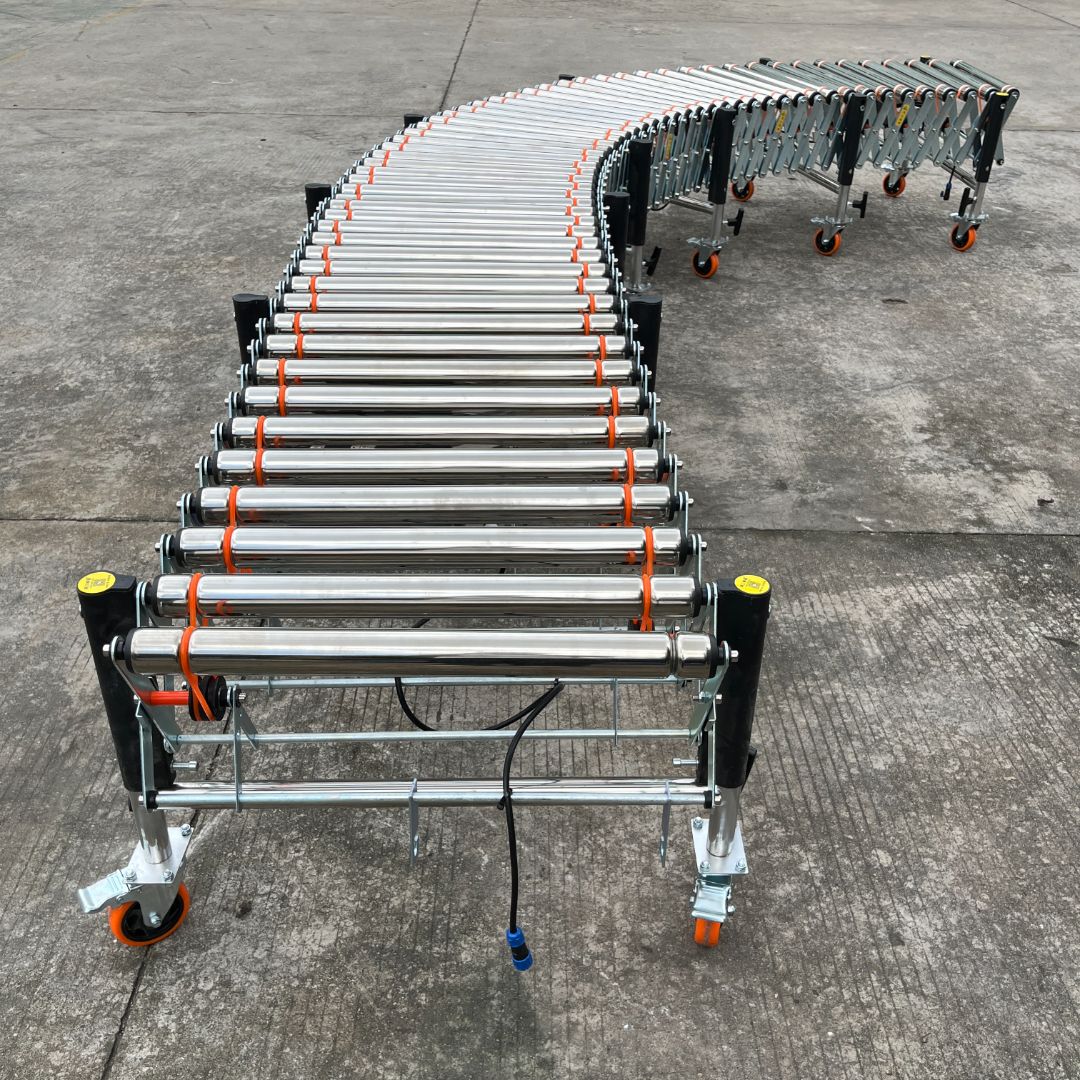
Die Vorteile des Einsatzes von angetriebenen Rollenförderern für den horizontalen Transport im Lager
Beim horizontalen Warentransport im Lager, bei der Übergabe an Sortieranlagen und in ähnlichen Anwendungsbereichen besteht das übliche Ziel des "horizontalen Transports mit angetriebenen Rollenförderern" darin, den Warenfluss auf dem Boden oder einer Plattform kontinuierlich und kontrolliert aufrechtzuerhalten und so die Unsicherheiten beim manuellen Schieben und Handhaben zu verringern.
Im Gegensatz zum Schwerkrafttransport, der auf Gefälle und das Gewicht der Güter setzt, nutzt ein motorbetriebener Rollenförderer einen elektrischen Antrieb, um die Zugkraft zu erzeugen. Selbst wenn sich das Gewicht der Pakete und die Reibungsverhältnisse ändern, kann er eine relativ stabile Förderleistung aufrechterhalten, wodurch er sich besser für getaktete Abläufe und den kontinuierlichen Warenstrom eignet.
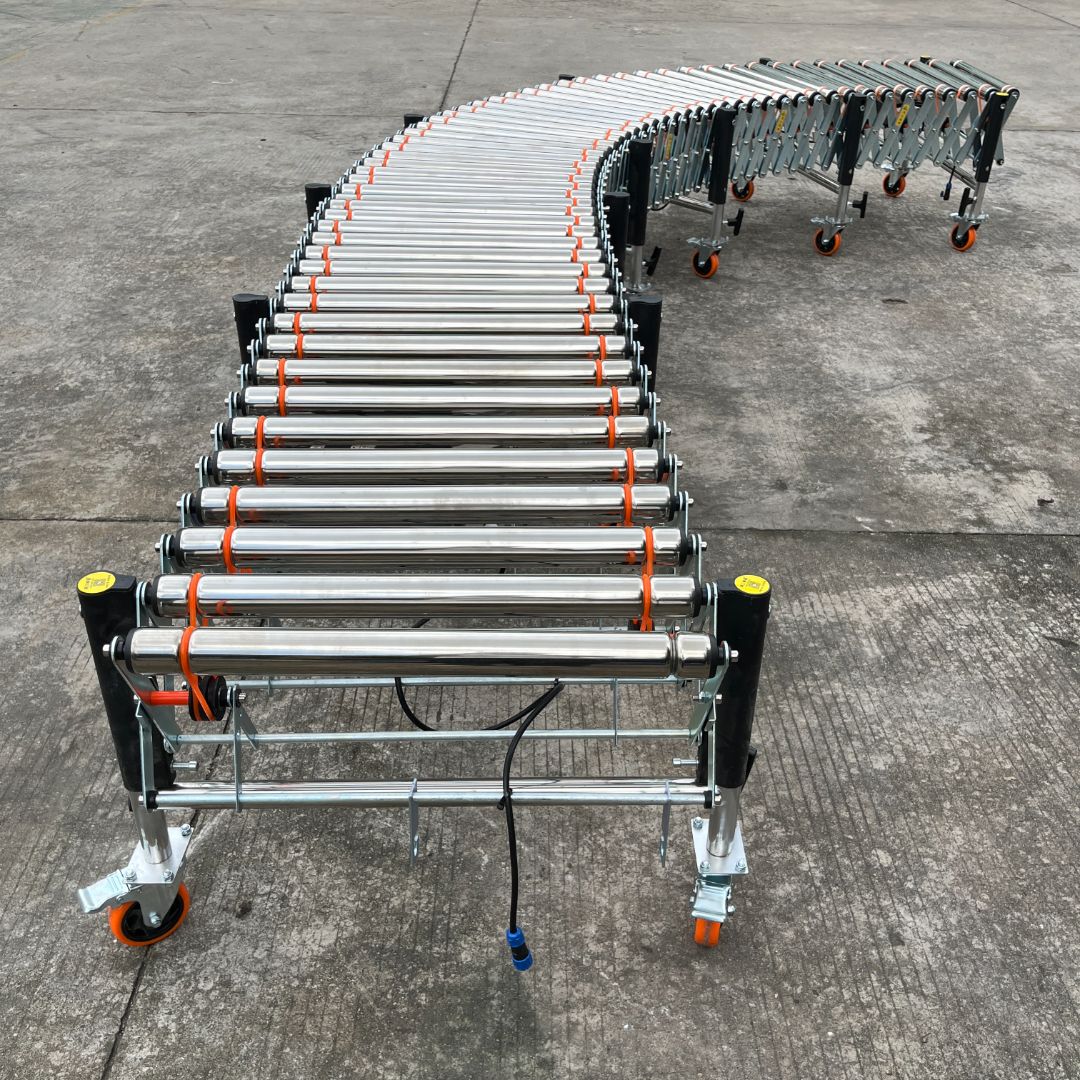
Zu den Leistungsmerkmalen, die bei Lageranwendungen mit angetriebenen Rollenförderern häufig geschätzt werden, gehören:
- Die Drehzahlregelung erfolgt über einen Frequenzumrichter mit einem einstellbaren Drehzahlbereich von bis zu 40 m/min.
- Unterstützt den bidirektionalen Betrieb und erleichtert so den Rücklauf, Nacharbeiten oder eine flexible Zuweisung zwischen den Stationen
- Der Fördervorgang kann je nach Bedarf gestartet und gestoppt werden, wobei ein relativ gleichmäßiger Abstand zwischen den Gütern gewährleistet bleibt.
Diese Aspekte der "Steuerbarkeit" sind besonders wichtig in Situationen, in denen der Förderer sich an das Tempo nachgelagerter Prozesse anpassen, eine bestimmte Position einnehmen oder einen bestimmten Abstand einhalten muss.
So wählen Sie ein angetriebenes Rollenförderband aus: O-Riemen-Antrieb vs. Mehrkeilriemen-Antrieb
Die wesentlichen Unterschiede bei angetriebenen Rollenförderern liegen häufig in der Antriebskonstruktion. Die beiden gängigen Lösungen sind der O-Riemenantrieb und der Poly-V-Antrieb, die jeweils ihre eigenen Stärken hinsichtlich Kraftübertragung, Tragfähigkeit, Wartungsfreundlichkeit und Anpassungsfähigkeit an die Anlagenkonfiguration aufweisen.
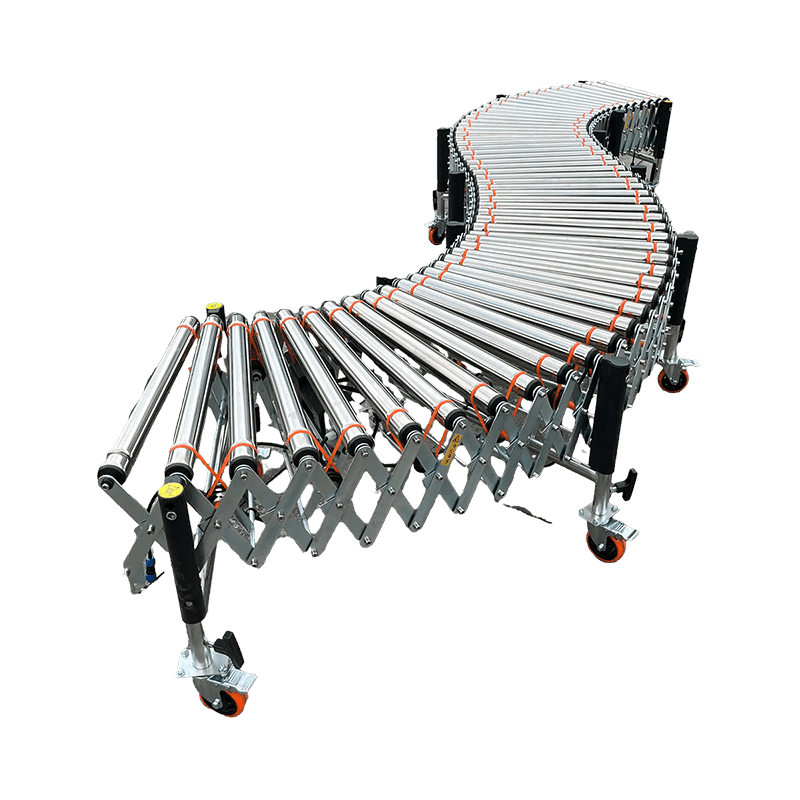
Rollenförderer mit O-Riemenantrieb
Das O-förmige Förderband mit Antrieb nutzt eine O-förmige Riemenantriebskonstruktion, um einen reibungslosen und effizienten Transport der Güter zu gewährleisten. Der Motorabstand beträgt 1,…

Kunststofffass

Metallfass

Karton

Rolle
O-Riemenantrieb: Paarweise in Reihe geschaltet
Beim Keilriemenantrieb werden Riemen mit rundem Querschnitt verwendet, um benachbarte Rollen miteinander zu verbinden: Nachdem der Motor eine Rolle angetrieben hat, wird die Kraft durch die Reibung des Riemens zwischen benachbarten Rollen "in Reihe" über den gesamten Rollenabschnitt übertragen.
Die wichtigsten Punkte zum Verständnis dieser Struktur sind:
- Jedes Band bildet eine geschlossene Verbindung zwischen zwei benachbarten Rollen.
- Die Bewegung wird durch Reibung übertragen, wodurch die Rollen nacheinander angetrieben werden.
Poly-V-Antrieb: Mehrrippen-Eingriff, ein Riemen für mehrere Rollen
Bei Poly-V-Riemen kommen Riemen mit mehreren V-förmigen Rippen zum Einsatz, die in die Rillenstruktur der Rollen eingreifen und so eine größere Kontaktfläche sowie einen besseren Halt gewährleisten.
In der Regel funktioniert das wie folgt:
- Ein Riemen kann mehrere Rollen gleichzeitig antreiben
- Höhere Übertragungseffizienz und geringere Neigung zum Durchrutschen bei Lastwechseln
Drei Auswahlkriterien
Wenn es sich bei beiden um angetriebene Rollenförderer handelt, lassen sich O-Riemen und Poly-V-Riemen am besten anhand der folgenden drei Kriterien beurteilen:
- Lastklasse und Startbedingungen (ob häufig mit schwerer Last gestartet wird und ob ein festerer Griff erforderlich ist)
- Verlauf des Trassenverlaufs (ob er überwiegend gerade verläuft oder mehr Kurven und flexible Anpassungen erfordert)
- Wartungsstrategie (ob der Austausch so schnell wie möglich erfolgen muss, ob Ausfallzeiten akzeptabel sind und über welche Qualifikationen das Wartungspersonal verfügt)
Vergleich der wichtigsten Unterschiede: Tragfähigkeit, Effizienz, Wartungsaufwand und Anpassungsfähigkeit des Layouts
Wenn man die Unterschiede in "was sie für die Website bedeuten" umsetzt, lässt sich die Auswahl schneller treffen.
Belastbarkeit und Rutschfestigkeit: 80 kg/m gegenüber 100 kg/m
- Die typische Tragfähigkeit eines O-Riemenantriebs beträgt etwa 80 kg/m
- Poly-V-Riemen können bei den entsprechenden Modellen ein Gewicht von bis zu 100 kg/m erreichen
Abgesehen vom Unterschied in der Belastbarkeit rutschen Poly-V-Riemen aufgrund ihres größeren Eingriffs und ihrer größeren Kontaktfläche im Allgemeinen weniger und bieten eine bessere Drehzahlstabilität. Bei O-Riemenantrieben besteht unter hoher Belastung oder beim Anfahren unter Last ein relativ höheres Rutschrisiko.
Kosten und Wartung: Einfacherer Austausch vs. aufwendigere Wartung
- O-Riemen: relativ einfacher Aufbau und geringere Anschaffungskosten; einzelne Riemen lassen sich relativ unabhängig voneinander austauschen, was die Fehlersuche und Wartung vereinfacht
- Mehrkeilriemen: höhere Anschaffungs- und Ersatzteilkosten; der Austausch des Riemens erfordert oft mehr Demontageschritte, doch in den meisten Anwendungsfällen ist er langlebiger und muss seltener gewartet werden
Geräuschentwicklung und Anordnung: Flexibilität und Anpassungsfähigkeit an geradlinige Verläufe
- O-Riemen: in der Regel leiser, mit leichteren Bauteilen und flexibler sowohl für gerade als auch für kurvige Verlegungen
- Mehrkeilriemen: relativ schwerere Bauteile, besser geeignet für Anlagen, die überwiegend aus geraden Abschnitten bestehen; bei kurvigen Anwendungen relativ eingeschränkt einsetzbar
Kurz gesagt
- Wenn Ihnen Tragfähigkeit, Griffigkeit und Geschwindigkeitsstabilität wichtiger sind: Entscheiden Sie sich für einen Riemen mit mehreren Keilen.
- Wenn Ihnen einfache Wartung, das Budget und die Anpassungsfähigkeit an Kurven wichtiger sind: Entscheiden Sie sich für einen O-Riemen.
Hinweise zur Installation, zum Anschluss und zur täglichen Wartung (zur Vermeidung von Ausfallzeiten und Riemenverschleiß)
Ein angetriebenes Rollenförderband ist meist modular aufgebaut; die richtige Verbindung und die tägliche Wartung wirken sich direkt auf das Ausfallrisiko und die Lebensdauer des Förderbandes aus.
Grundlegendes Verfahren zum Verbinden mehrerer Abschnitte
Beim Zusammenbau mehrerer Förderbandabschnitte wird empfohlen, folgende Reihenfolge einzuhalten:
- Ausrichtung: Legen Sie die einzelnen Abschnitte auf ebenem Untergrund Ende an Ende aneinander und korrigieren Sie die Geradheit.
- Rahmenverbindung: Befestigen Sie die Rahmen mithilfe von Verbindungselementen sicher.
- Höhe angleichen: Stellen Sie jeden Abschnitt mithilfe der verstellbaren Füße auf die gleiche Höhe ein.
- Elektrischer Anschluss: Führen Sie die Verkabelung gemäß den Vorgaben für den Kabelbaum und die Steuerbox durch.
- Prüfung Abschnitt für Abschnitt: Zunächst wird jeder Knoten einzeln in Betrieb genommen und im Leerlaufbetrieb geprüft, um sicherzustellen, dass keine Unregelmäßigkeiten vorliegen; anschließend wird eine Prüfung der gesamten verketteten Leitung durchgeführt.
Checkliste für Routineinspektionen (einfacher zu befolgen)
- Monatlich: Überprüfen Sie die Riemenspannung und den Verschleiß und achten Sie auf Anzeichen von Rissen, Dehnung oder Brüchen; überprüfen Sie außerdem, ob sich die Rollen leichtgängig drehen, und entfernen Sie eventuelle Ablagerungen auf der Oberfläche.
- Vierteljährlich: Die Wälzlager überprüfen und bei Bedarf schmieren
- Vierteljährlich: Prüfen Sie, ob Kabelverbindungen locker oder abgenutzt sind; halten Sie den Schaltkasten sauber und schützen Sie ihn vor Feuchtigkeit
- Vor jeder Schicht/jedem Anfahren: Überprüfen Sie, ob die Not-Aus-Funktion einwandfrei funktioniert.
Typisches Problem: Bei einem Papierstau sofort anhalten
Achten Sie bei Wartungsarbeiten besonders auf "Frachtstau". Wenn sich Fracht zwischen den Rollen verklemmt, halten Sie die Maschine sofort an und beheben Sie das Problem.
Wird die Anlage zum Weiterlaufen gezwungen, können sich die Rollen weiterdrehen, während das Band blockiert ist, was die Reibung zwischen dem Band und den Rollen erhöht; das Band nutzt sich dadurch schneller ab und fällt vorzeitig aus.
Gleichzeitig wird davon abgeraten, die Parameter des Wechselrichters willkürlich anzupassen, da dies den normalen Betrieb des Geräts beeinträchtigen könnte.
Lebensdauer und Austauschzyklus (erfahrungsbasierter Bereich)
Bei ordnungsgemäßer Installation und regelmäßiger Wartung kann ein angetriebenes Rollenförderband in der Regel 5 bis 10+ Jahre lang zuverlässig betrieben werden. Das am häufigsten ausgetauschte Verschleißteil ist der Antriebsriemen:
- Der Riemen muss in der Regel nach etwa 1–2 Jahren ausgetauscht werden.
- Der übliche Inspektions- bzw. Austauschzyklus für einen O-Riemen beträgt etwa 6–12 Monate.
- Der übliche Inspektions- bzw. Austauschzyklus für einen Mehrkeilriemen beträgt etwa 12–24 Monate.
Die oben genannten Zyklen variieren je nach Nutzungsintensität, Belastung und Umgebungsbedingungen.
Beispiele für den Einsatz in der Praxis finden Sie unter: