Bottlenecks at the loading dock: container/trailer loading efficiency and safety pressure
At the loading dock, the value of a telescopic conveyor for container loading is often reflected in the difference in "second-level cycle time": whether it is a 20-foot container or a 40-foot trailer, manual loading alone can easily create a bottleneck during peak periods, leading to lower throughput and higher labor costs.
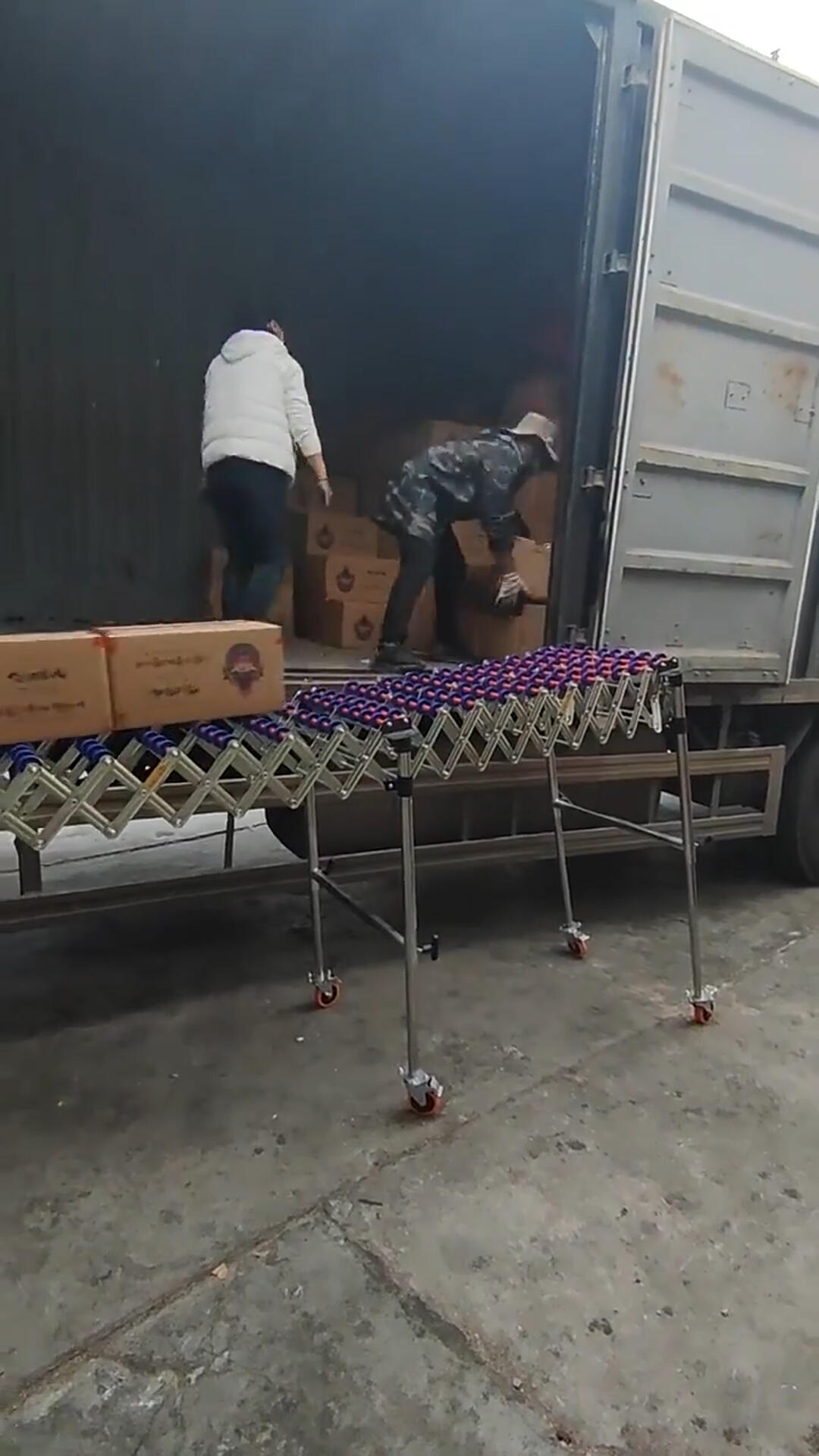
More importantly, workers need to lift items frequently and move repeatedly in and out of the trailer or container, which is not only physically demanding but also increases the risk of fatigue and injury. By establishing a stable conveying channel between the dock and the container, the loading process can shift from "intermittent handling" to a more continuous flow, leaving more room for throughput efficiency and safety.
How telescopic and mobile designs connect the container loading process
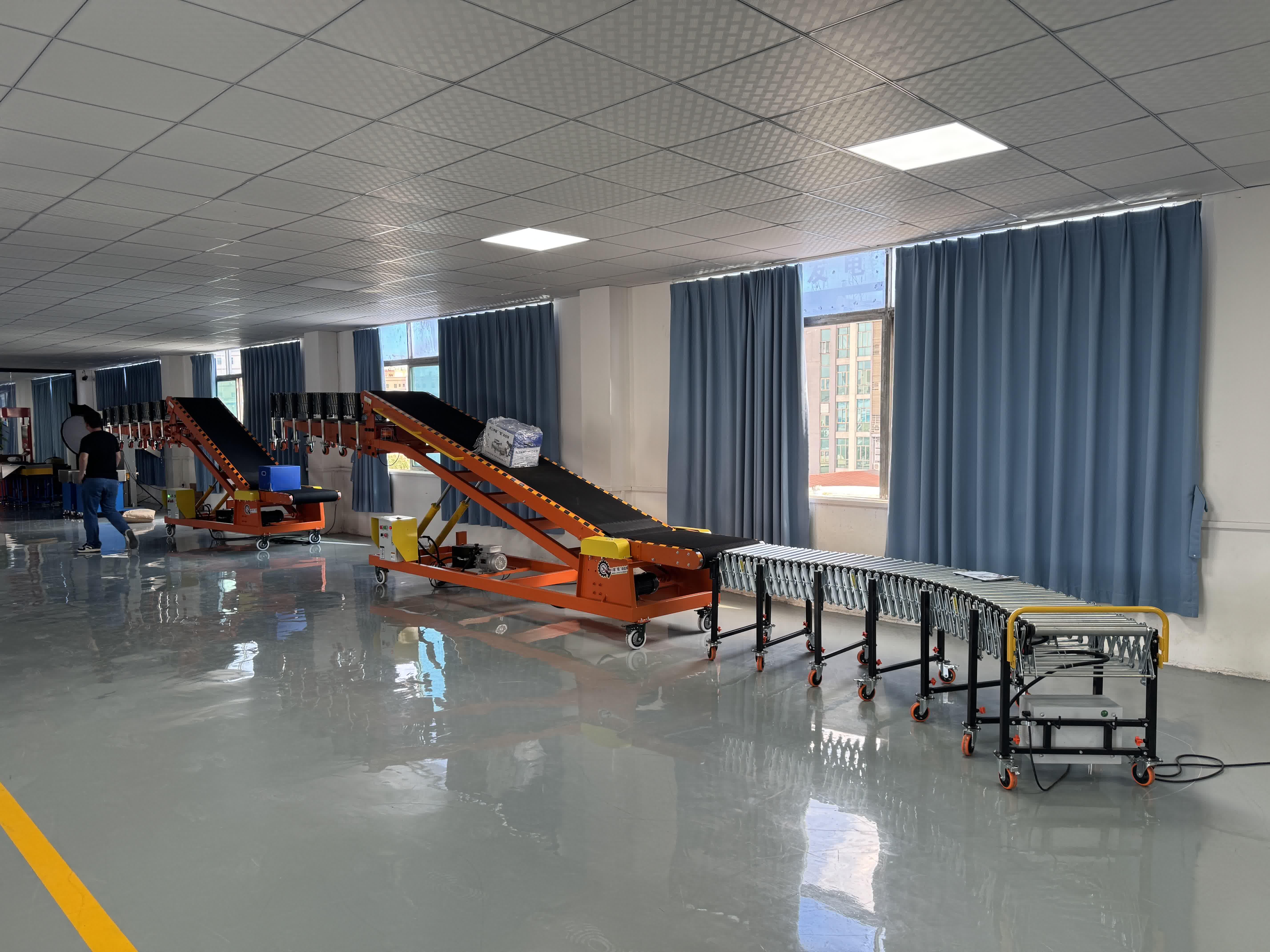
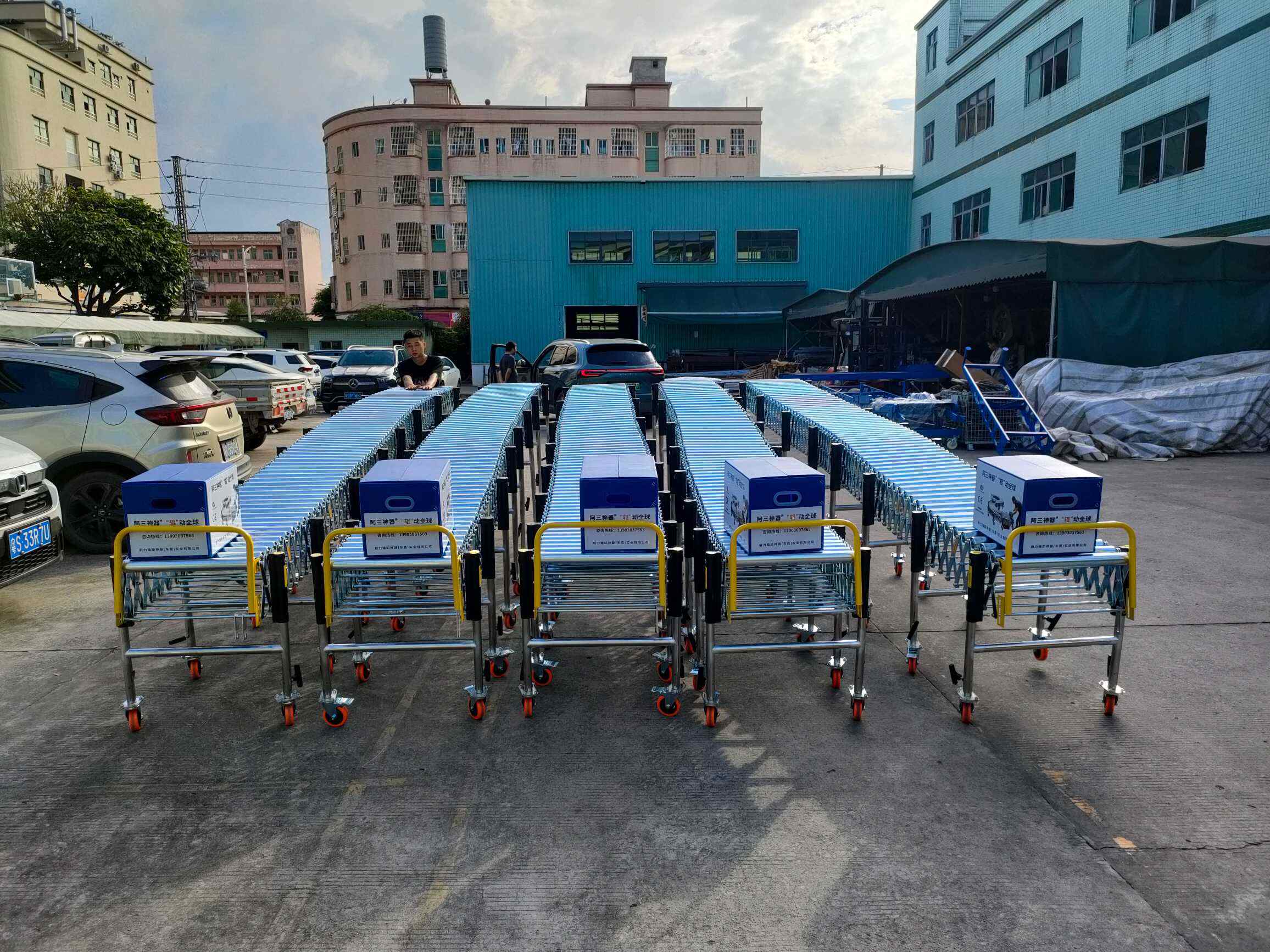
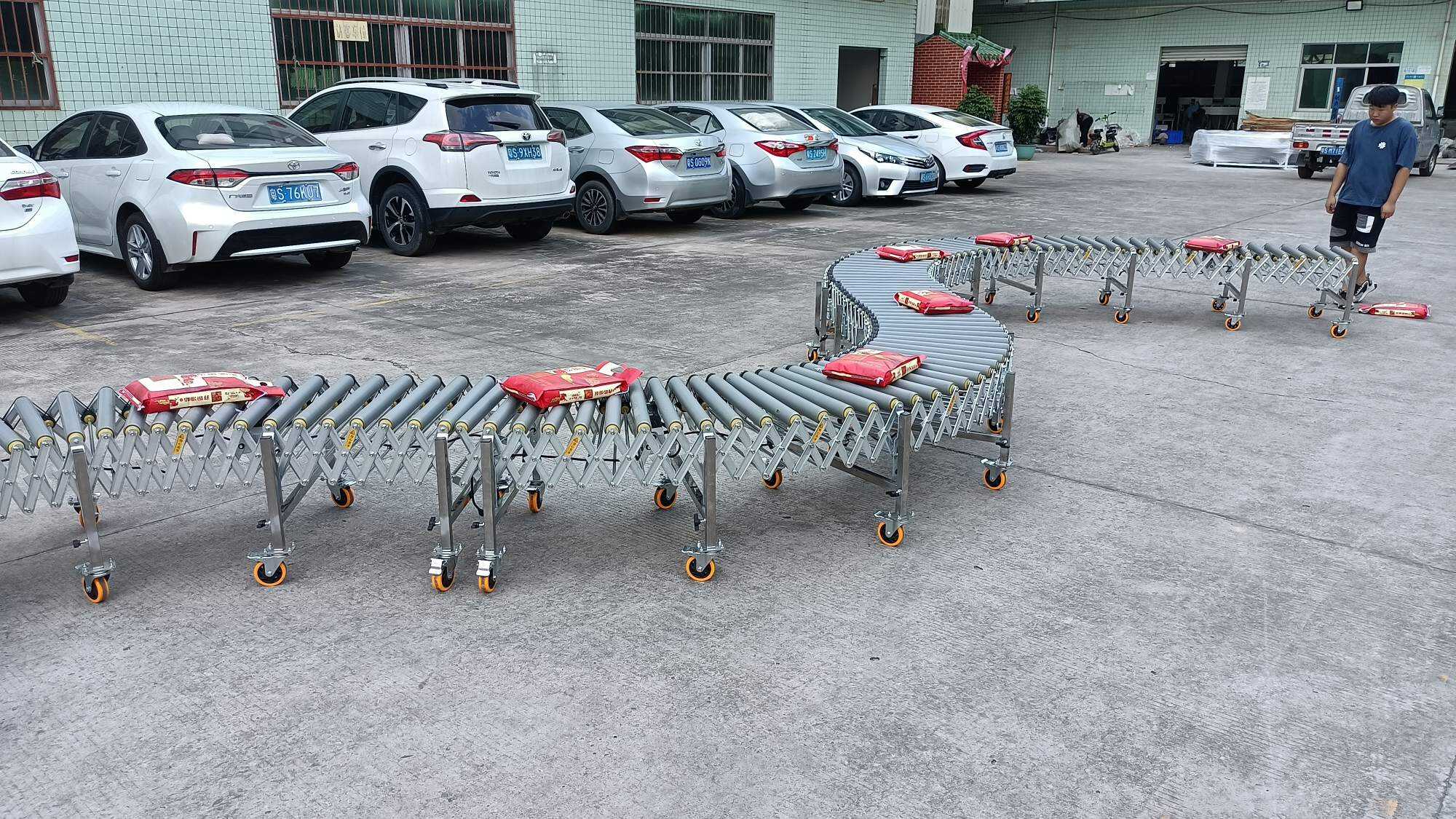
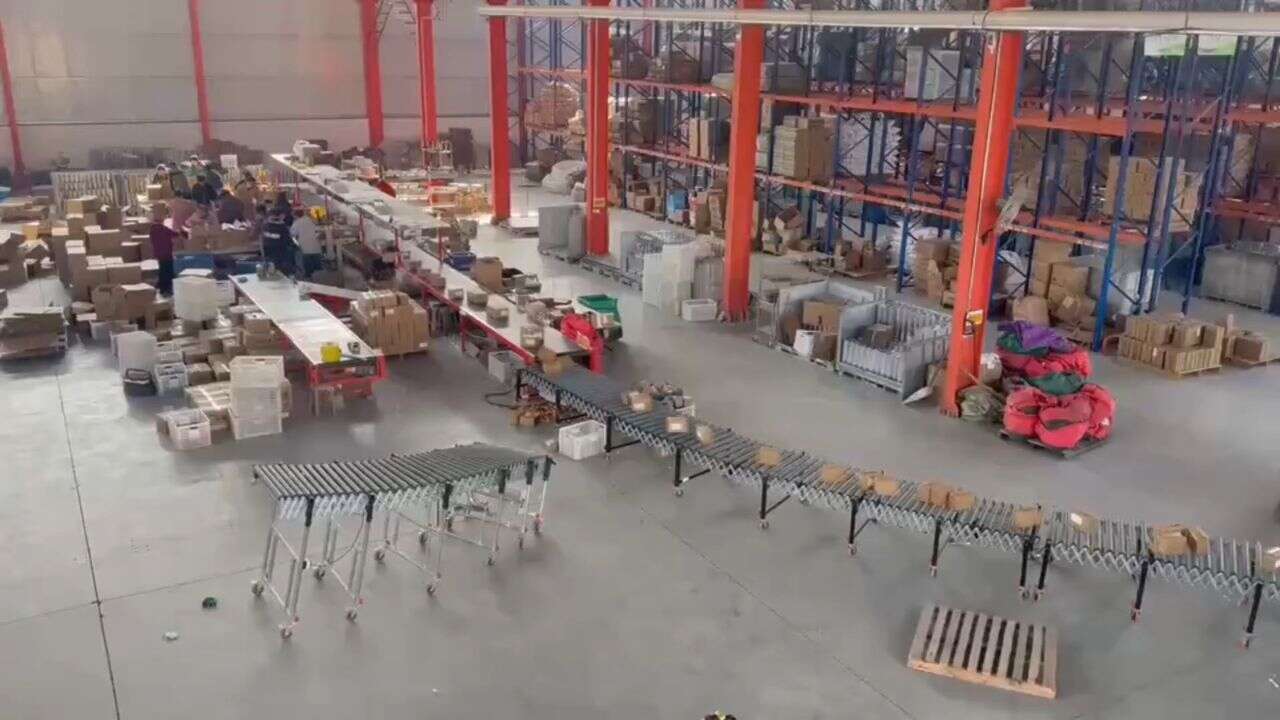
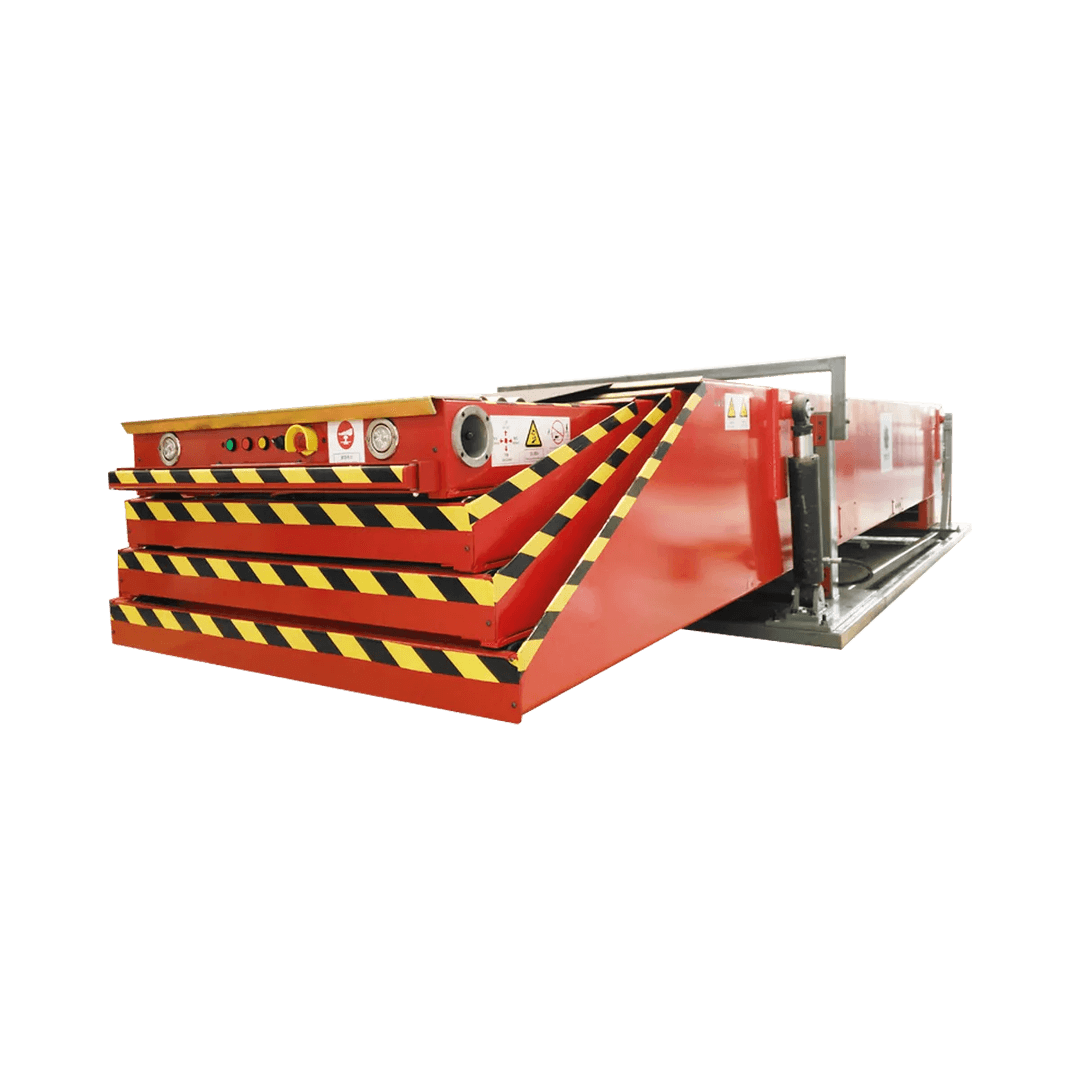
Modern warehousing places more emphasis on flexible scheduling. Telescopic conveyors use multi-section telescopic structures to reach deep into containers or truck beds, reducing the need for personnel to enter the container for manual handling and placement. This ensures a more continuous loading process and better aligns with the loading pace of various types of cartons, bags, or irregular packages.
At the same time, the equipment is typically equipped with hydraulic height adjustment, allowing it to interface with different dock heights and vehicle bed heights. This helps the conveyor line connect smoothly and reduces time lost to repeated adjustments. Combined with a caster wheel mobile design, the equipment can be quickly moved between multiple docks, making it suitable for both temporary setups and fixed dock scenarios.
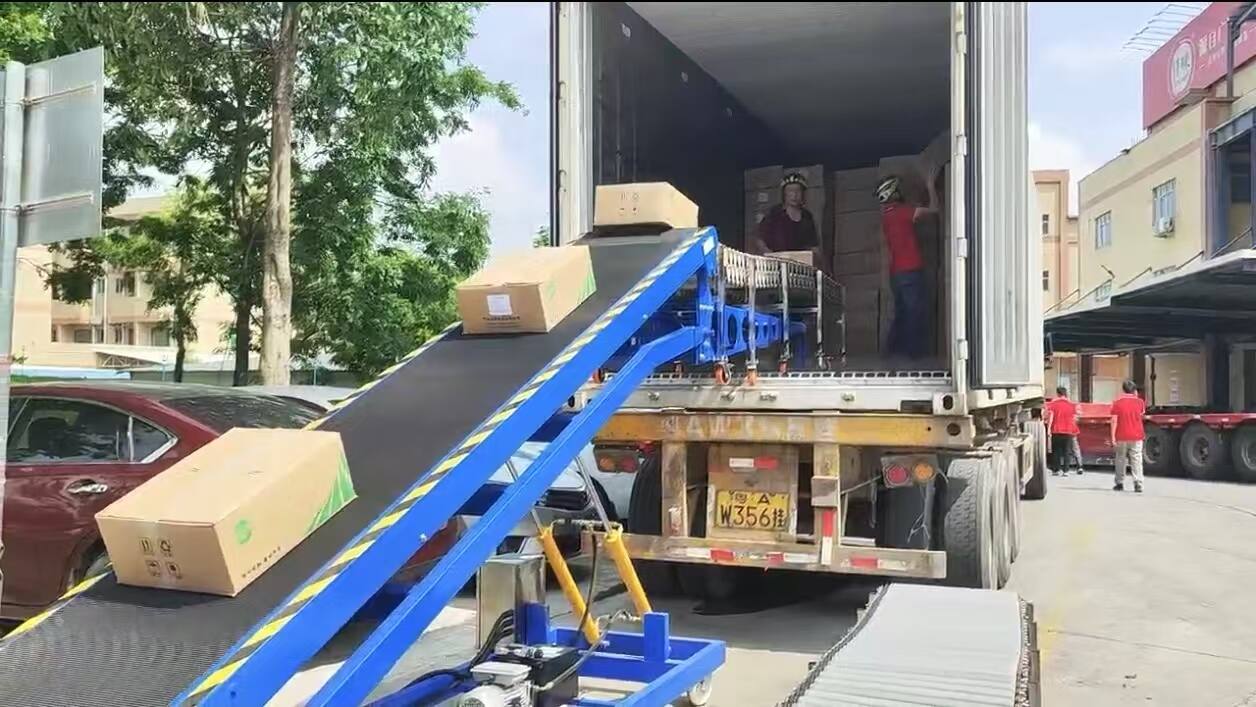
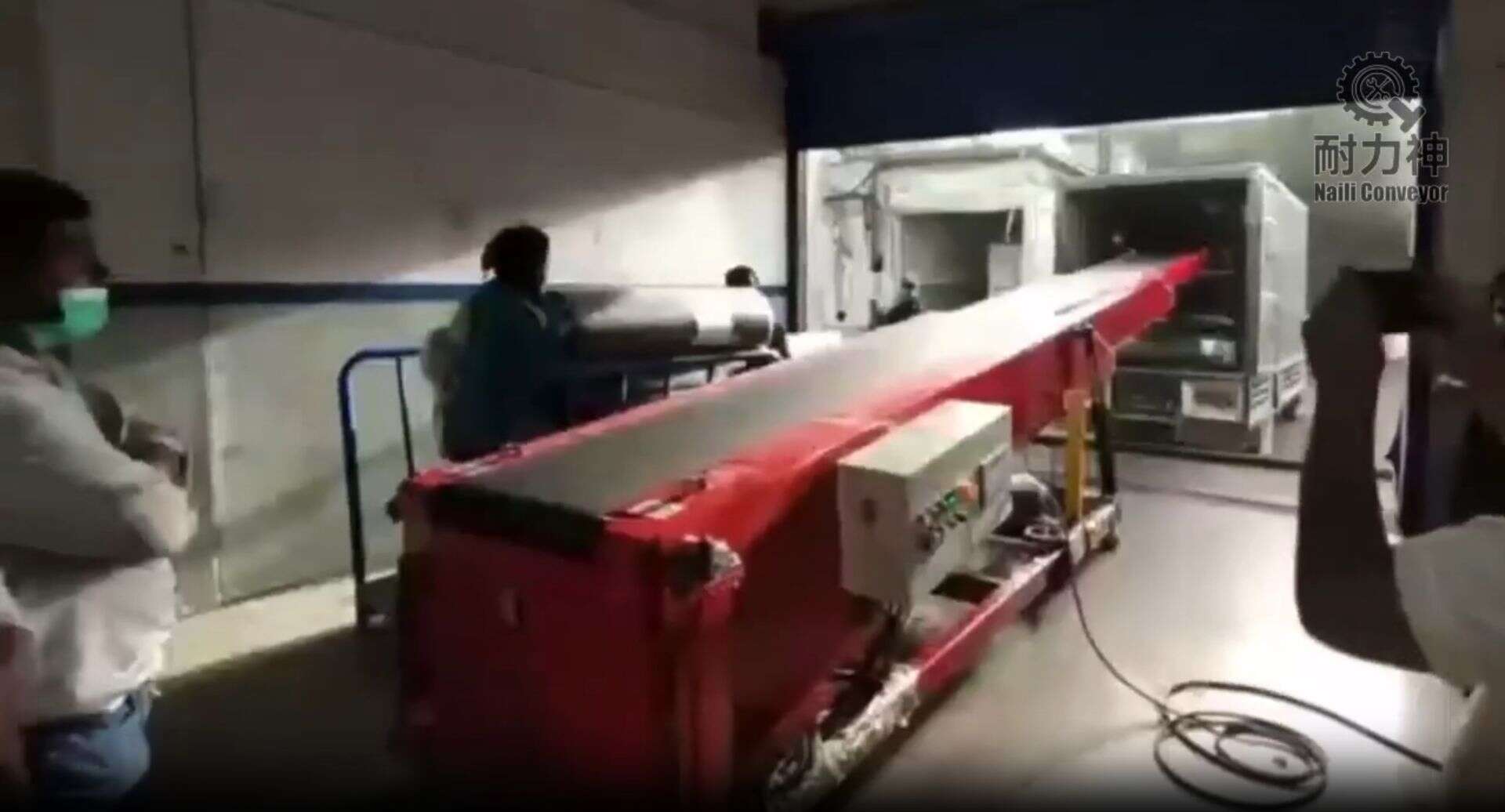
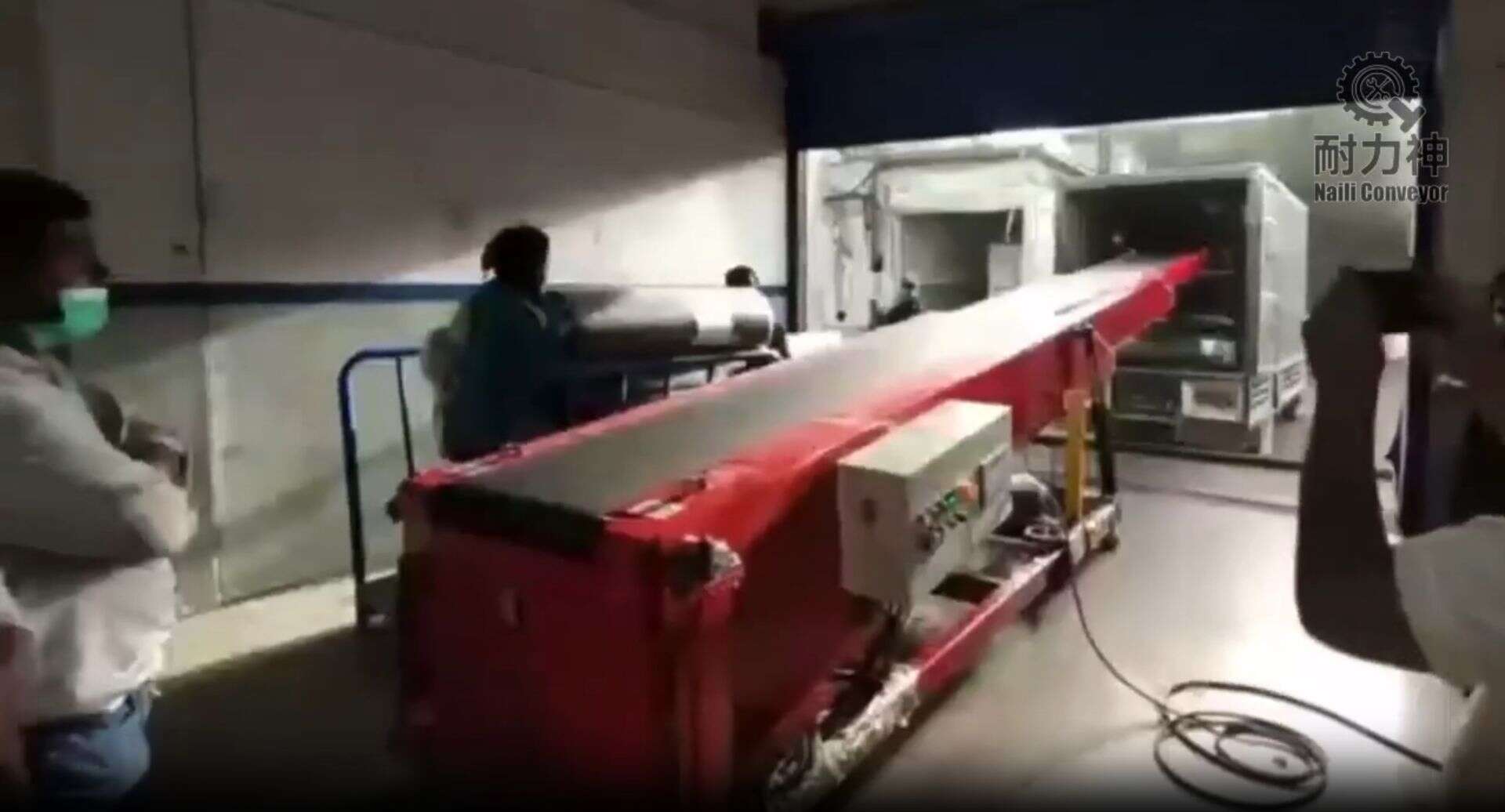
The following on-site video demonstrates the actual operation of a Powered Rubber-Covered Roller Conveyor connected to a belt conveyor and a 4-Section Telescopic Conveyor to complete the loading of a 9.6m truck (without a loading platform):
4-teiliger Teleskopförderer
Our four-section telescopic conveyor can extend up to 12–17 meters, reaching deep into trucks and containers to enable efficient and smooth loading an…

Metallfass

Kunststofffass

Rolle

Karton

Verpackt
Key Configuration Highlights: Rubber-Covered Powered Rollers and Hydraulic Lifting
At the end of the loading process and at positions where material contact is most frequent, roller material and drive methods directly affect package stability and the operational experience. The core difference between powered rubber-covered rollers and steel rollers is that the rubber-covered surface reduces impact and noise while providing better grip and less vibration. This is ideal for maintaining a more stable transport state for fragile or irregularly shaped goods during loading.
The table below summarizes the differences between the two types of rollers regarding common loading concerns:
| Comparison Item | Rubber-Covered Roller | Steel Roller |
|---|---|---|
| Noise Level | Low | Medium to High |
| Cargo Protection | Hervorragend | Average |
| Maintenance Frequency | Low | Mittel |
| Anti-slip Capability | High | Mittel |
This material choice is particularly important for sensitive goods such as electronic products, glassware, and retail items in soft packaging boxes.
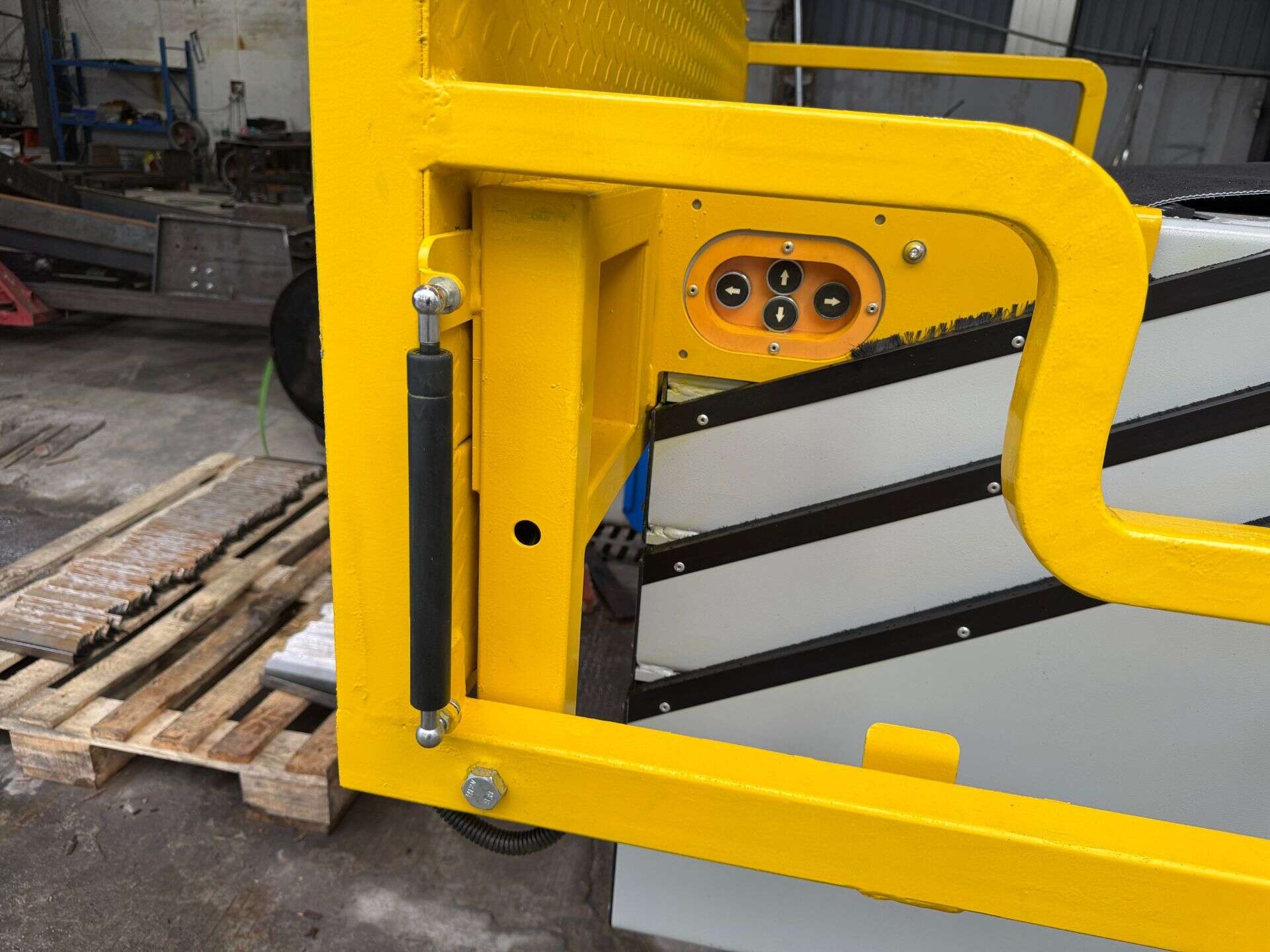
Another key capability is hydraulic lifting. Since heights and ground conditions at different loading/unloading points vary, the hydraulic lifting system can smoothly adjust the conveyor height to align with vehicles or docks, reducing time-consuming manual movement and repeated corrections. Depending on the equipment configuration, operation can be completed via a foot pedal or a control panel.
Selection and Usage Tips: Focus on Capacity Matching and Maintenance Rhythms
When selecting a telescopic conveyor for container loading, it is recommended to check against the following "Does it match your loading conditions?":
| Selection Points | Why It Matters |
|---|---|
| Tragfähigkeit | Needs to stably support the heaviest goods |
| Length and Reach Depth | Should match or cover the loading depth of the truck bed/container |
| Power Type | Can be electric, hydraulic, or a hybrid mechanism |
| Roller Material | Affects grip, lifespan, and cargo protection |
| Adjustability | Suitable for sites with significant variations in dock heights |
| Portability | Multi-dock or mobile loading needs are even more critical |
In mixed-cargo loading environments, combining a "telescopic arm" with a "powered rubber-covered roller" is often more versatile: it can extend into the trailer to reduce personnel entry and exit, while also making fragile or irregular parcels more stable and gentler during conveying.
To reduce downtime risk, daily maintenance is recommended on a regular schedule:
- Weekly: inspect the rollers, remove debris, and confirm there is no damage
- Monthly: check the hydraulic oil level
- Quarterly: inspect motor operating condition
- Yearly: check the integrity of the rubber surface
Training operators in advance to recognize early abnormalities helps eliminate faults before the line stops.
For further insight into ways telescopic conveying equipment can improve efficiency in loading and unloading scenarios, see:
Improving loading and unloading efficiency with telescopic conveyors
Finally, common customization options include: extending the insertion length, adding side guides, and variable-speed control. It is recommended to describe the key operating conditions clearly based on your cargo type, number of docks, and vehicle type, so that the configuration better fits the on-site requirements.