Why a hydraulic conveyor manufacturer page should start by addressing applicable operating conditions
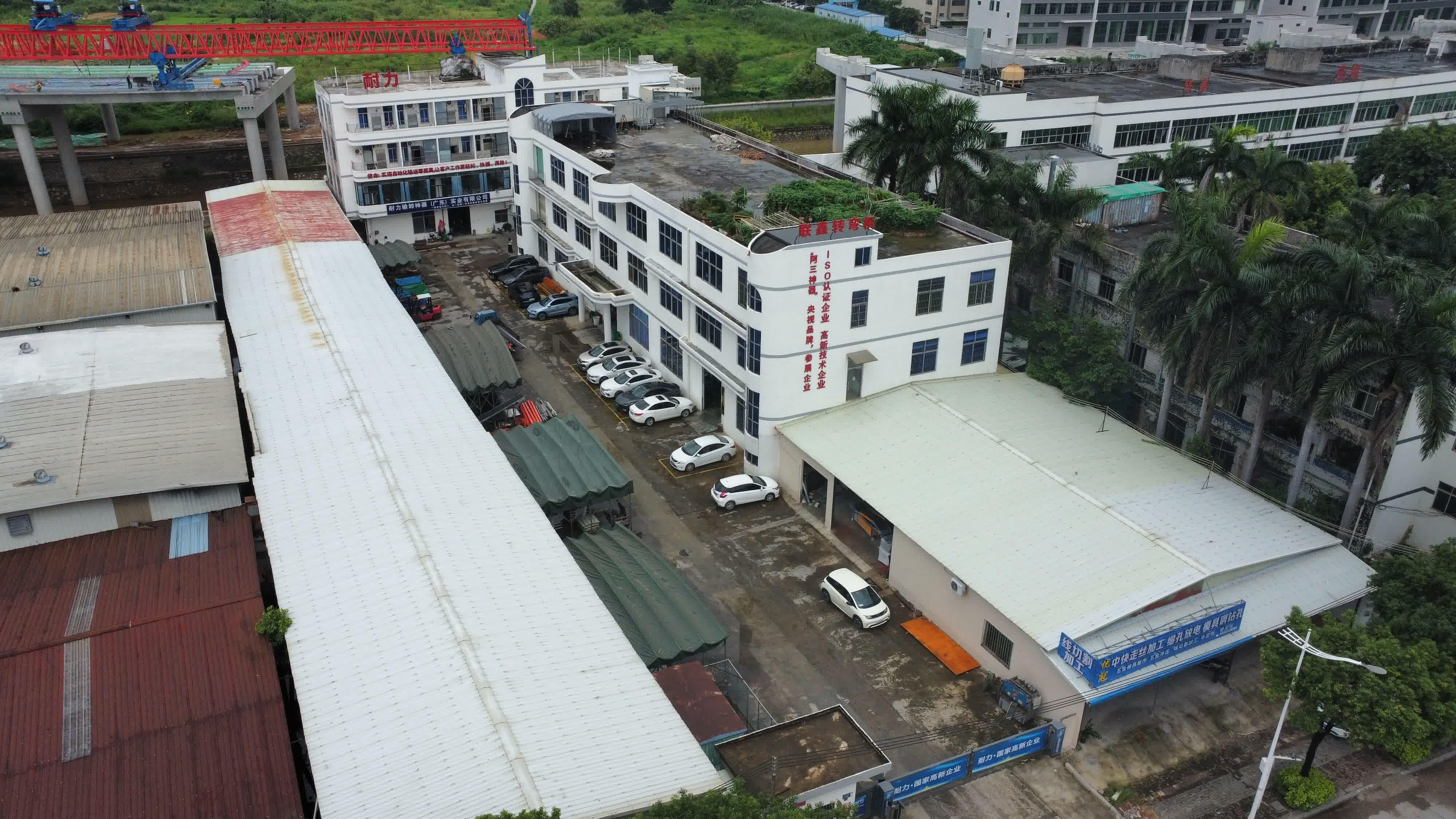
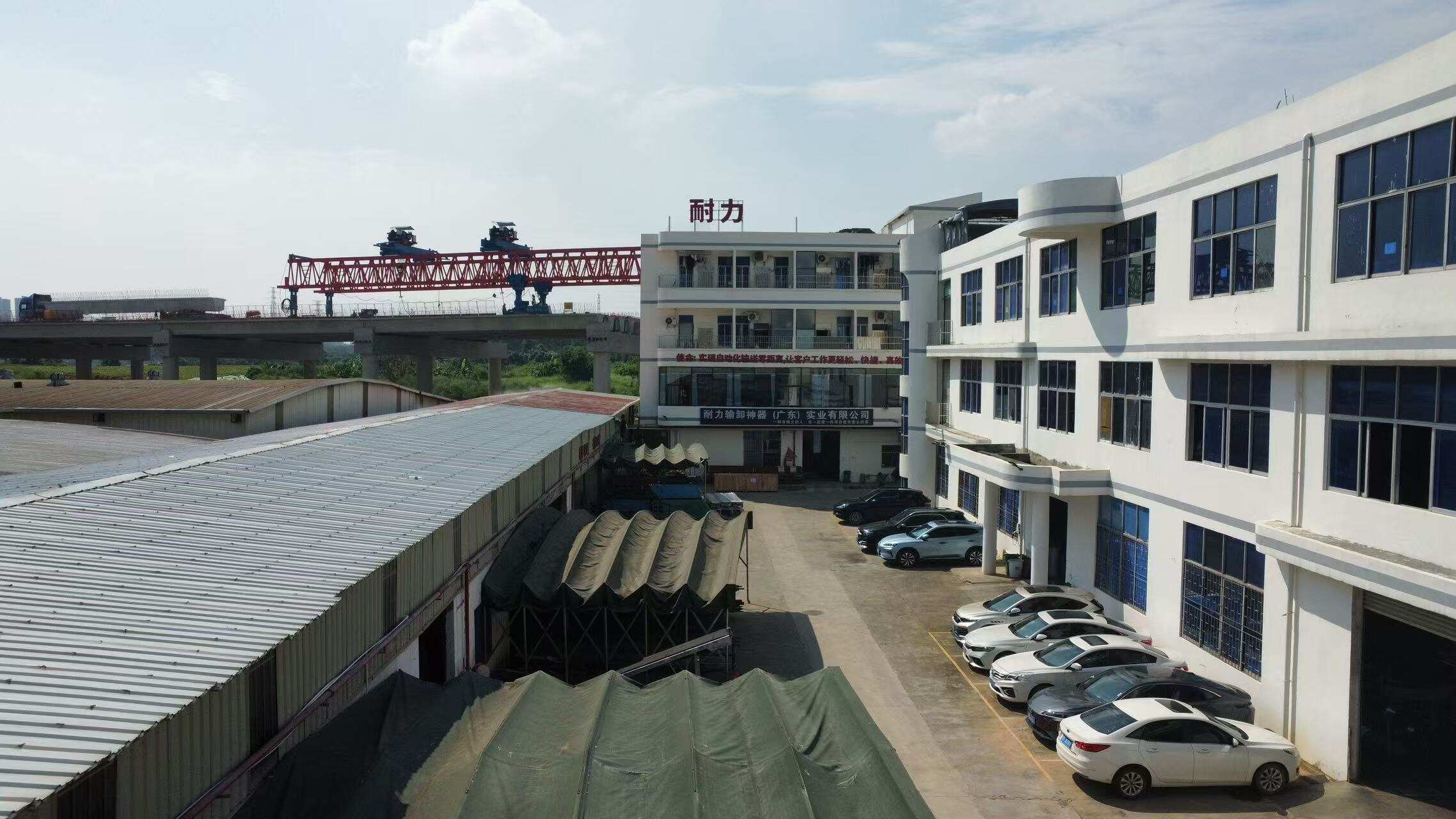
As a manufacturer of hydraulic conveyors, Naili Conveyor hopes that pages like this can first help procurement, equipment, and operations teams determine whether the site is suitable for this equipment route, rather than rushing to put a model into the shopping list. What really affects implementation results is often whether the workflow runs smoothly, whether the rhythm is stable, and whether later maintenance is manageable.
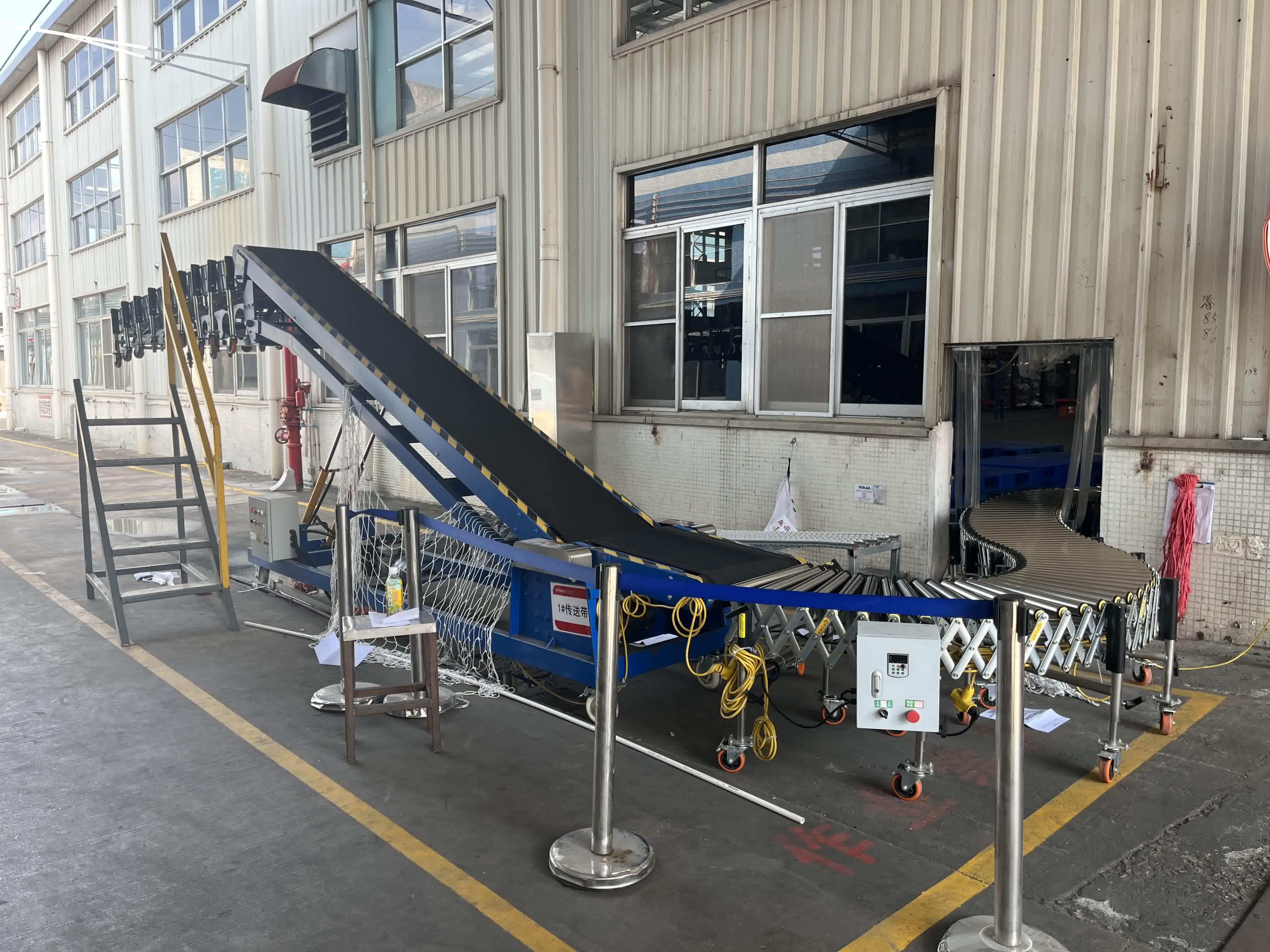
Common searches around hydraulic conveyor manufacturers often focus on questions such as "hydraulic conveyor loading conveyor manufacturer, " "hydraulic conveyor unloading conveyor manufacturer, " "hydraulic conveyor warehousing transfer equipment, " "hydraulic conveyor logistics loading and unloading solution, " and "customized hydraulic conveyor manufacturer." Although they look like keywords, they actually correspond to clear operating-condition judgments: whether there is a height difference on site, whether the conveyor needs to extend into the truck compartment, whether goods are likely to slip, whether dual-workstation coordination is needed, and whether floor-to-floor transfer is required. The page content must clearly explain these issues to match the semantics of a manufacturer title.
Hydraulic conveyor application scenarios and manufacturer customization boundaries
- Warehouse loading without a dock: corresponding to different loading, unloading, or transfer workflows.
- Unloading stations with large trailer-height variations: corresponding to different loading, unloading, or transfer workflows.
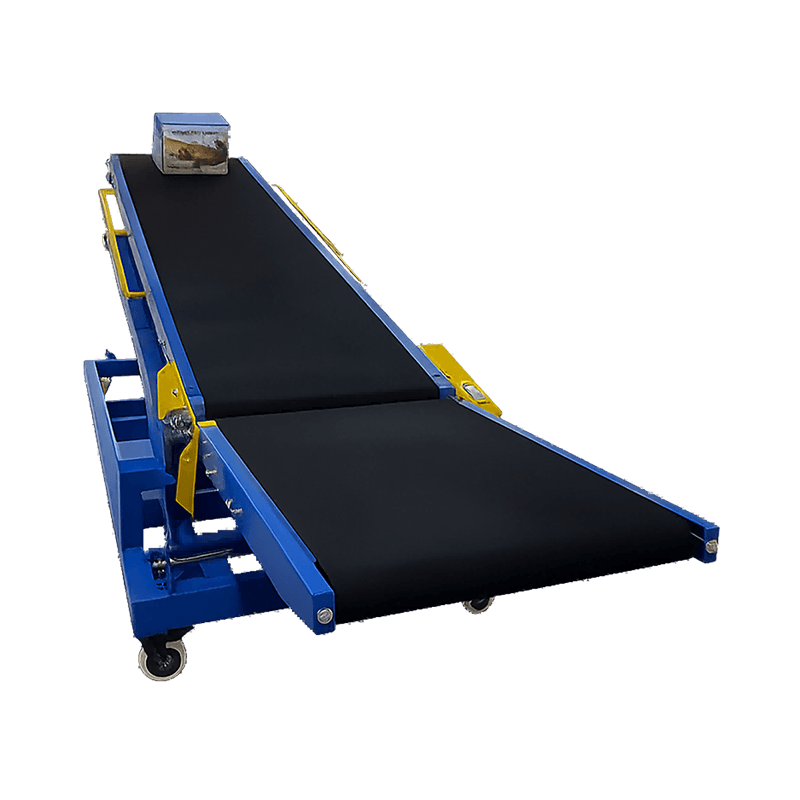
- Upward transport for bagged and boxed goods: suited to different loading, unloading, or transfer lines.
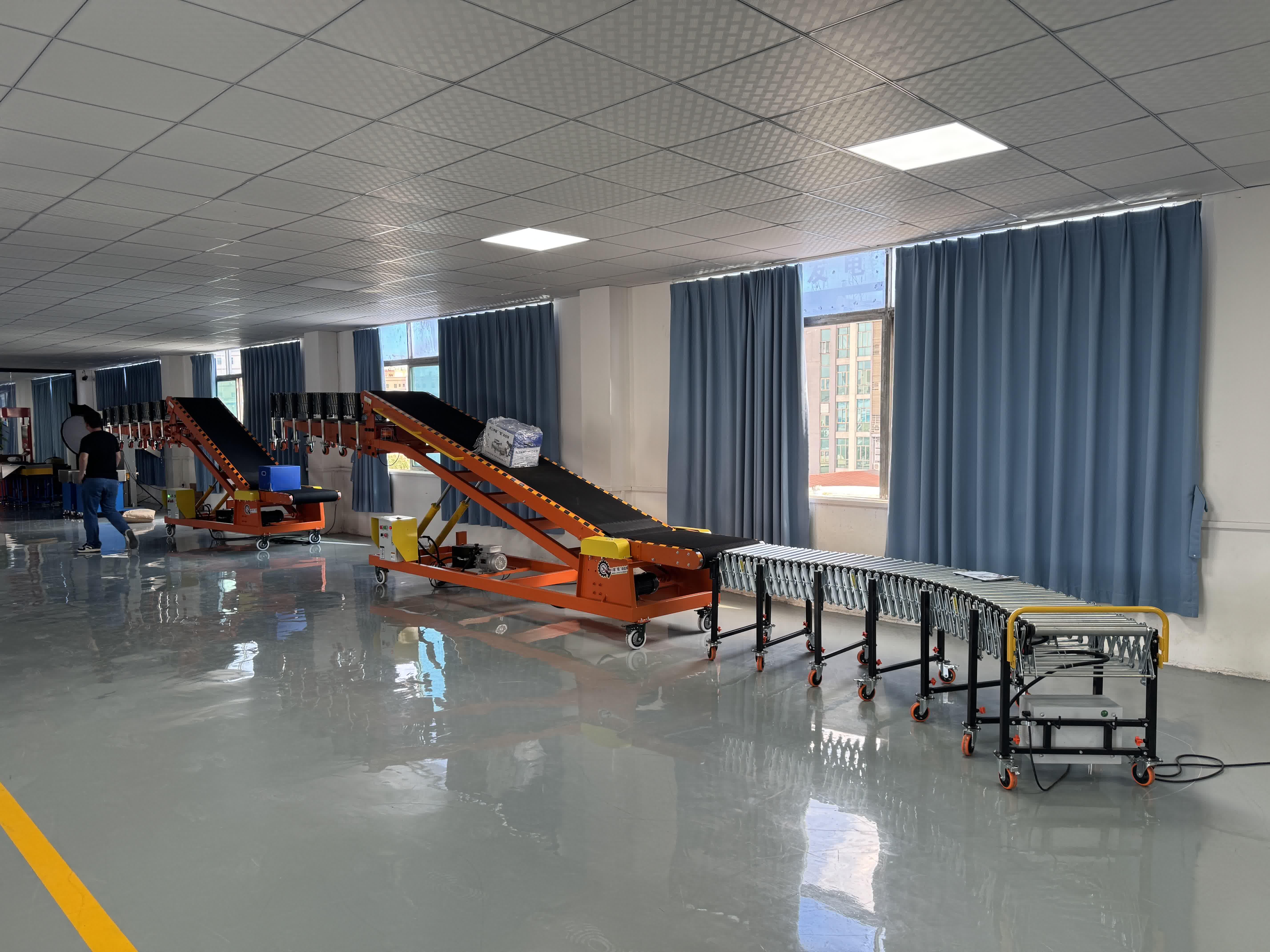
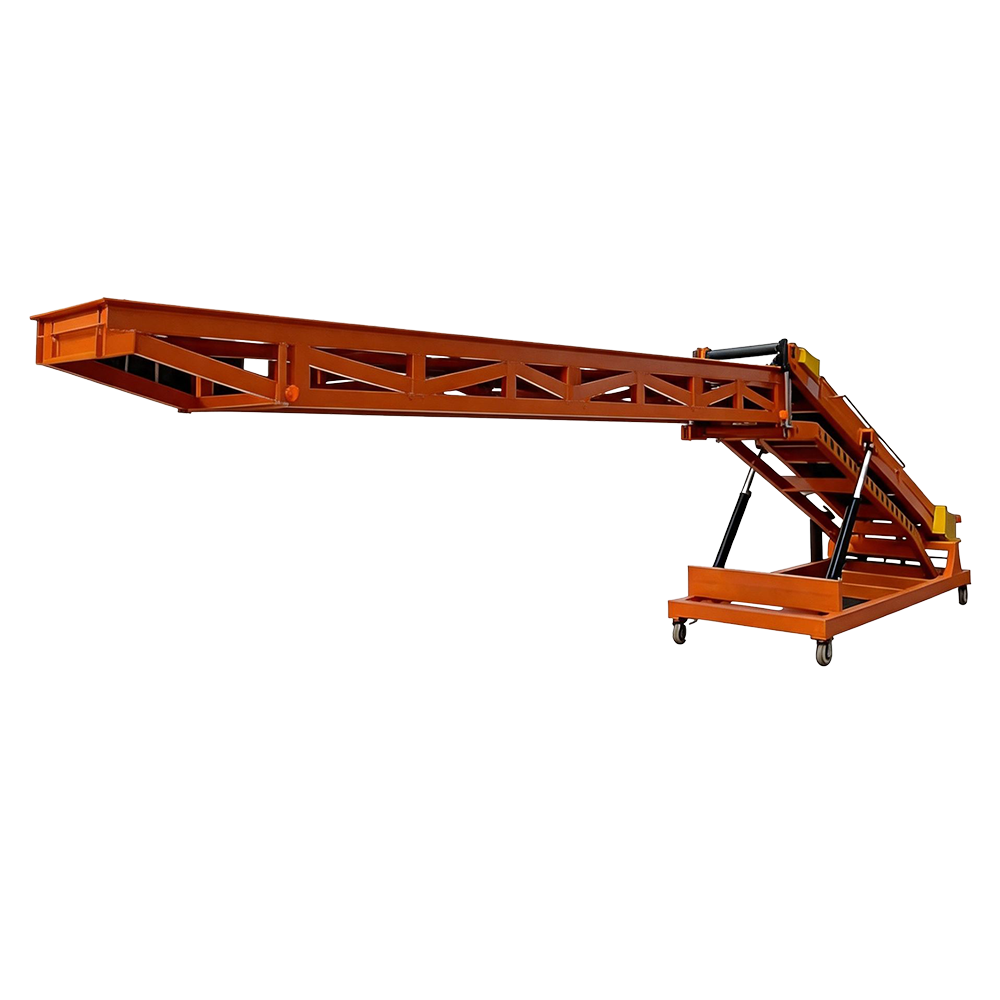
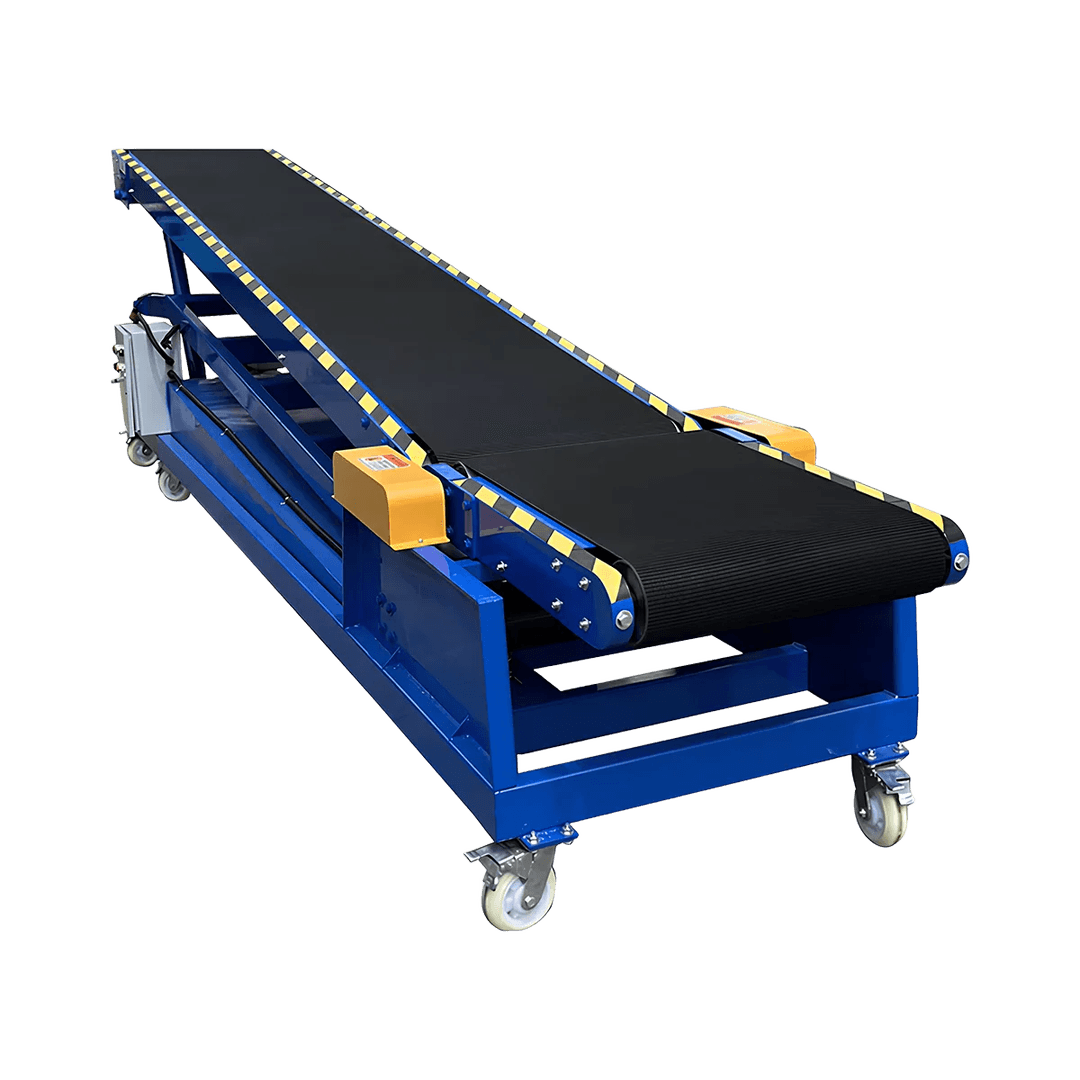
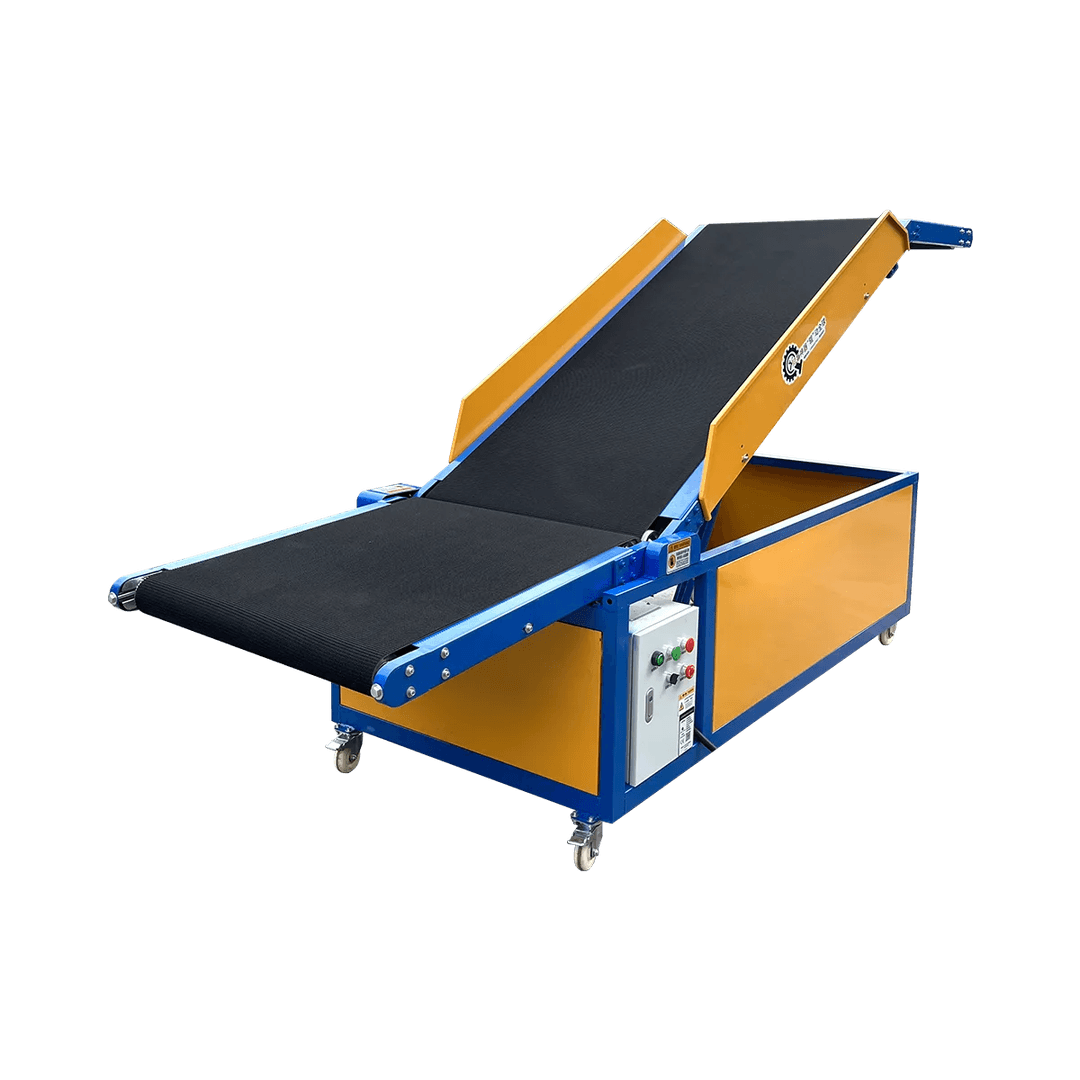
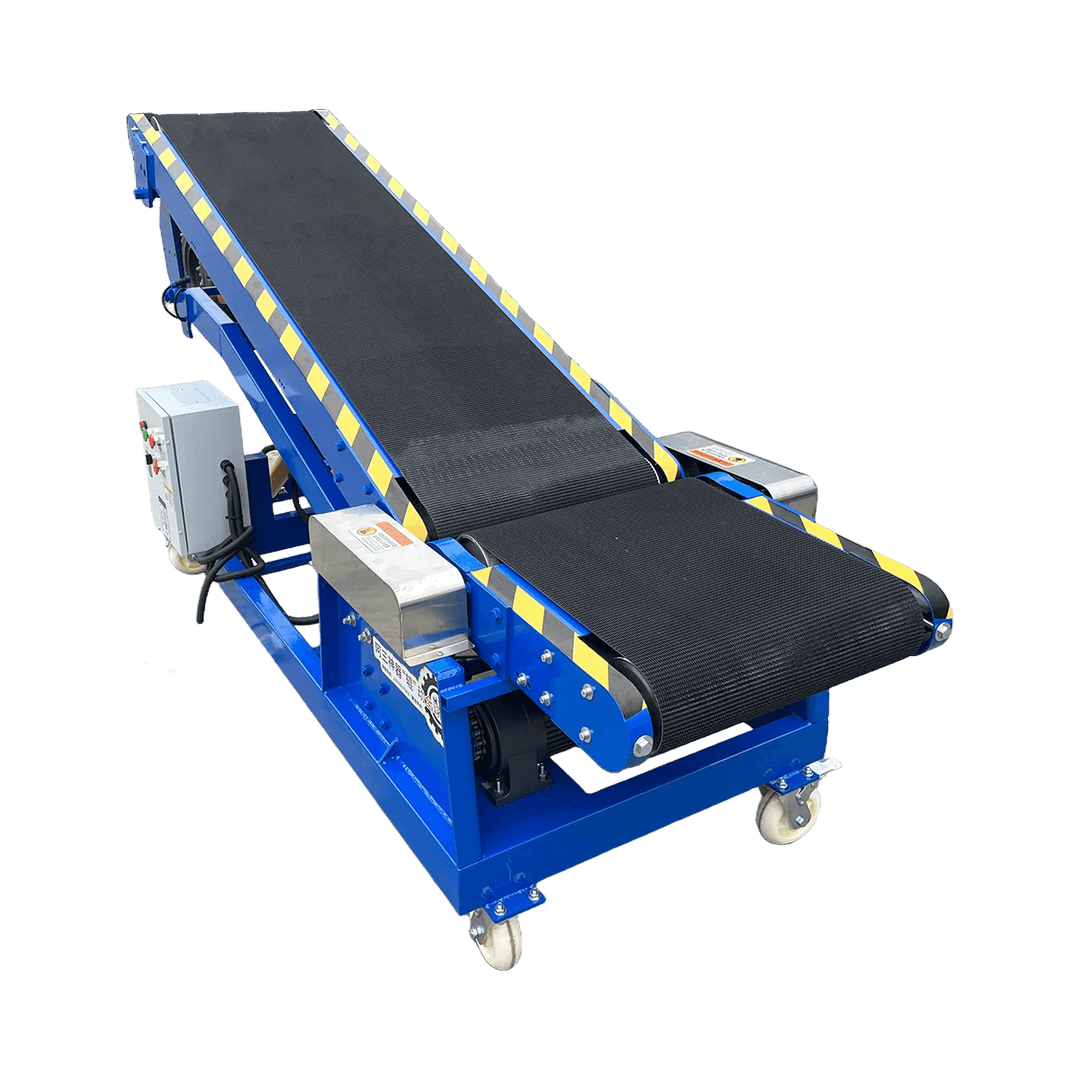
Common custom items that the manufacturing side needs to confirm at the same time include lifting stroke, slope range, anti-slip configuration, and linkage with the roller line. First measure the height range between the lowest truck bed and the highest truck bed. If the front and rear sections need to be connected into one line, the cycle time of the roller line and the incline section must be confirmed together.
How are the models divided under the hydraulic conveyor category?
- Großer hydraulischer Förderer: Designed for heavy loads and continuous shifts, with priority on stability and safety margin.
- Mittlerer Hydraulikförderer: Suitable for most warehouses and finished-goods stores; the main general-purpose model among hydraulic conveyors.
- Kleiner hydraulischer Förderer: Focuses more on fast deployment and flexible use, suitable for medium and small batch workstations.
- Mikrohydraulischer Förderer: Suitable for light loads and small spaces; the goal is to get the level-change workstations running smoothly first.
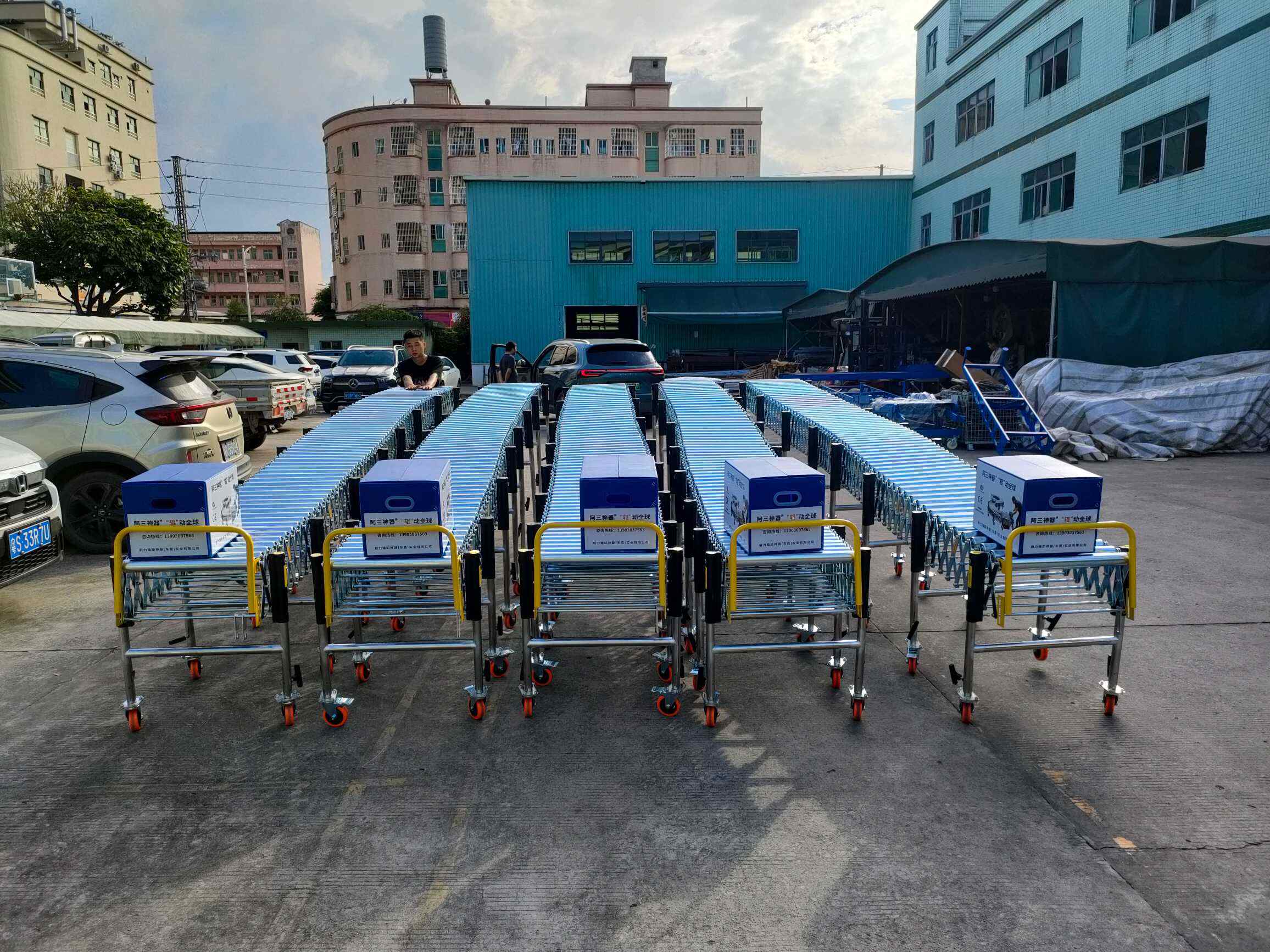
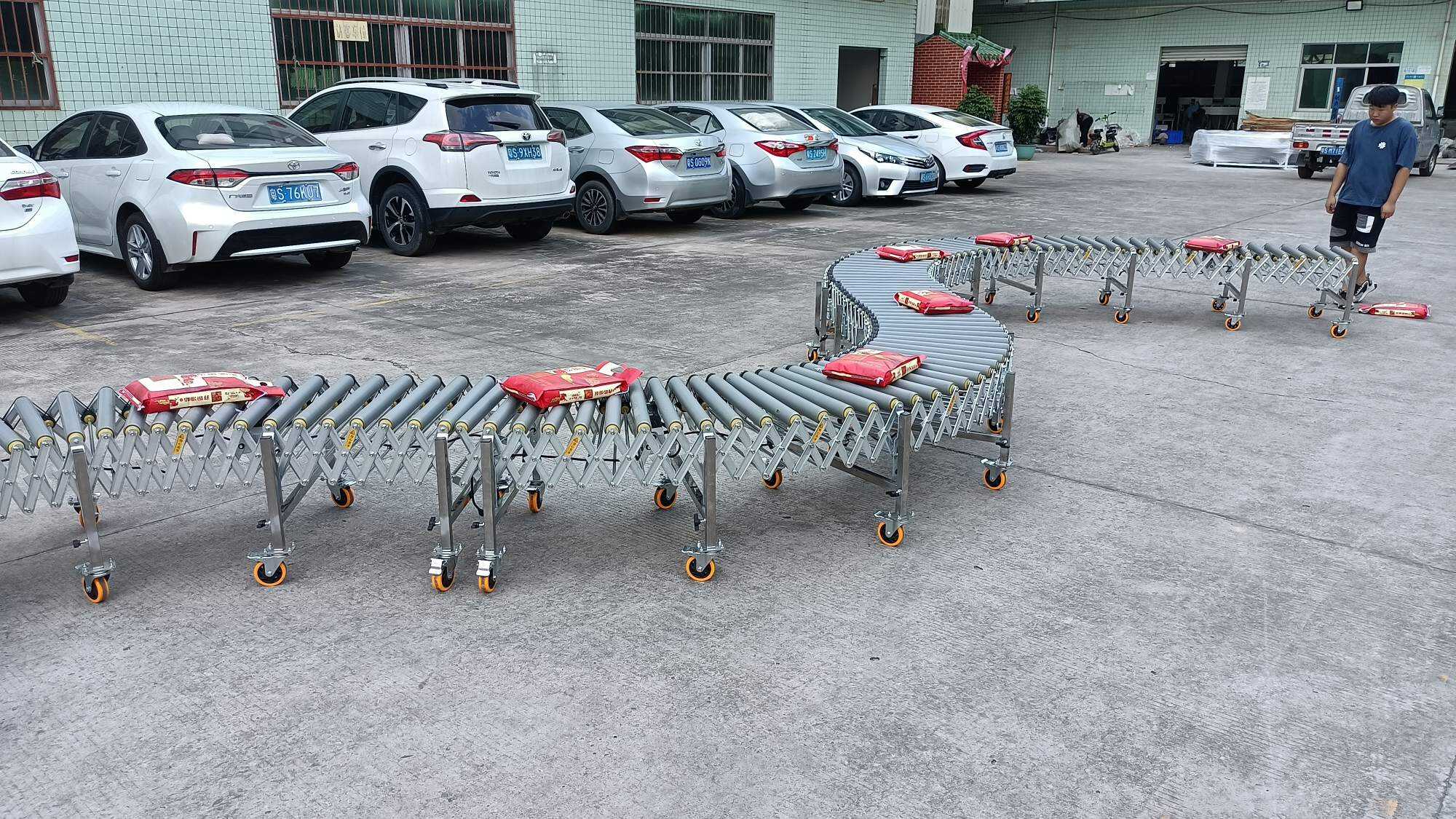
Wenn Sie einen Vergleich über verschiedene Kategorien hinweg vornehmen möchten, können Sie auch weiterhin folgende Ansicht aufrufen: Teleskopförderer, Hydraulischer Förderer, Angetriebenes Rollenförderband, Schwerkraft-Rollenförderer und Vertikalförderer, and compare the manufacturing route with the on-site route in the same diagram.
Hydraulic Conveyor Cases, Media, and Acceptance Focus Points
- Efficient Loading Solution for Finished-Goods Warehouses: On-site cases centered on loading, unloading, or warehouse transfer.
- Bottled Water Large Hydraulic Conveyor Loading Solution: On-site cases centered on loading, unloading, or warehouse transfer.
- Solution for Improving Loading Efficiency in Logistics Warehouses: On-site cases centered on loading, unloading, or warehouse transfer.
- Efficient Loading Solution for Finished-Goods Warehouses for Home Appliances: On-site cases centered on loading, unloading, or warehouse transfer.
During acceptance, it is recommended to focus on continuity during peak shifts, integration with upstream and downstream equipment, whether the maintenance passage is clear, and whether operators can consistently reproduce the cycle time. Only then can you verify whether the content provided by the hydraulic conveyor manufacturer can really be implemented on site, rather than just looking complete on the web page.