Warum Lagerlayouts einen Schwerkraft-Skate-Rad-Förderer für kurvige Streckenführungen benötigen
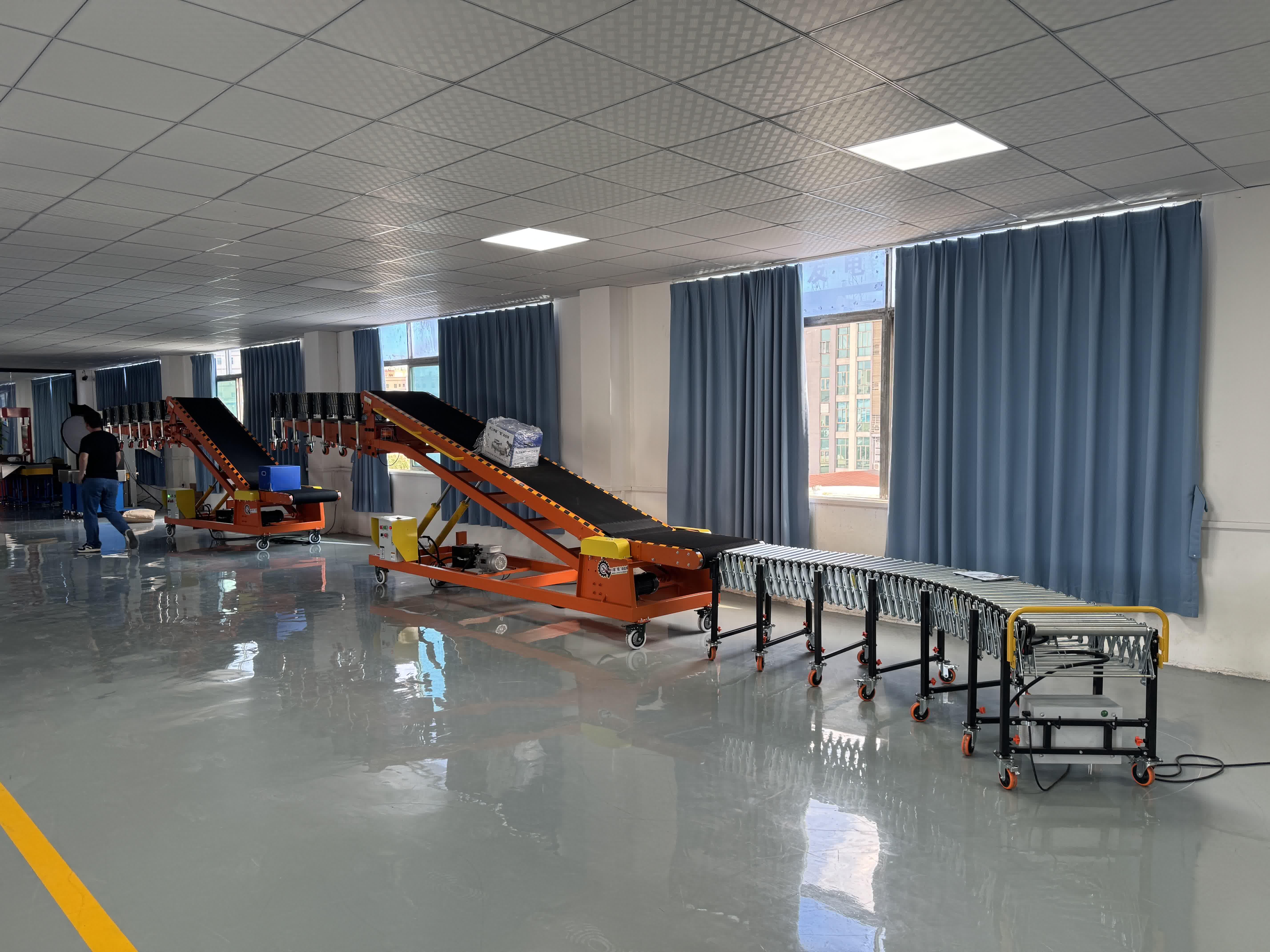
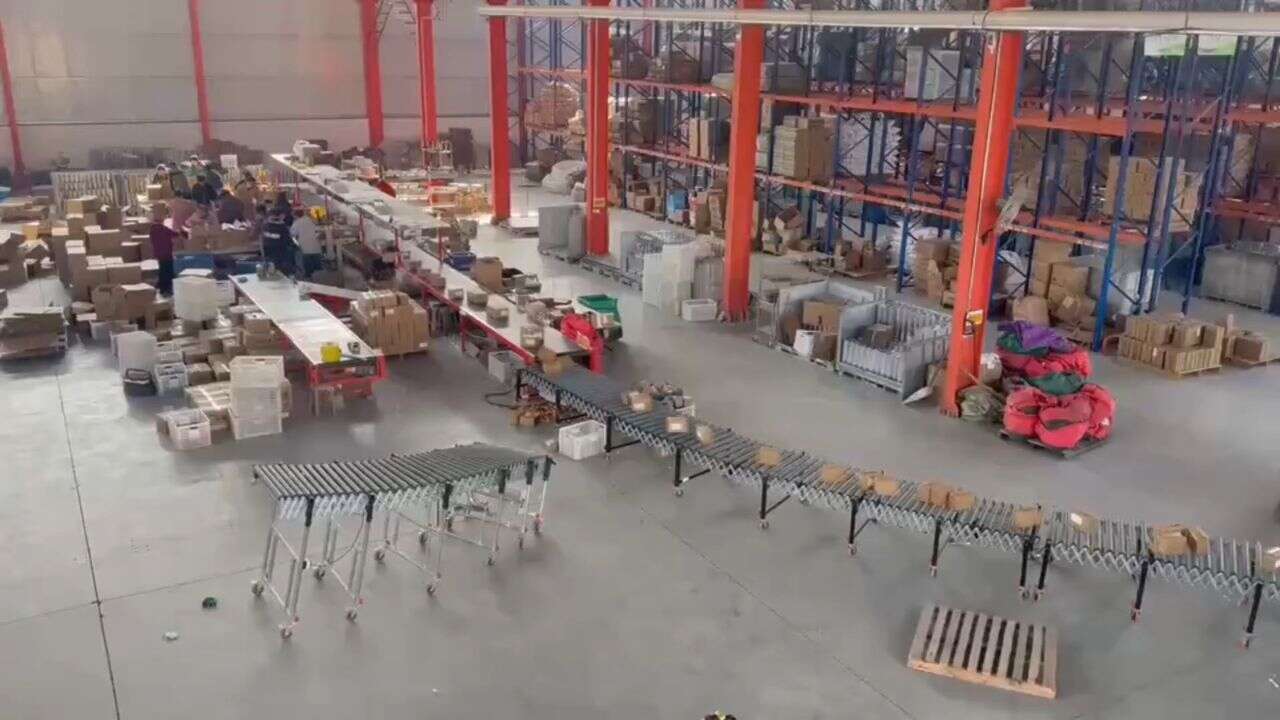
In einem echten Lager kann eine Förderbahn selten durchgehend gerade verlaufen. Säulen, Arbeitsstationen, Regale und verschiedene Infrastrukturelemente unterteilen einen geraden Durchgang in mehrere Abschnitte; wenn die Förderbahn nicht abbiegen kann, muss sie einen längeren Weg nehmen und erfordert mehr Umschlag, was sich sowohl auf den Durchsatz als auch auf die Effizienz auswirkt.
Im Vergleich dazu sind Kurven mit festen Förderbändern in der Regel mit höheren Investitionen verbunden: Kurvenabschnitte müssen oft maßgeschneidert werden, die Aufstellungsposition ist fest vorgegeben, und eine Umleitung erfordert eine Neukonzeption und Umbauarbeiten. Bei einem größeren Kurvenradius entsteht zudem ein schwer nutzbarer toter Raum auf der Innenseite der Kurve. Noch wichtiger ist, dass sich der Lagerbetrieb häufig ändert (Standortanpassungen, saisonale Schwankungen, neue Produktwege, temporäre Projekte, Erweiterungen oder Umzüge) und feste Routen nur schwer schnell anpassen lassen.
Kurvenbildung mithilfe einer Scherenkonstruktion: Kurven des Gravity-Skate-Radförderers
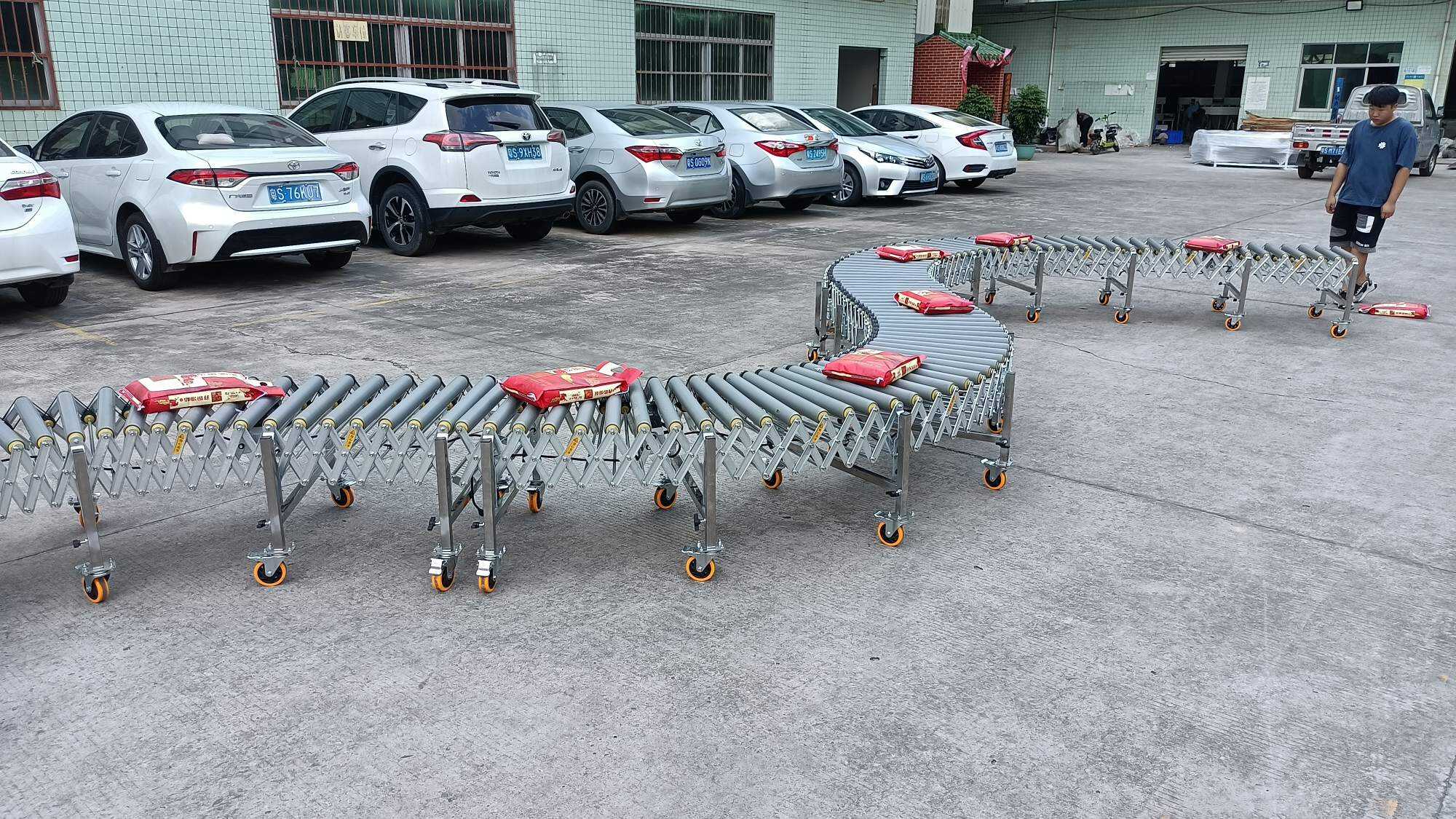
Der Schlüssel zu einem Förderband, das sich drehen und umleiten lässt, ist eine teleskopische Scherenrahmenkonstruktion. Nach dem Ausfahren können ein nicht angetriebener Teleskop-Rollenförderer und ein Gravity-Skate-Wheel-Förderer durch die Steuerung des Ausfahrunterschieds zwischen Innen- und Außenseite auf natürliche Weise einen Bogen bilden; mit mehrteiligen modularen Verbindungen lassen sich schnell Kurven bilden, Hindernisse umgehen und unregelmäßige Verläufe erstellen.
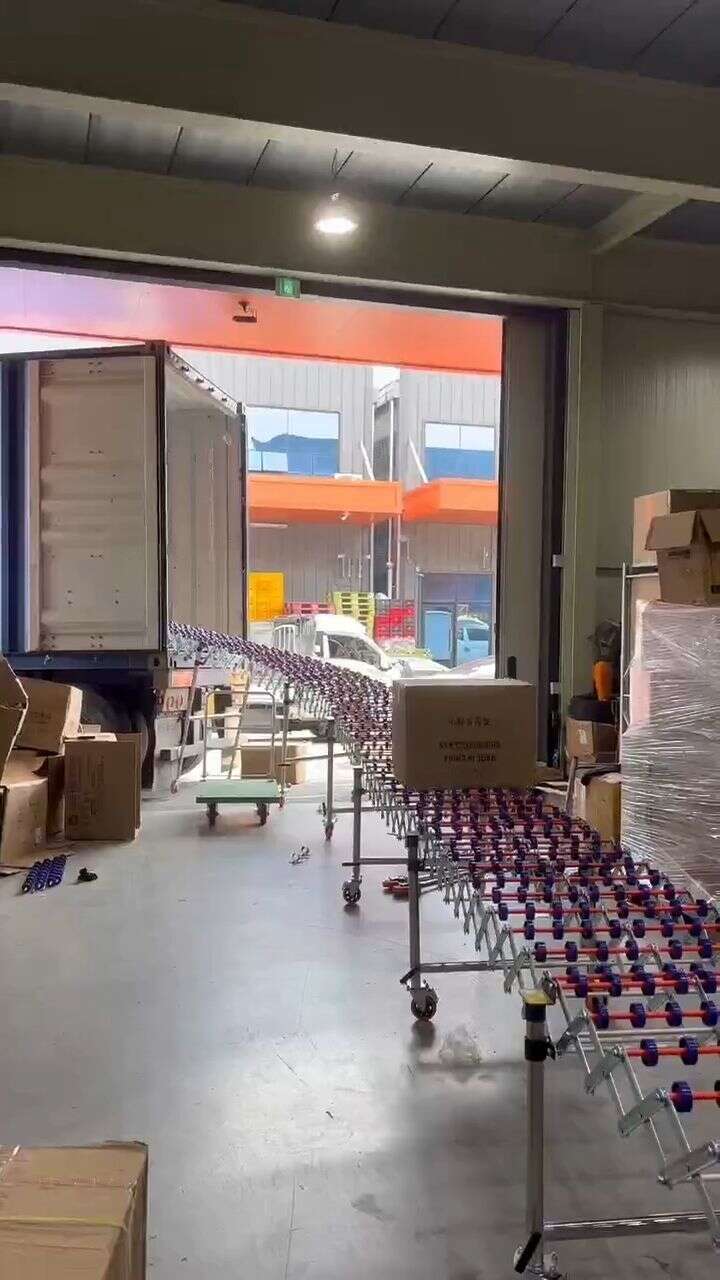
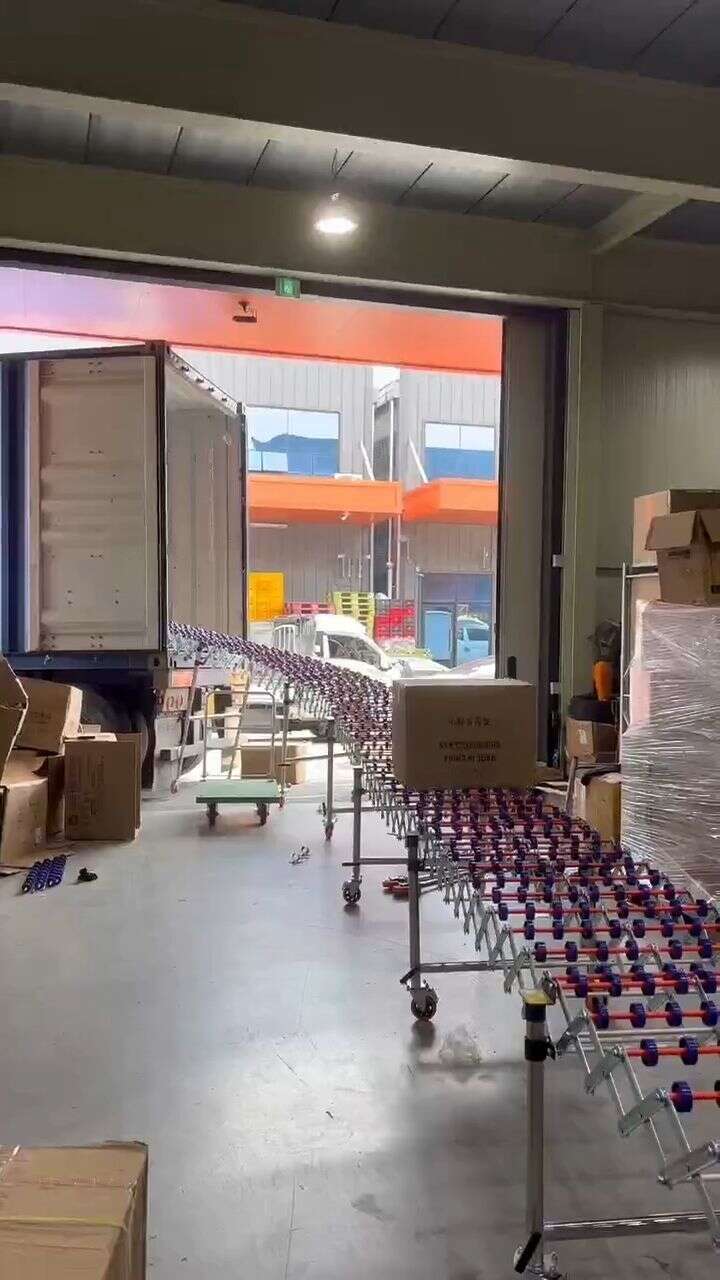
Ein Schwerkraft-Skate-Radförderer ist in der Regel leichter und bietet einen größeren Teleskopierbereich, wodurch sich engere Kurven leichter realisieren lassen. Er eignet sich für temporäre oder variable Transportwege im Lager für leichte Pakete mit flachem Boden. Das folgende Video zeigt einen tatsächlichen Fördervorgang in einer Kurve:
Ihr Browser unterstützt die Wiedergabe von Videos nicht.
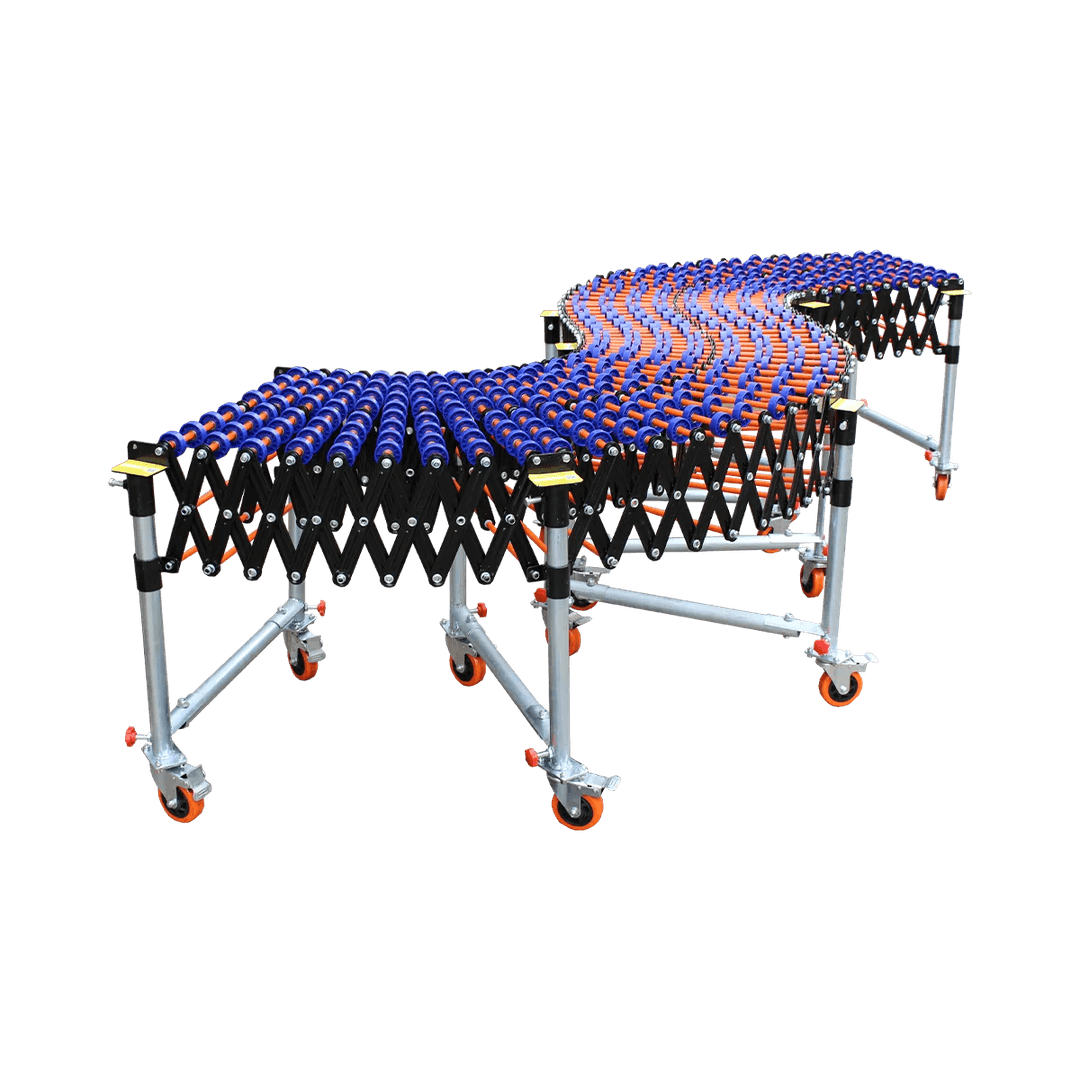
Schwerkraft-Skate-Radförderer
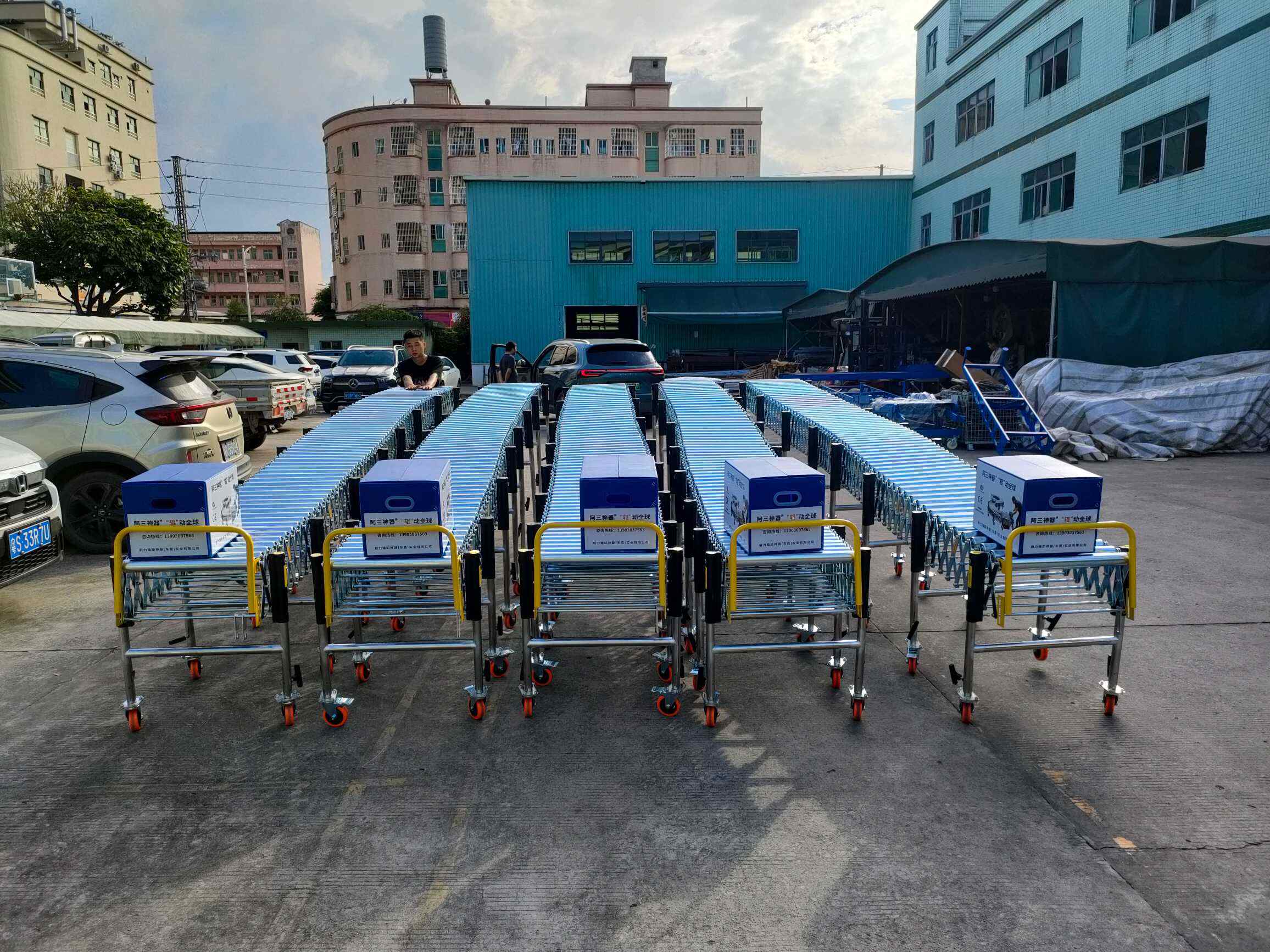
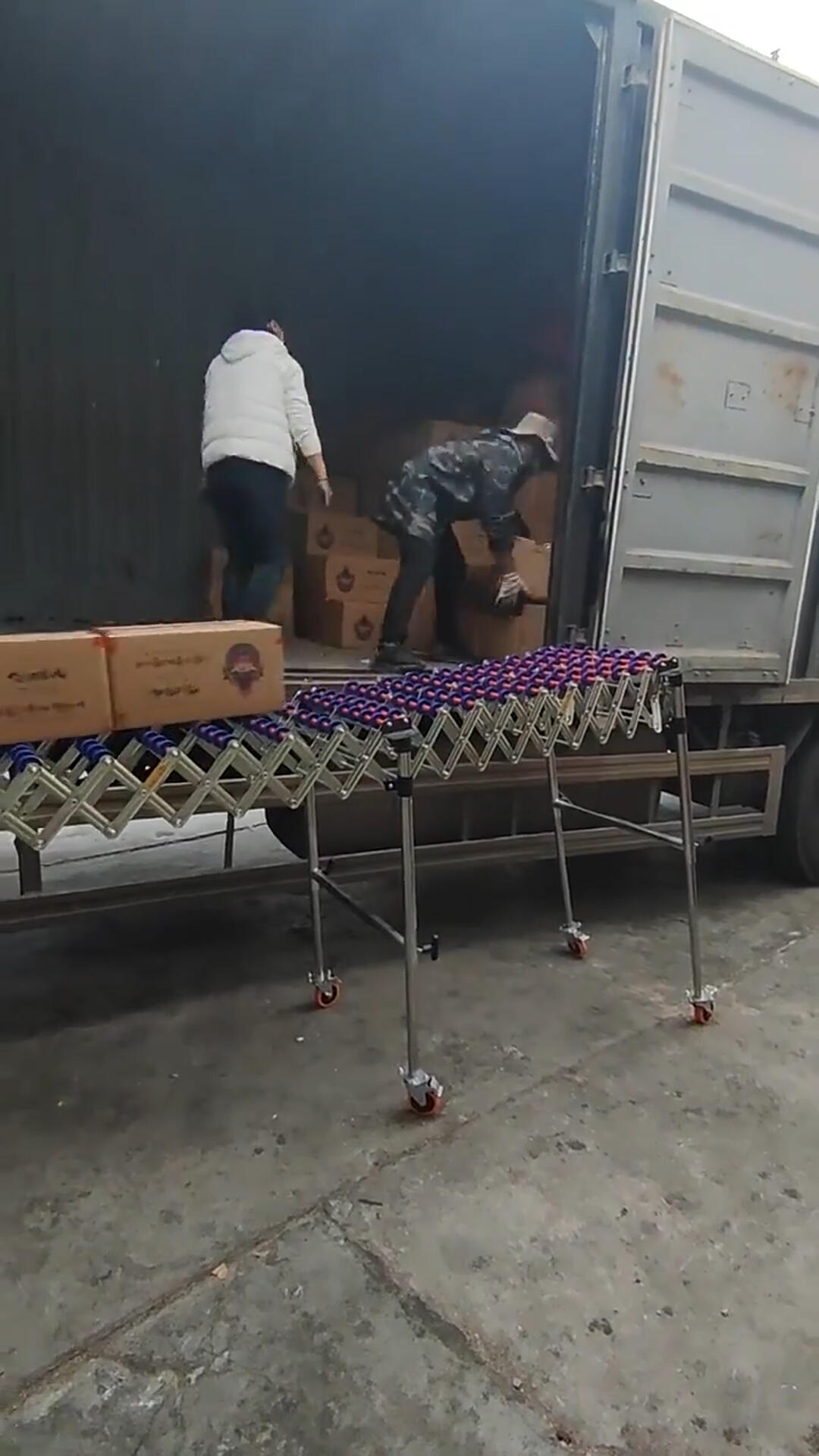
Der Gravity Skate-Radförderer wurde speziell für Güter mit flachem Boden wie Kartons entwickelt und ermöglicht so schnelle und effiziente Entladevorgänge. Der Förderer…

Karton
Wichtige Punkte beim Bau einer 90°-Ecke: Querschnitte, Gefälle und Verbindung
Das folgende Bild zeigt eine Ansicht vor Ort einer 90°-Kurve mit einem „Gravity Skate Wheel“-Förderer:
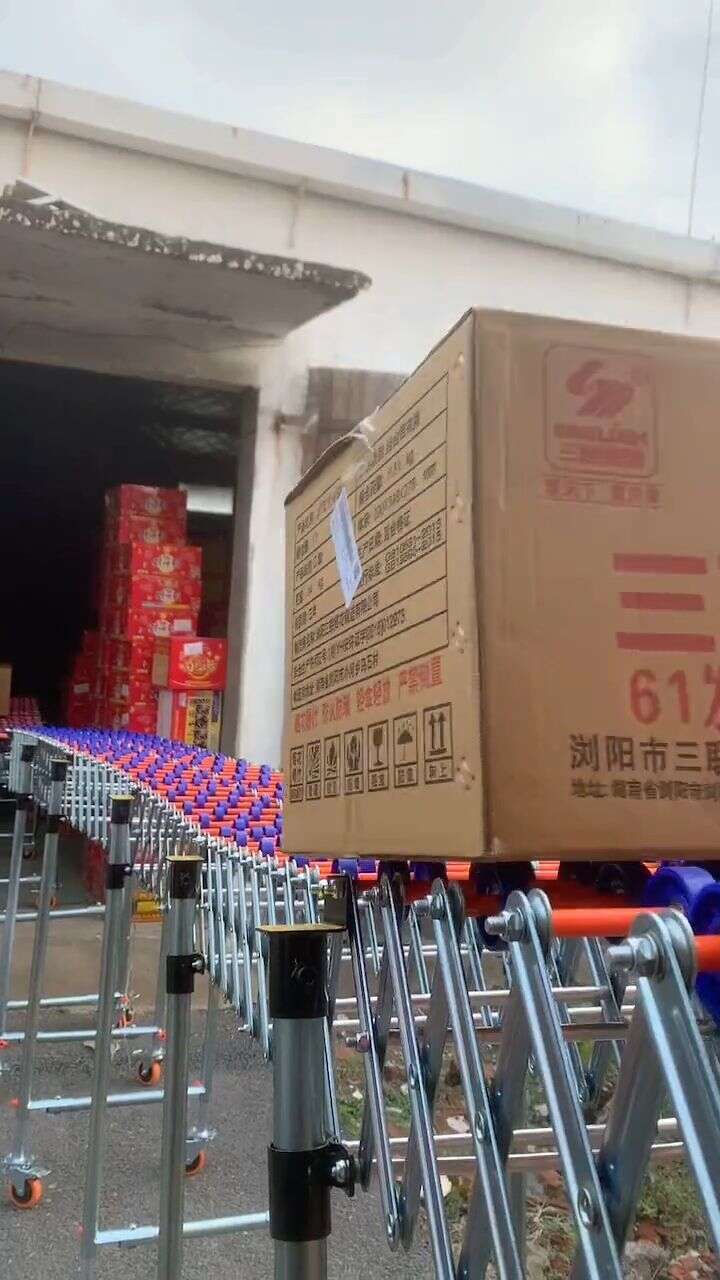
1) Grundlegende Schritte zur Herstellung eines gebogenen Profils
Wenn zum Wenden eine Teleskop-Scherenkonstruktion verwendet wird, kann der Betrieb vor Ort wie folgt durchgeführt werden:
- Zunächst muss ein einzelner Förderabschnitt vollständig ausgefahren und positioniert werden;
- Drücken Sie die Außenseite der Kurve nach und nach zusammen, während Sie die Innenseite relativ stärker ausgestreckt lassen;
- Die Scherenkonstruktion bildet von selbst eine Kurve;
- Passen Sie den Wenderadius an, indem Sie den Kompressionsgrad auf der Außenseite verändern;
- Verbinden Sie mehrere Abschnitte nacheinander, um eine sanftere 90°-Ecke zu bilden.
2) Ungefähre Anzahl der Profile und erforderliche Grundfläche für eine 90°-Ecke (Beispielbereich)
Unterschiedliche Typen und Breiten beeinflussen den Schwierigkeitsgrad beim Wenden: Je breiter das Förderband und je größer die Ladung, desto mehr Abschnitte und desto mehr Platz werden in der Regel benötigt.
| Förderertyp | Breite | Für 90° erforderliche Abschnitte | Ungefähre Grundfläche (L × B) |
|---|---|---|---|
| Schwerkraft-Skate-Radförderer | 500 mm | 2–3 Abschnitte | 2,5 m × 2,5 m |
| Schwerkraft-Skate-Radförderer | 600 mm | 3 Abschnitte | 3 m × 3 m |
| Schwerkraft-Skate-Radförderer | 800 mm | 3–4 Abschnitte | 3,5 m × 3,5 m |
| 38-mm-Schwerkraftrolle | 500 mm | 3 Abschnitte | 3 m × 3 m |
| 38-mm-Schwerkraftrolle | 600 mm | 3–4 Abschnitte | 3,5 m × 3,5 m |
| 38-mm-Schwerkraftrolle | 800 mm | 4 Abschnitte | 4 m × 4 m |
| 50-mm-Schwerkraft-Rollenförderer | 500 mm | 3–4 Abschnitte | 3,5 m × 3,5 m |
| 50-mm-Schwerkraft-Rollenförderer | 600 mm | 4 Abschnitte | 4 m × 4 m |
| 50-mm-Schwerkraft-Rollenförderer | 800 mm | 4–5 Abschnitte | 4,5 m × 4,5 m |
3) Den Durchfluss durch Anpassung der Beinhöhe aufrechterhalten: Neigungseinstellungen
Bei Kurven ohne Antrieb ist es entscheidend, den Bewegungsfluss ohne Unterbrechung aufrechtzuerhalten; dabei ist die Neigung eine der wichtigsten Variablen:
- Schwerkraft-Rollenförderer: empfohlene Neigung von 2–5°
- Schwerkraft-Skate-Radförderer: empfohlene Neigung von 3–6°
Da gekrümmte Abschnitte eine höhere Widerstandskraft aufweisen, ist es in der Regel erforderlich, im Kurvenbereich als Ausgleich eine zusätzliche Neigung von etwa 0,5–1° nach unten vorzusehen. Nehmen Sie eine Feinabstimmung anhand der Ergebnisse der Ladungsversuche vor Ort vor (schwere Lasten erfordern in der Regel keine große Neigung, während leichte Lasten möglicherweise eine stärkere Neigung benötigen).
4) Übergang zwischen elektrifizierten Abschnitten und nicht elektrifizierten Kurven
Wenn die Strecke sowohl angetriebene Abschnitte als auch nicht angetriebene Wendestrecken umfasst, achten Sie an den Übergangsstellen besonders auf Folgendes:
- Höhenausgleich: Stellen Sie sicher, dass die Rollen/Skate-Räder auf gleicher Höhe sind.
- Abstand zwischen den Abschnitten: innerhalb von 2–3 mm halten
- Geschwindigkeitsanpassung:
- Ohne Antrieb → mit Antrieb: Der angetriebene Abschnitt läuft etwas schneller
- Mit Antrieb → ohne Antrieb: Der angetriebene Abschnitt läuft 10–15% langsamer
- Anschluss und Befestigung: Verwenden Sie Verbindungshalterungen, arretieren Sie die Rollen nach der Ausrichtung des Förderers und verhindern Sie ein Verrutschen während des Betriebs.
- Notwendige Führung und Durchflussregelung: An kritischen Stellen sind Absperrvorrichtungen und Führungskomponenten einzubauen, um die Übergangsstabilität zu verbessern
Komplexere Streckenverläufe und Anwendungstipps: S-Kurven, Kehrtwenden und Schutzmaßnahmen
S-Kurve: Umfließen von Spalten und seitlicher Versatz
S-Kurven werden häufig verwendet, um Säulen zu umfahren oder einen seitlichen Versatz zu erzielen. Sie werden in der Regel durch die Kombination zweier entgegengesetzter Bögen gebildet (ggf. unter Einbeziehung eines kurzen geraden Abschnitts) und bestehen in der Regel aus 4 bis 6 Abschnitten. Da durchgehende Kurven den Reibungswiderstand erhöhen, ist zu prüfen, ob die Führung und das Gefälle ausreichend sind, und sicherzustellen, dass die Kurve zentriert ist und auf beiden Seiten Maßnahmen gegen das Abweichen vorhanden sind.
Wende (180°): Wenden auf engstem Raum
Wenn eine 180°-Wende erforderlich ist, kann eine Kehrtwende aus 5–7 aufeinanderfolgenden Bogenabschnitten gebildet werden, wobei der minimale Innenradius entsprechend der Ladungsgröße anzupassen ist; sofern möglich, eignet sich ein Schwerkraft-Skate-Rad-Förderer besser für eine kompaktere Wendeanordnung.
Sturzsicherung und Stabilität: Führungsschienen, Stützen und Feststellrollen
- Absturzsicherung: Es wird empfohlen, an der Außenseite der Kurve und, falls erforderlich, auch an der Innenseite Führungsschienen anzubringen.
- Stabilität: Bei schweren Lasten oder bei großer Außenspannweite sollte in Betracht gezogen werden, in der Mitte der Kurve an der Außenseite eine zusätzliche Stütze anzubringen.
- Feste Position: Achten Sie darauf, die Rollen zu arretieren, sobald sie an ihrem Platz sind.
FAQ: Informationen zum minimalen Wenderadius
Der minimale Wenderadius hängt vom Förderertyp, der Förderbreite und der Ladungsgröße ab und muss anhand der tatsächlichen Ladung vor Ort überprüft werden. Es gelten folgende Richtwerte:
- Schwerkraft-Skate-Radförderer (500 mm breit): ca. 1,2 m
- 38-mm-Schwerkraft-Rollenförderer: ca. 1,5 m
- 50-mm-Schwerkraft-Rollenförderer: ca. 1,8 m
Weiterführende Literatur:
Be- und Entladen von Feuerwerkskörpern mit einer Schwerkraft-Rollenbahn