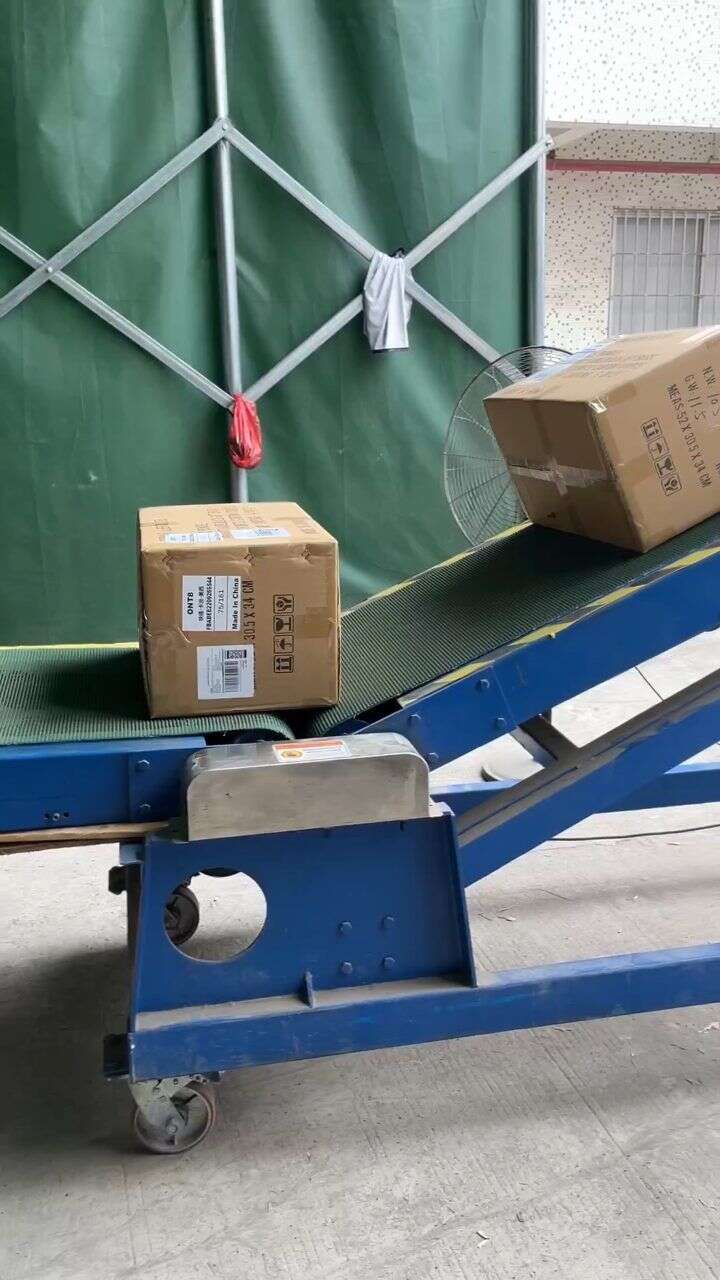
Labor bottlenecks and safety risks in unloading with rubber roller hydraulic conveyors
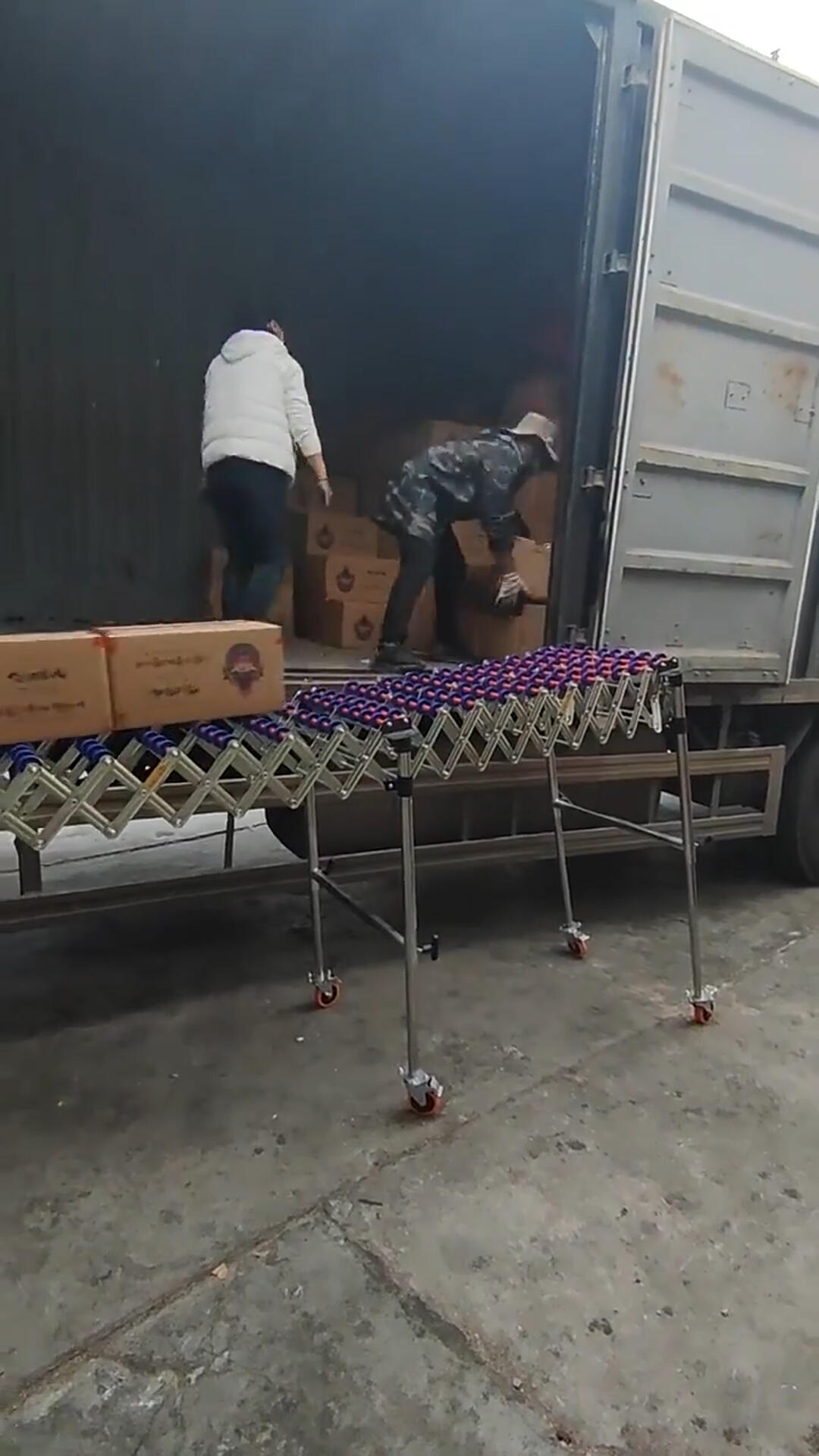
Rubber roller hydraulic unloading has become a key scheduling optimization for unloading soft goods such as 50 kg bags of white sugar. The still-common manual process of climbing into the truck bed and carrying large bags on the shoulder usually requires 4-6 workers taking turns back and forth, and it takes an average of 60-90 minutes to unload one truck. The physical effort and coordination costs are high throughout the process, and especially in rainy or hot weather, it is more likely to cause lower back injuries and foot injuries.
A purely manual handling path also means that goods are frequently transferred by hand from the truck bed to the platform. Long periods of repetitive motion lead to low loading and unloading efficiency. While labor costs keep rising, damage such as squeezed or torn packaging is also becoming more serious, making it urgent to introduce automation equipment to reduce labor and risk.
Therefore, a combination centered on rubber rollers, hydraulic lifting, and telescopic conveying can build a stable operation chain at the front end, avoiding the extended manual movement path and repeated exposure to injury.
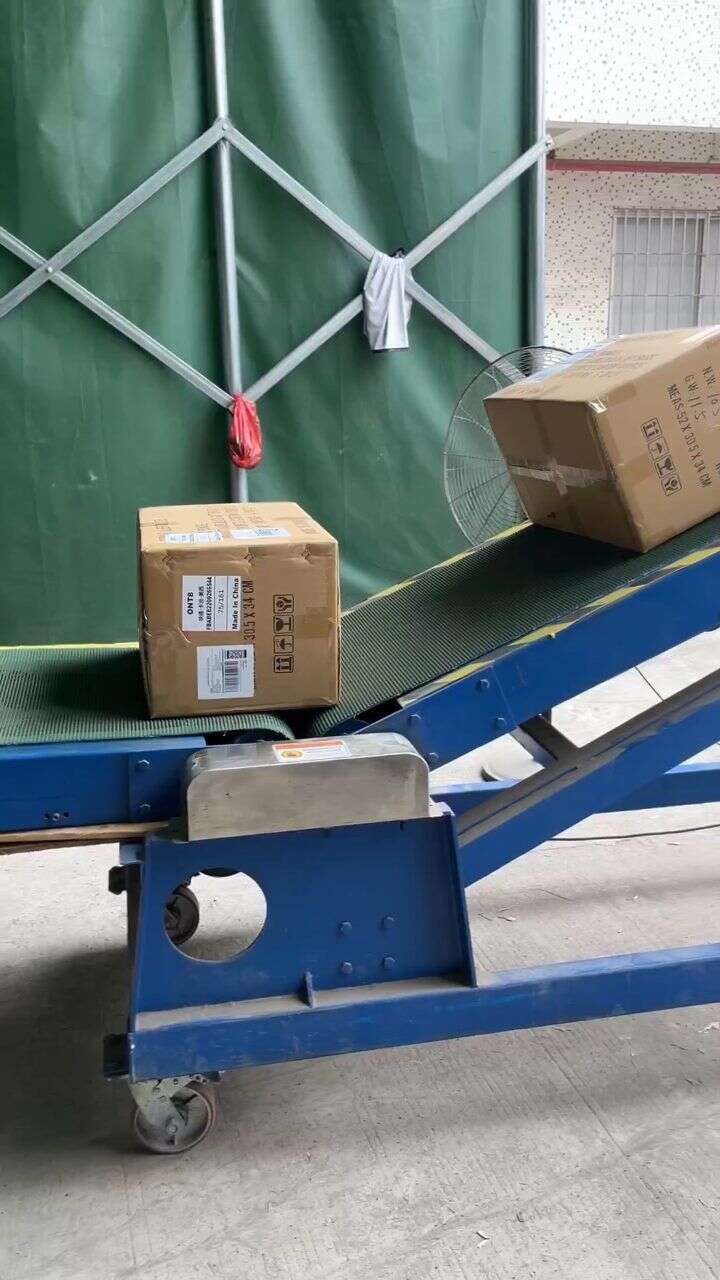
Rubber roller hydraulic unloading: Simplify the unloading process
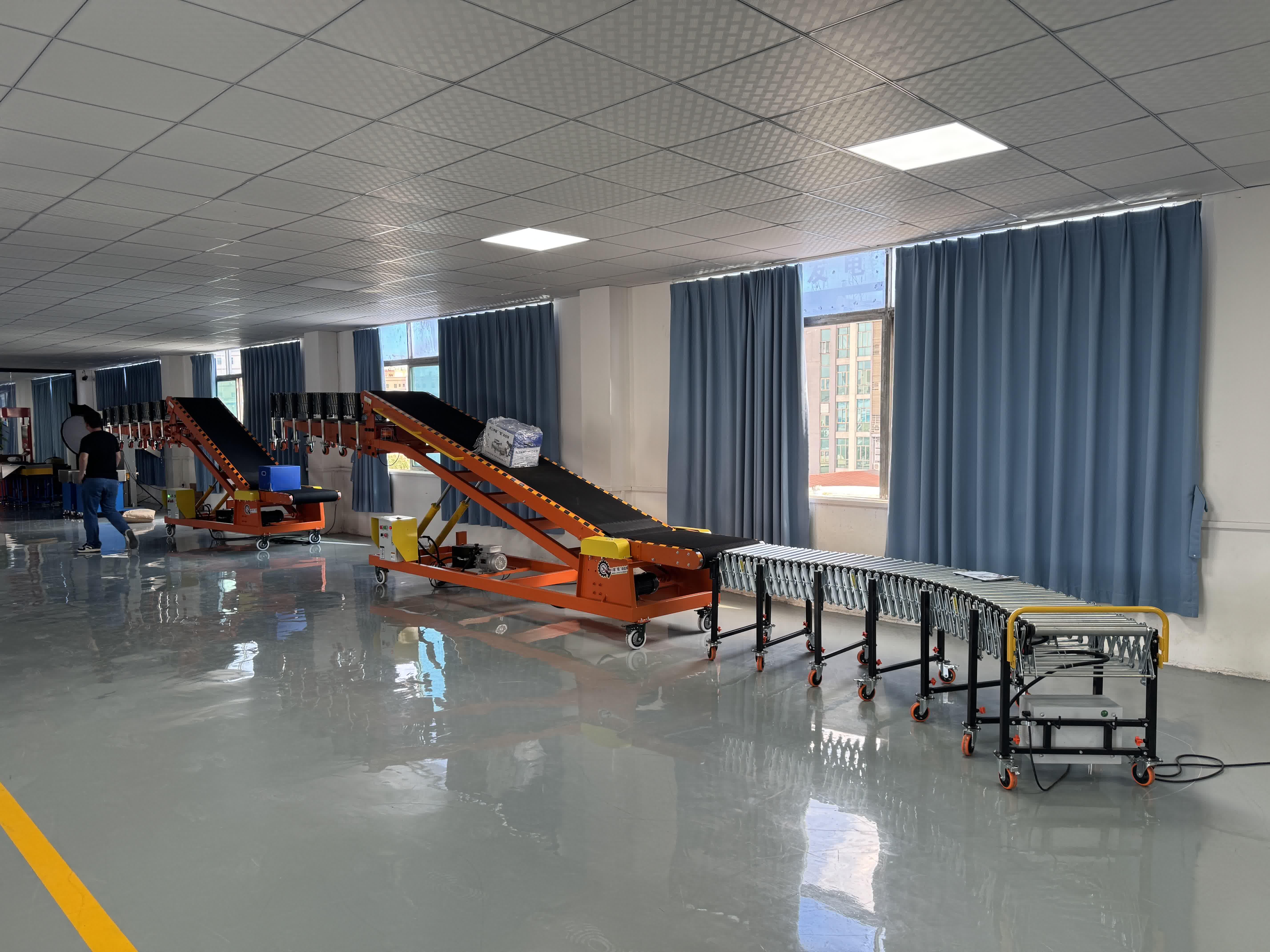
Using a device that drives rubber-covered rollers, bagged goods inside the truck bed are conveyed in sequence to the unloading platform through the rollers. Personnel only need one person at the platform end and one person at the truck end to complete the transfer, reducing the labor force from 4-6 people to 2 people.
The anti-slip grip provided by the driven rubber rollers makes moving bags less likely to slip or pile up at the top. At the same time, the system is designed with a load capacity of 120 kg per meter, allowing it to stably push soft goods such as 50 kg bags of sugar.
The height adjustment of hydraulic lifting keeps the conveying end aligned with different vehicle heights. Together with synchronized roller speed, the entire process can shorten time costs by about 50% compared with manual work, while giving the goods a smooth buffer before entering the platform.
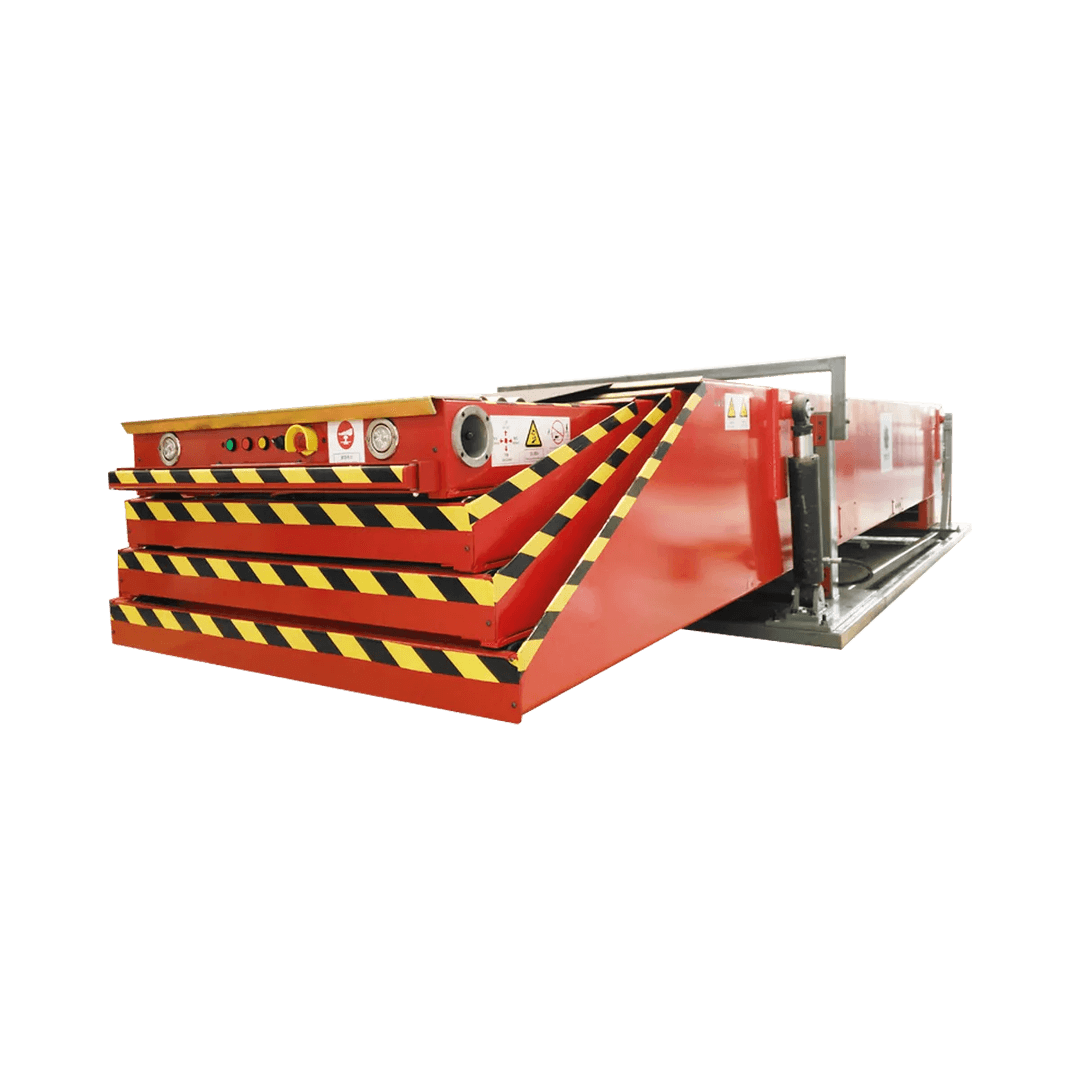
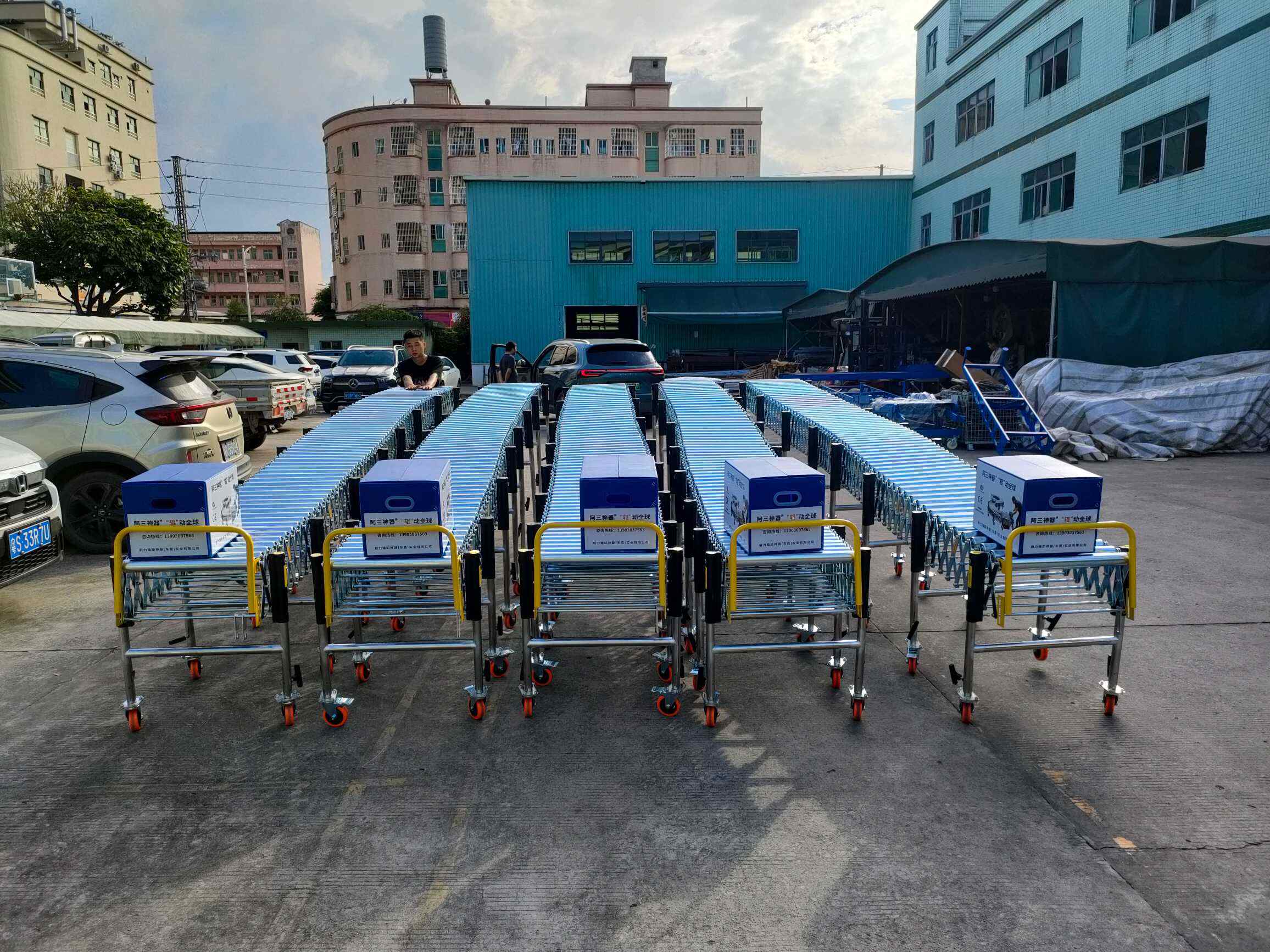
4-teiliger Teleskopförderer
Our four-section telescopic conveyor can extend up to 12–17 meters, reaching deep into trucks and containers to enable efficient and smooth loading an…

Metallfass

Kunststofffass

Rolle

Karton

Verpackt
Space solutions for telescopic conveyors and fixed-platform unloading
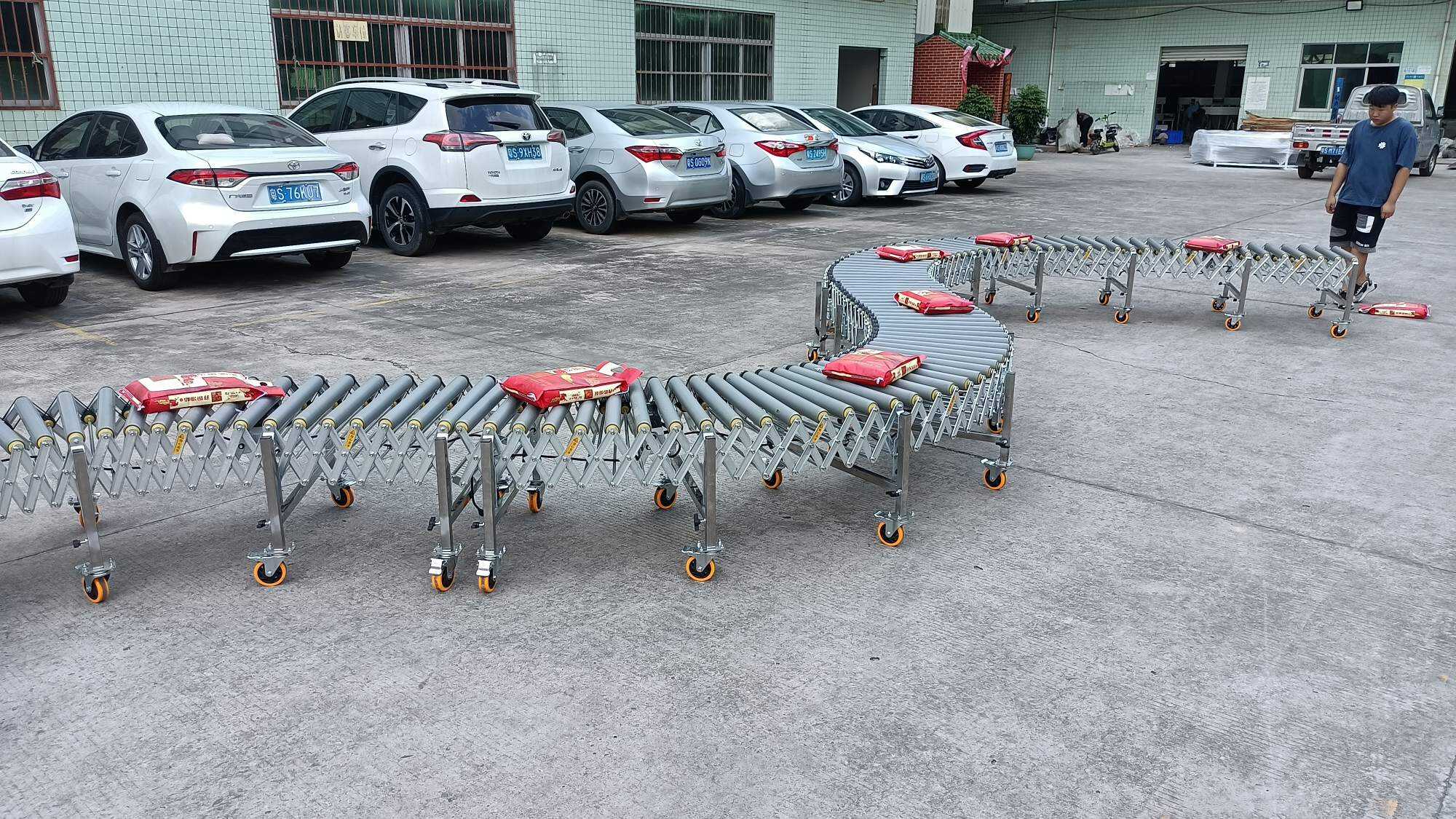
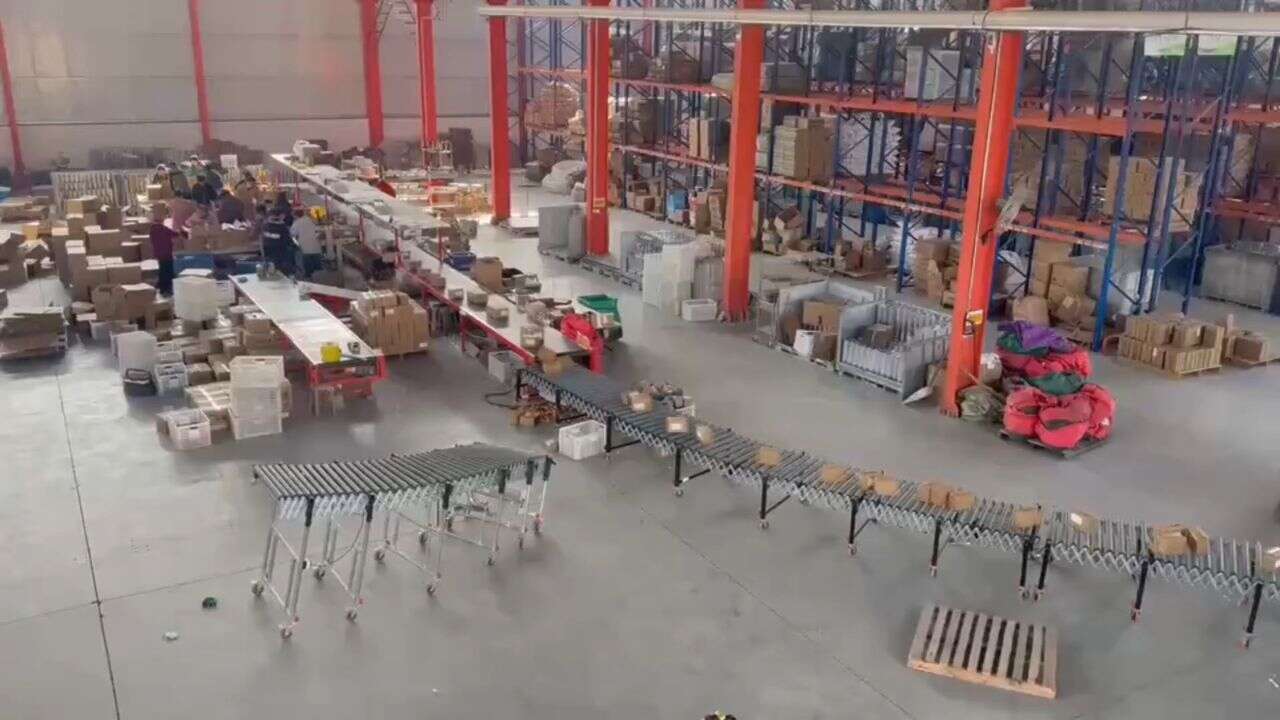
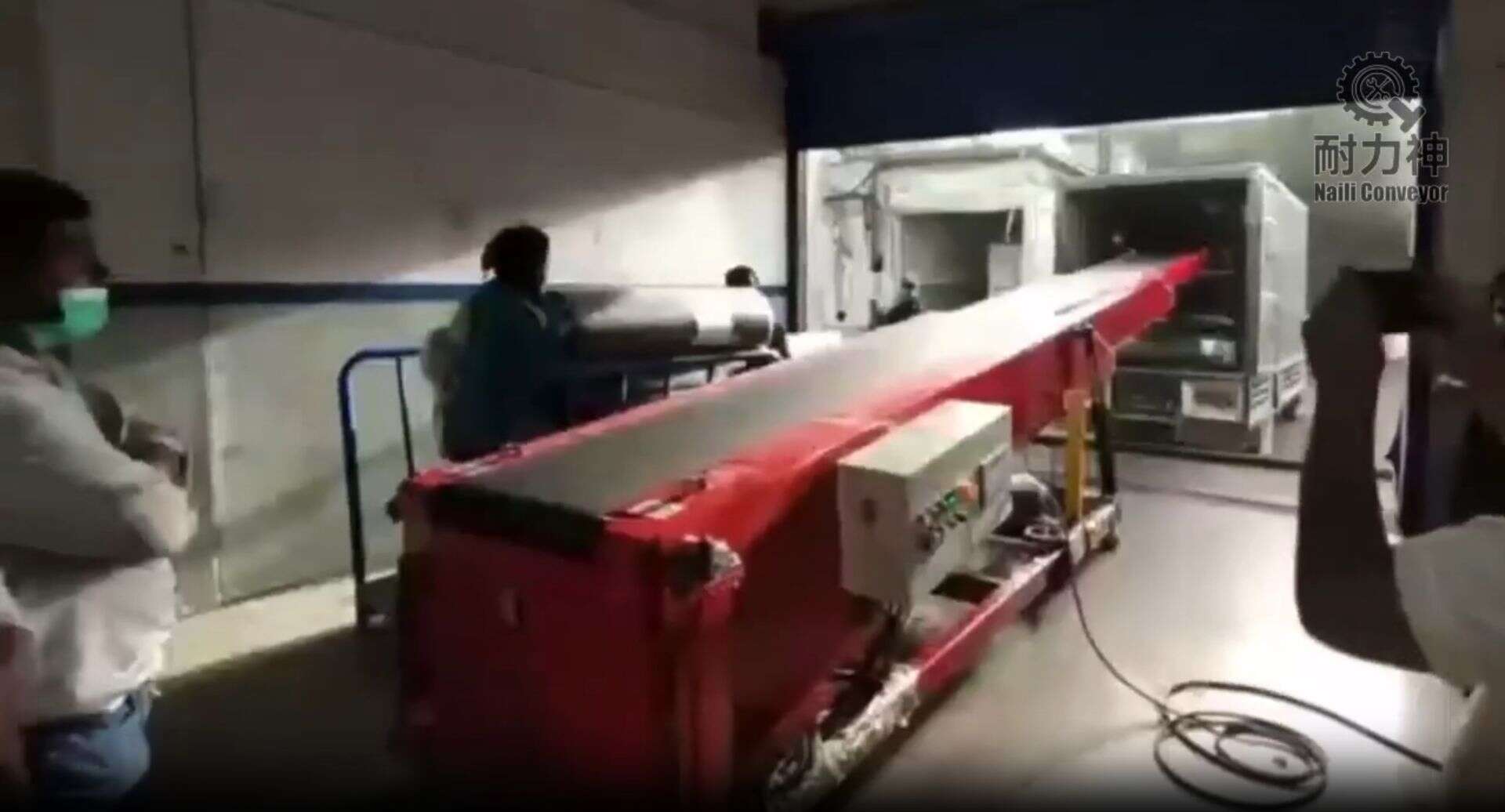
Telescopic conveyors show their advantages in fixed unloading platforms and space-constrained sites. The machine body can automatically extend deep into the cargo box, taking up little space during operation and saving passage area when retracted.
For scenarios that require a fixed unloading point, telescopic equipment can extend and retract quickly at the platform end. Compared with the rubber roller + hydraulic combination, it places more emphasis on extension depth and frequent telescoping. Although the load capacity is slightly lower, it offers faster scheduling and a smaller footprint.
Improvements in time and loss brought by automation systems
Automation systems show clear differences in personnel, time, cost, injury, and cargo damage:
| Artikel | Manual handling | Conveyor system |
|---|---|---|
| Required personnel | 4-6 people | 2 Personen |
| Loading and unloading time (per truck) | 60-90 minutes | 30-45 minutes |
| Labor cost | High (multiple workers) | Low (only 2 people) |
| Injury risk | High (lifting heavy objects) | Low (automated handling) |
| Cargo damage probability | Relatively high (handling errors) | Relatively low (smooth roller movement) |
Rubber rollers and hydraulic conveying maintain a high load capacity and a well-matched height, while the Telescopic Conveyor makes up for differences in space and starting depth. Together, they can improve loading and unloading efficiency and safety at the same time. For details, see Loading and unloading efficiency improvement with telescopic conveyor. Based on this, you are welcome to plan your next investment.