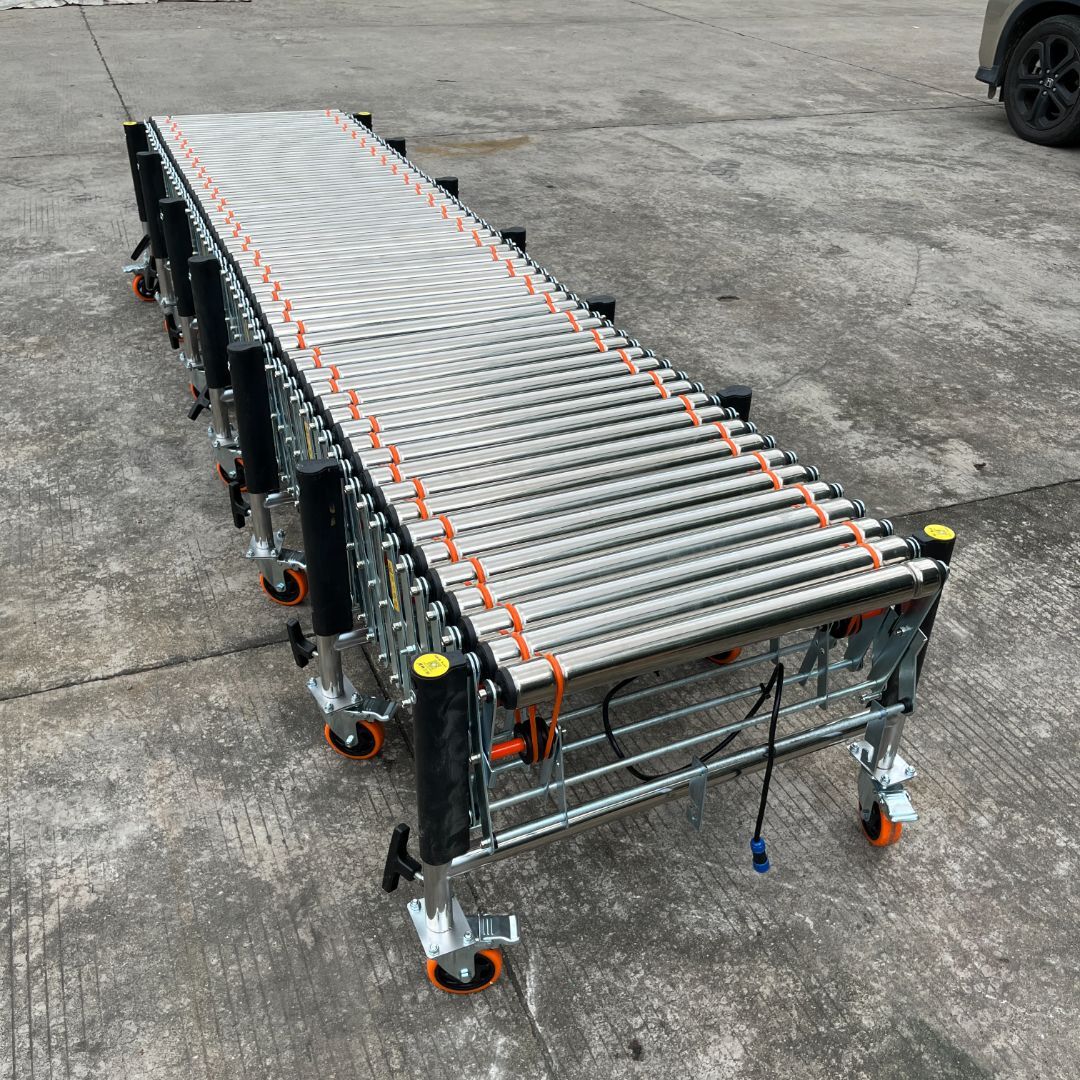
Herausforderungen vor Ort beim Transport von Blumen und lebenden Pflanzen
In Gärtnereien und Vertriebszentren erfordert der Einsatz einer O-förmigen, motorisierten Rollenbahn zum Transport von Blumen und Grünpflanzen besondere Überlegungen, da die Waren selbst drei typische Eigenschaften zugleich aufweisen: Zerbrechlichkeit, unregelmäßige Formen und Zeitkritikalität.
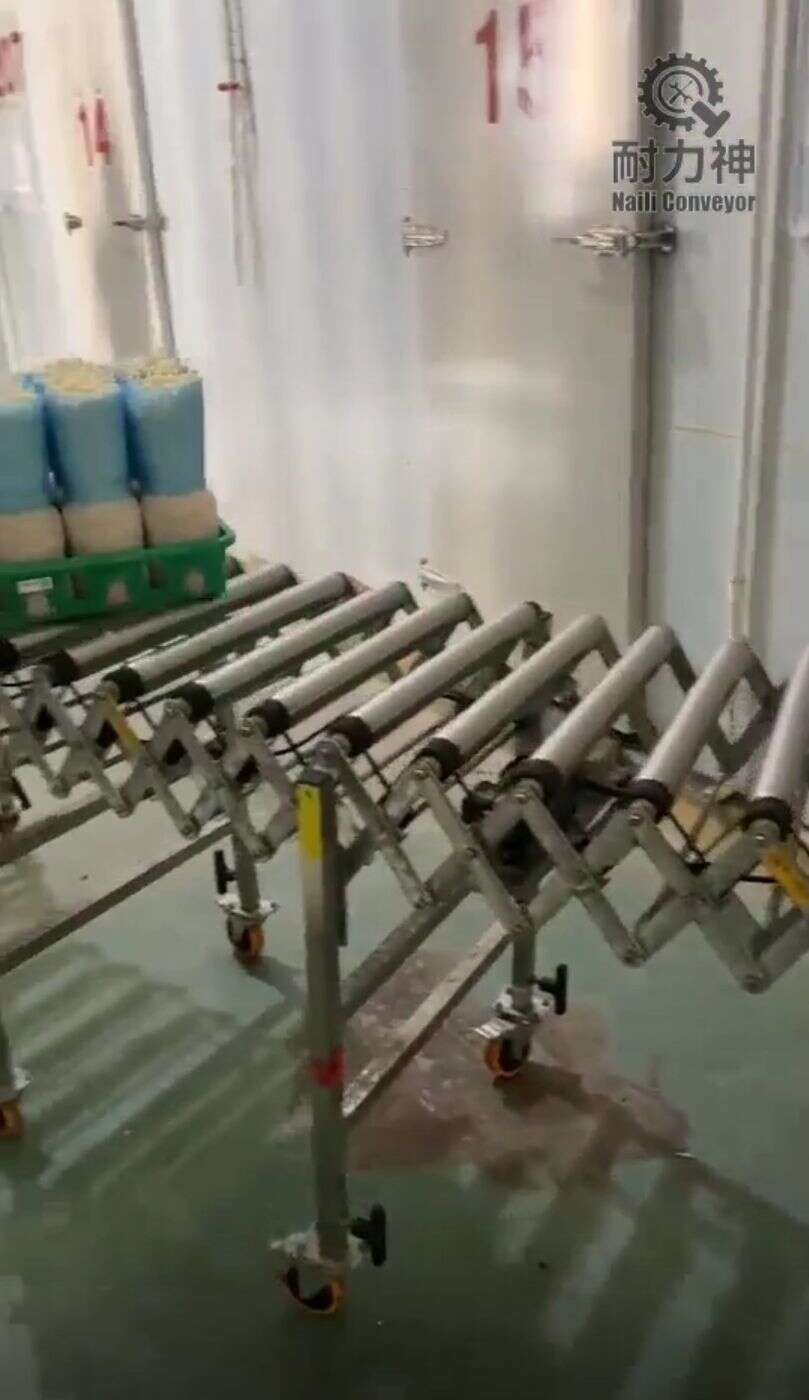
1) Es gibt viele empfindliche Stellen, die in engem Zusammenhang mit den Handhabungsmethoden stehen
Zu den häufigsten Schäden an Blumen und lebenden Pflanzen während des Transports zählen:
- Gebrochene Stiele und Blütenstiele: Schon geringfügige Stöße können irreversible Schäden verursachen
- Zerdrückte, beschädigte oder abgefallene Blüten: Auswirkungen auf das Erscheinungsbild und den Produktwert
- Kratzer und Druckstellen auf den Blättern: Oberflächenfehler fallen den Endkunden leichter ins Auge
- Kippende oder schräge Töpfe: Dies führt zu Druck auf die Pflanzen und zu strukturellen Schäden
- Verlagerung des Substrats (Erde/Nährboden): Plötzliche Bewegungen können die Wurzeln freilegen oder beschädigen
2) Uneinheitliche Größen und Formen erschweren es, mit einem einzigen Regelwerk einen stabilen Förderbetrieb zu gewährleisten
Gartenbauprodukte lassen sich oft nur schwer standardisieren:
- Große Höhenunterschiede: von niedrigen Anzuchtkisten bis hin zu höheren Topfpflanzen und Baumschulpflanzen
- Unregelmäßige Formen: Natürliches Wachstum führt zu Asymmetrie und Verschiebungen des Schwerpunkts
- Der Umschlag gemischter Ladungen ist üblich: Es kommt häufiger vor, dass verschiedene Kategorien gemeinsam umgeschlagen werden.
- Deutliche saisonale Schwankungen: Der Produktmix und das Arbeitsaufkommen variieren zwischen Hoch- und Nebensaison
- Zahlreiche Verpackungsformate: Manche Produkte erfordern eine Schutzverpackung, was die Handhabung tatsächlich erschwert
3) Sensibler in Bezug auf die Umgebung und die Zeit
Je länger lebende Pflanzen und Schnittblumen unter nicht optimalen Bedingungen stehen, desto höher ist das Risiko:
- Temperatureinwirkung: Ein zu langer Aufenthalt außerhalb temperaturgeregelter Bereiche wirkt sich mit größerer Wahrscheinlichkeit auf den Zustand aus
- Feuchtigkeitsmanagement: Bei der Umpflanzung müssen die Feuchtigkeitserhaltung und die Bewässerungsintervalle weiterhin berücksichtigt werden
- Licht und Belüftung: Anhaltend schlechte Lichtverhältnisse oder unzureichende Belüftung erhöhen das Risiko von Stress und Krankheiten
- Umschlaggeschwindigkeit: Ein schnellerer Transport vom Gewächshaus bzw. Lagerbereich zum Verpackungs- und Versandort trägt dazu bei, die Frische zu erhalten
Warum herkömmliche Rollenförderer für Blumen und Grünpflanzen nicht geeignet sind
An vielen Standorten kann eine "Standard-Förderanlage" die Anforderungen "schonend + stabil + anpassbar" nicht ausreichend erfüllen. Häufige Probleme lassen sich anhand einer praktischen Checkliste beurteilen:
- Übermäßige Vibrationen: Anhaltende Vibrationen können empfindliches Gewebe schädigen, wodurch Blüten und Blätter anfälliger für Abrieb und Druckstellen werden
- Spürbare Auswirkungen durch Start-Stopp-Vorgänge: Plötzliches Anlaufen und Anhalten kann dazu führen, dass Töpfe umkippen, das Substrat verrutscht und die Pflanzen Stress ausgesetzt werden.
- Unzureichende Bodenabstützung: Wenn die Rollen nicht ausreichend abdecken oder die Lücken zu groß sind, können kleine Töpfe und Schalen aufgrund der "Punktabstützung" instabil werden, was zu Staus und zum Umkippen führen kann.
- Ungenaue Geschwindigkeitsregelung: Bei einer festen Geschwindigkeit oder einer umständlichen Geschwindigkeitsanpassung läuft die Anlage oft entweder zu schnell, was zu Schäden führt, oder zu langsam, was den Durchsatz verringert
- Unzureichende Flexibilität bei der Routenplanung: In Gartenbaubetrieben unterliegen die Arbeitsabläufe starken saisonalen Schwankungen, und Routen, die nicht schnell angepasst werden können, verlangsamen den Gesamtablauf.
Das Ergebnis ist in der Regel folgendes: Der Betrieb muss wieder auf manuelle Abwicklung zurückgreifen, um "die Sicherheit zu gewährleisten", doch Effizienz, Arbeitsaufwand und Personal kostendruck steigen entsprechend an, während Stöße und Kollisionen nach wie vor nicht vollständig vermieden werden können. Ähnliche Situationen treten auch häufig bei gemischten Paketszenarien auf; siehe "Angetriebene Rollenförderer für den Transport gemischter Pakete".
Wichtige Funktionen und Konfigurationsaspekte von Rollenförderern mit O-Riemenantrieb
Wenn das Hauptziel darin besteht, Blumen in Kartons und lebende Topfpflanzen während des Transports so schonend wie möglich zu befördern, ohne dabei die Umschlagleistung zu beeinträchtigen, erleichtert ein antriebsgetriebenes Rollenförderband mit O-Riemenantrieb die korrekte Ausführung der entscheidenden Arbeitsschritte.
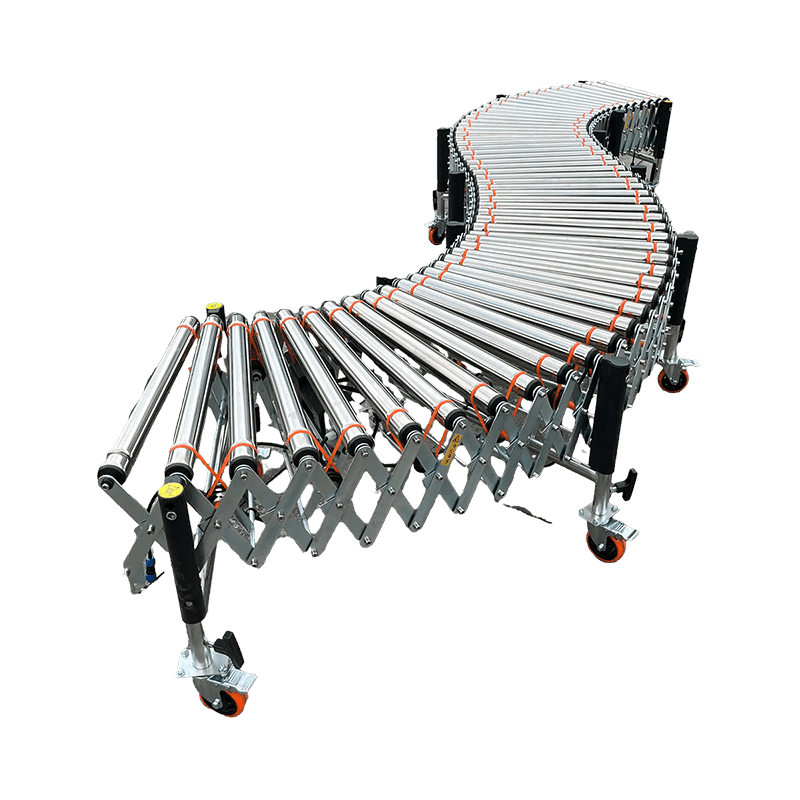
Rollenförderer mit O-Riemenantrieb
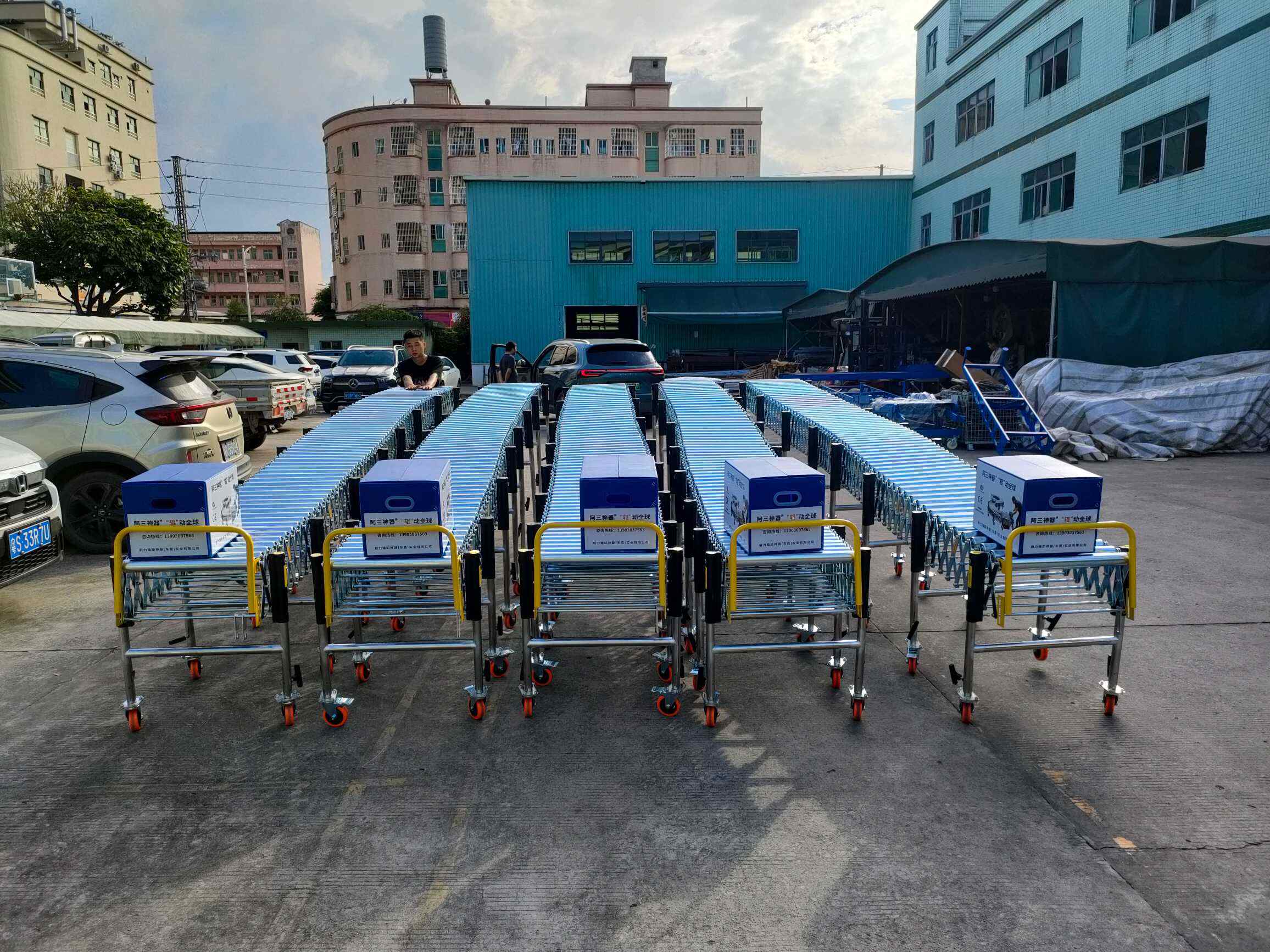
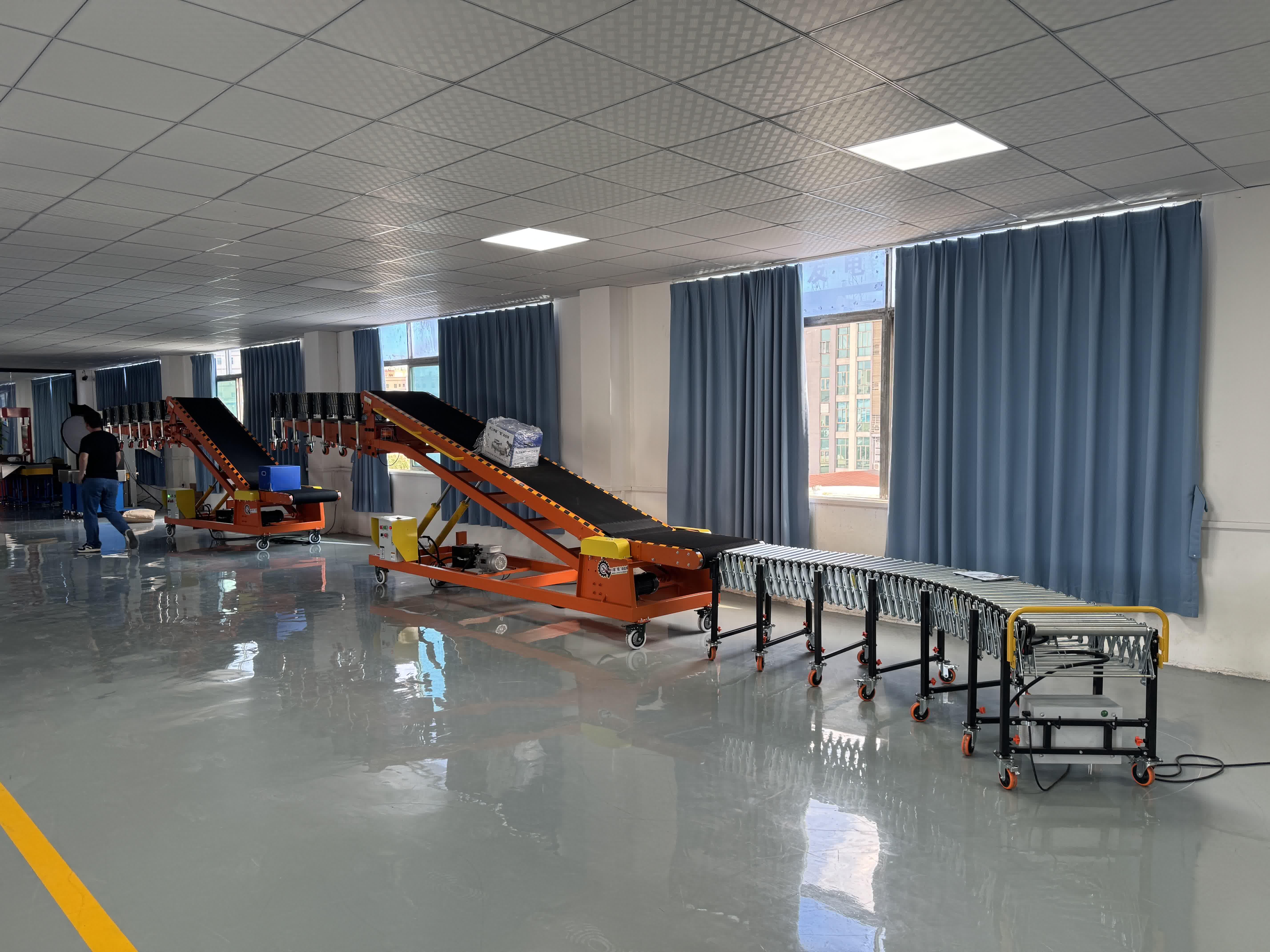
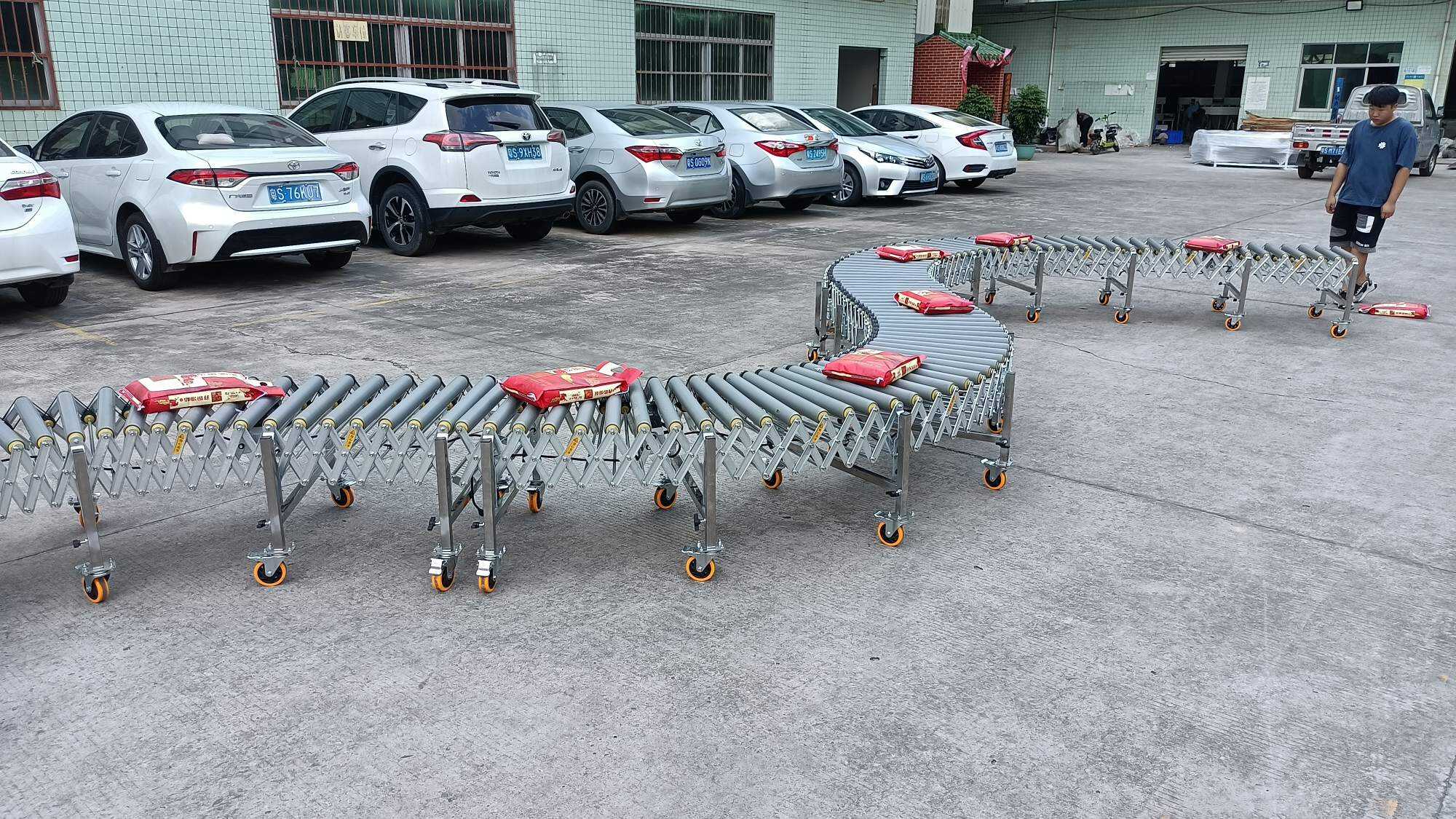
Das O-förmige Förderband mit Antrieb nutzt eine O-förmige Riemenantriebskonstruktion, um einen reibungslosen und effizienten Transport der Güter zu gewährleisten. Der Motorabstand beträgt 1,…

Kunststofffass

Metallfass

Karton

Rolle
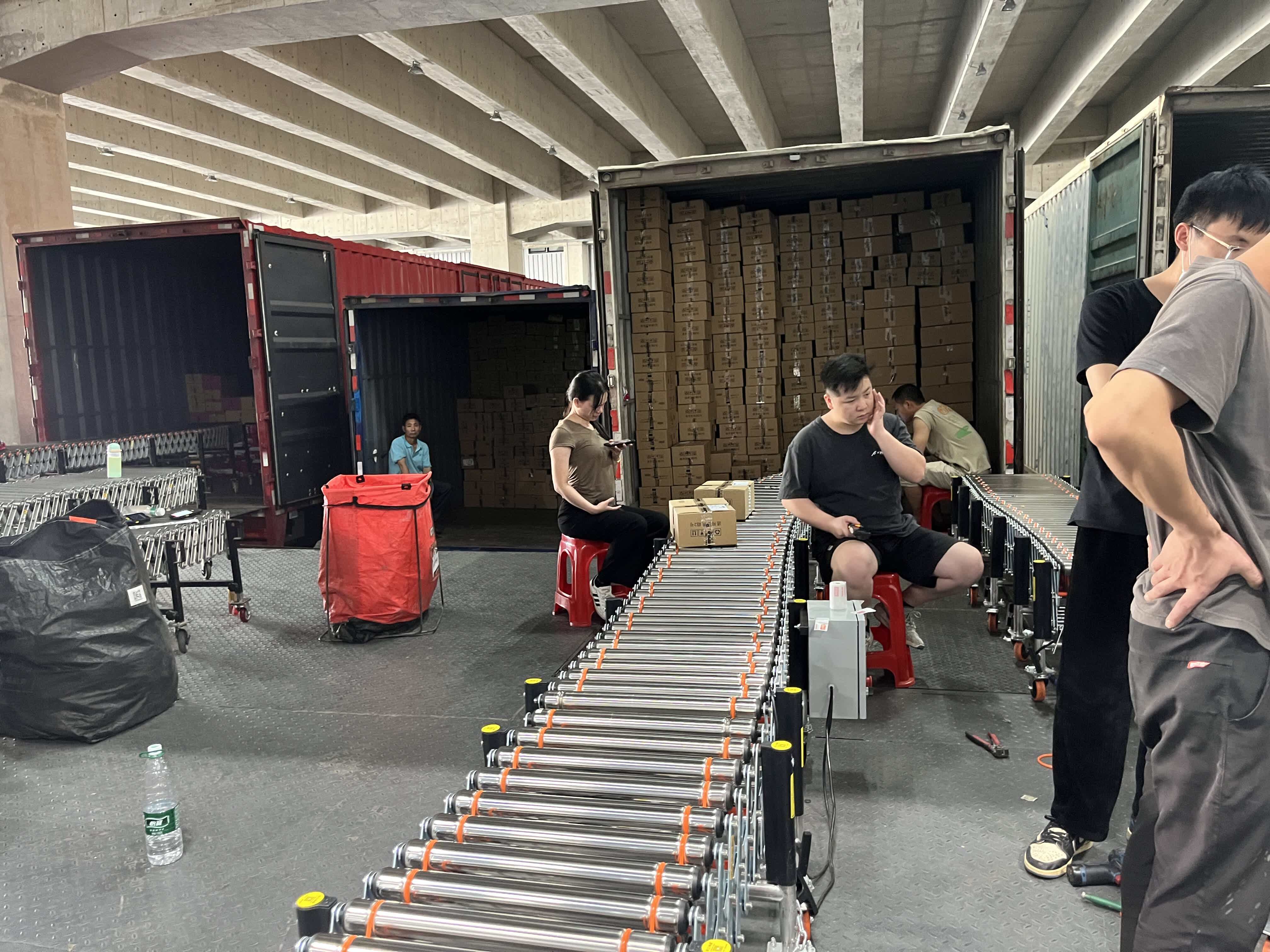
Sanfter Antrieb: Stöße und Vibrationen reduzieren
Der entscheidende Vorteil des Keilriemenantriebs liegt in seinem gleichmäßigeren Laufverhalten:
- Sanfte Beschleunigung: verringert die Belastung von Blütenstielen, Töpfen und Schalen beim Anfahren
- Vibrationsarmer Betrieb: Reduziert die mechanische Belastung von empfindlichen Teilen wie Blättern und Blüten
- Sanfter Stopp und gleichmäßige Verzögerung: Verringern Sie durch Trägheit verursachte Vorwärtsbewegungen, Kippen und Quetschungen
- Gleichmäßigere Kraftübertragung: sorgt für einen kontinuierlichen Warenfluss über die Rollen und verhindert plötzliche Geschwindigkeitsschwankungen
Einstellbare Geschwindigkeit: Finden Sie ein Gleichgewicht zwischen "Sanftheit" und "Tempo"
Die Fördergeschwindigkeit für Blumen und Grünpflanzen muss je nach Produkttyp, Verpackungsmethode und Kapazität des Arbeitsplatzes variieren. Der Vorteil einer einstellbaren Geschwindigkeit liegt in folgenden Punkten:
- Die Geschwindigkeit kann an verschiedene Anlagentypen angepasst und fein abgestimmt werden
- Es lässt sich mit vor- und nachgelagerten Prozessen synchronisieren (beispielsweise mit dem Tempo der Sortierung, des Beschneidens, des Verpackens, der Etikettierung, des Versiegelns und anderer Schritte)
- Wenn sich saisonale Produktkategorien ändern, kann die Geschwindigkeitsstrategie entsprechend angepasst werden
Kontinuierliche Abstützung und Stabilität: Verringern Sie die Gefahr des Umkippens und des Verklemmen
Im Hinblick auf die "Stabilität am Boden" von Topfpflanzen und Anzuchtkisten sollte der Konfigurationsansatz auf eine "kontinuierlichere Abstützung" ausgerichtet sein:"
- Eine umfassendere Abdeckung durch die Walzen kann die Instabilität an den Lücken bei kleinen Töpfen/kleinen Schalen verringern
- Eine gleichmäßigere Stützung trägt dazu bei, das Risiko eines seitlichen Umkippens aufgrund von Verlagerungen des Schwerpunkts zu verringern
- Flüssigere Verbindungen und Übergänge, wodurch Ruckeln und Zusammenstöße beim Wechsel zwischen den Abschnitten reduziert werden
- Eignet sich besser für gemischte Ladungen unterschiedlicher Größe und verringert den Verwaltungsaufwand, der durch häufige Anpassungen entsteht
Modularität und Rekonfigurierbarkeit: Anpassung an saisonale Veränderungen im Gartenbau
In der Gartenbaulogistik ist es üblich, dass in Spitzenzeiten vorübergehende Umleitungen, in Nebensaisonen eine Verkürzung der Förderlinie oder Anpassungen an den Arbeitsstationen erforderlich sind. Ein modularer, skalierbarer und flexibler Ansatz erleichtert die Anpassung der Förderlinie an sich ändernde Betriebsabläufe und verhindert, dass die Förderlinie zu fest an einen Standort gebunden ist.
Implementierungsabläufe und wichtige Überlegungen für Gärtnereien und Vertriebszentren
Um "Anlagenkapazität" in konkrete "Prozesse und Management" umzusetzen, müssen in der Regel Prozesslayout, Anpassung an die Umgebungsbedingungen und Betriebsstandards gleichzeitig berücksichtigt werden.
Wie ein typischer Arbeitsablauf umgesetzt wird
Zu den üblichen Umsetzungsschritten gehören:
-
Ablauf einer O-Riemen-Rollenbahn am Ende des Lagers Vom Gewächshaus/Anbaugebiet bis zum Sortier- und Verarbeitungsbereich: Reduzierung der Handhabungsschritte und Beschleunigung des bereichsübergreifenden Transports
- Integration in Verpackungsstationen: Gleichmäßige Materialzufuhr zur Erleichterung der Prüfung, Sortierung und Verpackung
- Bereitstellung und Verladung an der LKW-Laderampe: Minimierung der Verweildauer am Eingang und in nicht temperaturgeregelten Bereichen
Checkliste zur Anpassung an die Umgebungsbedingungen: Feuchtigkeit, Reinigung und Wechsel zwischen warm und kalt
Die Auswirkungen von Gartenbaustandorten auf die Ausstattung und die Anordnung ergeben sich in der Regel aus:
- Feuchte Umgebungen und Nassreinigung: Feuchtigkeitsbeständigkeit und einfache tägliche Reinigung müssen berücksichtigt werden
- Übergänge zwischen warmen und kalten Bereichen: Im Bereich zwischen Gewächshaus und Verpackungsbereich bzw. Laderampe kommt es häufiger zu Temperaturschwankungen.
- Chemische Belastung: Düngemittel und Pflanzenschutzmaßnahmen können bestimmte Anforderungen an die Oberflächen und Bauteile der Geräte stellen
- Wetterbedingte Veränderungen an Ein- und Ausgängen: Regen, Staub und Wind können die Hygiene auf dem Gelände und den reibungslosen Betrieb beeinträchtigen
Betriebsmanagement: "Schonende Förderung" zur standardisierten Betriebspraxis machen
Es wird empfohlen, folgende Punkte in die tägliche Teamführung einzubeziehen:
- Grundsätze für die Geschwindigkeitseinstellung bei verschiedenen Produktkategorien: Zunächst sind Stabilität und schonende Handhabung zu gewährleisten, anschließend ist der Durchsatz schrittweise zu optimieren
- Verlade- und Platzierungsmethoden: Vermeiden Sie eine außermittige Beladung und instabile Schwerpunkte und reduzieren Sie den Überhang an den Palettenkanten.
- Reinigungsinspektionen und grundlegende Fehlerbehebung: Halten Sie die Walzen und Antriebsbereiche sauber, um durch Fremdkörper verursachte Papierstaus zu vermeiden.
- Verfahren und Schulungen zur saisonalen Umleitung: Klärung der Umleitungsschritte, Neufestlegung von Kontrollpunkten und wichtige Hinweise zu Risiken
Darüber hinaus sollte bei der täglichen Wartung von angetriebenen Rollenförderern besonders auf den Umgang mit gerissenen Riemen geachtet werden. Die genauen Schritte entnehmen Sie bitte "Maßnahmen bei Riemenbruch bei angetriebenen Rollenförderern".