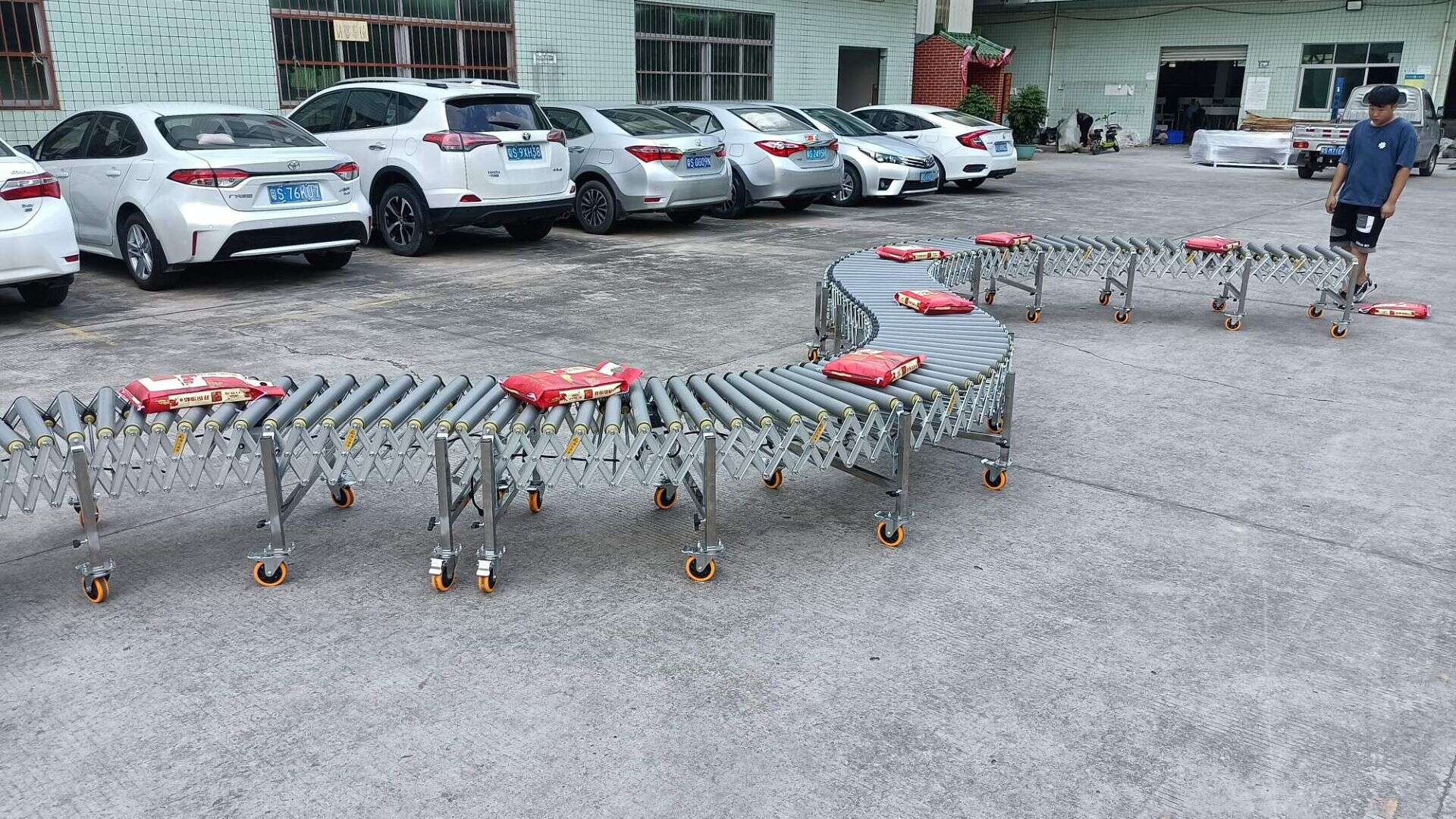
Die Herausforderung beim Umschlag von Motorradteilen unterschiedlicher Größe
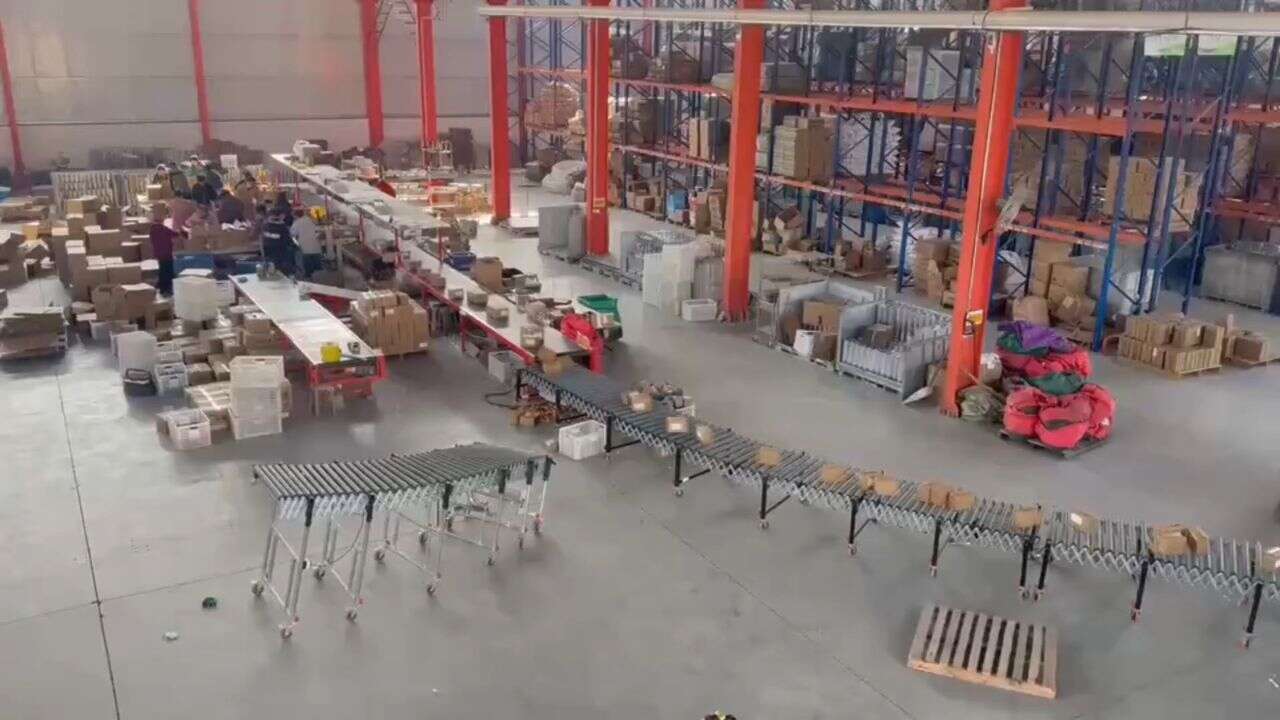
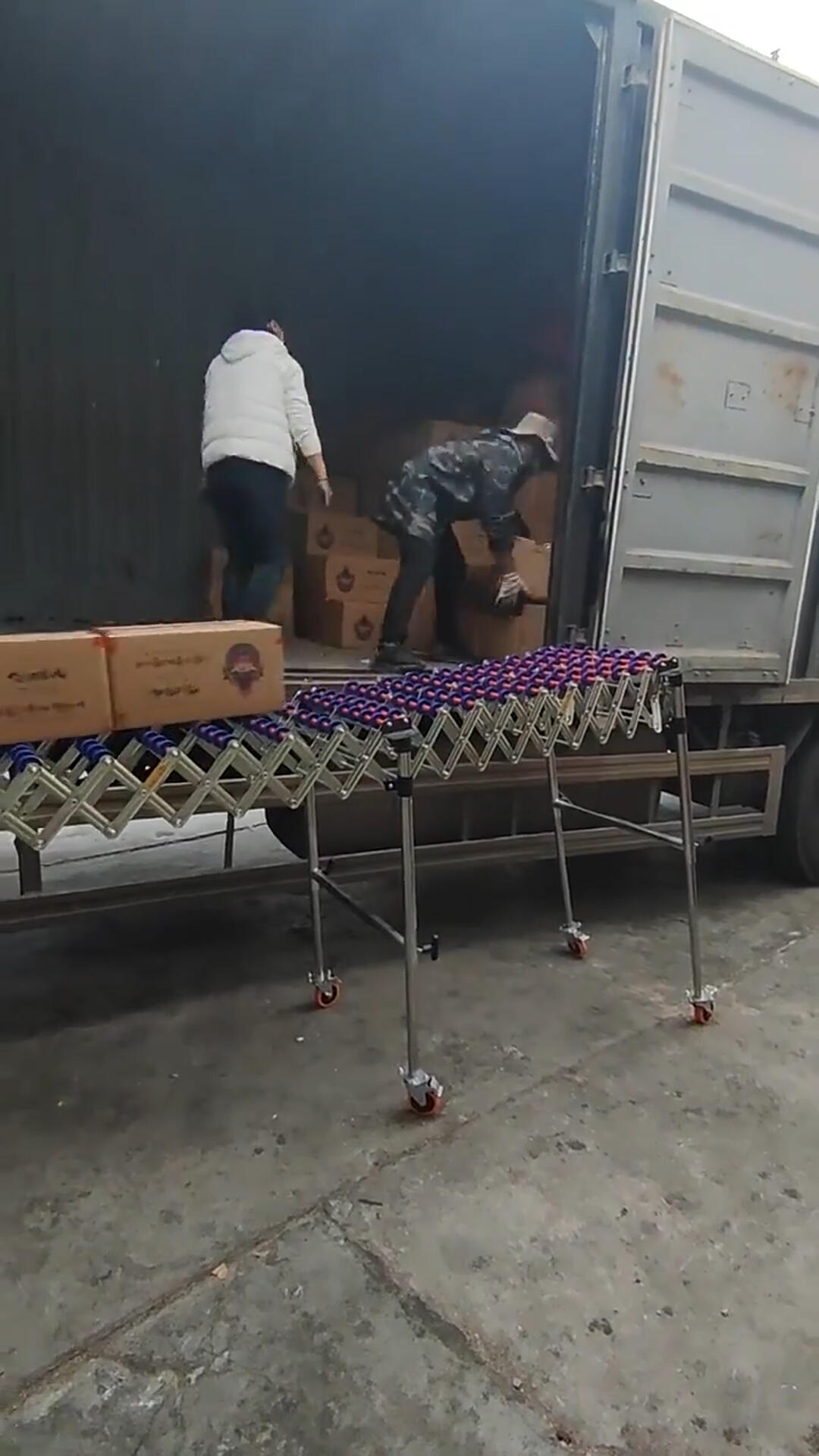
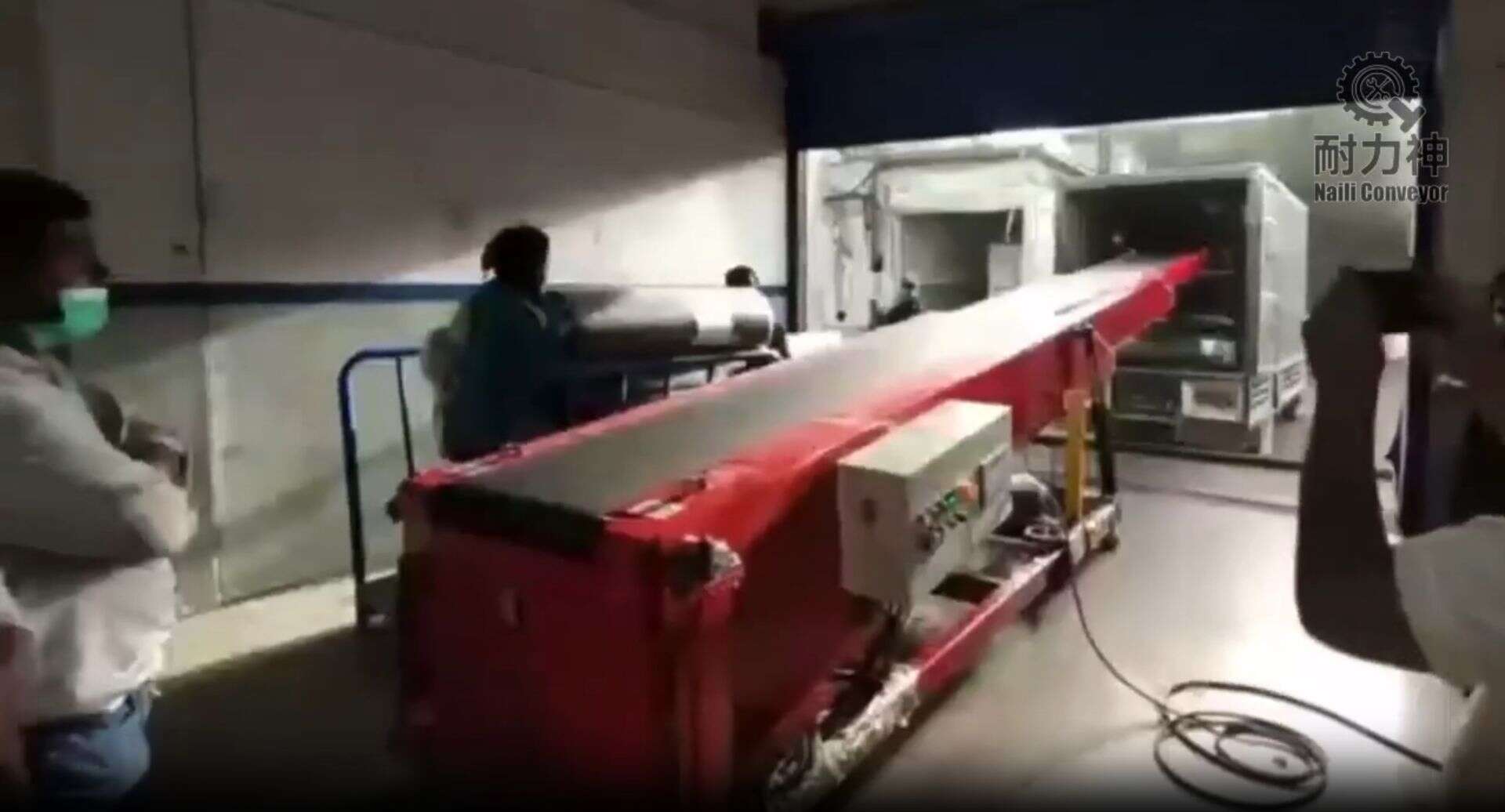
Im Wareneingangs-, Versand- und Sortierbereich eines Lagers für Motorradteile wird der Grund "Entladung von Motorradteilen über eine angetriebene Rollenbahn" so häufig diskutiert, weil dieselbe eingehende Charge oft Materialien mit sehr unterschiedlichen Größen, Gewichten und Bruchgefahren enthält: von kleinen Teilen wie Kettengliedern, Schrauben und elektrischen Steckverbindern bis hin zu großen, unregelmäßig geformten Teilen wie Verkleidungen, Kraftstofftanks und Radbaugruppen.
Das größte Problem bei Kleinteilen ist in der Regel die "Organisation". Diese Teile neigen dazu, sich während des Transports und der Weiterleitung zu verschieben, zu vermischen oder sogar verloren zu gehen; beim Transport auf einer Rollenbahn muss zudem verhindert werden, dass sie durch die Zwischenräume fallen. Eine gängigere Vorgehensweise besteht darin, Kleinteile in Umlaufkisten oder -paletten zu platzieren und sie durch "Überbrücken der Rollen" über das Förderband zu transportieren, um sie beim Be- und Entladen sowie beim Transfer in der Fertigungslinie geordnet zu halten.
Große Teile reagieren empfindlicher auf eine "stabile Abstützung". Unregelmäßig geformte Bauteile, die sich nur schwer stapeln lassen, bringen oft Herausforderungen hinsichtlich der Arbeitsablauforganisation, schwankender Effizienz und Beschädigungen der Oberflächen mit sich, wenn sie hauptsächlich manuell gehandhabt werden; daher lässt sich durch den Ersatz von häufigem Anheben und Zwischenablagen auf dem Boden durch kontinuierlichen Transport ein relativ "schonender" Transportrhythmus besser erreichen.
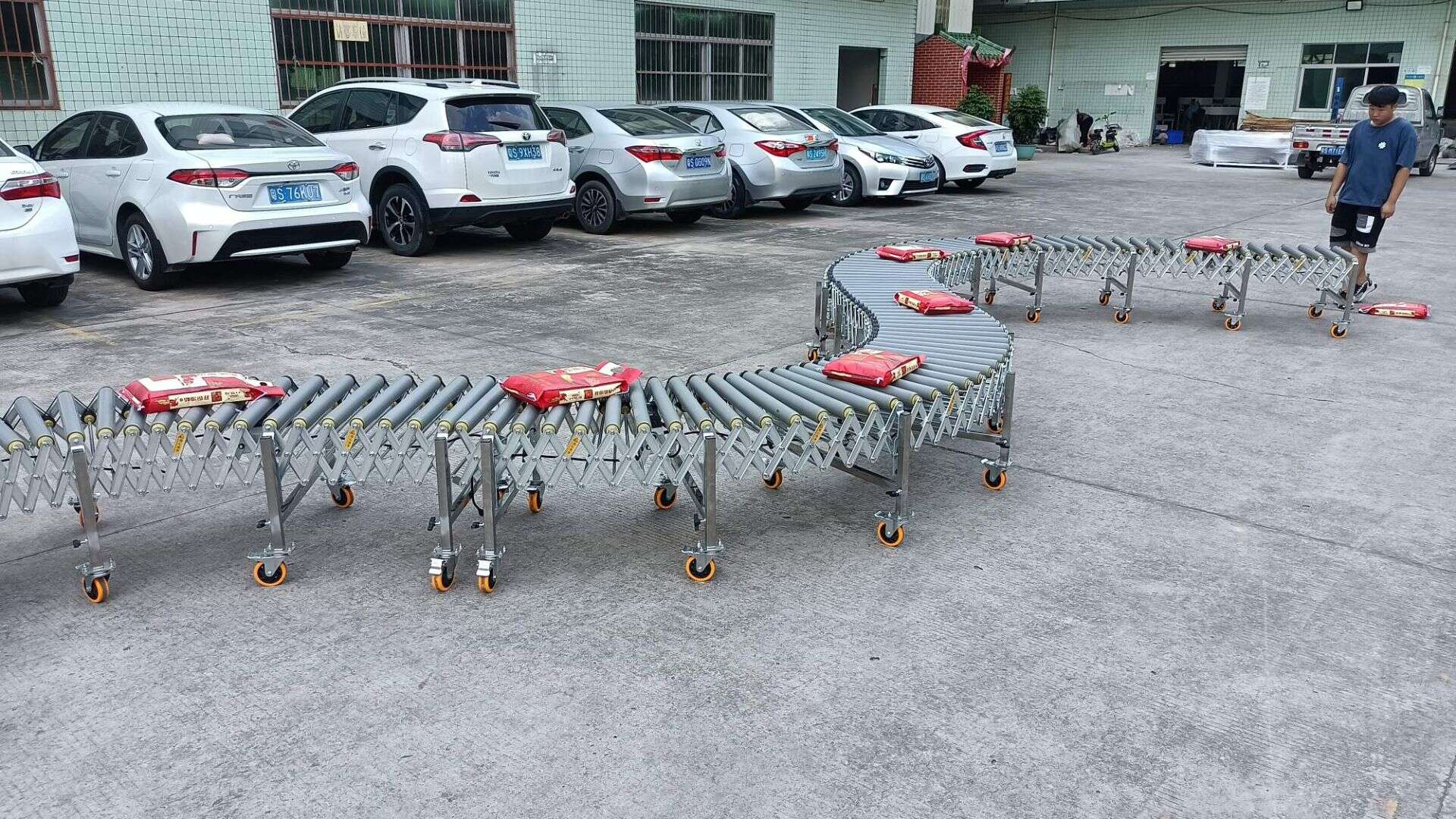
Wie ein angetriebenes Rollenförderband das flexible Be- und Entladen unterstützt
Damit das Entladen von Motorradteilen über ein angetriebenes Rollenförderband sowohl "stabil" als auch "schnell" erfolgt, kommt es vor allem auf zwei Aspekte an: die Regelung der variablen Drehzahl und die modulare Verkettung.
- Variable Fördergeschwindigkeit: Je nach Empfindlichkeit der verschiedenen Teile und dem Arbeitsrhythmus muss die Fördergeschwindigkeit jederzeit einstellbar sein. Präzisionskleinteile oder elektronische Bauteile sollten vorzugsweise mit gleichmäßiger Geschwindigkeit und bei niedrigerer Fördergeschwindigkeit transportiert werden, um Vibrationen und Stöße zu reduzieren; größere Güter mit einheitlicherer Verpackung können hingegen mit höheren Geschwindigkeiten befördert werden, um den Durchsatz zu steigern.
- Modularität: Be- und Entladestellen, Sortierstationen und Qualitätskontrollstationen ändern sich häufig je nach Auftragsstruktur und Personalausstattung. Der Vorteil modularer Abschnitte besteht darin, dass die Linie vor Ort je nach Bedarf verlängert, verkürzt oder neu konfiguriert werden kann, wodurch wiederholte Anpassungen vermieden werden, die durch eine "feste Linie, die nicht den Betriebsbedingungen entspricht", verursacht werden.
Auf der Ebene der Konstruktion und Steuerung beeinflusst der Rollenabstand die Tragfähigkeit: Kleine Teile werden in der Regel nicht direkt auf die Rollen gelegt, sondern in Umlaufkisten bzw. auf Paletten über diese transportiert; bei großen oder unregelmäßig geformten Gegenständen bestimmt die Stabilität des Antriebs und der Steuerung deren Lage und den kontinuierlichen Durchlauf.
Betrieb vor Ort – Zu den üblichen Steuerungsmaßnahmen gehören:
- Vorwärts/rückwärts: Wird als Rollback-Puffer bei vorübergehender Überlastung im nachgelagerten Bereich verwendet und eignet sich zudem für die Fehlerkorrektur und -behebung (z. B. zum Zurücksenden von Artikeln, nachdem Kommissionierfehler festgestellt wurden).
- Not-Aus: Wird bei außergewöhnlichen Situationen wie Materialstau oder Eingriffen durch Personal verwendet.
- Geschwindigkeitsanpassung: Dient dazu, den Rhythmus zwischen verschiedenen Arbeitsstationen anzupassen, beispielsweise durch Verlangsamung an Kommissionierstationen und Beschleunigung in Übergangsabschnitten.
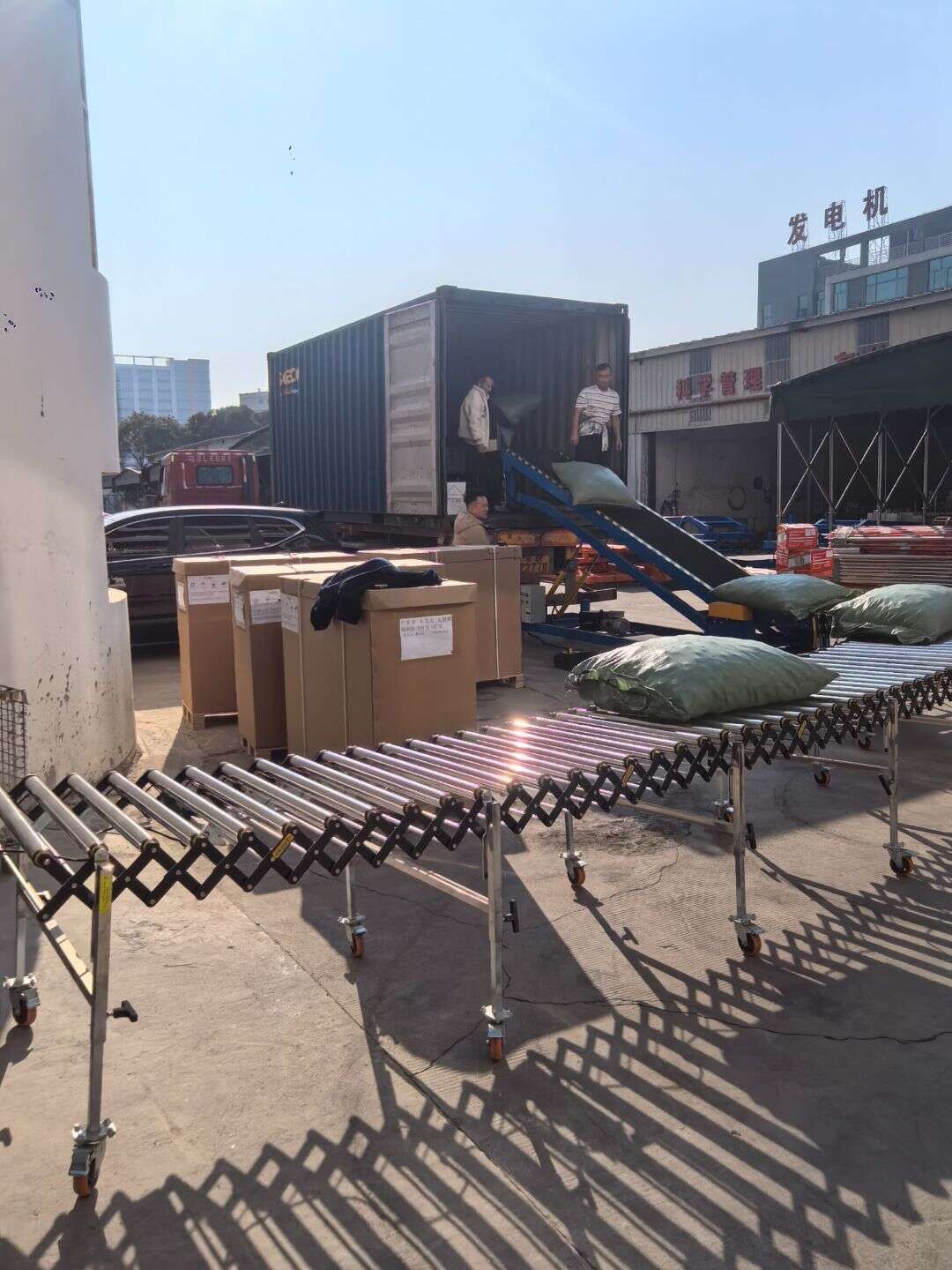
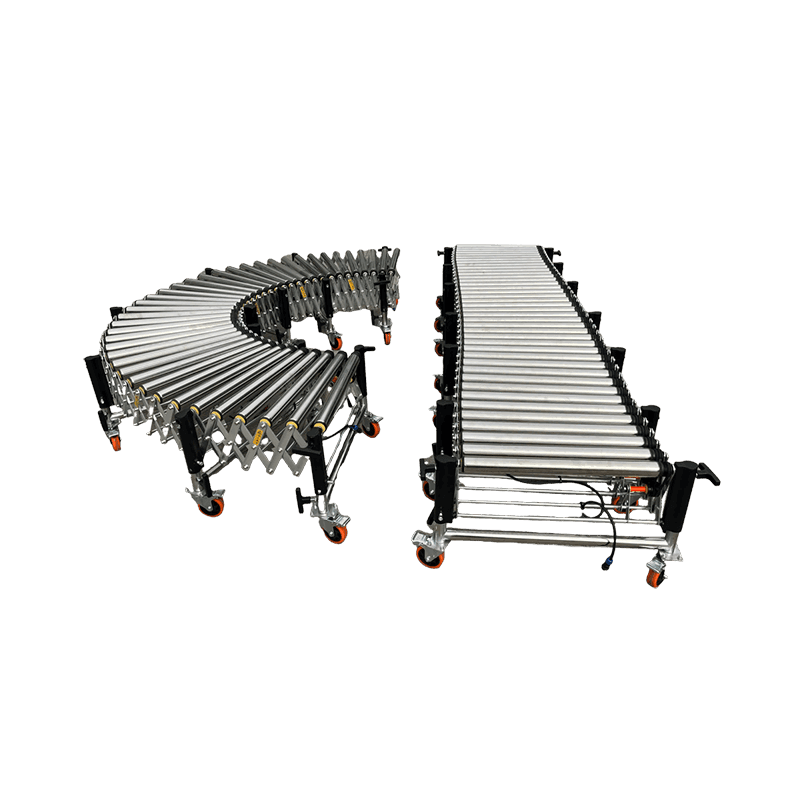
Rollenförderer mit Keilriemenantrieb
Das motorisierte Rollenförderband mit Mehrkeilriemen nutzt einen Mehrkeilriemenantrieb, um einen reibungslosen und effizienten Transport der Güter zu gewährleisten. Motorabstandsbereich…

Kunststofffass

Metallfass

Karton

Rolle
Aufteilung der Sortierbereiche und Förderabschnitte nach Teilegröße
Durch die Aufteilung des Entladevorgangs von Motorradteilen mithilfe eines angetriebenen Rollenförderers in Zonen lässt sich die Komplexität der gemischten Beladung in besser handhabbare Arbeitseinheiten aufschlüsseln. Eine gängige Vorgehensweise besteht darin, Sortierbereiche und entsprechende Förderabschnitte nach kleinen, mittleren und großen Teilen einzurichten und durch modulare Abschnitte einen reibungslosen Übergang zu gewährleisten.
- Kleinteilebereich: Dieser Bereich ist eher auf die Kommissionierung und Überprüfung ausgerichtet, wird in der Regel mit geringerer Geschwindigkeit betrieben und so nah wie möglich am Arbeitsplatz angeordnet, um den Bedienern gute Sicht und gute Kontrollmöglichkeiten zu gewährleisten. In diesem Bereich werden hauptsächlich Umlaufkisten/-paletten zum Transport verwendet, wodurch das Risiko von Fehlteilen aufgrund des direkten Kontakts zwischen losen Teilen und der Rollenbahnoberfläche verringert wird.
- Bereich für mittelgroße Teile: Hier muss ein Gleichgewicht zwischen Genauigkeit und Durchsatz hergestellt werden; der Betrieb kann mit mittlerer Geschwindigkeit erfolgen. Für Transportvorgänge, die keine feine Geschwindigkeitsregelung erfordern, kann eine Schwerkraftrollenbahn als Zusatzabschnitt eingesetzt werden, um die Abhängigkeit vom angetriebenen Abschnitt zu verringern und gleichzeitig Spielraum für Anpassungen vor Ort zu lassen.
- Bereich für große Teile: Bei gleichbleibender Unterstützung kann die Geschwindigkeit moderat erhöht werden, um Wartezeiten zu verkürzen. Bei großen Teilen kommt es vor allem auf eine kontinuierliche Unterstützung und fließende Übergänge an, daher sollten an den Übergängen zwischen verschiedenen Bereichen abrupte Abschnitte oder plötzliche Rhythmuswechsel vermieden werden.
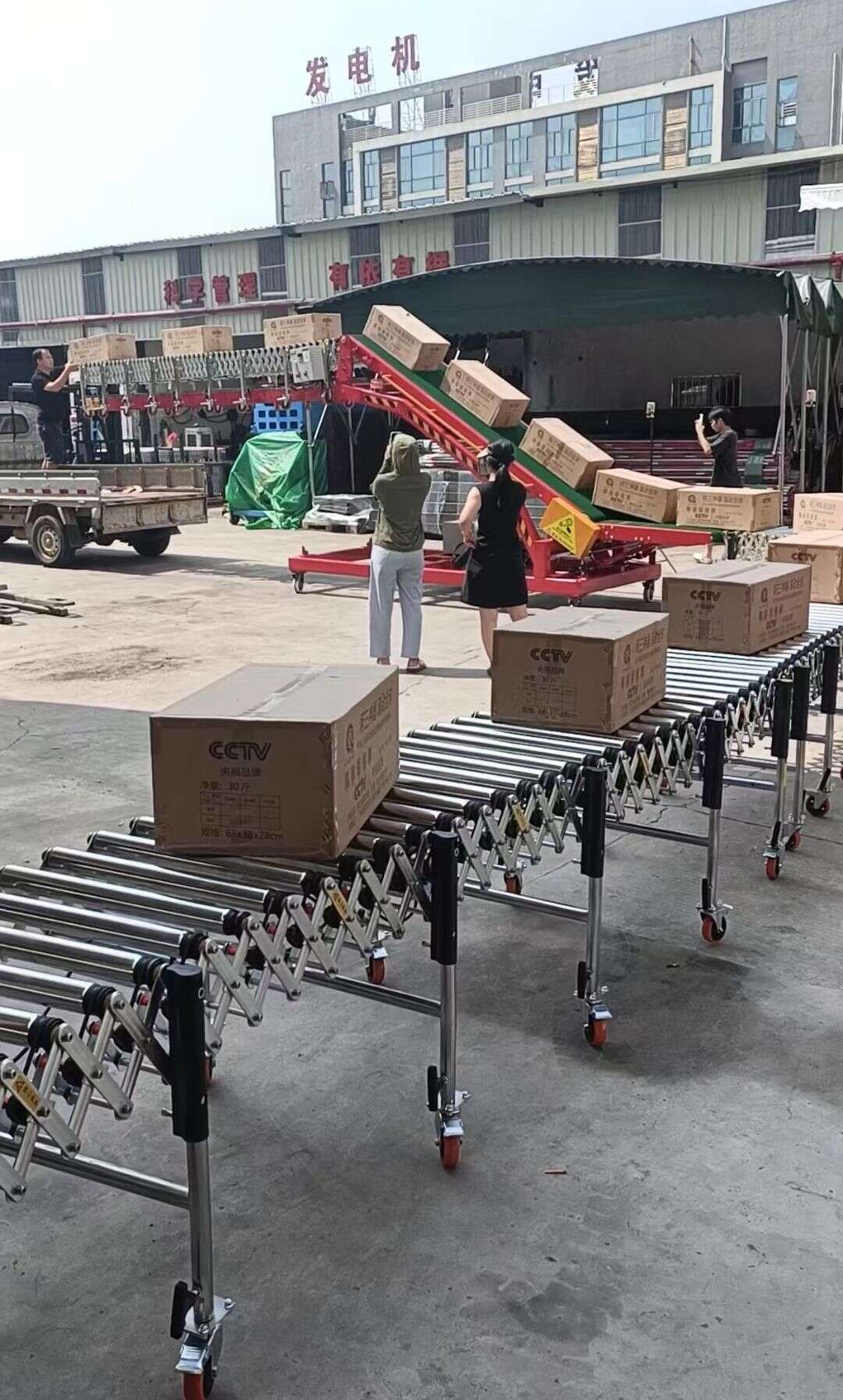
Bei Waren mit weicher Verpackung oder leicht zerkratzbaren Oberflächen (z. B. Schutzausrüstung, Sitzbezüge, Kabelbäume usw.) können der gummibeschichtete Rollenabschnitt und der Stahlrollenabschnitt für unterschiedliche Zwecke genutzt werden: Verwenden Sie für empfindliche Waren eine schonendere Kontaktfläche, während Standardartikel auf dem Standardrollenabschnitt weiterhin effizient transportiert werden können.
Einhaltung der Teilereihenfolge und wichtiger Punkte für die Qualitätsprüfung/Pufferlagerung
Bei Bausätzen, Reparatursätzen oder mehrteiligen Ladenbestellungen ist es oft wichtiger, die Reihenfolge einzuhalten, als einfach nur schneller voranzukommen. Wenn ein angetriebenes Rollenförderband Motorradteile be- und entlädt, können die folgenden kombinierten Maßnahmen die Reihenfolgesteuerung verbessern:
- Gestaffelte Geschwindigkeitsänderungen schaffen einen Zeitpuffer
Durch die Nutzung von Geschwindigkeitsunterschieden zwischen verschiedenen Förderabschnitten lassen sich kontrollierbare Abstände und Ankunftsrhythmen erzielen: Verlangsamen Sie die Abschnitte, an denen eine Überprüfung oder Kommissionierung erforderlich ist, und beschleunigen Sie die Übergabeabschnitte, sodass der Bediener Zeit hat, die Artikel zu bearbeiten, ohne den Ablauf zu stören.
- Rückwärtskompatibilität zur Bewältigung von Überlastungen und zur Fehlerbehebung
Wenn es zu kurzzeitigen Engpässen im nachgelagerten Bereich kommt oder wenn bei einem Kommissionier- oder Prüfschritt ein falscher Artikel entdeckt wird und dieser zurückholt werden muss, kann der Rücktransport die Ware in einen überschaubaren Bereich zurückbringen, wodurch Stillstände an der Produktionslinie vermieden werden, die den Produktionszyklus unterbrechen.
- Kontrollpunkt: Verlangsamen, ohne die Linie anzuhalten
Bei der Einrichtung von Kontrollpunkten wie dem Scannen von Barcodes oder Sichtprüfungen an der Förderlinie können Sie diesen Abschnitt auf eine geeignete Betriebsgeschwindigkeit verlangsamen, um die Kontrolle durchzuführen, während das Material weiter hinten in der festgelegten Reihenfolge weiterläuft. Dadurch lassen sich manuelle Unterbrechungen der Förderlinie und vorübergehende Staus vermeiden.
- Schwerkraftrollenabschnitte als vorübergehende Pufferzonen
Wenn eine Wartezeit bis zur Freigabe erforderlich ist oder eine Zwischenlagerung benötigt wird, kann ein Schwerkraft-Rollenabschnitt als energiesparender Puffer dienen: Er ermöglicht es, das Material kurz anzuhalten, wobei die ursprüngliche Reihenfolge und der Abstand bei der Freigabe erhalten bleiben.
Weiterführende Literatur: Für ähnliche Szenarien im Bereich des Transports von Autoteilen und der Lagerorganisation können Sie die in diesem Artikel vorgestellten Ideen zum Vergleich heranziehen.
Angetriebenes Rollenförderband für den Warentransport im Autoteile-Lager