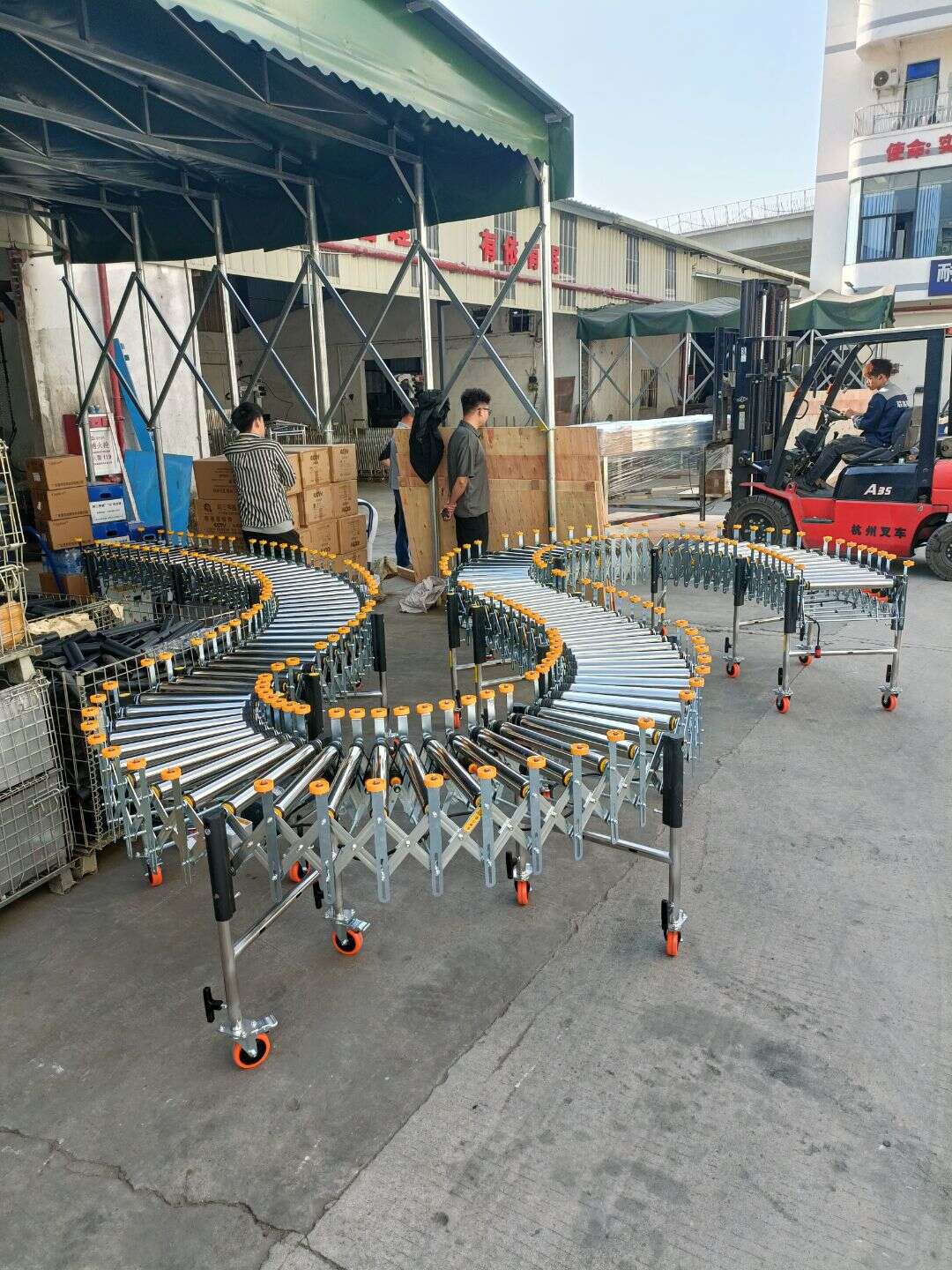
On-site bottlenecks in cross-docking: what does a mobile Powered Roller Conveyor solve
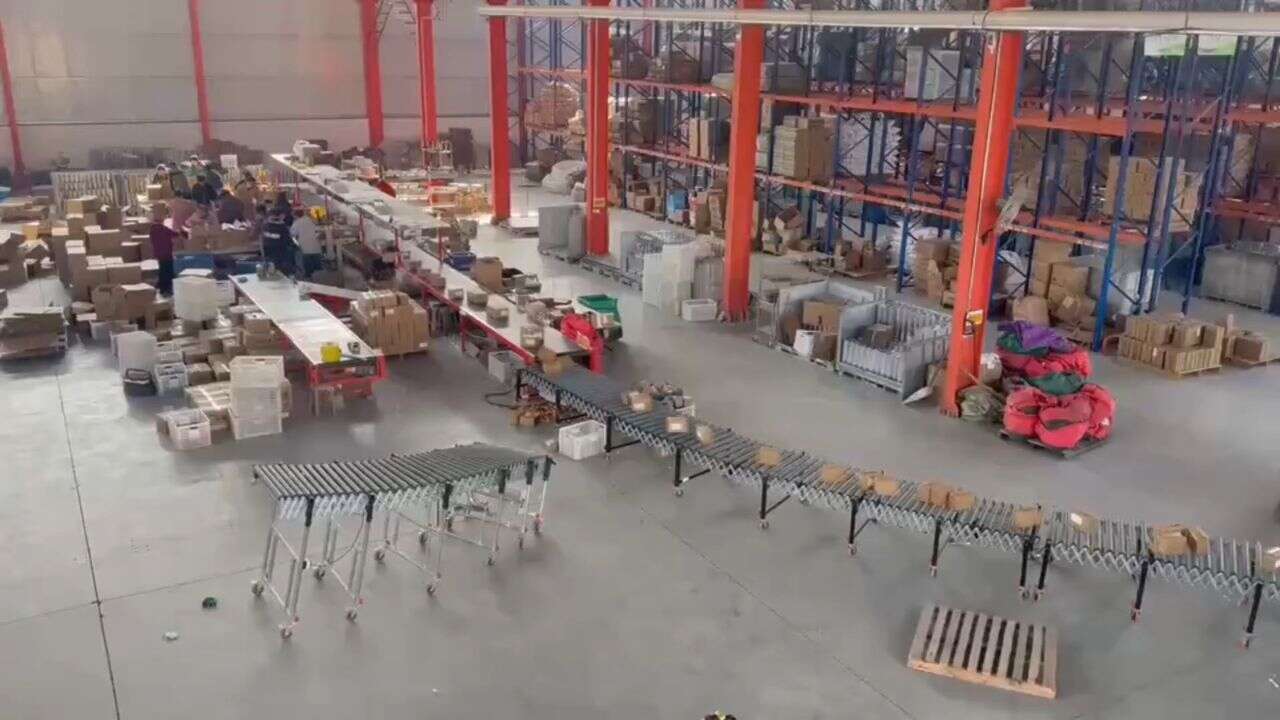
The essence of cross-docking is "inbound and outbound at once": after goods arrive, they are kept off the floor and out of storage as much as possible, directly linking inbound transport to outbound transport. What truly slows efficiency is often not system instructions or document flow, but the physical transfer of moving goods from the inbound dock to the outbound dock.
When the truck arrives, time is money. Every extra minute spent on manual handling and in-warehouse circulation shows up as higher labor input, longer dock occupancy, and shipment delays, which in turn weakens the speed advantage that cross-docking is meant to deliver.
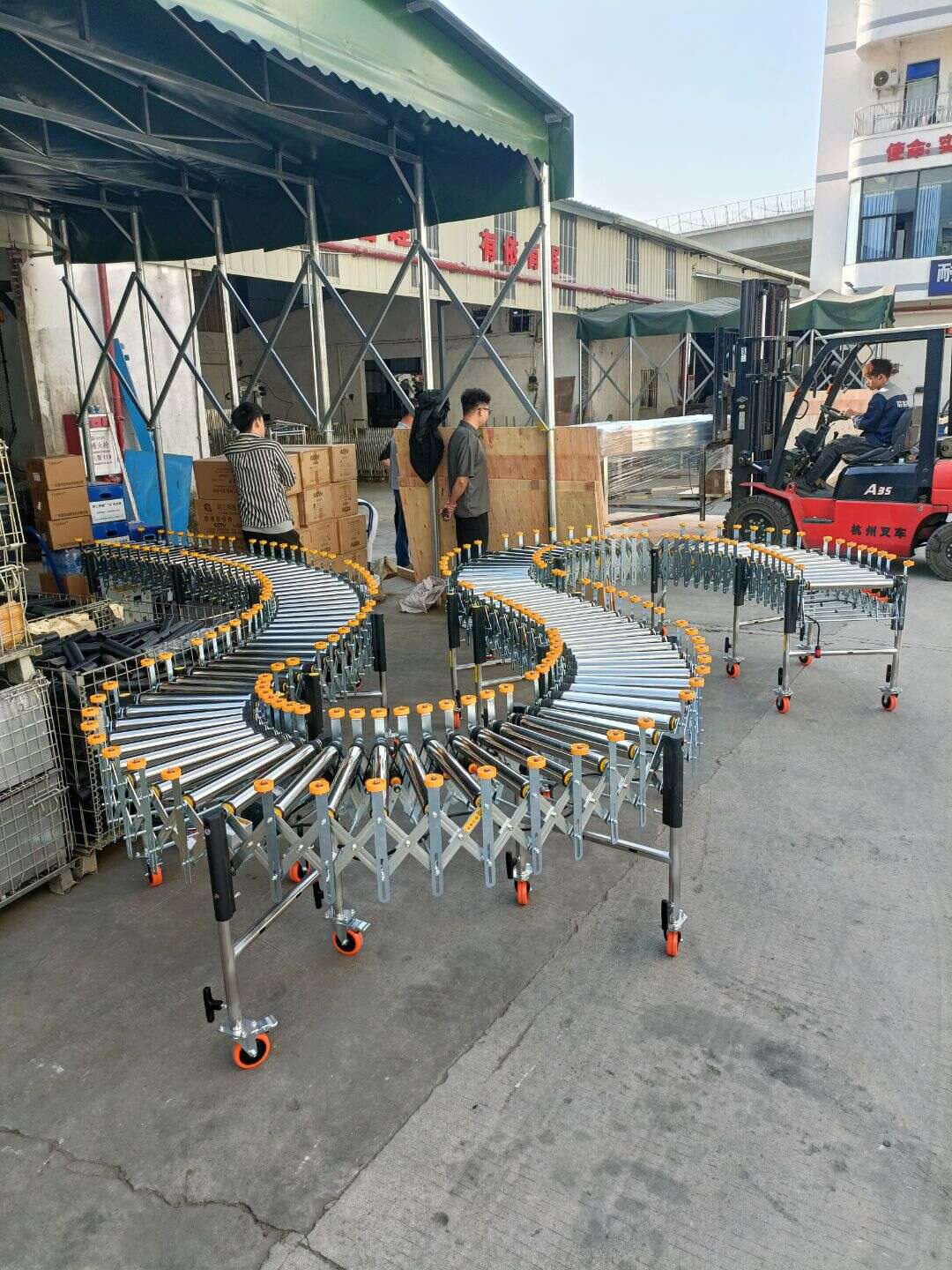
Mobile Powered Roller Conveyor Builds a Cross-Dock "Land Bridge"
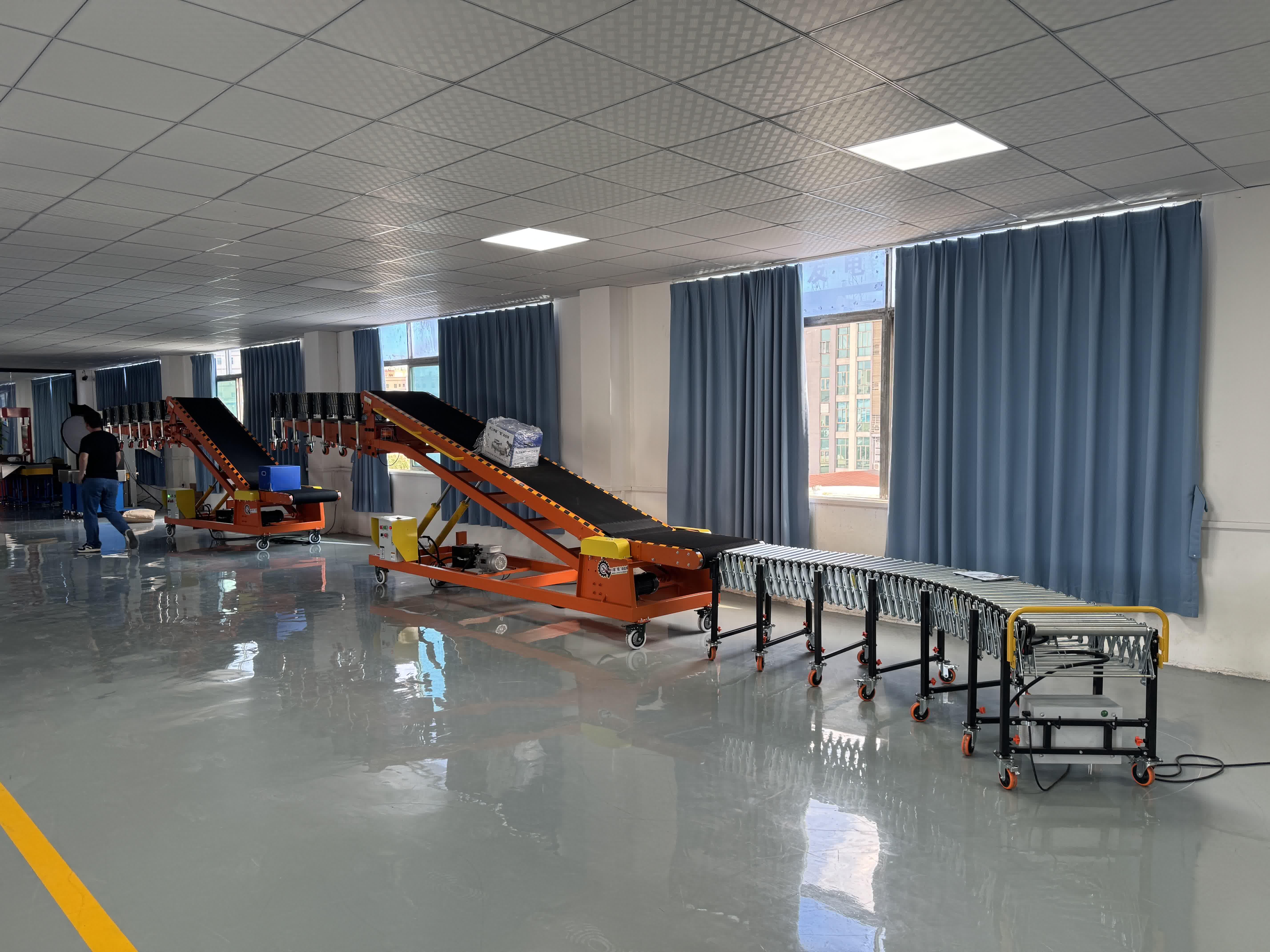
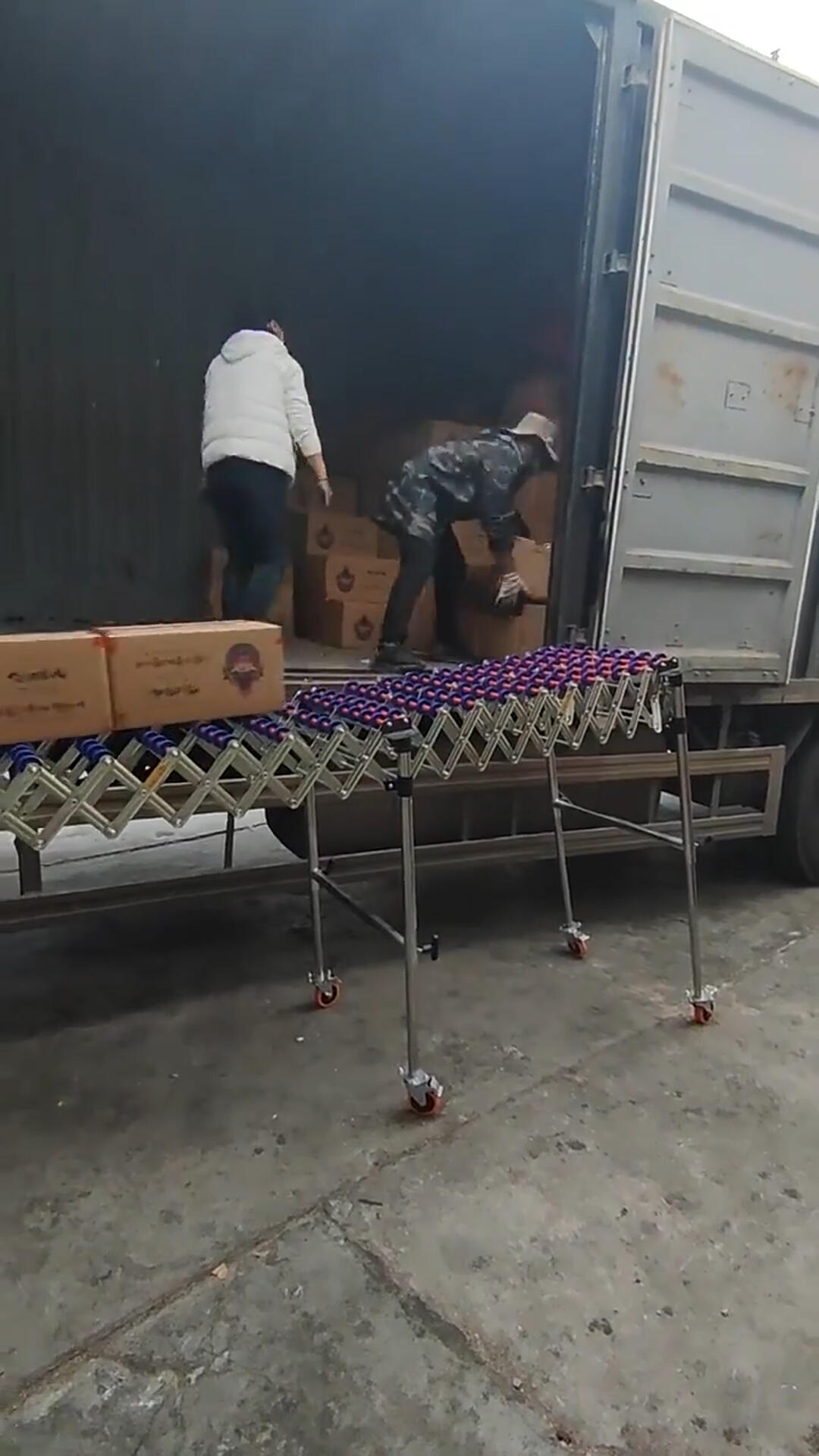
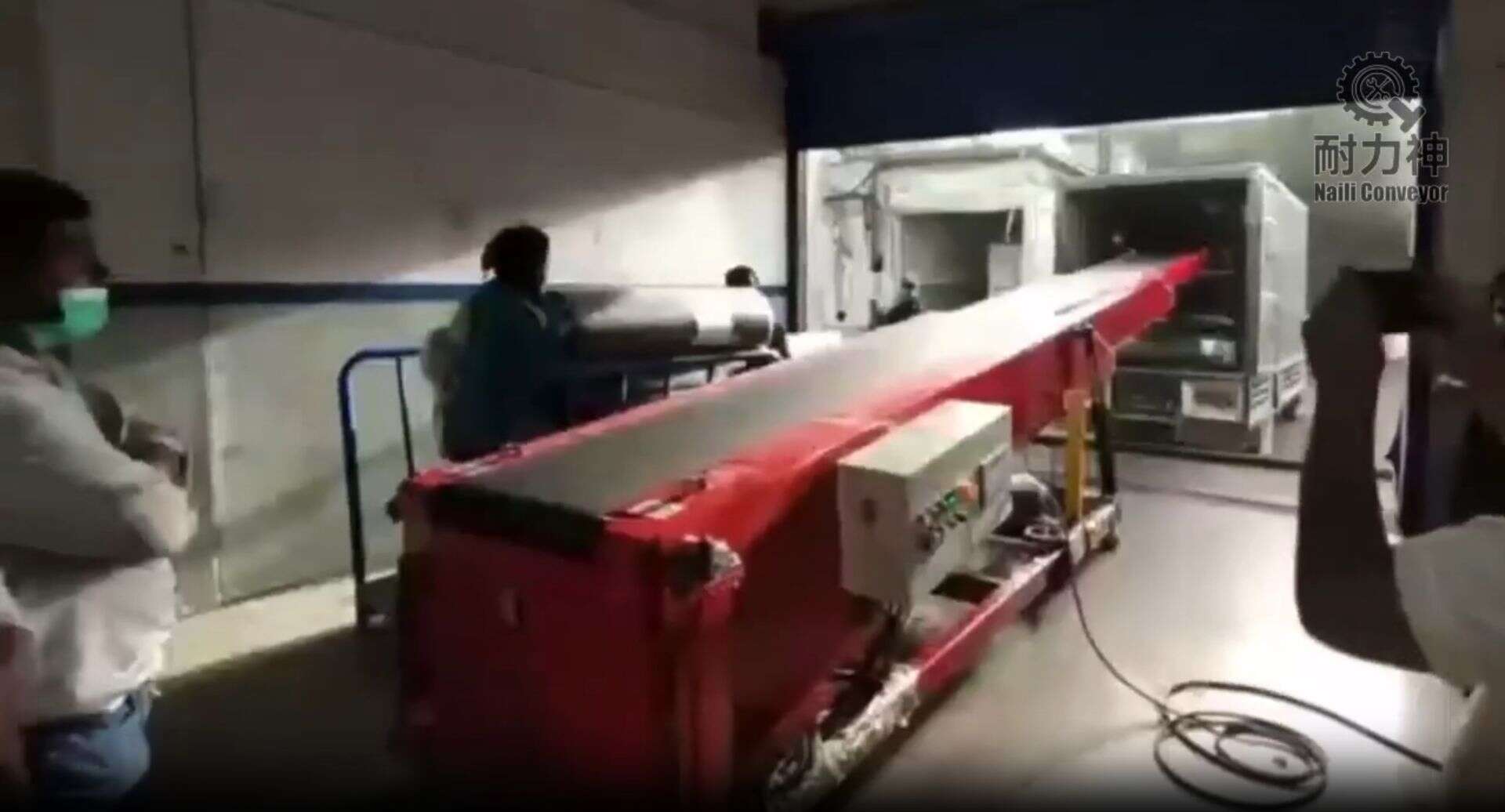
To eliminate the bottleneck of cross-dock transfer between docks, the idea is straightforward: use a mobile Powered Roller Conveyor to build a continuous powered conveying channel between the inbound truck and the outbound truck, so goods move directly from the unloading point to the loading point and minimize "one more move in between.".
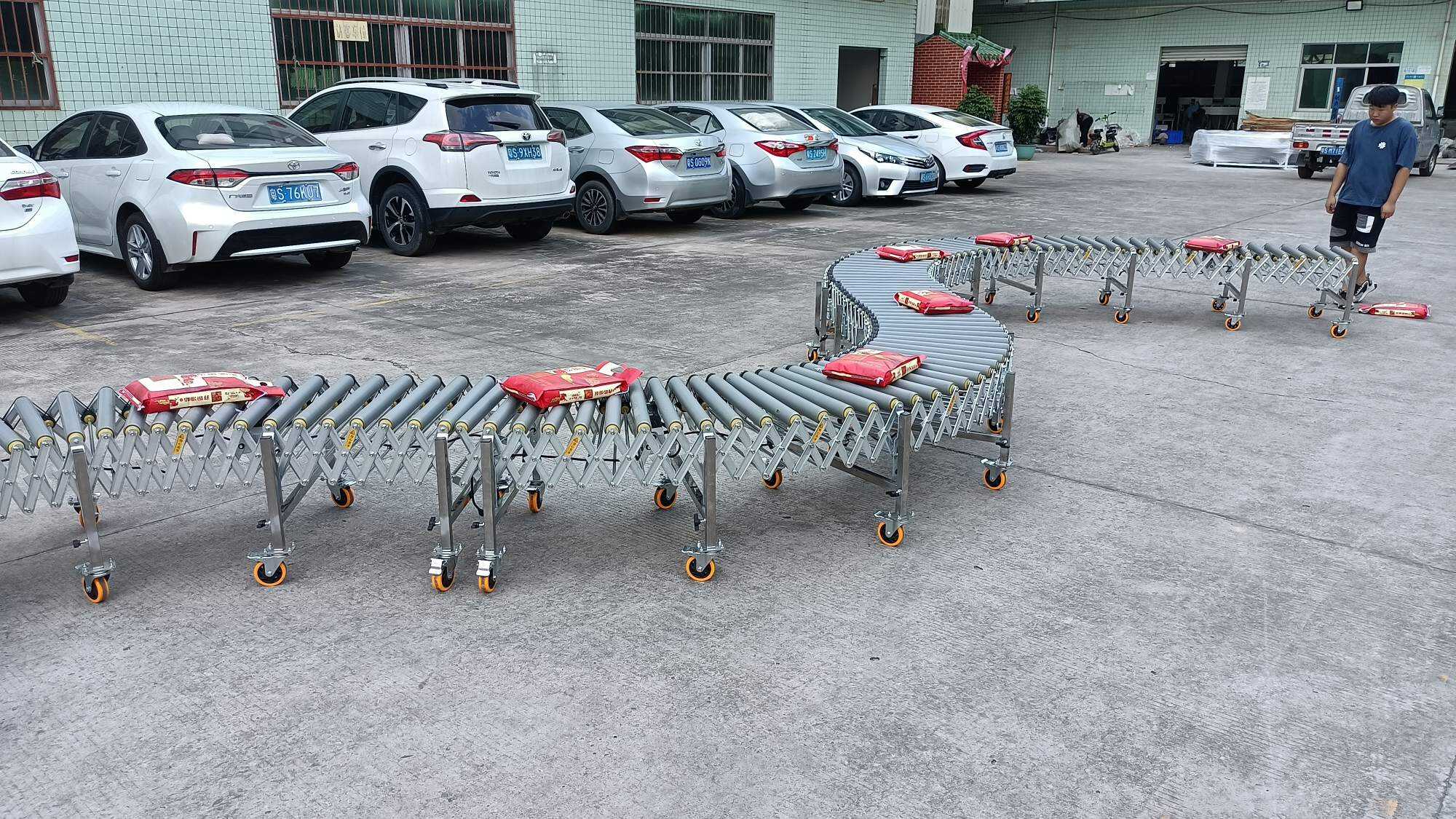
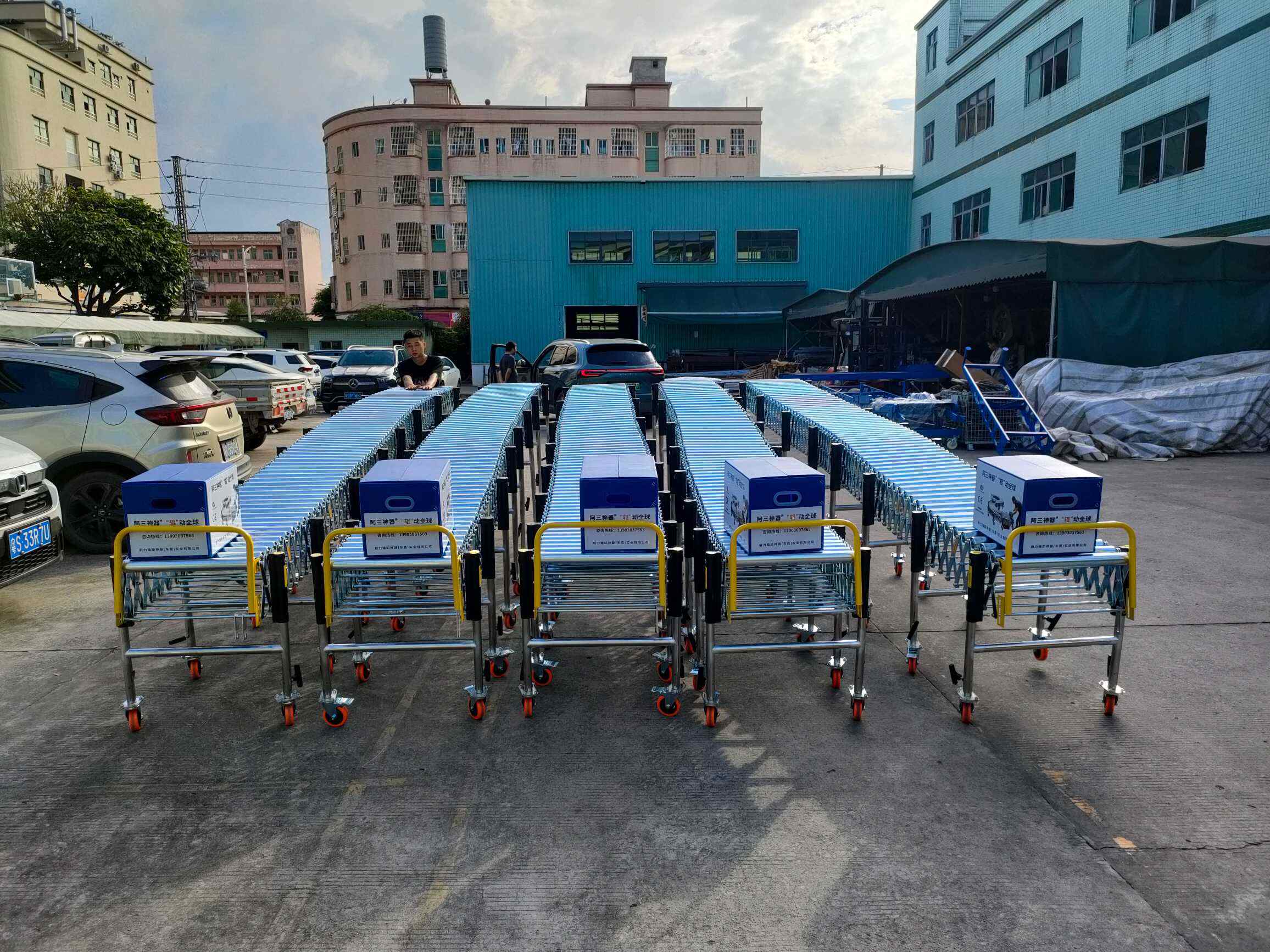
Multiple conveyor sections can be quickly connected to span the dock width and form a temporary "land bridge" conveying line, similar to A compact design in narrow spaces Multi-Wedge Belt Powered Roller Conveyor can also adapt to complex layouts. Once goods are on the machine, they are continuously conveyed to the end at the set speed, reducing manual box carrying, cart shuttling, or repeated forklift trips. The compact design can also adapt to complex layouts. Once goods are on the machine, they are continuously conveyed to the end at the set speed, reducing manual box carrying, cart shuttling, or repeated forklift trips.
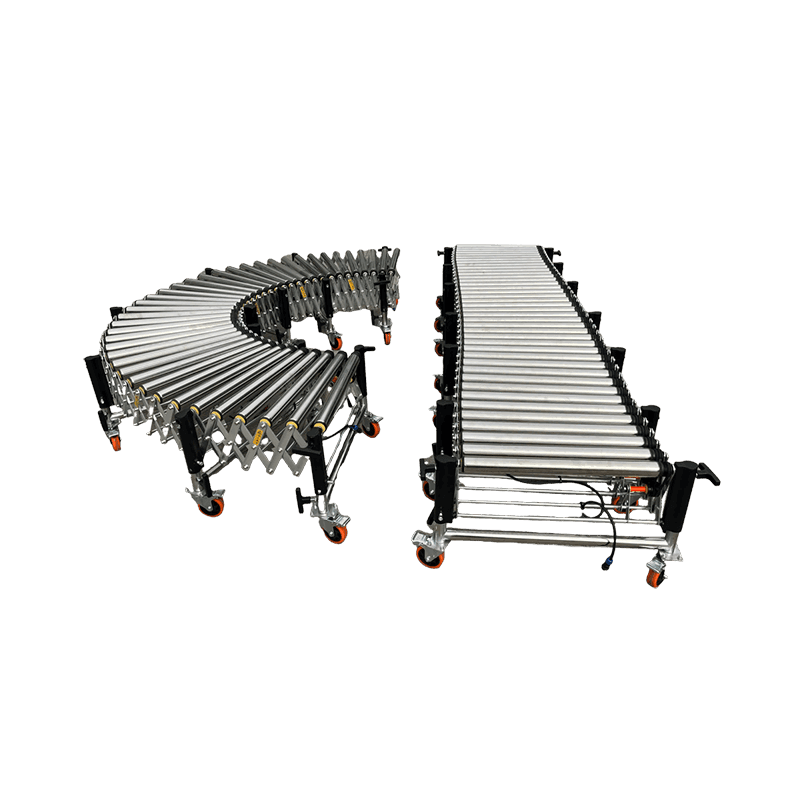
Rollenförderer mit Keilriemenantrieb
Das motorisierte Rollenförderband mit Mehrkeilriemen nutzt einen Mehrkeilriemenantrieb, um einen reibungslosen und effizienten Transport der Güter zu gewährleisten. Motorabstandsbereich…

Kunststofffass

Metallfass

Karton

Rolle
The key capabilities commonly used by this type of mobile Powered Roller Conveyor in cross-docking scenarios include:
- Mobile: the equipment is fitted with casters, making it easy to quickly reposition between different dock doors
- Extendable: it can be stretched out when needed and retracted to reduce floor space when not in use
- Height adjustable: the legs can be adjusted to match different truck bed and platform heights
- Quick connection: multiple units can be quickly coupled to build a continuous line
- Variable-frequency speed control: conveying speed can be adjusted according to loading/unloading pace and crew coordination
- Supports forward and reverse operation: adapts to different operating directions and temporary rollback needs
- Continuous operation: suitable for high-frequency, multi-shift cross-docking operations
Implementation along the cross-docking process: receiving—transport—loading and line changes
Using a mobile Powered Roller Conveyor for cross-docking does not change the essence of the work; it simply changes "handling" into "continuous conveying." A typical implementation can be understood in four steps:
1) Receiving: unload directly onto the machine
Boxes/circulation totes and the like unloaded from the inbound truck are placed directly at the start of the conveyor line, and the system immediately sends the goods through the cross-dock passage, reducing waiting and manual handling across zones.
2) Transport: continuous cross-dock conveying
Goods flow continuously at a controlled speed on the "land bridge." The applicable packaging size and weight range should be bounded by the conveyor’s load capacity and on-site operating conditions to ensure stable and smooth roller conveying. For mixed parcels, refer to Powered Roller Conveyor handling mixed parcels adaptation experience.
3) Loading: pick goods at the end and load directly into the outbound truck
On the outbound truck side, personnel take goods from the end of the conveyor line and load them directly, reducing cycle losses caused by intermediate staging points and secondary handling.
4) Line changes: rapid reconfiguration when dock doors change
Cross-dock dock-door assignments and vehicle allocation often change with shift patterns and carrier arrival rhythms. A mobile solution can quickly change the line by moving the equipment, adding or removing sections, and reconnecting the route, turning adjustments from "modifying a fixed layout" into "on-site reconfiguration.".
Expected benefits and pre-implementation checklist
When a mobile Powered Roller Conveyor is used for cross-dock transfer, the value is usually reflected in the following areas:
- Reduce the intensity of manual transfer and cut repetitive physical labor such as carrying and pushing
- Improve cross-dock throughput, turning transfer from "intermittent handling" into "continuous conveying"
- Optimize dock space utilization and reduce forklift/cart occupation of the aisle
- Lower handling-related risks and costs, and reduce uncertainty caused by lifting and traffic crossings
Before implementation, it is recommended to perform a quick on-site self-check:
- Door spacing and obstacles: whether typical door spacing, columns/guardrails/fire lanes, and other factors affect line layout
- People and vehicle flow: after the conveyor "land bridge" is arranged, are pedestrian and vehicle passages smoother
- Ground conditions: whether ground flatness, slope, and friction meet the requirements for equipment movement and stable operation
- Power coverage: whether the power supply locations and cabling method in the work area support rapid deployment
- Width and section count selection: determine the appropriate configuration based on typical cargo size and aisle requirements
- Drive configuration direction: choose among options such as O-belt and multi-wedge belt based on load requirements
- Training and maintenance: ensure personnel master basic operations such as setup, speed adjustment, forward/reverse, and emergency stop, and establish routine inspections for rollers, transmission, and electrical components
- Interfaces with existing systems: assess the connection method with existing material handling equipment and the potential for coordination with WMS or dock management systems
For typical applications of powered rollers in unloading and transfer, see: