Scenarios and Challenges: Flexible Conveyor Sorting Sports Goods, Peak Season Fluctuations Put Stability to the Test
In sports goods distribution centers, conveying and sorting often face a common contradiction: "a wide range of product sizes and high cycle-rate requirements." One line must be gentle enough for small, lightweight items such as tennis balls and protective gear, while also being able to continuously and steadily convey heavy goods such as boxed weights and fitness equipment.
When peak season arrives and inbound/outbound rhythm speeds up, differences in size and weight magnify the risks of deviation, jamming, tipping, and dropping; and once the flow path or zoning needs to be adjusted temporarily, a rigid fixed conveying layout will slow down response.
Conveying Requirements Brought by Product Types: First Identify the Risks When Sorting Sports Goods with a Flexible Conveyor
To truly implement "sorting sports goods with a flexible conveyor, " it is recommended to first convert risks into structural requirements based on product form, and then decide on width, roller spacing, guardrails, and power zoning.
Long Items (Golf Clubs, Hockey Sticks, etc.)
Long, narrow items are more likely to shift and be difficult to align during conveying, and their surfaces are more prone to scratching.
Configuration priorities can focus on:
- Sufficient conveying width: Prevents items from hanging over the edge and falling
- A smoother contact surface: Reduces scratches and bumps
- Proper roller spacing: Ensures continuous support and stability לאורך the entire path
- Side guardrails: Suppresses lateral slippage during straight running and turning
Boxed Items (Counterweights, Equipment, etc.)
The challenge with boxed items lies in the weight range and unstable center of gravity: light boxes can slip easily, while heavy boxes place greater demands on load capacity and continuous drive power. Top-heavy or off-center loads also increase the risk of tipping.
The configuration focus can be on:
- Higher-load conveying sectionsAnd greater structural rigidity
- Powered conveying as the main approach: to ensure continuous, stable movement across different weights
- Adjustable speed: to match different weight and stability requirements at a safer speed
- A wider conveyor bed: to reduce tipping and edge-crossing risks
Irregular Items (Balls, Helmets, etc.)
Irregular items are more likely to roll or slip, making them more sensitive to "friction and controllability.".
The configuration focus can be on:
- Improved grip and restraint: using a suitable contact surface and side protection to reduce deviation caused by rolling/slipping
- Strengthen protection at turns and transitions: to avoid side slipping when changing direction
Reference for Matching Common Goods and Conveying Formats
| Goods Type | Typical Weight Range | Recommended Conveying Format | Key Considerations |
|---|---|---|---|
| Long Items (Cue Sticks, Bats) | 0.5–5 kg | 800 mm Powered Roller | Side guards, consistent speed |
| Medium Boxed Items (Shoes, Apparel, Accessories) | 0.5–10 kg | 600 mm Powered or Gravity Roller | Balance between space and load capacity |
| Heavy Boxed Items (Counterweights, Equipment) | 10–100+ kg | 800 mm Multi-Wedge Belt Driven Powered Roller | Higher load capacity, steadier and slower speed |
| Irregular Items (Balls, Helmets) | 0.2–5 kg | Skate wheel or rubber-covered roller | Suppress rolling or slipping |
Key Configuration Idea: 800 mm Powered Roller Main Line + Curved Module Combination
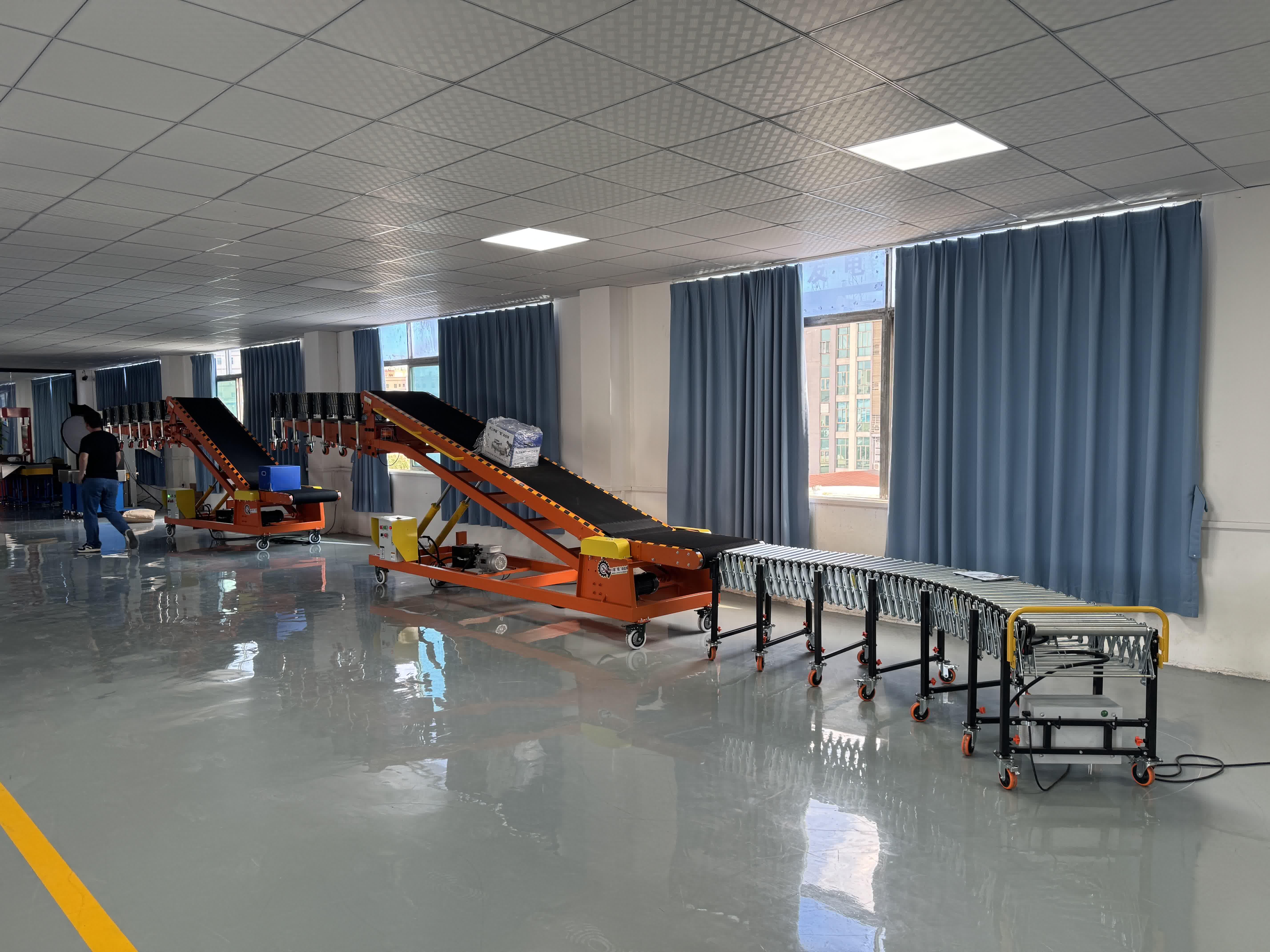
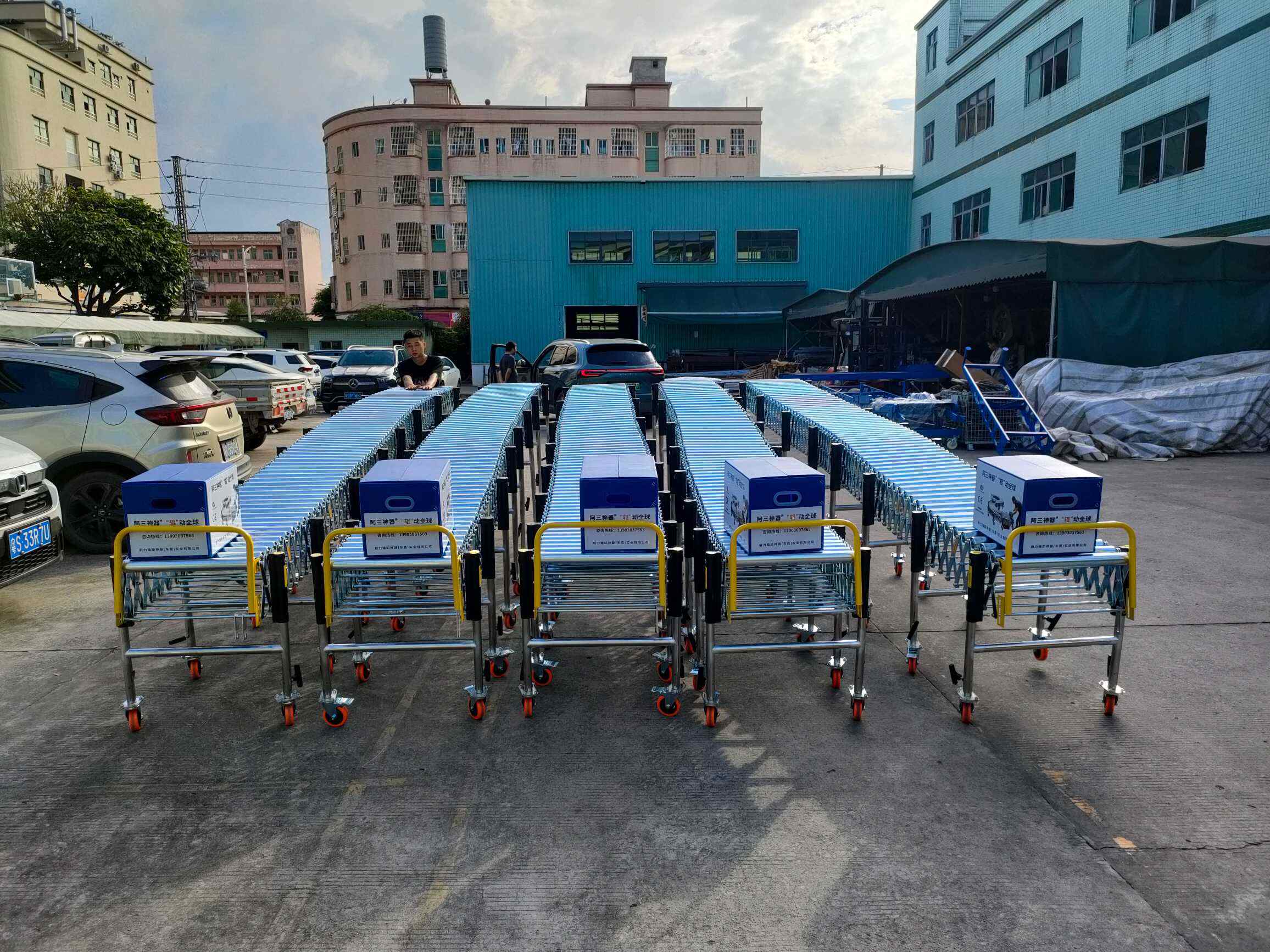
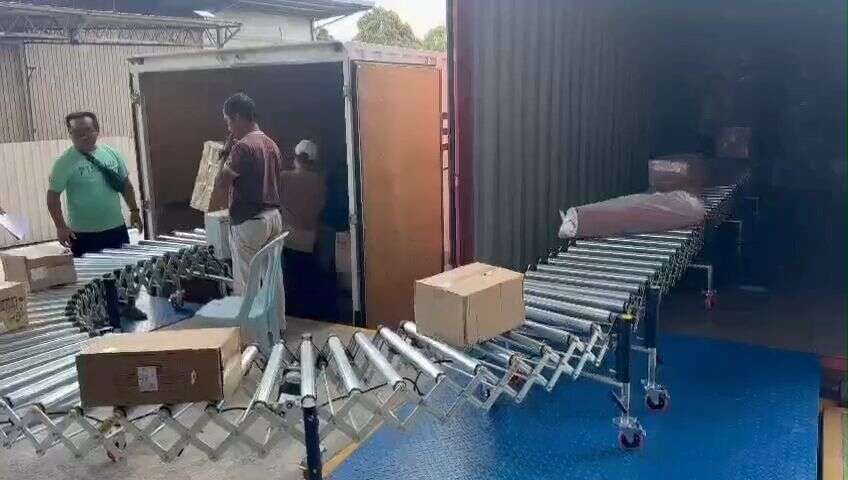
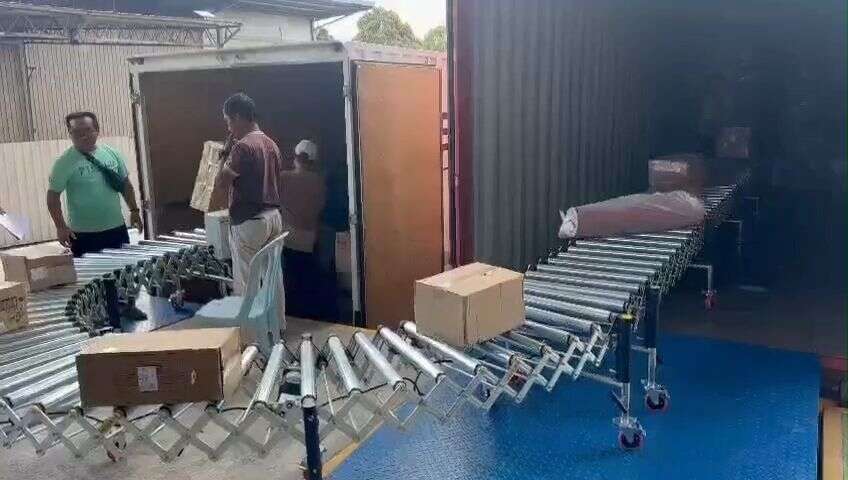
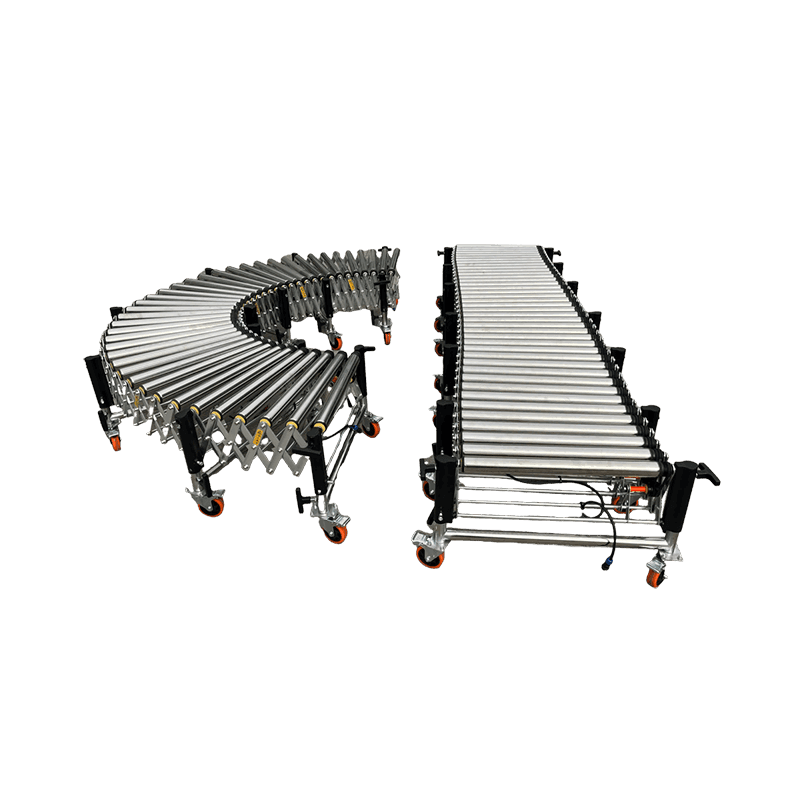
In a sports goods distribution center, building an "adaptable and adjustable" conveyor framework usually starts with an "800 mm powered roller main line, " then uses curved modules for diversion and space compression, while matching drive methods by separating heavy and light load zones.
Rollenförderer mit Keilriemenantrieb
Das motorisierte Rollenförderband mit Mehrkeilriemen nutzt einen Mehrkeilriemenantrieb, um einen reibungslosen und effizienten Transport der Güter zu gewährleisten. Motorabstandsbereich…

Kunststofffass

Metallfass

Karton

Rolle
Improve stability with an 800 mm powered roller section
The advantage of an 800 mm width is that it provides a more ample supporting surface for long items while also accommodating wider boxed goods, reducing the risk of overhang, tipping, and dropping.
When choosing the drive type and section length, you can balance them based on "load weight and reconfiguration frequency":
- For heavy loads, prioritize Multi-Wedge Belt Drive: used in areas handling heavier goods, emphasizing continuous drive and stable conveying
- For light loads, O-belt drive is an option: used in areas handling lighter goods, as a more economical power solution (subject to the specific model documentation)
- Trade-offs in straight-section length: longer straight sections reduce joints and transition points, while shorter sections are better for frequent reconfiguration and temporary adjustments
Use curved sections to improve space utilization and flow guidance
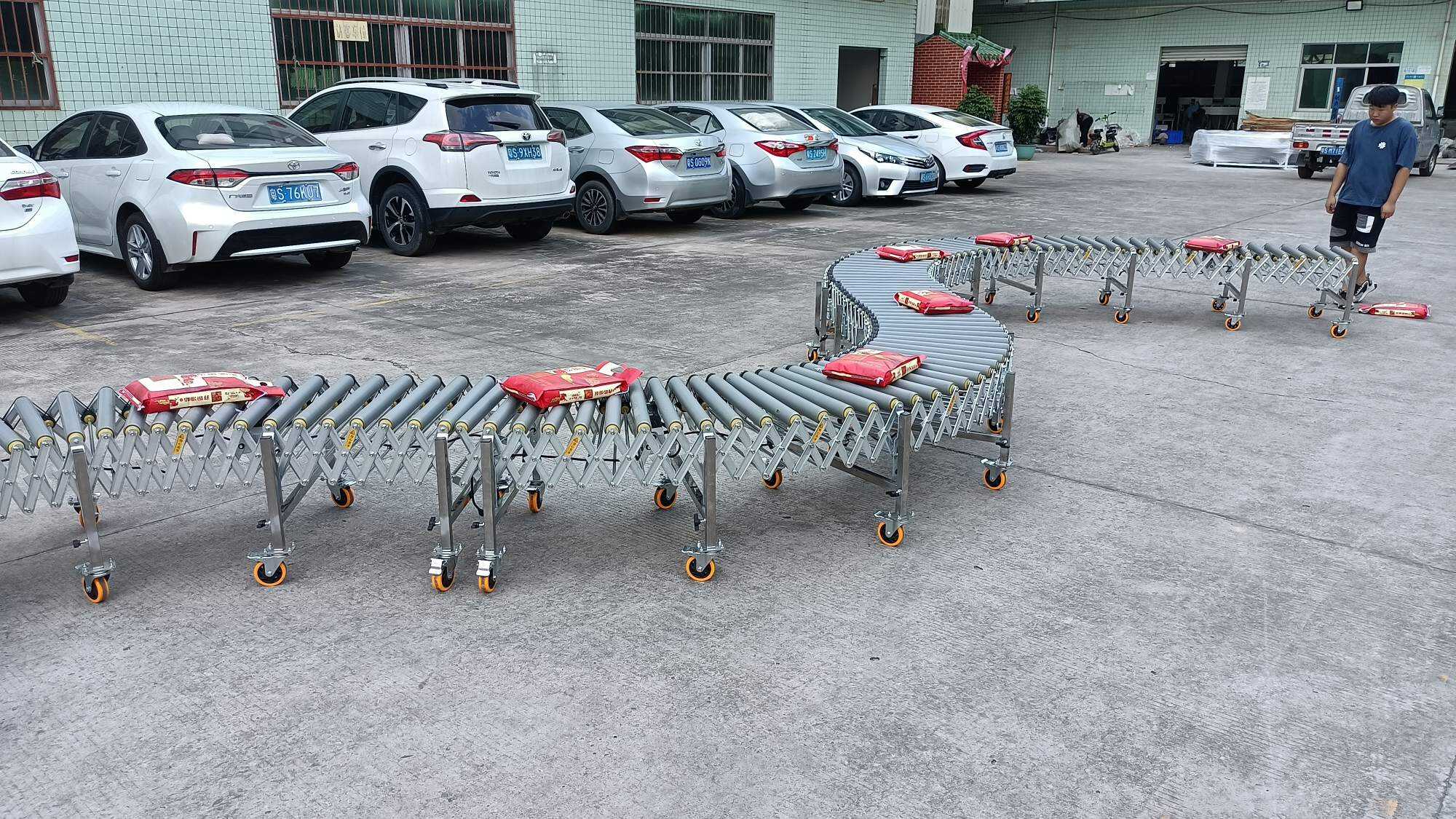
The curved module can organize "L/U"-shaped flow paths in limited spaces and route different types of goods to their respective processing areas, reducing manual handling and transfer.
When configuring curved sections, focus on the following:
- Width matching: long items require sufficient width to prevent overhang during turning
- Side guardrails: side shifting is most likely to occur when changing direction, and guardrails can reduce dropping and scraping
- Slope and momentum: at unpowered or gravity-assisted turns, make sure the goods have enough momentum to pass through the curve (provided on-site safety is ensured)
- Personnel checkpoints: inspection and quality-control stations can be set up near the curve to make spot checks and exception handling easier during conveying
Variable strategies and implementation reminders for peak and off-peak seasons
Sports goods have obvious seasonal demand fluctuations. A conveying system must "run reliably and adapt quickly"; the key lies in the implementation details of modularity and standardization.
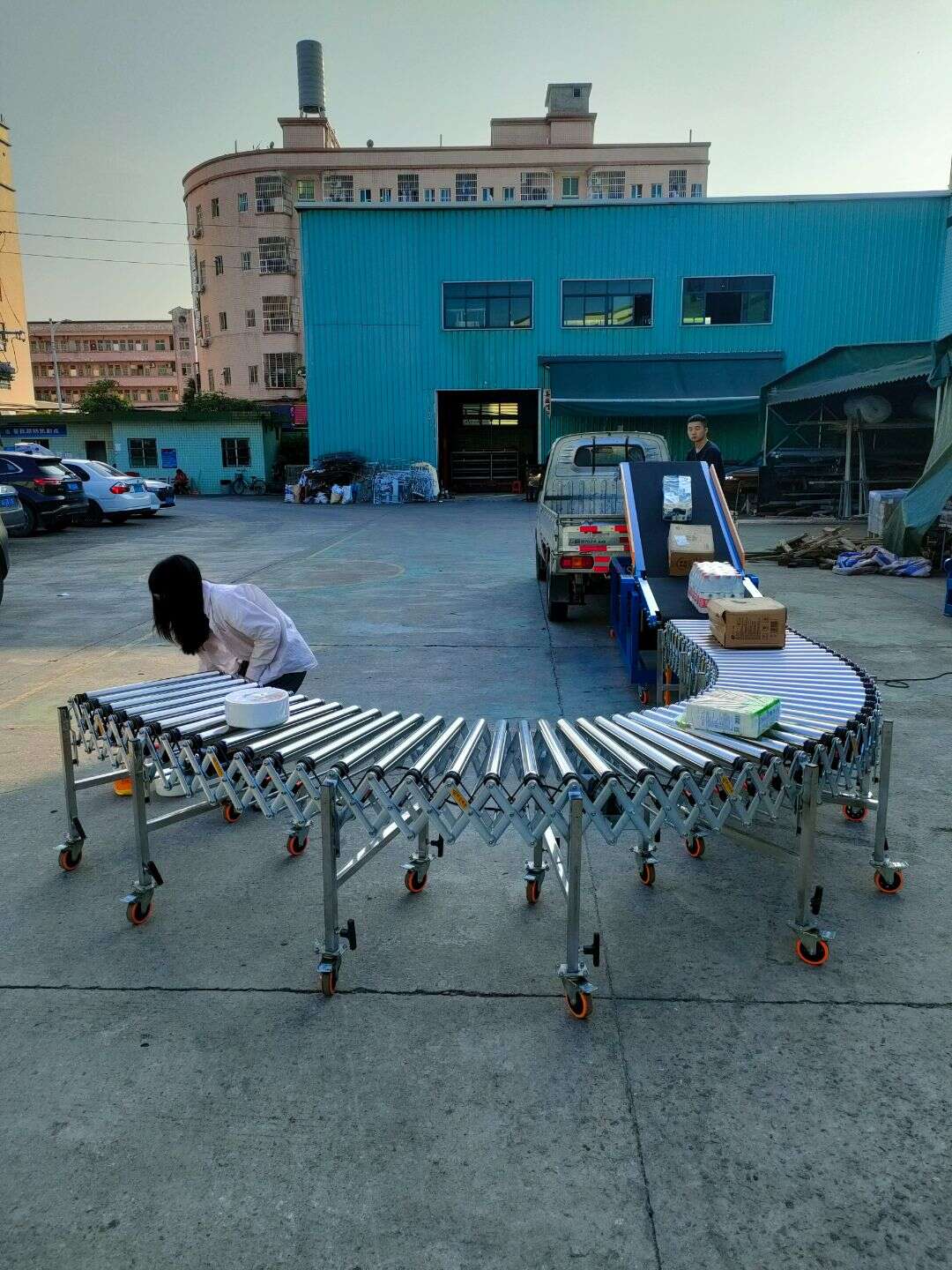
Peak season / seasonal transition: rapid reconfiguration and expansion
- Modular connections and standard interfaces: makes it easy to add or remove powered sections or curved sections
- Caster support and locking: makes equipment movement and positioning more efficient
- Unified height: reduces steps and snag points at the joints between different conveying sections
- Layout documentation and staff training: document mature layouts for peak and off-peak seasons, train multiple people to master the reconfiguration process, and reduce transition costs during seasonal changes
Off-peak season: storage and basic maintenance
During the off-peak season, some modules are often folded away or moved to a storage area to free up floor space. While in storage, it is recommended to carry out basic maintenance at the same time:
- Check belt tension and wear
- Check whether the rollers turn smoothly
- Lubricate bearings on a regular schedule
- Clean the conveying surface and check fasteners
- Supplement the inspection of the motor and electrical status in the powered section
For the on-site organization and flow layout of "container inner-turn loading and unloading, " please refer to:
Lösung zum Be- und Entladen von Containern mit 180-Grad-Drehung
Boundary of Value
The core value of a flexible, modular conveyor setup lies in:Reducing manual handling and cargo damage risk, improving continuous conveying and diversion capability, and enhancing adaptability during peak and off-peak seasons. Actual results still need to be evaluated comprehensively based on cargo structure, site conditions, and operating organization.