Scenario Focus: 6-Meter Conveyor Line Integrated or Split
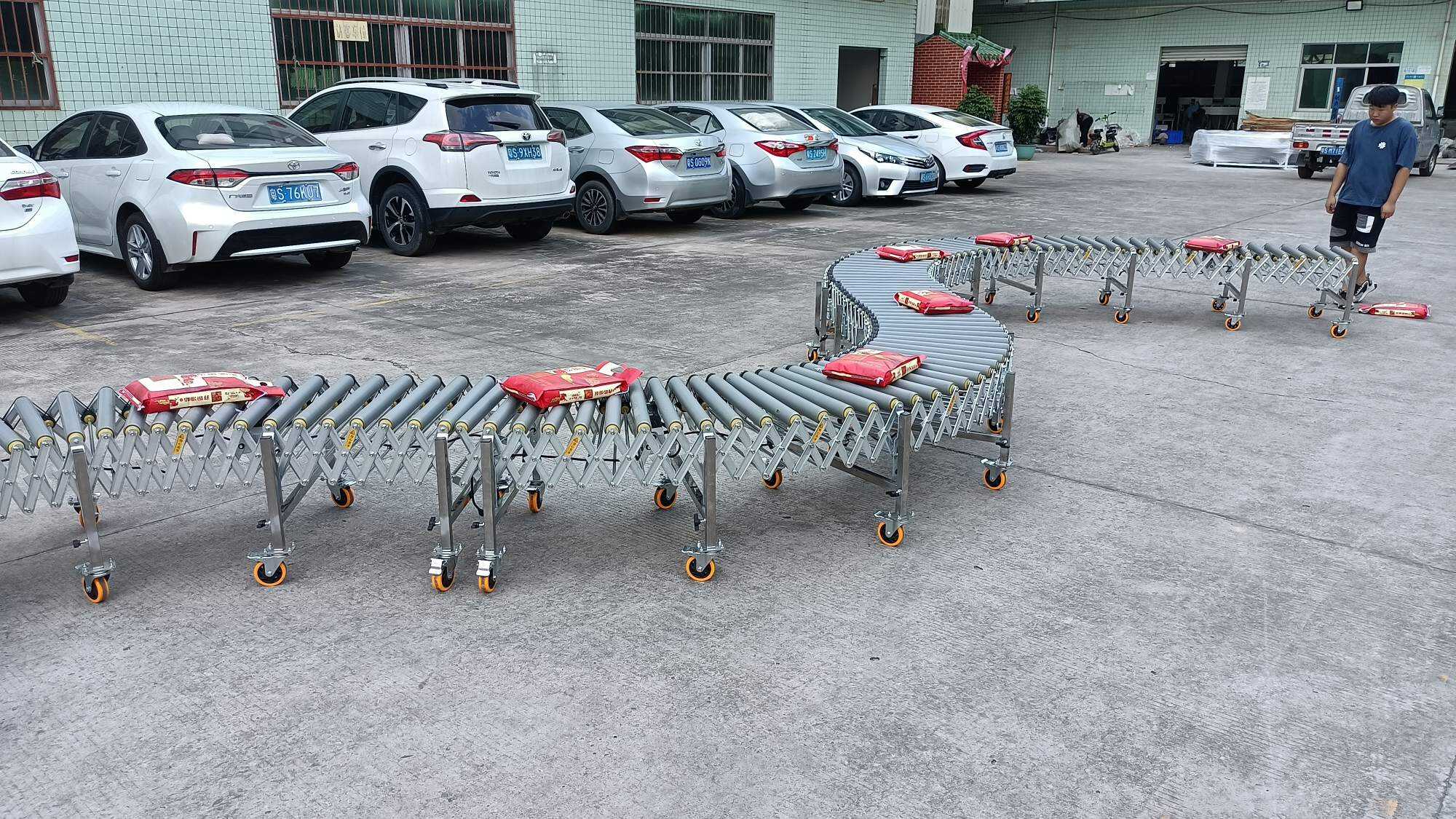
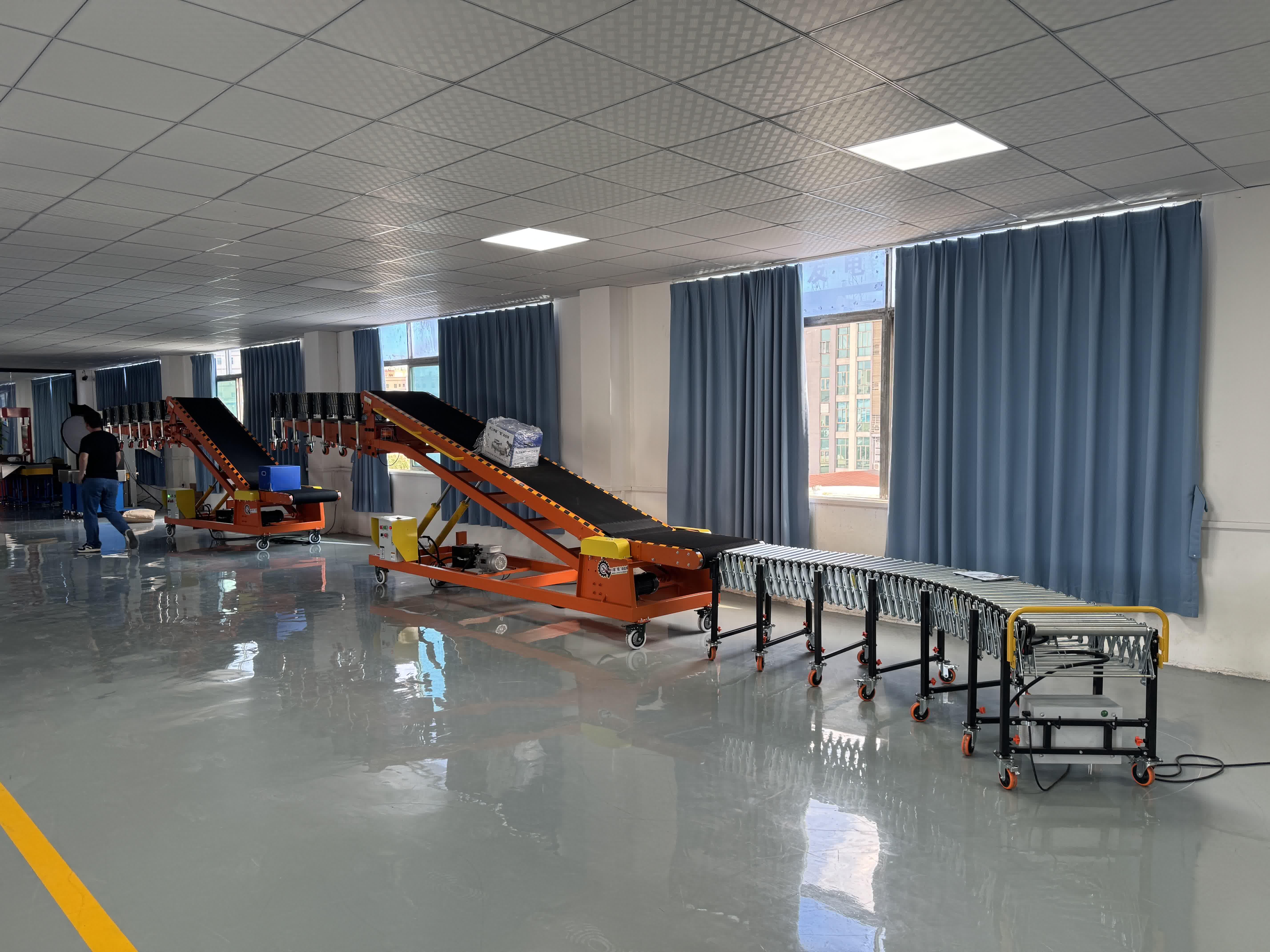
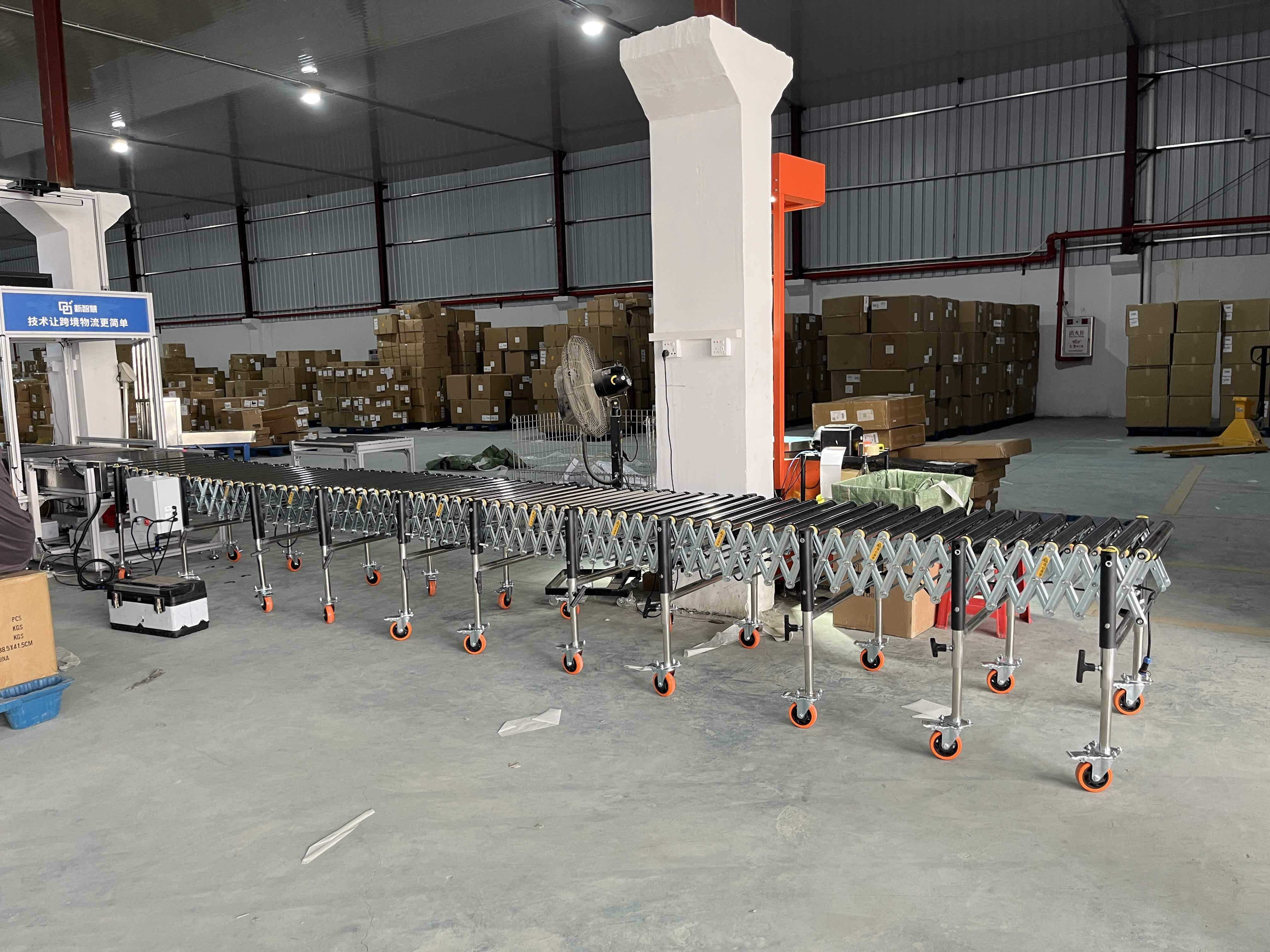
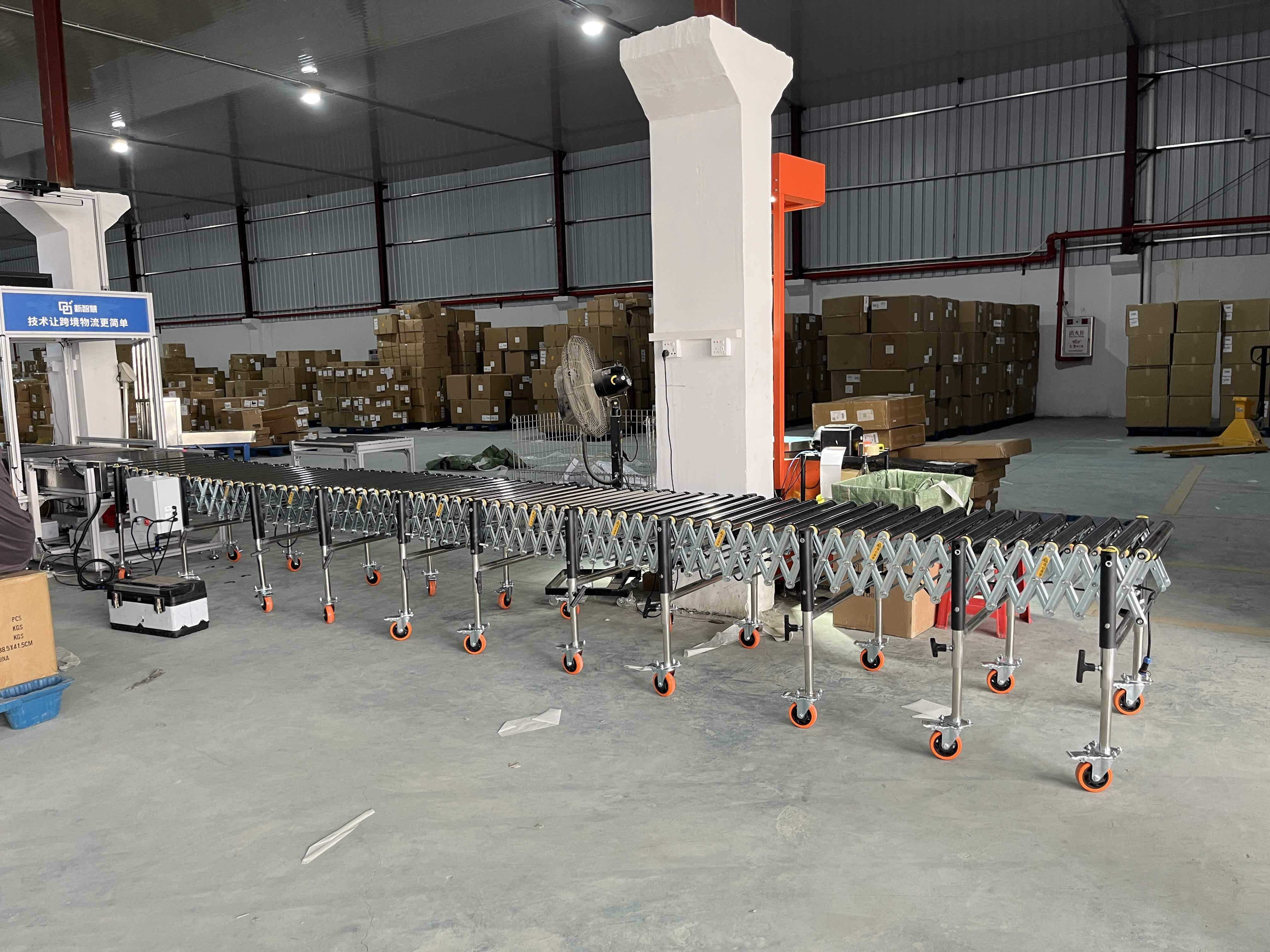
A one-time purchase of a 6-meter powered roller conveyor often faces two opposing options: an integrated 6-meter standard line (1 main section + 2 extension sections) or three 2000 mm modules that can be deployed independently and connected together. The former is more centralized in structure, control, and cost, while the latter seeks extra budget in exchange for on-site moving, remote deployment, or frequent line reconfiguration through its "multi-point capability.".
Based on customers’ concerns about procurement pace, remote sites, multiple workstations, and occasional reconfiguration scenarios, this article will focus on the core differences between "6-meter powered roller conveyor integration" and "3 independent modules" to help determine whether the flexibility of independent sections can truly be used on site.
Equipment Configuration Comparison: Control Box, Supports, and Length Differences of the 6-Meter Powered Roller Conveyor
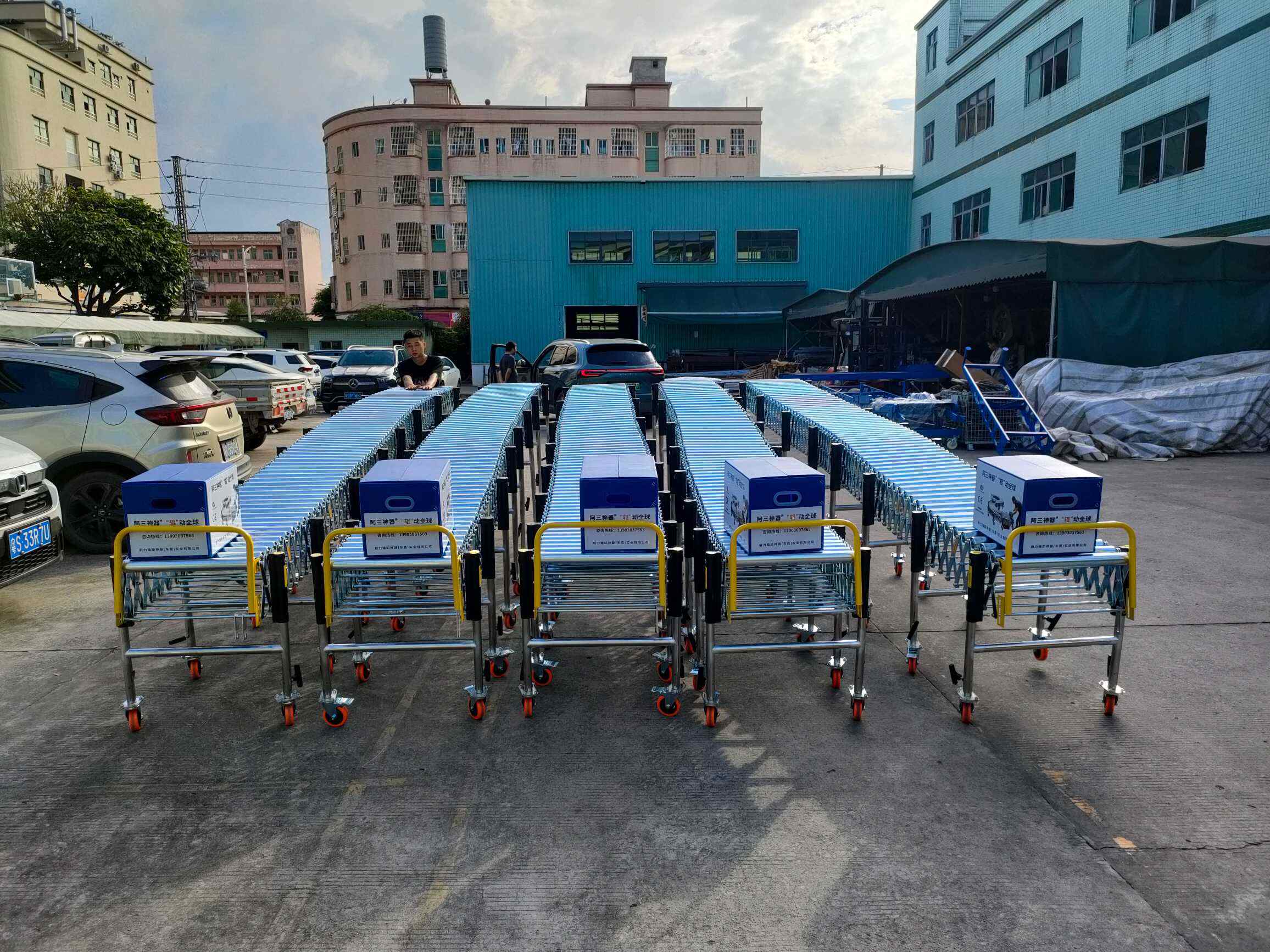
The integrated solution consists of 1 main 2000 mm section and 2 extension sections, with the total length controlled at 6000 mm to avoid the 100 mm gap at each connection point. The main section is equipped with 3 sets of legs, and each extension section has 2 sets, for a total of 7 sets of legs; the whole line is controlled by 1 control box, and can enjoy the company’s policy of a free electrical control box for 3-section configurations starting from 2000 mm sections. Since the extension sections cannot run independently, the structural design is more compact under one control loop and unified support.
In contrast, each of the three independent modules comes with its own motor, independent control cabinet, and 3 sets of legs. After connection, due to the end clearances and spacing between sections, the total length is about 6200 mm, and the total number of legs increases to 9 sets. Each section must purchase its own electrical control box separately and does not qualify for the free control box policy; even when physically connected, the product transfer points still need precise alignment and multiple control units must be coordinated.
This set
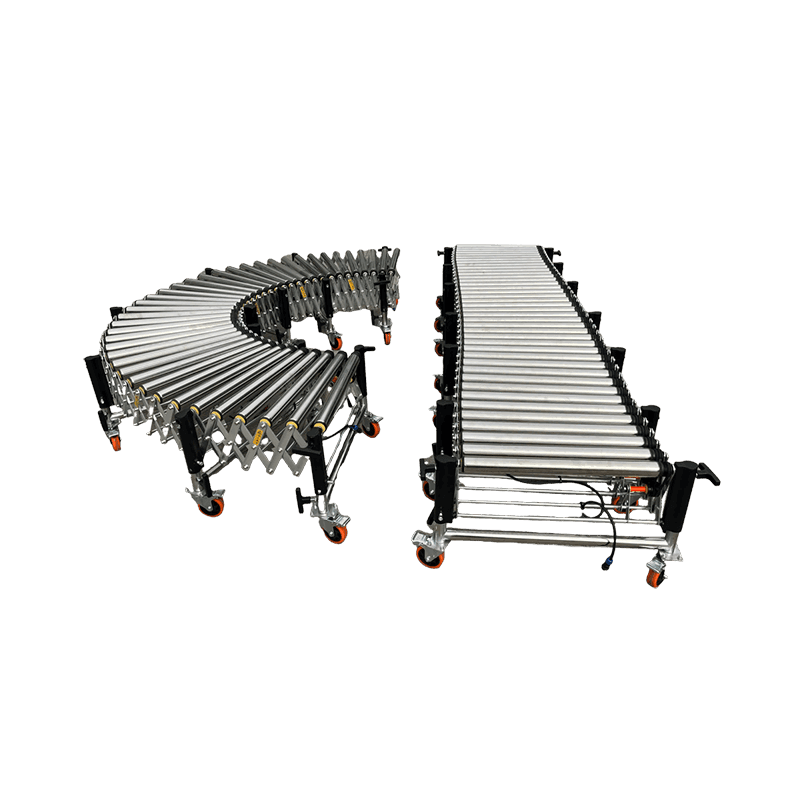
Rollenförderer mit Keilriemenantrieb
Das motorisierte Rollenförderband mit Mehrkeilriemen nutzt einen Mehrkeilriemenantrieb, um einen reibungslosen und effizienten Transport der Güter zu gewährleisten. Motorabstandsbereich…

Kunststofffass

Metallfass

Karton

Rolle
The solution showcases two approaches: the integrated line offers cost advantages in support, control, and space, along with a fixed power supply architecture, while the independent sections provide possible operational flexibility in modular plug-and-play use and local maintenance.
Balancing Flexibility and Cost: Applicable Conditions for Independent Sections
The main advantages of independent sections are that different workstations can be arranged in different areas, the system can be disassembled and reassembled during process reconfiguration, only the faulty section needs to be taken out of service during maintenance instead of the whole line, and additional sections can be added as needed in real time; these are typical requirements for frequent changes, short-term projects, or multi-point coordination. However, three control cabinets, more legs, and more complex control coordination also mean a significant increase in control and support costs, and material transfer requires stricter alignment and synchronization commands.
By contrast, with a compact structure, fewer legs, and only one control cabinet, the integrated system offers more centralized maintenance and simpler wiring, while also allowing you to fully enjoy the free electrical box policy. The only limitation is that this line cannot be split for use; during maintenance, the entire line must be shut down, and layout changes require redesigning the entire connection point.
Therefore, when deciding whether independent sections are needed, it is recommended to first clarify whether there are multiple specific operating conditions and whether the independent deployment after splitting into three sections can truly be used; otherwise, you may end up paying extra for flexibility that is never used.
Selection Tips and Key On-Site Decision Points
- Is there already a clear independent use case? For example, does the line need to run in two warehouses at the same time, or temporarily add 2-meter sections of conveying capacity in different areas?
- Will the production line layout be adjusted frequently? If multiple workstations need to be reconfigured every six months, the mobility of independent sections may be worth the extra budget.
- How much downtime for maintenance can be tolerated? In scenarios where a full line shutdown is not acceptable, independent sections allow local sections to keep running.
- Is there a plan to move the sections to another site? Logistics handling, rental projects, or temporary capacity expansion may all require modular capability.
- After calculating the cumulative cost of the control cabinets and legs, can the business gains brought by flexibility still be covered?
- Finally, be sure to check the free electrical control box policy: only the 6-meter integrated system qualifies for a free control box when configured as 3 sections or more, while independent sections require the purchase of three sets on your own.
In summary, if flexibility just sounds nice, the integrated solution is more suitable; if sections really will be allocated across multiple operating conditions and multiple locations, the independent solution is what truly unlocks value. For more application references, see Roller Conveyor Docking into Storage.