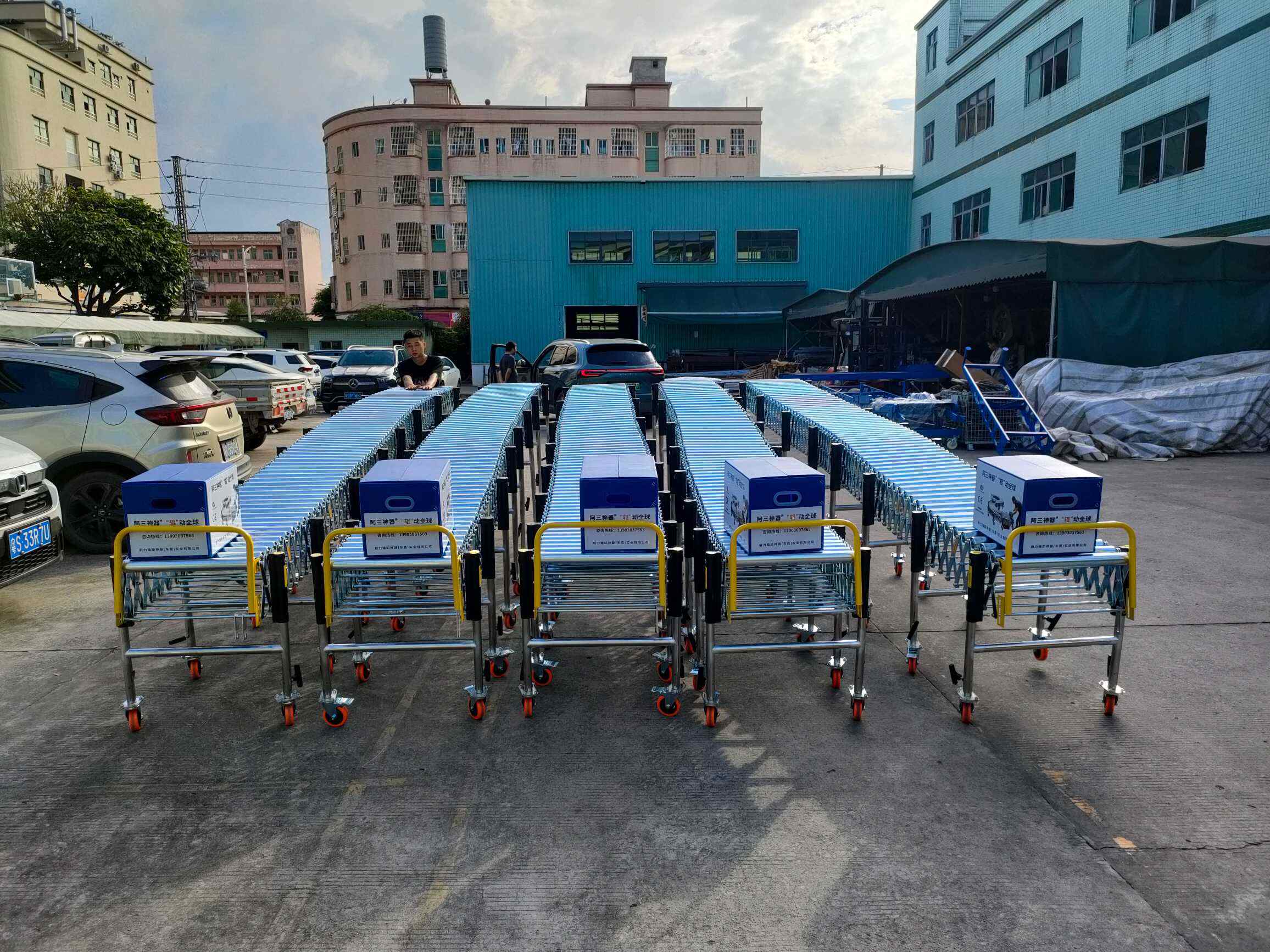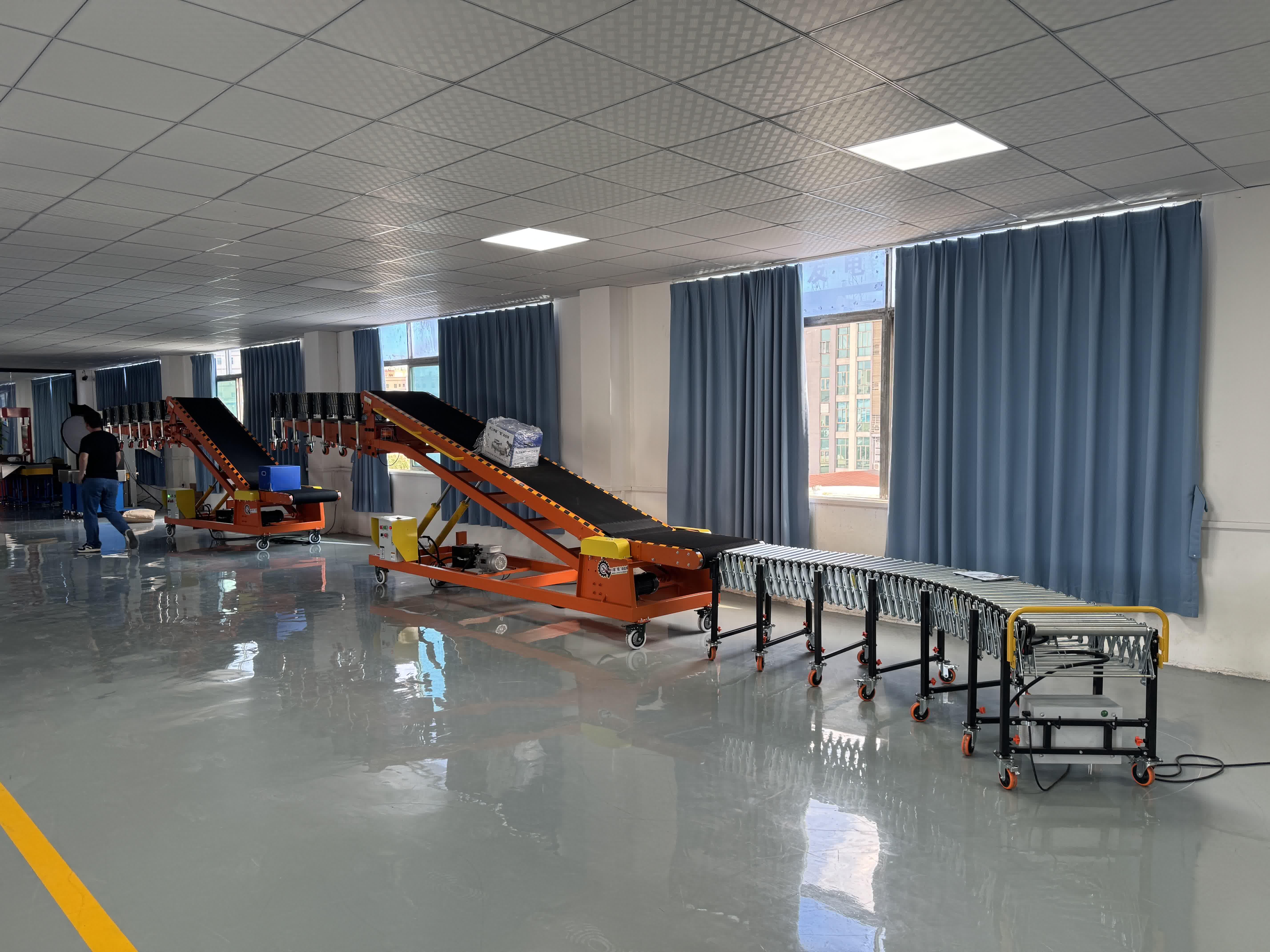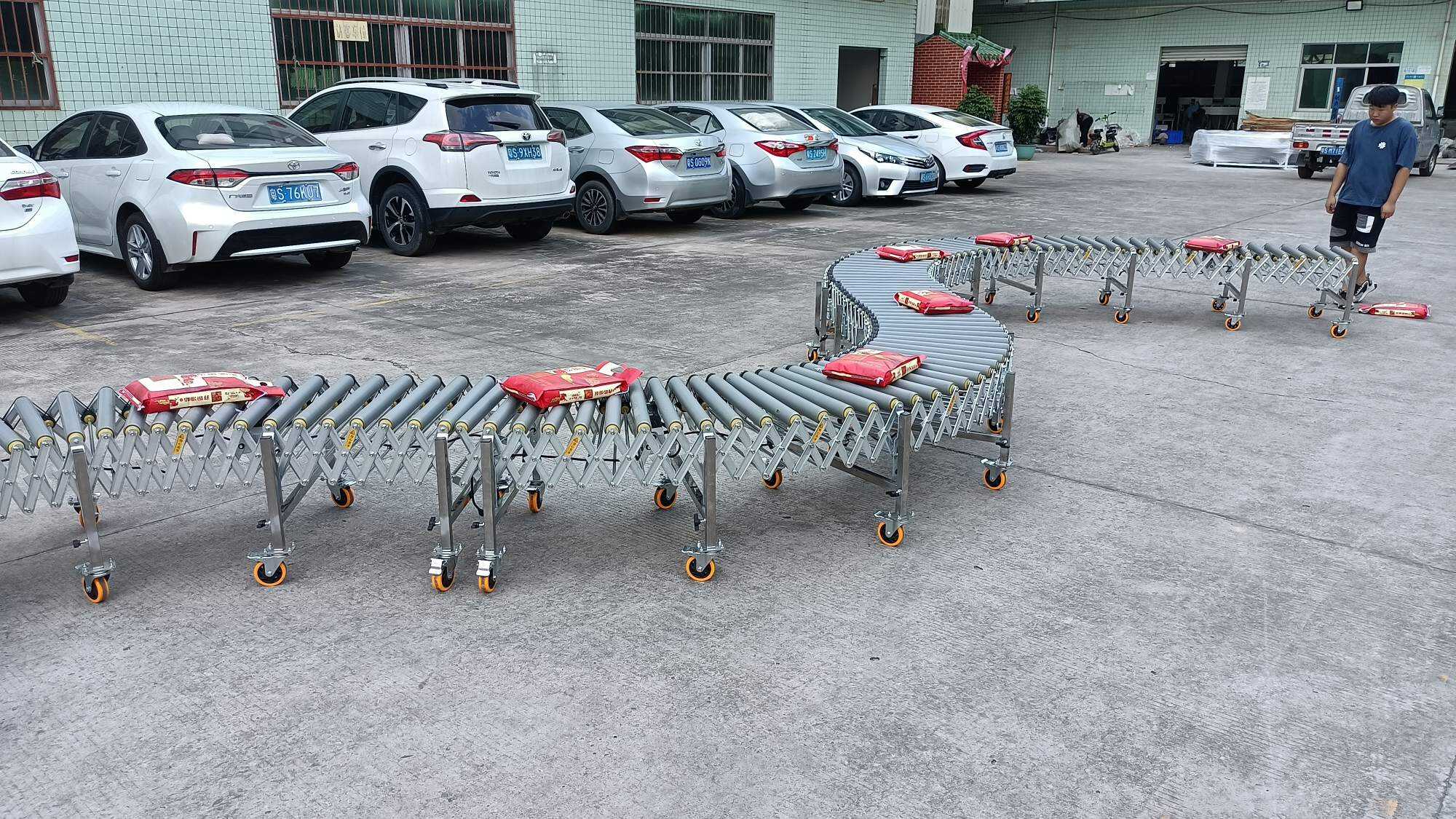
In the daily operation of fireworks warehouses, how to safely and efficiently transfer fireworks products between different storage or processing areas is a key internal logistics link. Traditional manual handling is not only inefficient, but also presents high safety risks when dealing with such special goods. This case demonstrates a solution specially designed for internal conveying in fireworks warehouses. By configuring an explosion-proof motor for the O-Belt Powered Roller Conveyor, continuous and smooth conveying between areas has been achieved.
Project Background and Requirements
The fireworks warehouse covers a large area and is divided into multiple functional zones, such as the raw material area, semi-finished product processing area, and finished product storage area. Daily operations require frequent transfer of fireworks raw materials and finished products between these zones. The customer's core requirements are: first, the conveying process must be absolutely safe, eliminating any spark or heat source that could cause an accident; second, the conveying equipment must adapt to the limited aisle space inside the warehouse and be able to smoothly convey fireworks cartons of different sizes; third, the solution must be highly reliable to handle frequent daily transfer tasks.
Solution Configuration
After on-site inspection and technical assessment, we recommended the O-Belt Powered Roller Conveyor as the core conveying equipment for the customer.
Rollenförderer mit O-Riemenantrieb
The O-shaped belt Powered Roller Conveyor uses an O-shaped belt drive design to achieve smooth and efficient cargo conveyance. The motor spacing is 1,...
 Kunststofffass
 Metallfass
 Karton
 Rolle
Rolle
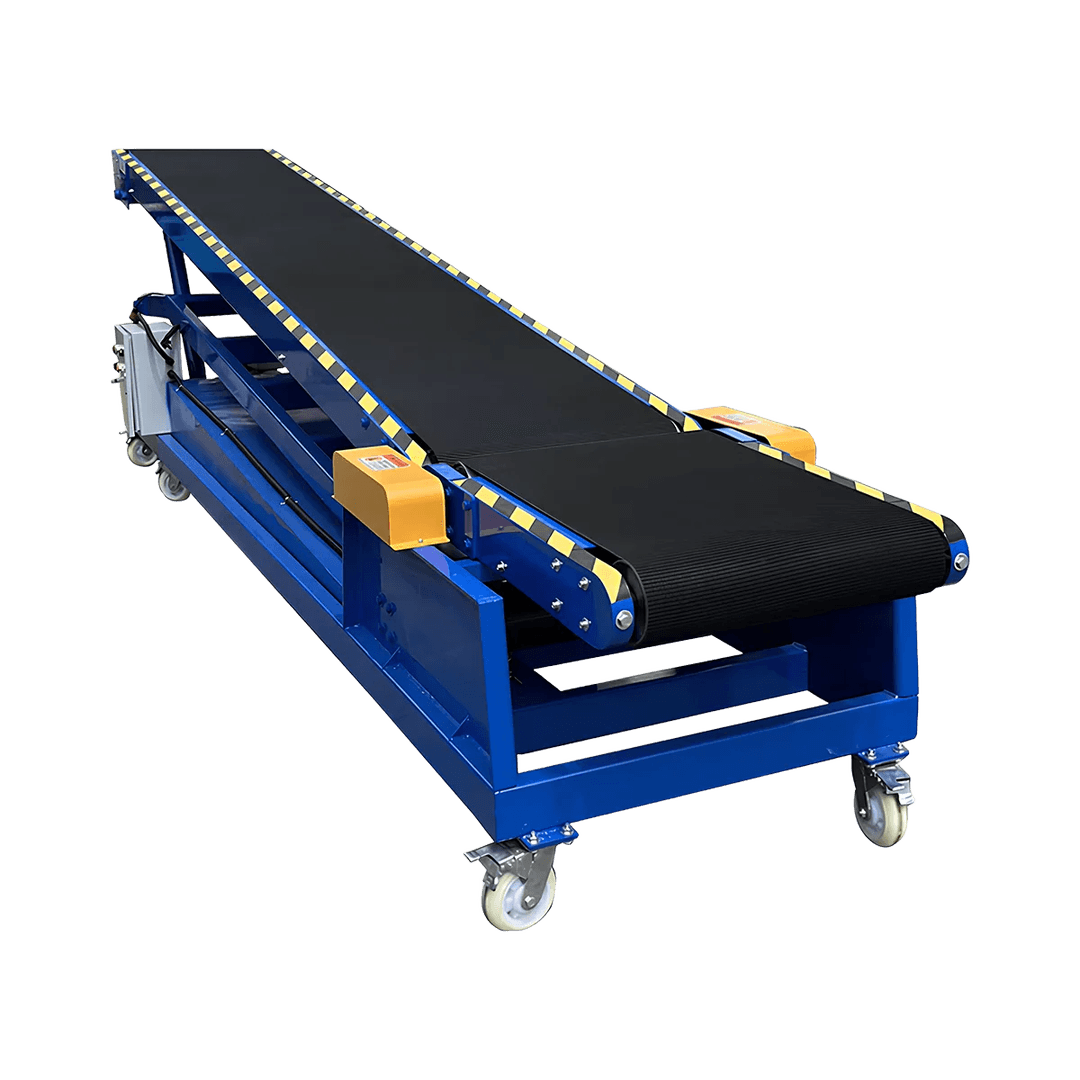
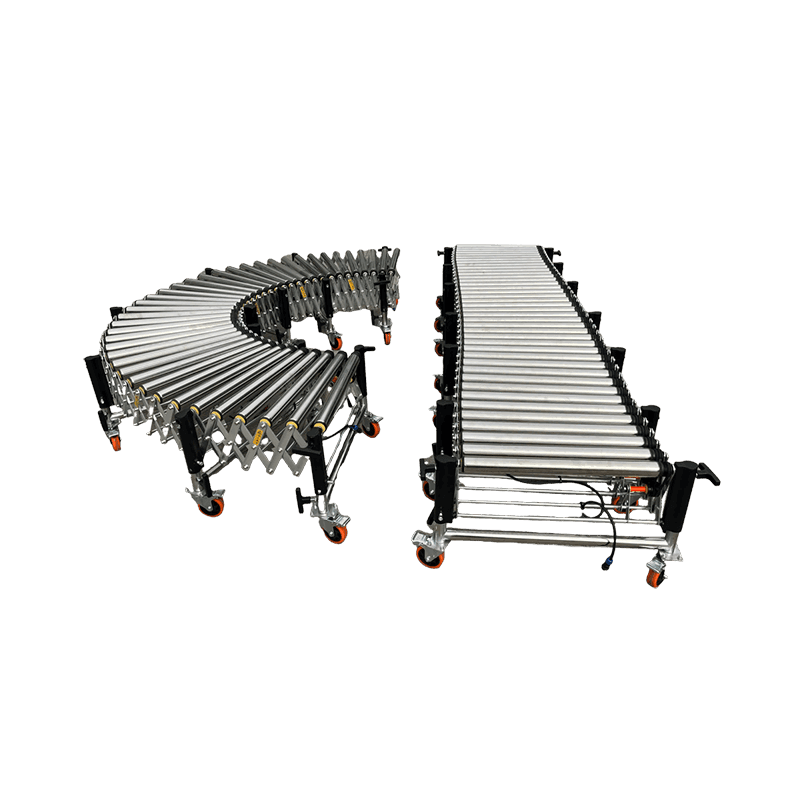
The specific configuration of this solution is as follows: the conveyor adopts a modular design, and the total length can be flexibly combined according to the actual aisle distance in the warehouse. For the drive section, a motor that meets explosion-proof standards was specially selected, eliminating the risk of electrical sparks at the source and fully meeting the special safety requirements of fireworks storage environments. The O-belt drive mode runs smoothly and with low noise, effectively preventing severe impact or friction on fireworks packaging.

Implementation Results and Advantages
After the equipment was installed and commissioned, a fixed conveying line connecting the warehouse's key areas was formed. During operation, workers only need to place the fireworks cartons at the start of the conveyor, and the equipment can smoothly convey them to the target area, greatly reducing the distance and labor intensity of manual handling.
The advantages of this solution are mainly reflected in the following aspects:
Significantly Improved Safety
The application of an explosion-proof motor is the core safety guarantee of the solution, completely eliminating concerns about using electrical equipment in flammable and explosive environments and complying with relevant national safety regulations.
Optimized Conveying Efficiency
Continuous mechanical conveying replaces intermittent manual handling, making material flow between areas smoother and improving the overall internal logistics efficiency of the warehouse.
Highly Adaptable
The O-Belt Powered Roller is well suited for carton-type goods, providing smooth conveying, while the equipment's compact structure takes up little aisle space in the warehouse.
Summary
This case shows that, for warehousing and logistics needs in special industries such as fireworks and chemicals, it is entirely possible to build an internal material handling system that is both safe and efficient by selecting the right conveying equipment and adding targeted safety configurations such as explosion-proof motors. The successful application of the O-Belt Powered Roller Conveyor in this scenario provides a reliable reference for logistics upgrades in similar high-risk warehouses.
For scenarios that require bagged goods conveying between different areas, such as Bagged Textile Loading Solution oder Fertilizer Warehouse Unloading Conveying Solution, although the scenarios differ, the considerations regarding explosion-proof safety and smooth conveying are common.