






| Equipment Parameters | ||
|---|---|---|
| Parametername | Specification / Parameters | Anmerkungen |
| Overall Length | Retracted: 520 mm Extended: 1100 mm |
|
| Extension Ratio | 1: 2.12 | |
| Tragfähigkeit | 120 kg/m | |
| Fördergeschwindigkeit | 40 m/min | |
| Effektive Breite | 500/600/800/1000 mm | Customizable |
| Roller | Diameter: 50 mm Thickness: ≥1.5 mm Material: galvanized / 201 stainless steel Number of rollers in standard section: 10 Number of rollers in telescopic section: 9 Roller spacing: 100 mm (when using spacing bars, the spacing is 50 mm) |
|
| Shaft | Q235 | |
| Leg frame (main H-frame) | Cross-section size: 35 × 35 mm Thickness: ≥1.3 mm Material: 201 stainless steel |
|
| Support legs | Cross-section size: 30 × 30 mm Thickness: ≥1.3 mm Material: 201 stainless steel |
Height adjustable |
| Support leg length | 450-800/550-900/750-1100/900-1200 mm | Customizable length |
| Frame steel | Thickness: ≥3.5 mm Werkstoff: Q345 |
|
| Accessory parameters | ||
| Parametername | Specification / parameter | Anmerkungen |
| Gear reducer | 120 W | 1 unit configured per 1.1 m |
| Frequency inverter | 0.75/1.5/2.2 kW | Nach Länge konfiguriert |
| Control panel | Forward / reverse / emergency stop / speed control | |
| Electrical control box | Entspricht den einschlägigen nationalen Normen | |
| Rated voltage | 380/220 V | |
| Fahrmodus | Multi-Wedge Belt | Verschleißfest |
| Caster | 4 inches Radbreite: 30 mm Radhöhe: 120 mm |
Bei voller Bremskraft erfüllt das Design die Anforderungen an die Tragfähigkeit |
| Weitere Parameter | ||
| Parametername | Spezifikation/Parameter | Anmerkungen |
| Electrical control box and wiring | Use 1.5 mm² wire with parallel wiring | Standard wiring/leakage protection required |
| Produktabmessungen | ||
| Effektive Breite | Gesamtbreite der Maschine | Weight per section |
| 500 mm | 655 mm | 30 kg |
| 600 mm | 755 mm | 33 kg |
| 800 mm | 955 mm | 39 kg |
| Garantie | ||
| Artikel | Zeitraum | Anmerkungen |
| Frame warranty period | 12 Monate | |
| Belt warranty period | 6 months | |
| Auf den Fördererkörper und den Motor wird eine Garantie von einem Jahr gewährt, auf den Antriebsriemen eine Garantie von sechs Monaten.
During the warranty period, if any parts have quality issues caused by non-human damage, we will provide the corresponding replacement parts free of charge. However, due to international shipping, the related freight costs shall be borne by the customer. If the equipment or parts are damaged due to improper manual operation, improper use, improper maintenance, or if the issue occurs outside the warranty period, both the replacement parts cost and shipping cost shall be borne by the customer. For overseas orders, the warranty period starts from the bill of lading date; for domestic orders, the warranty period starts from the date of delivery or arrival of the goods. |
||
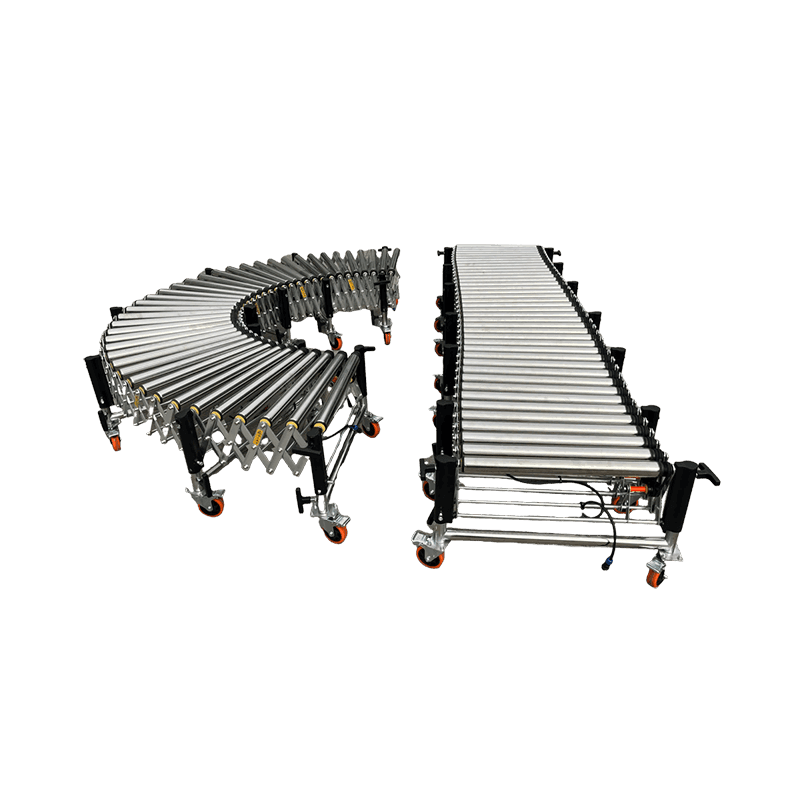
Serie der angetriebenen Rollenförderer
Rollenförderer mit Keilriemenantrieb
The multi-wedge belt Powered Roller Conveyor uses a multi-wedge belt drive design to achieve smooth and efficient cargo conveying. Motor spacing ranges from 1, 100 mm to 3, 000 mm, and the conveying load is 80–100 kg per meter, ensuring stable cargo movement. It is suitable for warehouses, factories, and logistics sites, providing a reliable powered conveying solution. It can be extended, retracted, and turned freely.
Geschwindigkeit
0,3–40 m/min, stufenlose Drehzahlregelung
Tragfähigkeit
Up to 100 kg/m
Effektive Breite
500/600/800/1000 mm
Rückzugsverhältnis
1:2.9
Alle Modelle
Geeignete Güter (empfohlenes Höchstgewicht pro Stück)
Multi-Wedge Belt Powered Roller Conveyor Maximum weight per item (reference)
Das tatsächliche Höchstgewicht hängt von den jeweiligen Betriebsbedingungen und der Konfiguration ab.
| Art der Ware | Multi-Wedge Belt Powered Roller Conveyor 1.1m/section | Multi-Wedge Belt Powered Roller Conveyor 2m/section | Multi-Wedge Belt Powered Roller Conveyor 3m/section |
|---|---|---|---|
Kunststofffass | 80 kg/pcs | 70 kg/pcs | 50 kg/Stück |
Metallfass | 80 kg/pcs | 70 kg/pcs | 50 kg/Stück |
Karton | 80 kg/pcs | 70 kg/pcs | 50 kg/Stück |
Rolle | 80 kg/pcs | 70 kg/pcs | 50 kg/Stück |
Produktoptionen
Multi-Wedge Belt Powered Roller Conveyor Product Options
Wählen Sie entsprechend den örtlichen Gegebenheiten geeignete Sonderausstattungen, Bauteile und Zusatzkonfigurationen aus.
Kein Bild verfügbar
#1 Das Gehäuse besteht aus Edelstahl 304.
Kein Bild verfügbar
#2: Auf einen wasserdichten Motor umgerüstet.
Kein Bild verfügbar
#3 Umrüstung auf explosionsgeschützte Motoren
Kein Bild verfügbar
#4 Wasserdichter Schaltschrank
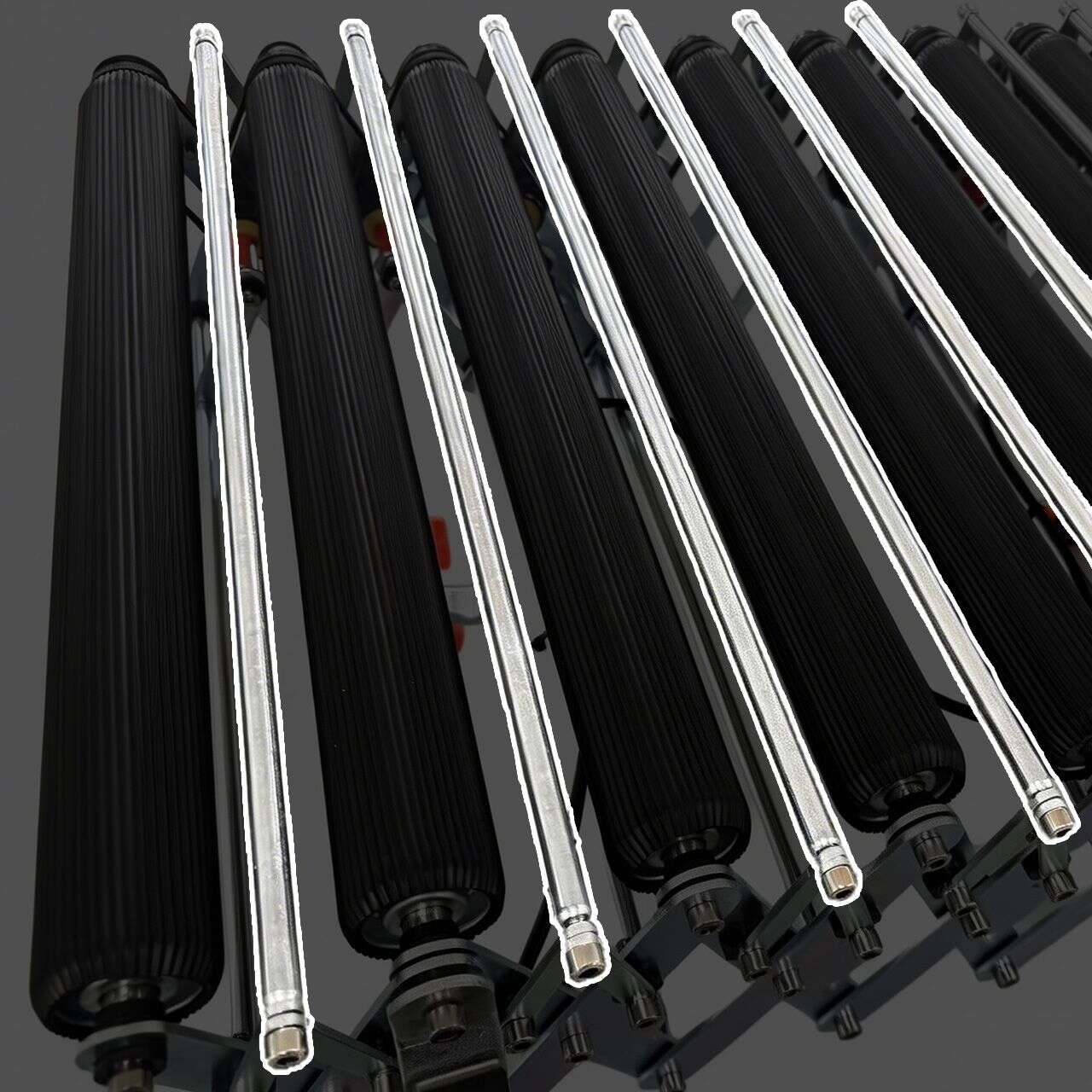
#5 Distanzleiste
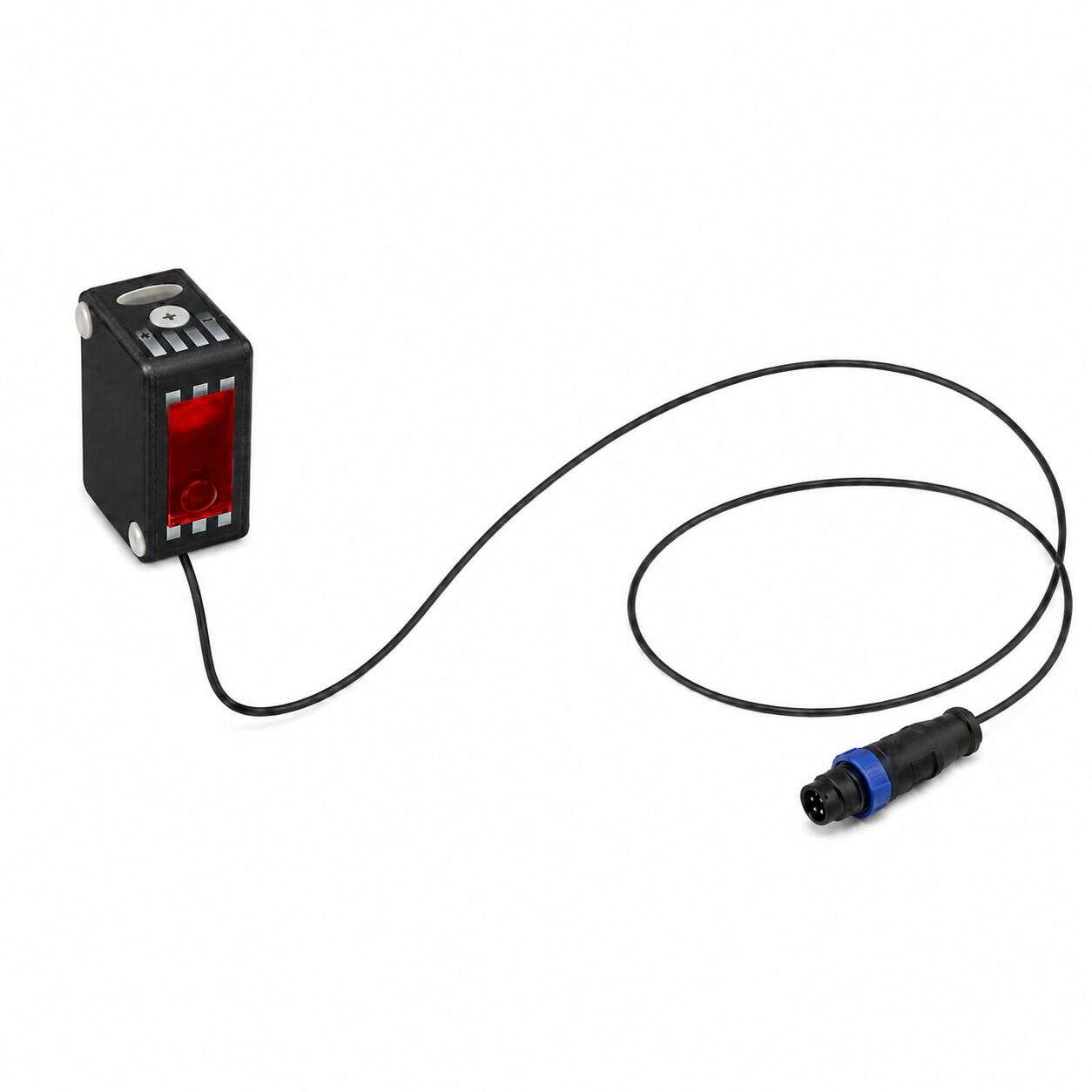
#6 Optischer Sensor
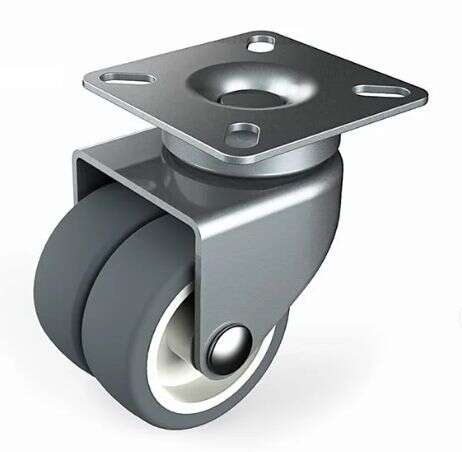
#7 Doppelrad-Lenkrolle
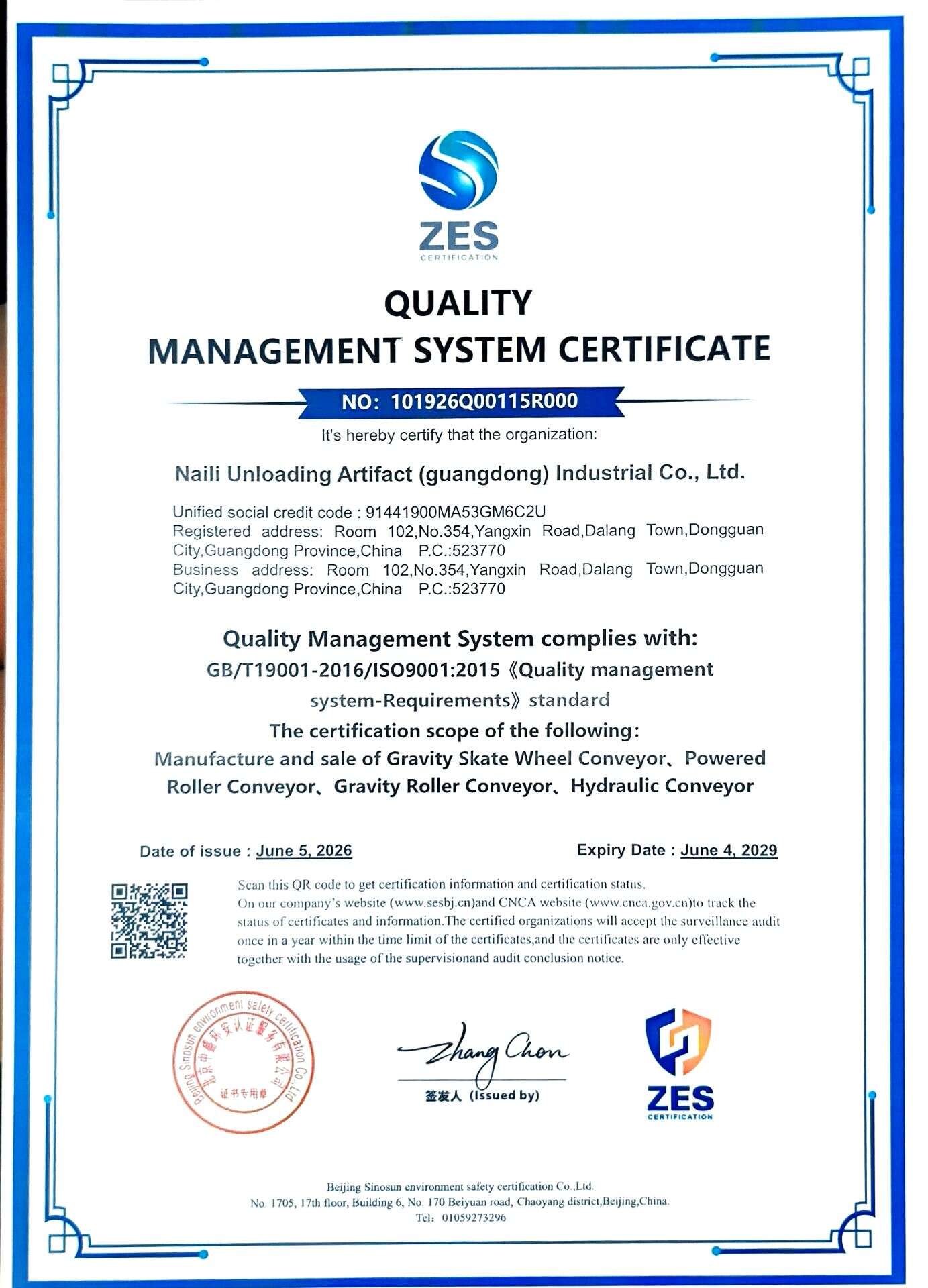
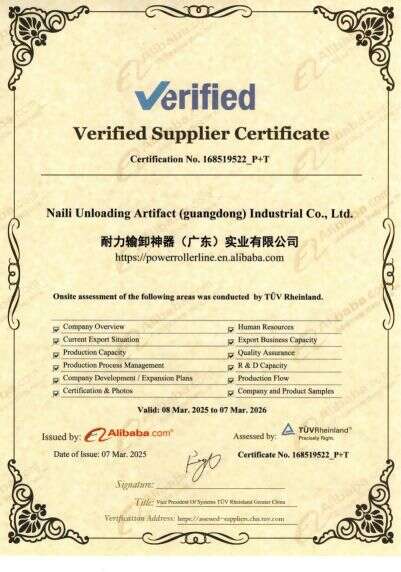
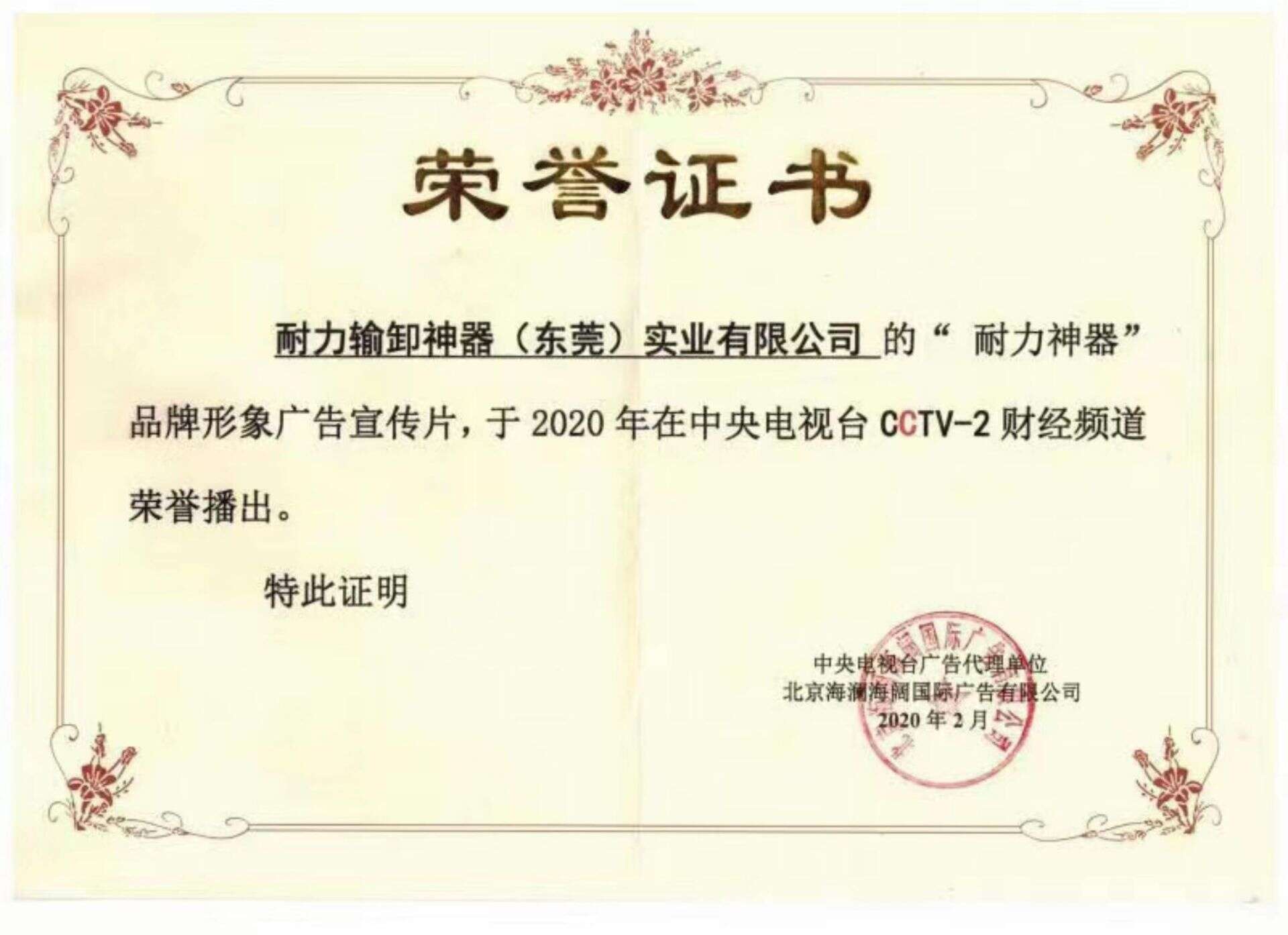
Qualifikationen und Berichte
Multi-Wedge Belt Powered Roller Conveyor Qualifications and Reports
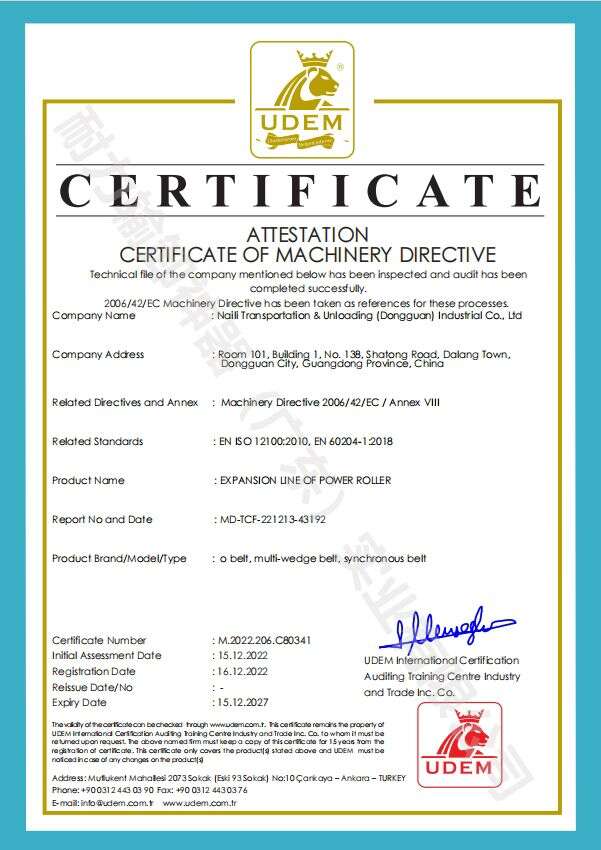
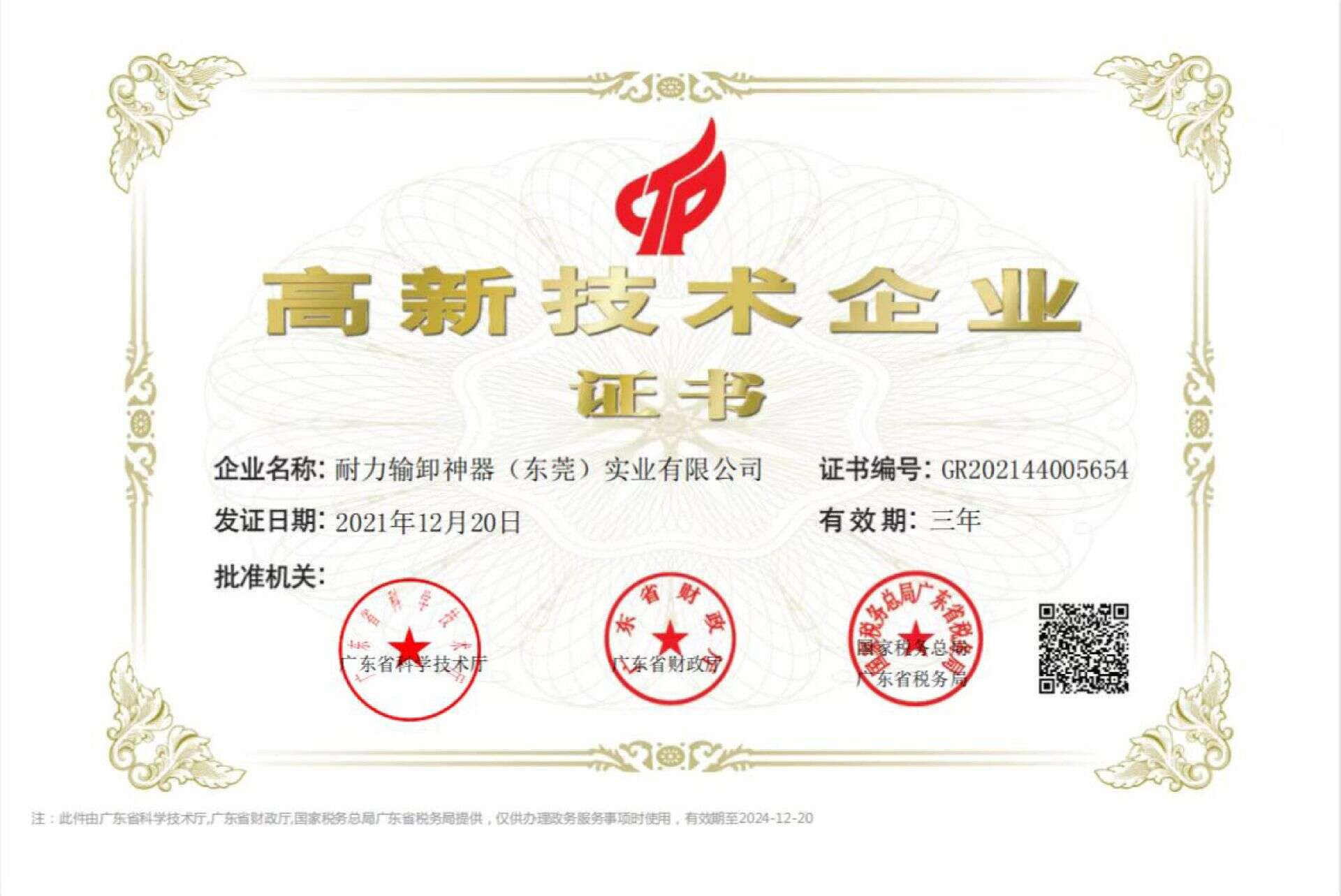
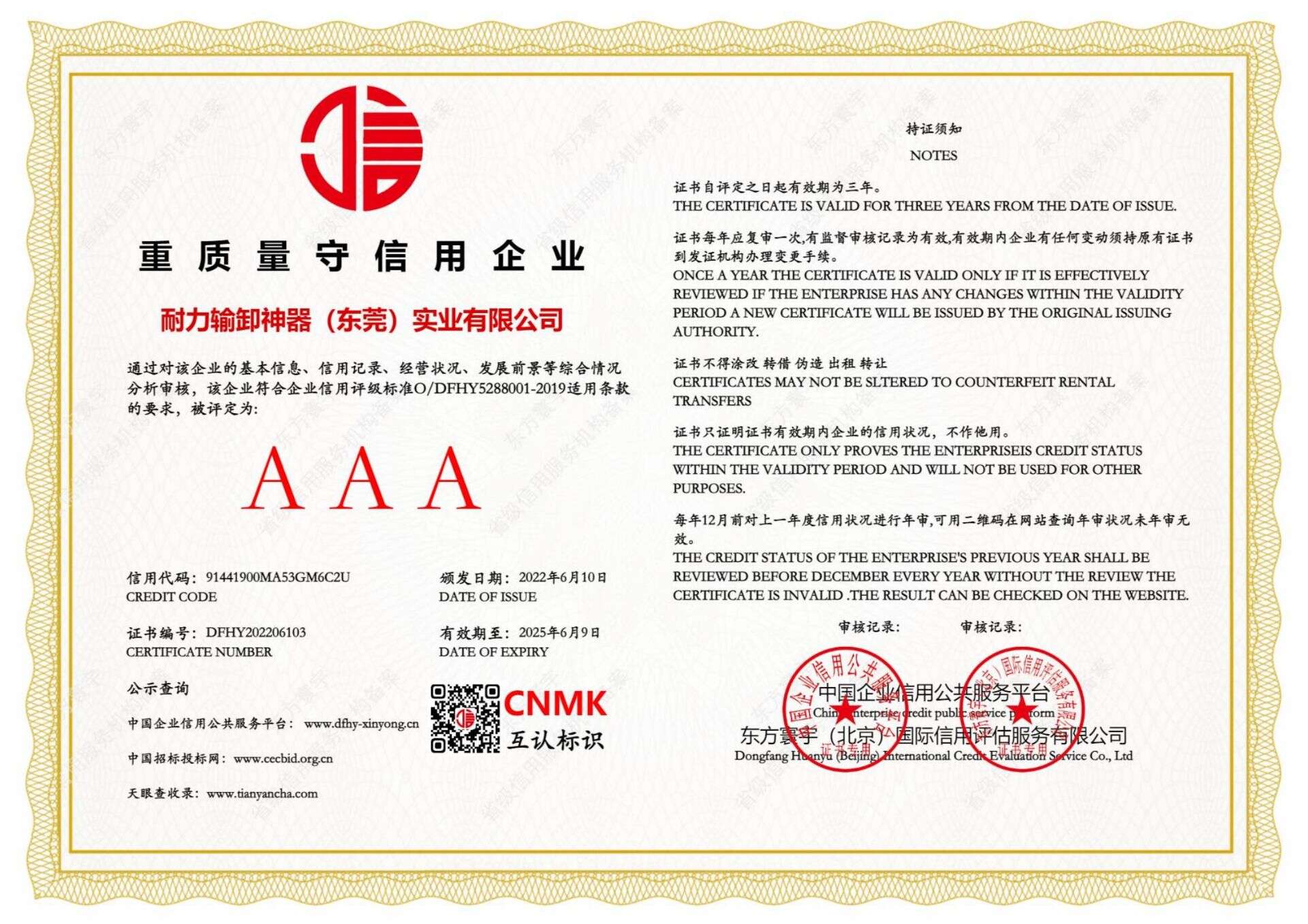
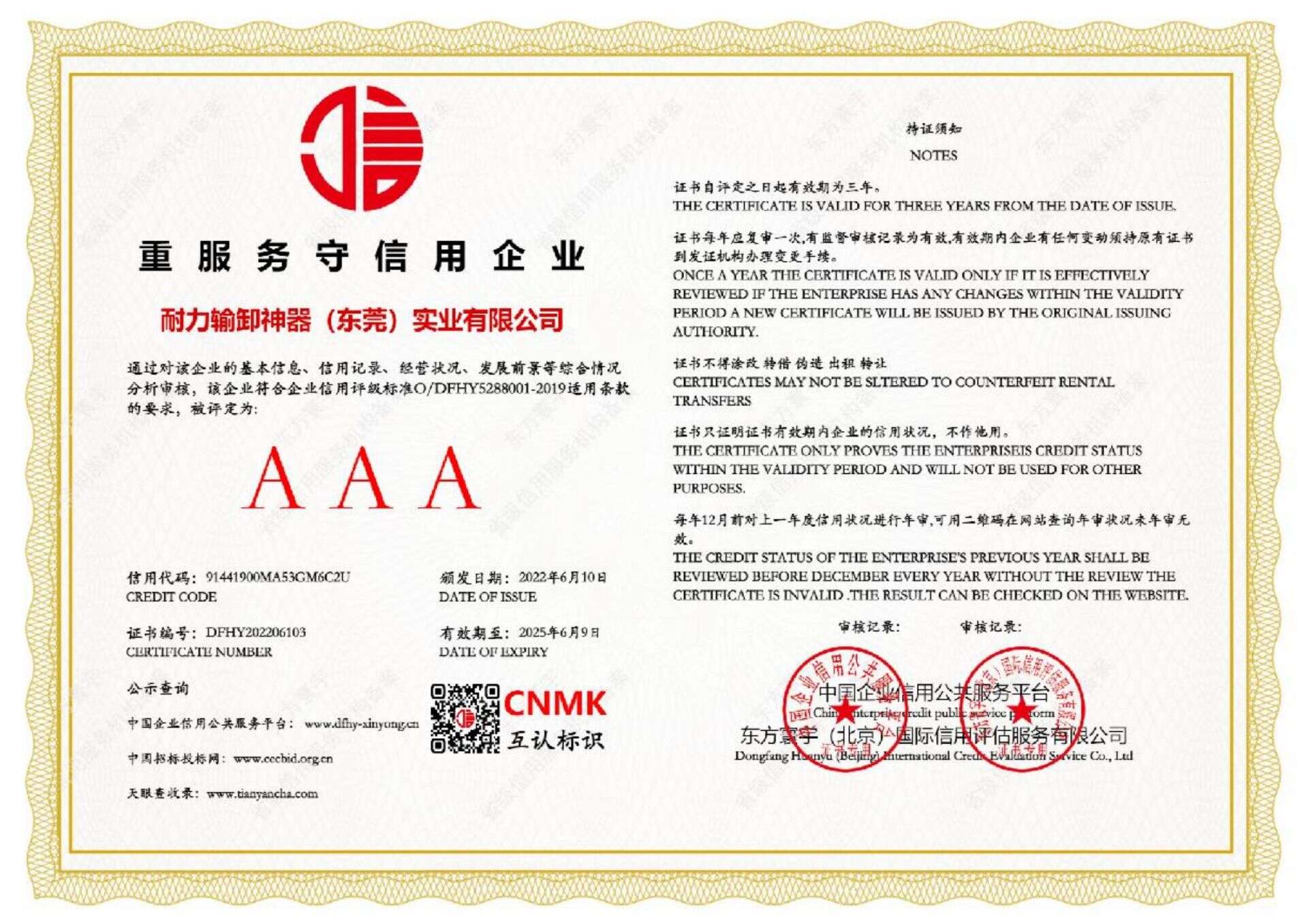
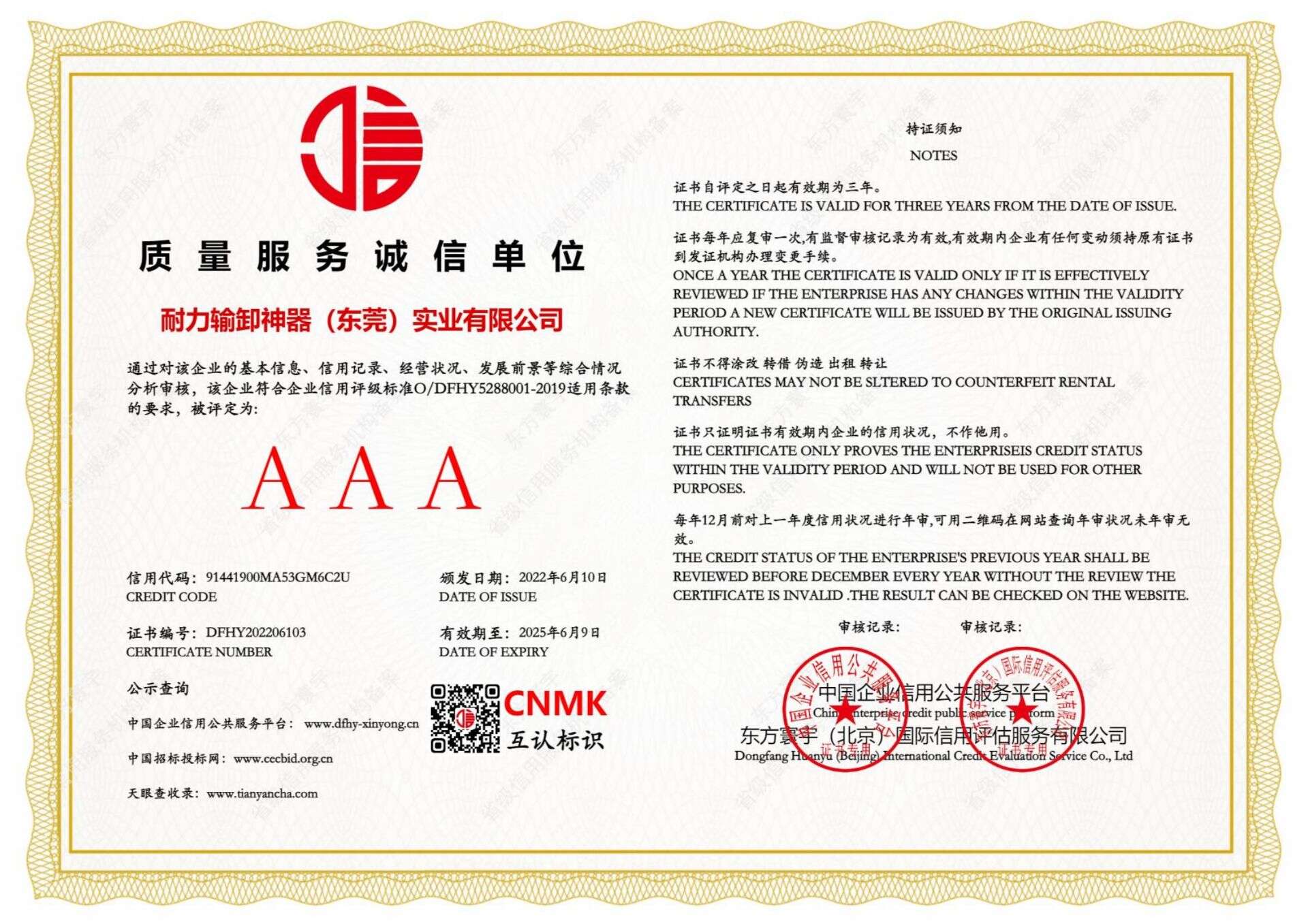
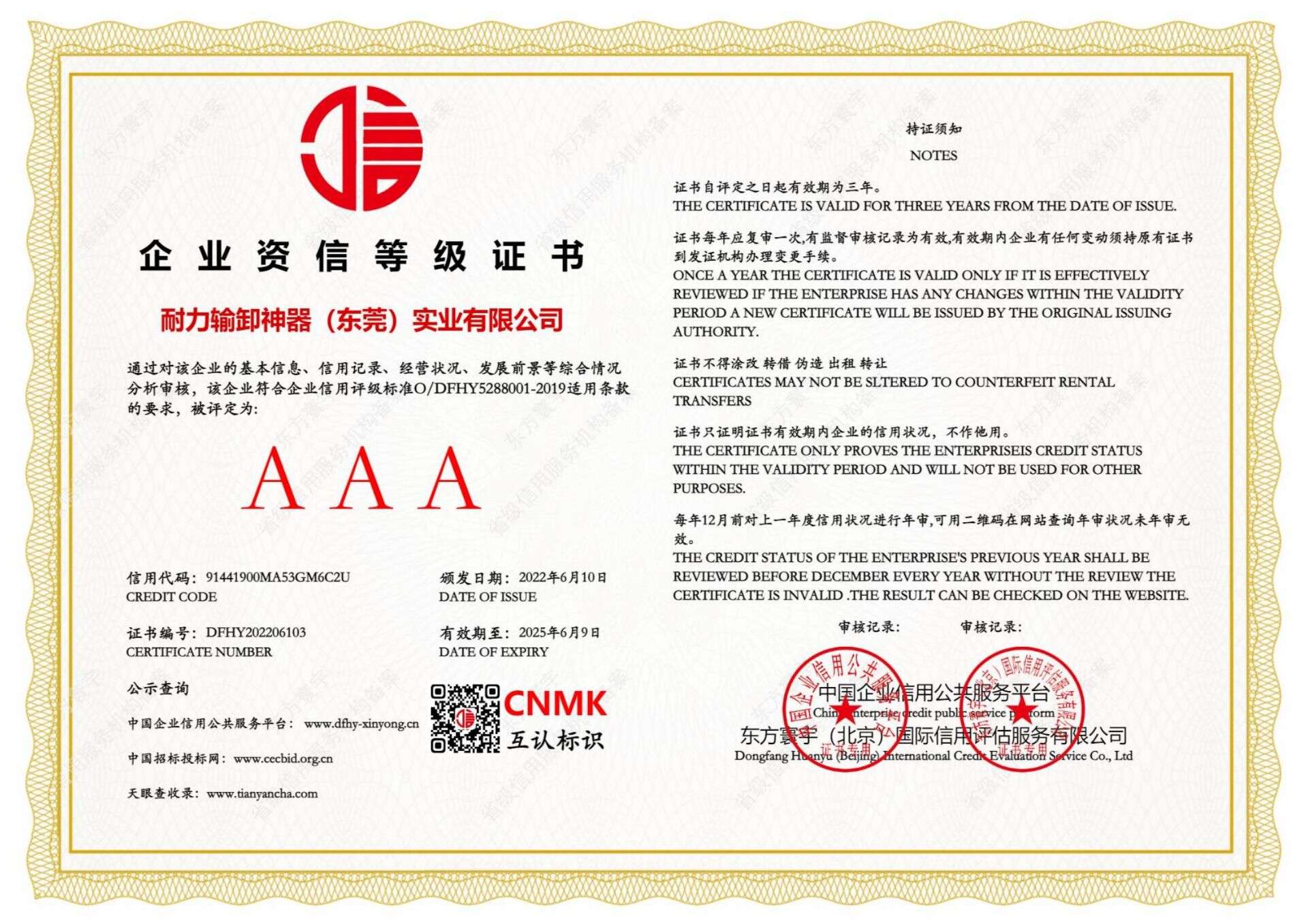
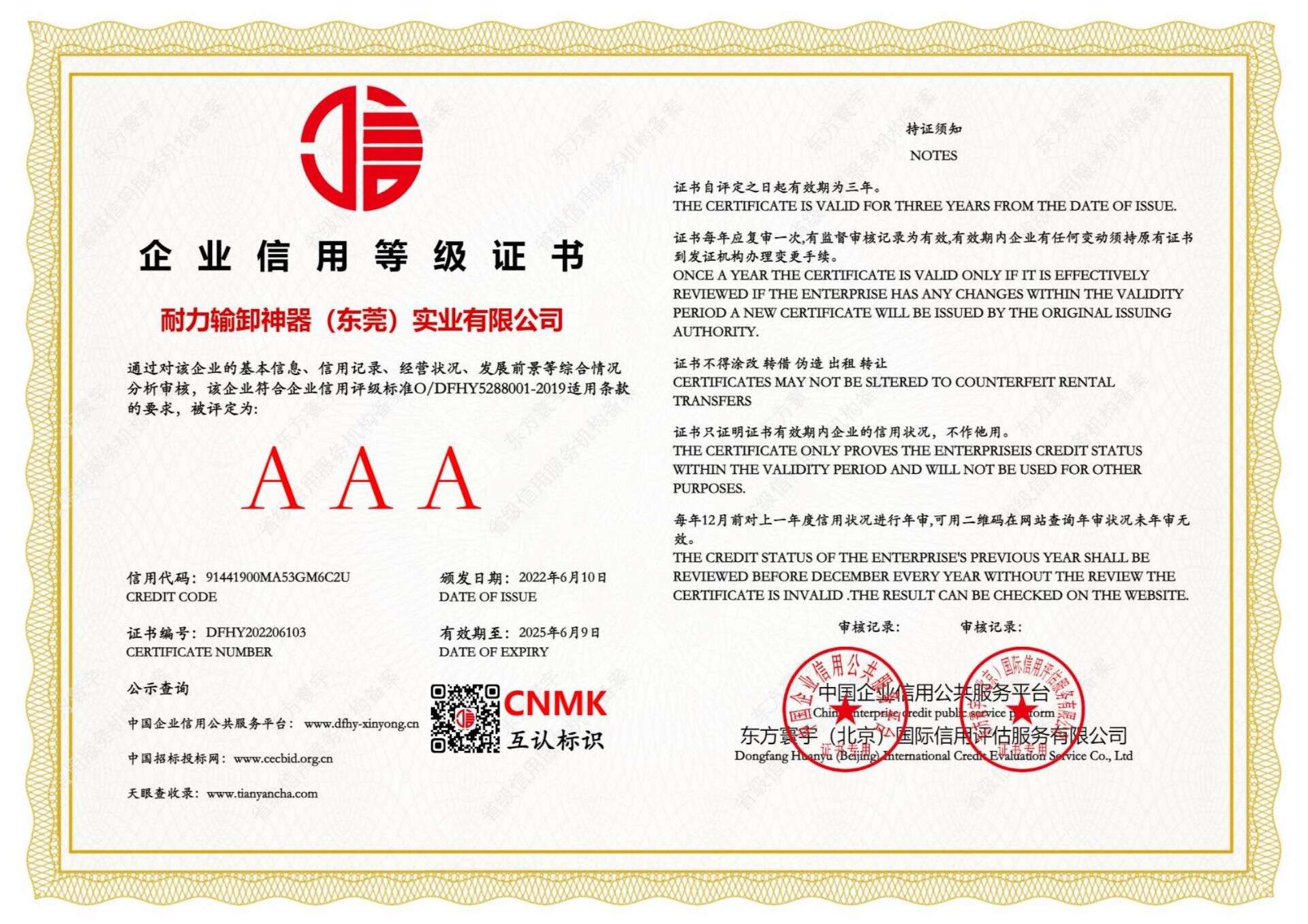
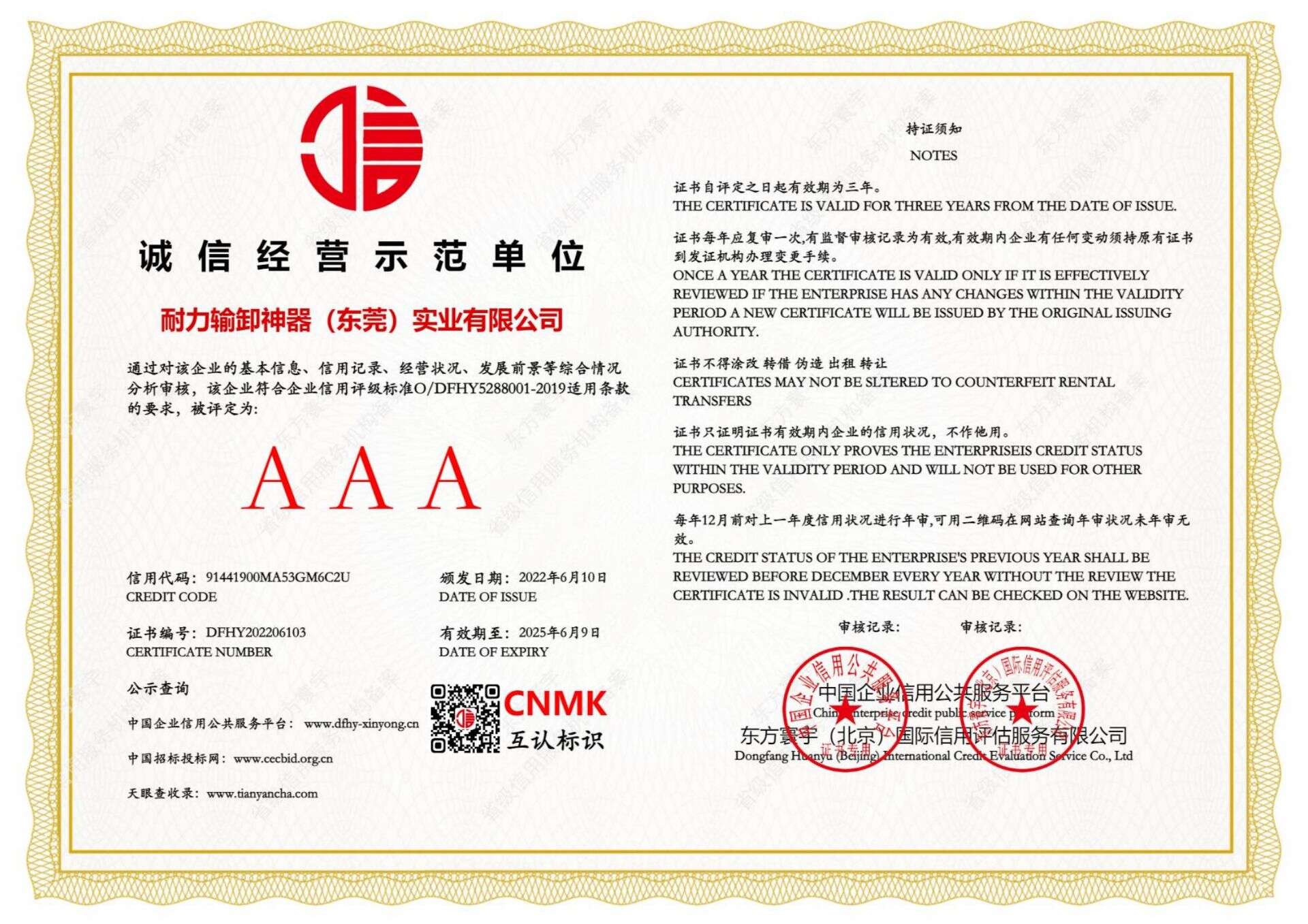
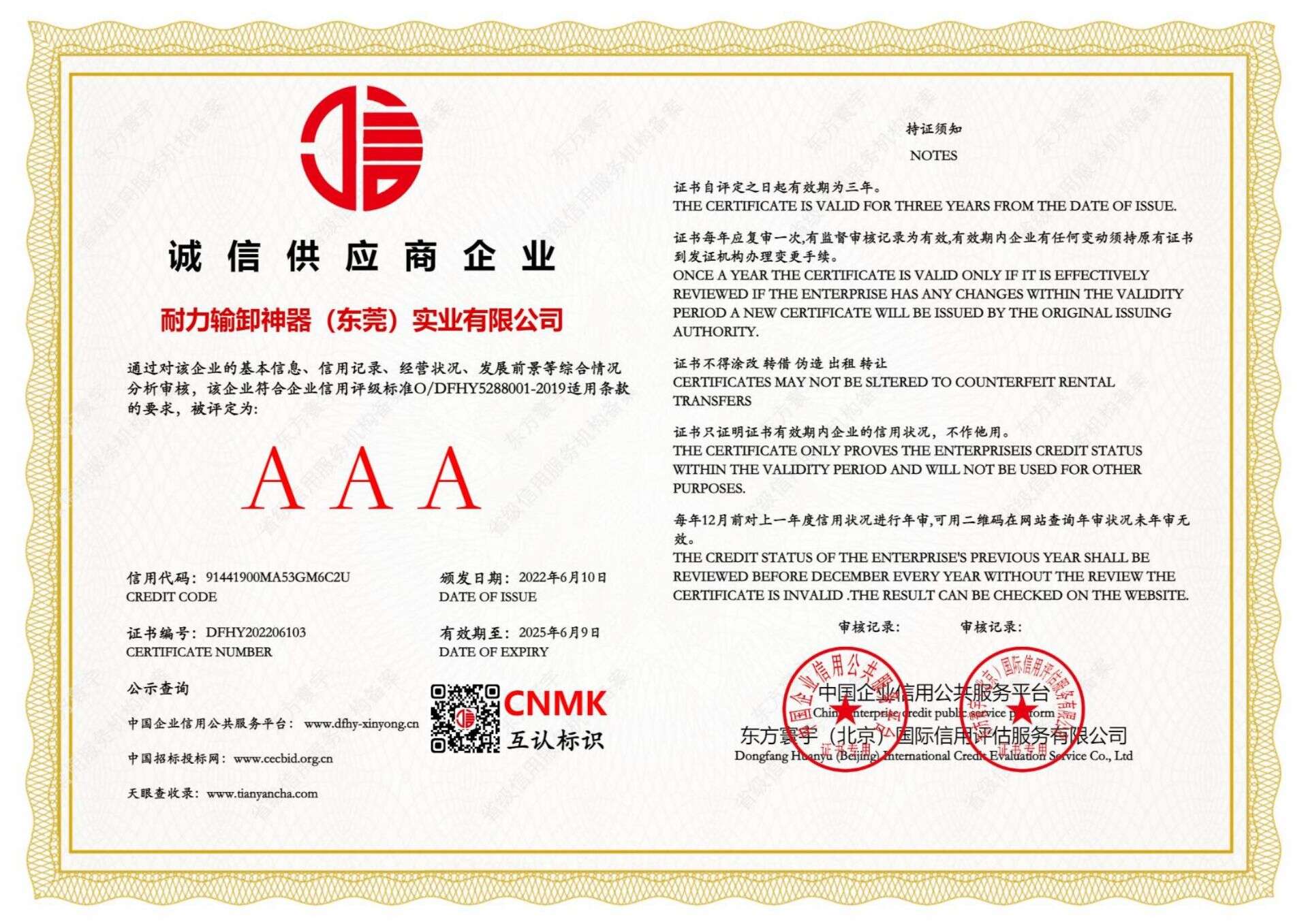
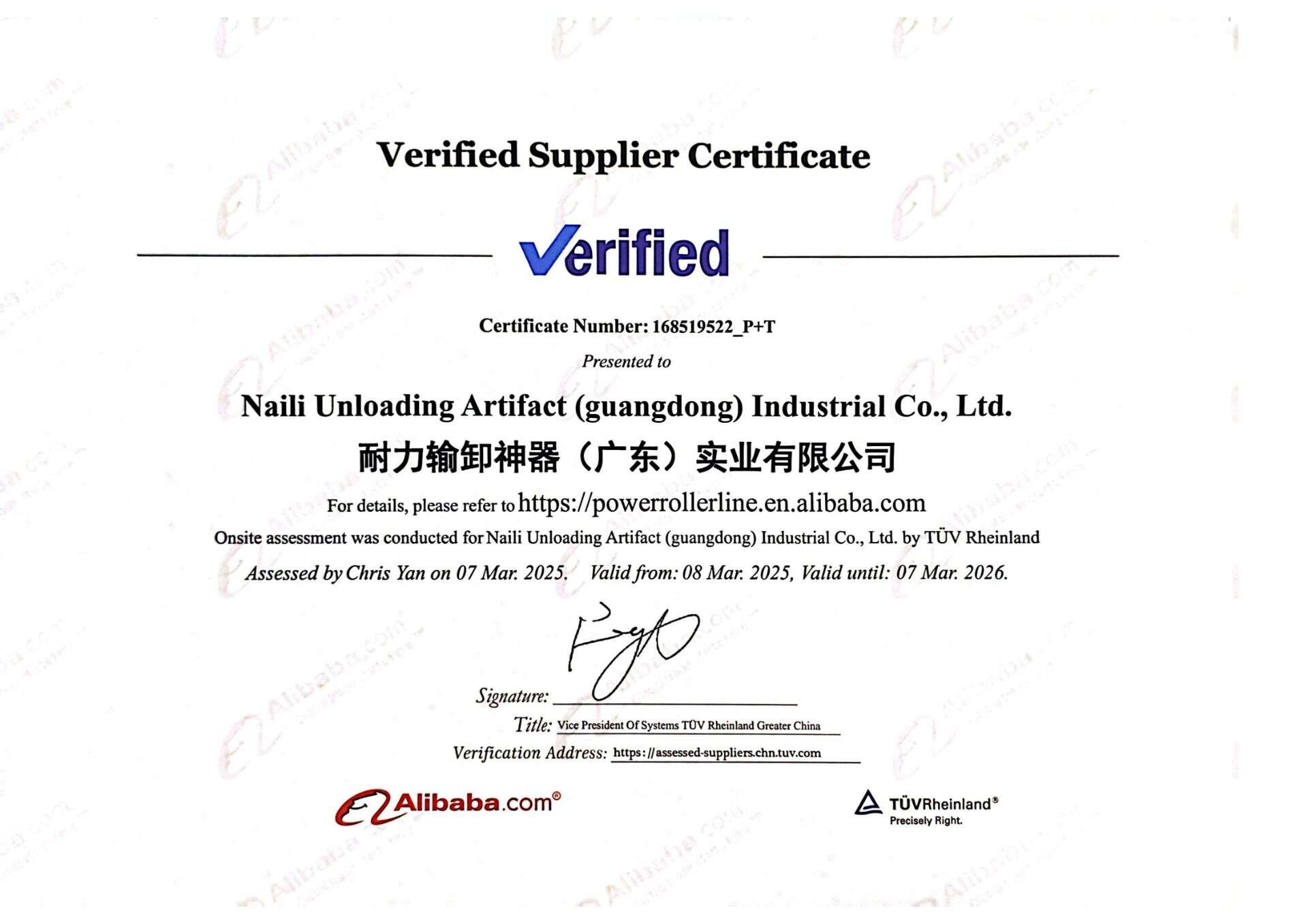
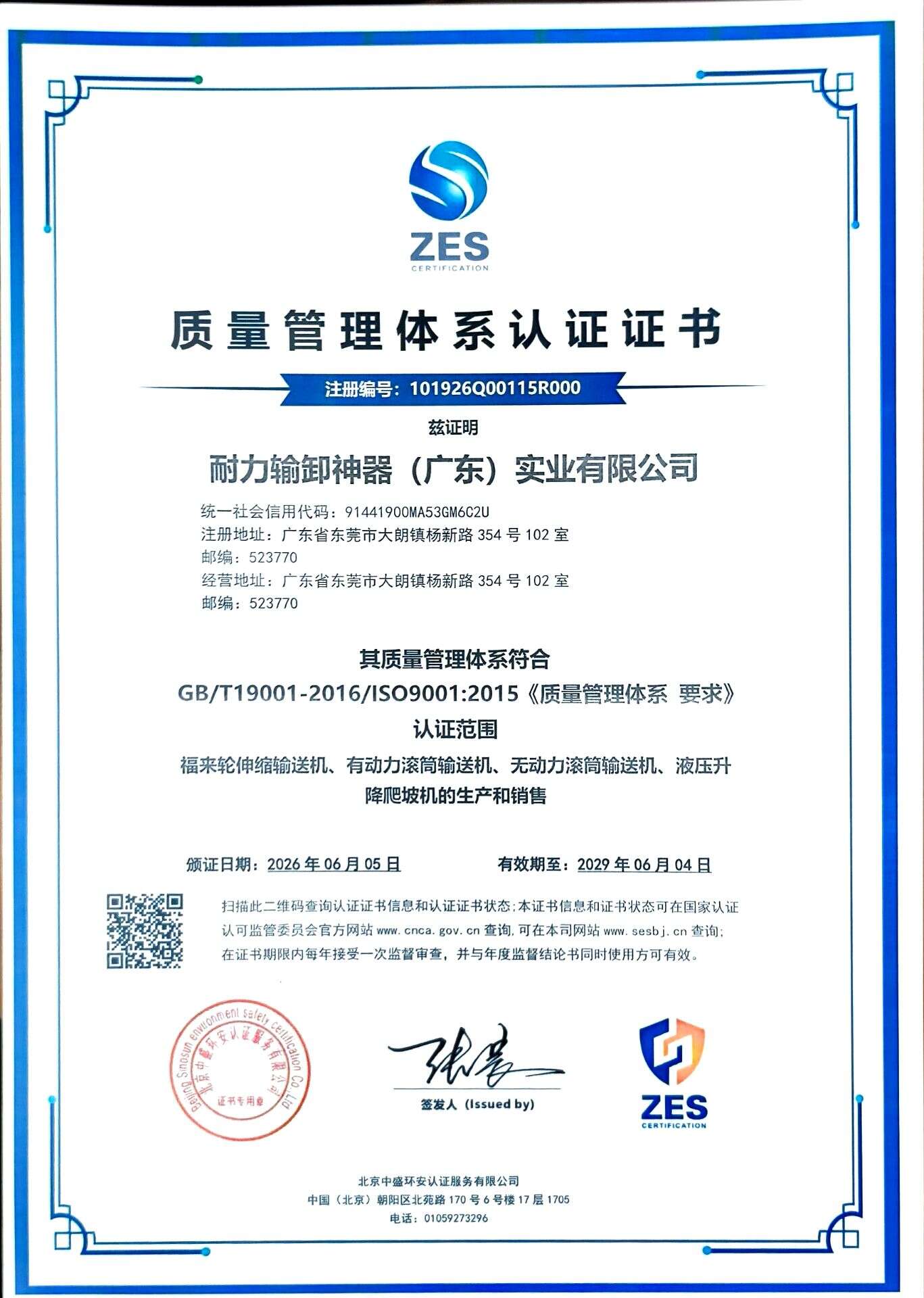
Sehen Sie sich die Zertifikate, Prüfberichte und Patenturkunden zu diesem Produkt an, um die Qualifikationen und die technische Grundlage leichter überprüfen zu können.
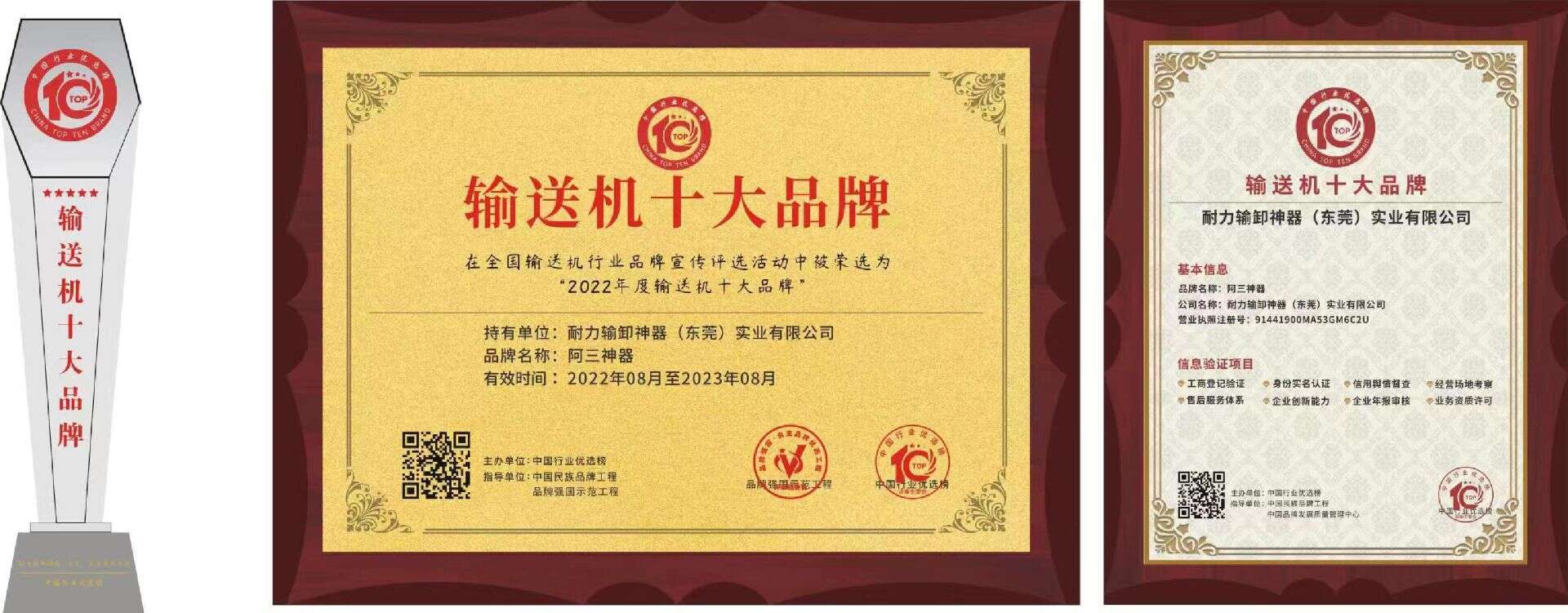
Zertifikate
Echte Fotos und Videos
Multi-Wedge Belt Powered Roller Conveyor Product Images
Sehen Sie sich die Anlagenstruktur, den Status vor Ort und betriebliche Details anhand von Fotogalerien und Videos an.
Echte Fotos und Videos
Multi-Wedge Belt Powered Roller Conveyor Case Videos
Sehen Sie sich die Anlagenstruktur, den Status vor Ort und betriebliche Details anhand von Fotogalerien und Videos an.
Echte Fotos und Videos
Videos zur Produktanleitung
Verschaffen Sie sich mithilfe von Videos zur Auswahl, Installation und Nutzung einen schnellen Überblick über die Konfiguration und die grundlegenden Bedienungsaspekte dieses Produkts.
Werksstärke
Erfahren Sie anhand von echten Fotos und Videos mehr über die Produktionsanlagen, die Werkstattumgebung, die Verarbeitungskapazität und die Qualitätskontrolle.
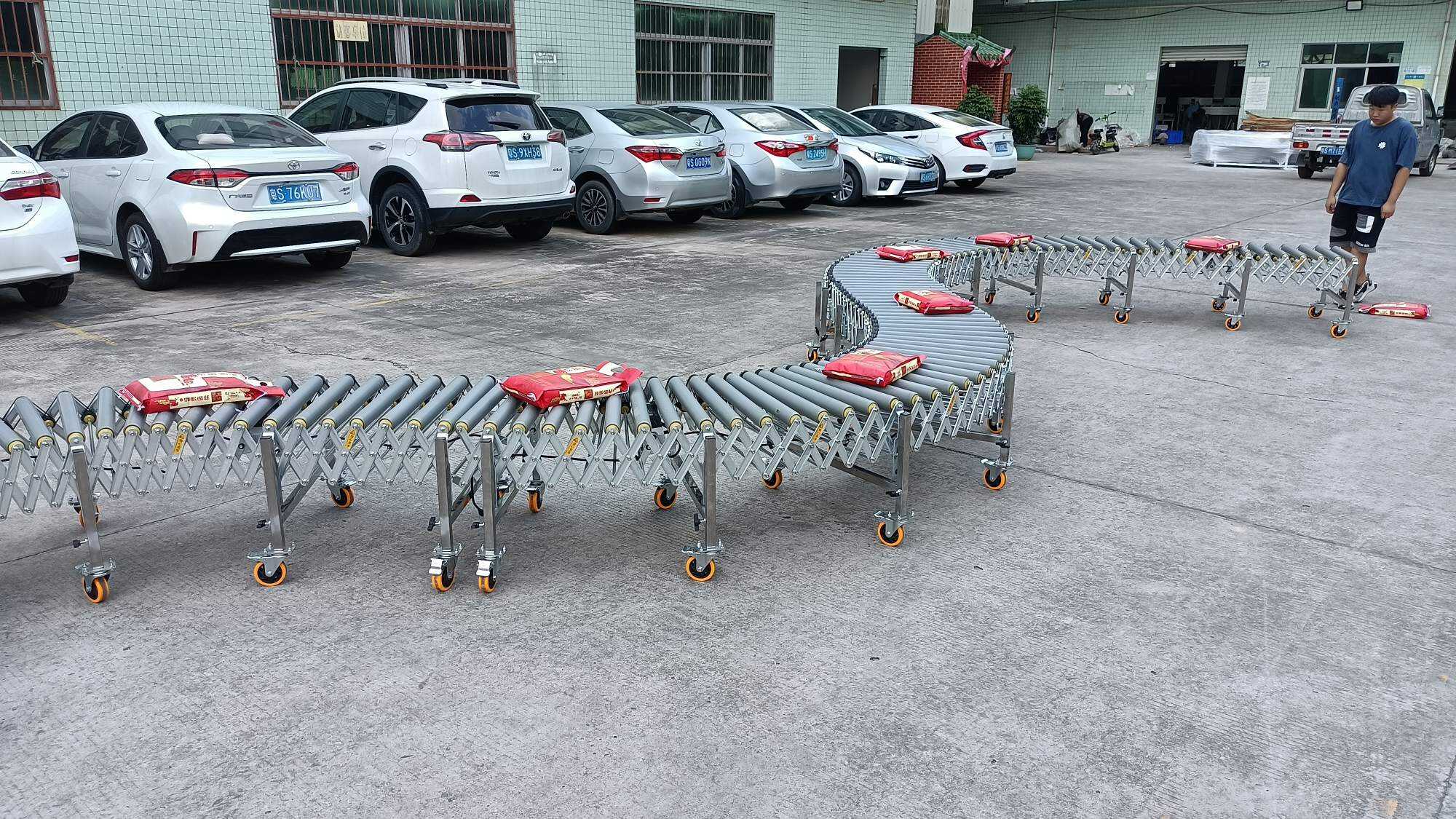
Bild
Bild 1 aus der Fabrik
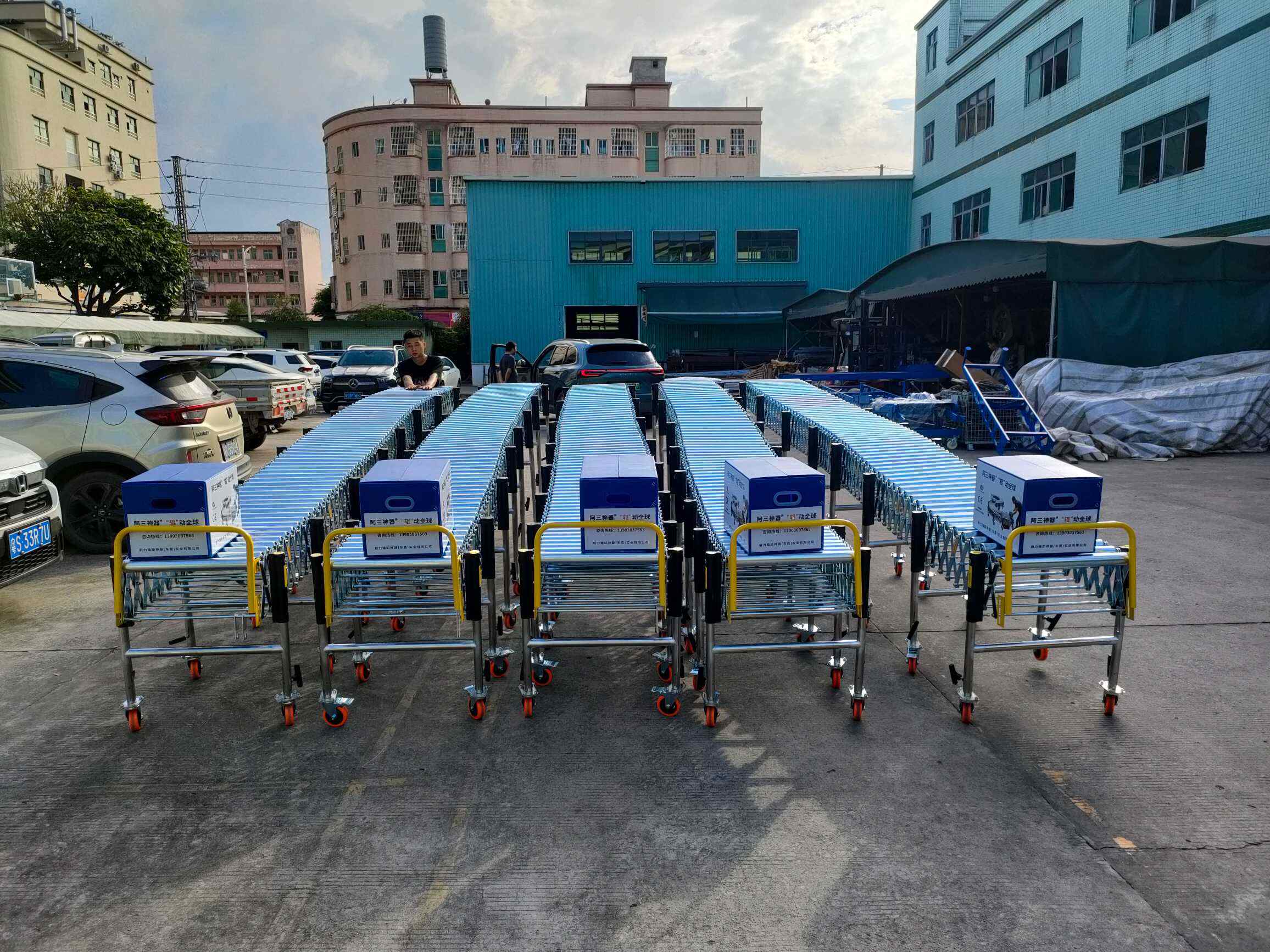
Bild
Bilder aus der Fabrik 4
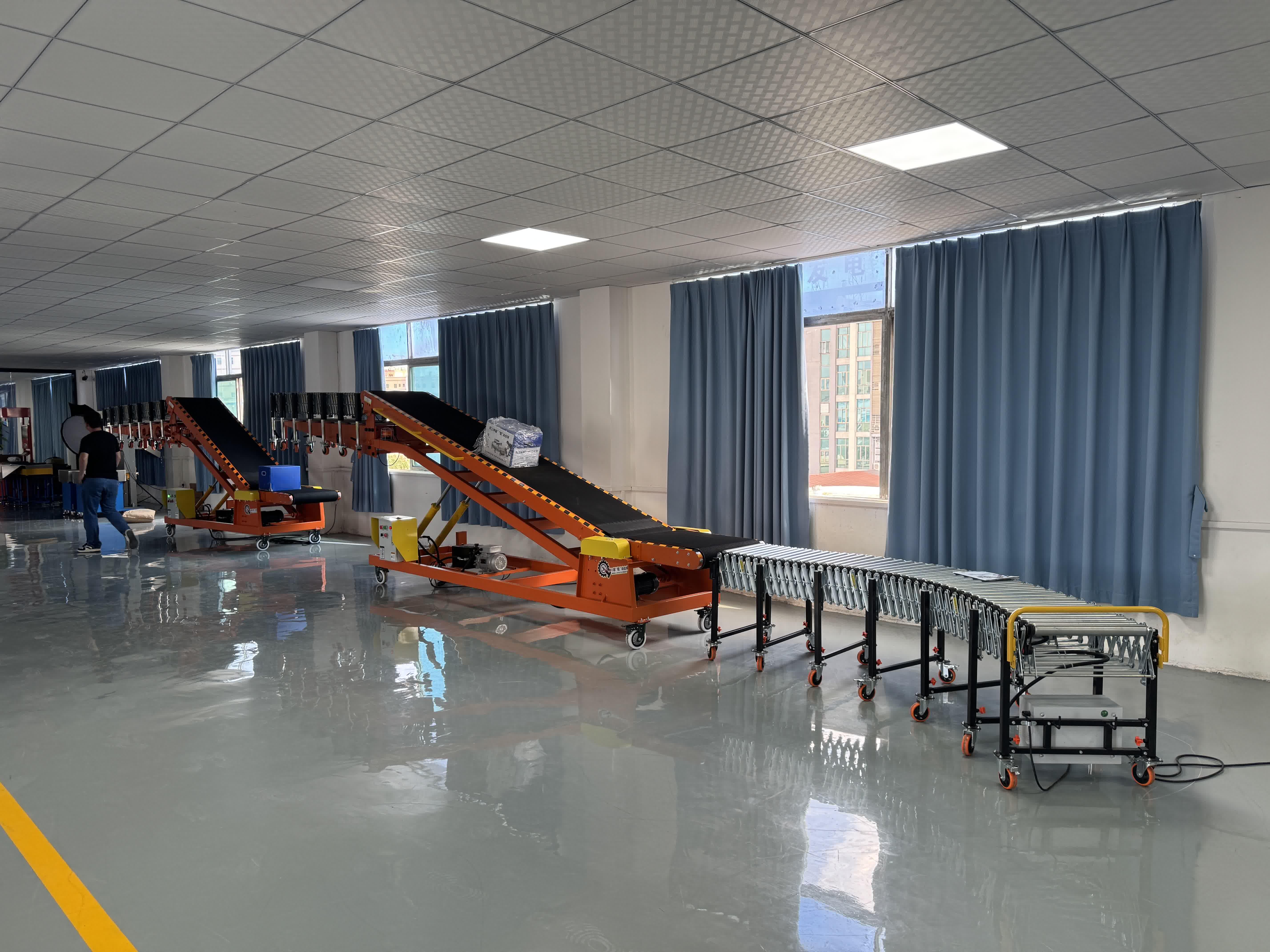
Bild
Hauptbild der Fabrik
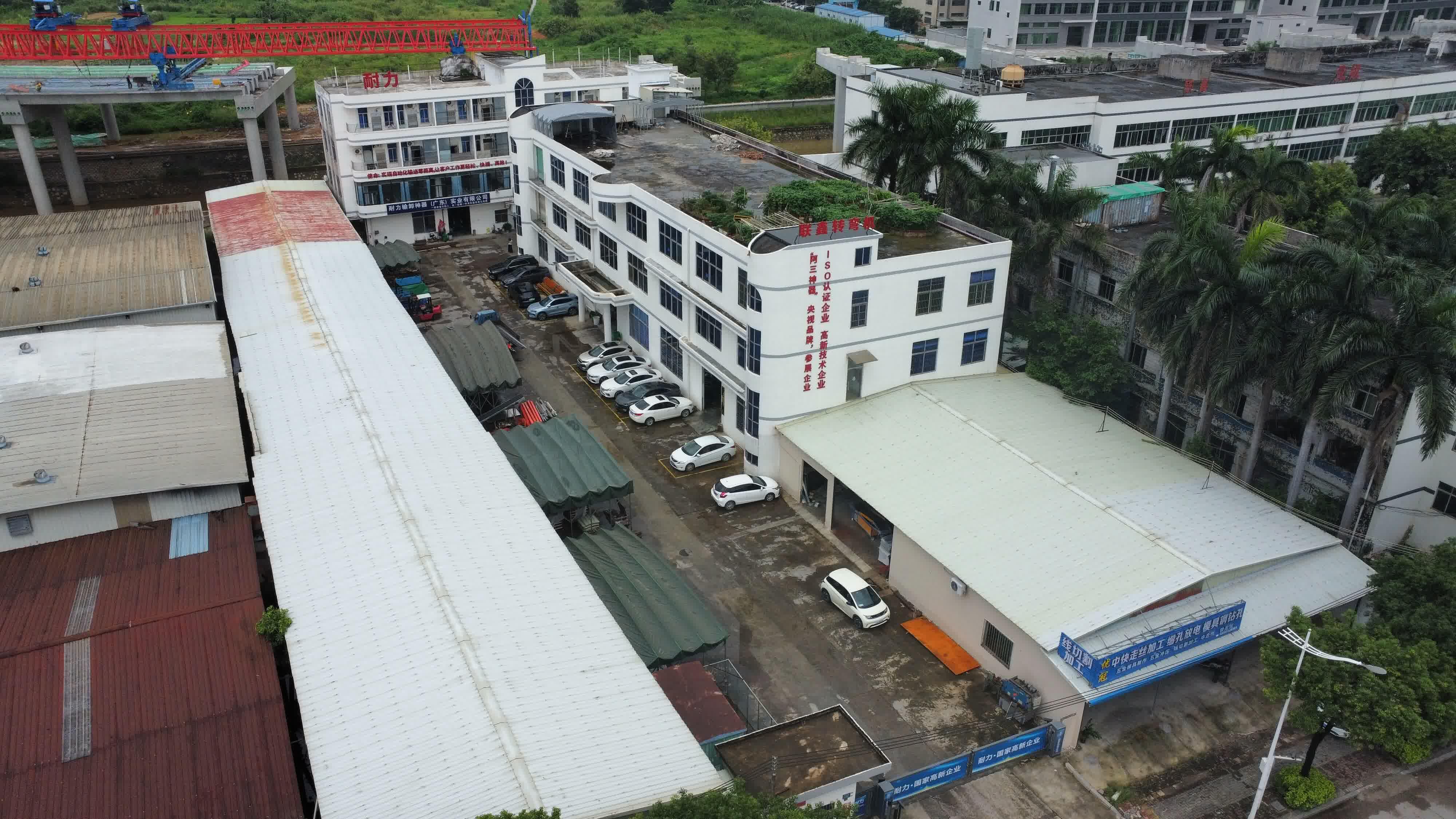
Bild
Fabrikbild 2
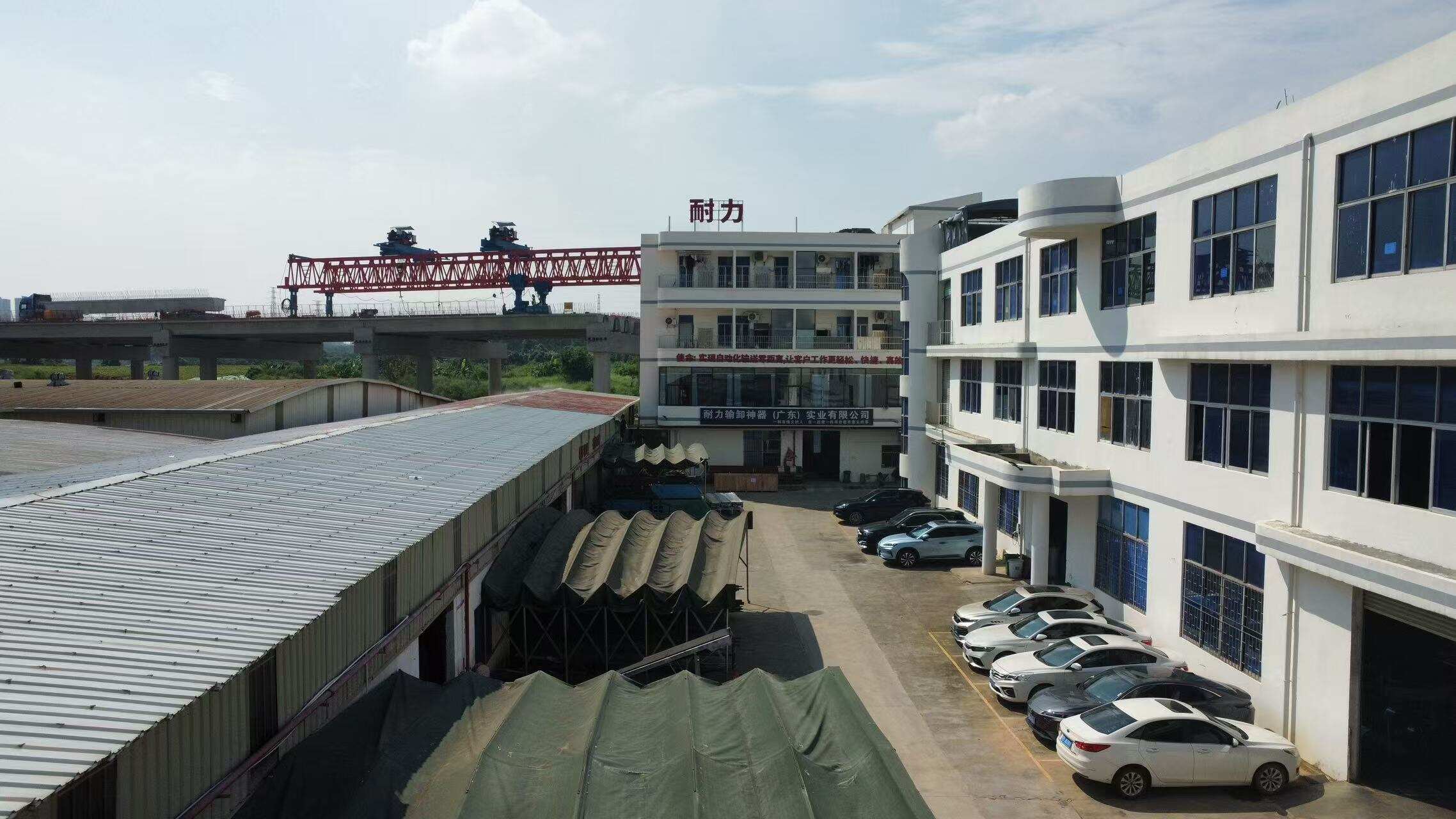
Bild
Fabrikbild 3
Technische Daten
Spezifikationen und technische Daten
Hier können Sie die wichtigsten Parameter, strukturierte Spezifikationen und Materialien zum Herunterladen nach Modell anzeigen.
Multi-Wedge Belt Powered Roller Conveyor Technical Specifications
PRC-M-1.1
The Multi-Vee Belt Powered Roller Conveyor mainly solves powered conveying issues in warehouse flat transfer, loading and unloading dock connection, and turning layouts. It is suitable for cargo with relatively stable shapes such as cartons, coil-wound goods, metal drums, and plastic drums. Before use on site, first check 4 boundary conditions: whether the weight per item falls within the range of the corresponding section-length model, whether the load per meter meets the requirements for fully loaded accumulation conveying, whether the effective width covers the cargo bottom dimensions, and whether telescoping or turning layout is needed on site; if it also needs to connect to a platform, truck opening, or incline section, the heights of the front and rear sections and the transition space must also be confirmed.
Geltende Standorte und Frachtgrenzen
The multi-vee belt drive is suitable for powered roller conveying at locations such as warehouse inbound/outbound docks, post-sorting merge sections, post-packaging transfer sections, and buffer sections before loading bays. Common cargo on site includes cartons, coil-wound goods, metal drums, and plastic drums. The per-item weight limit depends on the section length: the 1.1 m/section model supports up to 100 kg/item, the 2 m/section model supports up to 80 kg/item, and the 3 m/section model supports up to 50 kg/item. If the cargo exceeds the corresponding range, the load capacity and conveying method need to be confirmed again.
This type of equipment can also be configured for telescoping and turning, making it suitable for sites where aisles need to be temporarily cleared, dock lengths change frequently, or the distance between the vehicle side and the warehouse line is not fixed. If the cargo bottom area is too small, the bottom support points are insufficient, or the shape is prone to getting caught in the roller gaps, the roller pitch and the transition section form should be carefully confirmed during connection; if the cargo is a soft bag, a pallet with an uneven bottom, or has a noticeably shifted center of gravity, engineering confirmation should be performed first.
So lesen Sie die wichtigsten Parameter ab
When purchasing this type of equipment, first check the key parameters that affect layout and load capacity; there is no need to review every detail at once. The following parameters are the most direct:
| Parameter | Auswirkungen auf die Modellauswahl | So bestätigen Sie vor Ort |
|---|---|---|
| Section length and extended length | Determines the conveying distance a single section can cover, as well as the floor space occupied when retracted | Confirm according to the actual distance between equipment, equipment to truck opening, or equipment to platform; the extended lengths for 1.1 m/section, 2 m/section, and 3 m/section are 1100/2000/3000 mm respectively |
| Telescopic ratio | Determines the difference between retracted length and extended length, affecting aisle occupancy and repositioning frequency | The 1.1 m/section model has a ratio of about 1: 2.12, the 2 m/section model about 1: 2.74, and the 3 m/section model about 1: 2.86; confirm according to the on-site retraction position |
| Effektive Breite | Determines whether the cargo can rest stably on the roller line | Available in 500/600/800/1000 mm, confirmed according to the minimum support width of the cargo bottom |
| Tragfähigkeit | Determines the conveying load that can be carried per meter and also affects accumulation layout | The load range within the series is 80-120 kg/m; for specific section-length models, it is 80/100/120 kg/m respectively |
| Conveying speed | Affects manual receiving, scanning, loading-bay rhythm, and synchronization of the front and rear sections | The speed range is 0.3-40 m/min, confirmed according to manual placement speed, upstream takt time, and transition stability |
| Roller diameter | Affects the passage of cargo with small bottom surfaces and the smoothness of transition | The roller diameter of the current model is 50 mm. If there are small items or cargo with uneven bottoms, it needs to be confirmed together with the transition section |
There are two boundary points to note: first, "load per meter" and "single-item weight" are not the same concept; an item not being overweight does not mean the entire accumulated section is necessarily suitable. Second, if the setup uses multiple combined sections on site, the total length, motor configuration, and folded footprint must be confirmed based on the number of combined sections.
Model selection and differences from similar models
This model group is divided by single-section length into 1.1 m/section, 2 m/section, and 3 m/section. For short site distances where a higher single-item weight limit is needed, prioritize 1.1 m/section; for medium distances where you want a balance between length and load capacity, check 2 m/section; for longer distances where you want to reduce the number of sections in the aisle, check 3 m/section, though the single-item weight limit is relatively lower.
If the buyer is comparing similar powered roller conveyor models, the key differences between this model and Kettenangetriebenes Rollenförderband are not in the name, but in the cargo and the site: the multi-wedge-belt Powered Roller Conveyor is better suited for flat conveying, extension, and turning layouts for standard cartons, drums, and rolled goods in a warehouse; if the on-site cargo is heavier, impact is greater, or there are clear requirements for the drive method, then the chain-powered solution should be checked separately. If the comparison is with other powered roller conveyor solutions in the same category, you should also first judge by single-item weight, load per meter, turning requirements, and layout space, while also checking the equipment name.
How to connect the front and rear equipment
The multi-wedge-belt Powered Roller Conveyor is usually positioned between the warehouse line and the loading/unloading opening. When connecting, focus on three positions: the upstream receiving point, the turning or telescopic section, and the downstream loading/unloading end. If the upstream side connects to a fixed roller line, first check whether the heights match and whether the cargo enters at a straight angle; if the downstream side connects to a truck opening, dock edge, or temporary receiving area, leave space for manual guiding and correction.
If there is a height difference on site, this type of flat roller line usually needs to work with Mittlerer Hydraulikförderer and other equipment to connect the ground line to the truck opening or elevated workstation; if goods are transferred between floors, the connection should be segmented with lifting equipment, for example 100 kg/m Vertikalförderer vom Typ Z. If the distance at the loading/unloading end changes significantly, some sites will also combine it with 2-teiliger Teleskopförderer oder 4-teiliger Teleskopförderer for combined use, but the speed, width, and transfer height must be confirmed separately.
For related site layouts, see Lösung für ein Förderband zum Beladen von Logistiklagern und Warehouse Loading/Unloading Hydraulic Conveyor Direct-Drive Roller Line.
Site layout and maintenance
The equipment supports folding, extension, turning, and mobile layouts, making it suitable for warehouses where loading/unloading points change frequently. The leg height can be manually adjusted, and it comes with swivel casters with foot-operated locks. After relocating on site, lock the casters first, then run a no-load and loaded test. If the equipment is placed beside forklift, pallet jack, or mixed pedestrian/vehicle aisles, a parked area must also be reserved after folding to avoid crushing the casters and power cables.
The operating side usually includes start, stop, forward, reverse, emergency stop, and stepless speed control from 0.3-40 m/min. Daily maintenance should focus on three items: the tension state of the multi-wedge belt, whether the rollers rotate smoothly, and whether the machine body remains at the same conveying height after turning or telescoping. If there is a lot of dust on site, or the outer walls of drum goods have residual liquid, cleaning frequency should be increased to prevent the belt surface and roller surface from affecting conveying stability.
Häufig gestellte Fragen
1. Eignet es sich für den Transport von Metall- und Kunststofffässern?
Yes, but the single-item weight must be checked according to the corresponding section length. 1.1 m/section can handle up to 100 kg/item, 2 m/section up to 80 kg/item, and 3 m/section up to 50 kg/item. At the same time, the drum bottom, effective width, and roller contact condition must also be checked.
2. Can it be arranged for turning and telescoping?
Yes, it can be used for turning and telescoping sites, but the turning radius, folded footprint, and total length after extension must be confirmed according to the final model or engineering plan. In particular, the aisles on both sides of the turning area and the manual standing positions must be confirmed together.
3. What load data need to be confirmed?
At minimum, confirm the single-item weight, load per meter, the number of items on the machine at the same time, and whether there is any local accumulation. Even when a single item is not overweight, the load across the entire section may still exceed the load-per-meter limit.
4. What dimensions are required when connecting to the front and rear roller lines?
You need to provide the upstream and downstream equipment heights, centerline direction, clear distance at the transfer interface, the underside dimensions of the cargo, and whether manual sorting or guiding is needed at an intermediate station on site.
Before purchase confirmation
Providing the following checklist clearly will make selection and layout faster:
| Zu klärende Punkte | What to provide before purchase |
|---|---|
| Frachtinformationen | Cargo type (cartons, rolled goods, metal drums, plastic drums), maximum single-item weight, bottom dimensions, and whether the items are prone to rolling or off-center loading |
| Conveying Length | Single-section requirement, or total conveying distance, stowed length, and clear passage width |
| Width Selection | Effective width planned for 500/600/800/1000 mm, or the overall dimensions of the cargo |
| Load Boundary | Whether accumulation conveying is required, the number of items on the line at the same time per section, and the maximum load per meter |
| Speed and Rhythm | Manual loading/unloading pace, upstream inbound speed, and whether forward/reverse operation is needed |
| Connection Relationship | Equipment type and height of the front and rear sections, and transfer position; if climbing or lifting is required, please state it in advance |
| Site Layout | Whether turns are needed, whether the line is frequently retracted and moved, whether the floor is level, and whether there is a platform or truck opening |
| Electrical and Safety | Power supply conditions, emergency stop position, operator side direction, equipment parking area, and wheel-locking requirements |
If multiple sections are combined, the total extended length, total stowed length, and motor configuration must be confirmed according to the number of combined sections; the actual footprint after turning, connection height, and standing space must also be confirmed according to the final model or engineering requirements.