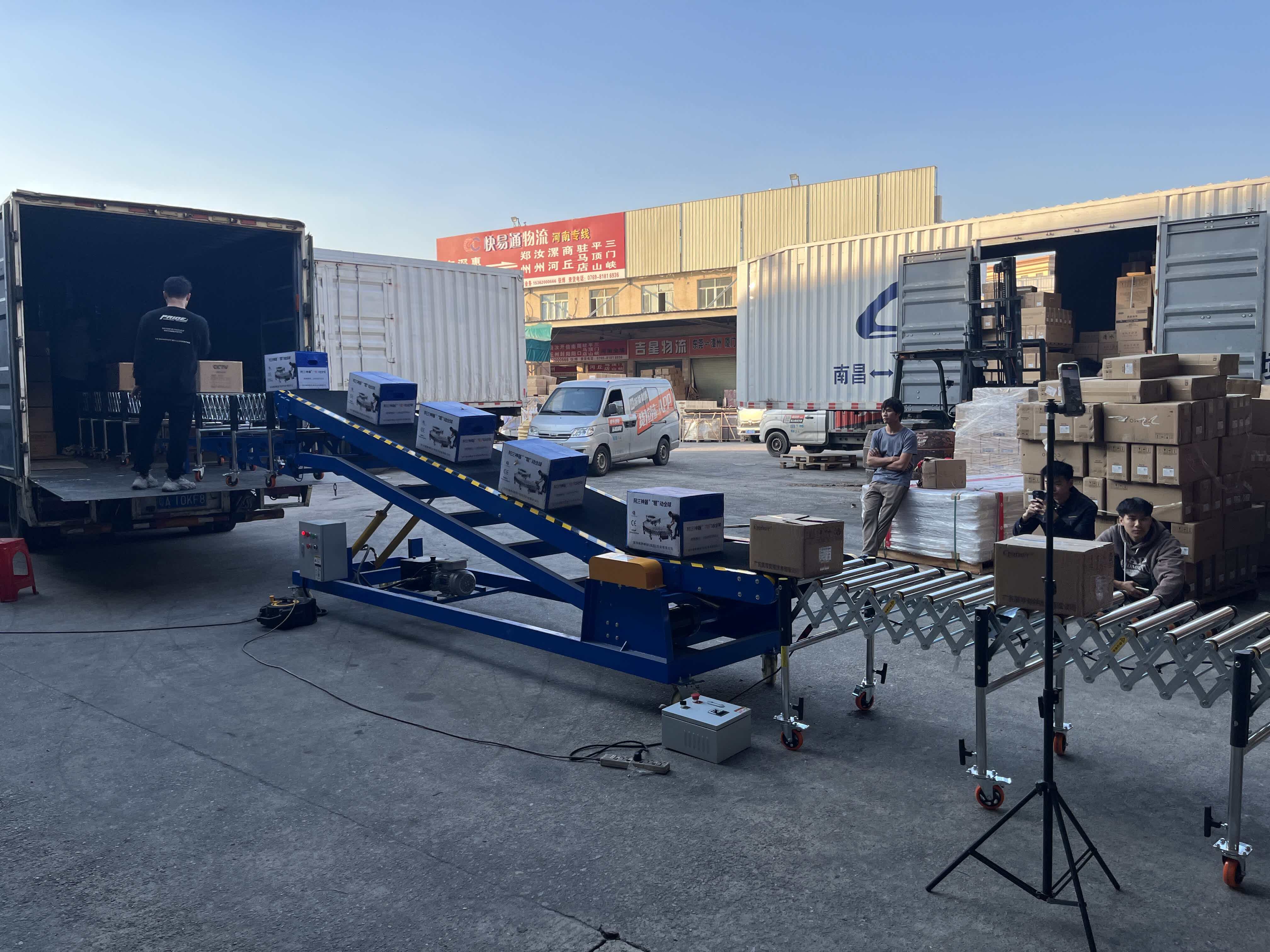
In the daily operation of logistics distribution centers, a common challenge is how to efficiently convey large quantities of goods directly and smoothly from the warehouse floor into truck beds at different heights. Traditional manual handling or forklift operations are not only inefficient and labor-intensive, but also pose certain safety risks. To address this pain point, a distribution center introduced a loading and unloading solution consisting of a medium-sized ramp conveyor and a Multi-Wedge Belt Powered Roller Conveyor, achieving continuous and labor-saving conveying from the ground to the truck bed.
Core Equipment Configuration of the Solution
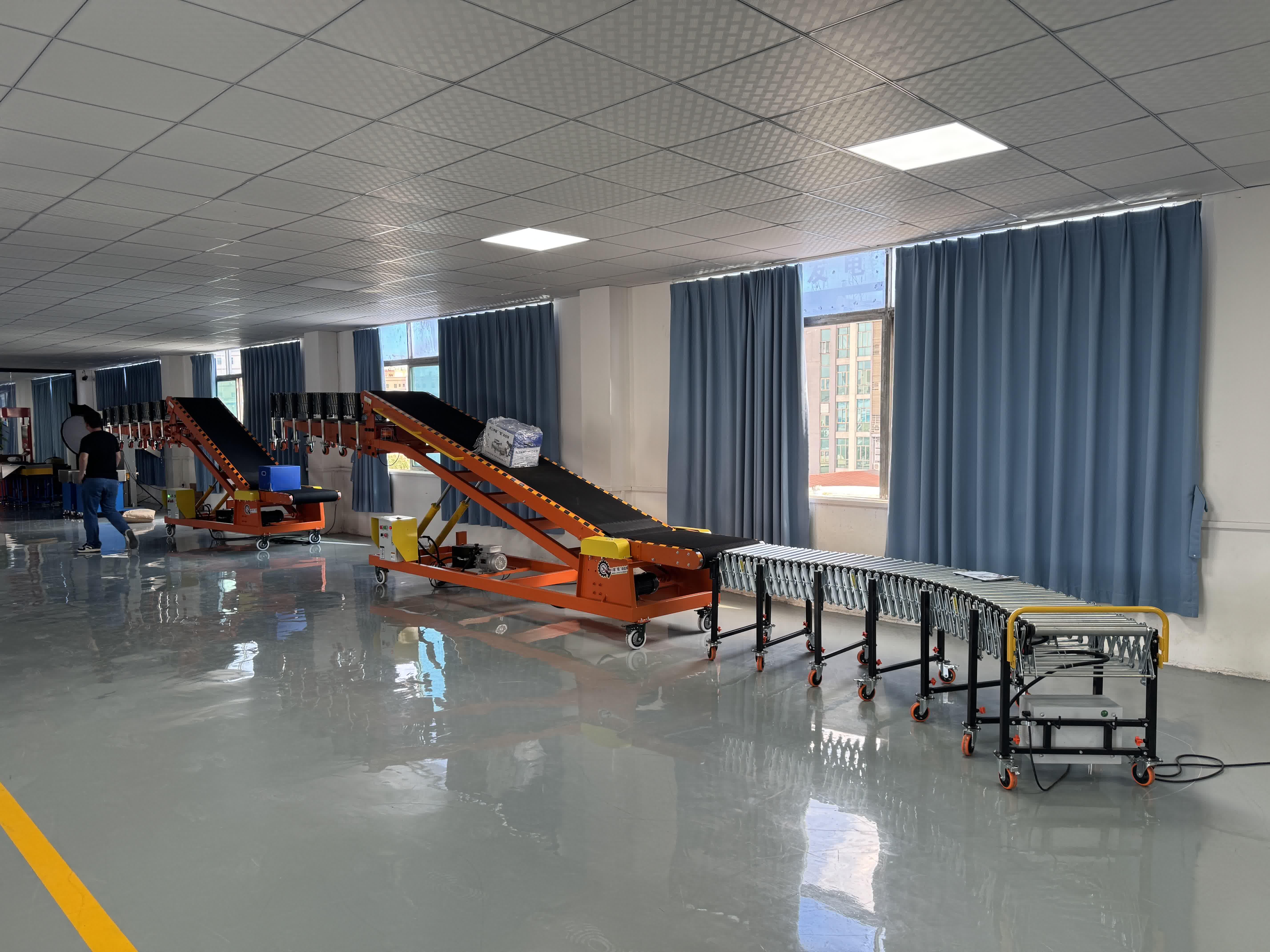
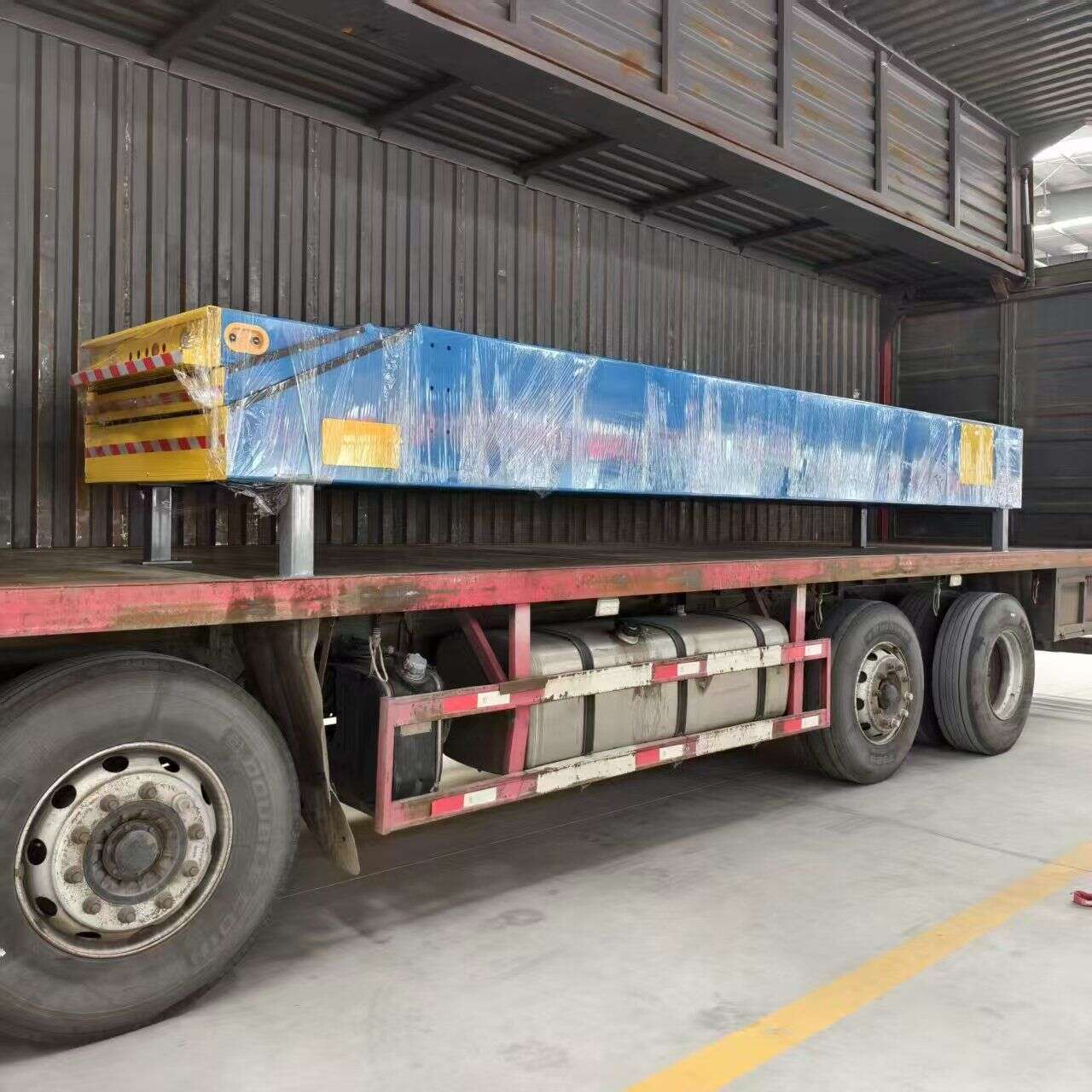
The core of this solution lies in the coordinated operation of two machines. First, Medium-sized Ramp Conveyor is responsible for lifting goods from the ground to the tailgate or the level of the truck bed. Its hydraulic lifting system runs smoothly and can raise goods to the same height as the truck bed at a speed of 0.3 to 30 meters per minute.
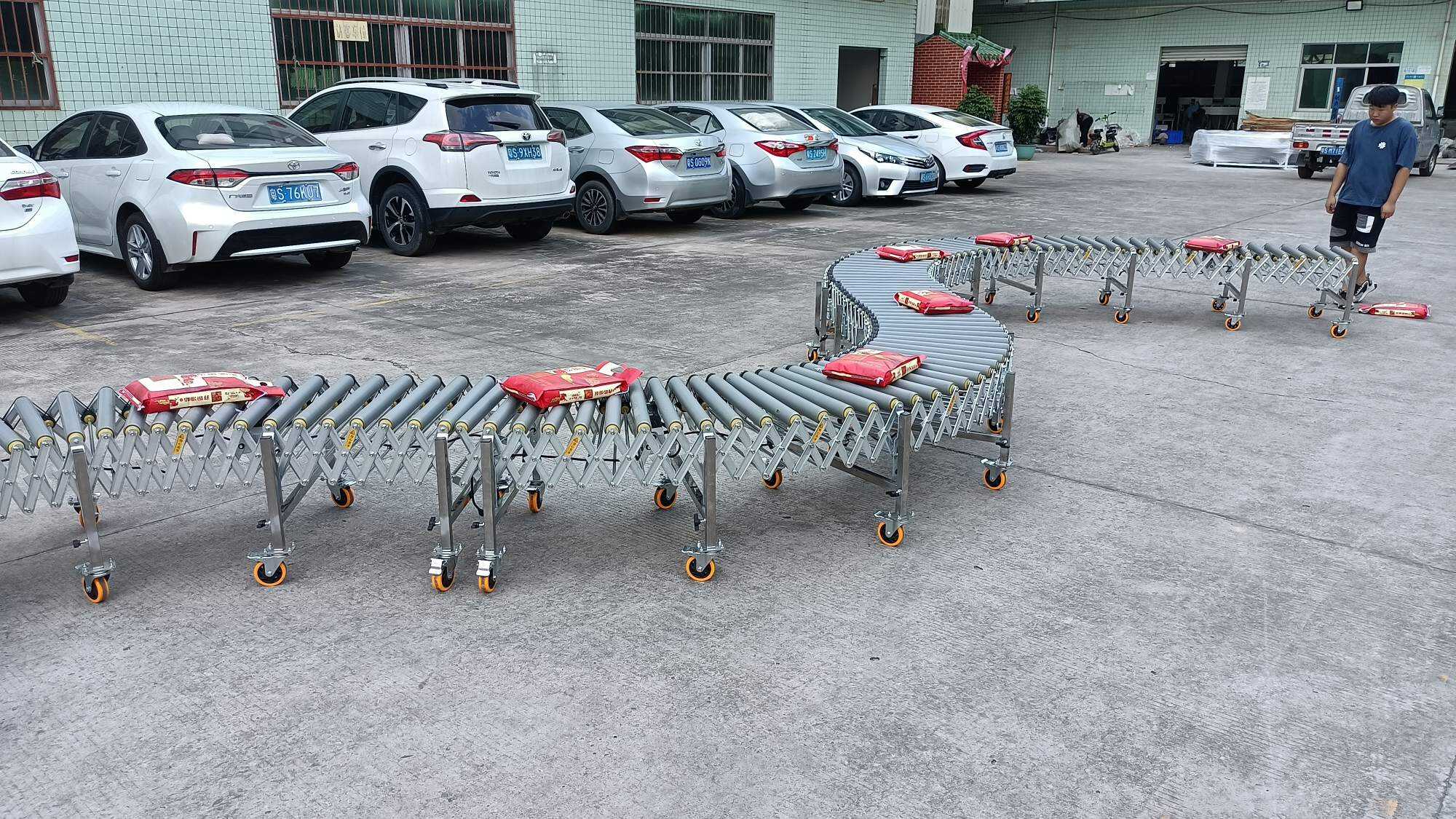
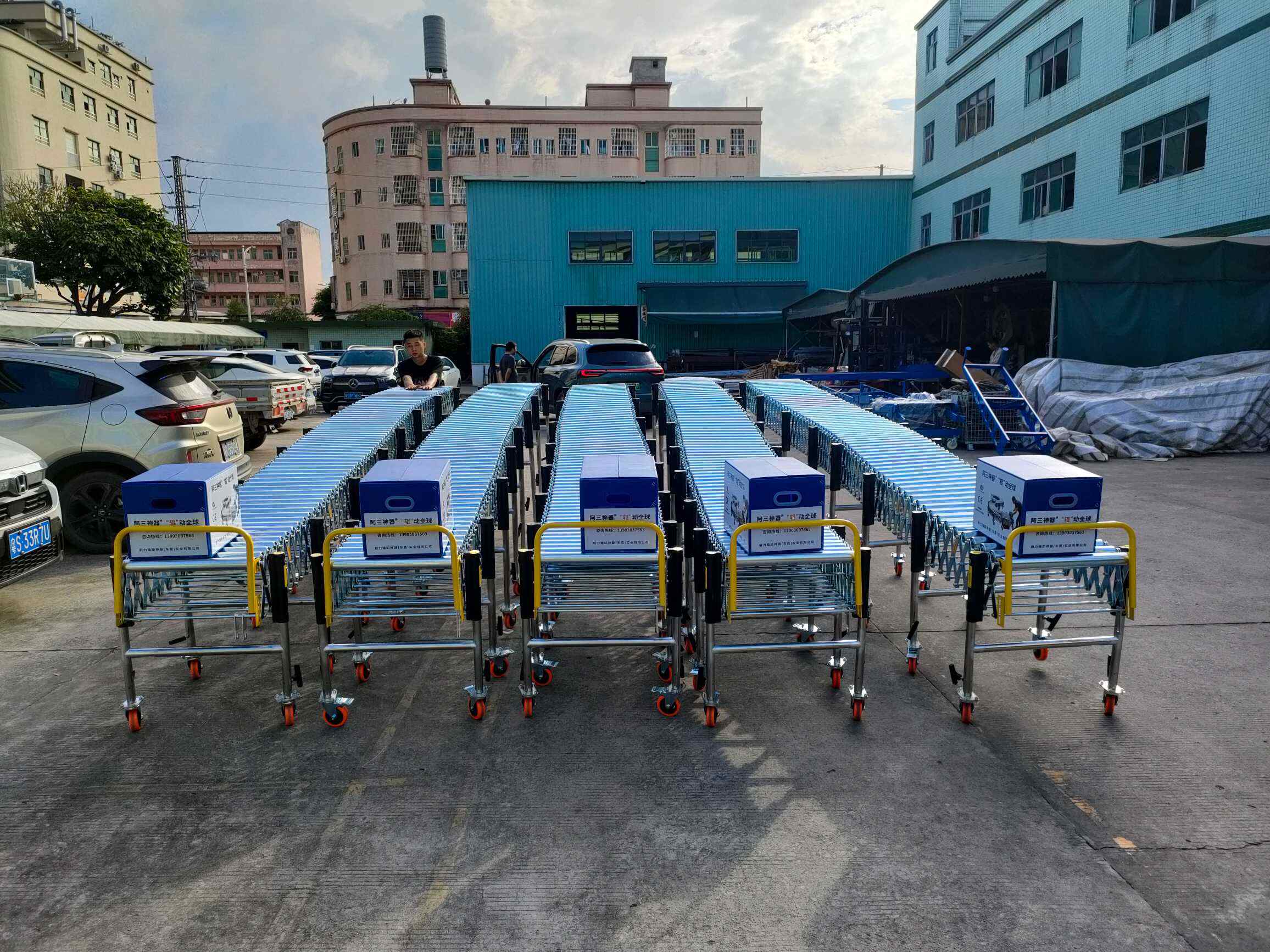
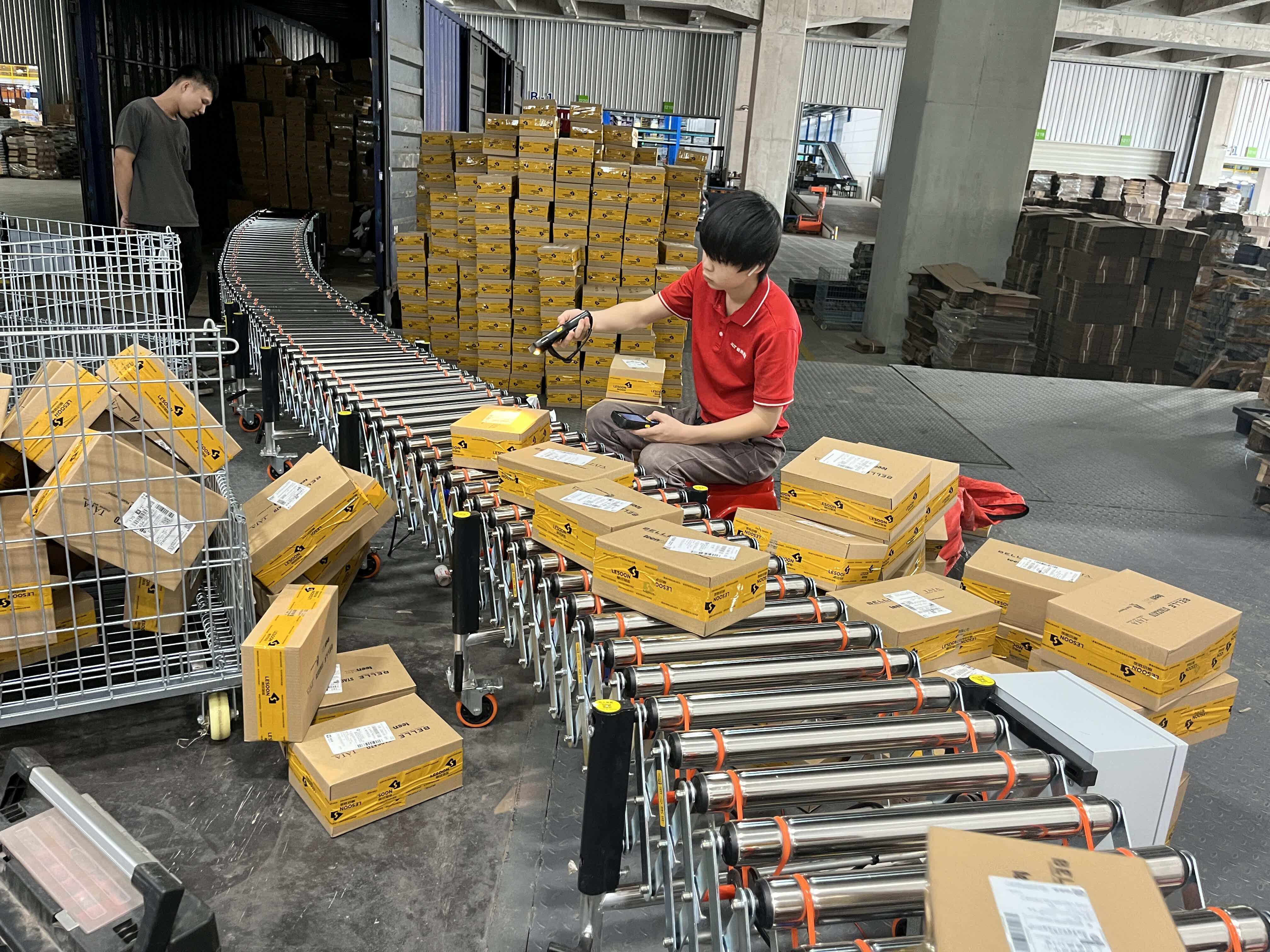
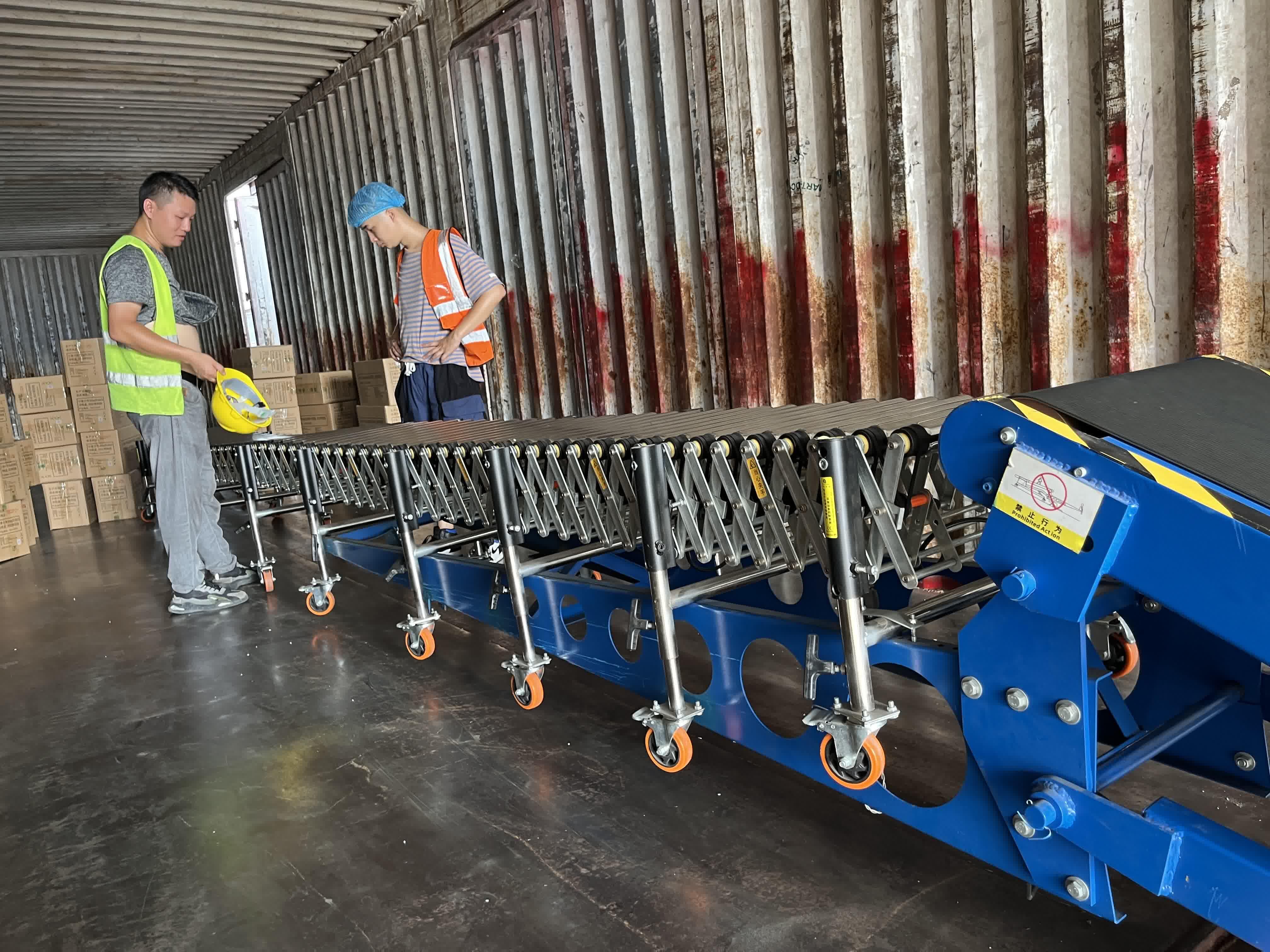
Then, Rollenförderer mit Keilriemenantrieb serves as the extension section and extends directly into the truck bed. Its multi-wedge belt drive provides stable and reliable conveying power, ensuring that cartons, parcels, and other goods can be smoothly pushed deep into the truck, making full use of the truck space.
Detailed Explanation of the Loading and Unloading Process
Ground Collection and Start-Up
At the start of the operation, workers neatly stack the goods to be loaded onto the truck in the ground area at the inlet end of the incline conveyor. The incline conveyor is started, and its load-bearing belt begins to run, conveying the goods upward from the ground.
Incline Lift and Transition
The goods pass through the inclined section of the incline conveyor and are smoothly lifted to the same height as the truck bed. At the outlet end of the incline conveyor, the goods are seamlessly transferred to the ready Powered Roller Conveyor.
Longitudinal Conveying Inside the Truck Bed
The Powered Roller Conveyor extends partially or fully into the truck bed through its telescopic or fixed structure. Driven by the rollers, the goods continue moving deeper into the truck bed, and workers only need to do simple stacking and sorting inside the vehicle. This combination greatly reduces the distance workers need to carry goods back and forth, as well as the bending involved in handling.
Solution Advantages and Applicable Scenarios
The biggest advantages of this solution area smooth workflowundlabor-saving efficiency. It eliminates the handling bottleneck from the ground to the truck bed, combining incline lifting and horizontal conveying into one, making it especially suitable for distribution centers, express transfer yards, and other scenarios with high daily shipment volumes and varying vehicle types. For well-packed cartons, crate boxes, and similar goods, the efficiency improvement is particularly significant.
The equipment configuration is flexible and can be matched with different models of
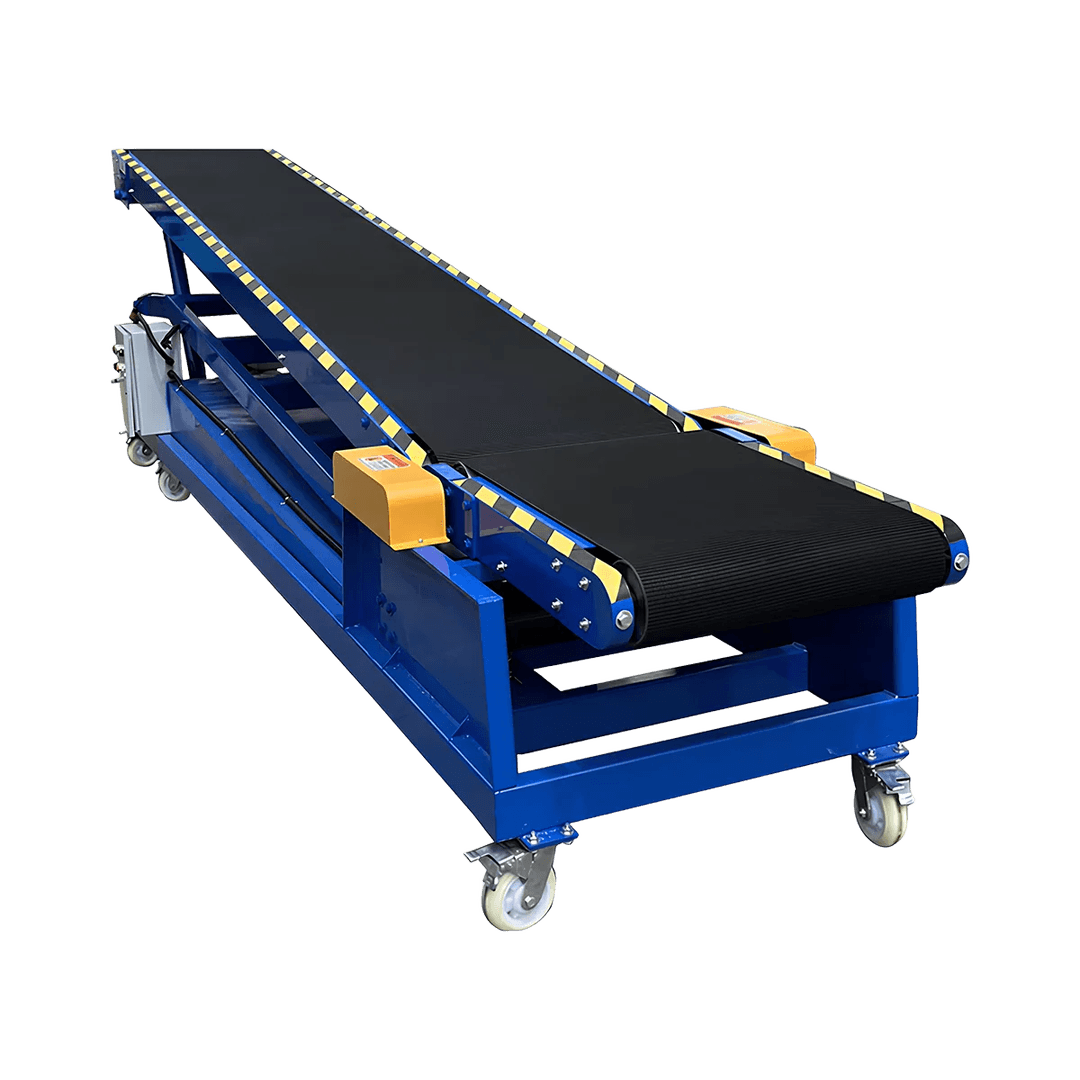
Mittlerer Hydraulikförderer
Medium Hydraulic Conveyor is specially designed for sites without loading and unloading platforms and is suitable for trucks under 40 ft. The hydrauli...
 Metallfass
 Kunststofffass
 Rolle
Rolle
 Karton
 Verpackt
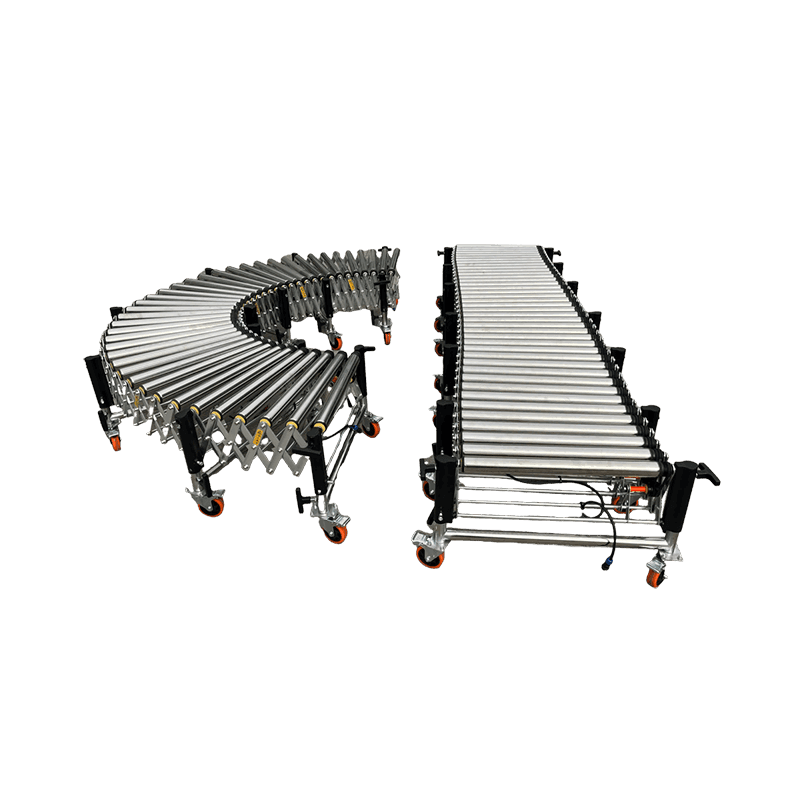
Rollenförderer mit Keilriemenantrieb
The multi-wedge belt Powered Roller Conveyor uses a multi-wedge belt drive design to achieve smooth and efficient cargo conveying. Motor spacing range...
Kunststofffass
Metallfass
Karton
Rolle
Summary
For a distribution center, using a combination of an incline conveyor and a Powered Roller Conveyor is a practical solution aimed at the specific loading and unloading stage from the ground to the truck bed. It does not pursue full automation; instead, it uses appropriate mechanized assistance to solve the most labor-intensive part, thereby optimizing the balance between cost and efficiency, and is worth considering for customers in similar operating environments.