








| Paramètres de l'équipement | ||
|---|---|---|
| Nom du paramètre | Specification/Parameters | Remarques |
| Longueur totale | Retracted: 525 mm Dégagement : 1 500 mm |
Standard |
| Capacité de charge | 50 kg/m | Standard |
| Vitesse | 40 m/min | 1 minute |
| Largeur | 500/600/800 mm | Other sizes available on request |
| Rouleau | Diamètre : 50 mm Épaisseur : ≥ 1,5 T |
Galvanisé/201 |
| Noyau d'arbre | Q235 | Standard |
| Telescoping Ratio | 1: 3 | Standard |
| Legs (Main H Frame) | Cross-sectional size: 35 × 35 mm Thickness: ≥1.3T Material: 201 |
Standard |
| Support Legs | Cross-sectional size: 30 × 30 mm Thickness: ≥1.3T Material: 201 |
Conception de la structure du manchon / réglable en hauteur |
| Equipment frame steel wall thickness | ≥ 3,5 T, Q345 | |
| Paramètres des accessoires | ||
| Nom du paramètre | Specifications / Parameters | Remarques |
| Réducteur | 120 W | 1 unit configured per 1.5 m |
| VFD | 0.75 kW / 1.5 kW / 2.2 kW | Configuré en fonction de la longueur |
| Mode de conduite | O-belt | Résistant à l'usure |
| Tension nominale | 380/220 V | Standard |
| Panneau de commande | Marche avant/arrière / arrêt d'urgence / régulation de la vitesse | |
| Boîtier de commande électrique | Conformément aux exigences des normes nationales applicables | |
| Casters | 4 in Wheel face width: 30 mm Hauteur de la roue : 120 mm |
With full brakes, meeting load-bearing design requirements |
| Autres paramètres | ||
| Nom du paramètre | Specifications / Parameters | Remarques |
| Equipment electrical control box and wiring | Use 1.5 sq. mm wire and parallel wiring. | Standard wiring required / power line leakage protection |
| Anti-static | Multiple conductive materials built in | |
| Dimensions du produit | ||
| Largeur effective | Largeur totale de la machine | Poids par section |
| 500 mm | 655 mm | 31 kg |
| 600 mm | 755 mm | 36 kg |
| 800 mm | 955 mm | 41 kg |
| Autres paramètres | ||
| 1: Three standard bracket options are available: 460-680 / 550-820 / 750-1200 / 900-1500; other sizes require customization. | ||
| 2: 10 rollers per section. | ||
| 3: The spacing between rollers is 110 mm (when using spacing rods, the spacing is 50 mm). | ||
| 4: For a 90-degree turn, two sections are the best choice. | ||
| 5: For a 180-degree turn, three sections are the best choice. | ||
| Garantie | ||
| Article | Période | Remarques |
| Machine Body Warranty Period | 12 mois | |
| The conveyor body and motor are warranted for one year, and the drive belt is warranted for six months.
During the warranty period, if a part has a quality issue due to non-human damage, we will provide a replacement part free of charge. However, as international shipping is involved, the related freight cost shall be borne by the customer. If the equipment or parts are damaged due to improper manual operation, improper use, improper maintenance, or if the issue occurs outside the warranty period, both the cost of replacement parts and the shipping cost shall be borne by the customer. For overseas orders, the warranty period is calculated from the bill of lading date; for domestic orders, the warranty period is calculated from the date of goods delivery or arrival. |
||
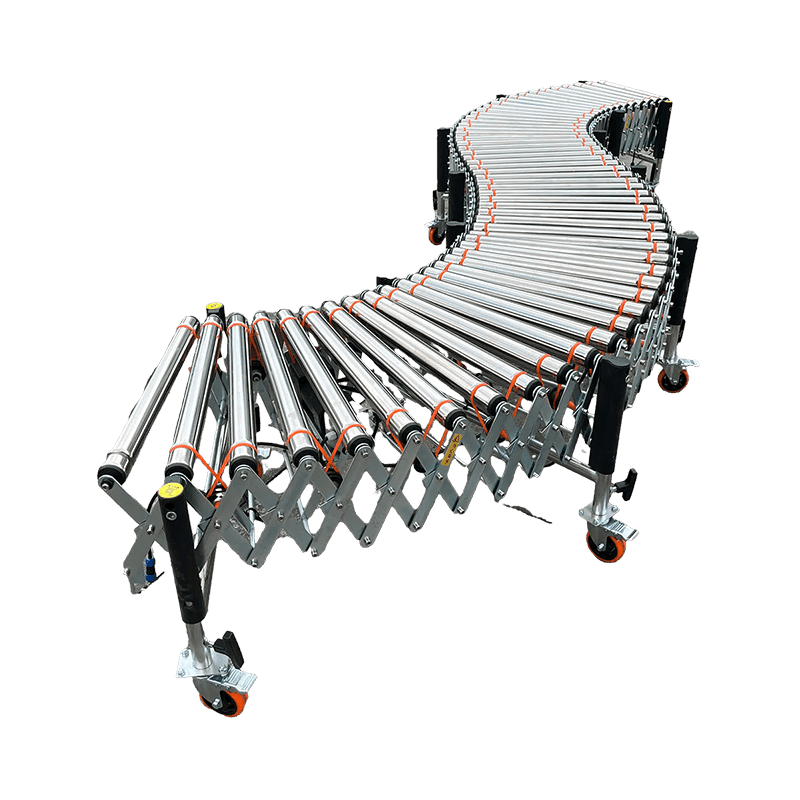
Série de convoyeurs à rouleaux motorisés
Convoyeur à rouleaux entraîné par courroie trapézoïdale
The O-shaped belt Powered Roller Conveyor uses an O-shaped belt drive design to achieve smooth and efficient cargo conveyance. The motor spacing is 1, 500 mm, the conveying load is 80 kg per meter, and the stable movement of goods is ensured. It is suitable for warehouses, factories, and logistics facilities, providing a reliable powered conveying solution. It can be freely telescoped and turned.
Vitesse
Régulation continue de la vitesse : 0,3 à 40 m/min
Capacité de charge
80 kg/m
Largeur effective
500/600/800/1 000 mm
Taux de rétraction
1:2.9
Marchandises concernées (poids maximal recommandé par article)
O-Belt Powered Roller Conveyor Maximum weight per item (reference)
Le poids maximal réel dépend des conditions d'utilisation et de la configuration spécifiques.
| Type de marchandises | Poids maximal (par article) |
|---|---|
Fût en plastique | 30 kg/pcs |
Fût métallique | 30 kg/pcs |
Carton | 30 kg/pcs |
Lancer | 30 kg/pcs |
Fût en plastique
Poids maximal (par article)
30 kg/pcs
Fût métallique
Poids maximal (par article)
30 kg/pcs
Carton
Poids maximal (par article)
30 kg/pcs
Lancer
Poids maximal (par article)
30 kg/pcs
Options du produit
O-Belt Powered Roller Conveyor Product Options
Choisissez les pièces en option, les éléments structurels et les configurations auxiliaires adaptés en fonction des conditions du chantier.
Aucune image disponible
#1 Le corps est en acier inoxydable 304.
Aucune image disponible
#2 : Équipé d'un moteur étanche.
Aucune image disponible
#3 : Passage à des moteurs antidéflagrants
Aucune image disponible
Armoire électrique étanche #4
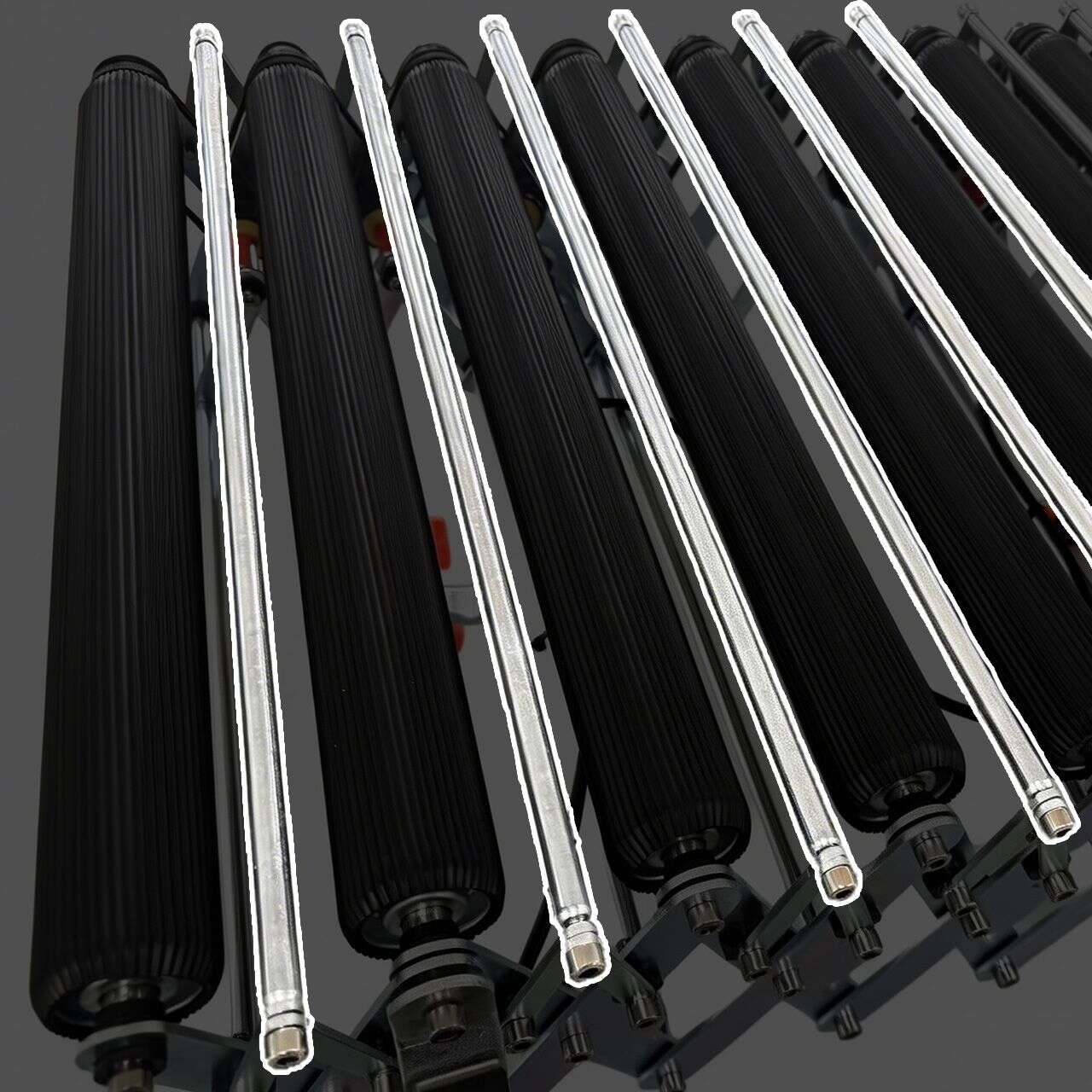
Barre d'écartement #5
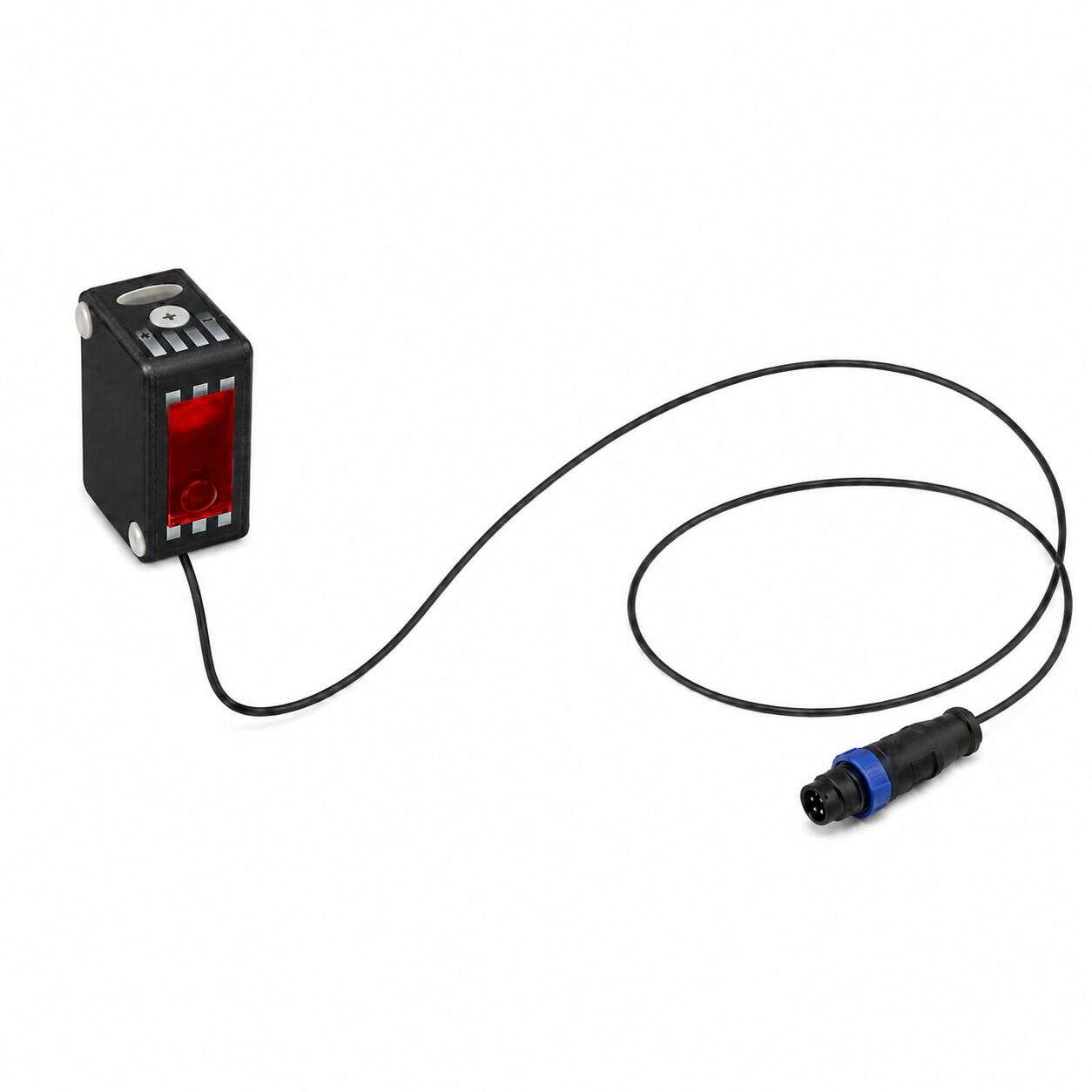
Capteur optique #6
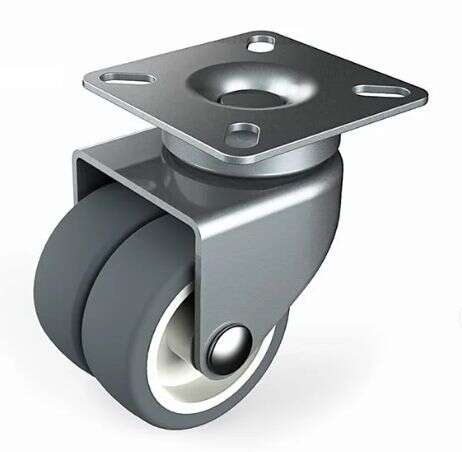
Roulette pivotante à double roue #7
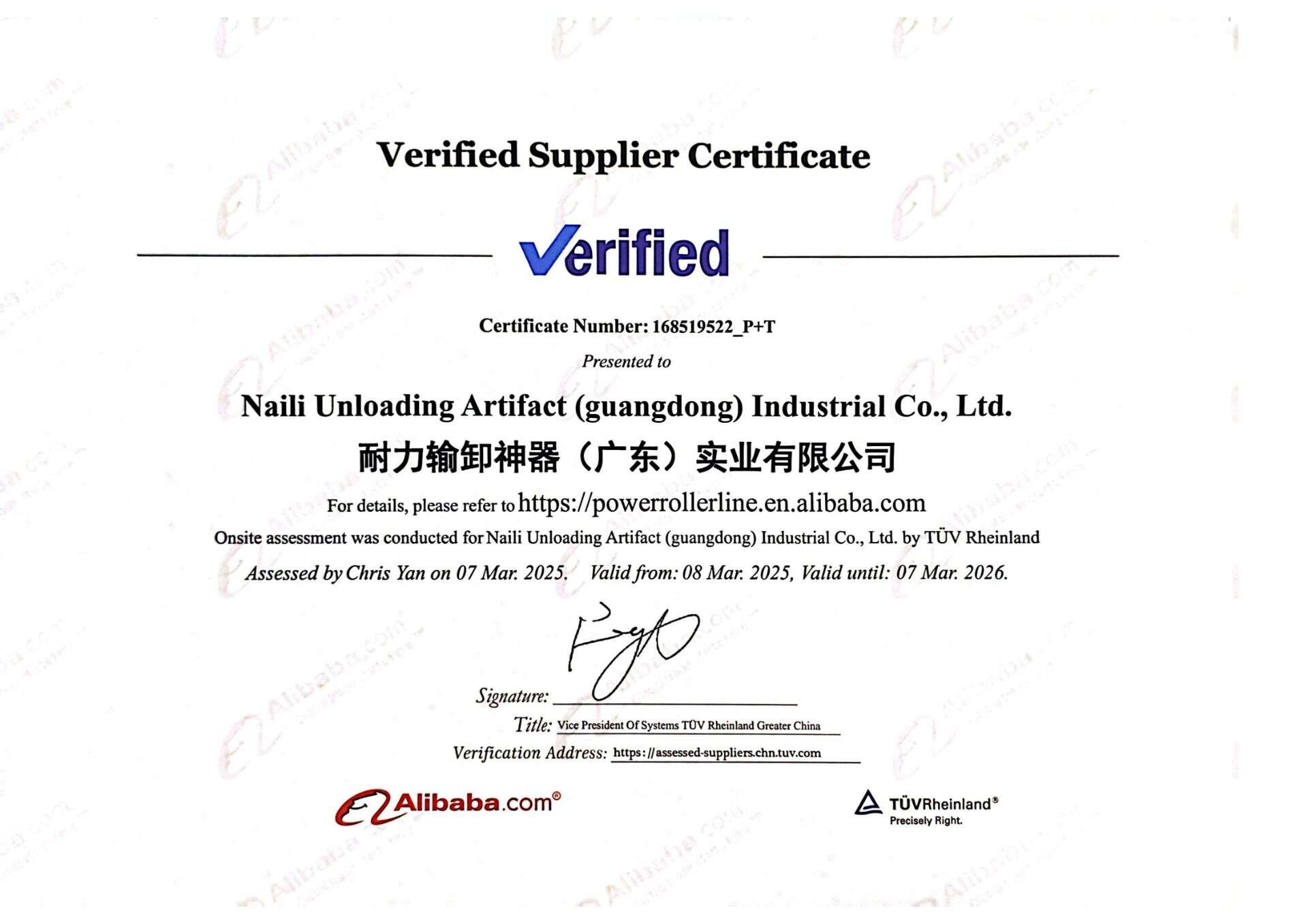
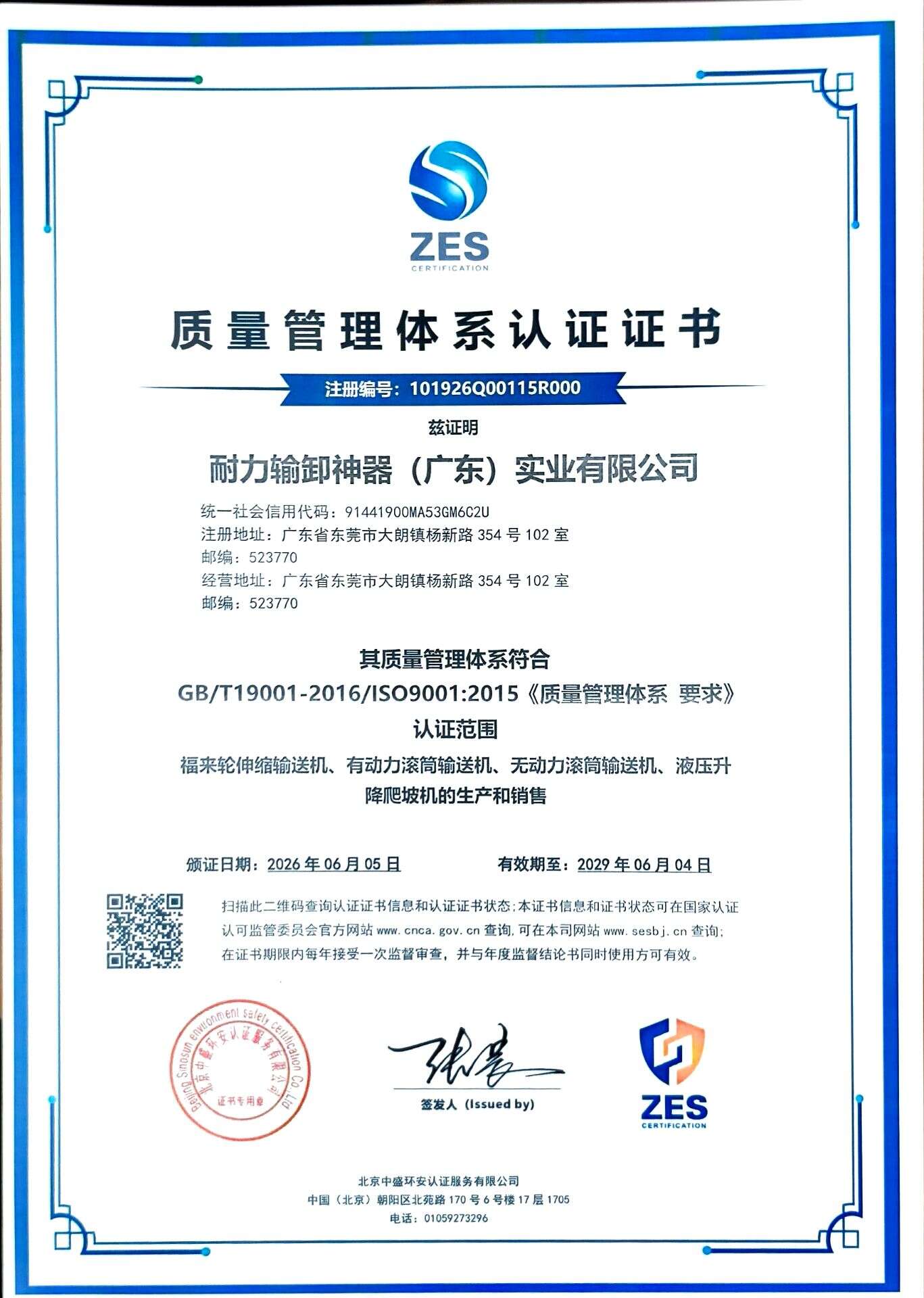
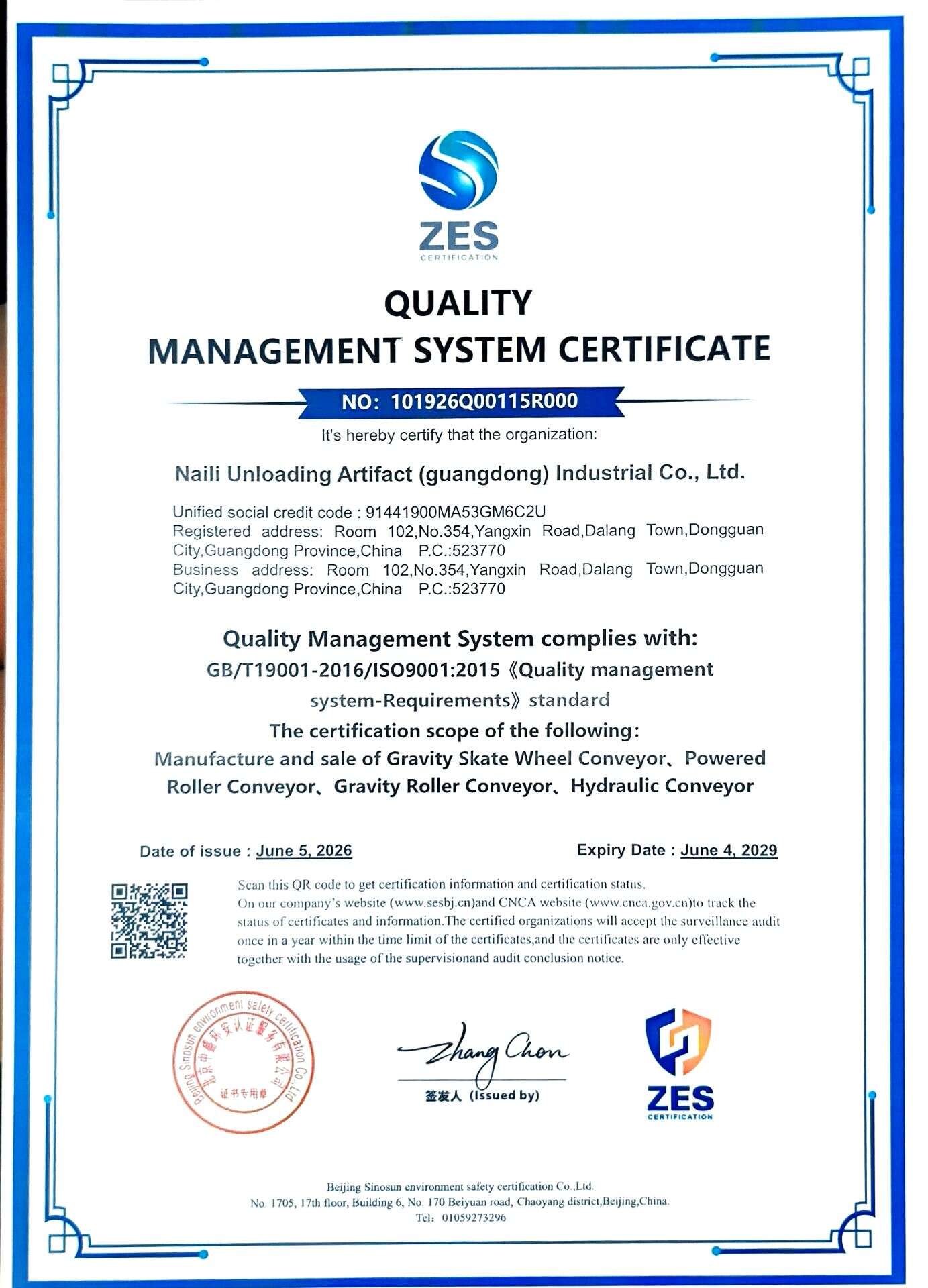
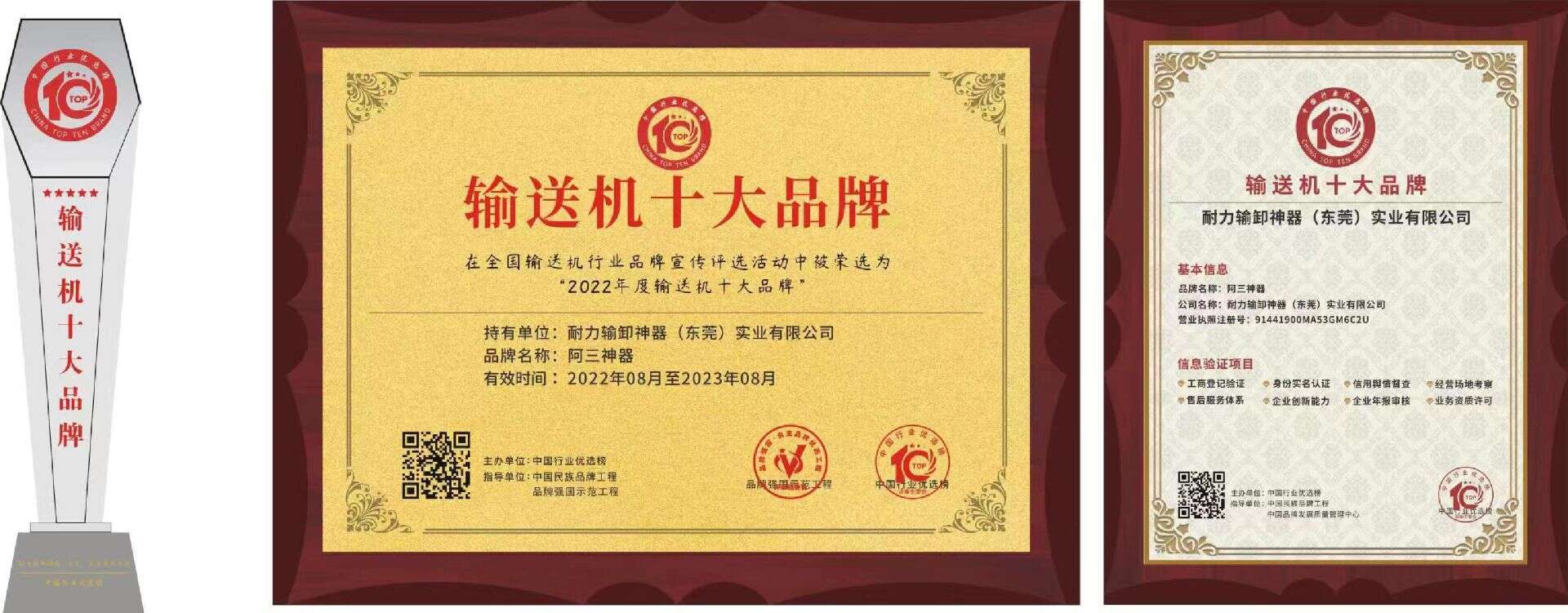
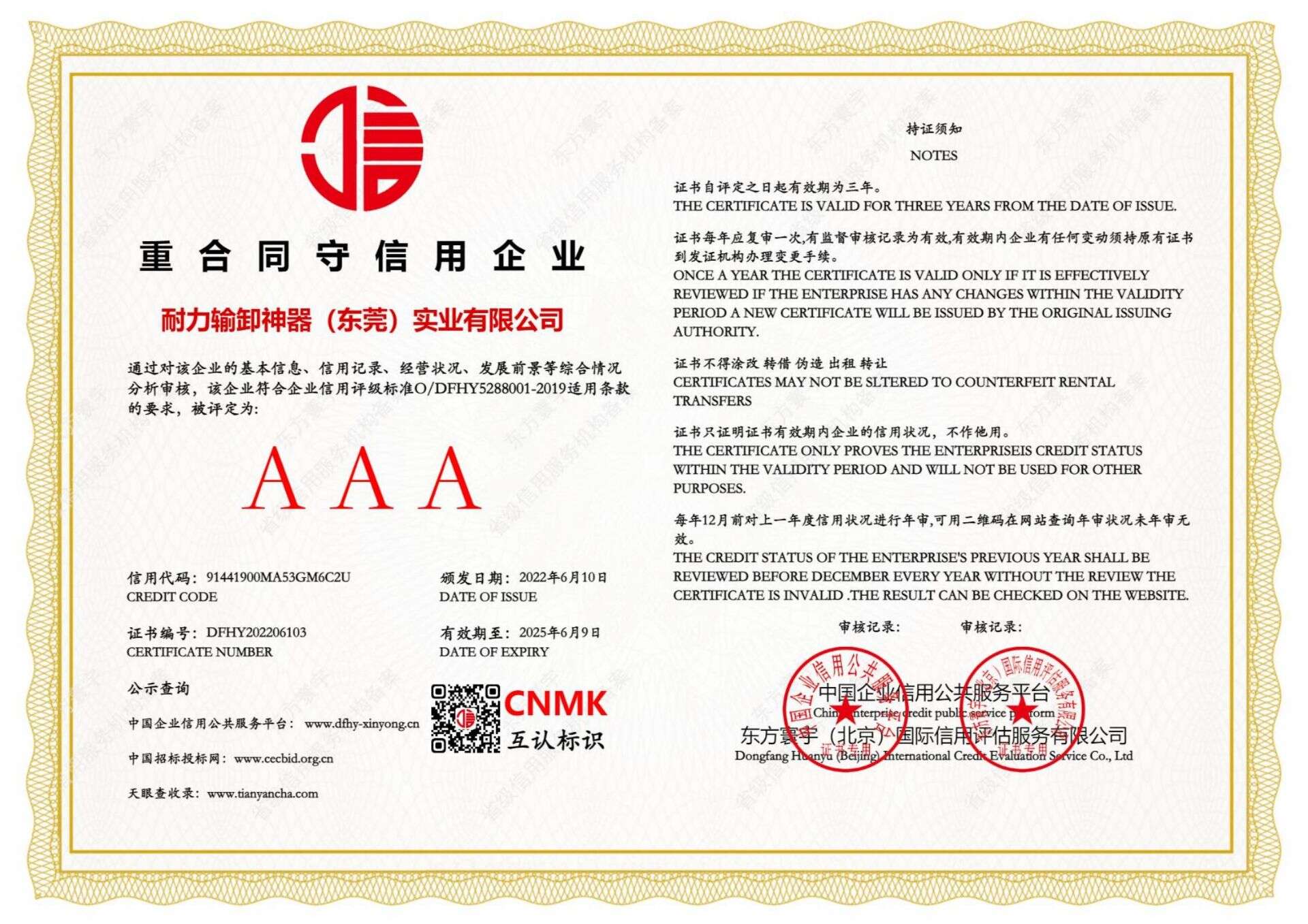
Certifications et rapports
O-Belt Powered Roller Conveyor Qualifications and Reports
Consultez les certificats, les rapports d'essai et les certificats de brevet relatifs à ce produit afin de vérifier plus facilement ses caractéristiques et ses fondements techniques.
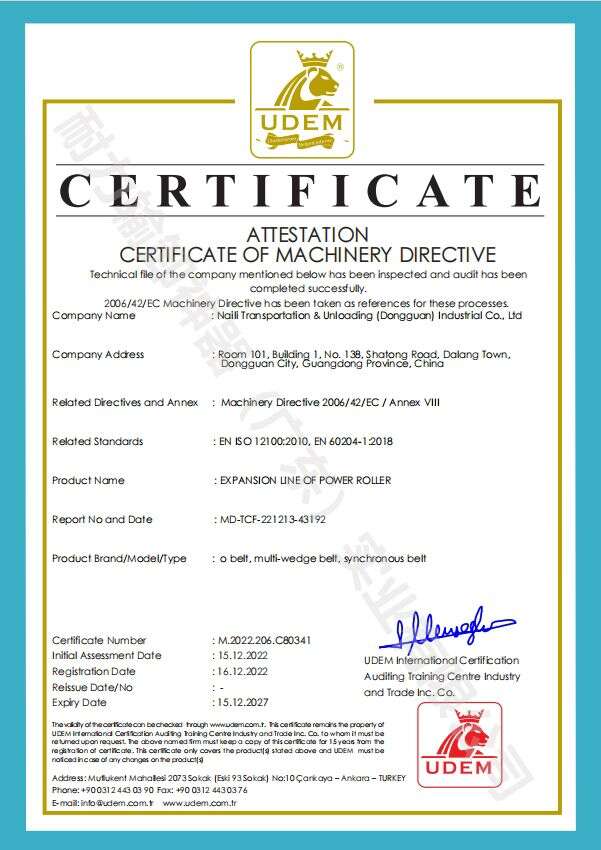
Certificats
Photos et vidéos réelles
O-Belt Powered Roller Conveyor Product Images
Consultez la configuration des équipements, leur état sur site et les détails de leur fonctionnement grâce à des galeries de photos et des vidéos.
Photos et vidéos réelles
O-Belt Powered Roller Conveyor Case Videos
Consultez la configuration des équipements, leur état sur site et les détails de leur fonctionnement grâce à des galeries de photos et des vidéos.
Photos et vidéos réelles
Vidéos de présentation des produits
Découvrez en un clin d'œil les principes de configuration et de fonctionnement de ce produit grâce à des vidéos consacrées à la sélection, à l'installation et à l'utilisation.
Puissance d'origine
Découvrez les équipements de production, l'environnement de l'atelier, la capacité de traitement et le contrôle qualité grâce à des photos et des vidéos réelles.
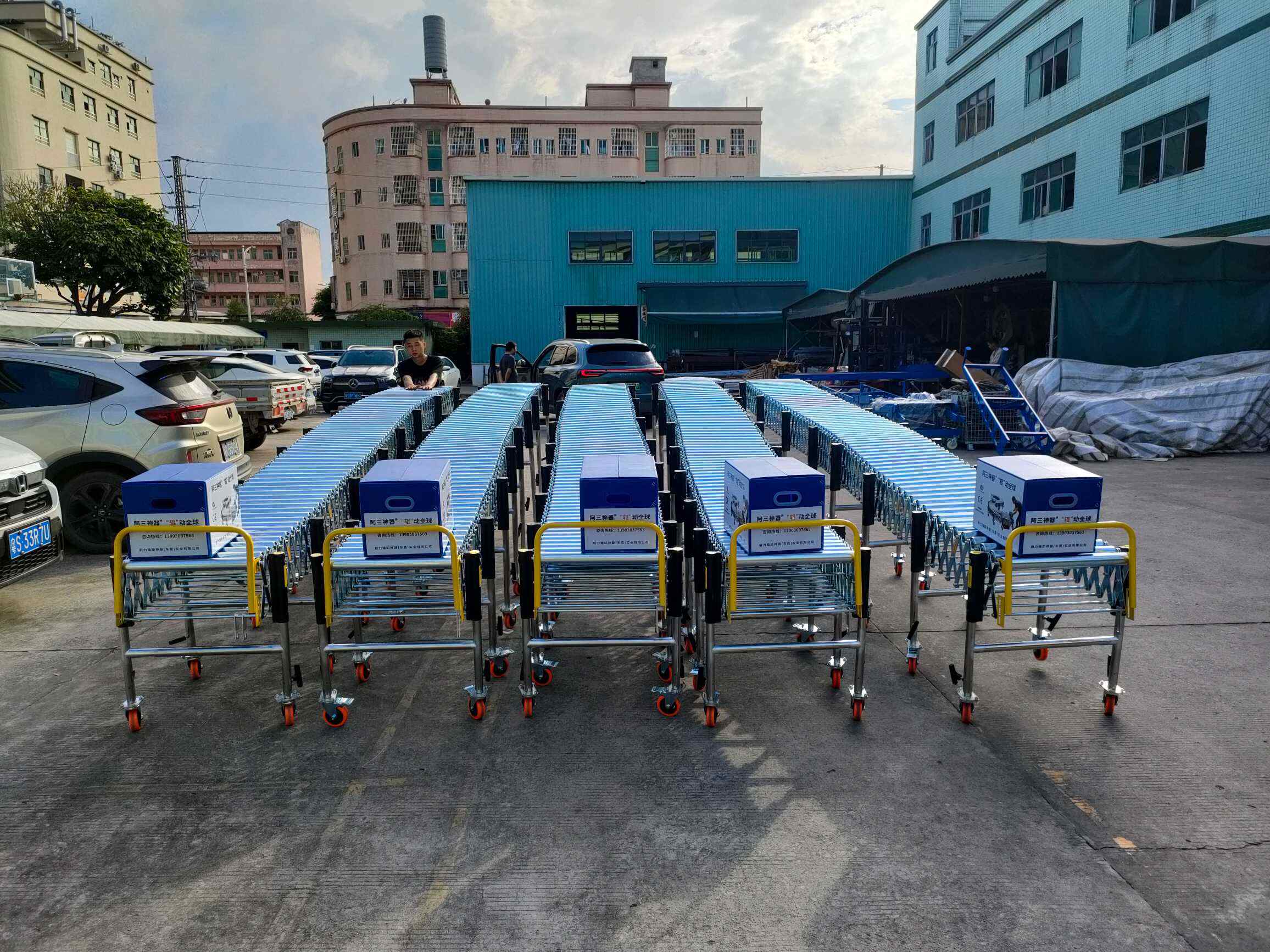
Image
Photo de l'usine n° 4
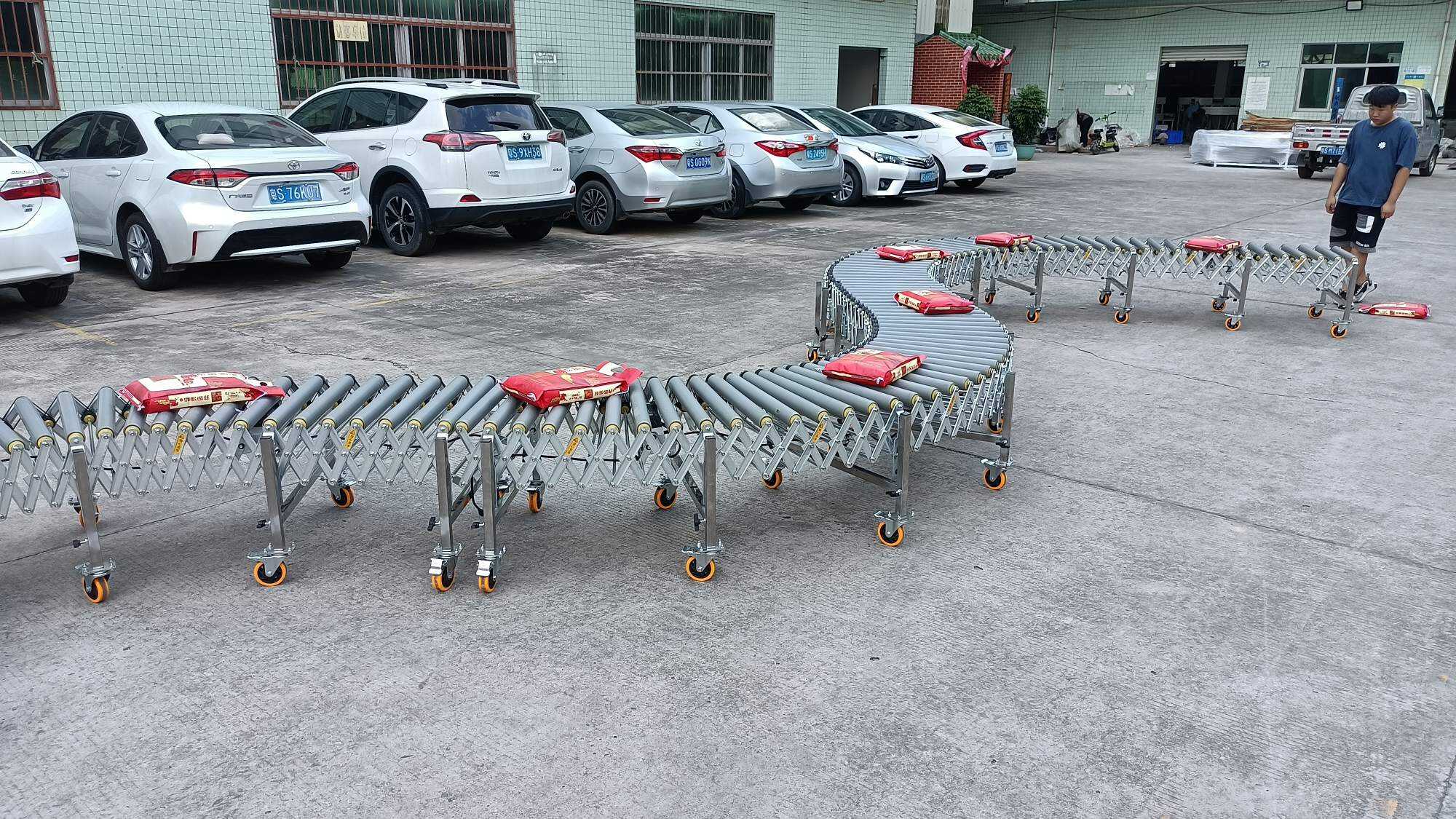
Image
Photo de l'usine 1
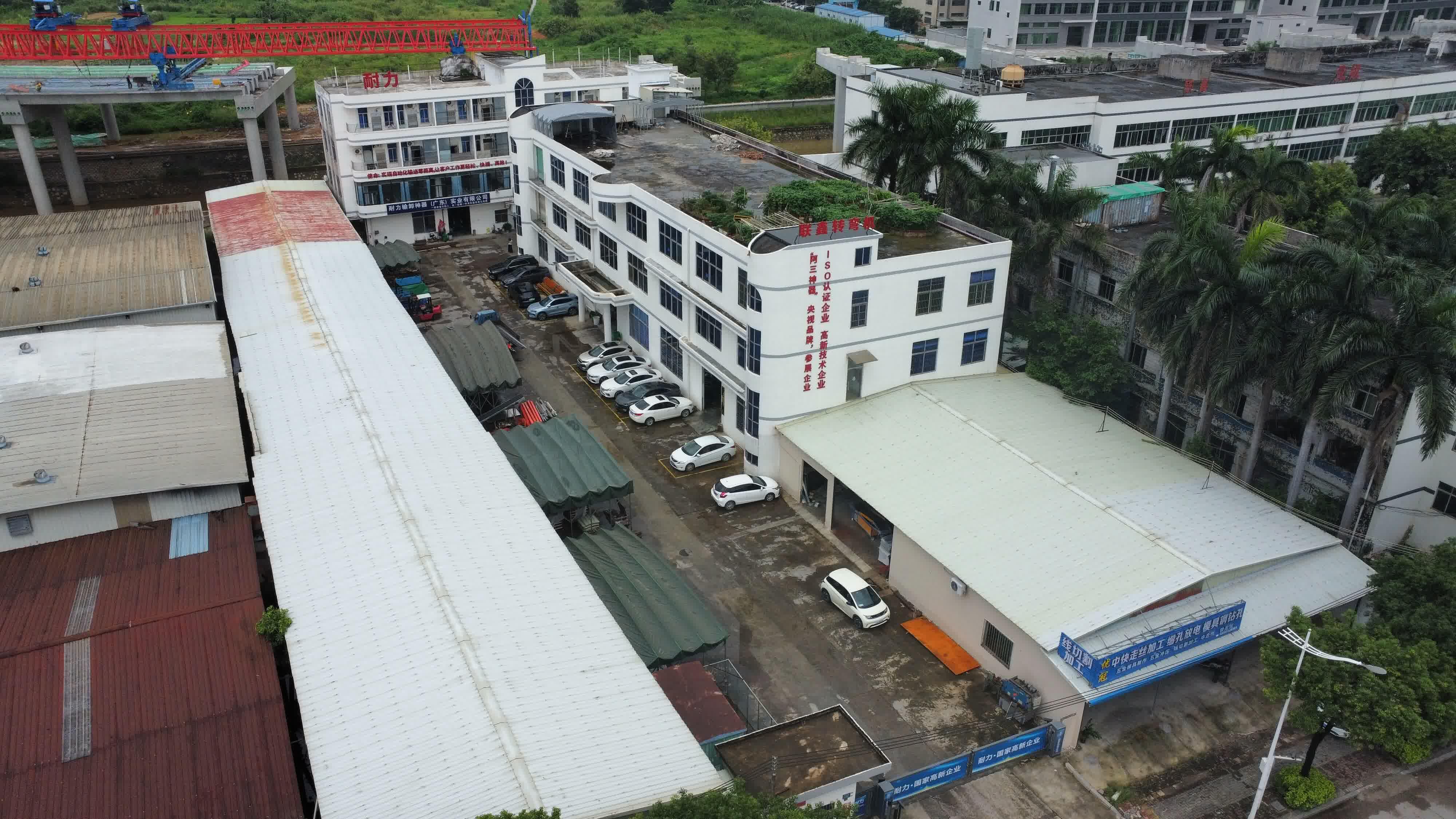
Image
Photo de l'usine n° 2
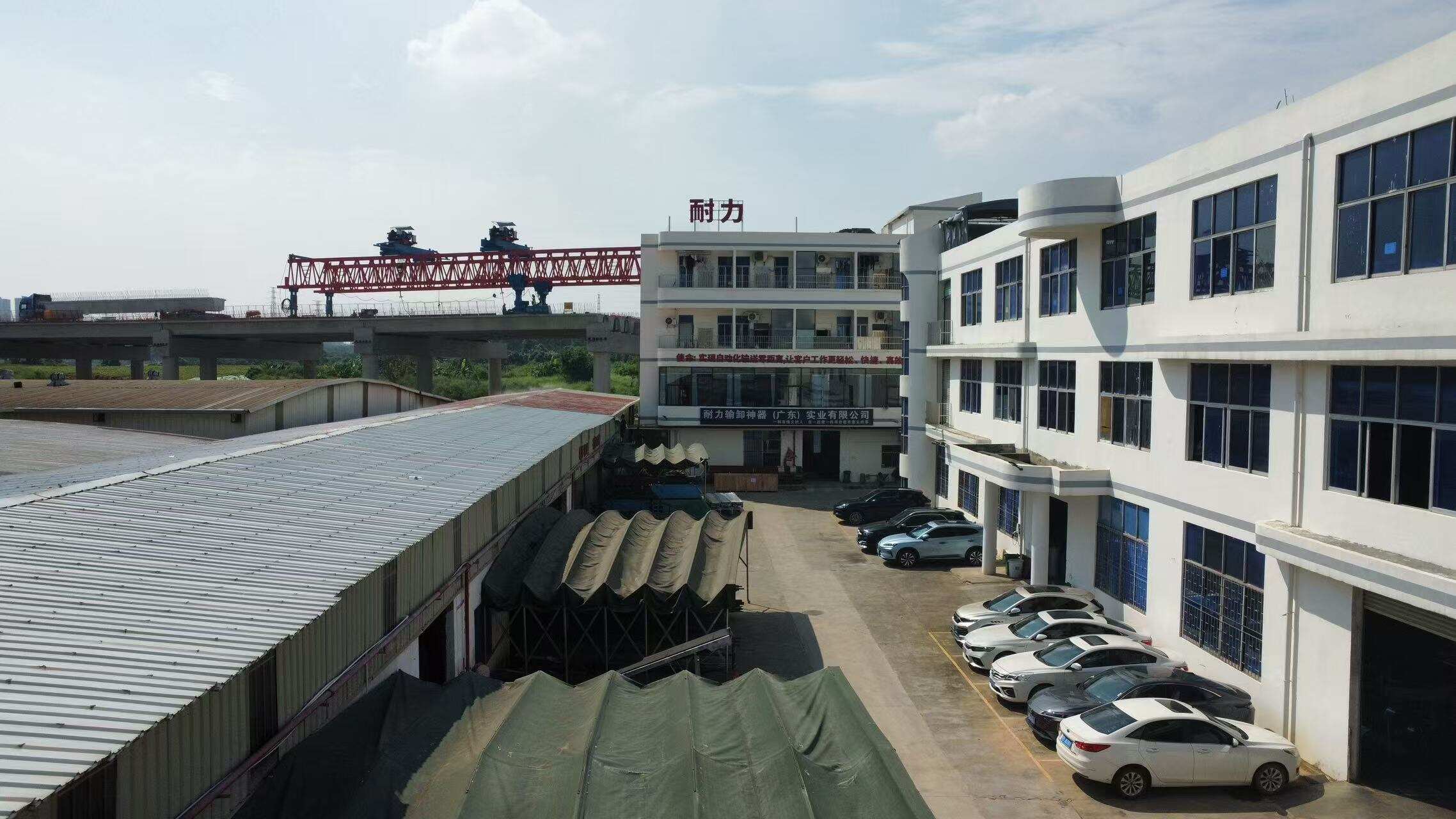
Image
Photo de l'usine n° 3
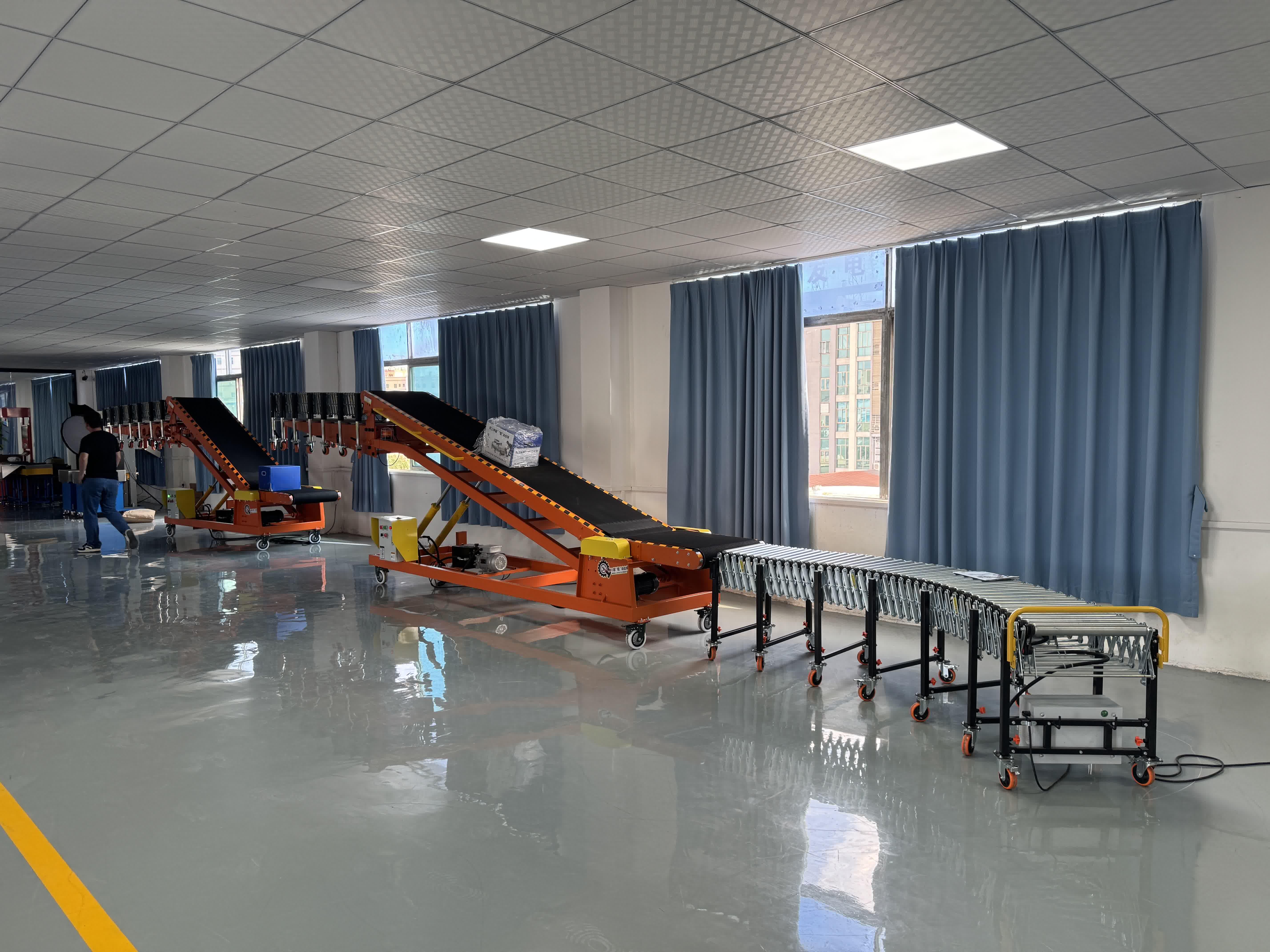
Image
Image principale de l'usine
Caractéristiques techniques
Caractéristiques et données techniques
Consultez les paramètres essentiels, les spécifications détaillées et les documents téléchargeables par modèle.
O-Belt Powered Roller Conveyor Technical Specifications
PRC-O-1.5
The O-belt Powered Roller Conveyor mainly solves the issues of horizontal conveying and routing between warehouse interiors, stocking areas, sorting areas, and loading/unloading areas. It is suitable for cartons, rolls, metal drums, plastic drums, and other goods with relatively stable shapes; it is easier to judge when the weight of each item is within 40 kg. Before purchase, first verify 4 boundary conditions: whether the bottom surface of the goods is suitable for roller passage, the effective width required on site, the footprint after full extension and after retraction, and whether the front and rear sections connect to manual handling, floor roller lines, or other conveying equipment.
Limites applicables au site et à la cargaison
This model is driven by an O-belt and is suitable for horizontal conveying in warehouses, factories, and logistics sites. Clearly defined cargo types include metal drums, plastic drums, rolls, and cartons, with each item weighing no more than 40 kg. If the bottom of the cargo is too soft, has discontinuous contact on the underside, has a high center of gravity, or has protruding shapes, the roller spacing, guiding method, and running stability must be confirmed first.
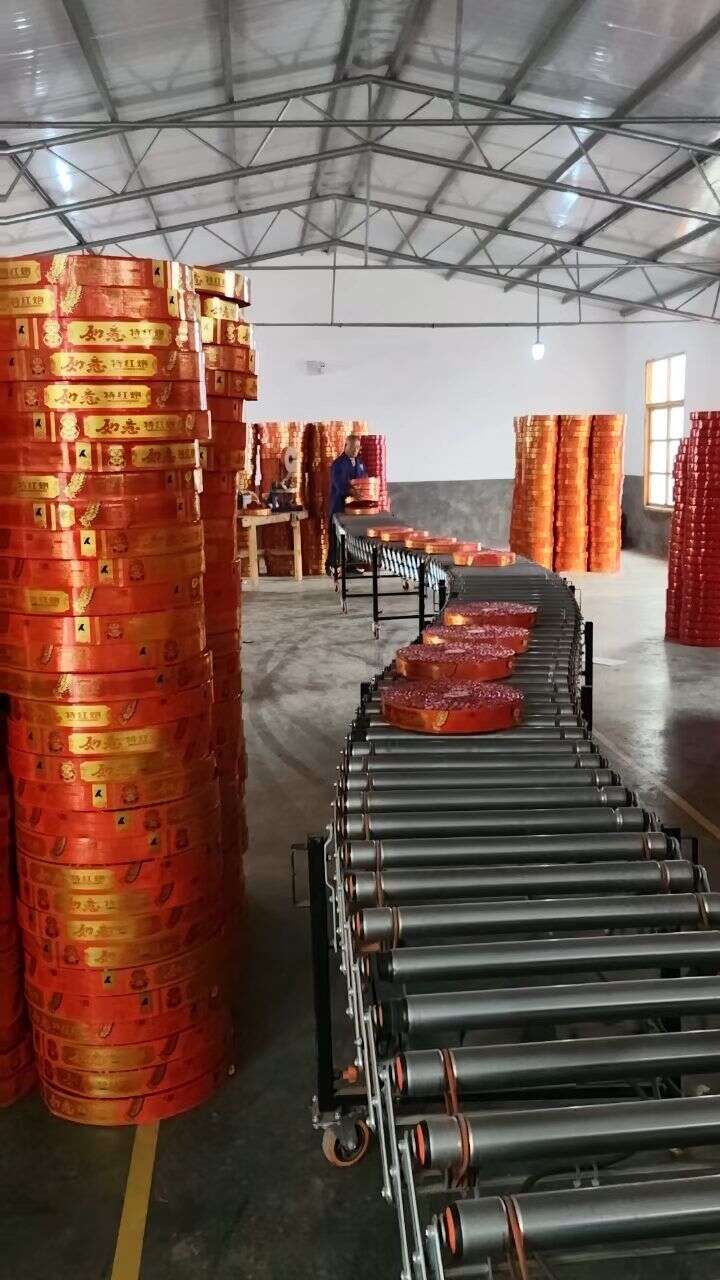
During on-site assessment, focus on the following items:
| Conditions sur le chantier | Évaluation | Mesure recommandée |
|---|---|---|
| Mainly cartons, rolls, and drum-type goods, with a relatively complete bottom surface | Adapté au transport par rouleaux | Select the model according to the effective width and load capacity per meter first |
| Each item weighs within 40 kg | Falls within the covered cargo range | Then verify the accumulated weight per unit length |
| The cargo will pass through the curved section | The turning radius and cargo shape must be checked at the same time | First confirm the longest side, shortest side, and passing posture |
| The aisle needs to go around pillars, run along walls, or avoid workstations | Extendable and bendable layout is meaningful | First confirm the parking position after retraction and the operating range after extension |
| The bottom surface of the cargo is uneven, prone to sinking, or subject to compression | Engineering confirmation required | Reconfirm the roller type or conveying method |
If the site needs to cross floors, lift to the second level, or convey from the ground to a high-level workstation, this type of horizontal powered roller line on this page usually needs to be connected in segments with lifting equipment; see Convoyeur vertical de type C, 50 kg/m ou Convoyeur vertical de type Z, 50 kg/m.
Comment interpréter les paramètres clés
For this type of equipment, there is no need to look at every dimension first; just confirm the parameters that have the greatest impact on the site. This model group is currently specified for 1.5 m per section models, and the main parameters are as follows:
| Paramètre | Incidence sur le choix du modèle | How to Confirm on Site |
|---|---|---|
| Base length A: 525 mm | Affects the footprint and parking space when retracted | Check the length of the parking area when the equipment is idle |
| Fully extended length C: 1500 mm | Affects the coverage distance after a single section is extended | Measure the straight or curved distance between the channel and the workstations |
| Extension ratio: 1: 2.86 | Affects the extension and retraction range | Check both the operating length and the non-operating length |
| Largeur utile : 500/600/800/1 000 mm | Determines the maximum width of goods that can pass through | Confirm based on the maximum bottom dimensions of the goods and the clearance needed for manual straightening |
| Load capacity: 80 kg/m | Determines the maximum load per unit length | Estimate based on the spacing between goods, stacking method, and the number of items on the conveyor at the same time |
| Vitesse : 0,3 à 40 m/min | Determines the conveying rhythm and how it works with manual handling | Confirm according to the pace of packing, sorting, and receiving |
Also note two points:
- The per-piece goods limit and the load per meter are two different concepts. The per-piece weight of goods covered on this page is within 40 kg, while the entire conveyor line must also meet the 80 kg/m load limit.
- If the on-site plan involves multiple sections combined together, the total extended length, total retracted length, and the number of gear motors must be confirmed based on the number of sections. It is not advisable to extrapolate the entire line layout directly from single-section data.
Turning and Extension Layout Confirmation
One practical value of this model is that on-site aisles are not always straight. The equipment is extendable and turnable, making it suitable for avoiding racks, columns, doorways, and temporary stacking areas, and it can also be retracted when not in use.
When arranging turning and extension, it is recommended to confirm in the following order:
- First confirm whether the starting point and end point of the operation are fixed.
- Then confirm whether the middle aisle needs to be routed around obstacles.
- Next, confirm the maximum distance that needs to be covered when fully extended.
- Finally, confirm whether the parking area after retraction will occupy the fire lane, forklift lane, or pedestrian passage.
If the goods pass through in a curved state, the key is not only to confirm that the equipment can turn, but also to check the width of the goods' bottom surface, length, and center of gravity position. When drums and rolled goods pass through curved sections, it is usually necessary to confirm whether manual straightening, positioning stops, or reduced-speed passage are required. The stand height can be adjusted manually, and the unit is equipped with swivel casters with foot-activated locking wheels, making it easy to move and position; after moving, lock it first before conveying.
How to Connect the Front and Rear Sections
O-type belt Powered Roller Conveyor is commonly used for connections between workshop interiors, warehouse aisles, and loading and unloading areas. There are usually three ways to arrange the front and rear sections:
- For manual loading and unloading: focus on confirming the operating platform height, operator position, and clearance on both sides.
- For connecting to a floor roller line: focus on confirming consistent width, consistent line height, and consistent cargo flow direction.
- For connecting to other conveying equipment: focus on confirming interface height, cycle time, and changes in cargo posture.
If the upstream or downstream process requires a longer in-warehouse horizontal conveying distance, you can also refer to the following model in the same Powered Roller Conveyor category: Multi-rib Belt Powered Roller Conveyor; if the cargo is heavier and the drive method needs to be confirmed based on chain-drive principles, you can refer to Convoyeur à rouleaux entraîné par chaîne.
If there is a height difference between the truck body and the ground at the site, this unit usually handles the horizontal section outside the vehicle, while the height-difference section requires a separate incline conveyor. See Convoyeur hydraulique de taille moyenne.
For related site applications, see Fireworks Warehouse O-Belt Roller Conveyor Solution.
How to distinguish between similar Powered Roller Conveyor models
Within the Powered Roller Conveyor category, first distinguish them by cargo form, conveying distance, and drive method:
- This model is mainly used for horizontal conveying of relatively stable cargo forms such as cartons, rolls, metal drums, and plastic drums, while also supporting extension, turning, and on-site movement.
- Multi-rib Belt Powered Roller Conveyor It is suitable for scenarios that require a longer line layout, straight sections in warehouses, or combined conveying sections, where connection length and layout method are usually more critical.
- Convoyeur à rouleaux entraîné par chaîne It is suitable for working conditions that need to be confirmed based on a chain-drive structure, and when purchasing, more attention should be paid to drive segmentation, cargo weight, and line structure.
If the site mainly involves "moving, folding away, detouring, or temporary line changes, " this O-belt type is easier to judge; if the focus is on "long fixed lines, segmented structure, and heavy-duty drive, " then the comparison should focus on other Powered Roller Conveyor models in the same category. When a single item exceeds 40 kg or the unit load exceeds 80 kg/m, the load capacity and conveying method need to be confirmed again.
Confirmation préalable à l'achat
When discussing a purchase, explain the following information clearly at once so the solution will be closer to the actual site:
| Informations à fournir | Why it needs to be confirmed |
|---|---|
| Cargo type: cartons, rolls, metal drums, plastic drums | Determine the bottom contact method and passage stability |
| Maximum weight per item, longest side, minimum bottom dimensions | Determine effective width, roller passability, and turning posture |
| Required deployed length and folded storage length on site | Determine the number of sections, extension ratio, and floor space |
| Need a straight layout, a single bend, or multiple bends | Determine aisle compatibility and number of turns |
| Names, width, and height of upstream and downstream equipment | Determine interface position and connection method |
| Operating method: manual receiving, manual loading, or intermediate buffering | Determine speed range and operator position |
| Whether frequent movement is required | Determine caster layout, locking positions, and parking area |
FAQ:
1. Is it suitable for drums and coil-wound goods?
It is suitable for metal drums, plastic drums, and coil-wound goods, but the weight per item should be kept within 40 kg, and the stability of the bottom contact should be checked, especially the posture when passing through curved sections.
2. Which load-bearing conditions need to be confirmed?
First, the weight per item; second, the total weight per unit length. This model group has a clear load capacity of 80 kg/m. If multiple items are concentrated over a short distance, it needs to be checked again.
3. How should the effective width be selected?
It can be confirmed from 500/600/800/1000 mm. It is usually determined based on the maximum bottom dimensions of the cargo, with extra allowance for manual straightening and deviation correction.
4. What is most likely to be overlooked in a turning layout?
The easiest thing to overlook is the sweep space of the cargo outline in the curved section, as well as the parking area after retraction. On site, you should measure not only the aisle width, but also the clearance on the inside and outside of the curve.
5. What length information should be provided before purchase?
At minimum, provide whether you need a single section or a multi-section combination, the total deployed length during operation, and the allowed length when parked. For multi-section combinations, the total extended length, total retracted length, and the number of geared motors must be confirmed according to the final solution.