









| Dimensions globales de la machine et paramètres structurels | ||
| Nom du paramètre | Spécifications/Paramètres | Remarques |
| Longueur totale | 5400 mm | |
| Longueur de la section en pente | 2500 mm | |
| Longueur de la plate-forme inférieure | 850 mm | |
| Support Frame Length | 2 000 mm | |
| Capacité de charge | 80 kg/m | |
| Vitesse de transport | 30 m/min | |
| Largeur effective | 600 mm / 800 mm | |
| Diamètre du rouleau | Drive Roller: 130 mm Driven Roller: 45 mm |
|
| Diamètre de l'âme de l'arbre | Drive Shaft Core: 35 mm Driven Shaft Core: 15 mm |
|
| Corps principal du convoyeur | Épaisseur : ≥ 3,0 mm Matériau : Q345 Process: Surface electrostatic spraying |
|
| Châssis de l'équipement | Épaisseur : ≥ 3,0 mm Matériau : Q235B 14# Process: Surface electrostatic spraying |
|
| Configuration de l'alimentation / du convertisseur / du système hydraulique / des commandes | ||
| Nom du paramètre | Spécifications/Paramètres | Remarques |
| Conveying Motor (Belt Operation) | 750 W 50 Hz 220/380 V |
|
| Modèle d'onduleur | AS2-107 1 HP 1,5 kW 220/380 V |
|
| Pompe hydraulique | YS90L-4 50 Hz 2,2 kW 220/380 V |
|
| Vérin hydraulique | Diamètre extérieur : 60 mm Diamètre de la tige de piston : 28 mm Course : 700 mm Poussée : 5 tonnes |
|
| Matériau des conduites d'huile | Tuyau hydraulique en fibre à double paroi conforme à la norme SAE, résistance à la pression : 53 MPa | |
| Matériau de la courroie | Bande antidérapante en PVC de 5,0 mm, noire, motif gazon (résistante à l'usure) | |
| Mode de transmission | Engagement des pignons (chaîne #60) | |
| Boîtier de commande électrique | Conforme aux normes nationales applicables | |
| Panneau de configuration | Marche avant/Marche arrière Haut/Bas Arrêt d'urgence |
|
| Composants électriques | Protection contre les fuites, contacteur CA (marque grand public) | |
| Roulettes pour charges lourdes | Wheel width 50 mm, height 200 mm, full brake; designed according to load requirements | |
| Products That Can Be Matched with the Small Hydraulic Conveyor Top Bracket | ||
| Produit compatible | Maximum Sections | Maximum Extension Length |
| Convoyeur à roues de skate par gravité | 6 sections | 12.6 m |
| Convoyeur à rouleaux par gravité de 38 mm | 5 sections | 8.5 m |
| Convoyeur à rouleaux par gravité de 50 mm | 4 sections | 6 m |
| Convoyeur à rouleaux entraîné par courroie à plusieurs cales (2 m) | 3 sections | 6 m |
| Multi-Wedge Belt Powered Roller Conveyor(3 m) | 2 sections | 6 m |
| Convoyeur à rouleaux entraîné par courroie trapézoïdale | 5 sections | 7.5 m |
| Convoyeur à rouleaux motorisé recouvert de caoutchouc | 5 sections | 5.5 m |
| Garantie | ||
| Article | Durée | Remarques |
| Garantie sur l'ensemble de la machine | 1 an | |
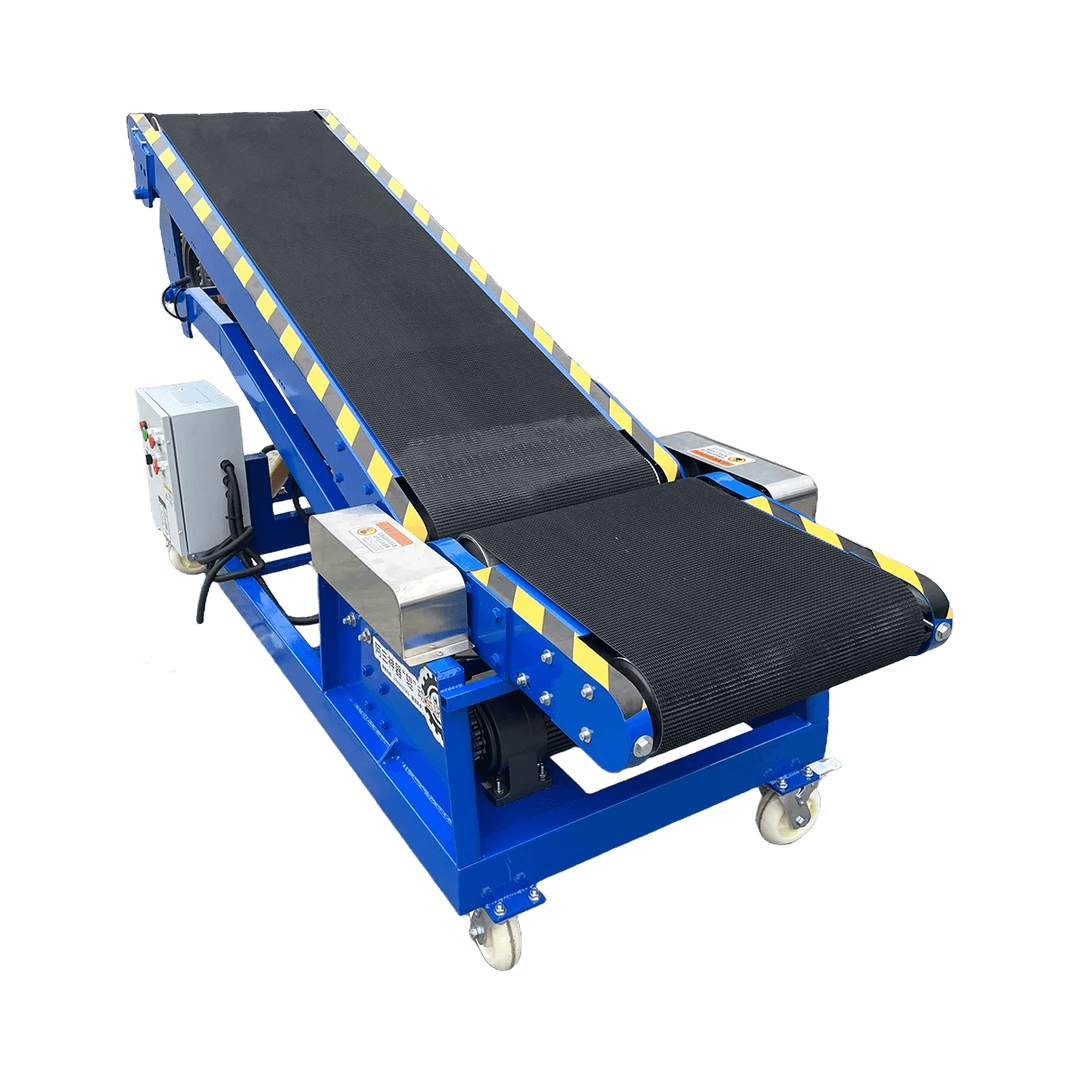
Série de convoyeurs hydrauliques
Petit convoyeur hydraulique
Small Hydraulic Conveyor is designed specifically for sites without a loading dock and is suitable for trucks with cargo beds up to 9.6 meters long. The hydraulic lifting system smoothly adjusts to different cargo-bed heights, enabling safe and efficient loading and unloading. The top bracket can be paired with a roller conveyor up to 9 meters long, allowing goods to be conveyed directly into the truck bed for continuous operation. Compact, reliable, and easy to operate, it is suitable for warehouses, factories, and logistics sites.
Capacité de charge
80 kg/m
Largeur effective
600/800/1 000 mm
Vitesse
Réglage en continu de la vitesse de 0,3 à 30 m/min
Hauteur du plateau du camion
up to 1.4 m truck bed height
Dimensions du camion
up to 9.6 m trucks
S'étendre à l'intérieur du camion
extends up to 8 m into the truck
Marchandises concernées (poids maximal recommandé par article)
Small Hydraulic Conveyor Maximum weight per item (reference)
Le poids maximal réel dépend des conditions d'utilisation et de la configuration spécifiques.
| Type de marchandises | Poids maximal (par article) |
|---|---|
Fût métallique | 50 kg/pièce |
Fût en plastique | 50 kg/pièce |
Lancer | 50 kg/pièce |
Carton | 50 kg/pièce |
En sachet | 50 kg/pièce |
Fût métallique
Poids maximal (par article)
50 kg/pièce
Fût en plastique
Poids maximal (par article)
50 kg/pièce
Lancer
Poids maximal (par article)
50 kg/pièce
Carton
Poids maximal (par article)
50 kg/pièce
En sachet
Poids maximal (par article)
50 kg/pièce
Options du produit
Small Hydraulic Conveyor Product Options
Choisissez les pièces en option, les éléments structurels et les configurations auxiliaires adaptés en fonction des conditions du chantier.
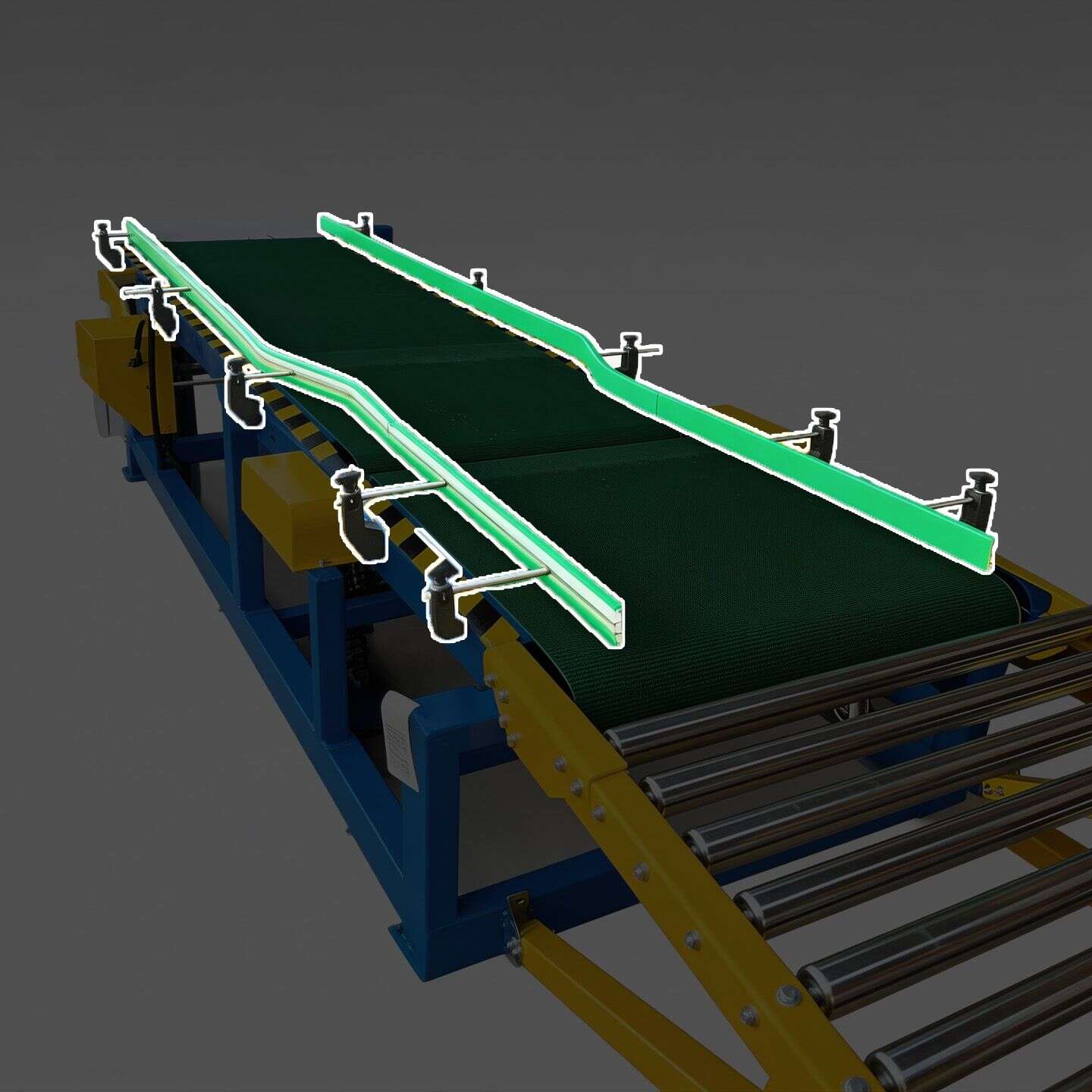
#1 : Garde-corps pour convoyeur incliné
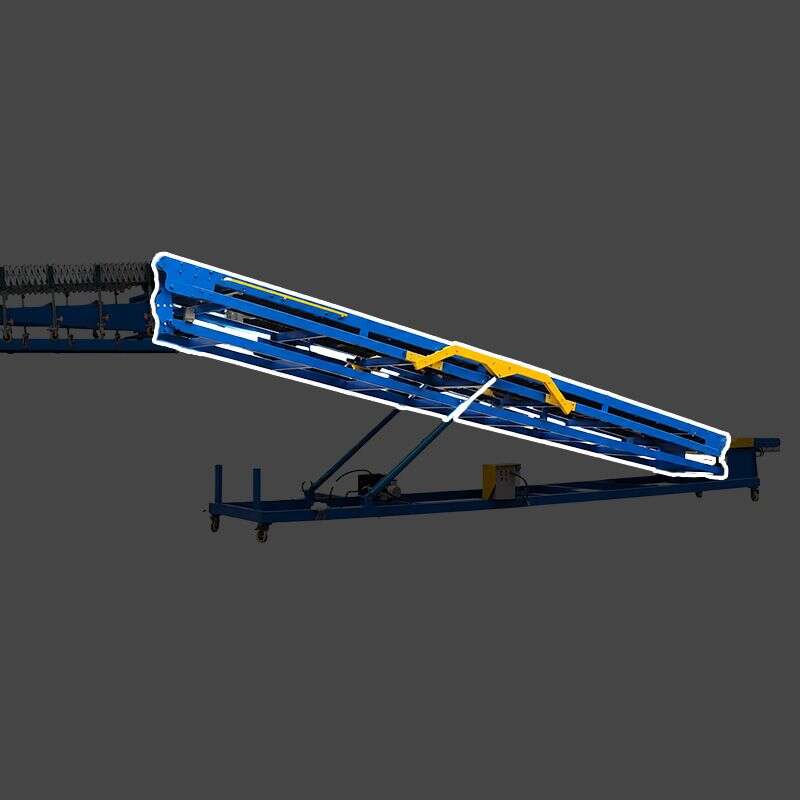
Rallonge pour convoyeur incliné #2
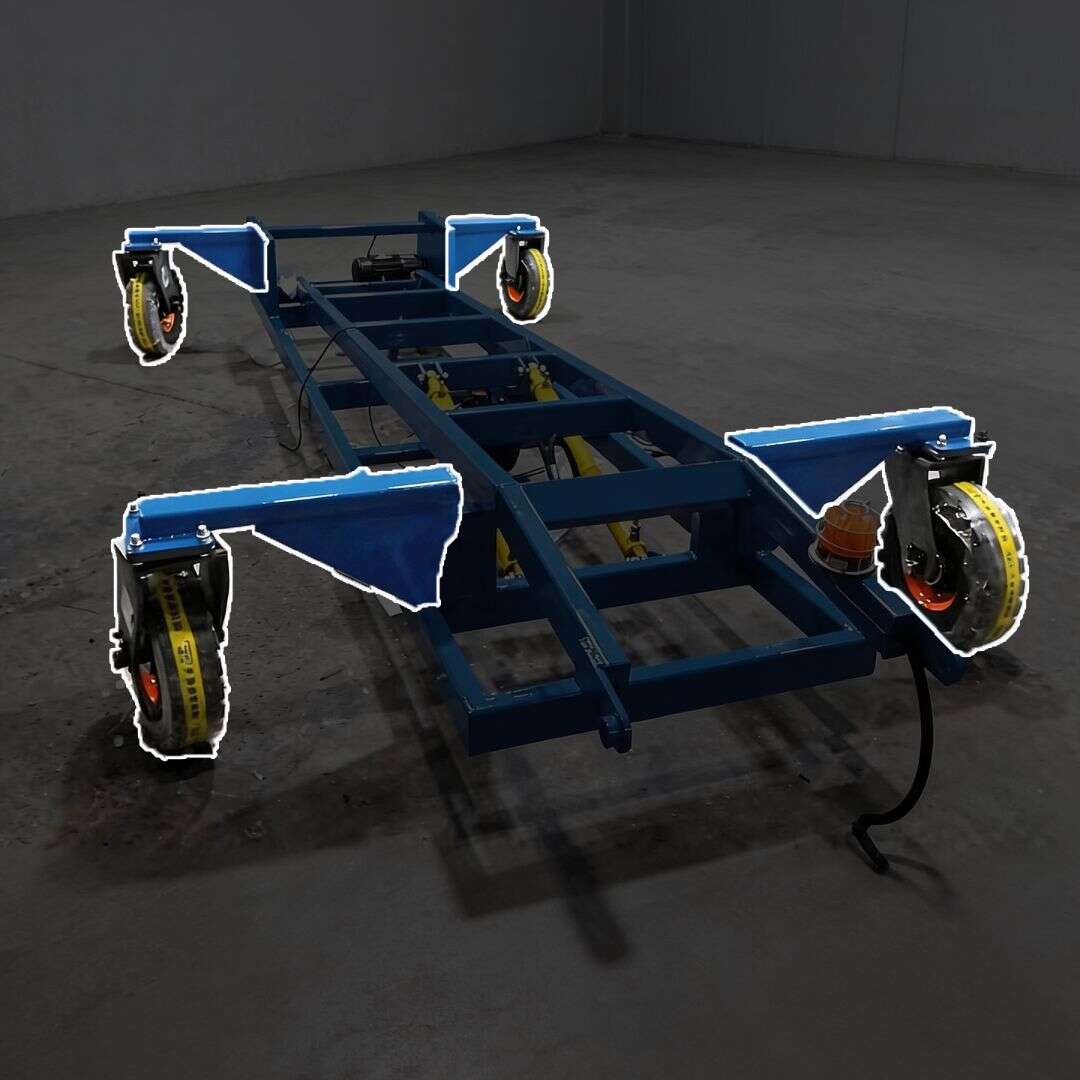
Roulettes #3 remplacées par des roulettes en caoutchouc de 450 mm de diamètre
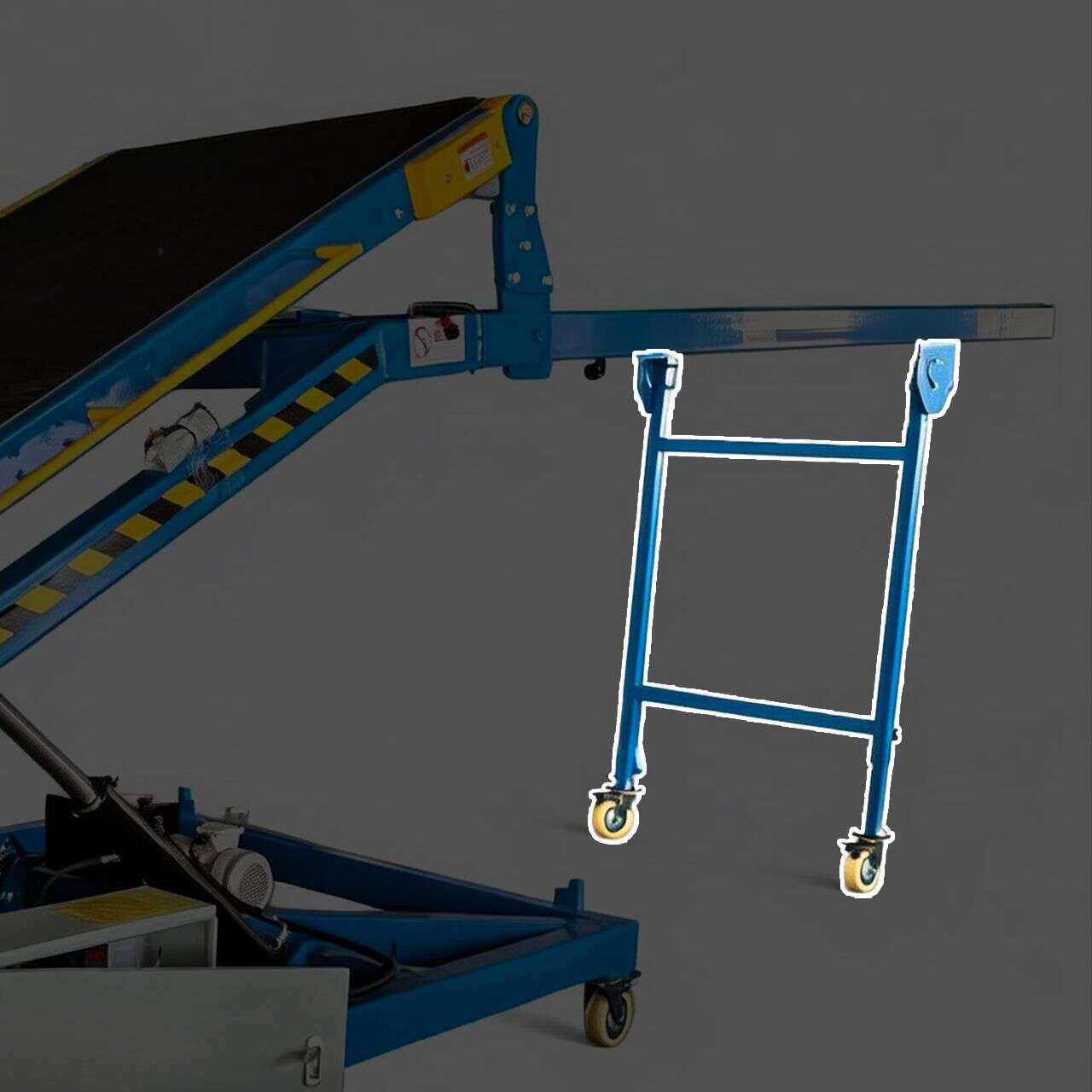
Pieds de soutien #4 pour le support supérieur
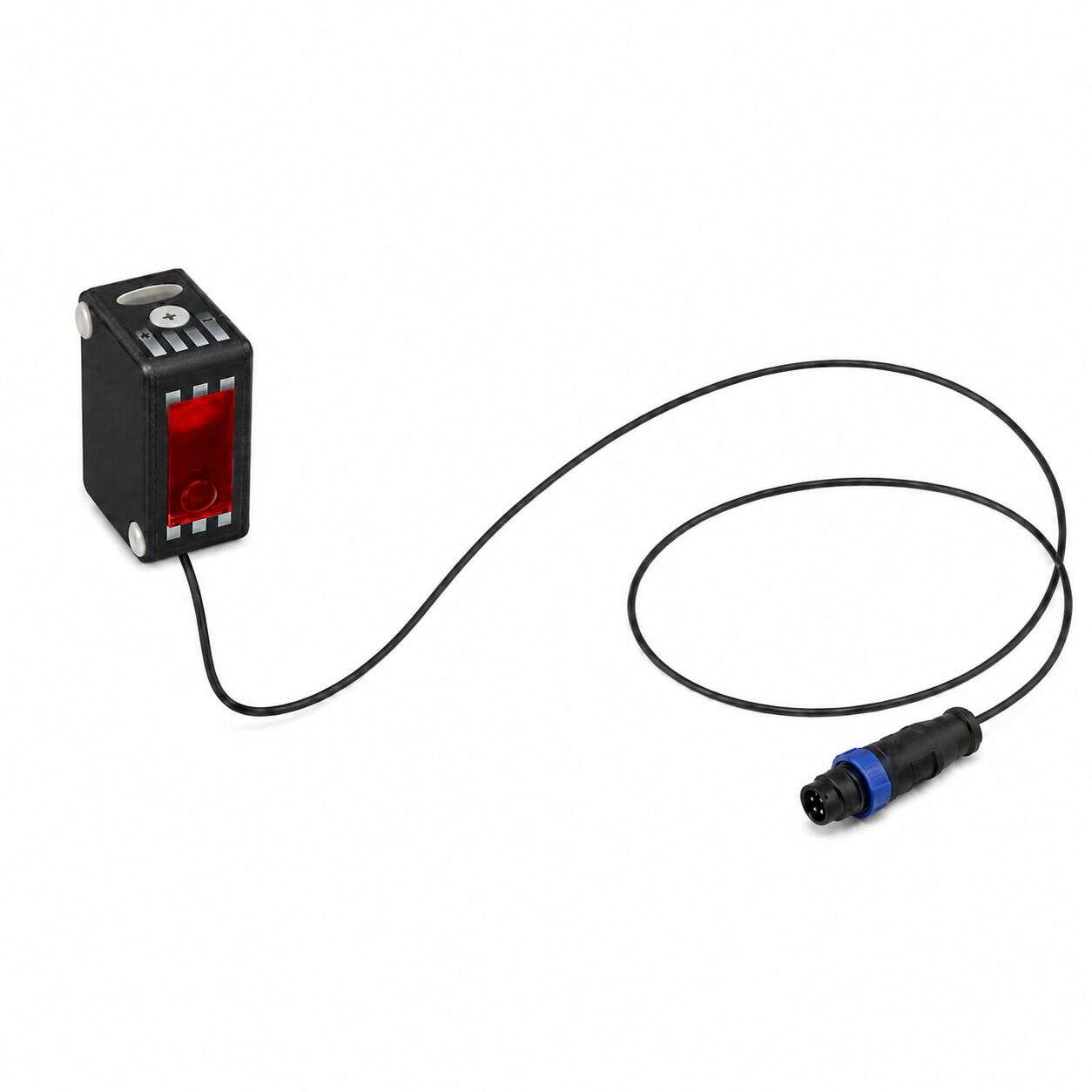
Capteur optique #5
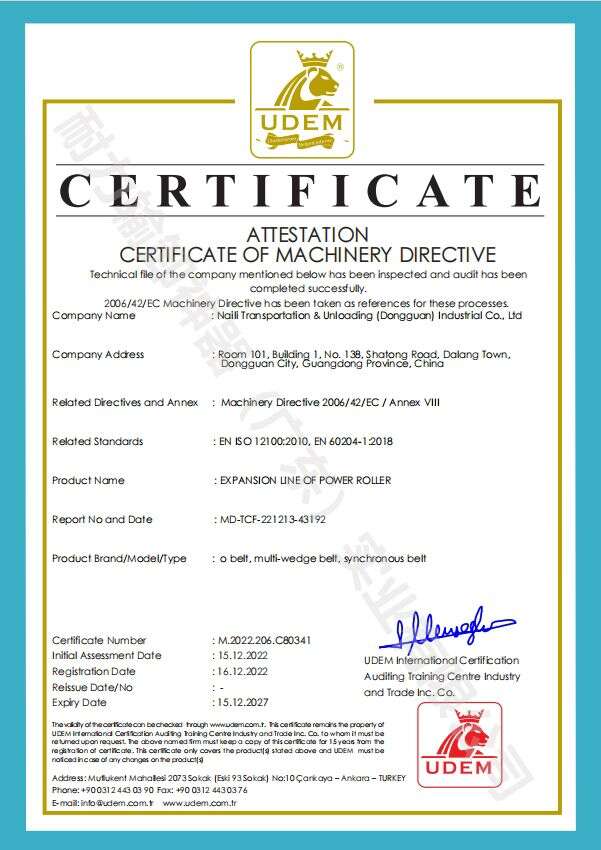
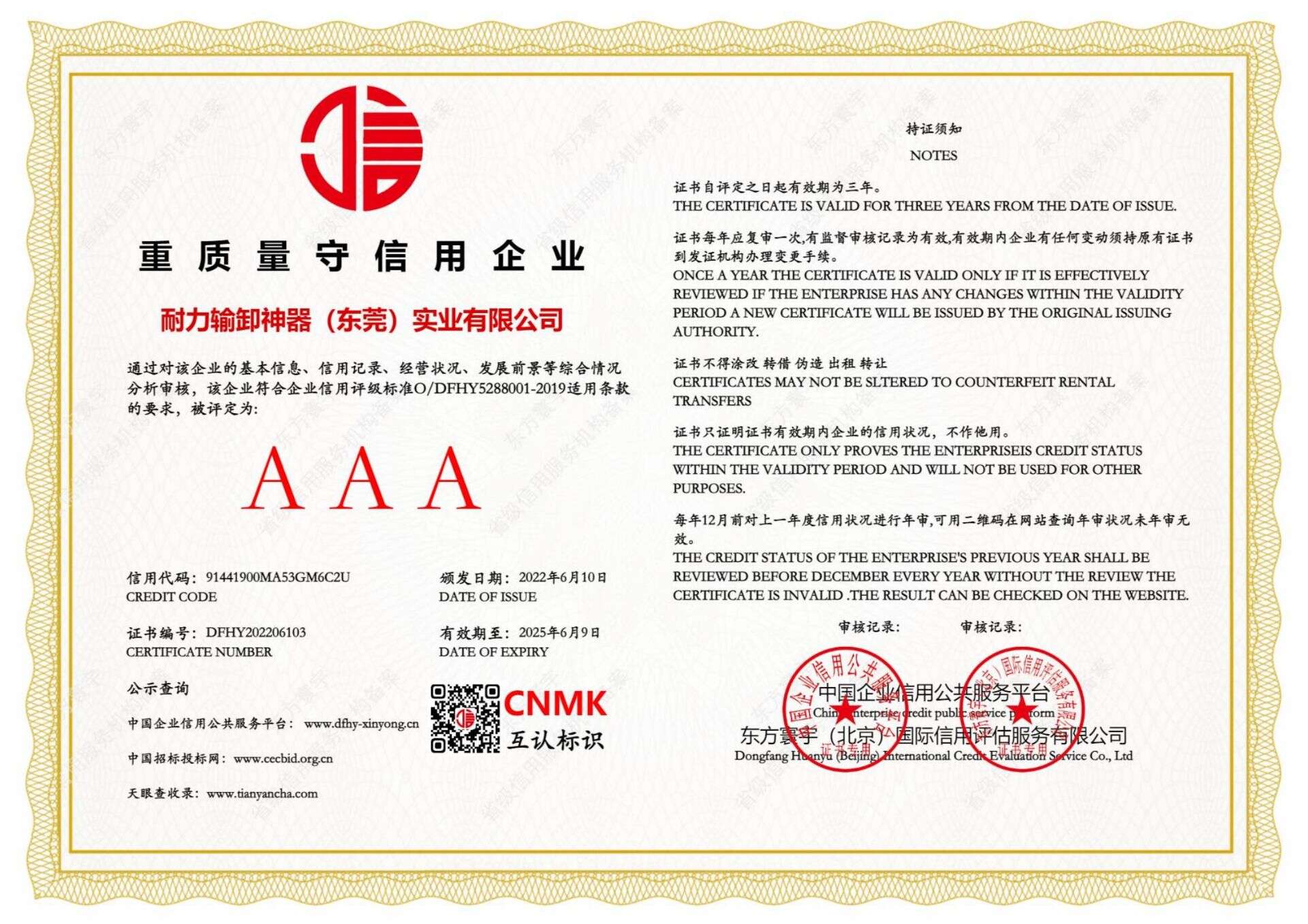
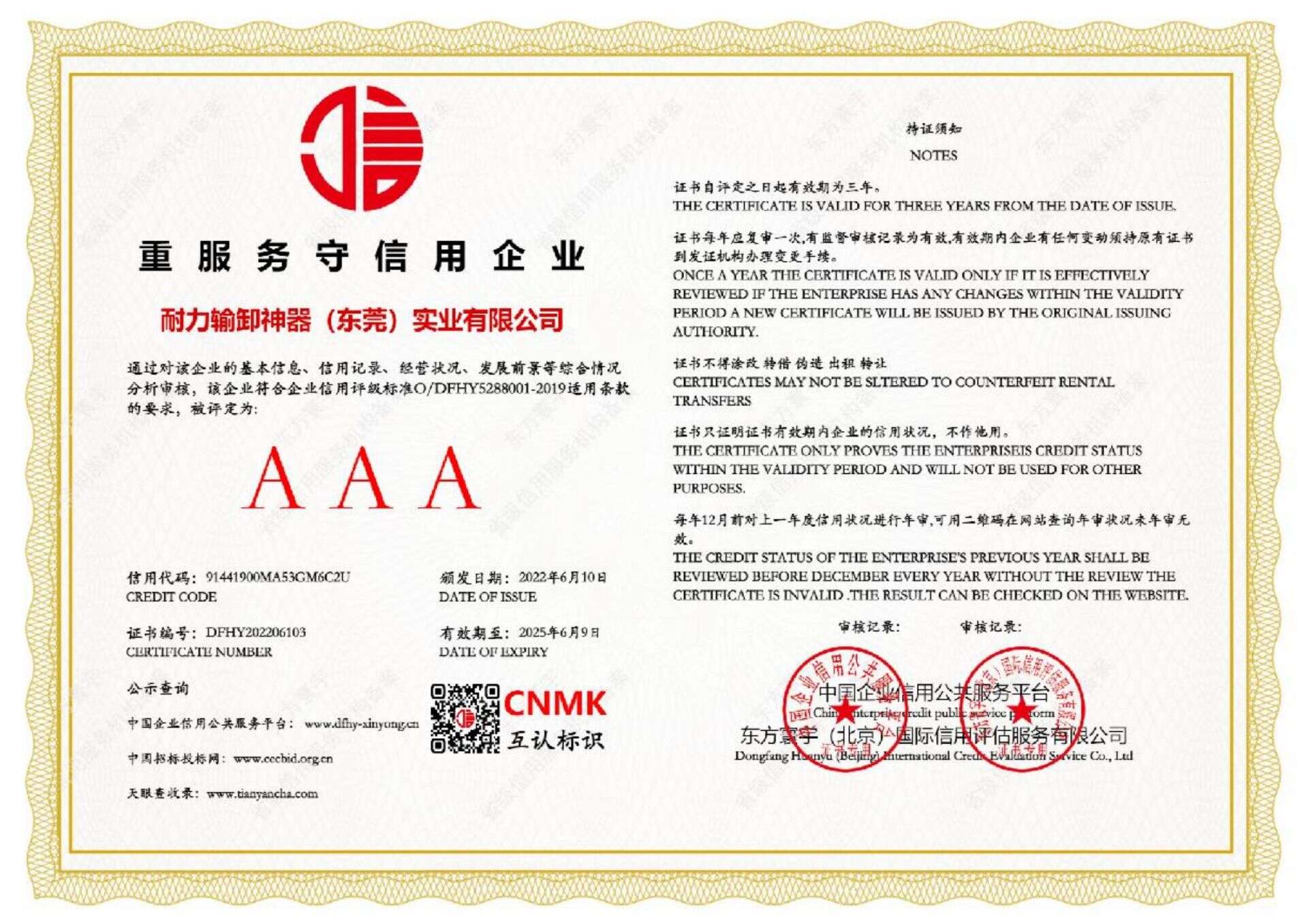
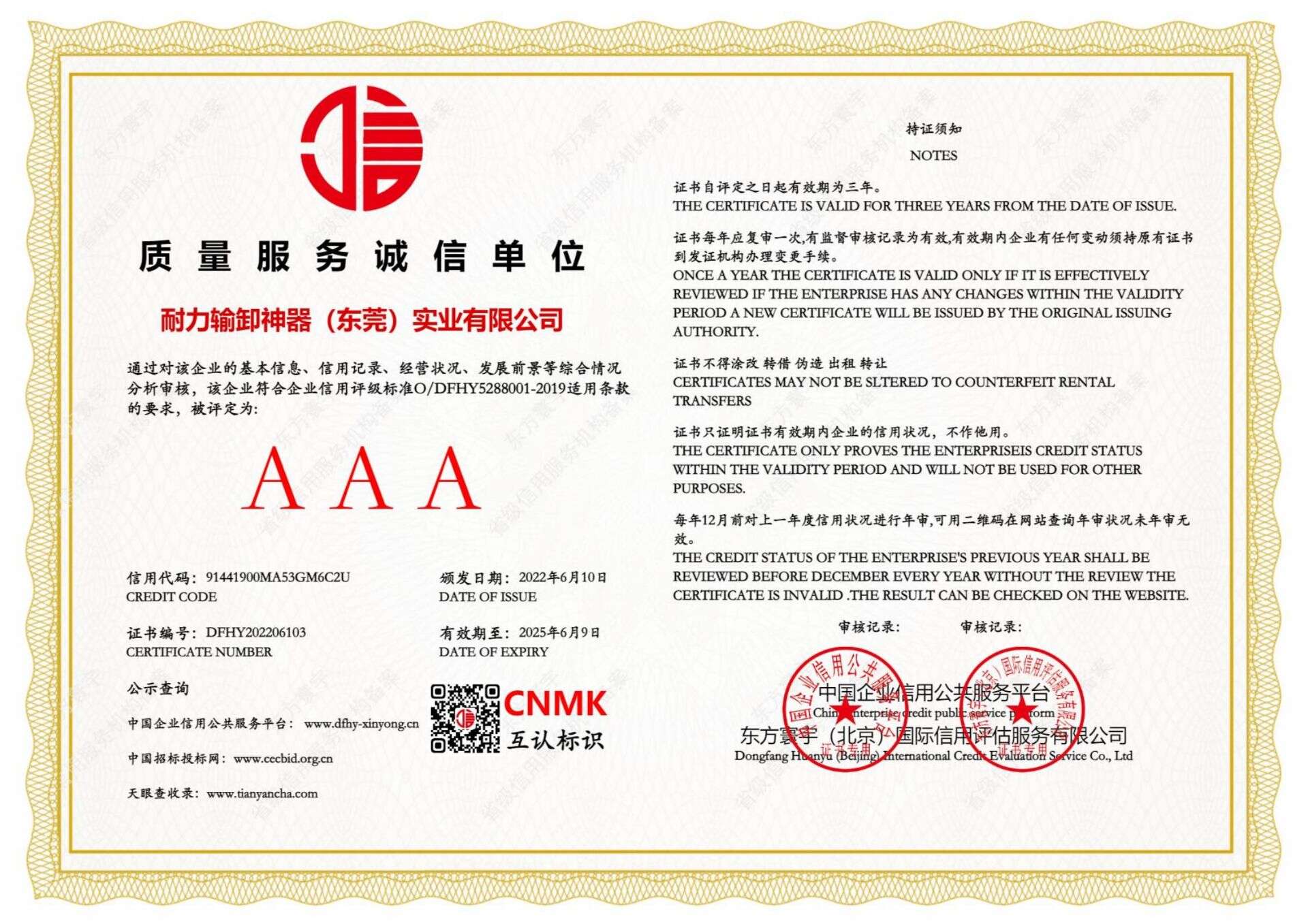
Certifications et rapports
Small Hydraulic Conveyor Qualifications and Reports
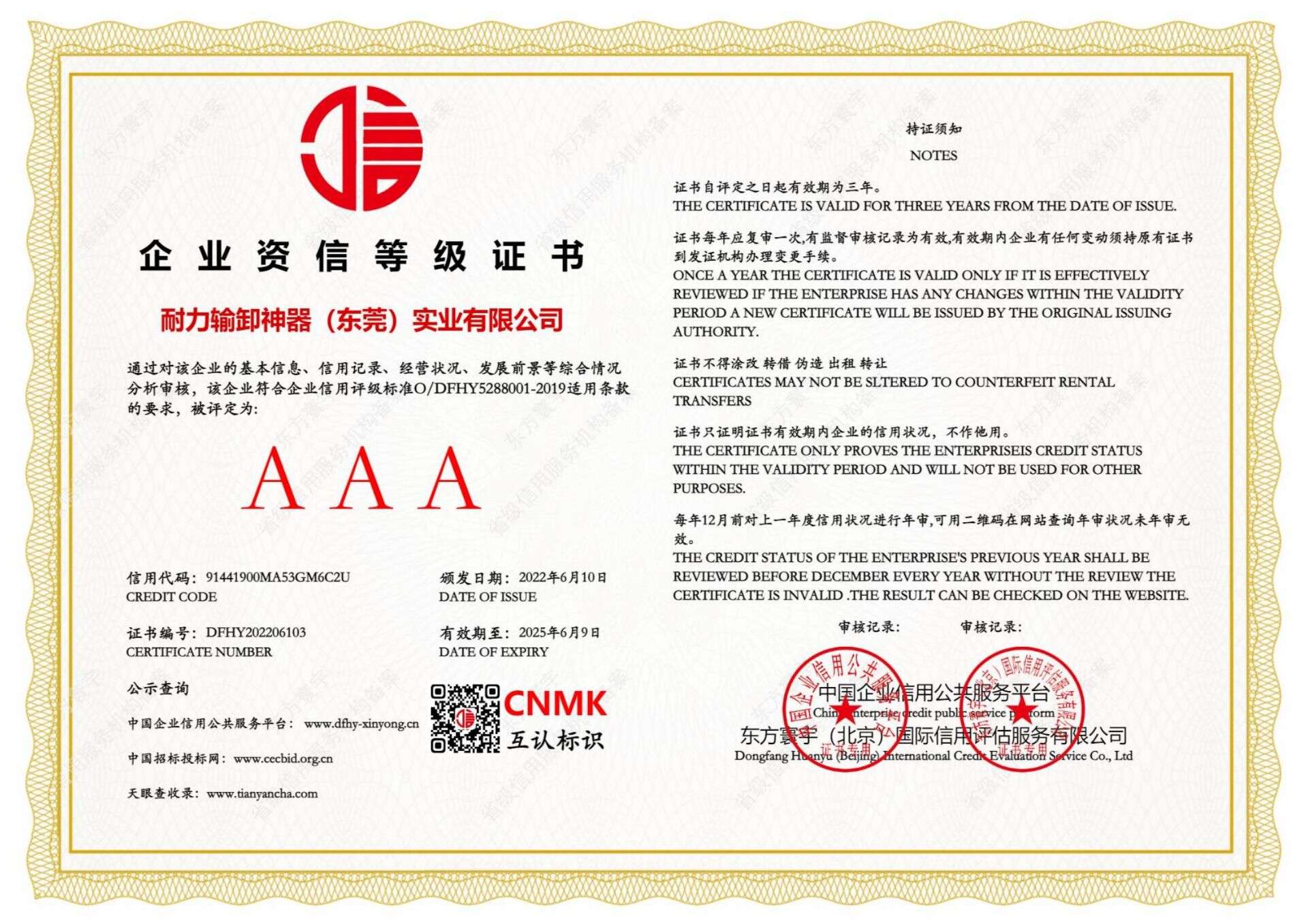
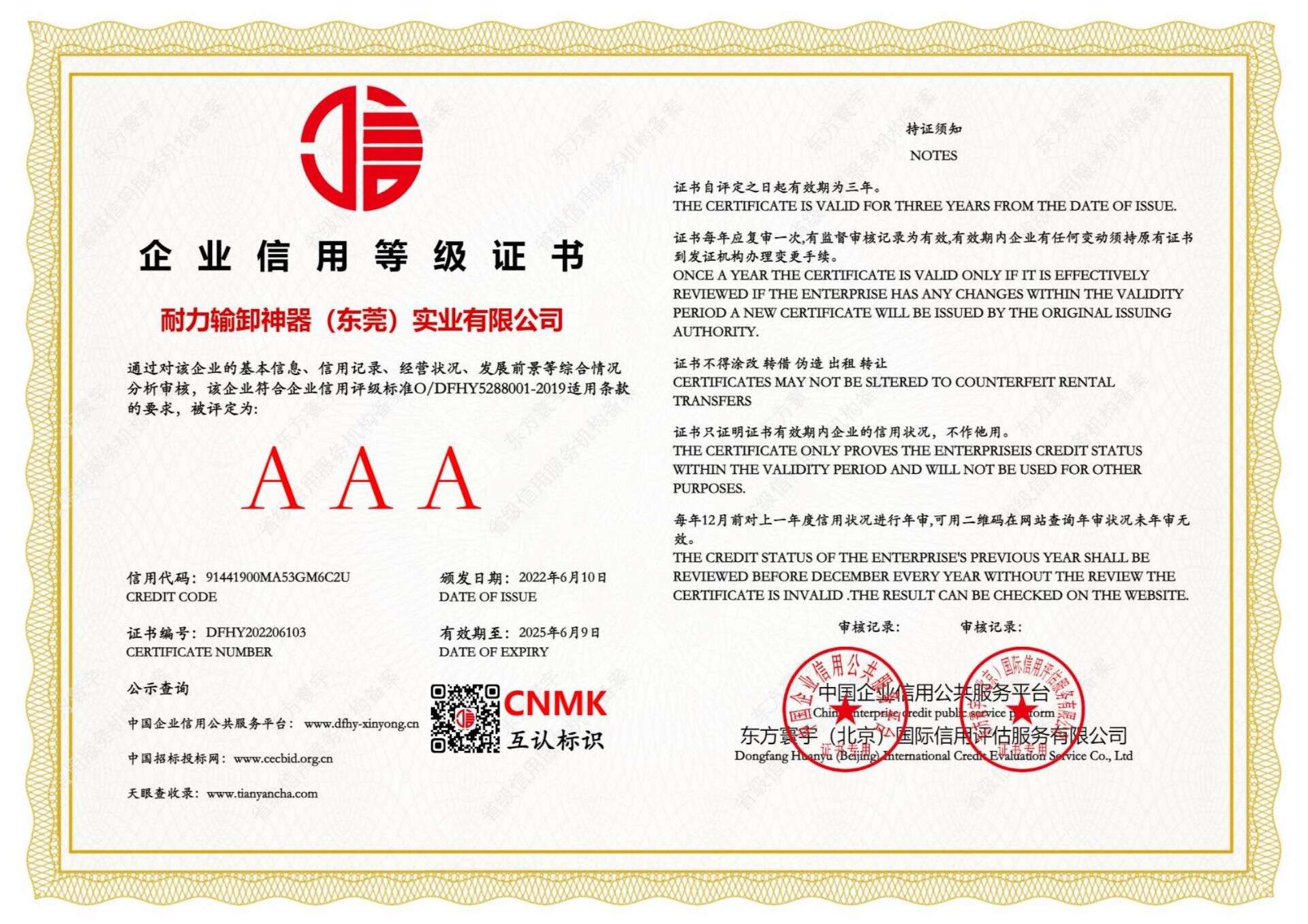
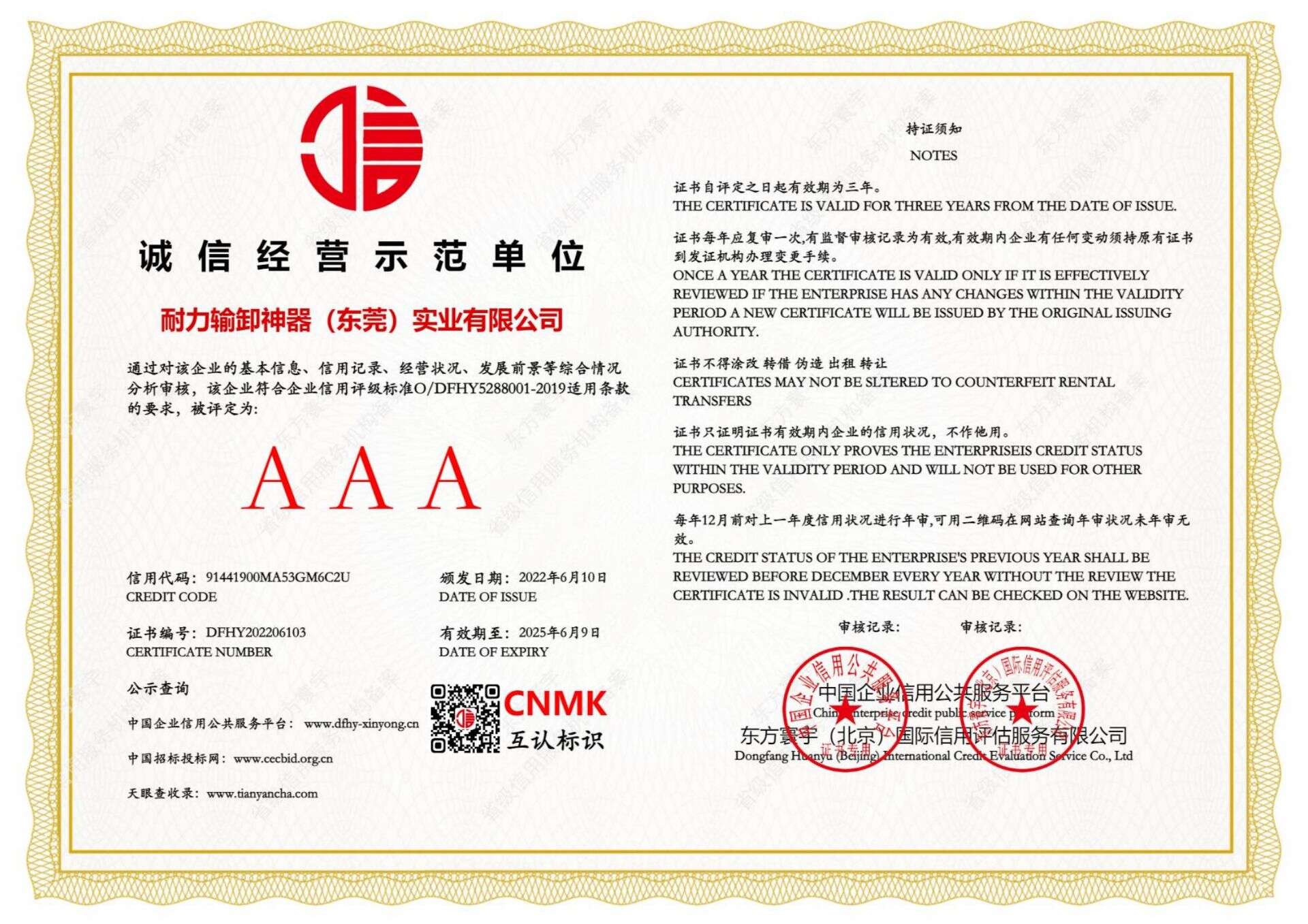
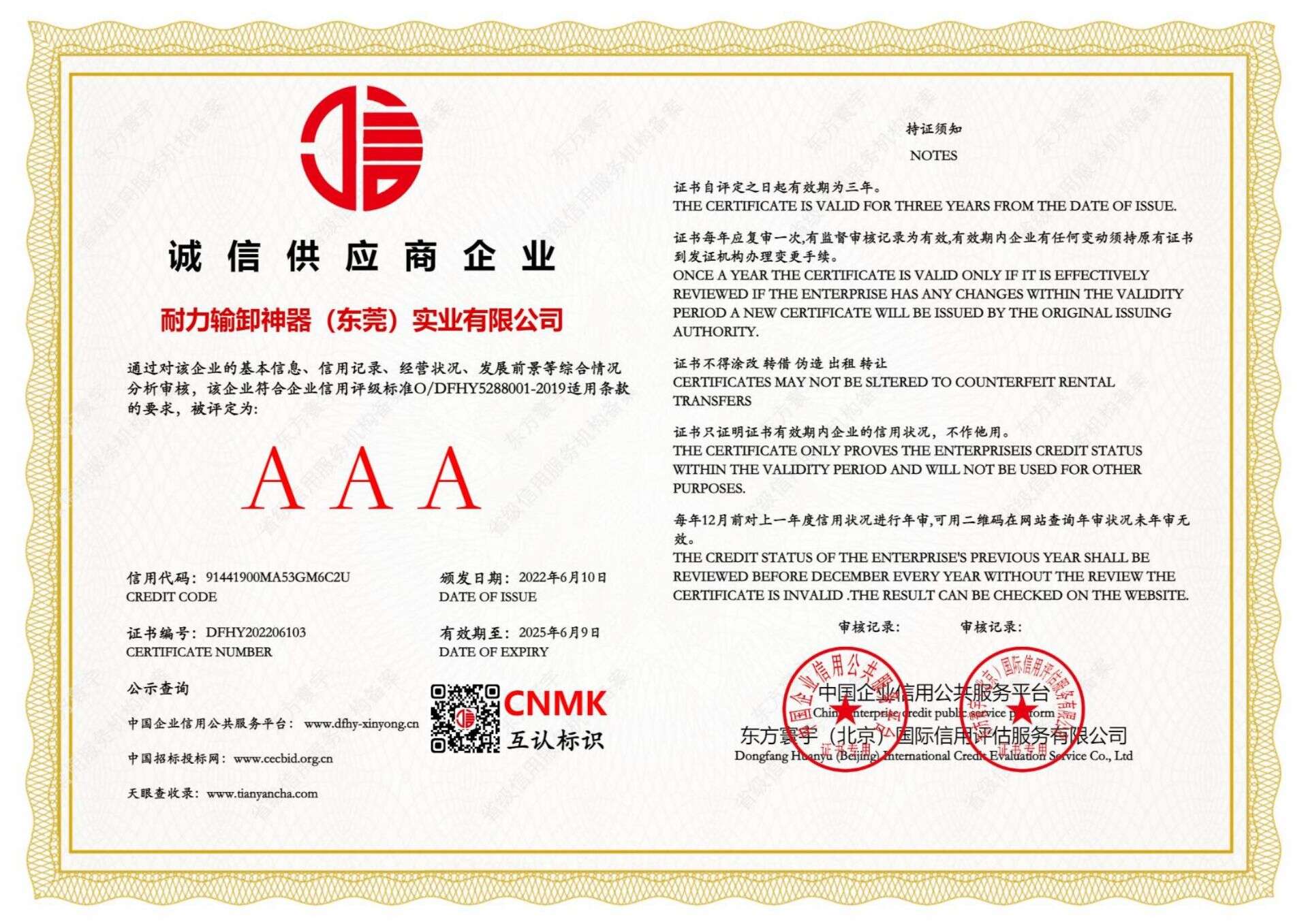
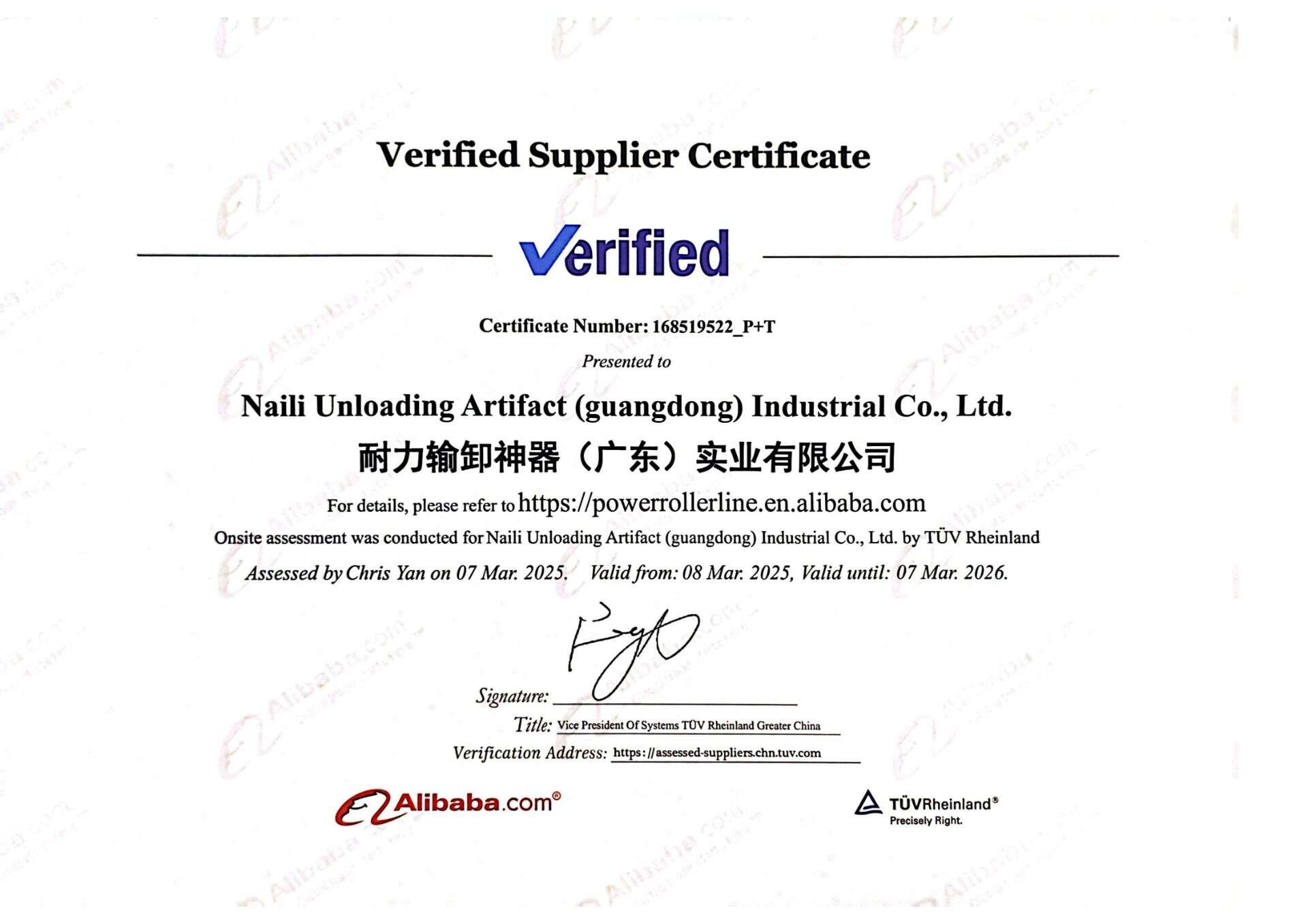
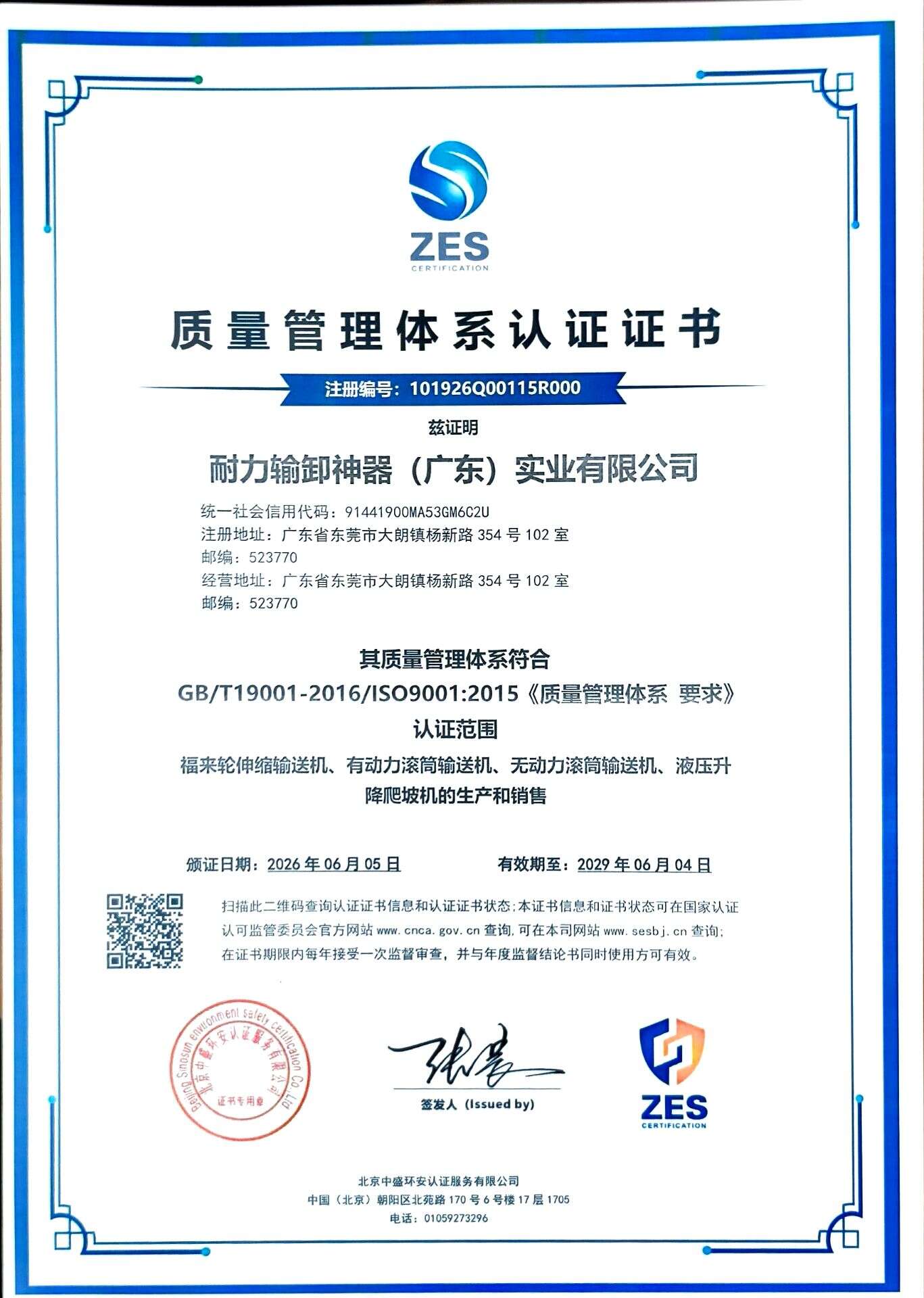
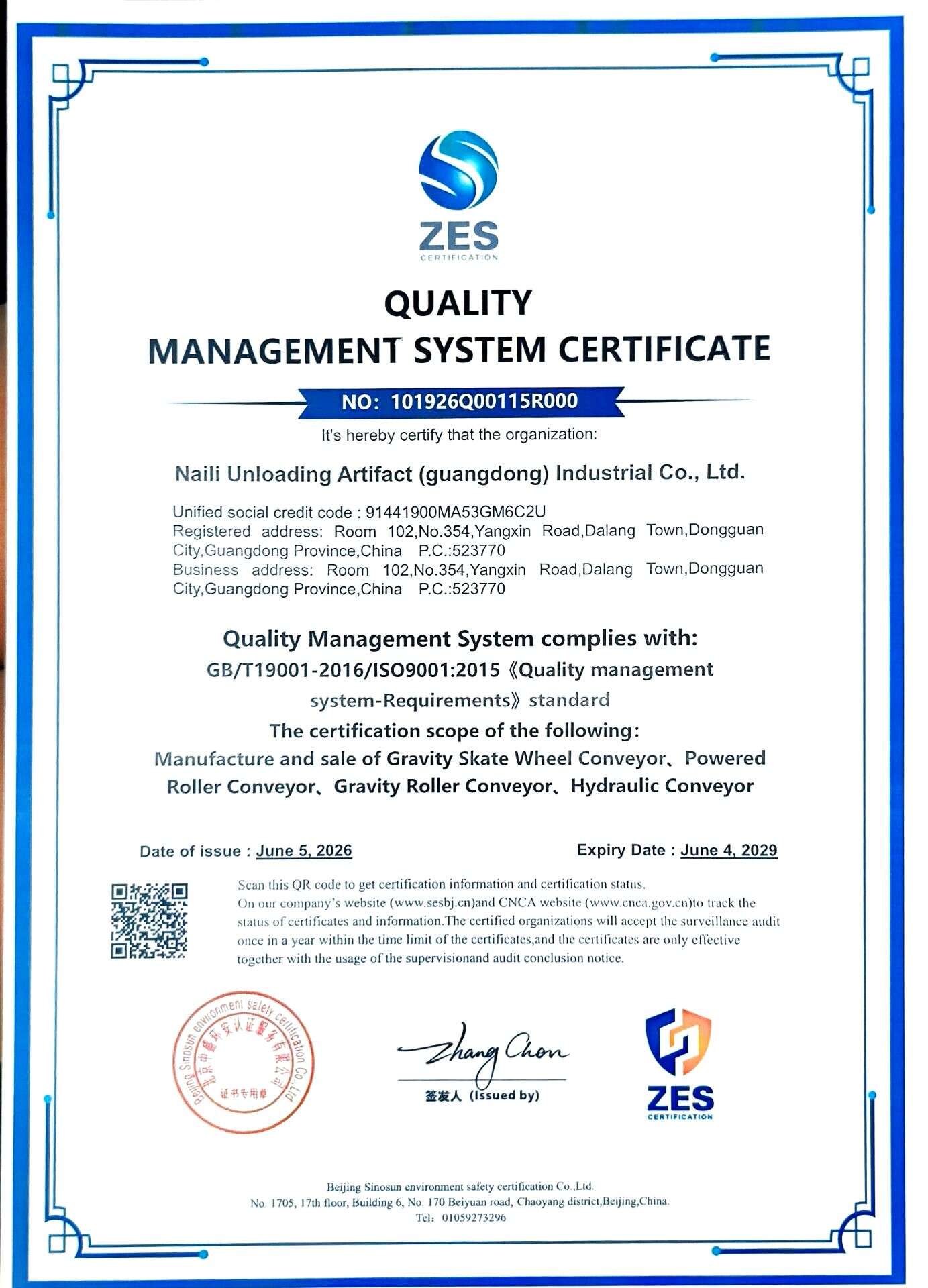
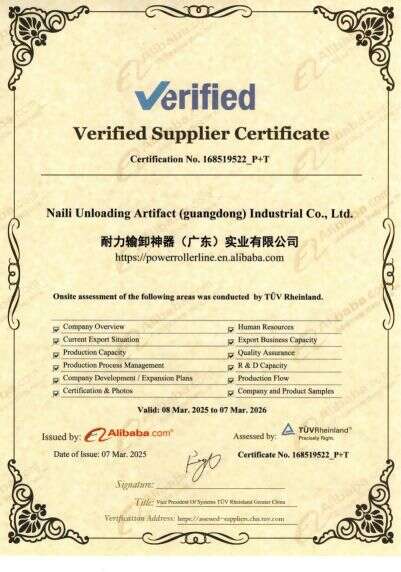
Consultez les certificats, les rapports d'essai et les certificats de brevet relatifs à ce produit afin de vérifier plus facilement ses caractéristiques et ses fondements techniques.
Certificats

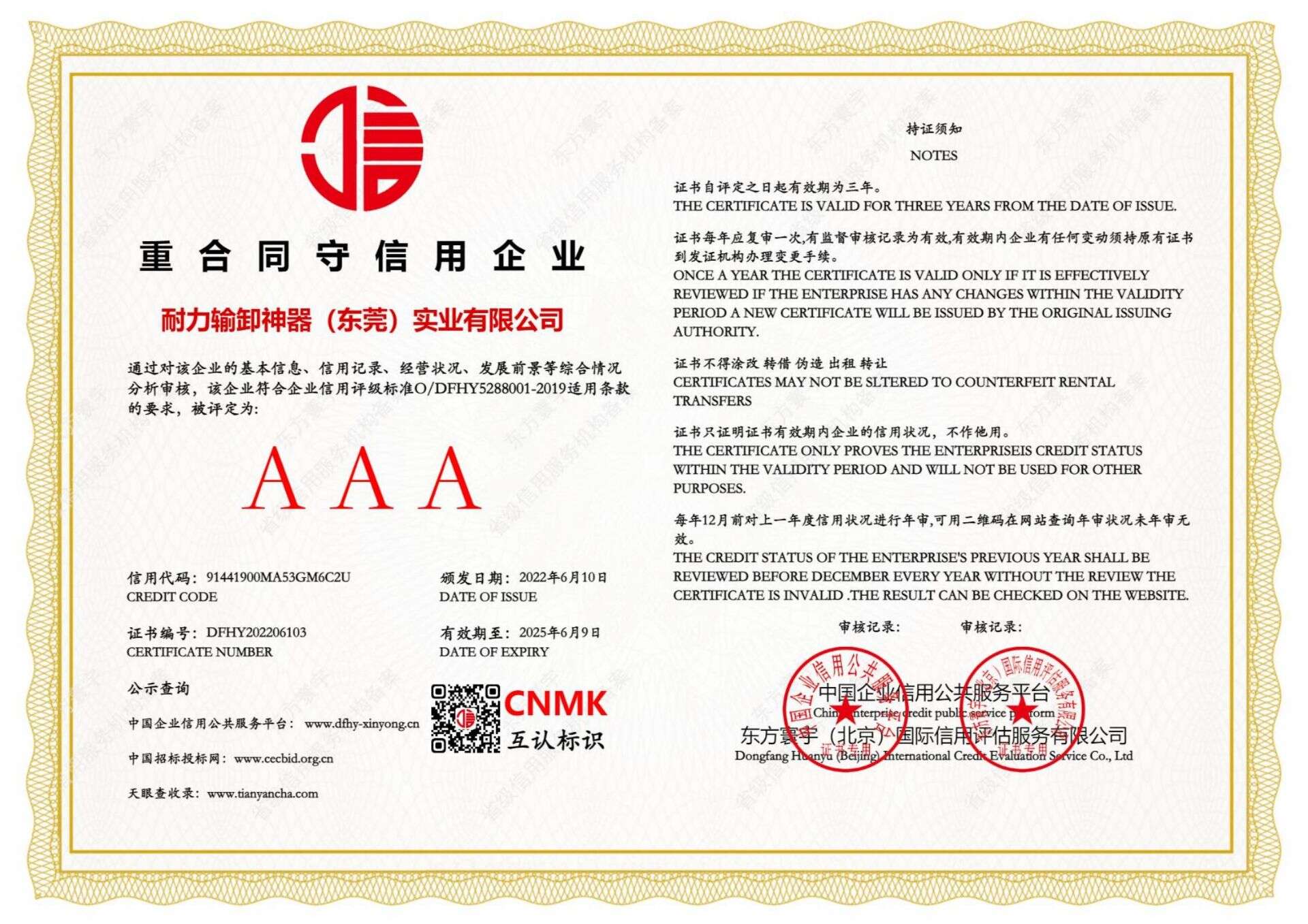
Photos et vidéos réelles
Small Hydraulic Conveyor Product Images
Consultez la configuration des équipements, leur état sur site et les détails de leur fonctionnement grâce à des galeries de photos et des vidéos.
Photos et vidéos réelles
Small Hydraulic Conveyor Case Videos
Consultez la configuration des équipements, leur état sur site et les détails de leur fonctionnement grâce à des galeries de photos et des vidéos.
Photos et vidéos réelles
Vidéos de présentation des produits
Découvrez en un clin d'œil les principes de configuration et de fonctionnement de ce produit grâce à des vidéos consacrées à la sélection, à l'installation et à l'utilisation.
Puissance d'origine
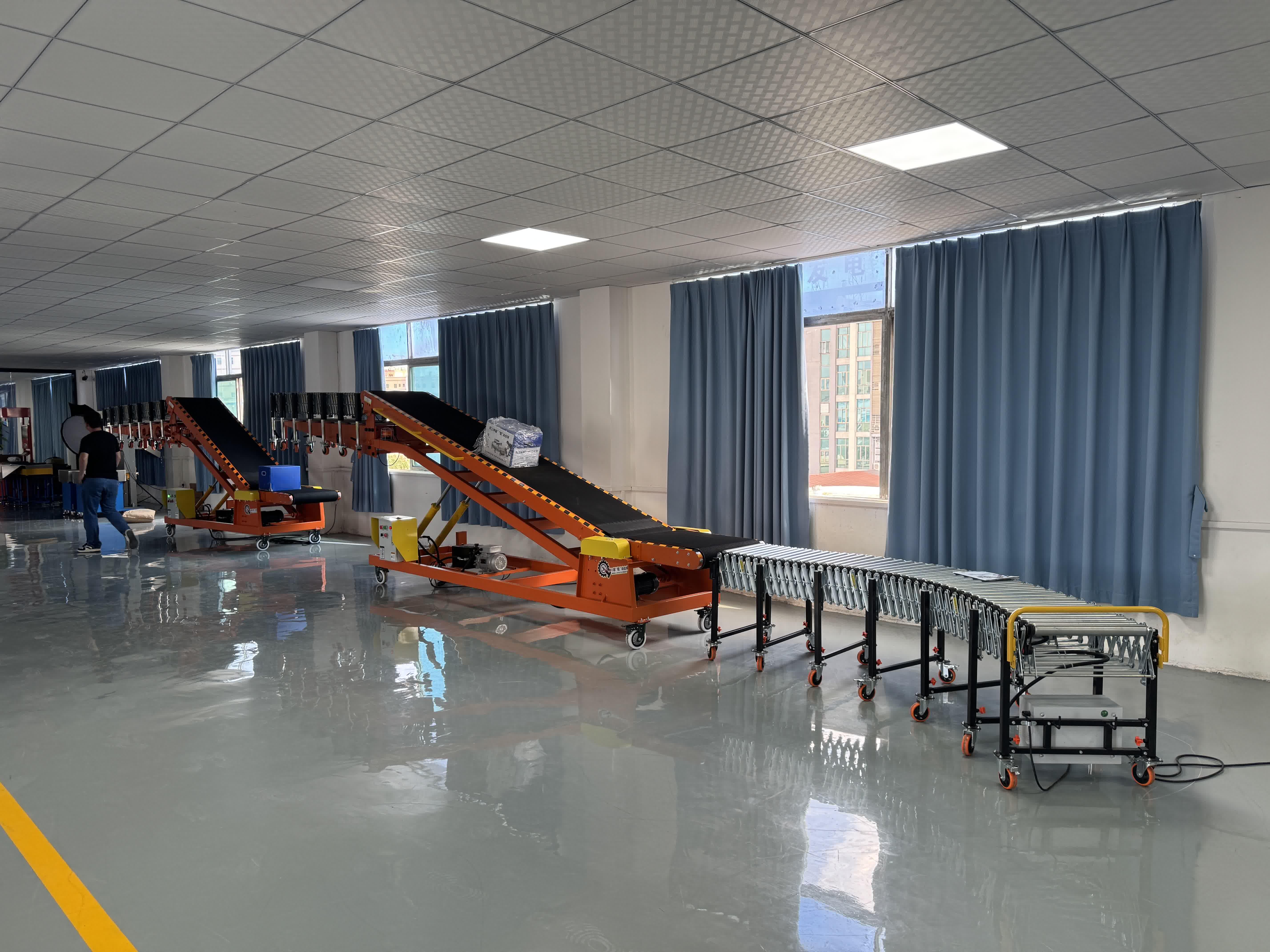
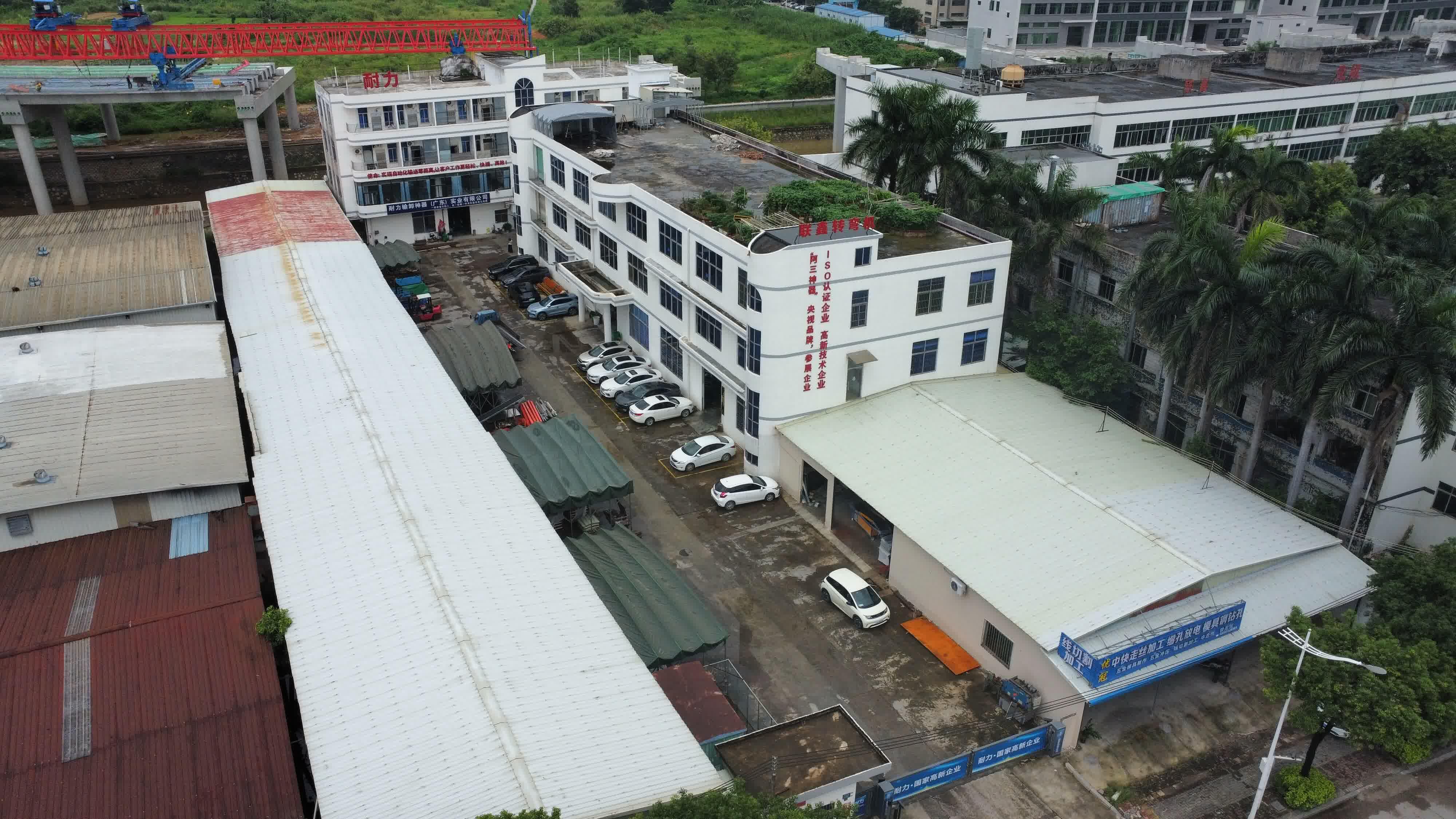
Découvrez les équipements de production, l'environnement de l'atelier, la capacité de traitement et le contrôle qualité grâce à des photos et des vidéos réelles.
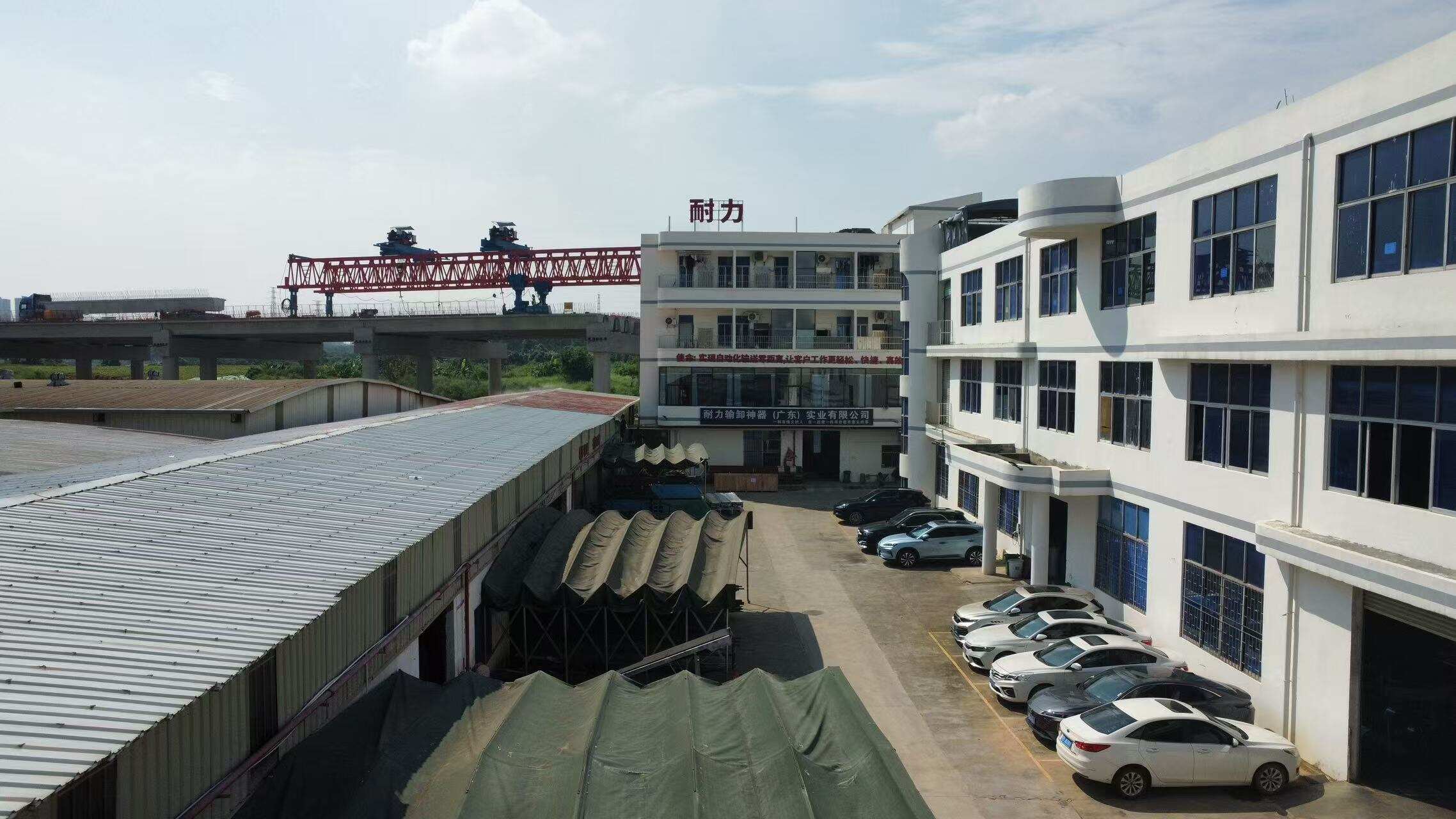
Image
Photo de l'usine n° 3
Image
Image principale de l'usine
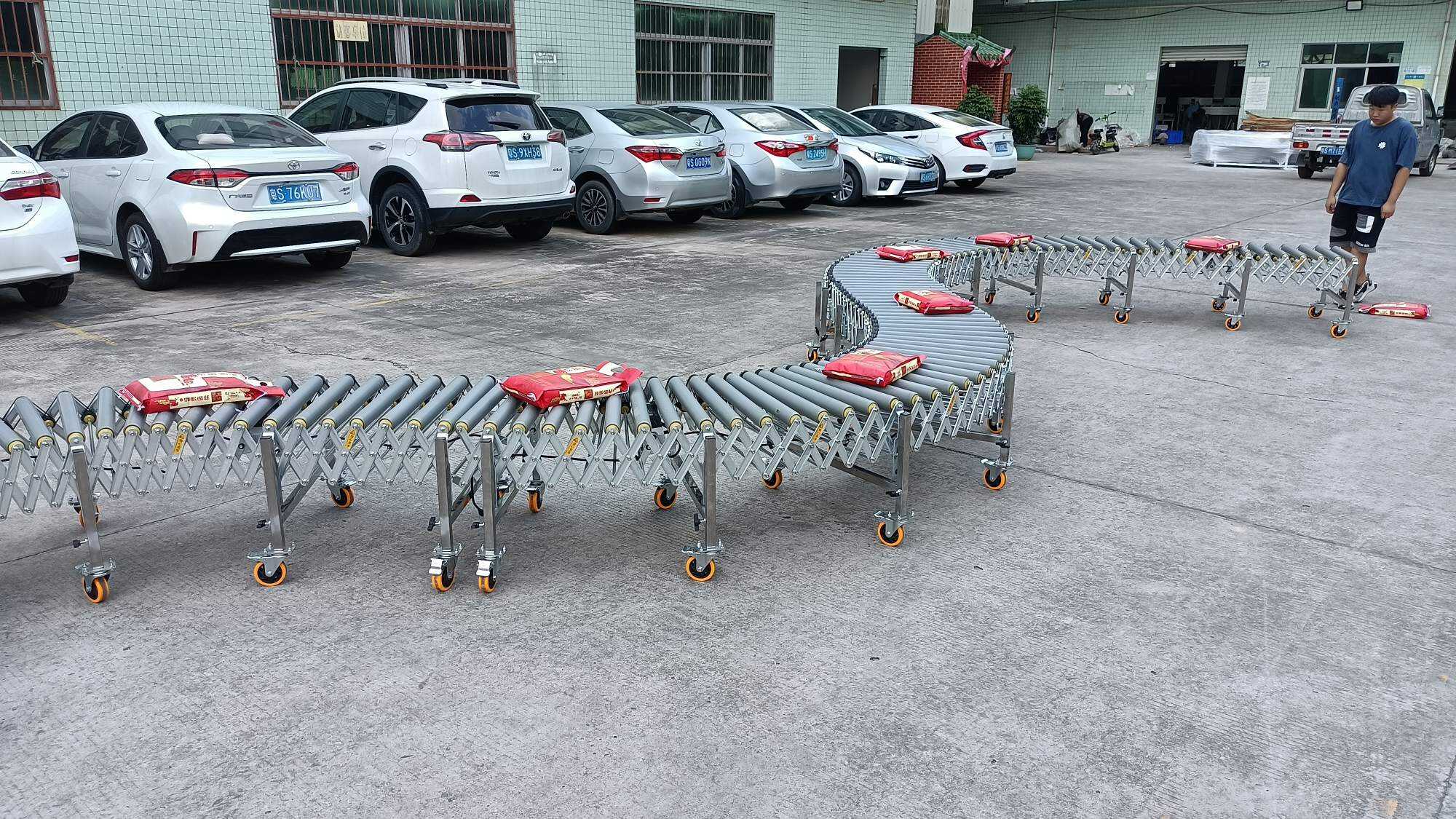
Image
Photo de l'usine 1
Image
Photo de l'usine n° 2
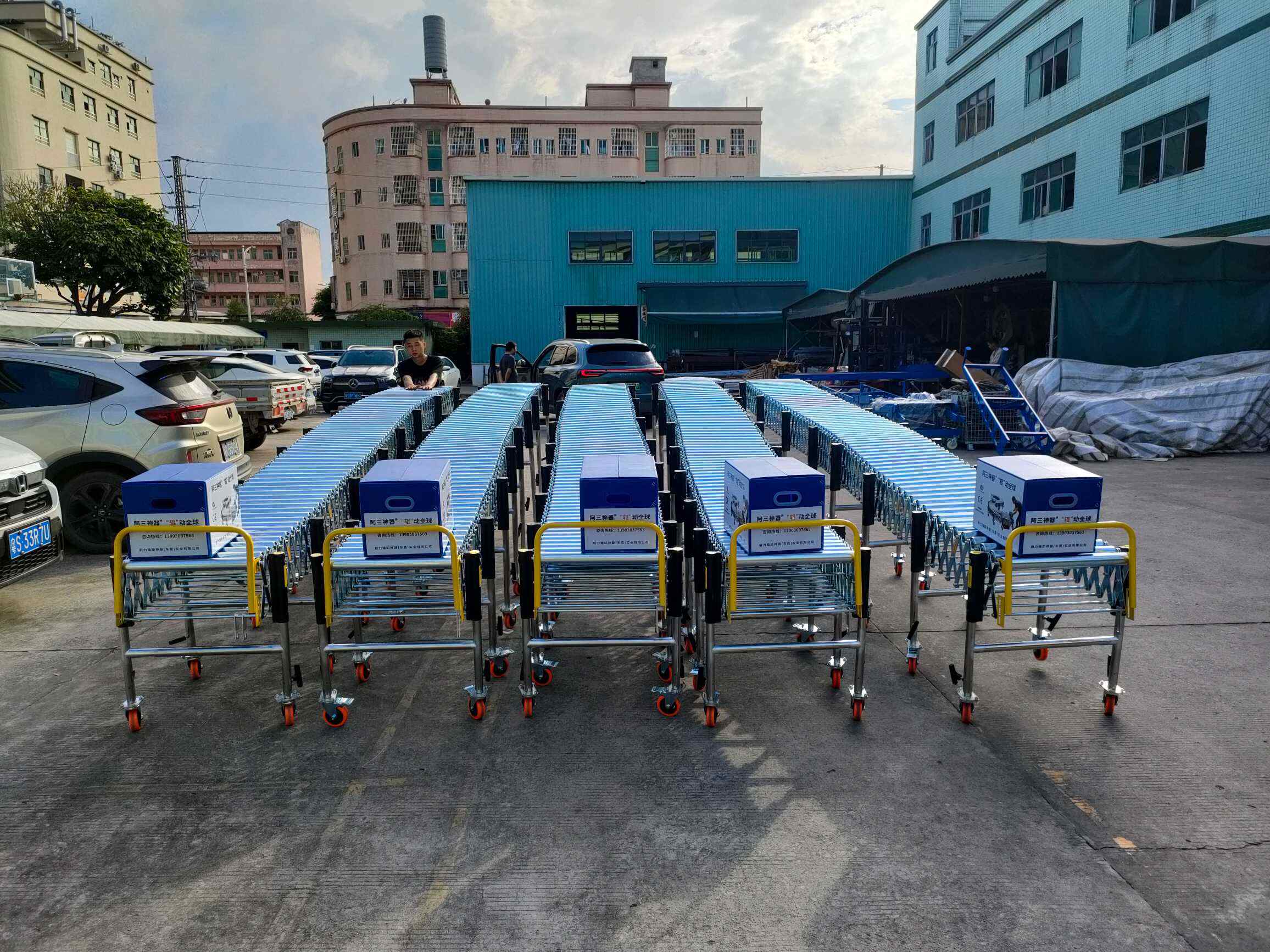
Image
Photo de l'usine n° 4
Caractéristiques techniques
Caractéristiques et données techniques
Consultez les paramètres essentiels, les spécifications détaillées et les documents téléchargeables par modèle.
Small Hydraulic Conveyor Technical Specifications
Why are sites without a loading platform more likely to need equipment like the Small Hydraulic Conveyor?
Loading bays without a loading platform are usually troublesome not because "one machine is missing, " but because there is a natural height gap between the ground and the cargo box: today the truck may be a bit higher, tomorrow it may be lower; even on the same truck, different parking angles will shift the docking at the door. Using temporary boards, shims, or manual lifting may work for a short time, but once loading and unloading become continuous or vehicles change frequently, the cycle time gets slowed down by repeated alignment, and safety becomes something that relies on experience.
The Small Hydraulic Conveyor is more like building an "adjustable loading and unloading channel" between the ground and the cargo box. It turns the actions that originally required crossing, lifting, and finding support points into continuous movement along the ramp: people move more steadily, and goods are easier to keep aligned. For many warehouses, the value of this change is not simply "saving effort, " but turning loading into a repeatable daily process instead of an occasional, temporary task.
The significance of hydraulic lifting is not just that it "can be raised, " but that it can align smoothly with different cargo-box heights: there is no need to place timber blocks, find steel plates, or temporarily modify the site every time a truck arrives. Especially in no-dock conditions, uncertainty is already high, and the Small Hydraulic Conveyor turns the step of "alignment" from uncontrollable to controllable, making it easier for on-site staff to shift their attention back to stacking, checking, and turnover—the parts that truly affect output.
"Small" in a site context mostly means "more willing to be used every day": compact structure, easy relocation, and simple operation make it suitable for warehouses, factories, and logistics sites where vehicles and positions change frequently, rather than occupying a fixed dock line for a long time. You can think of it as a movable small ramp—if the boundaries are chosen correctly, it is often more reliable than a temporary bridge.
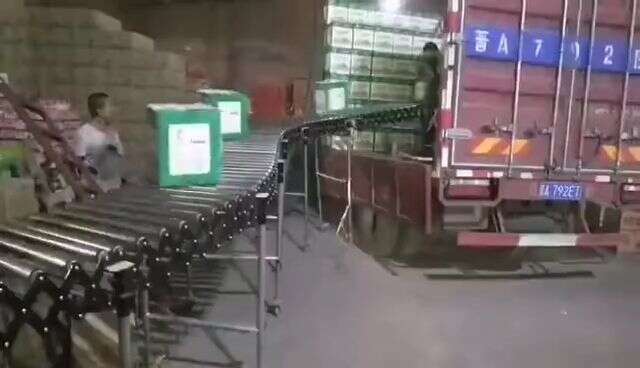
What really determines whether the Small Hydraulic Conveyor can be implemented is not whether it can raise and lower, but the matching relationship among the cargo box, the goods, and the aisle
When many people first look at a Hydraulic Conveyor, their attention tends to focus on things like the lifting range, ramp angle, and whether it has rollers; but in real-world implementation, what matters more is how the truck opening, cargo shape, and passage continuity fit together. Because once a Hydraulic Conveyor is placed at the truck door, it becomes the most crowded node between people, goods, and vehicles — and whether that node feels comfortable determines whether what you buy is merely "usable" or always a little awkward to use.
First, look at the truck opening method. Side doors and rear doors are not just about where the door is opened; they directly change how the vehicle is positioned, where people stand, and the cargo turning path: side unloading often requires room for movement and turning along the side of the vehicle, while rear-door loading places more emphasis on aligning the passage with the truck bed and reducing diagonal pushing. When you are planning the position of a Hydraulic Conveyor, it is best to think through where people will push, where they will steady the goods, and where they will turn them. If you also need to extend the conveying line further inward from the truck door on site, you can also compare Convoyeur à rouleaux par gravité It relies more on the real feel of manual pushing when making the transition at the truck opening.
Next, look at the cargo shape. Boxed goods and turnover crates are easier to connect with rollers, the pushing direction is more stable, and the rhythm is easier to organize; bagged goods, soft packages, and easily deformed cargo often require manual straightening and constant correction, and the "smoothness" of the rollers may actually magnify deviations. When dealing with bagged cargo, you may wish to look at Convoyeur à rouleaux motorisé recouvert de caoutchouc as an idea: it is not necessarily required, but it can help you build a comparison baseline that is closer to the actual site — do you need something that "moves with a light push, " or something that "runs steadily without wandering off.".
The third factor is passage continuity: are you only missing the "onto-the-truck" step, or do you want a continuous line from the warehouse floor all the way into the truck bed? The former usually puts the focus on docking, lift alignment, and where personnel stand; the latter involves the floor-level roller line, the end transition section, and how people inside the truck receive and stack the goods. If what you want is to "deliver directly from the warehouse into the truck, " you can treat a Hydraulic Conveyor as an intermediate interface in the chain and think ahead about how to connect it with Convoyeur à rouleaux motorisé so that you avoid buying the Hydraulic Conveyor correctly but ending up with awkward upstream and downstream connections, and finally having to fall back on manual carrying again.
Finally, there are site constraints: does the space allow vehicles to position smoothly, will the equipment placement block the passage, and are vehicles or locations frequently changed? For a Small Hydraulic Conveyor, "compact and easy to move" is sometimes just a bonus, but at other times it is the key to success or failure — especially in places where the loading position is tight against the warehouse door and forklifts and manual handling share the area. If the layout is awkward, it means you are making do every day.
In which situations is a "Small Hydraulic Conveyor + overhead roller conveyor" more worth prioritizing?
When your goal is not only to "get the goods to the truck door, " but also to reduce the human bottleneck at the truck opening so that cargo can enter the truck more continuously, the combination of a "Small Hydraulic Conveyor + overhead roller conveyor" is often more worth prioritizing. The purpose of the overhead roller line is to extend the end of the conveyor into the truck, making the loading action closer to "push + stack" rather than "carry": the people at the door do not have to repeatedly lift the cargo over the threshold, and instead focus more on controlling direction and organizing stacking.
This model group is designed for trucks with a truck-bed length no greater than 9.6 meters, and the overhead support can be matched with a roller conveyor up to 9 meters long. When understanding this sentence on site, do not just see it as "how long it can be made"; instead, treat it as a chain-matching issue: when the truck-bed length and the overhead roller coverage fit more closely, the personnel’s work radius becomes clearer — which goods can be pushed directly into place, and which need a second handoff inside the truck, making the whole process easier to organize. If you want to further feel the rhythm difference of a "powered section directly connected to the truck bed, " you can also take a look at multi-V belt Powered Roller Conveyor in this more common continuous conveying form in the loading chain.
What really needs to be verified is whether the docking logic feels smooth: the height at the truck door changes, the vehicle position may have deviations, whether the end section is stable, whether the layout is easy to adjust, and whether cargo may get stuck or shift during the transition — these are more important than simply "looking complete." Many loading-site problems come from the last half meter: if the transition section is not smooth, the cargo will skew at the door, get squeezed, bounce back, and in the end still require brute-force manual adjustment.
An overhead roller line is not necessarily better the longer it is. The deeper the coverage, the more the coordination method of the people stacking cargo inside the truck needs to be adjusted: do you want to place the emphasis on pushing from outside the truck, or do you want less handoff inside the truck and more reliance on the extended section? Different choices correspond to different congestion points and risk points. If your loading position often needs to "extend in and retract" to clear the passage, you can compare Convoyeur télescopique the approach with; its combination method with a Hydraulic Conveyor is different, but it can help you think more clearly about the boundary between "occupying passage space" and "storage.".
For Hydraulic Conveyor, the difference between the small type and the light/medium/heavy types is often reflected in the trade-off between "work intensity and stability redundancy"
Even though they are both called Hydraulic Conveyor, the difference is often not whether it can lift or push, but rather the ability to absorb operating fluctuations: work intensity, cargo weight structure, continuous operating time, and how rough the site is will all amplify fluctuations at the ramp docking point. With no loading dock, uncertainty is already high — vehicle positioning errors, fluctuations in truck-bed height, and differing operating habits between teams. If the model is selected too tightly, these "small deviations" will turn into frequent stoppages, and may even force operators to use riskier actions to compensate for the equipment’s limits.
The positioning of the small type emphasizes compactness and flexibility more, which also means you need to think more clearly about the usage boundaries and the loading organization method: do you want it to handle "small and medium warehouse loading stations with flexible mobility, " or "long-duration, high-frequency continuous loading"? If your site needs something lighter, and values portability and quick setup more, it is recommended to use Convoyeur micro-hydraulique as a comparison reference to see the trade-offs of a lightweight solution in terms of on-site convenience.
If your pace is closer to the high-frequency loading of a standard warehouse, and the chain places more emphasis on continuous conveying and stable connection, then compare Hydraulic Conveyor classification the medium-type solution will be more meaningful: what you need to compare is not "which one is bigger, " but whether the stability redundancy is better suited to the fluctuations of your site.
And when the load is heavier, the strength requirements are higher, and the environment is rougher (for example, uneven floors, frequent forklift interference, and a high collision risk), many sites will tend to put "reliability" first, and at that point they will look at Grand convoyeur hydraulique which will better match the real decision-making path: it is not about pursuing a larger machine, but about making sure small daily mistakes do not interrupt the entire loading chain.
Where does the price difference usually come from: both are called "Small Hydraulic Conveyor, " but the scope of the solution may be completely different
When it comes to pricing, the easiest misunderstanding is this: everyone is talking about "Small Hydraulic Conveyor, " but the scope each person has in mind is completely different. Some refer only to the Hydraulic Conveyor itself; others already include the top roller line, the floor roller section, and the end transition section as one integrated chain. Once the system boundaries are inconsistent, no matter how you compare them, it is like comparing a "half solution" with an "entire chain." So before you ask for a quote, it is best to clearly state your "quotation boundary" in one sentence: do I need only the loading ramp itself, or do I need a continuous passage extending from the warehouse floor all the way into the truck compartment?
The second difference comes from the amount of on-site adaptation work. Different truck body types, station positions, and passage widths will change the equipment positioning method and protection approach: in some sites, the truck door area is very tight, so the equipment needs to be positioned more carefully; in others, frequent relocation is required, so storage and movement become part of the user experience. You will find that, although the Hydraulic Conveyor may look the same, the differences often come from these details when it comes to "whether it can be used easily every day.".
The choice between powered and unpowered is often another dividing line. It is not just a difference in conveying format; it also changes how people push the load and how stable the rhythm is. Gravity rollers rely more on continuous manual pushing and correction, making them suitable for scenarios with coordinated manual work and smooth-moving goods; Powered Roller Conveyor can hand over a more stable pace to the equipment, but you need to consider start-stop control, product spacing, and the receiving method at the end of the line. If you are not sure which path suits you better, you can start by comparing the floor section, for example: Convoyeur à rouleaux par gravité de 50 mm is more commonly used in setups that rely on manual pushing, while Convoyeur à rouleaux motorisé à courroie de type O is more commonly seen in light-load conveying sections with controllable pacing.
Finally, "customization" here is not a gimmick, but a respect for boundaries: when the site has requirements for turning, interfacing with other equipment, passage occupancy, or storage methods, you need to make trade-offs between a compact structure and stable use. Talking through these trade-offs in advance actually saves more time—because you are not buying a "machine that can lift and lower, " but a loading passage that can run smoothly for the long term.
Maintenance and safety risks often appear at the "interface points" and in "human actions": clarify the responsibility boundaries in advance
For the Hydraulic Conveyor, maintenance and safety are often not about whether the equipment itself breaks down, but whether the interface points and human actions are taken seriously. The truck opening, ramp transition, and the end of the roller line are the places where jamming, falling, and collisions are more likely to occur; once they do, the site often compensates with greater force and more abrupt movements, which amplifies the risk in a chain reaction. Rather than waiting for problems to happen, it is better to clarify the transition method and operating rhythm during the solution stage: who receives the goods at the doorway, where alignment is needed, and where a brief pause is allowed.
When safety and efficiency are viewed together, the key still comes down to "how people move." The matching of actions such as pushing, straightening, turning, and stacking with the equipment rhythm determines whether the site works in smooth coordination or is constantly fighting the pace. This is especially true when you use Powered Roller Conveyor: cooperation between the inside and outside of the truck must be smooth. If the outside pushes too fast and the inside cannot receive the goods, products will pile up at the door; if the inside stacks too slowly and the outside keeps forcing them forward, they will be crushed and deformed. You can refer to Convoyeur à rouleaux entraîné par chaîne This kind of solution leans more toward "stronger drive and better site toughness." It does not necessarily mean it is the right fit for you, but it does serve as a reminder: once the drive capability is increased, the way people cooperate must be adjusted accordingly as well.
Hydraulic lifting brings the advantage of adapting to different truck body heights, but it also requires a clear docking and adjustment method: if loading and unloading continue before the truck is fully aligned and stable, the risk will spill over to the ramp end and the truck door area, creating the typical dangerous action of "goods sliding down and people instinctively trying to stop them." What the site really needs is not a complicated process, but a stable habit: align first, then move forward; if a deviation is found, stop briefly to adjust instead of forcing the deviation through with brute strength.
Mobility is also a double-edged sword. If the equipment needs to be moved frequently, you must consider where it will be stored, how much passage space it occupies, and how to form a unified approach to positioning: where to place it so it does not block vehicles, where to push it out from for the smoothest movement, and who is responsible for returning it to position and doing a simple inspection. Otherwise, "easy to move" can easily become a hidden cost in site management—if the equipment ends up in a different place every time, the site has to detour and reposition every time as well.
Use cases to bring "whether it can be used" into the real site: looking at the role of the Small Hydraulic Conveyor in the loading chain
The most effective way to judge whether the Small Hydraulic Conveyor is suitable for you is not to look at the spec sheet, but to place it in your loading chain and think through it: how the floor section organizes the goods to the ramp entrance, how the Hydraulic Conveyor completes the truck-loading interface, and how the last section is completed inside the truck by an extension section or manual stacking. Once the chain is smooth, you will find that many problems are not actually with the equipment itself, but with the interfaces and the station positions.
If what you care about is the real-world scene of "a Small Hydraulic Conveyor paired with a long roller line to send goods directly into the truck compartment, " you can take a look at Case of loading a container with a Small Hydraulic Conveyor and a 9-meter roller line. What makes it worth seeing is not how fast the result is, but what you can observe from it: how the end section extends in, how the doorway transition is handled, and how people divide work inside and outside the truck—these details will help you compare it with your own site most effectively.
If you are more interested in how to organize a more continuous loading passage using "Hydraulic Conveyor + Powered Roller Conveyor, " you can refer to Truck loading: a case of Powered Roller Conveyor paired with Hydraulic Conveyor. It is recommended that you look at it with these questions in mind: how the floor section connects to the ramp, whether products tend to pile up at the door, and how the stacking rhythm inside the truck can keep up.
And if your goods are closer to bagged materials, are easy to deform, or you are worried about slipping and deviation during pushing at the doorway, you can also take a look at Case of conveying bagged powder with a rubber-covered roller conveyor. It is not necessarily a loading scenario, but it is very helpful for understanding how goods move steadily on rollers, and it can help you shift your focus to friction, correction, and manual actions when comparing solutions.
If you want to widen the comparison range, go back to Page de la catégorie « Convoyeurs hydrauliques » To understand the adaptation boundaries of light, medium, and heavy models, it becomes easier to establish a comparison baseline; if you want to continue reviewing how the loading chain is connected, you can look at one or two similar scenarios from the case studies, see clearly how the equipment is connected, how the operators stand, and how the cycle runs smoothly, then come back and decide the boundary of your solution.