Scenario and Requirements
The unloading location is at the inbound unloading dock of the express delivery center. Once vehicles arrive, their trailer goods need to be moved to the handover point inside the warehouse, forming a relatively stable unloading channel for subsequent receiving and sorting.
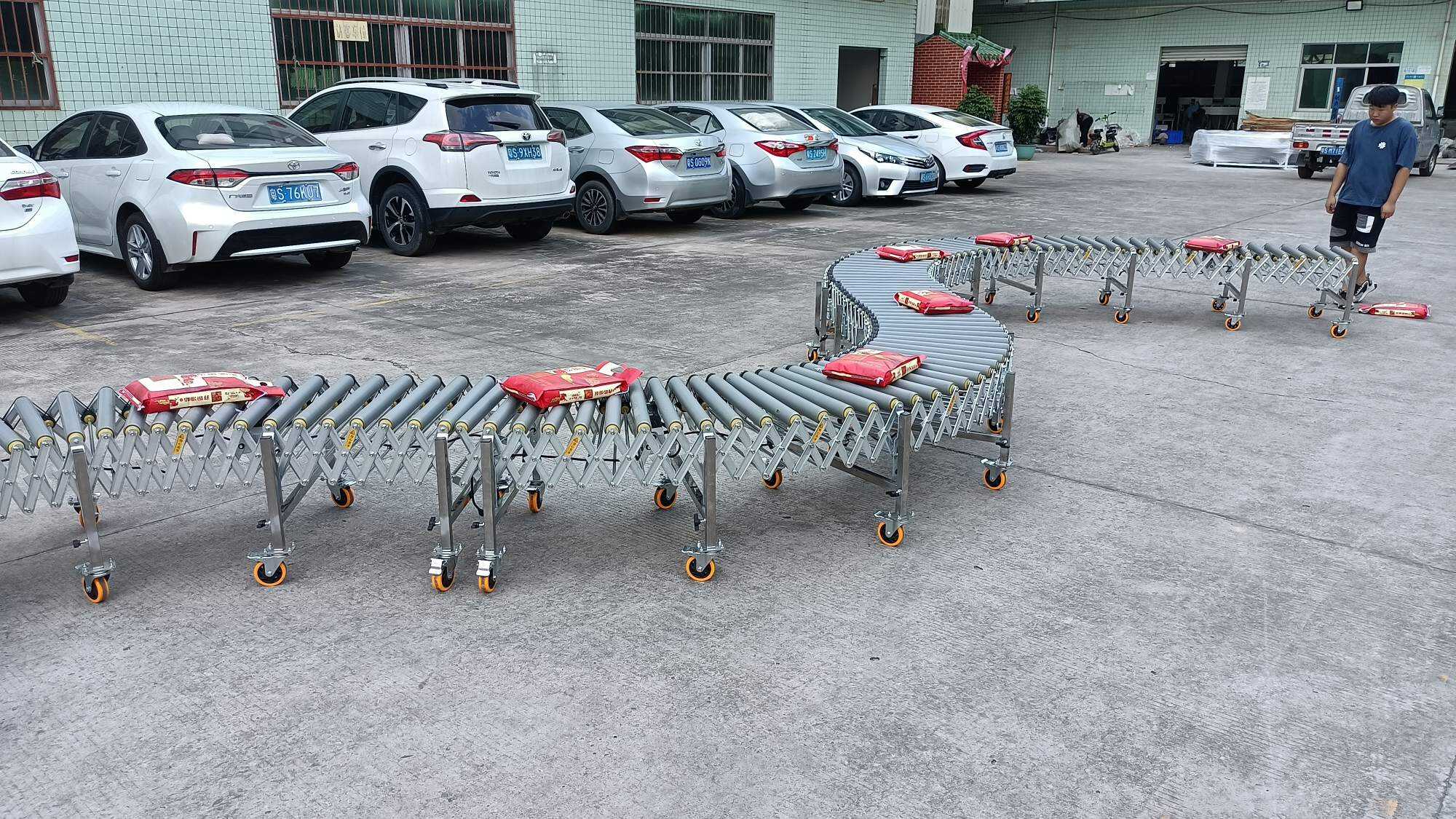
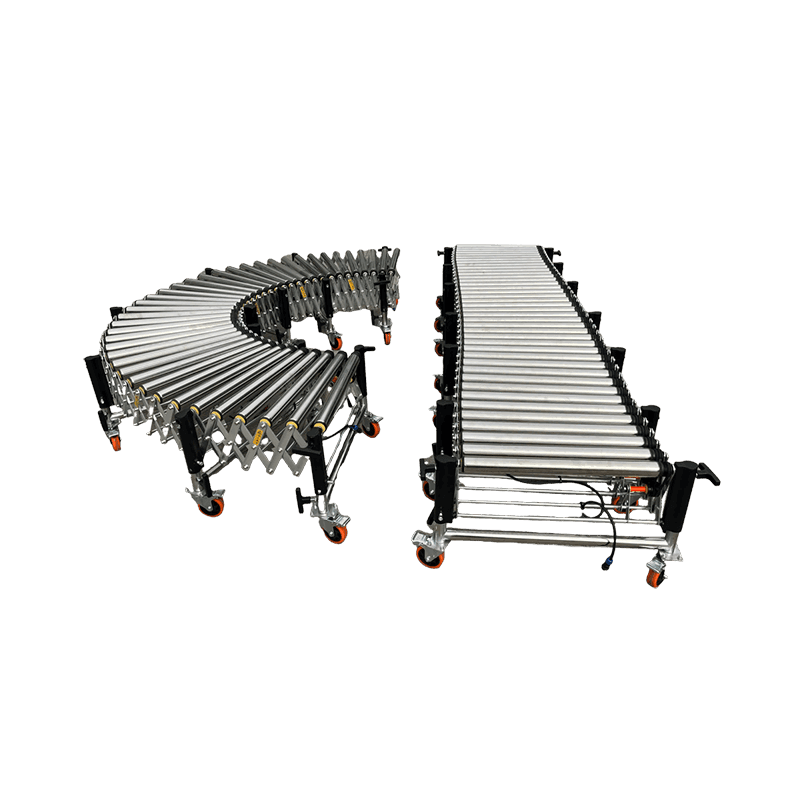
This recap covers the docking for 7.6-meter and 9.6-meter trucks after arrival. The on-site unloading chain deploys a 3-section telescopic conveyor.
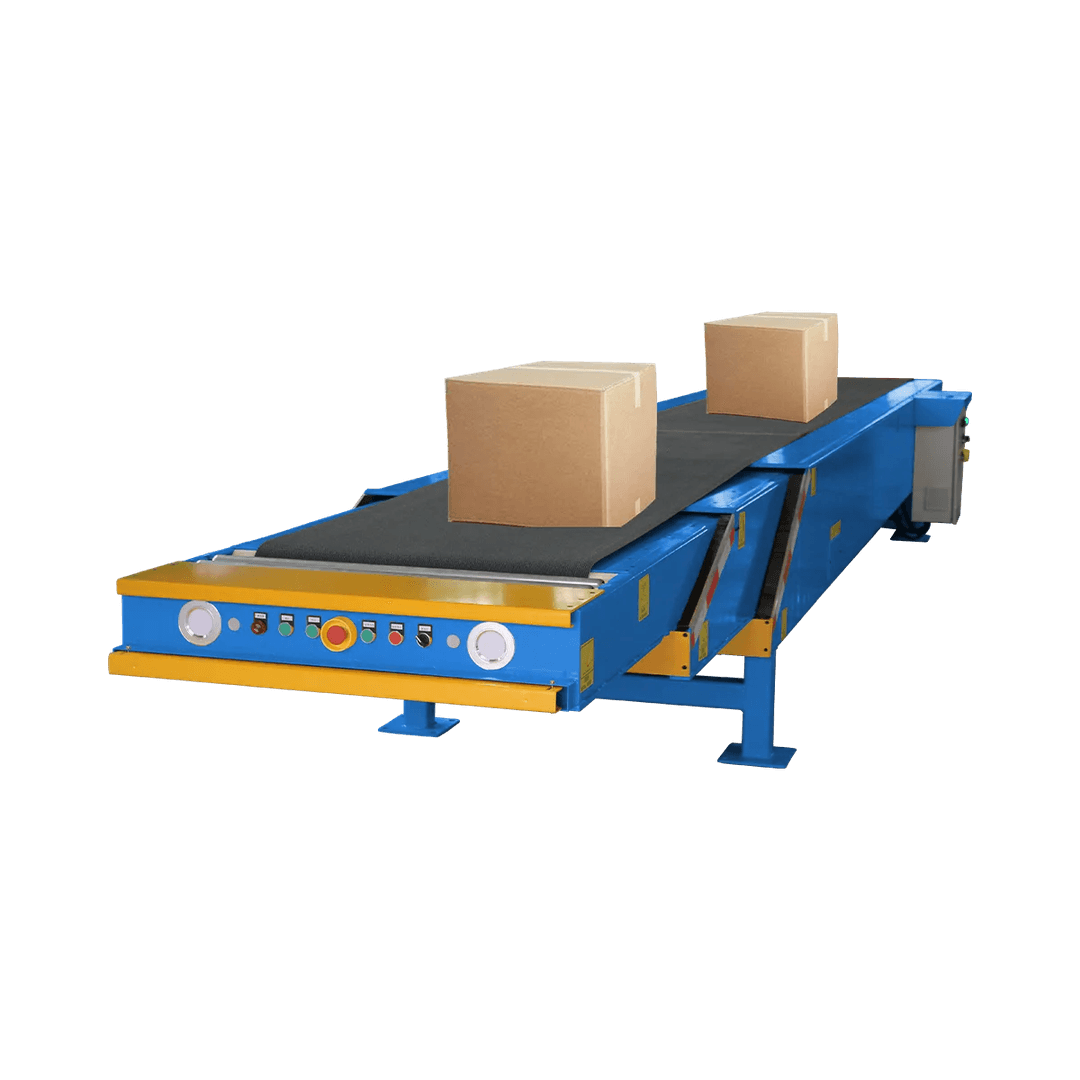
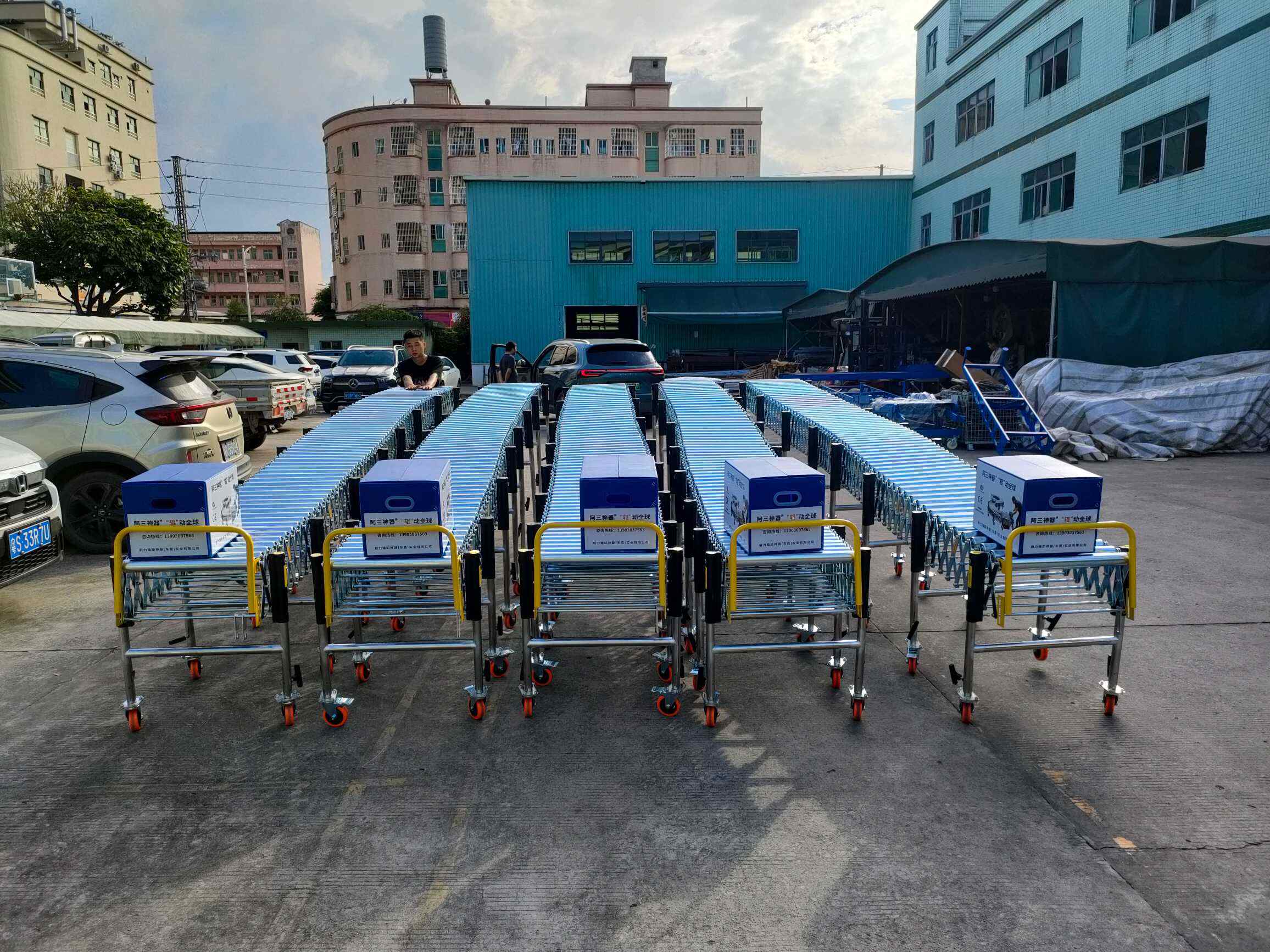
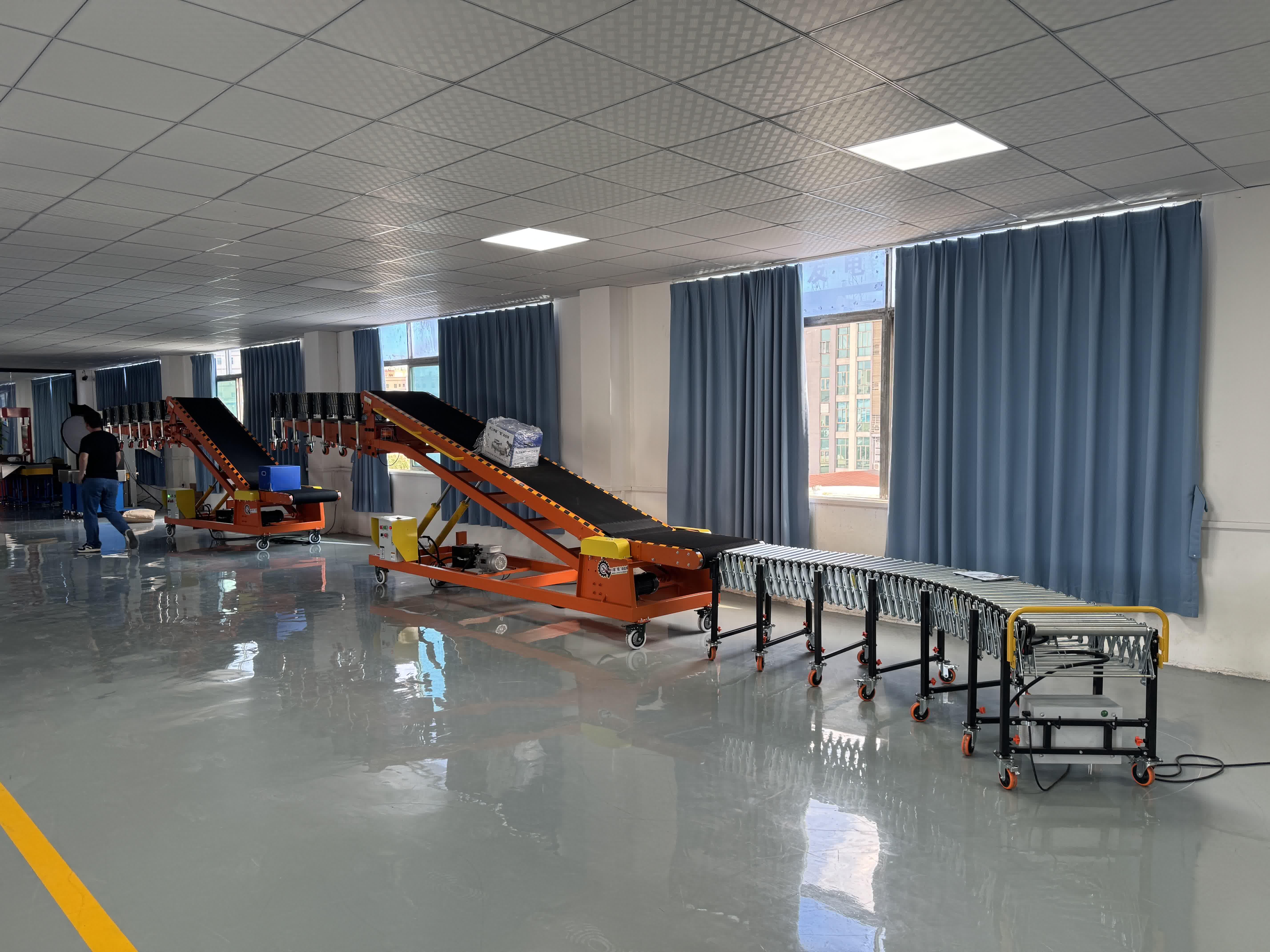
Convoyeur télescopique à 3 sections
Our three-section telescopic conveyor can extend up to 7–9 meters, reaching deep into trucks and containers to enable fast and efficient loading and u...
 Fût métallique
 Fût en plastique
 Lancer
 Carton
 En sachet
How the Solution Connects (3-Section Telescopic Conveyor Docking at the Unloading Mouth)
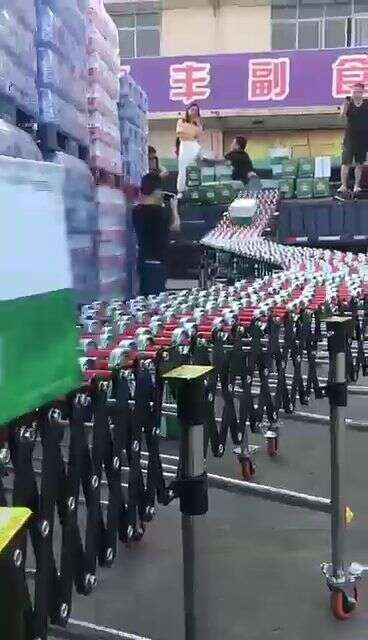
On the unloading dock side, the 3-section telescopic conveyor extends into the trailer, creating a continuous transport channel between the work area inside the trailer and the unloading mouth: goods move from the trailer onto the conveyor front end and continue along the channel to the unloading mouth.
Inside the warehouse, align the telescopic conveyor’s tail end with the existing receiving/sorting handoff point on site; exactly which section of equipment or receiving position is used should follow the current on-site layout.
The adaptation for 7.6m and 9.6m trucks focuses on "confirming the connection points once vehicles are in position" and "adjusting the extension/retraction of the telescopic conveyor": after the truck is parked, first verify the path and docking position that can extend into the cargo compartment, then extend or retract the telescoping section so its front end fits closer to the in-vehicle working area, keeping the path from inside the truck to the unloading port continuous.
Operation flow and manual coordination (steps from vehicle arrival to completion of unloading)
Vehicle positioning and preparation: once the truck stops at the unloading port, confirm the alignment between the cargo area and the unloading port and check whether the telescopic conveyor can enter the cargo compartment along the planned path.
Equipment adjustment: operate the three-section telescopic conveyor to extend or retract so its front end enters the cargo compartment and reaches the correct docking position, linking the inside of the compartment with the unloading port.
Unloading execution: during the unloading process, personnel inside the truck transfer goods onto the conveyor channel; on the unloading port side, staff receive the items exiting the telescopic conveyor tail and continuously pass them to the existing handoff points, ensuring downstream tasks can continue uninterrupted.
Completion and transition: after one truck is unloaded, retract the telescopic conveyor to its standby position; tidy and clean the docking surface as needed and prepare for the next truck to pull in and reconnect.
Changes observed after use (recording observable results on site)
From the observable actions on site, the main changes are reflected in whether the unloading channel becomes more seamless and whether the handoff actions become more centralized.
- Continuity observation: focus on the in-truck to unloading port channel formed by the telescopic conveyor during unloading, noting whether frequent interruptions are required to realign docking positions or to move the docking point repeatedly.
- Path variation: the retrieval and transfer movements inside the cargo compartment revolve around the front end of the telescopic conveyor, while the receiving actions at the unloading port focus on the tail-end output position, concentrating the unloading path on both ends of the channel.
- Collaborative actions: the boundary between the in-truck task of placing goods onto the conveyor channel and the unloading port task of receiving goods and passing them on is clearer, and the handoff point is more defined, facilitating continuous dispatch and connection according to the existing layout.