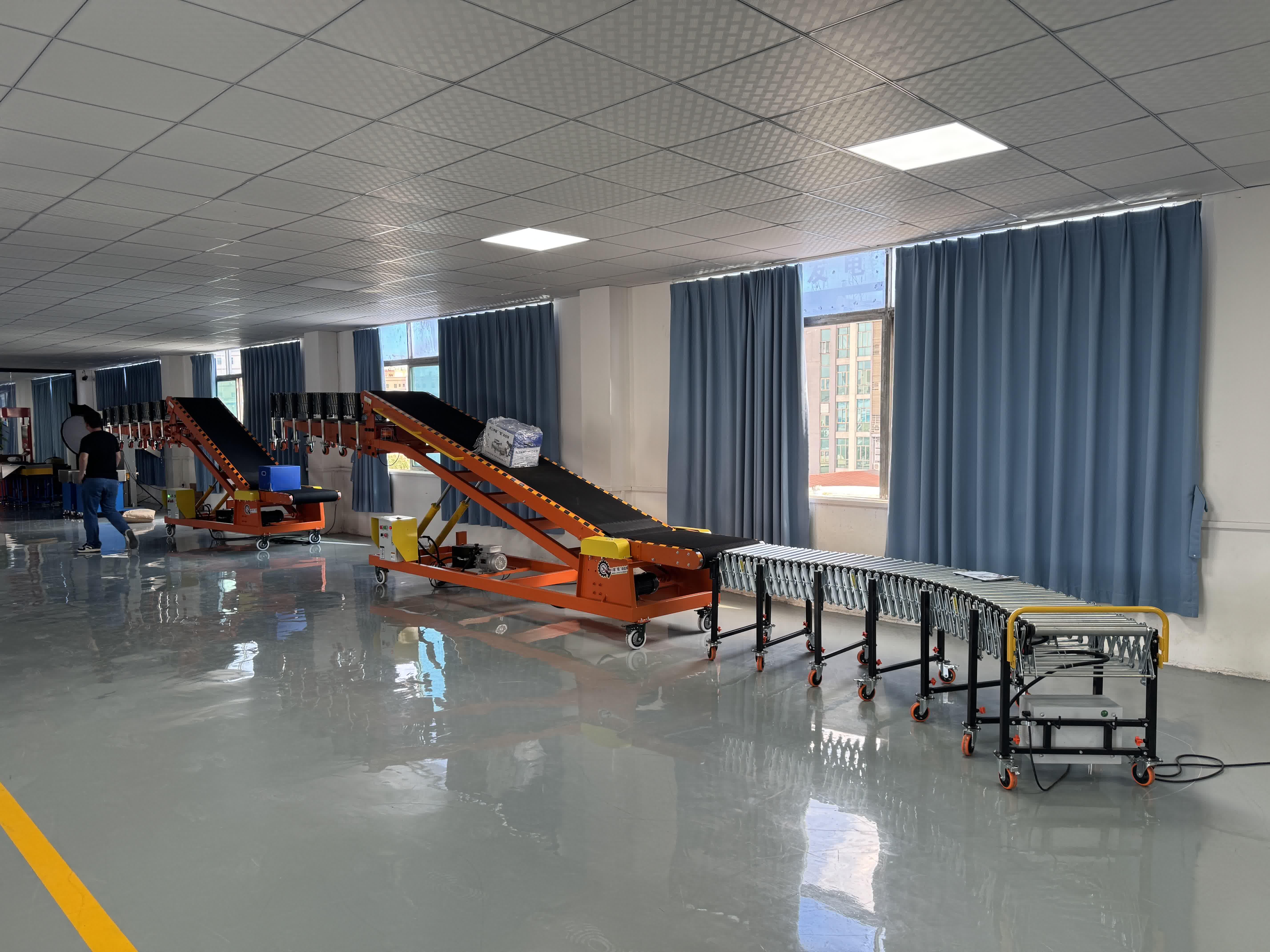
In the logistics process of the textile industry, loading rolls of fabric often requires a lot of manual handling, which is not only inefficient but also poses certain safety risks. To address this pain point, we designed a loading solution for a textile company consisting of a medium ramp conveyor and a Multi-Wedge Belt Powered Roller Conveyor, enabling continuous and smooth conveying from the ground to the truck bed and greatly optimizing the loading process.
Solution Configuration and Equipment Selection
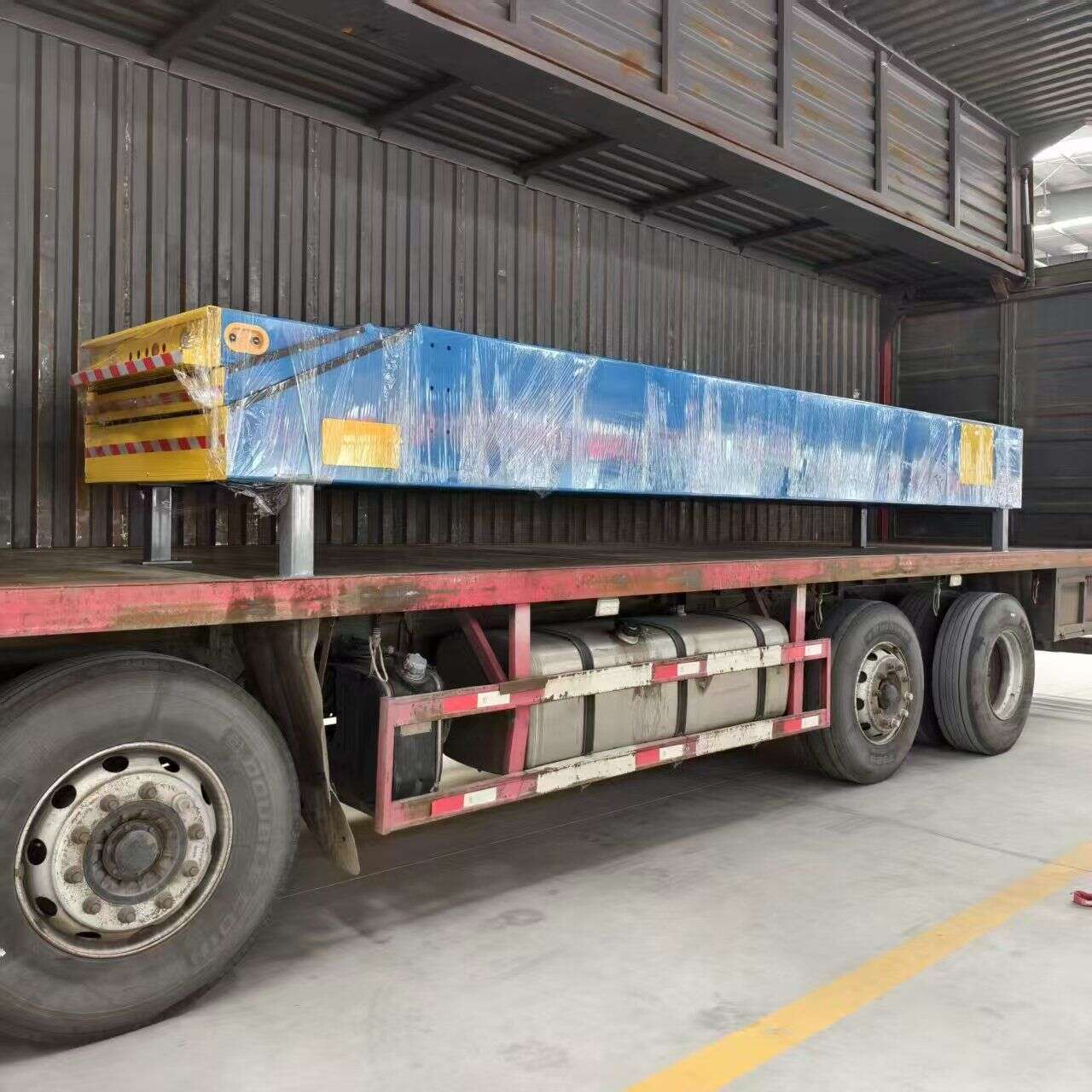
The core of this solution is combining the functional advantages of the two types of equipment. The ground section uses a medium ramp conveyor, which lifts the fabric rolls from the floor to a height level with the truck bed. The ramp conveyor is equipped with a stable hydraulic lifting system and an anti-slip conveyor belt, enabling it to adapt to truck beds of different heights and ensuring a smooth and reliable lifting process.
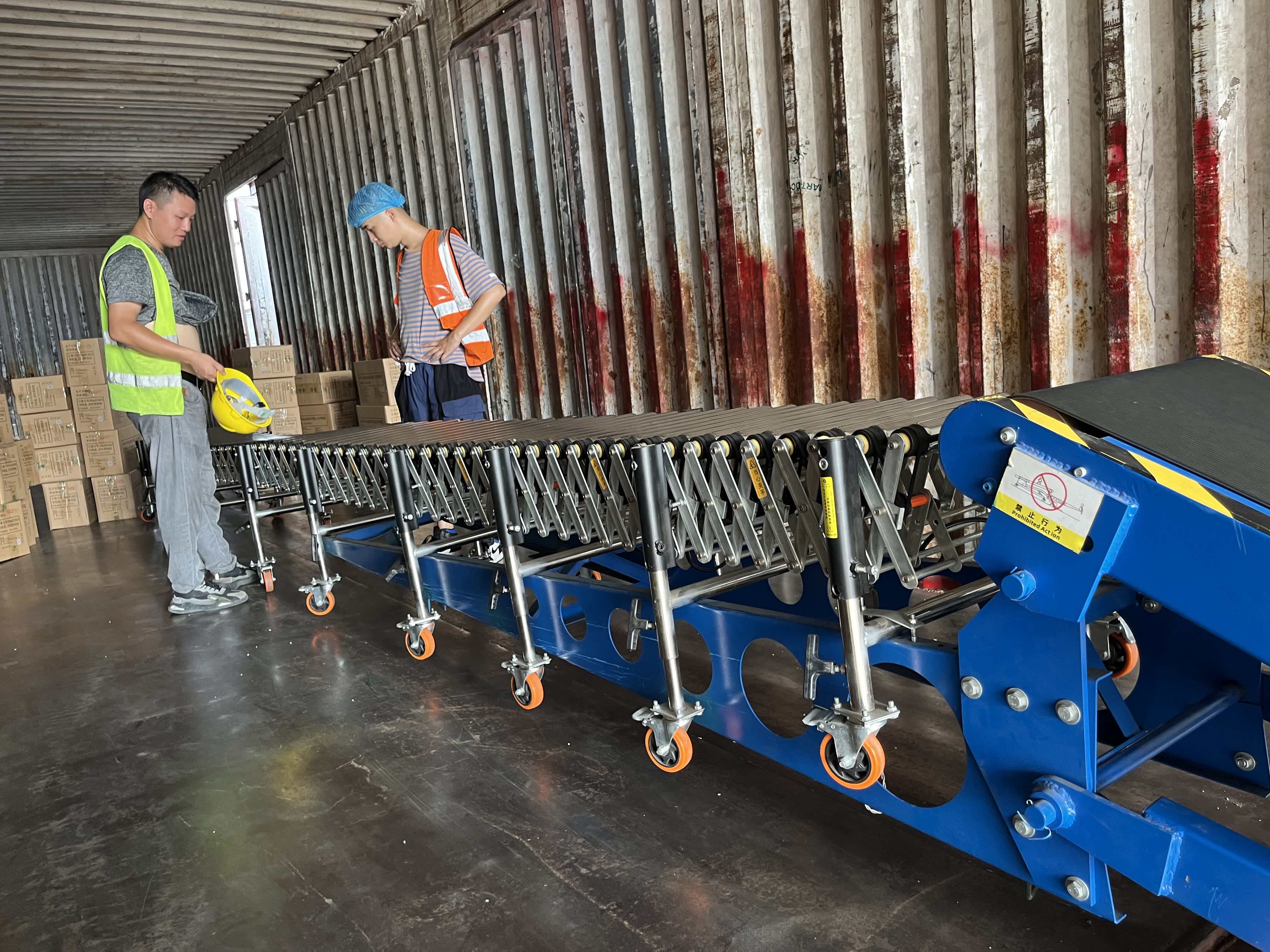
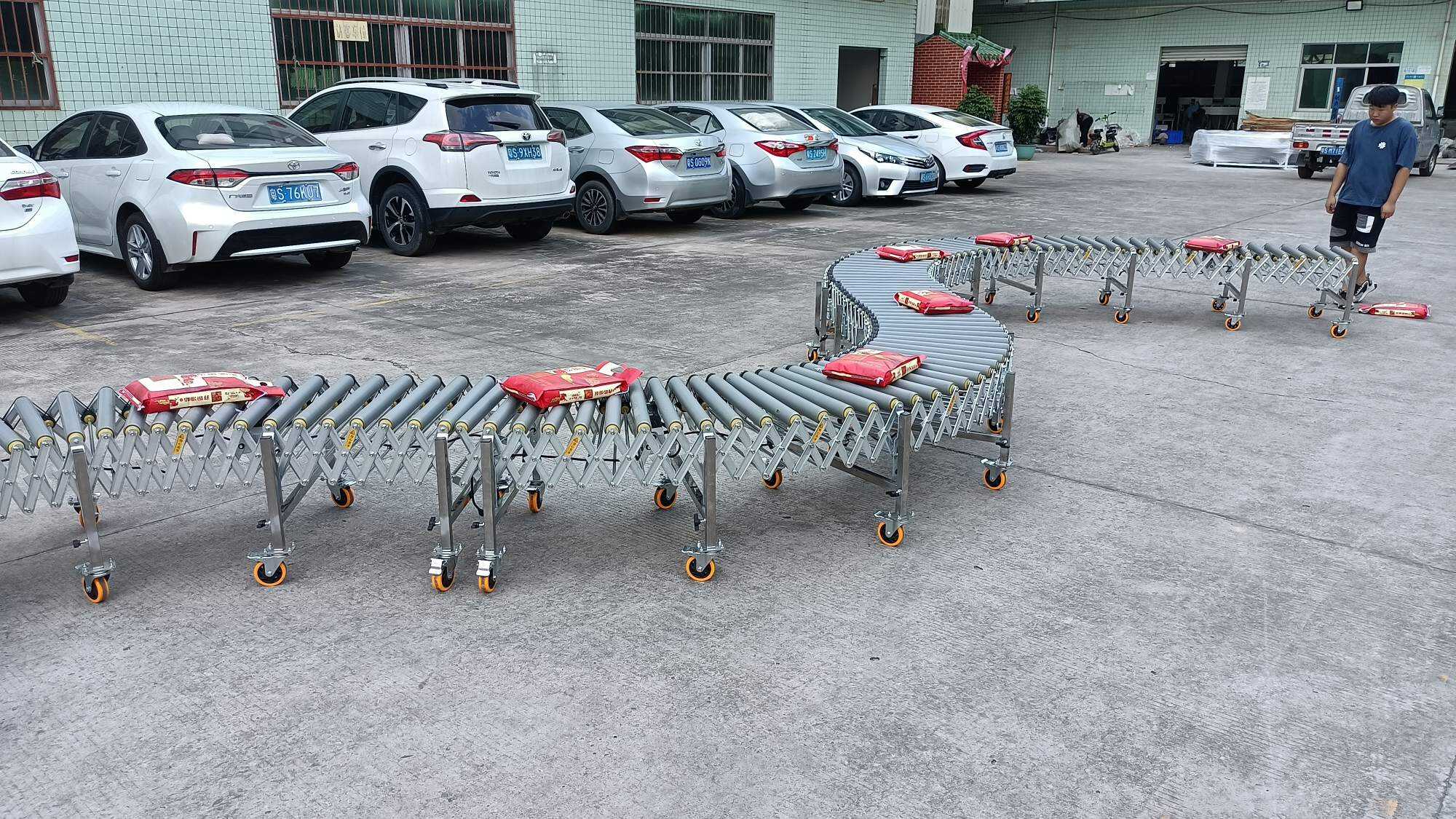
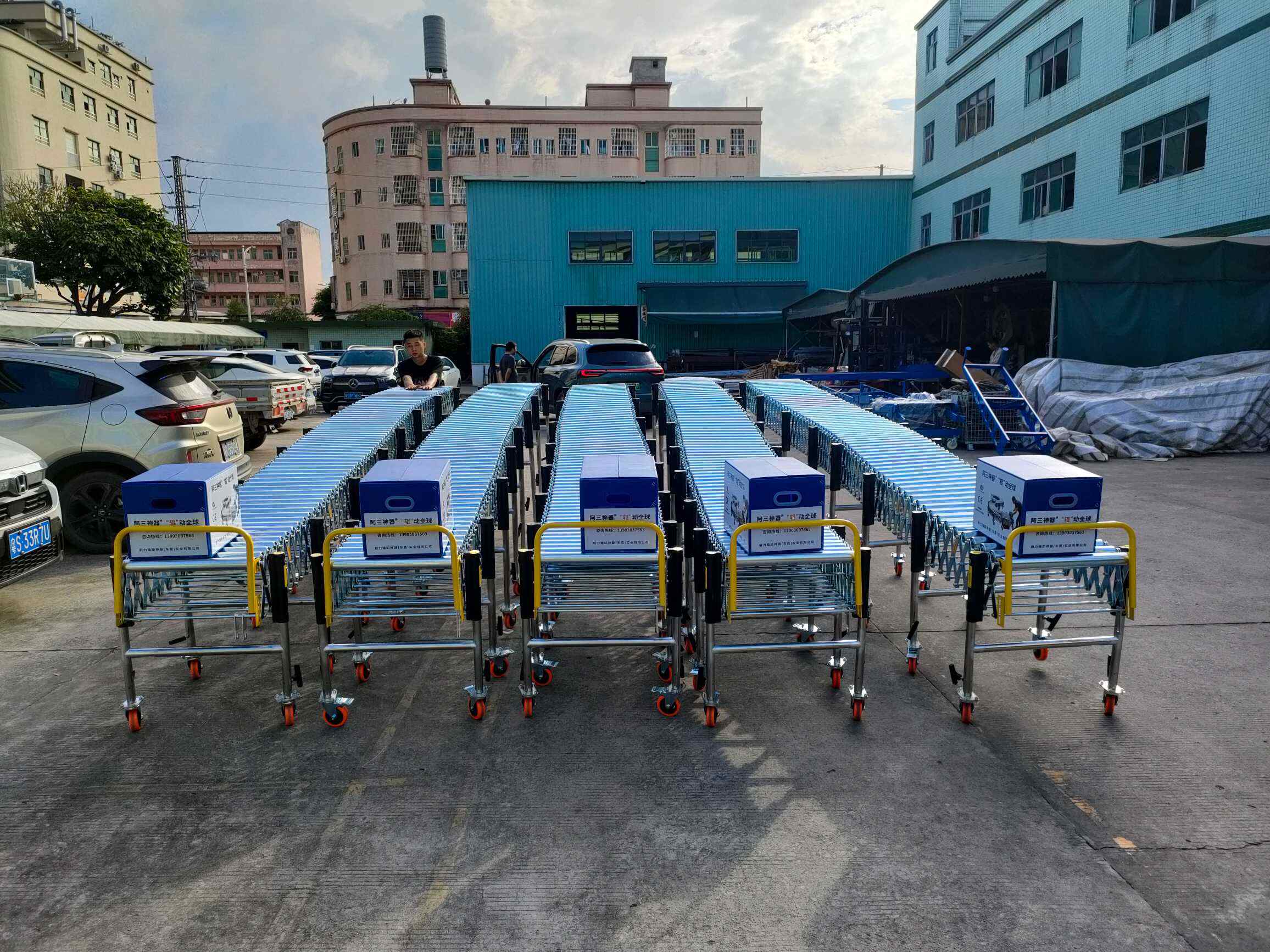
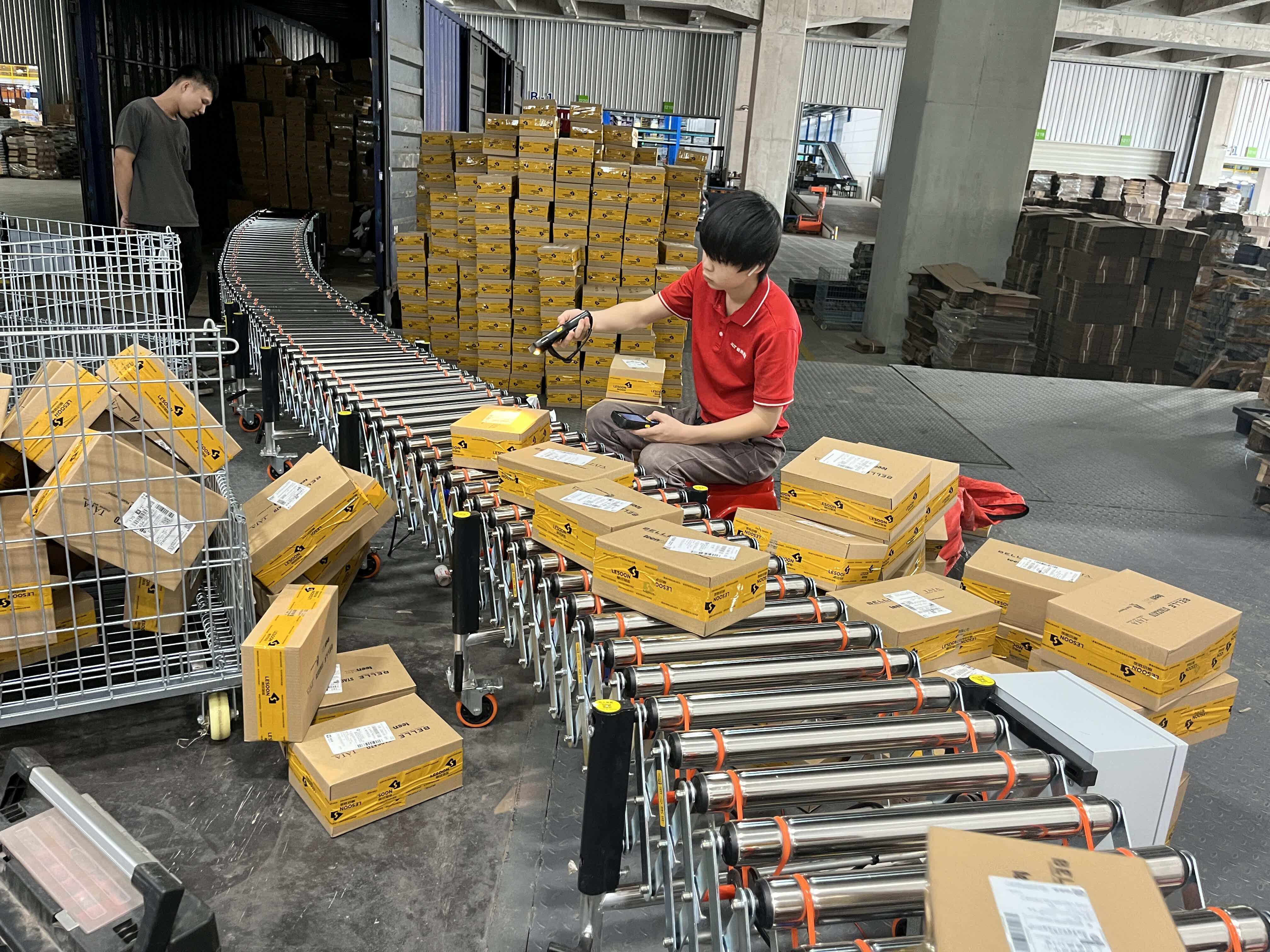
Inside the truck bed, multiple sections of Multi-Wedge Belt Powered Roller Conveyor are laid end to end and extend all the way to the deepest part of the truck bed. This conveyor uses a Multi-Wedge Belt to drive the rollers, providing continuous and gentle forward power for the fabric rolls. Workers only need to adjust the position inside the truck bed to stack them with ease.
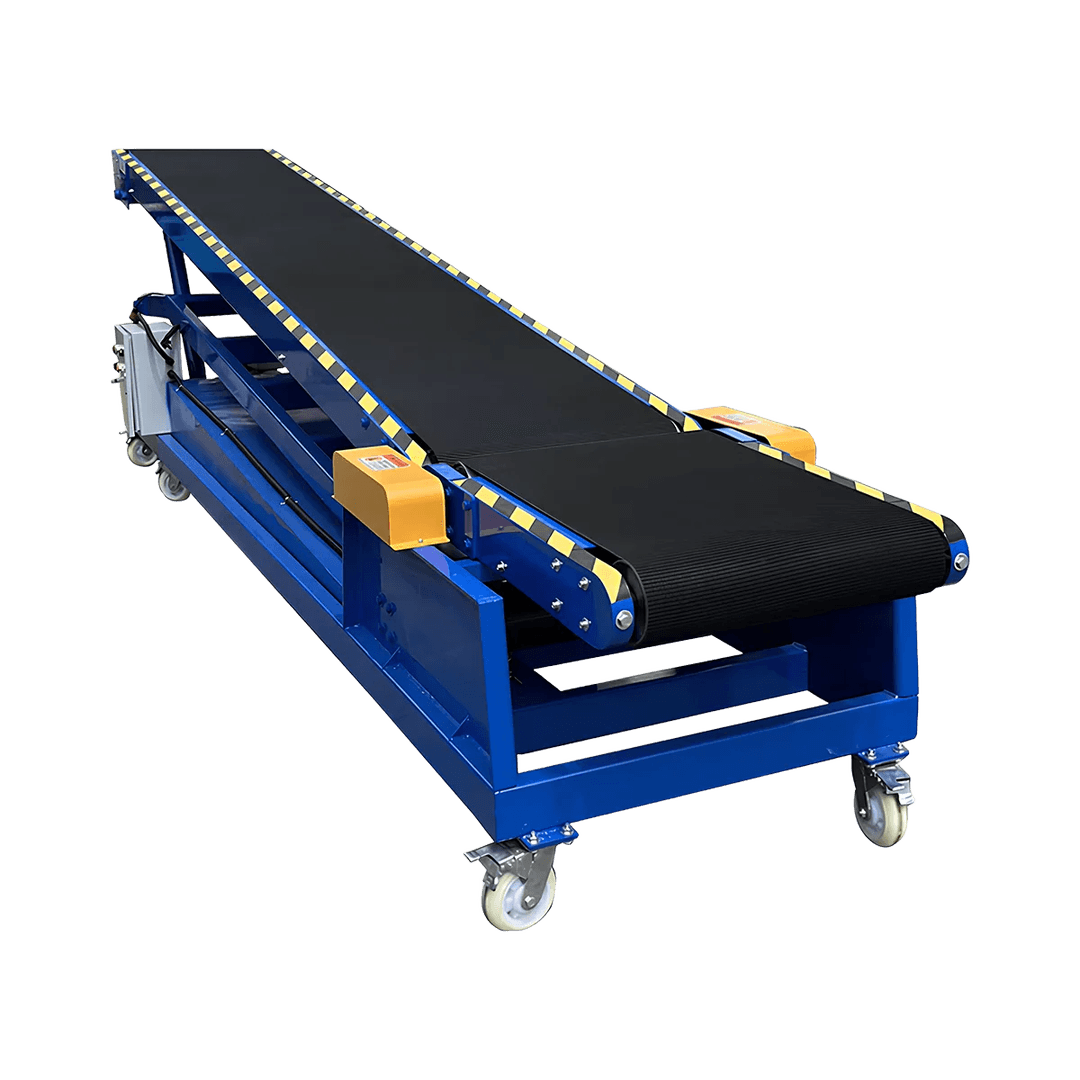
Convoyeur hydraulique de taille moyenne
Medium Hydraulic Conveyor is specially designed for sites without loading and unloading platforms and is suitable for trucks under 40 ft. The hydrauli...
 Fût métallique
 Fût en plastique
 Lancer
 Carton
 En sachet
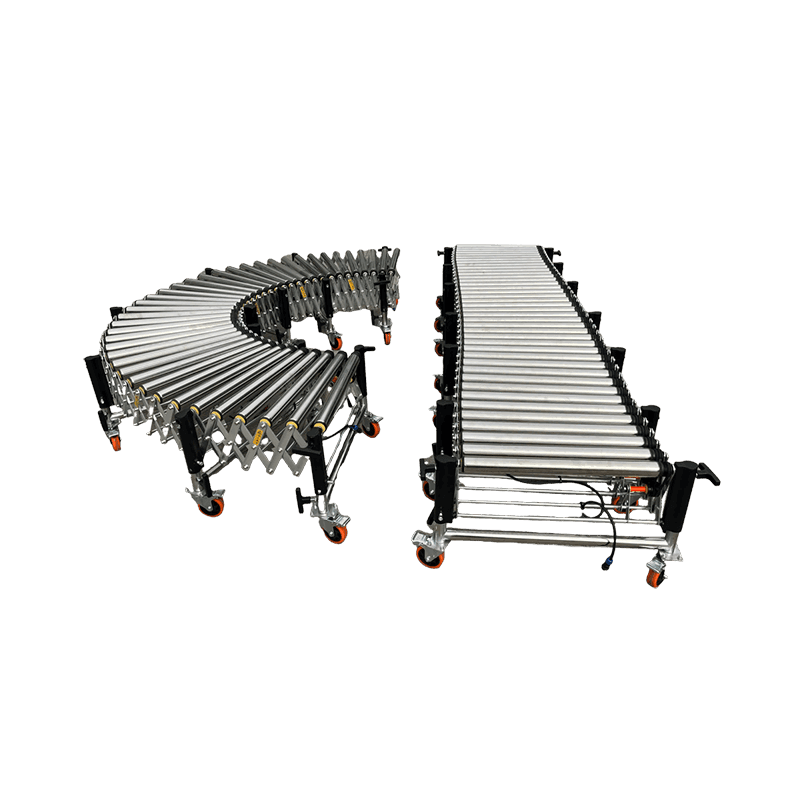
Convoyeur à rouleaux entraîné par courroie à cales multiples
Le convoyeur à rouleaux motorisé à courroie à cales multiples utilise un système d'entraînement par courroie à cales multiples pour assurer un transport fluide et efficace des marchandises. Plage d'espacement des moteurs...
Fût en plastique
Fût métallique
Carton
Lancer
Operation Process and Efficiency Improvement
In actual operation, the process becomes very simple and efficient. On the ground, only one worker is needed to place the fabric rolls onto the running conveyor belt of the medium ramp conveyor. The ramp conveyor lifts the goods at a steady speed to the truck bed entrance.
The goods are automatically transferred onto the Multi-Wedge Belt Powered Roller Conveyor laid inside the truck bed and continue moving toward the rear of the truck bed. One to two workers are stationed inside the truck bed to unload the conveyed fabric rolls according to stacking requirements and stack them neatly. The entire process forms a continuous assembly-line operation.
Compared with traditional purely manual handling, this solution offers very clear advantages: it directly reduces the number of loading and unloading workers from 4-5 to 2-3 and shortens loading time by about 50%-60%. More importantly, it completely eliminates the risk of workers carrying loads while walking on a slope, reduces labor intensity, and improves operational safety. This Multi-Wedge Belt Powered Roller Conveyor collaborative loading and unloading practice with a medium ramp conveyor has proven to be efficient and reliable in heavy-load handling scenarios.
Solution Features and Applicability
This solution is highly flexible and practical. The medium ramp conveyor can be flexibly adjusted according to truck height to suit different vehicle models. The Multi-Wedge Belt Powered Roller Conveyor adopts a modular design, and its length can be freely combined and spliced according to common 9.6 m or 13 m truck beds. For cylindrical goods that are relatively heavy and require smooth conveying, such as fabric rolls, paper rolls, and plastic film rolls, this combined solution is particularly suitable.
It is not a fully automated solution, but a typical "machine-assisted" model, designed to improve loading and unloading efficiency and reduce manual labor. Its core value lies in optimizing the process rather than completely replacing manual work, which makes the investment cost more manageable and maintenance simpler.
Summary
By introducing the combination of a medium ramp conveyor and a Multi-Wedge Belt Powered Roller Conveyor, the textile company successfully transformed fabric-roll loading from heavy manual labor into a semi-mechanized assembly-line operation. This solution offers a high return on investment, significantly improves loading and unloading efficiency, and ensures worker safety, making it an effective way to solve similar bagged textile loading solution medium- and heavy-load lifting and handling challenges.