Scenario & Requirements
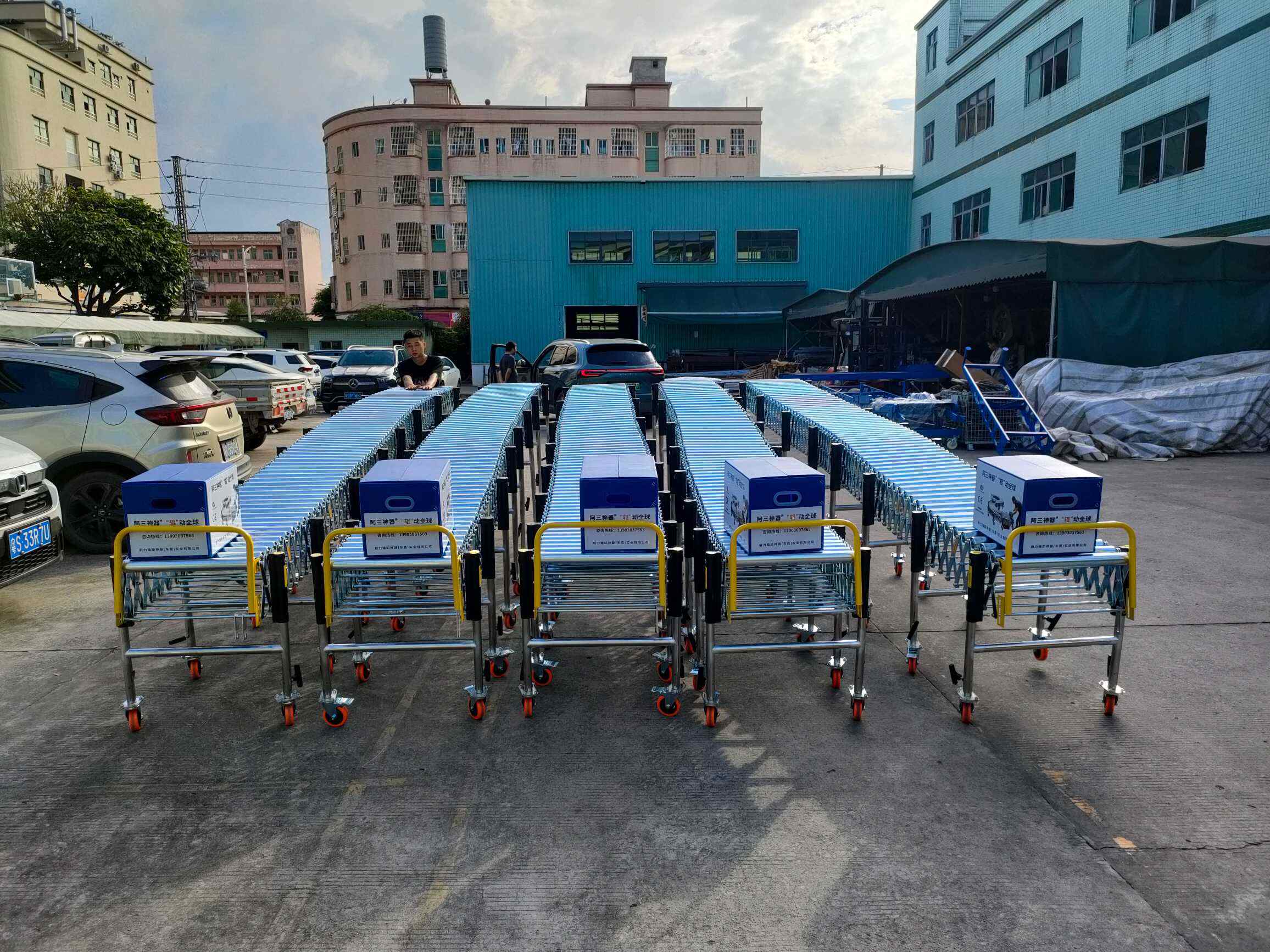
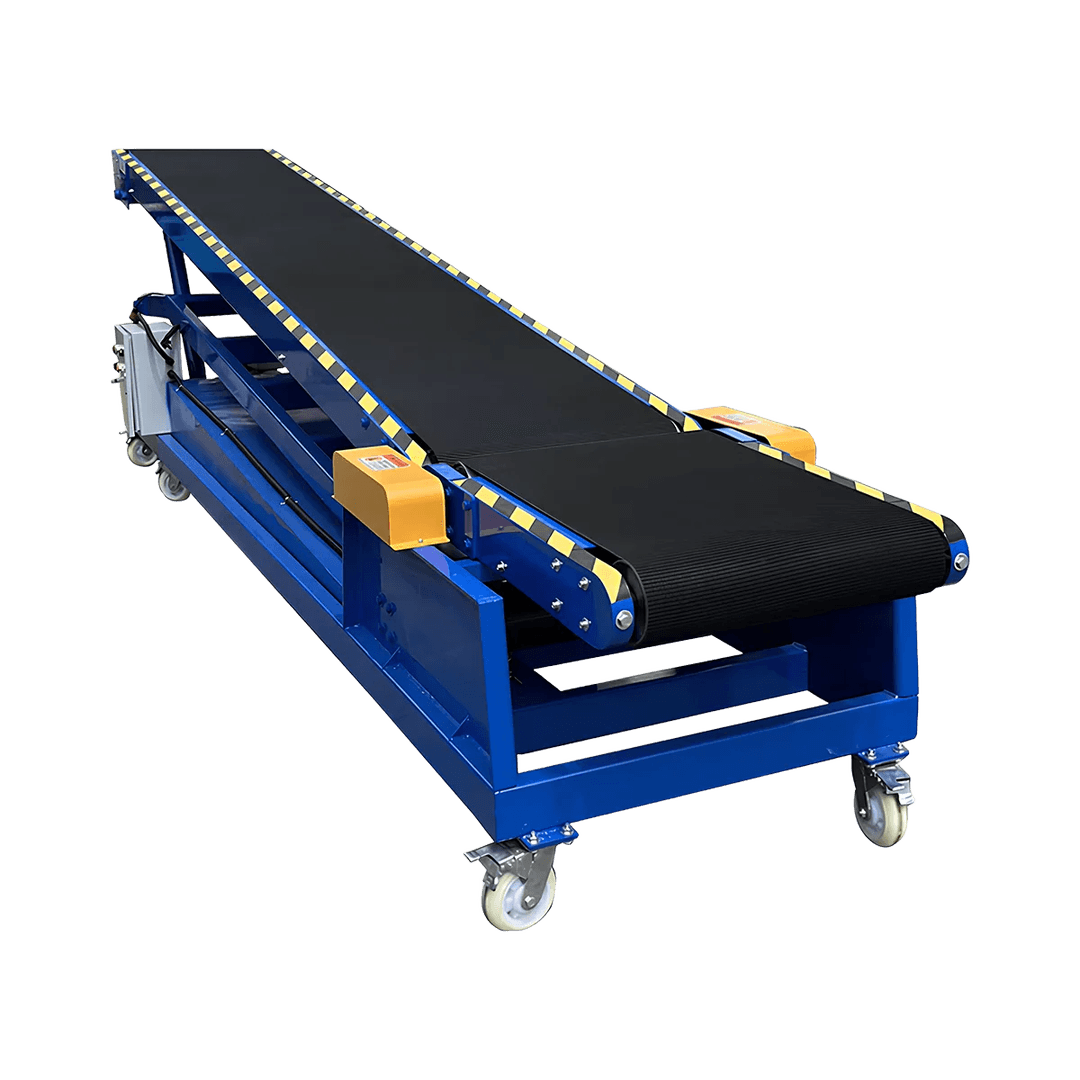
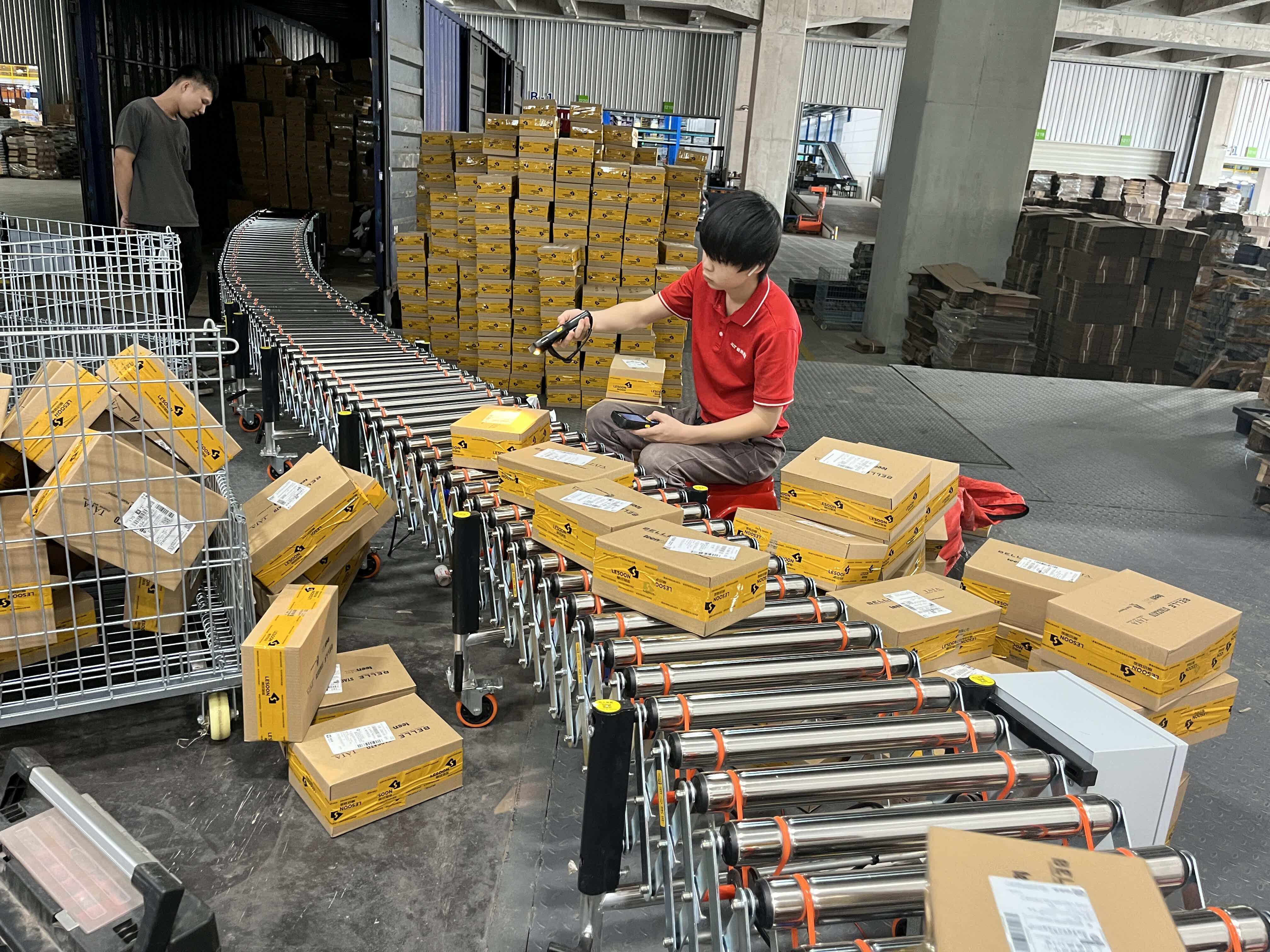
These customers all have loading/unloading platforms. They deploy multi-wedge belt powered roller conveyors on the platform to deliver warehouse goods directly into the truck compartment, reducing intermediate handling steps and maintaining a continuous material-flow rhythm. On site, they expect to build a continuous passage from the storage area to the truck compartment so that loading can connect more smoothly both inside and outside the platform.
Comment la solution s'intègre
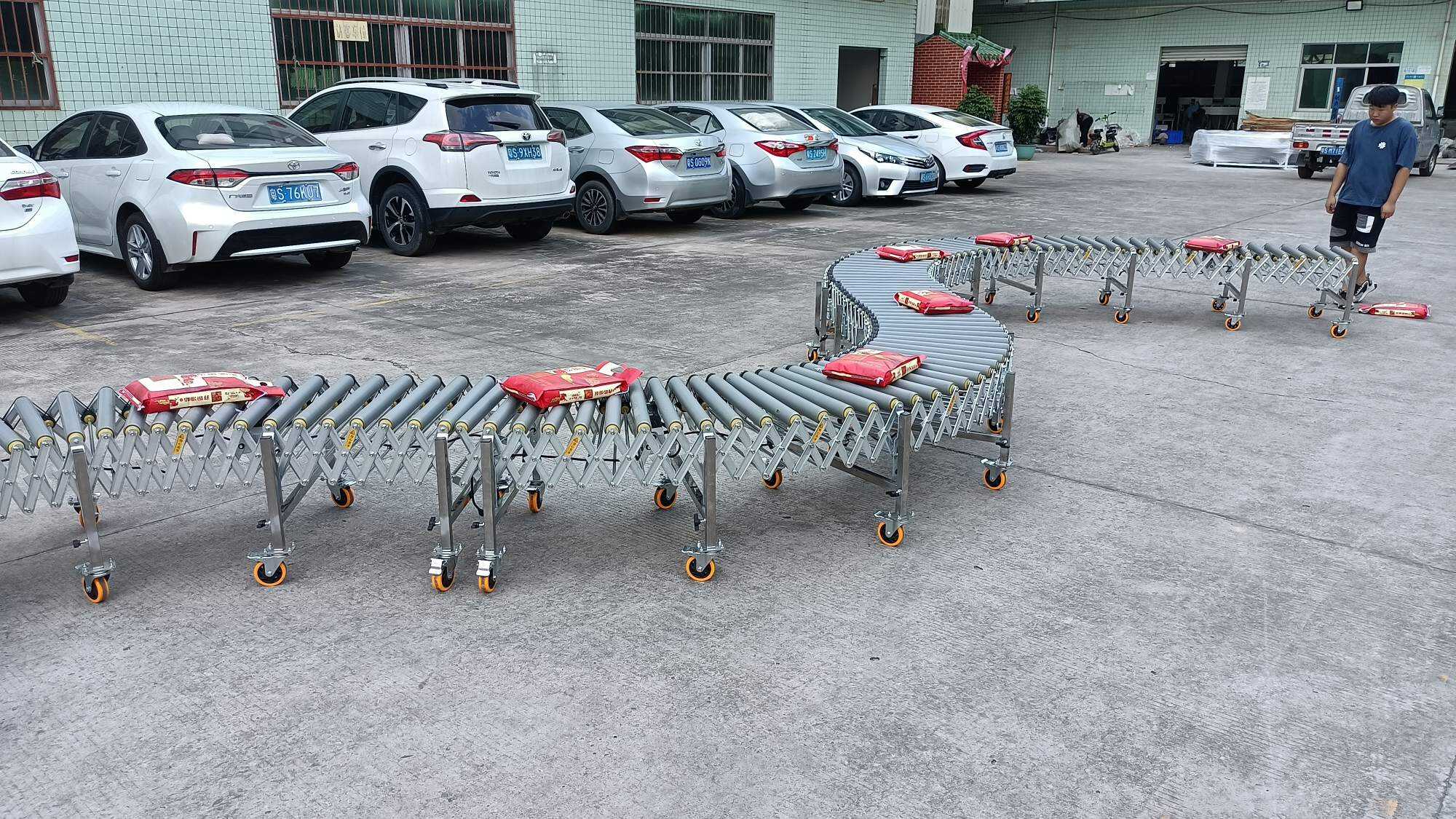
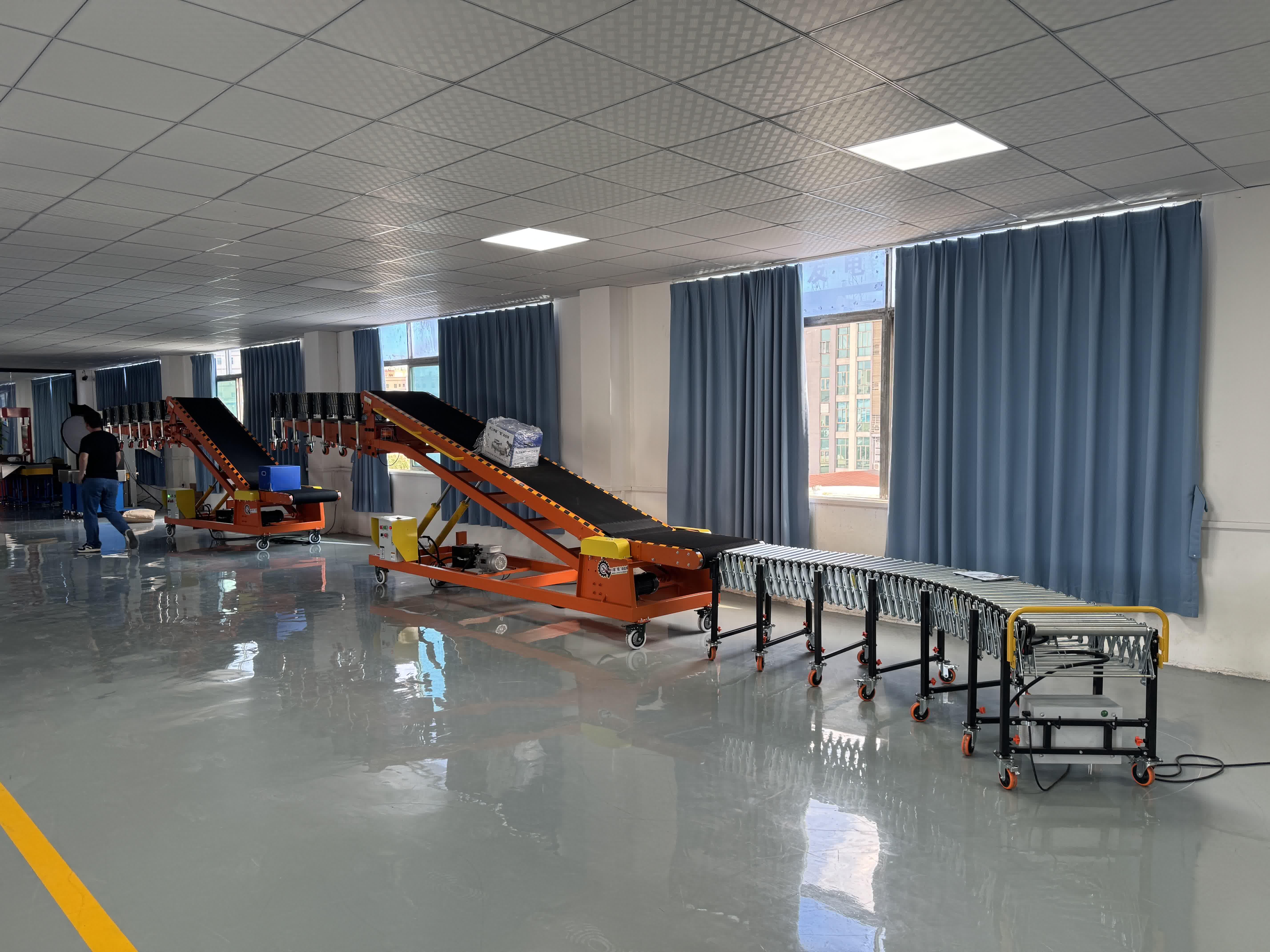
The conveyor is arranged along the warehouse racks and the loading/unloading platform, with the tail end extending to the rear of the truck, forming a continuous passage from the storage area to the truck compartment. The equipment uses a telescopic section to accommodate the height difference with the platform, allowing the drive to move goods smoothly across different working surfaces. Meanwhile, the control system responds to the flow rhythm of the goods, keeping the warehouse end and the truck-compartment end synchronized.
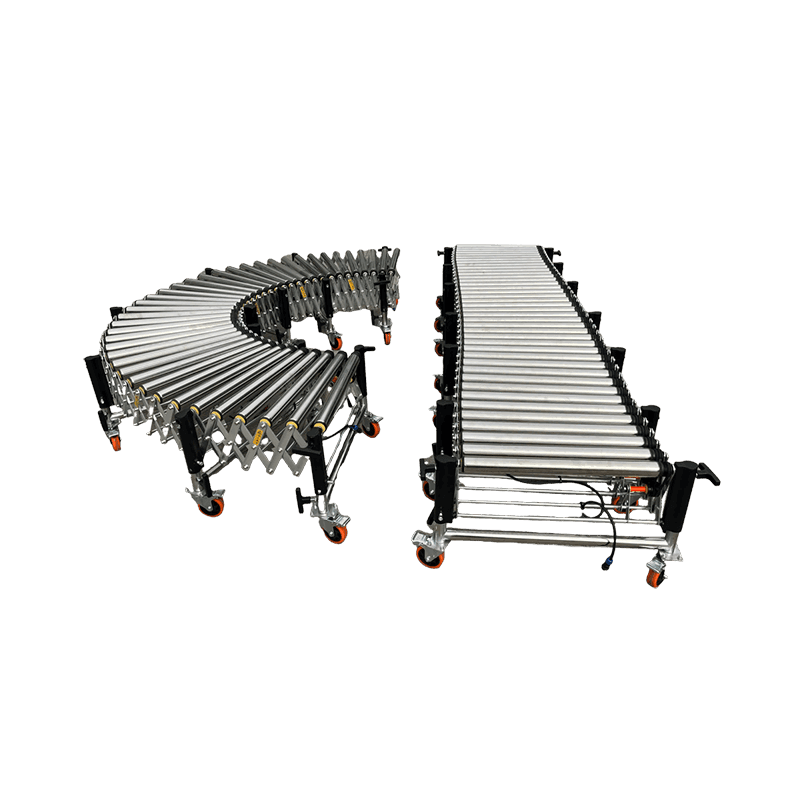
Convoyeur à rouleaux entraîné par courroie à cales multiples
Le convoyeur à rouleaux motorisé à courroie à cales multiples utilise un système d'entraînement par courroie à cales multiples pour assurer un transport fluide et efficace des marchandises. Plage d'espacement des moteurs...
 Fût en plastique
 Fût métallique
 Carton
 Lancer
Operating process & labor coordination
After warehouse staff prepare the goods on one side of the loading/unloading platform, they hand them over to the multi-wedge belt roller conveyor. The goods then slide along the platform into the truck compartment on the conveyor. Personnel inside and outside the platform take their positions to guide placement and check status. Manual work focuses on guidance and handoff-point confirmation, while the conveyor handles the main movement, enabling tight, efficient human-machine coordination.
Changes after implementation
The flow path from the warehouse directly to the truck is clearer, reducing cross-handling and repeated transfers. The multi-wedge belt roller conveyor and the loading/unloading platform form an integrated link, making it easier to control the loading pace and provide goods-status alerts.