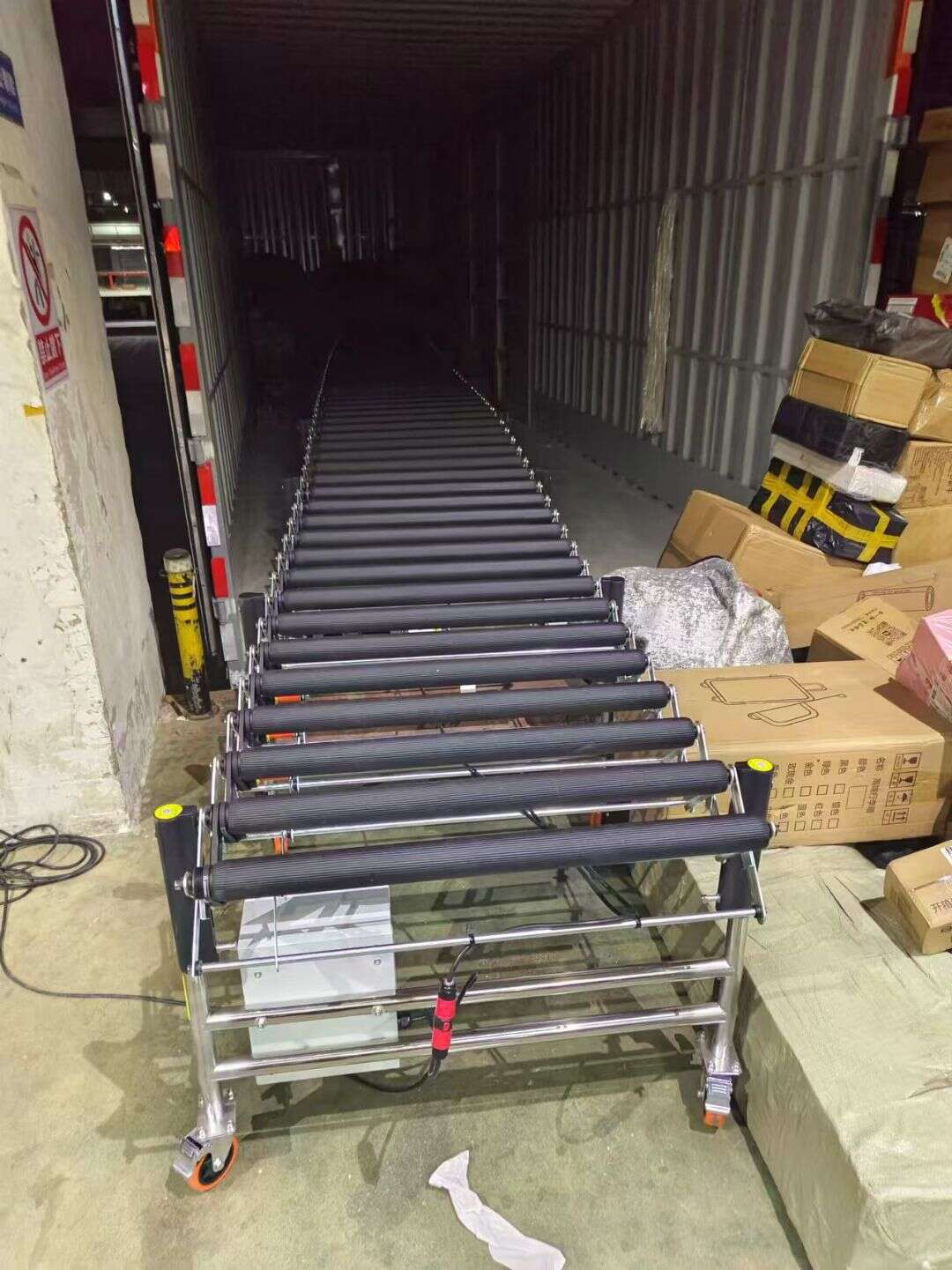
Conveying pain points for soft-pack and bagged items
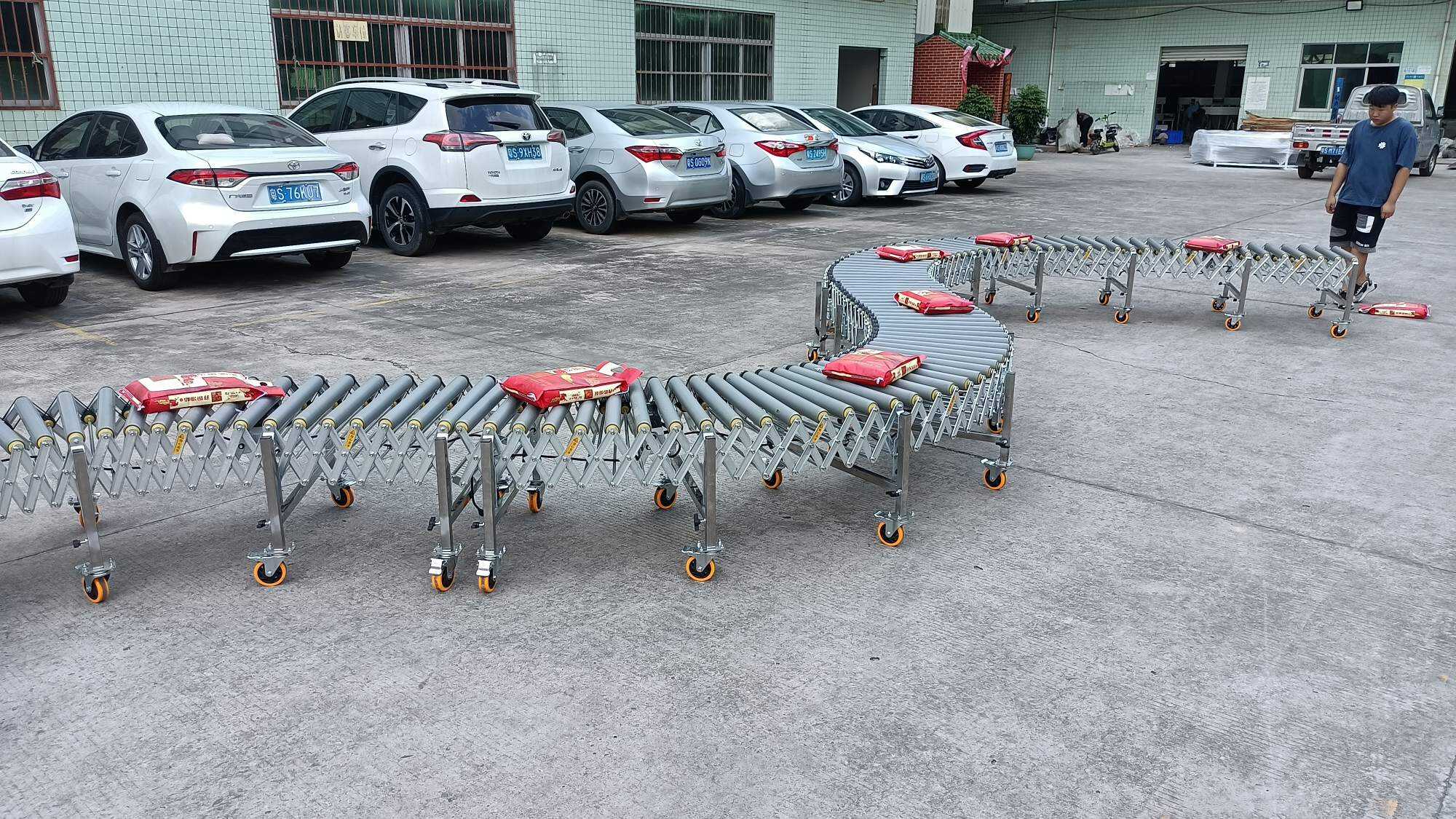
In warehouses and logistics sorting, Powered Rubber-Covered Roller Conveyor for soft packs and bags (such as plastic polybags and flexible bagged items) is often discussed separately because these goods have a non-rigid base and unstable shape, making them more likely to exhibit unexpected behavior on a roller line: sagging, shifting, slipping, or even jamming.
Common problems include:
- Soft packs sag in the gaps between rollers, causing uneven movement
- The outer packaging surface is relatively smooth, making it easy to slip on the rollers
- Irregular shapes may roll or shift sideways during conveying
- Flexible packaging edges may get caught in the gaps, causing edge pinching and blockage
These issues not only affect appearance, but also directly slow the pace, increase line stoppages and manual intervention, and raise the risk of packaging damage and cargo loss.
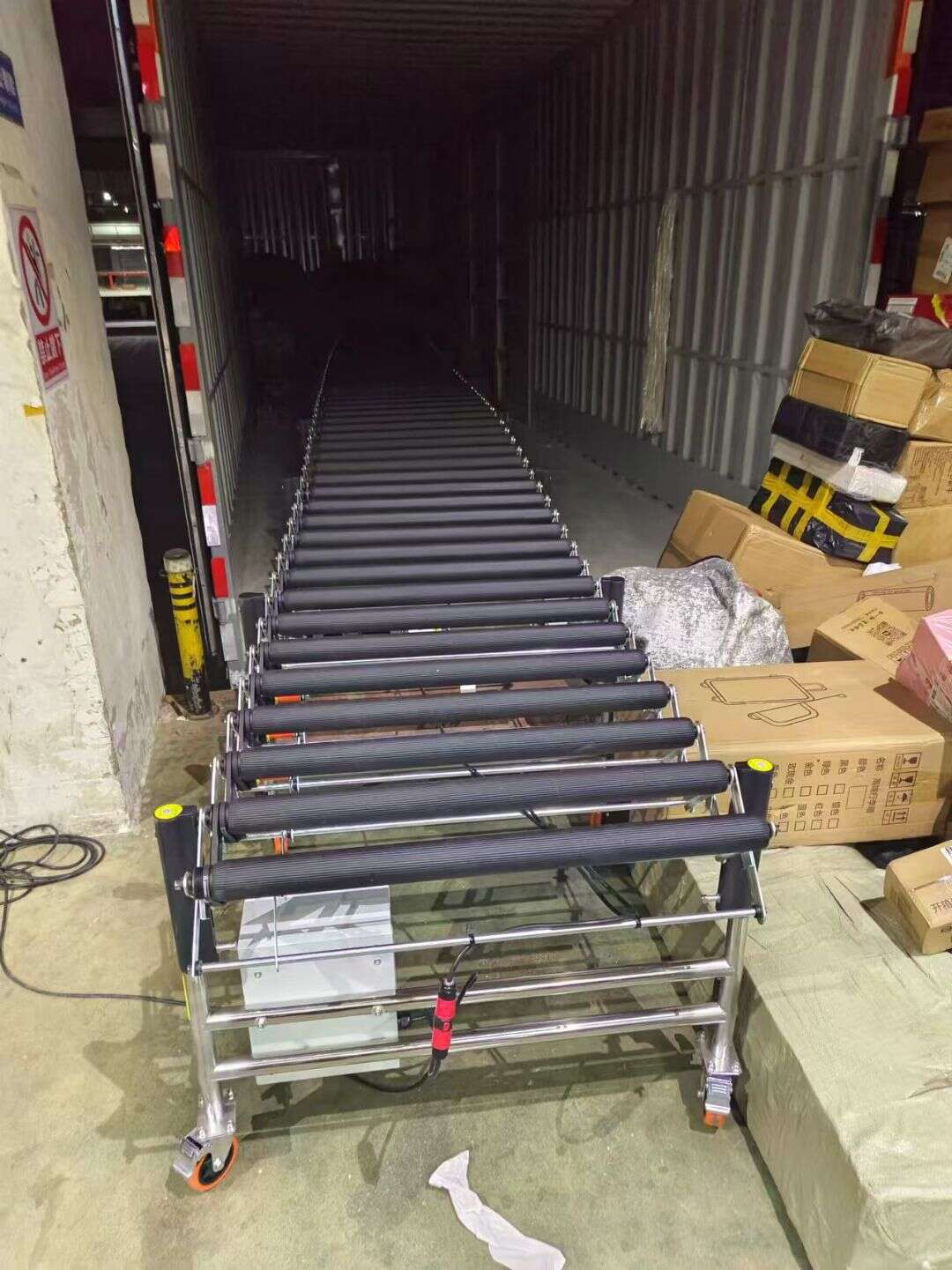
Why standard metal roller conveyors are prone to failure
When the goal is to convey soft packs, bagged items, and irregular items stably, standard metal roller conveyors are often at a natural disadvantage in two key mechanisms.
- Insufficient friction causes slipping: Metal rollers have a relatively low surface friction, so plastic bags and smooth outer packaging are more likely to slip; on slopes, during speed changes, or in scenarios where item spacing must be maintained, slipping can cause inconsistent speed and queue disorder.
- Roller gaps cause sagging and edge pinching: Soft packs lack a rigid base and can easily sag between rollers; sagging not only makes the movement path uncontrollable, but may also pull packaging edges into the gaps, causing jamming, blockage, and manual clearing.
In addition, as the cargo weight increases, the sagging and movement disturbance often become more noticeable, and the likelihood of stoppages and intervention also rises.
Key design points of Powered Rubber-Covered Roller Conveyor
For the two core problems of slipping and sagging/jamming, the approach of using a Powered Rubber-Covered Roller Conveyor for soft packs and bags is more direct: improve grip and contact consistency with rubber covering, and use tighter roller spacing to enhance continuous support.
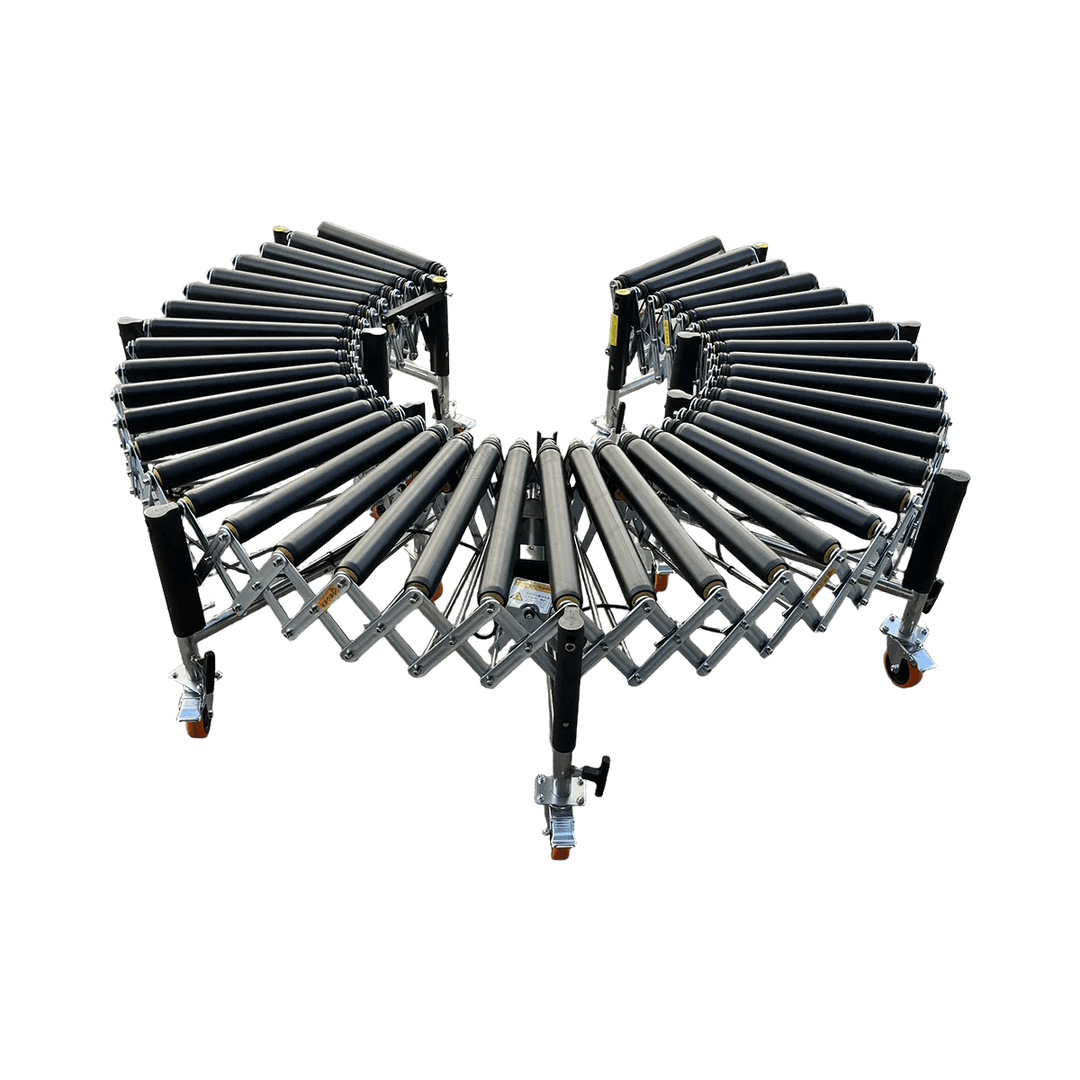
Multi-Wedge Belt Powered Rubber-Covered Roller Conveyor
The multi-wedge-belt Powered Rubber-Covered Roller Conveyor is specifically designed for the smooth conveying of bagged goods. It uses multi-wedge-bel…

Fût métallique

Fût en plastique

Lancer

Carton

En sachet
PVC rubber-covered rollers: stronger grip and more consistent contact
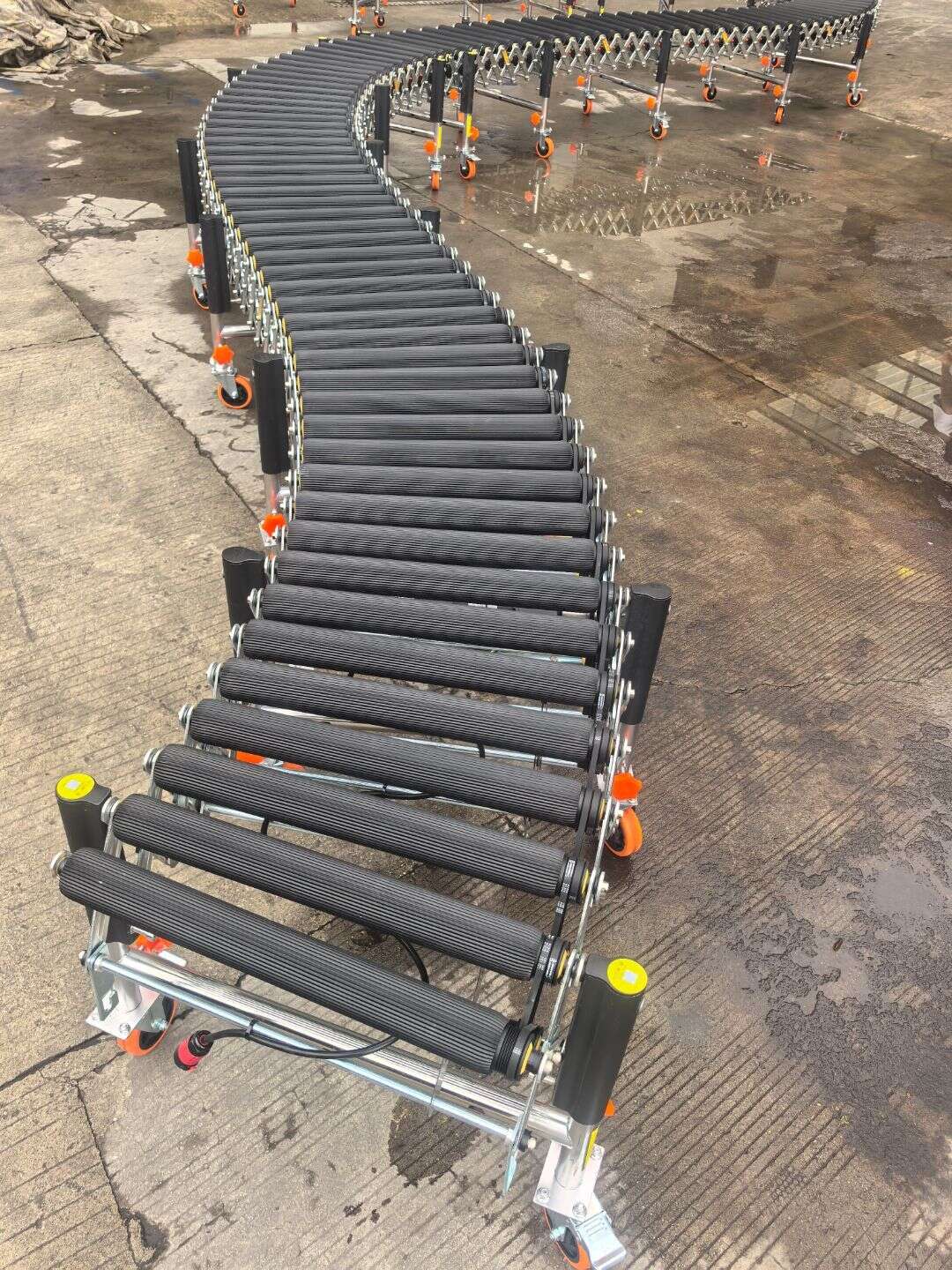
The hallmark configuration of Powered Rubber-Covered Roller Conveyor is PVC rubber-covered rollers. Compared with metal rollers, the rubber coating can provide:
- Higher friction: reduces slipping of smooth outer packaging during conveying
- Softer contact: the surface has a certain amount of give, helping cushion minor impacts
- More stable contact state: for irregularly shaped goods or items with soft bottoms, it is easier to maintain continuous contact
The original text also mentions that rubber-covered rollers may bring lower operating noise and help reduce static buildup in some packaging materials during conveying.
Smaller roller spacing: reduces the likelihood of sagging and jamming
One root cause of soft-package sagging is discontinuous support. Therefore, Powered Rubber-Covered Roller Conveyor usually adopts a denser roller arrangement to reduce sagging caused by roller gaps, allowing soft packages to receive support closer to a continuous surface, thereby lowering the risk of edge pinching, jamming, and blockage.
Applicable scenarios and usage reminders
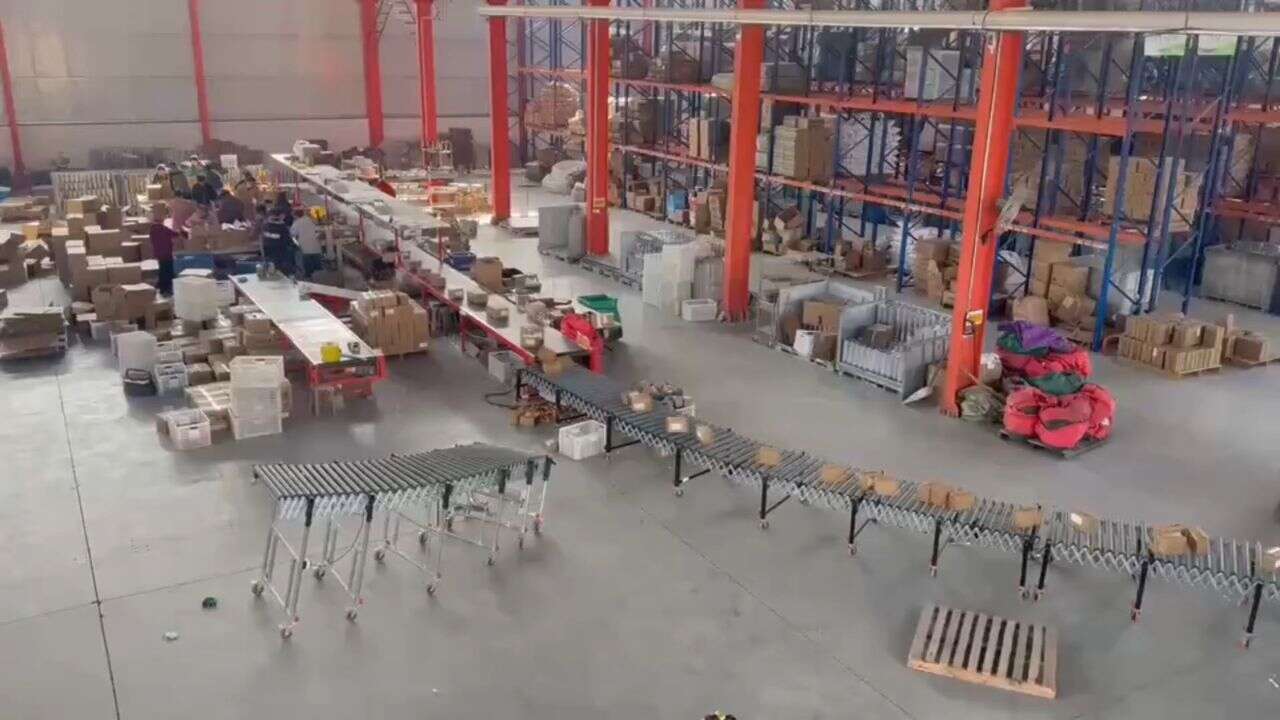
The advantages of Powered Rubber-Covered Roller Conveyor for conveying soft packages are usually more obvious in processes with a high proportion of flexible packaging, large variations in shape, and high requirements for continuity; similarly, in Multi-Wedge Belt Powered Rubber-Covered Roller Conveyor for EPE foam and other soft-pack items, it also performs well. Typical examples include:
- Postal and express sorting centers: high-volume mixed flow of polybags, soft envelopes, and irregular items
- Agriculture and food processing: bagged materials such as seeds, grains, and feed require stable conveying
- E-commerce returns processing: complex packaging types and varying conditions make misalignment and slipping more likely
Integration recommendations
The rubber-covered powered roller section can serve as a "soft-package dedicated section" in the system, connected with other conveying sections to solve the issue of soft packages and bagged items being more likely to become unstable in certain stages.
Maintenance and care key points
To maintain anti-slip performance and continuous conveying, daily maintenance is recommended according to the original text’s approach:
- Regularly clean the roller surface to prevent dirt from affecting friction
- Check the drive belt tension
- Check the wear condition of the PVC rubber coating
The replacement cycle of the drive belt is usually 6–12 months (depending on usage).
The range of adjustable speed
The equipment supports speed adjustment through a frequency converter, and the conveying speed can reach up to 40 m/min, making it easy to match on-site pace and workstation requirements.
If you would like to learn about the practical application of rubber-covered rollers in bagged materials, please refer to: