







| Parámetros del equipo | ||
|---|---|---|
| Nombre del parámetro | Especificaciones / Parámetros | Notas |
| Longitud total | Retracted: 680 mm Extendido: 1500 mm |
Estándar |
| Relación de extensión | 1: 3 | Estándar |
| Load-bearing | 250 kg/m | Per meter |
| Velocidad | 0.3-40 m/s Adjustable speed, frequency control |
1 minuto |
| Ancho | 500/600/800 mm | Standard operating width |
| Rodillo | 54 mm (rubber-covered), ≥1.5T | Galvanizado/201 |
| Núcleo del eje | P235 | Estándar |
| Leg bracket (main H-frame) | 40 × 40 mm, ≥1.8T carbon steel Electrostatic surface spraying |
Estándar |
| Support leg | 35 × 35 mm, ≥1.8T carbon steel Electrostatic surface spraying |
Sleeve structure design / adjustable height |
| Espesor de la pared del bastidor de acero | ≥3.0T, Q345 | |
| Accessory parameters | ||
| Nombre del parámetro | Specification/parameter | Observaciones |
| Gear reducer | 1 gear reducer configured per 1.5 m | Motor type: IE4 three-phase asynchronous motor |
| Inverter | 0.75 kW / 1.5 kW / 2.2 kW, Shengbang | Configurado según la longitud |
| Control Panel | Forward/Reverse/Stop/Speed Control | Estándar |
| Electrical Control Box | According to the requirements of the relevant national standards | Circuit breaker: 32A Schneider |
| Rated Voltage | Standard: 220V/380V/50Hz Single-phase/Three-phase |
Estándar |
| Chain | POM, zinc-plated carbon steel pin shaft, 40P | Resistente al desgaste |
| Drive Method | Double-row sprocket chain drive Variable-frequency drive (gear motor + chain/belt transmission) |
Variable-frequency drive is suitable for scenarios that require speed adjustment |
| Ruedas | Medium orange perforated wheel: 4 in Wheel surface width: 30 mm Altura de la rueda: 120 mm |
Swivel with brake |
| Otros parámetros | ||
| Nombre del parámetro | Specification/Parameter | Observaciones |
| Caja de control eléctrico y cableado del equipo | Use 1.5 sq. wire and parallel wiring. | Wiring must meet standards / power cable leakage protection |
| Product Dimensions | ||
| Ancho efectivo | Overall Body Width | |
| 500 mm | 731 mm | |
| 600 mm | 831 mm | |
| 800 mm | 1031 mm | |
| Otros parámetros | ||
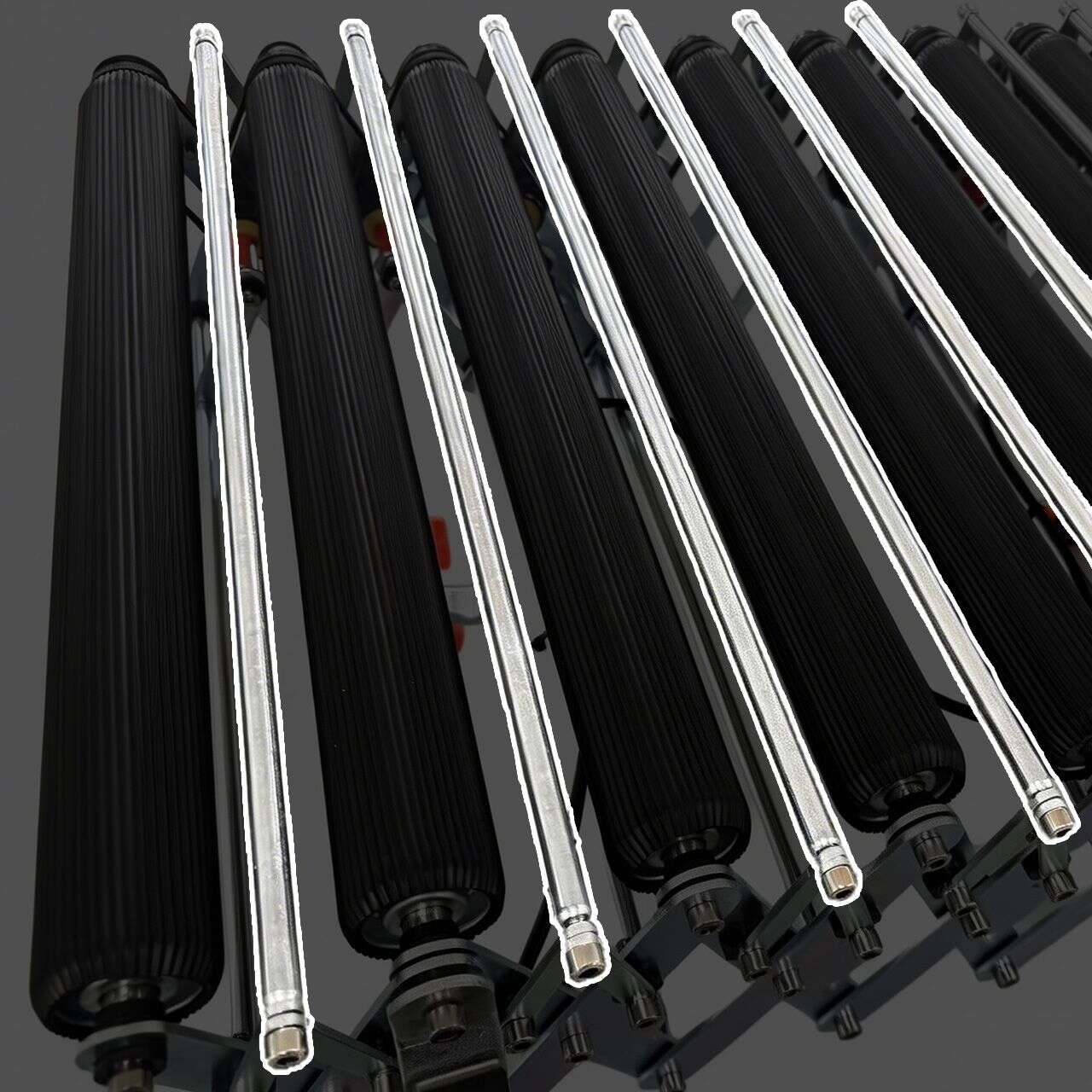
| 1: Three standard bracket options available: 550-580 / 750-905 / 900-1250; other sizes require custom manufacturing. | ||
| 2: Number of rollers per section: 11. | ||
| 3: The spacing between rollers is 100 mm (when using spacing rods, the spacing is 50 mm), and the roller center distance is 150 mm. | ||
| 4: For a 90-degree turn, two sections are recommended as the best choice. | ||
| 5: For a 180-degree turn, four sections are recommended as the best choice. | ||
| Garantía | ||
| Artículo | Período | Notas |
| Machine body warranty period | 12 meses | |
| Chain warranty period | 12 meses | |
| The conveyor body and motor are warranted for one year, and the transmission chain is warranted for six months.
During the warranty period, if any parts have quality issues due to non-human damage, we will provide the corresponding replacement parts free of charge. However, as international shipping is involved, the related freight costs must be borne by the customer. If equipment or parts are damaged due to improper manual operation, improper use, improper maintenance, or other reasons, or if the issue occurs outside the warranty period, both the cost of replacement parts and the shipping costs shall be borne by the customer. En el caso de los pedidos internacionales, el plazo de garantía se calcula a partir de la fecha del conocimiento de embarque; en el caso de los pedidos nacionales, el plazo de garantía se calcula a partir de la fecha de entrega o de llegada de la mercancía. |
||
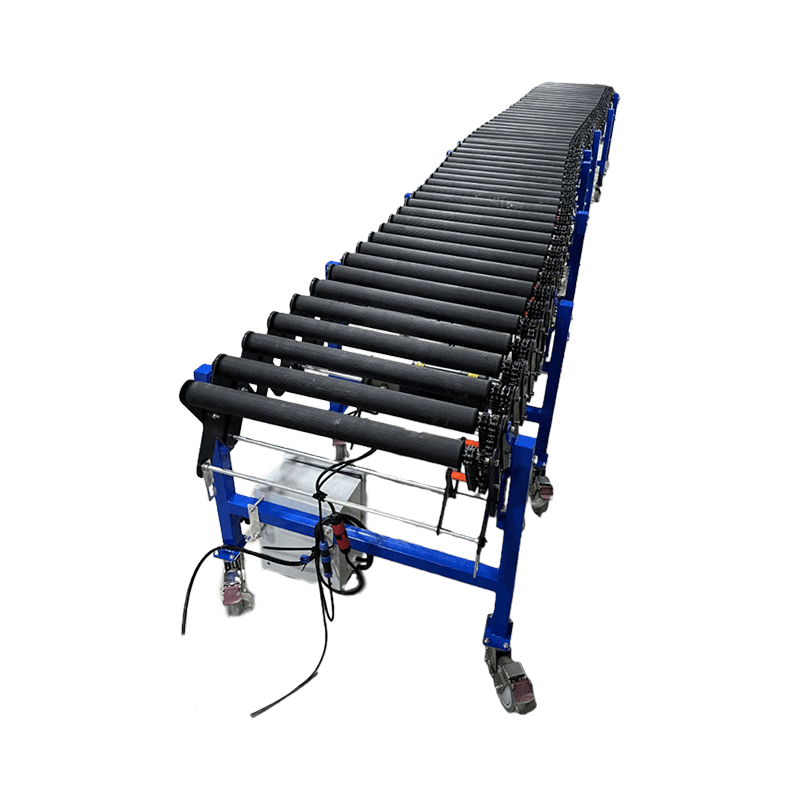
Chain Powered Rubber-Covered Roller Conveyor
The chain Powered Rubber-Covered Roller Conveyor uses a chain drive and rubber-covered roller design to achieve efficient and stable cargo conveying. The motor spacing is 1, 500 mm, and the conveying load is 150 kg per meter, ensuring smooth and continuous movement of goods. It is suitable for warehouses, factories, and logistics sites, especially for transporting heavier or softer goods. It can extend, retract, and turn freely.
Chain Powered Rubber-Covered Roller Conveyor Maximum weight per item (reference)
El peso máximo real depende de las condiciones de trabajo y la configuración específicas.
| Tipo de mercancía | Peso máximo (por artículo) |
|---|---|
Bidón metálico | 200 kg/pcs |
Bidón de plástico | 200 kg/pcs |
Rodar | 200 kg/pcs |
Caja de cartón | 200 kg/pcs |
En bolsa | 100 kg/unidad |
Chain Powered Rubber-Covered Roller Conveyor Product Options
Seleccione las piezas opcionales, los componentes estructurales y las configuraciones auxiliares adecuadas en función de las condiciones del emplazamiento.
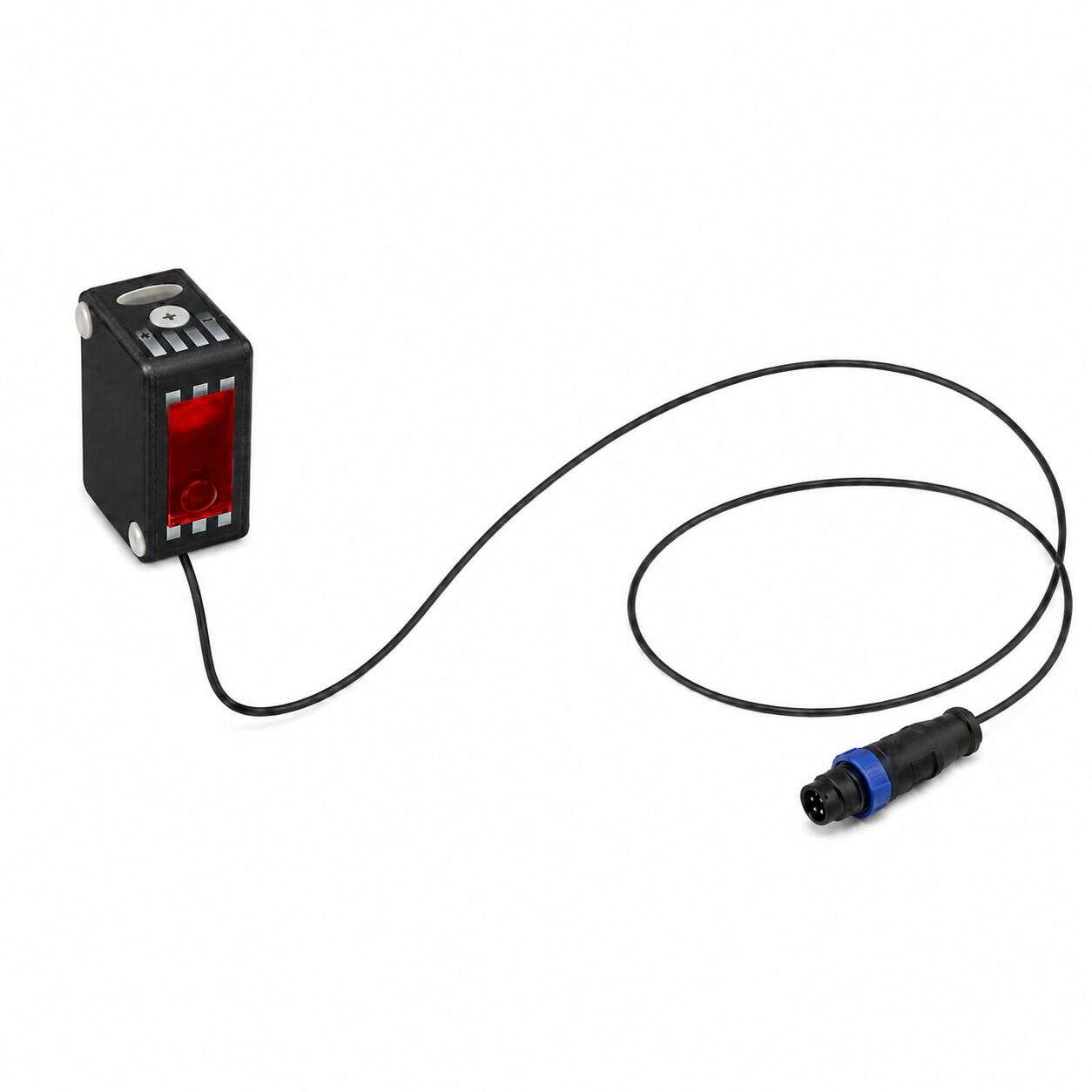
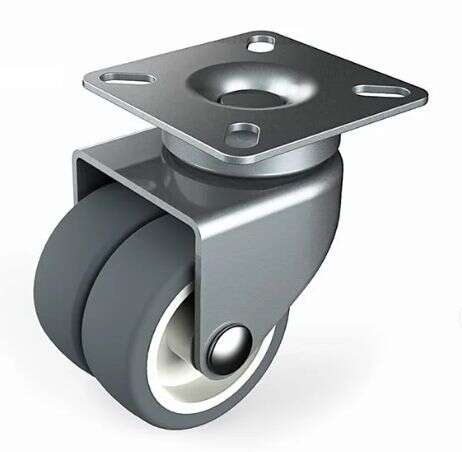
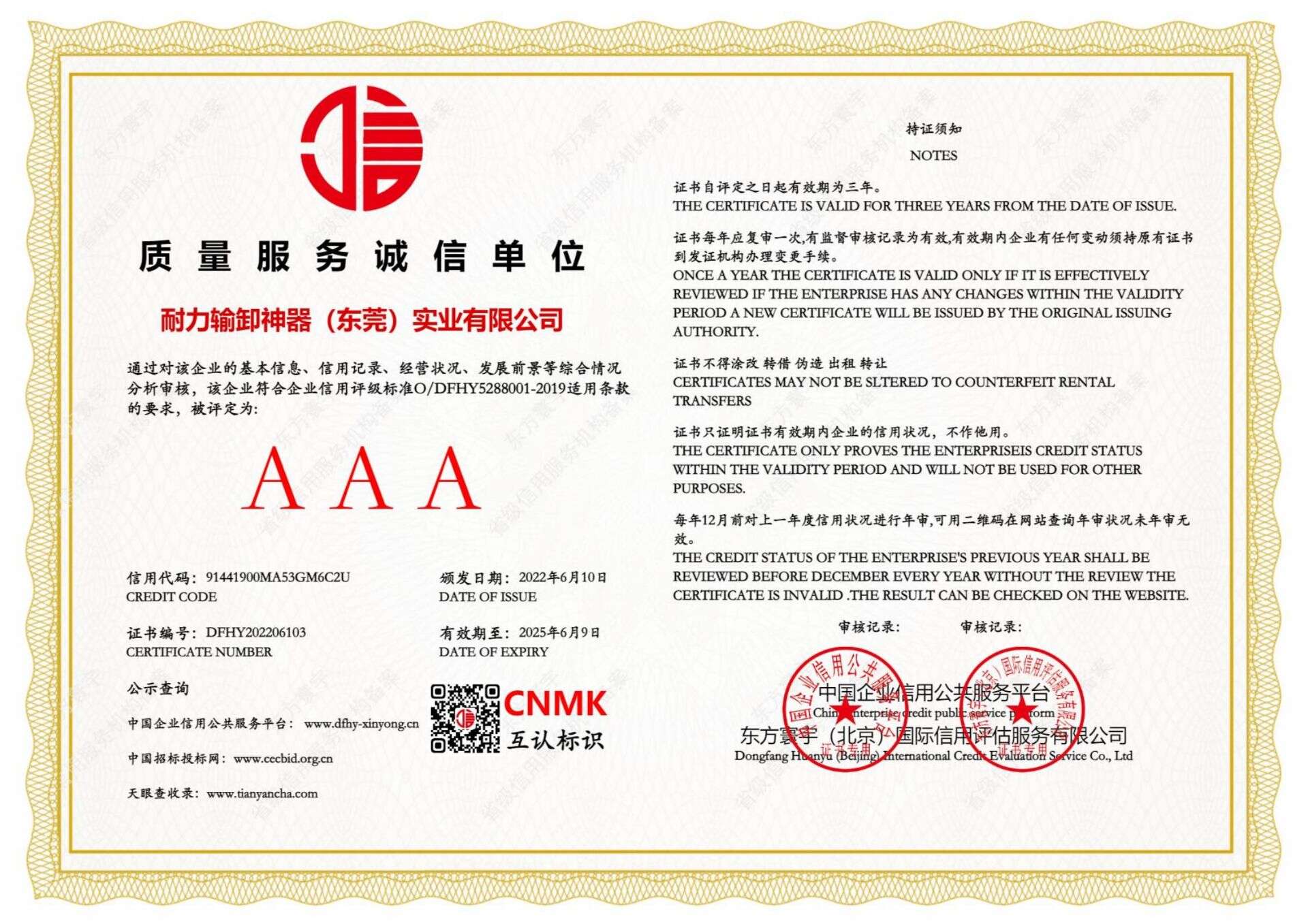
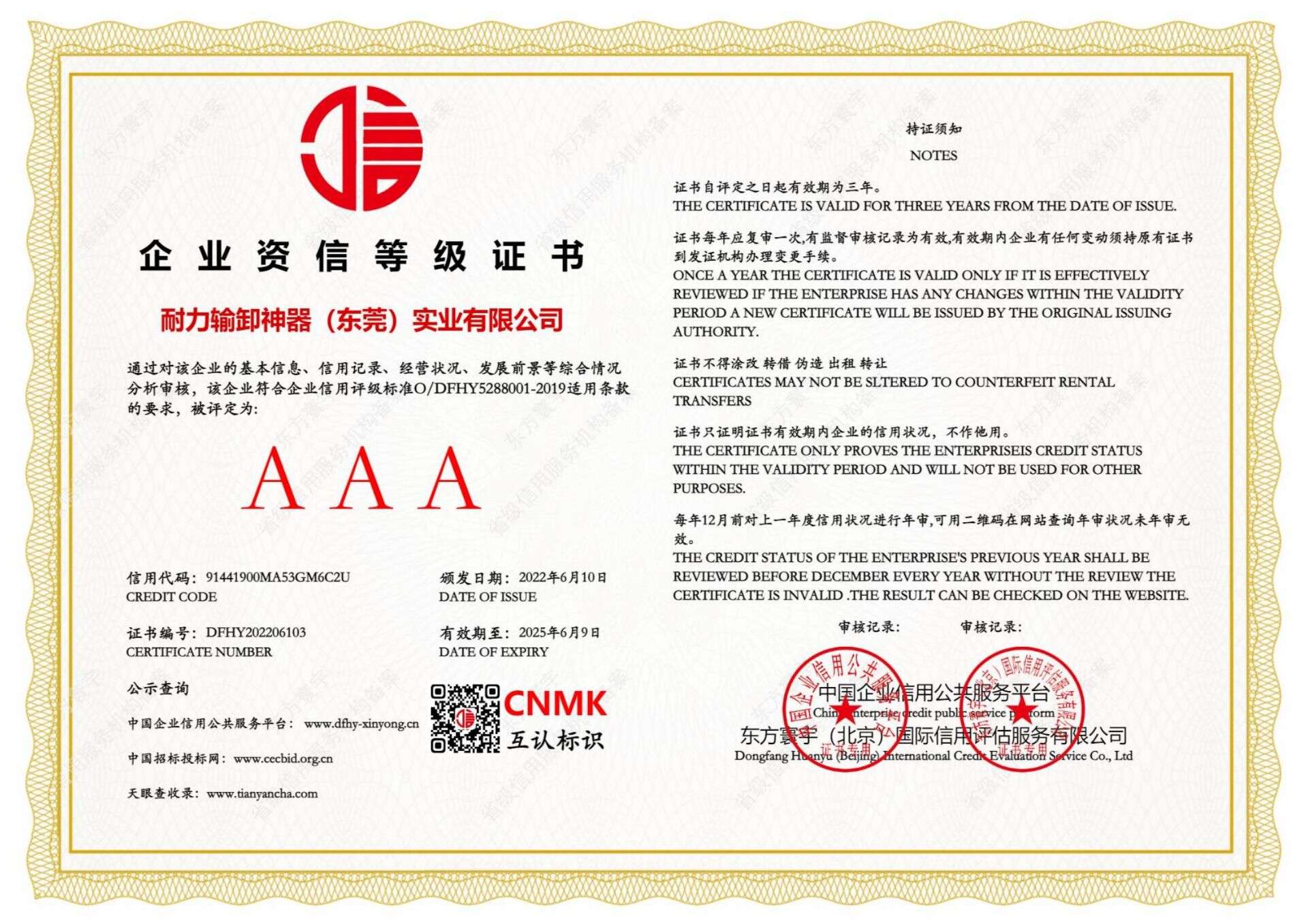
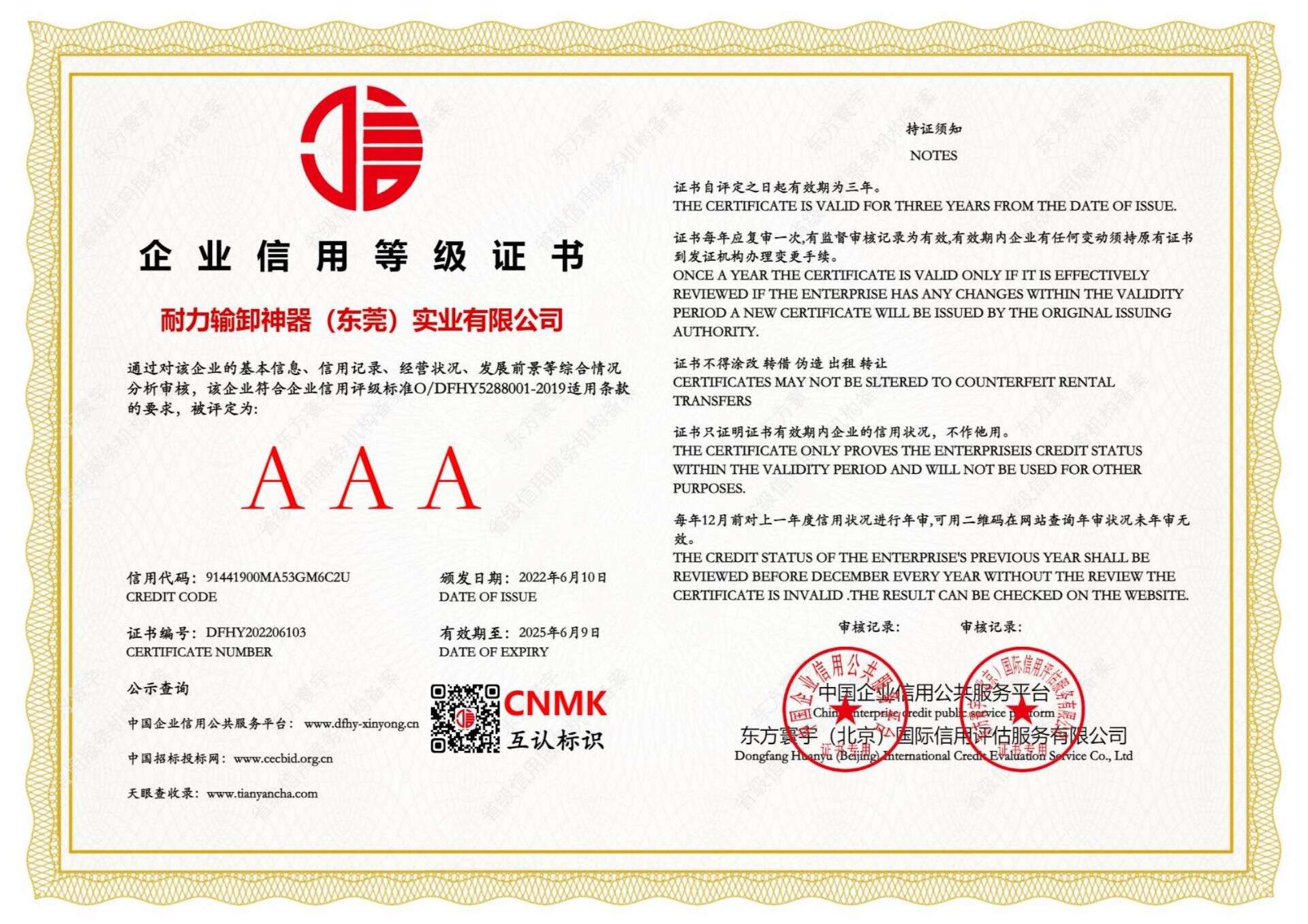
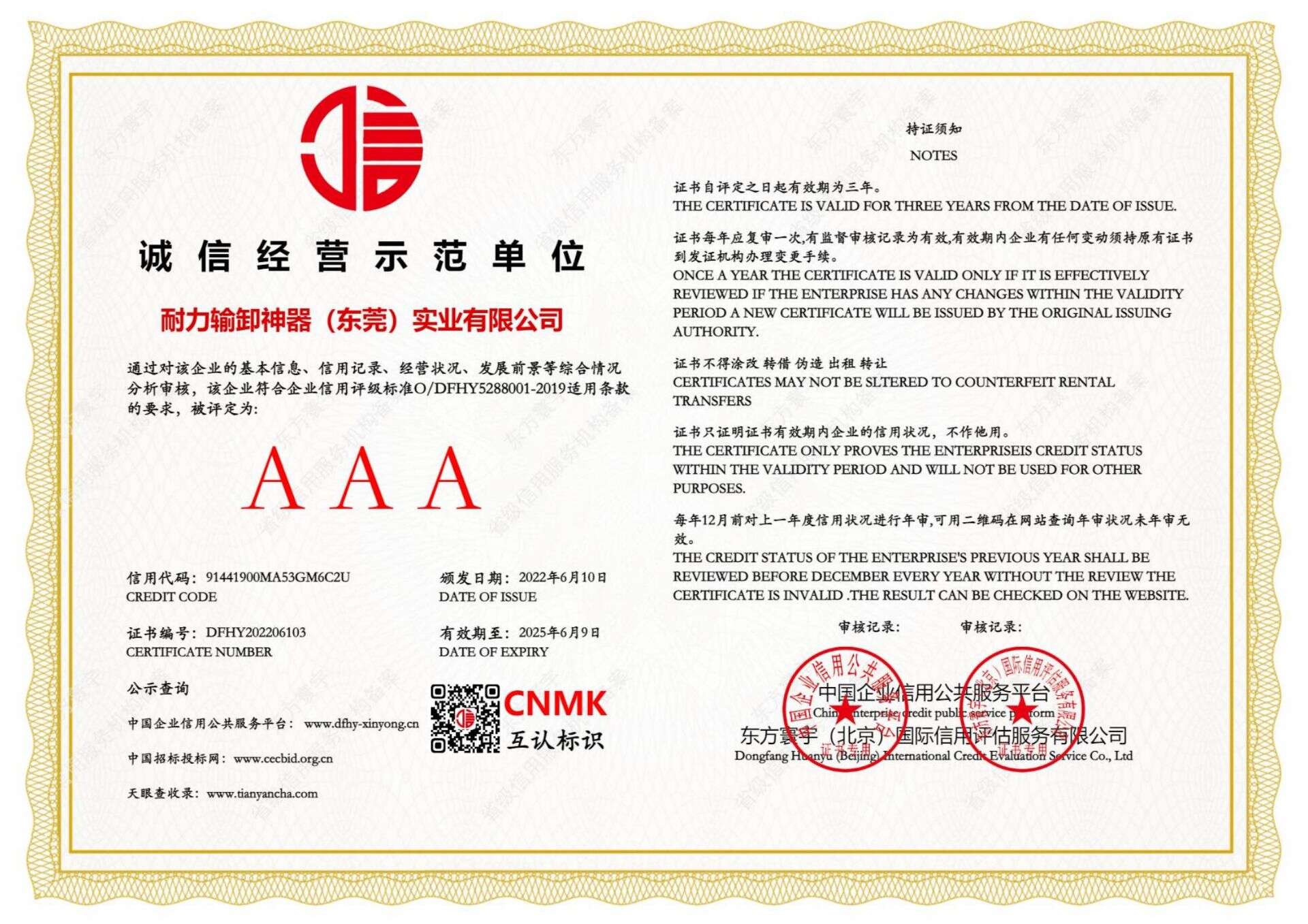
Chain Powered Rubber-Covered Roller Conveyor Qualifications and Reports
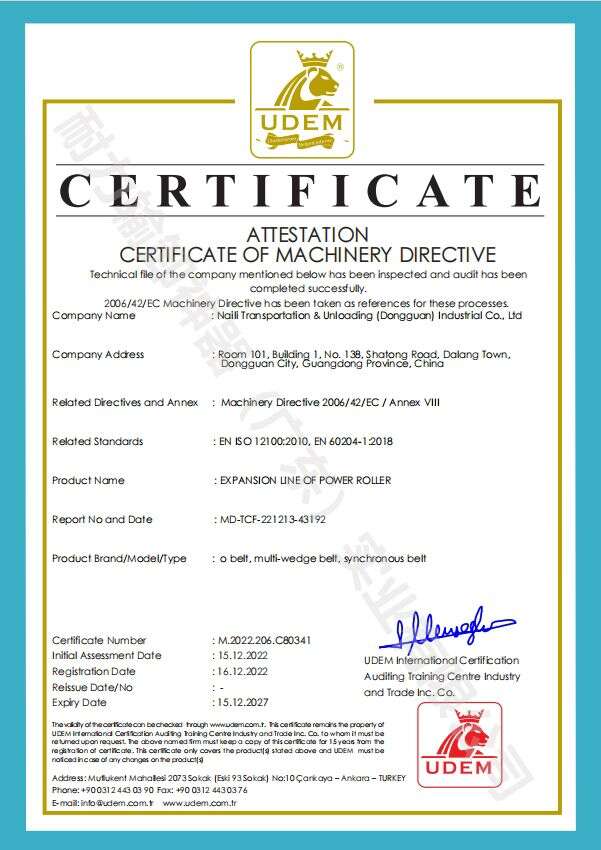
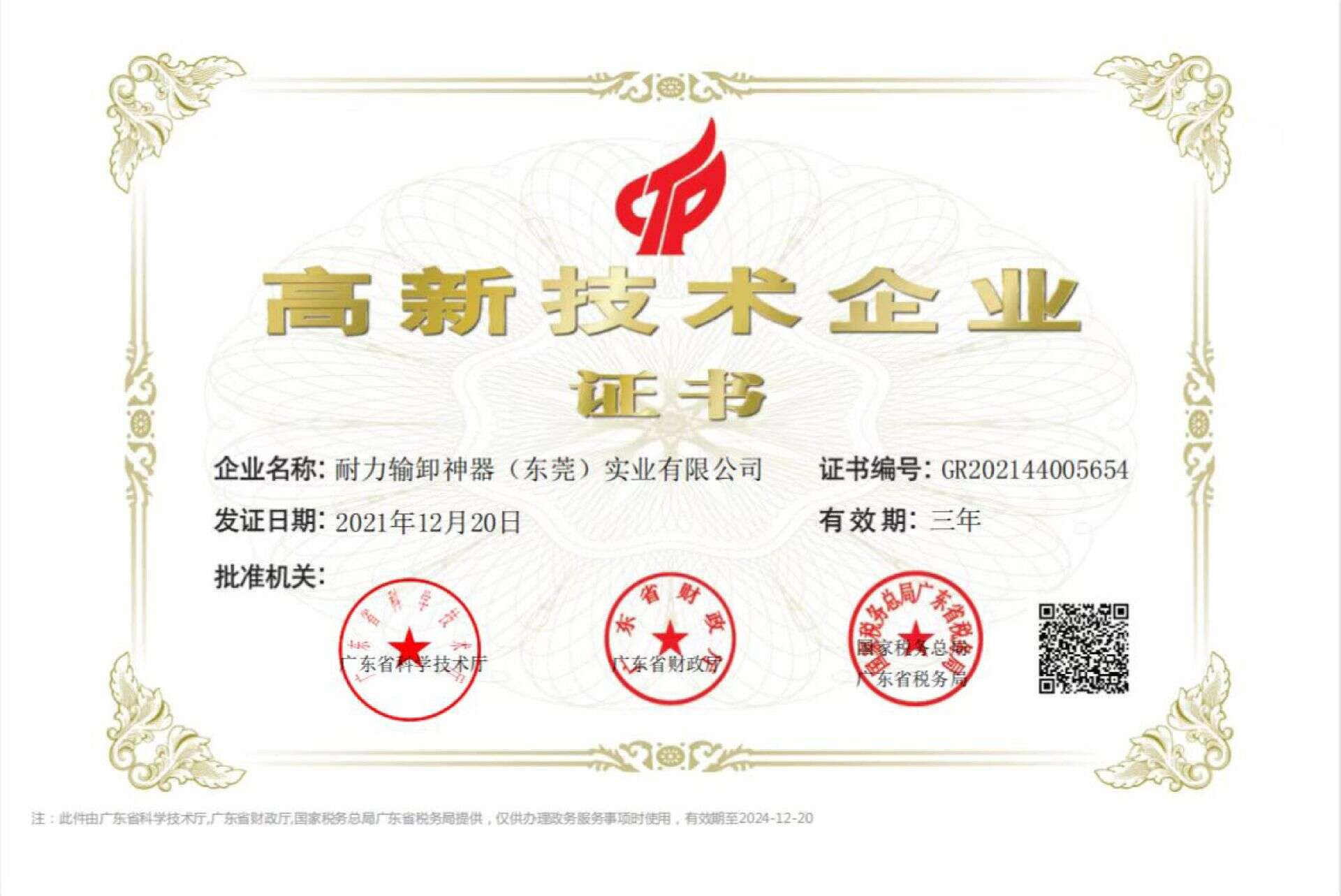
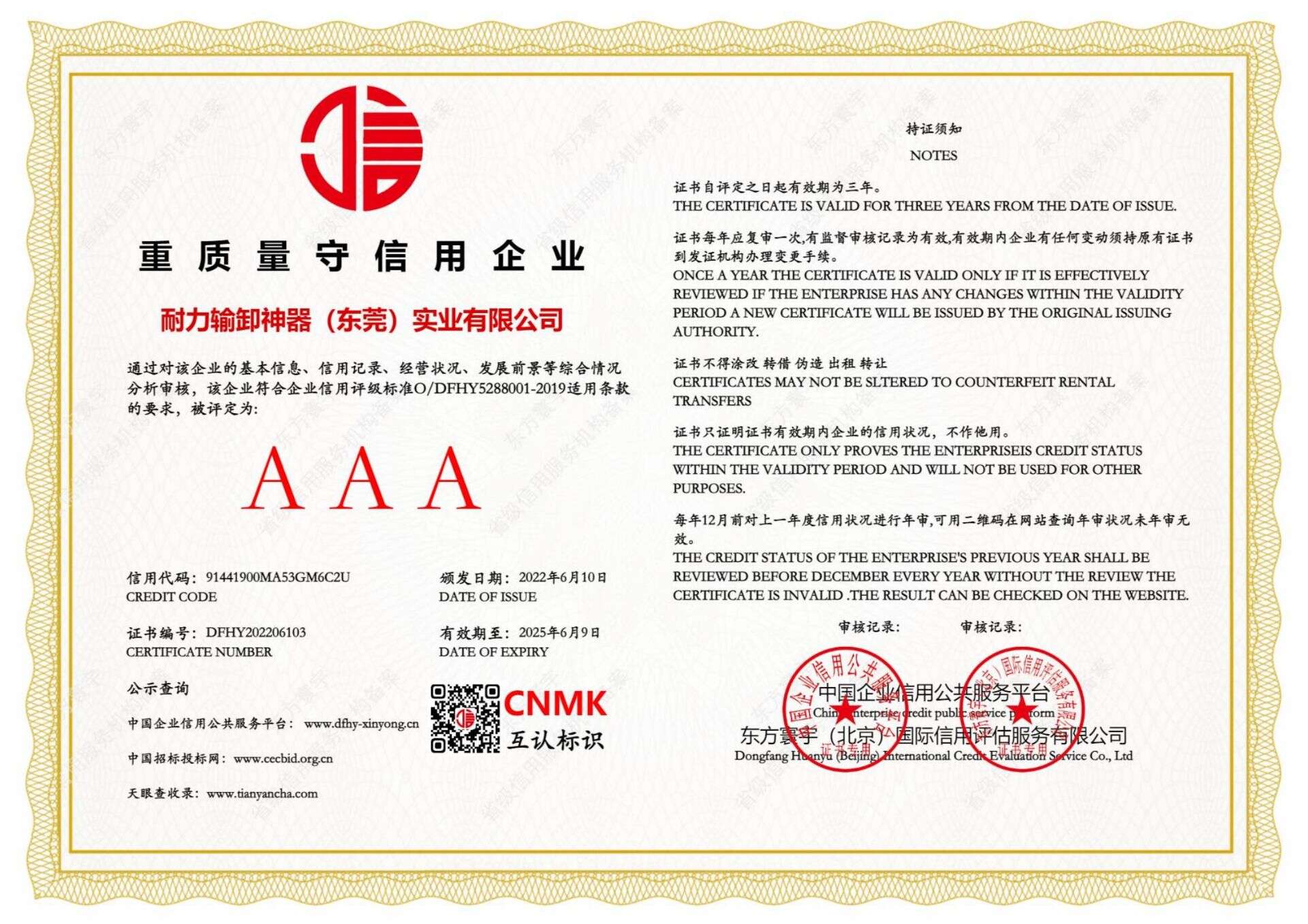
Consulte los certificados, los informes de ensayo y los certificados de patente relacionados con este producto para verificar más fácilmente sus características y fundamentos técnicos.
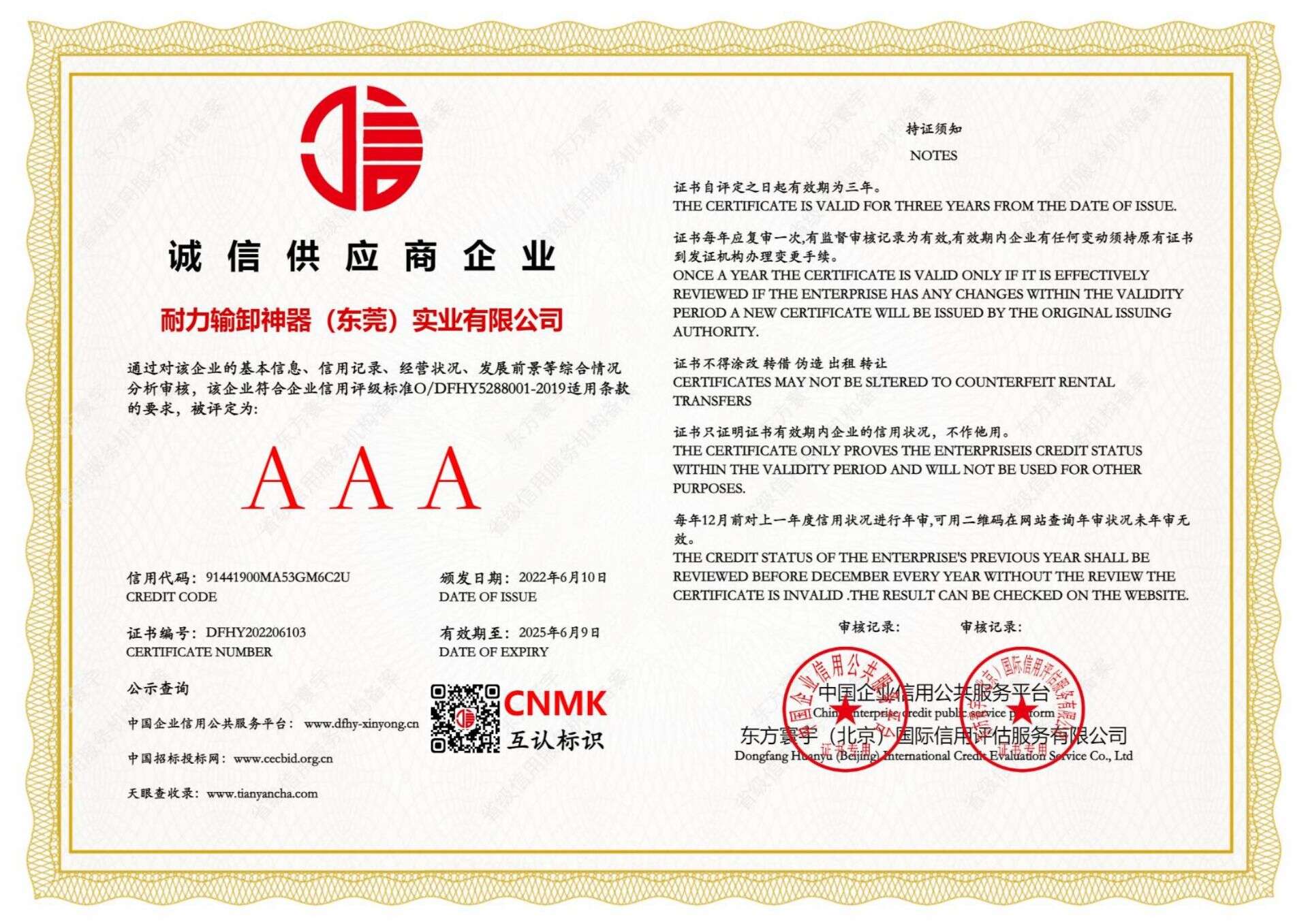
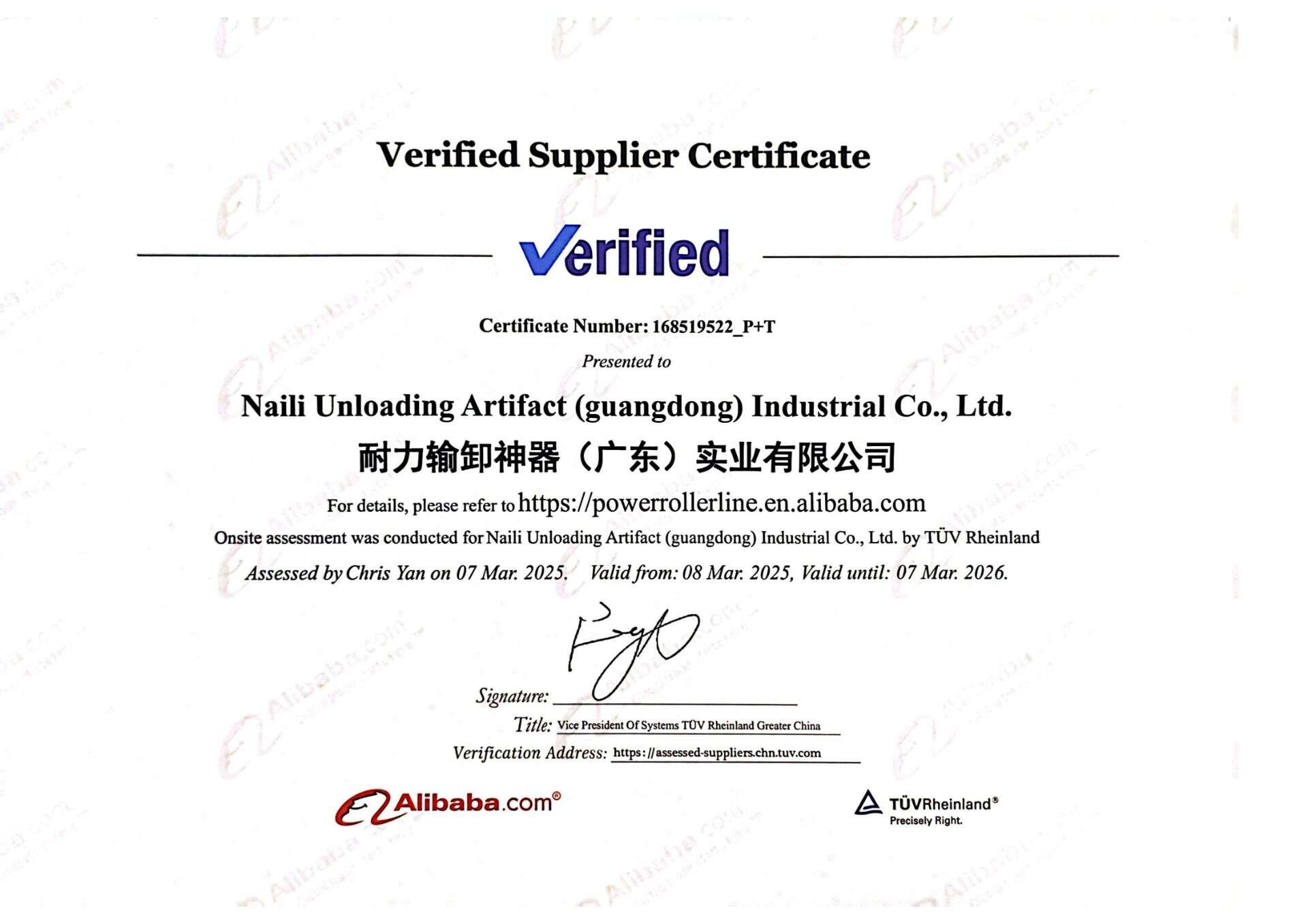
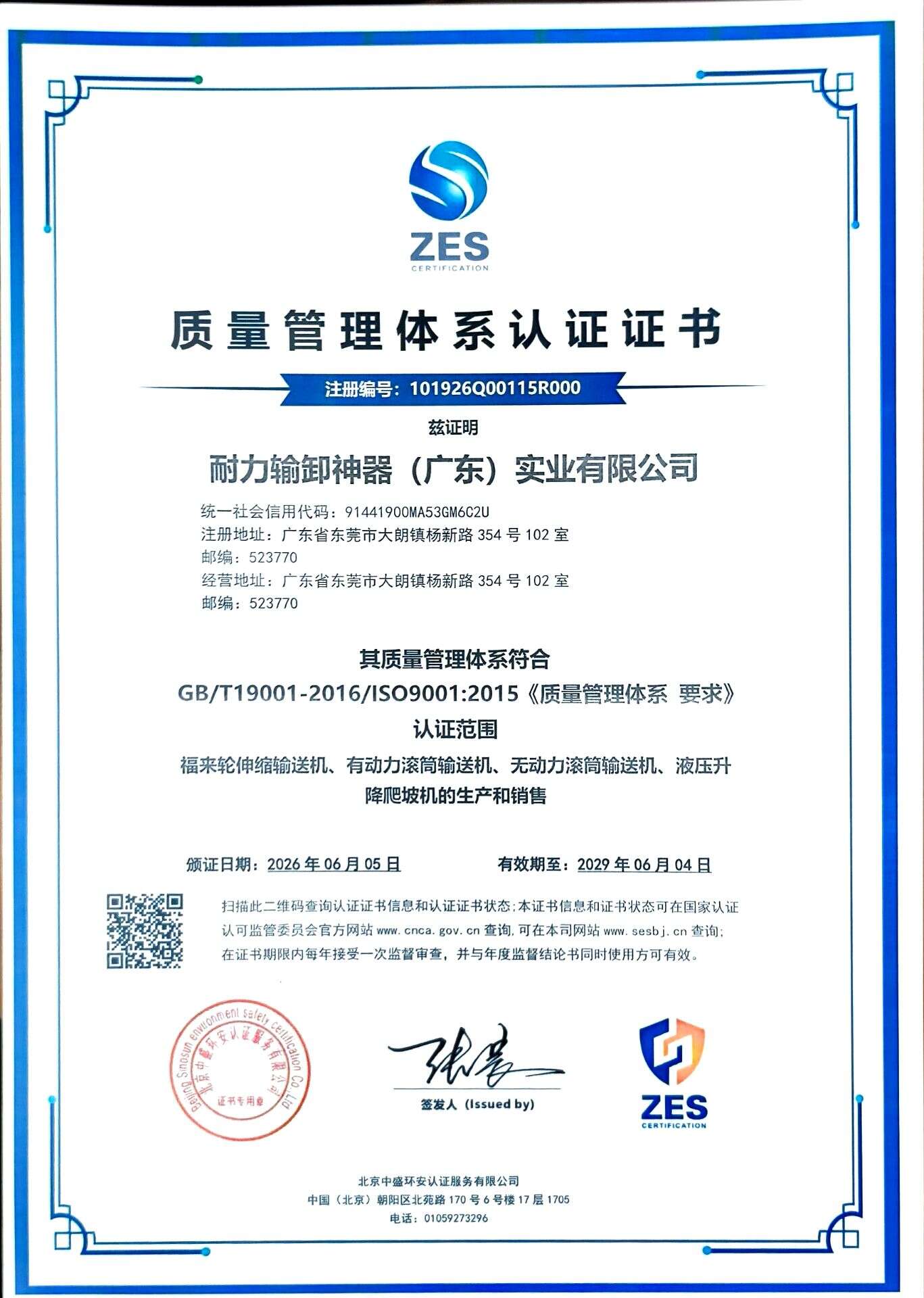
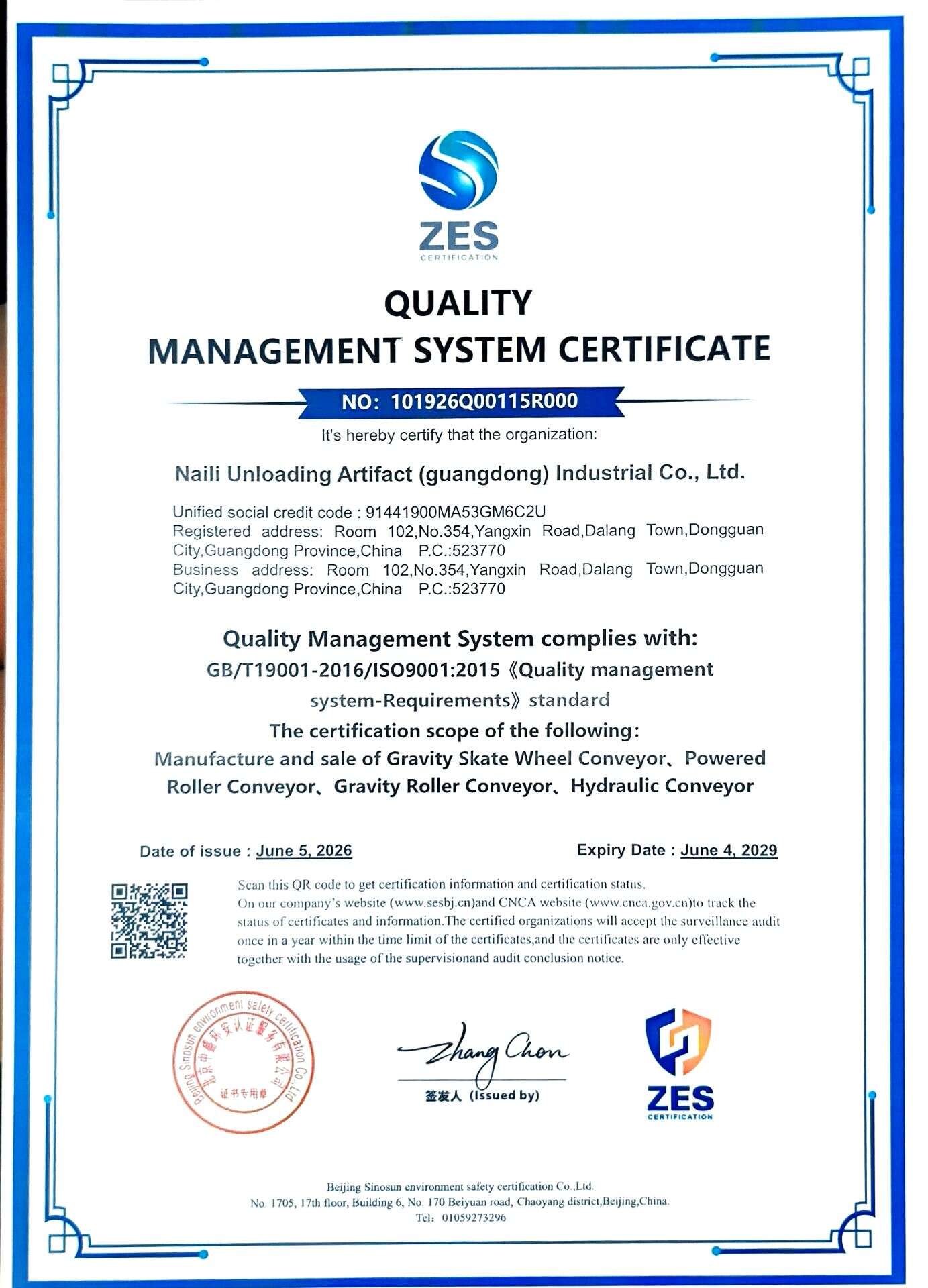
Certificados
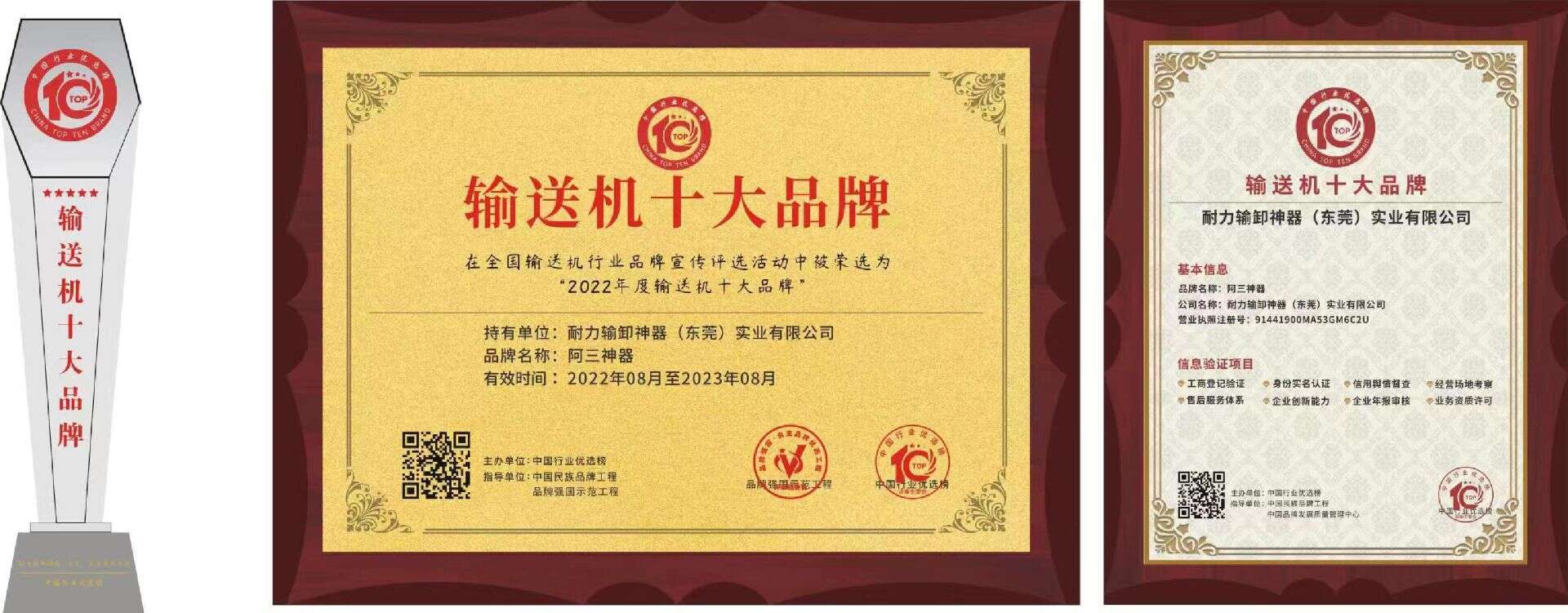
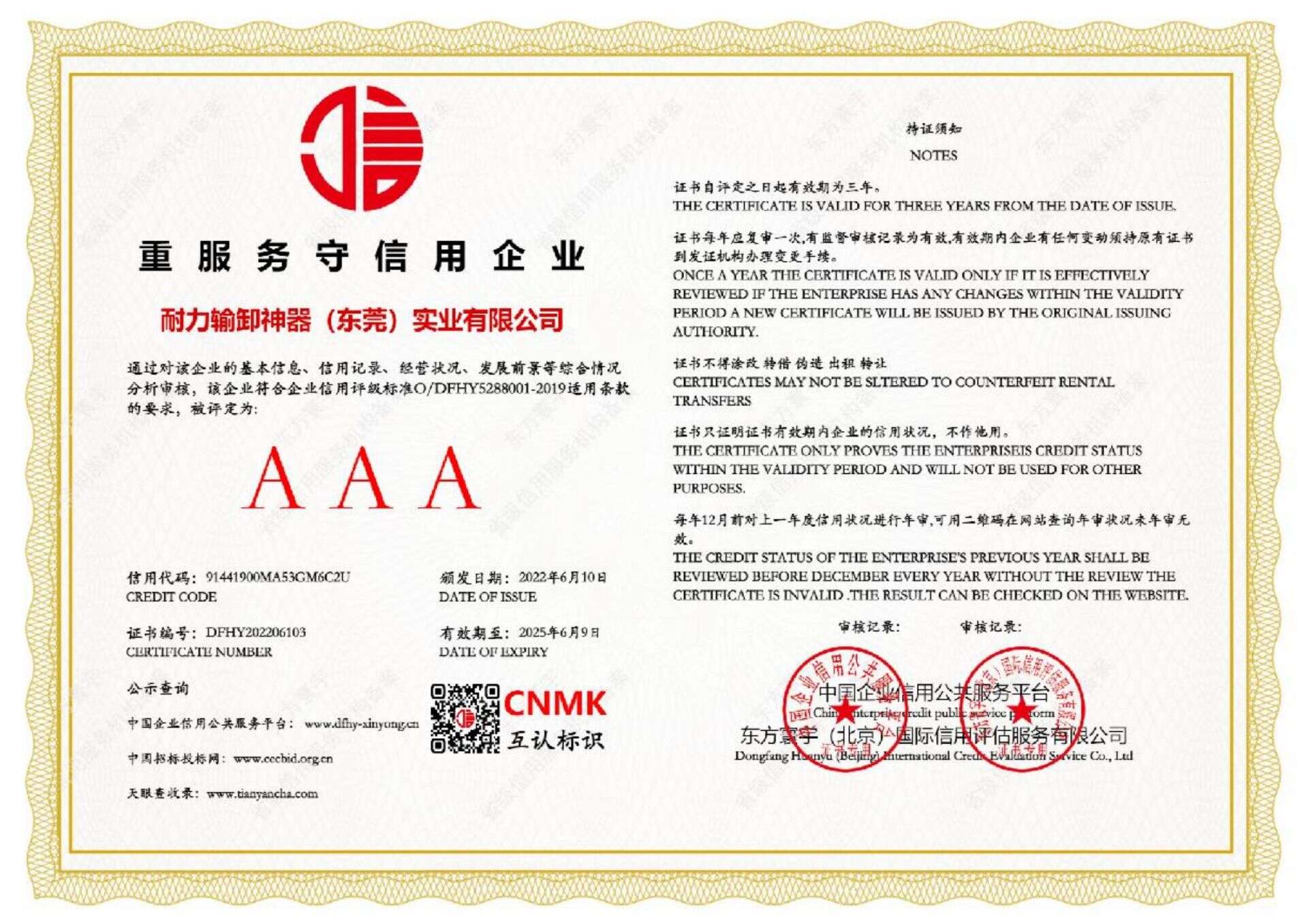
Chain Powered Rubber-Covered Roller Conveyor Product Images
Consulta la estructura de los equipos, su estado in situ y los detalles operativos a través de galerías y vídeos.
Chain Powered Rubber-Covered Roller Conveyor Case Videos
Consulta la estructura de los equipos, su estado in situ y los detalles operativos a través de galerías y vídeos.
Vídeos de la guía de productos
Obtén una visión general rápida de la configuración y los aspectos fundamentales del funcionamiento de este producto a través de vídeos sobre la selección, la instalación y el uso.
Potencia de fábrica
Descubre los equipos de producción, el entorno del taller, la capacidad de procesamiento y el control de calidad a través de fotos y vídeos reales.
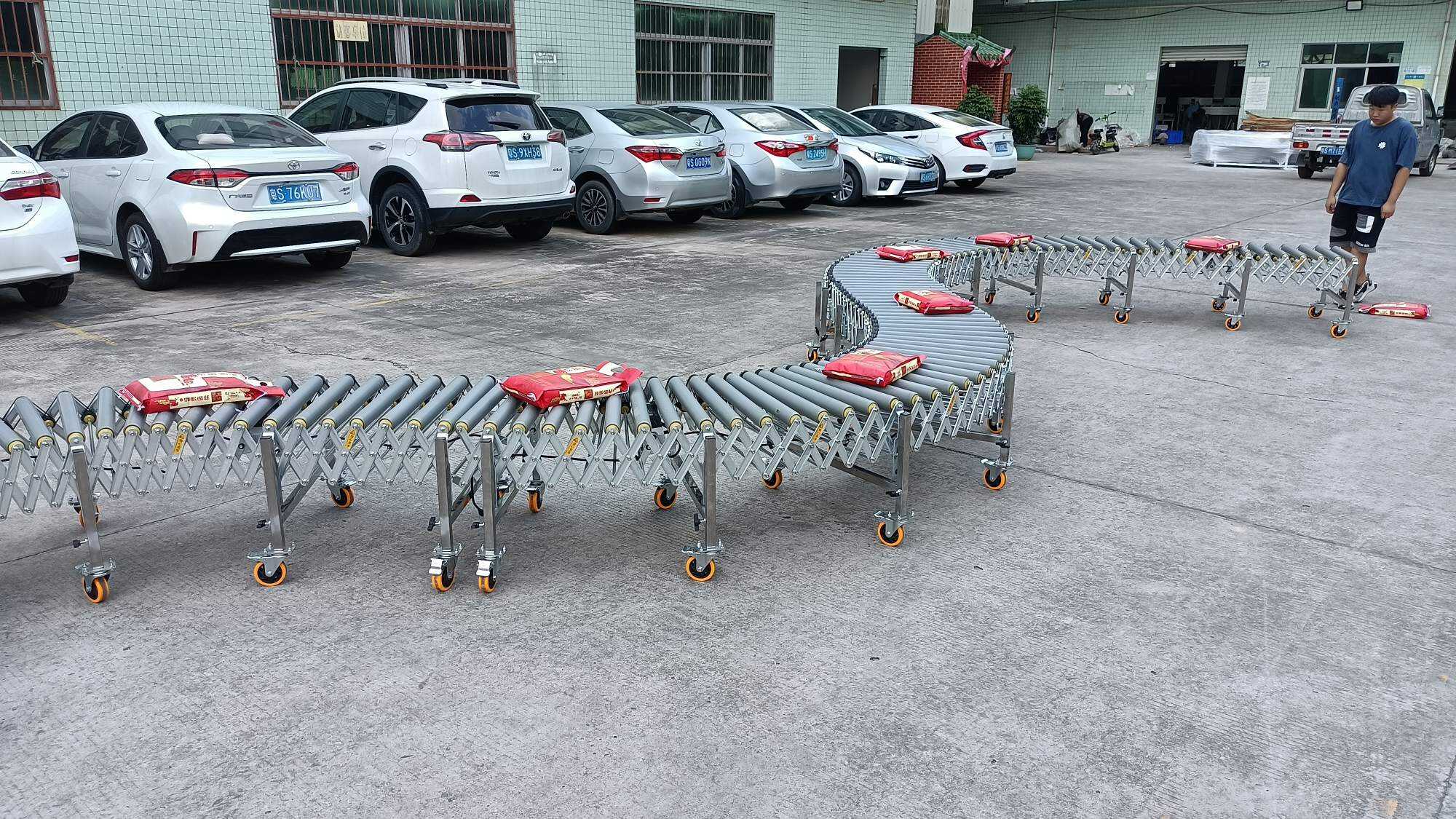
Foto de la fábrica 1
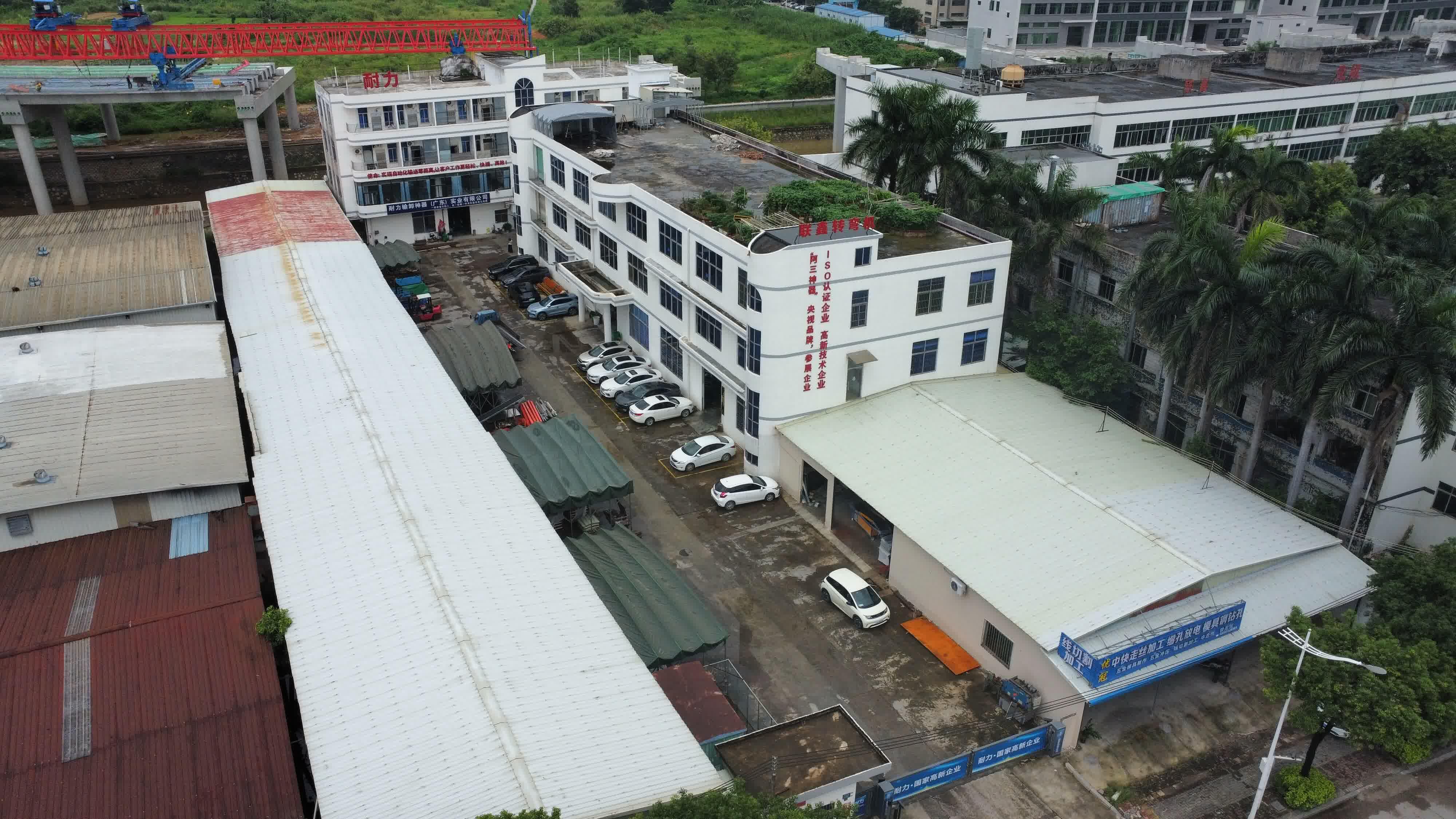
Foto de la fábrica 2
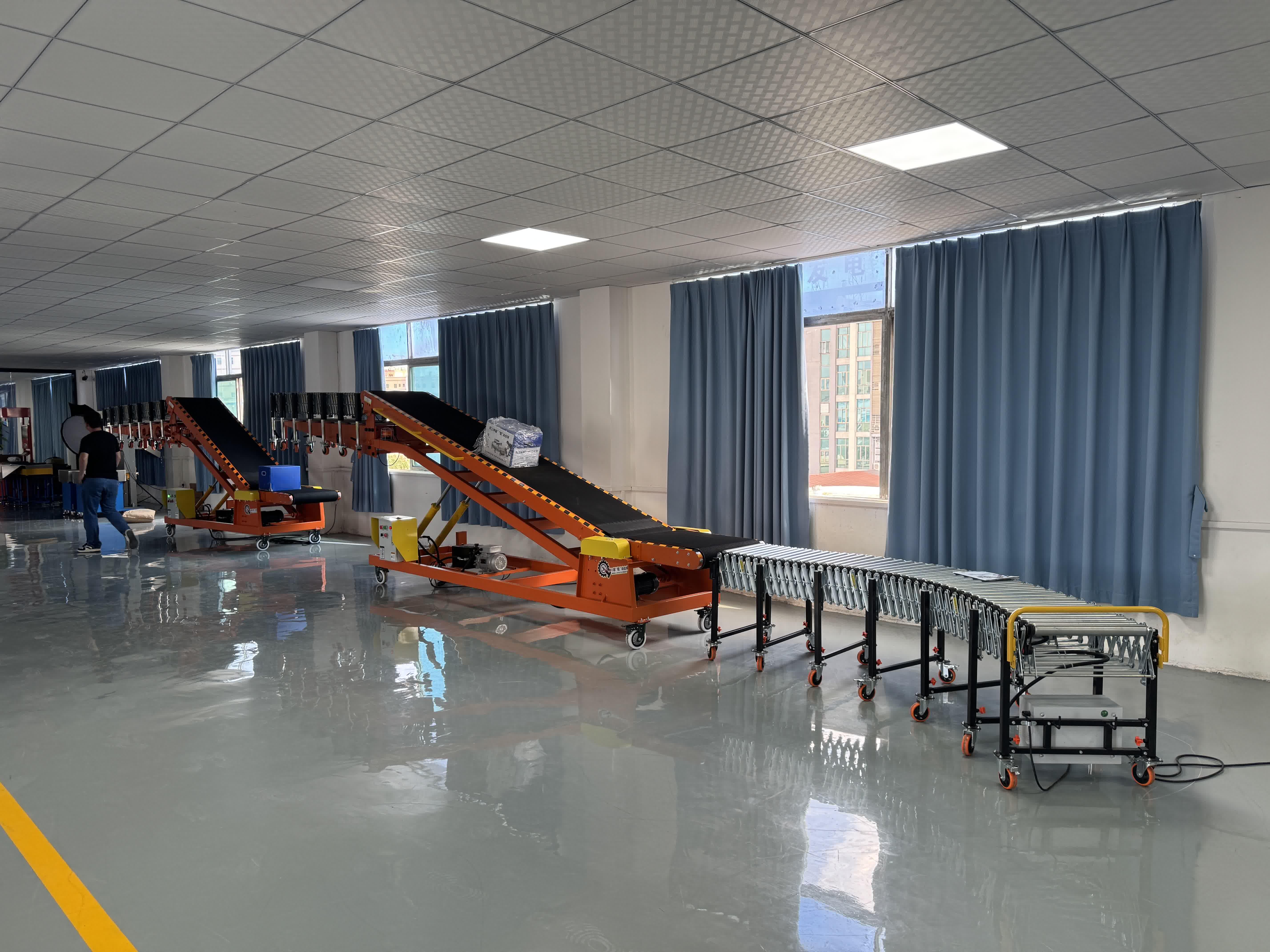
Imagen principal de la fábrica
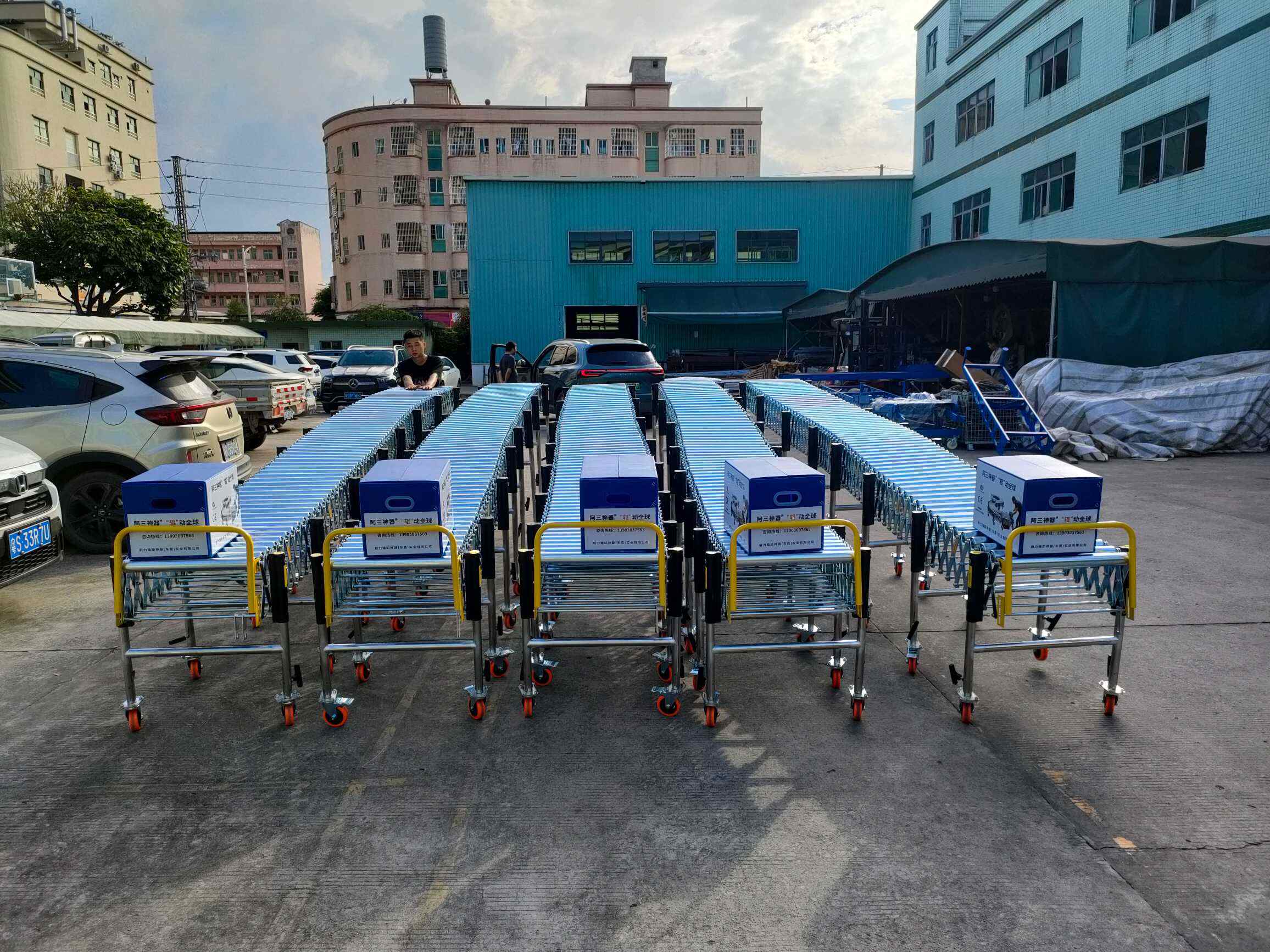
Foto de la fábrica 4
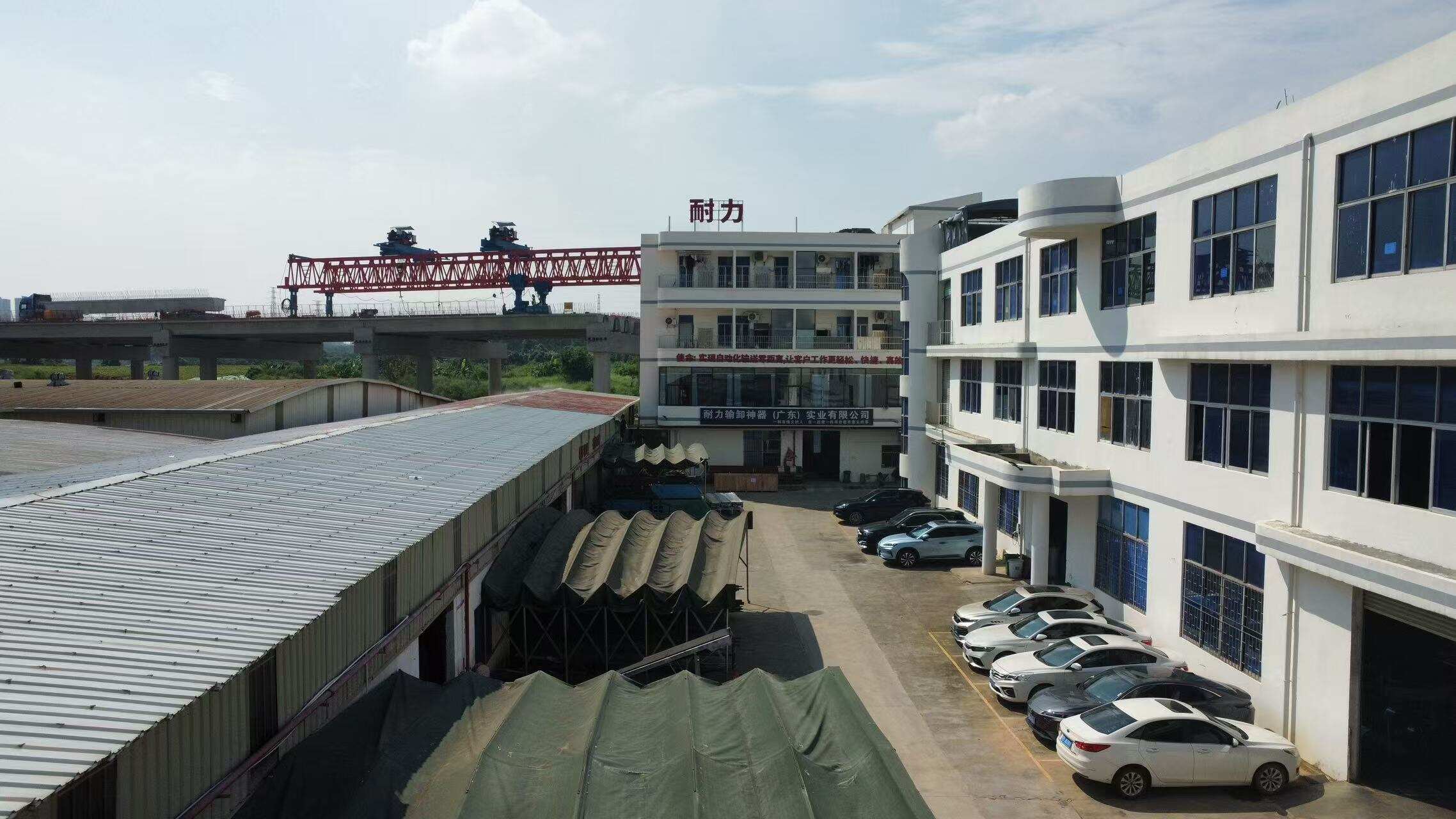
Foto de la fábrica 3
Especificaciones y datos técnicos
Consulta los parámetros principales, las especificaciones detalladas y los materiales descargables por modelo.
Chain Powered Rubber-Covered Roller Conveyor Technical Specifications
PRRC-C-1.5
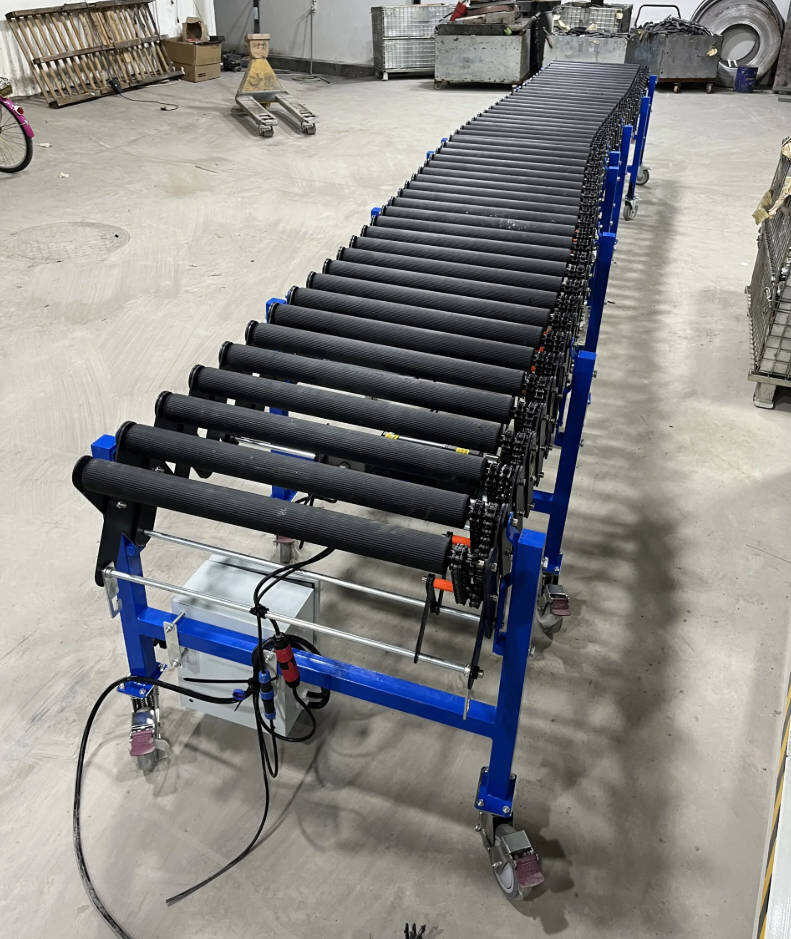
The chain Powered Rubber-Covered Roller Conveyor is mainly used for horizontal conveying and transfer of goods in warehouses, factories, and logistics sites. It is suitable for metal drums, plastic drums, rolls, cartons, and lightly weighted bagged goods. With chain drive and rubber-covered rollers, it is designed to transport heavier goods or goods with softer surfaces that require reduced contact impact through sorting, buffering, and loading/unloading transition sections in a stable manner. Before purchase, check four items first: whether the single-item weight and load per meter are within range, whether the bottom surface of the goods is suitable for roller conveying, the required retraction and extension lengths on site, and the height and width connection with the turning sections and the front and rear equipment. If there are clear requirements for insertion length, turning radius, or overall line layout on site, these parameters should be confirmed according to the final model or engineering requirements.
Applicable Sites and Cargo Limits
The known configuration of this model group is 1.5 m per section, making it suitable for conveying sections that need to be flexibly extended, retracted, and turned between fixed workstations. It is more commonly used as an in-warehouse transfer section, a buffering section in front of a loading/unloading opening, or a transition section between other conveying equipment.
Suitable cargo forms include:
- Metal drums, single item not exceeding 150 kg
- Plastic drums, single item not exceeding 150 kg
- Rolls, single item not exceeding 150 kg
- Cartons, single item not exceeding 150 kg
- Bagged goods, single item not exceeding 80 kg
When judging on site, in addition to weight, also consider the bottom surface and shape of the cargo:
- For drums and rolls, confirm stability after contact with the rollers to avoid deflection caused by point loading
- For cartons, confirm the flatness of the bottom surface to prevent sinking or jamming when crossing the rollers
- Although bagged goods have a lower single-item weight limit, also check whether the bags are prone to deformation and whether the bottom surface is likely to catch on the rollers
- When the surface is softer or the outer packaging needs reduced hard contact, rubber-covered rollers make it easier to control the contact condition than ordinary metal rollers
Cómo interpretar los parámetros clave
When purchasing, first check the key parameters that affect layout and load capacity; there is no need to expand all dimensions at once. The key points clearly defined for the current model are as follows:
| Parámetros | Impact on selection | Cómo confirmarlo in situ |
|---|---|---|
| Effective width 500/600/800/1000 mm | Determines whether goods can be placed stably and whether single-lane or parallel conveying is needed | Measure the maximum overall width of the goods, pallet, or bottom support width, and leave allowance for deviation |
| Load capacity 150kg/m | Determines the weight of goods that can be carried per unit length | Count the number of goods and the spacing on the conveyor section, and verify the load per meter |
| Speed 0.3-40m/min | Determines how it works with manual loading and unloading, scanning, and buffering cycle times | Confirm according to the incoming material speed upstream, manual operation cycle time, and downstream receiving capacity |
| Extension ratio 1: 2.21 | Determines the footprint when retracted and the coverage length when extended | Measure both the storage-area length and the length that needs to be covered during operation |
| Base length A 680 mm / Fully extended length C 1500 mm | Determines the minimum and maximum installation states of a single unit | Check the clearance next to walls, columns, passage openings, and between workstations |
| Roller diameter 50 mm | Affects the passing condition when the bottom of the goods crosses the rollers | Check whether the contact surface of cartons, drum bottoms, or coil materials is suitable for 50 mm roller contact |
It is known that this model is equipped with one geared motor per 1.5 meters, featuring start/stop, forward/reverse, emergency stop, and stepless speed control from 0.3-40m/min. The leg height can be adjusted manually, and it comes with foot-operated locking swivel casters for easy on-site movement and positioning.
Extension, turning, and length layout
The practical value of this type of equipment lies not only in conveying, but also in its ability to be extended, retracted, and redirected according to on-site requirements. With a known single-unit base length of 680 mm, a fully extended length of 1500 mm, and an extension ratio of 1: 2.21, the key point when arranging it in passages, doorways, temporary loading and unloading areas, and between column grids is to verify both the operating state and the retracted state at the same time.
It is recommended to judge the layout in the following order:
- First confirm the actual length that needs to be covered after extension.
- Then confirm whether the retracted state will occupy a fire passage, forklift passage, or pedestrian passage.
- At turning positions, confirm the inner and outer side clearances to avoid the equipment hitting columns, guardrails, shelf corners, or door frames after turning.
- If multiple units need to be connected in series, the total extended length and total retracted length should be calculated according to the quantity before confirmation.
If the site requires the equipment to enter a fixed workstation, be arranged close to the edge, or bypass obstacles before connecting to the downstream line, the actual footprint after turning, turning angle, and multi-unit arrangement method should all be confirmed according to the final model or engineering requirements.
Same series as Transportador de rodillos motorizado con revestimiento de goma if the site is more focused on conveying and transferring heavier goods under chain drive, this model can be used; if the site is more focused on another drive structure, a comparison can be made at the same time Multi-V-belt Powered Rubber-Covered Roller Conveyor; the key items to verify are still the goods weight, bottom-surface condition, line length, and on-site turning layout, and the drive name should also be checked at the same time.
How the front and rear sections are connected
Chain Powered Rubber-Covered Roller Conveyor is usually not used in isolation; in many sites it is placed between the incoming goods area, packing area, buffer area, and loading/unloading area as a transition. When connecting, focus on confirming the following items:
- Upstream incoming method: manual loading, non-powered roller push-in, or delivery by another powered conveyor
- Downstream receiving method: manual pick-up, buffer storage, or integration into another roller line
- Height connection: the leg height can be adjusted manually, but the height difference between the upstream and downstream roller surfaces still needs to be confirmed on site
- Width alignment: the effective width should match the upstream and downstream conveyor widths, or leave allowance for feeding in
- Cycle alignment: if the upstream side delivers goods in batches and the downstream side sorts manually, the speed adjustment range should be included in the layout
- Safety alignment: operating space should be reserved for personnel crossing the line, standing at the side, and picking up items at the curved section
If the site is a loading/unloading position with a height difference between the truck opening and the warehouse floor line, this type of roller conveyor is usually used as a horizontal transfer section; when climbing or descending is involved, first confirm whether it needs to be matched with Transportador microhidráulico o Transportador hidráulico de gran tamaño coordinated, and then recheck the height at both ends, the connection length, and personnel positioning.
Diseño y mantenimiento in situ
When used on site, in addition to conveyor parameters, you should also pay attention to mobility, locking, and maintenance convenience.
Common points to watch for during layout and use:
- After the equipment is moved into position, the casters must be locked to prevent shifting during loading, unloading, or turning
- After adjusting the leg height, recheck the level of the entire roller surface to reduce cargo deviation
- The reverse function is suitable for short-distance backing up, position correction, or clearing the line, but the reverse direction should avoid areas where personnel stay
- The emergency stop button should be positioned so operators can reach it quickly
- If there is a lot of dust or packaging debris on site, the chain and roller contact areas should be cleaned regularly
- If transporting easily rolling goods such as drums or rolls, confirm the limiting method or receiving method at curved sections and at the end
During maintenance communication, the buyer usually needs to explain: approximate daily working hours, whether the type of goods is fixed, whether the equipment needs to be moved frequently, and whether the layout direction changes often. This makes it easier to confirm the number of motor configurations, the operating speed range, and the frequency of daily inspections.
Preguntas frecuentes
1. Is it suitable for transporting bagged goods?
It is suitable for bagged goods with a single piece not exceeding 80 kg, but you also need to confirm whether the bag body is likely to sag, rub, or catch on the rollers. When the shape of bagged goods varies greatly, the bottom bearing condition should be checked first.
2. Can it be used for drums and rolls?
It can be used for metal drums, plastic drums, and rolls, with a single piece not exceeding 150 kg. Before purchase, confirm the bottom contact surface, center of gravity position, and stability when passing through curved sections.
3. How should the speed be selected?
The known speed range is 0.3-40 m/min. For stations such as manual loading and unloading, scanning, and sorting, the speed usually needs to be kept within a more manageable range. The specific operating speed should be confirmed according to the on-site cycle.
4. Which length parameters need to be confirmed?
At minimum, confirm the base length per section of 680 mm, the fully extended length of 1500 mm, and the total length of the entire equipment when retracted and extended. For multi-section combinations, the total extended length and total retracted length need to be calculated based on the number of sections before confirmation.
Confirmation before purchase
When submitting an inquiry or layout request, it is recommended to explain the following information at once so it is easier to quickly determine whether this model is suitable for the site:
| Datos que hay que facilitar | What it directly affects | Suggested way to describe it |
|---|---|---|
| Cargo type | Roller contact condition and passage stability | Specify whether it is metal drums, plastic drums, rolls, cartons, or bags |
| Single-piece weight and maximum overall dimensions | Load-bearing capacity, width, and turning stability | Provide the maximum weight and the length, width, height, or diameter |
| Length that needs to be covered on site | Number of equipment sections and extended length | Explain the minimum working length and maximum working length |
| Storage dimensions | Whether the footprint after folding is suitable | Provide clearance dimensions for wall-side, pillar-side, and aisle-side placement |
| Type and height of upstream and downstream equipment | Conveying surface connection and leg adjustment range | Explain whether the front and rear sections are manual workstations, roller lines, or incline equipment |
| Operator handling method | Speed setting and safety layout | Explain whether it is for manual loading and unloading, scanning, diversion, or buffering |
| Movement frequency | Caster wheels, locking, and layout method | Explain whether it is used at a fixed location every day or moved frequently |
If the site has strict requirements for turning angles, combined length of multiple sections, the overall footprint of the machine, or height matching with other equipment, these dimensions must be confirmed according to the final model or by engineering.