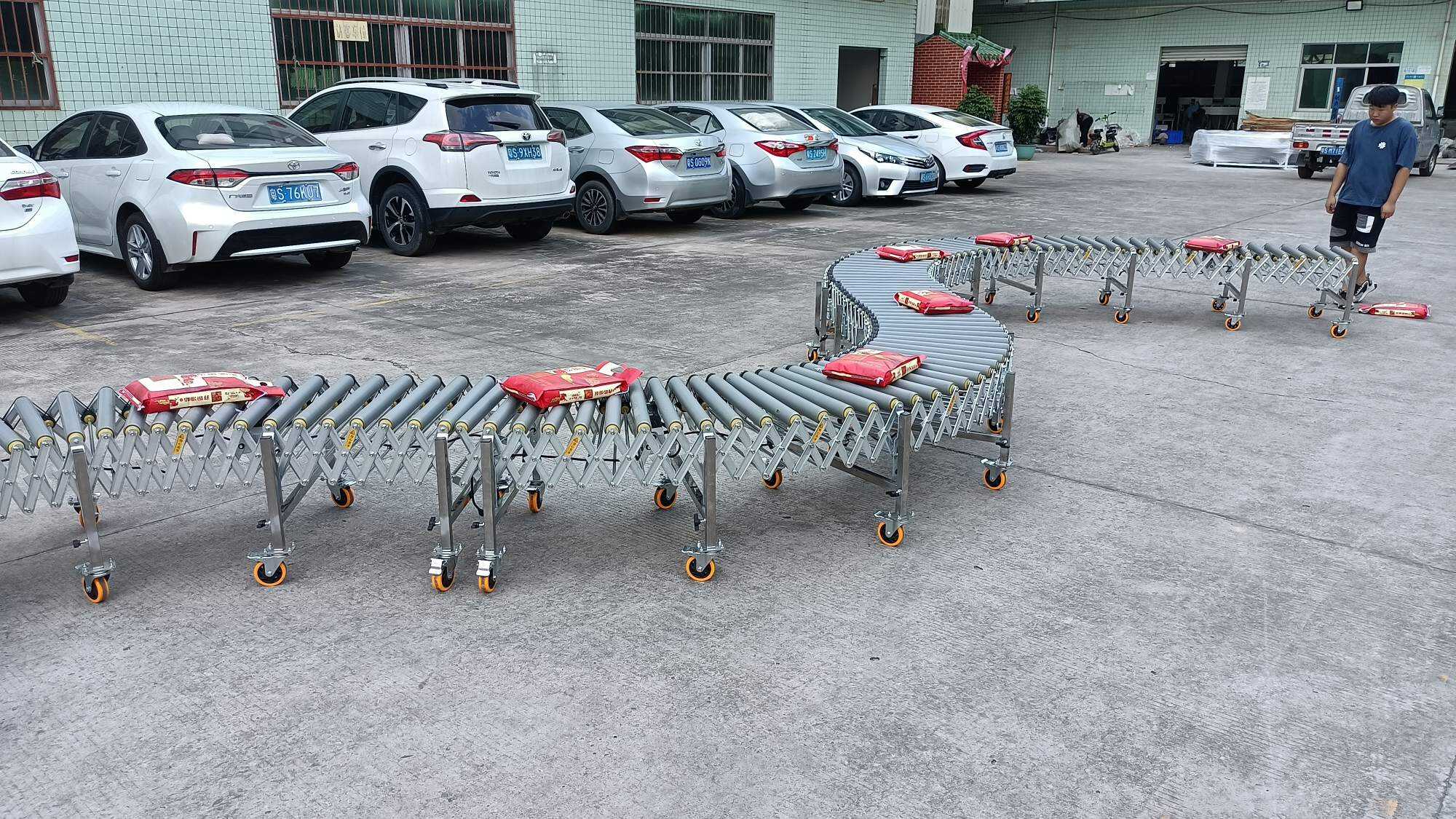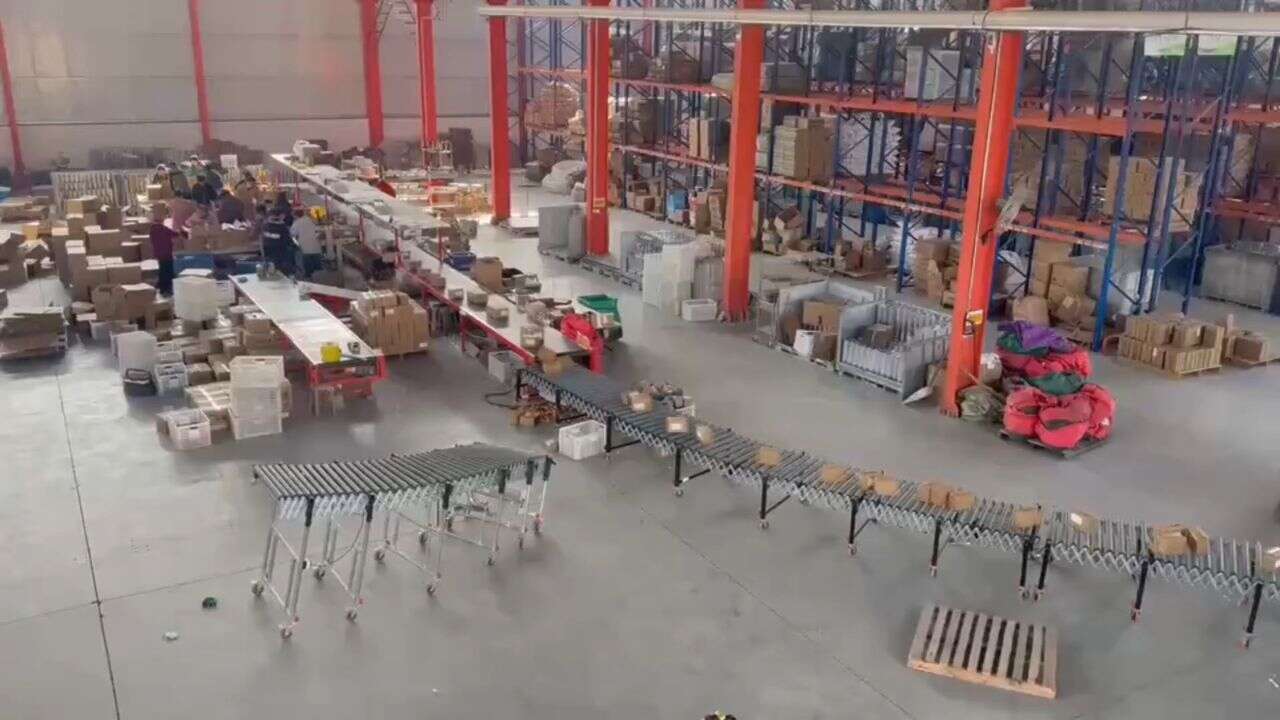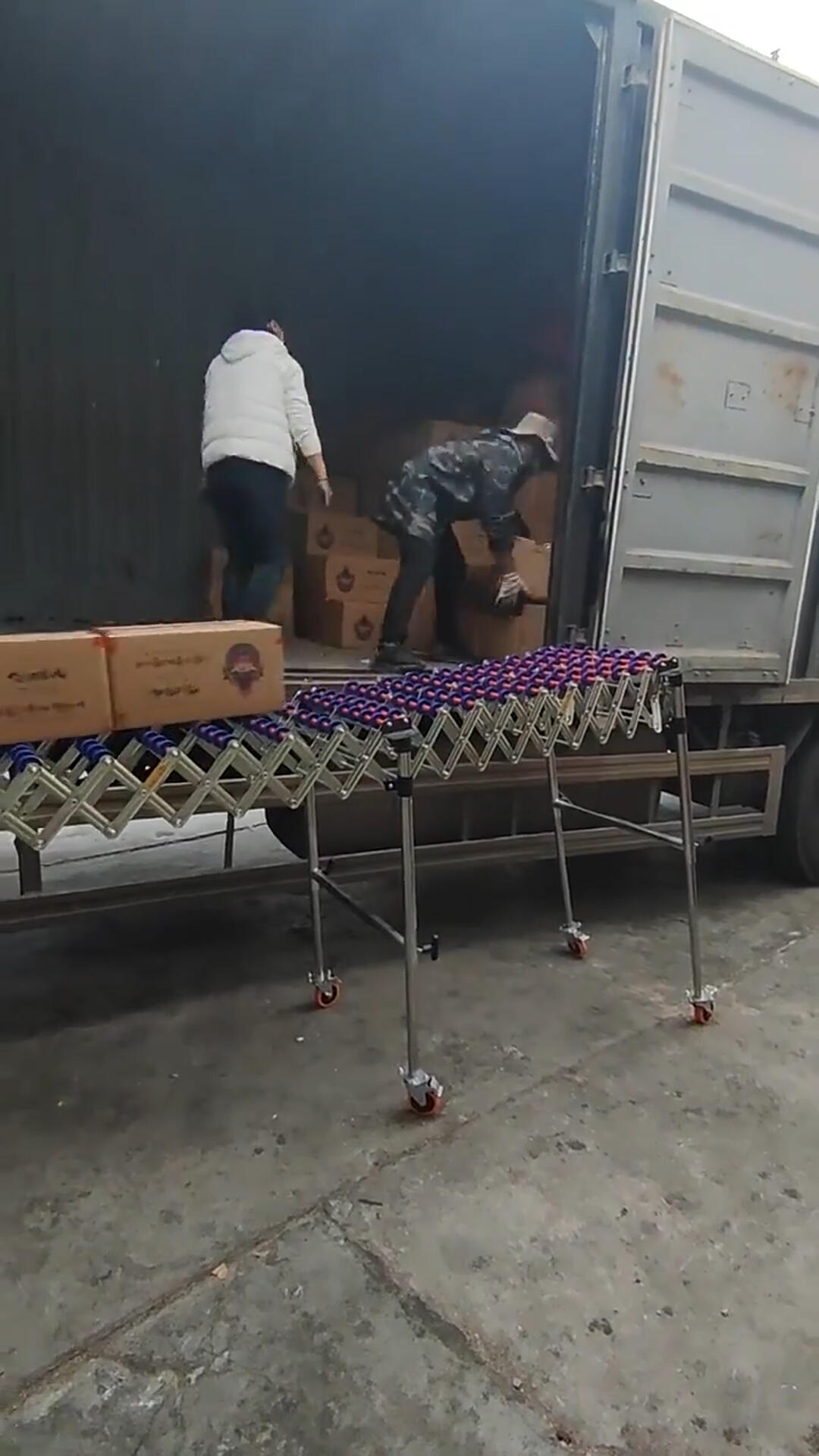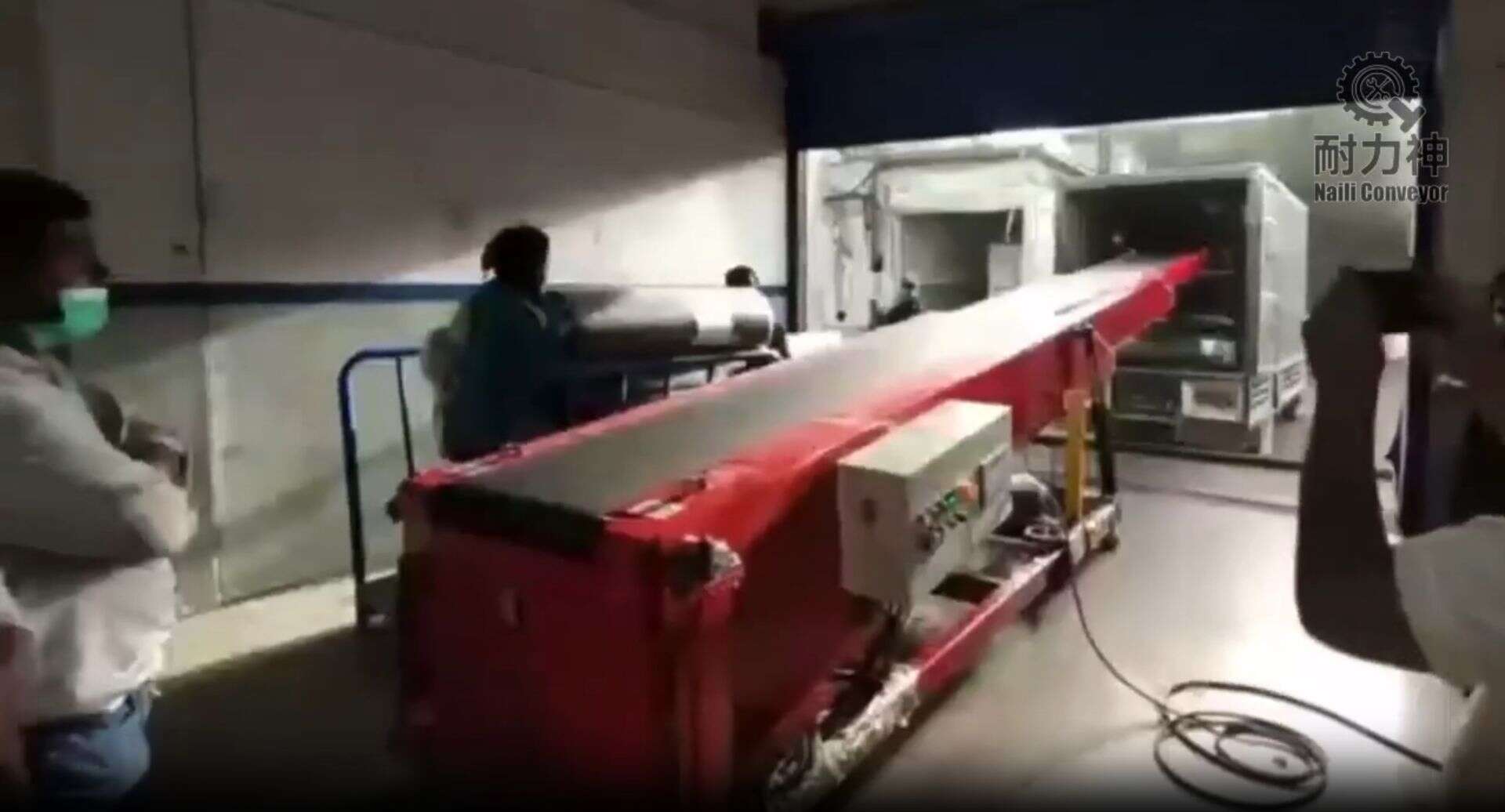
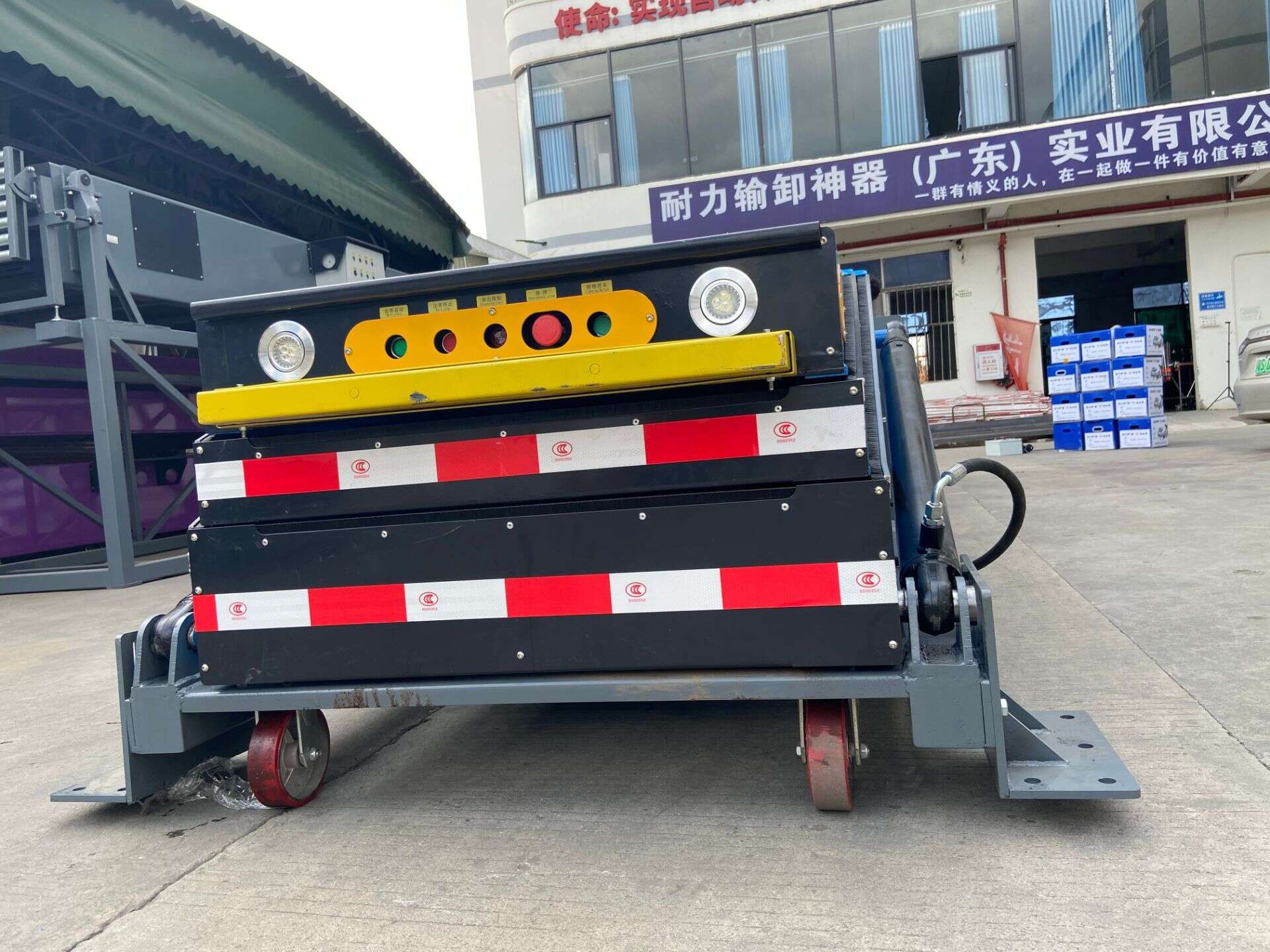
Two equipment options for loading and unloading scenarios
At truck loading and unloading sites, choosing between "telescopic conveyor loading" and "Hydraulic Conveyor loading" is essentially a trade-off between fixed high efficiency and mobile adaptability. Both types of equipment are used to connect the flow of goods between the warehouse and the truck bed/container, but they work differently:
- Transportador telescópico: extends from the fixed loading and unloading opening deep into the truck bed/container, making it suitable for high-frequency operations at fixed loading and unloading points.
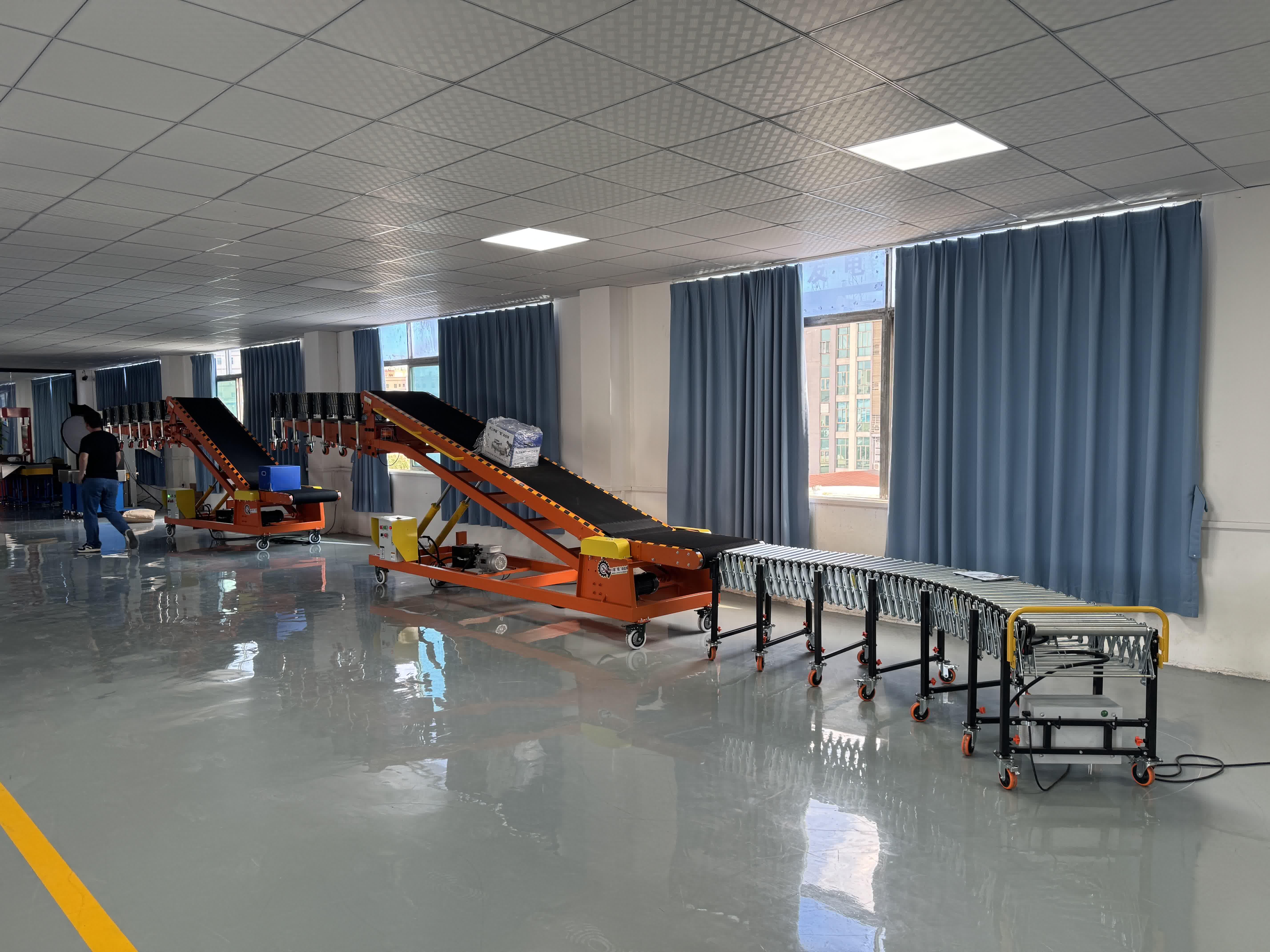
- Hydraulic Conveyor (hydraulic loading conveyor): forms an adjustable ramp from the ground to bridge the height of the truck bed, making it suitable for sites without a loading dock or where loading and unloading points change frequently.
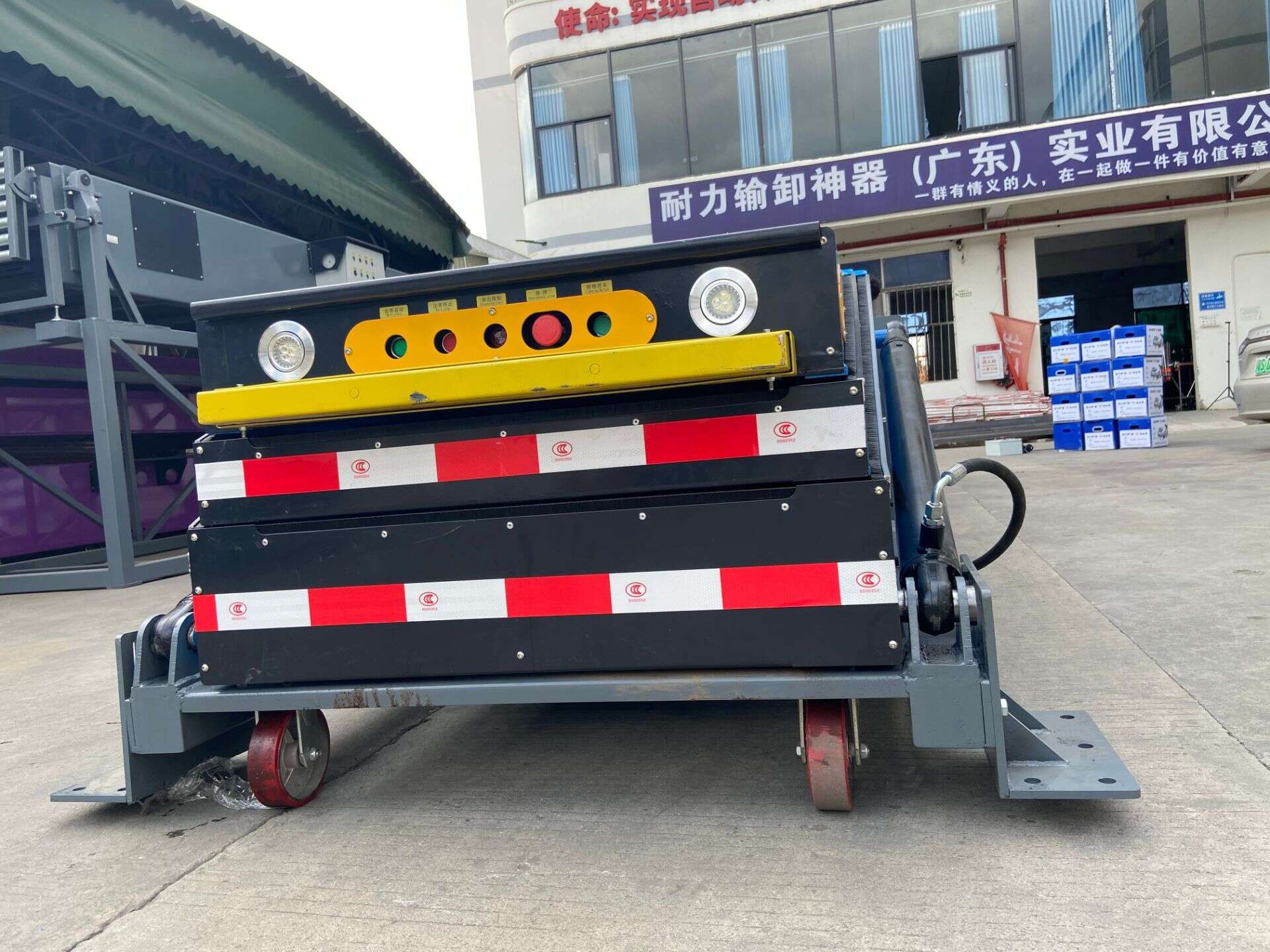
The following sections compare installation/site conditions, applicable working scenarios, and key capabilities item by item, and conclude with usage reminders such as combination boundaries and power outages.
Telescopic conveyor loading: fixed loading and unloading that relies on a loading dock
The core advantage of the telescopic conveyor comes from the structure of "fixed loading and unloading opening + extendable into the truck bed": the equipment can extend and retract like a telescope, delivering the conveyor belt deep into the truck bed and reducing long-distance carrying and back-and-forth trips inside the vehicle.
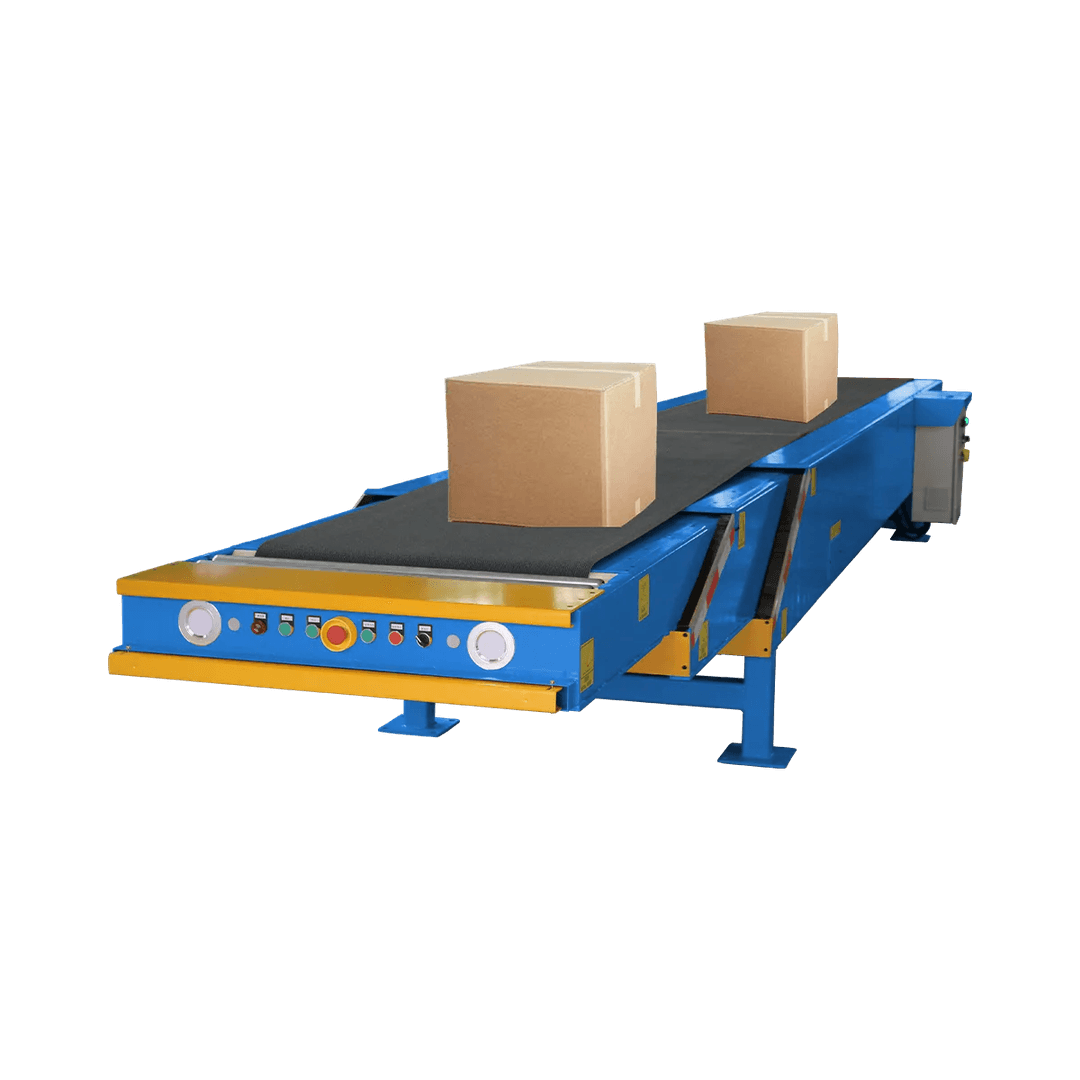
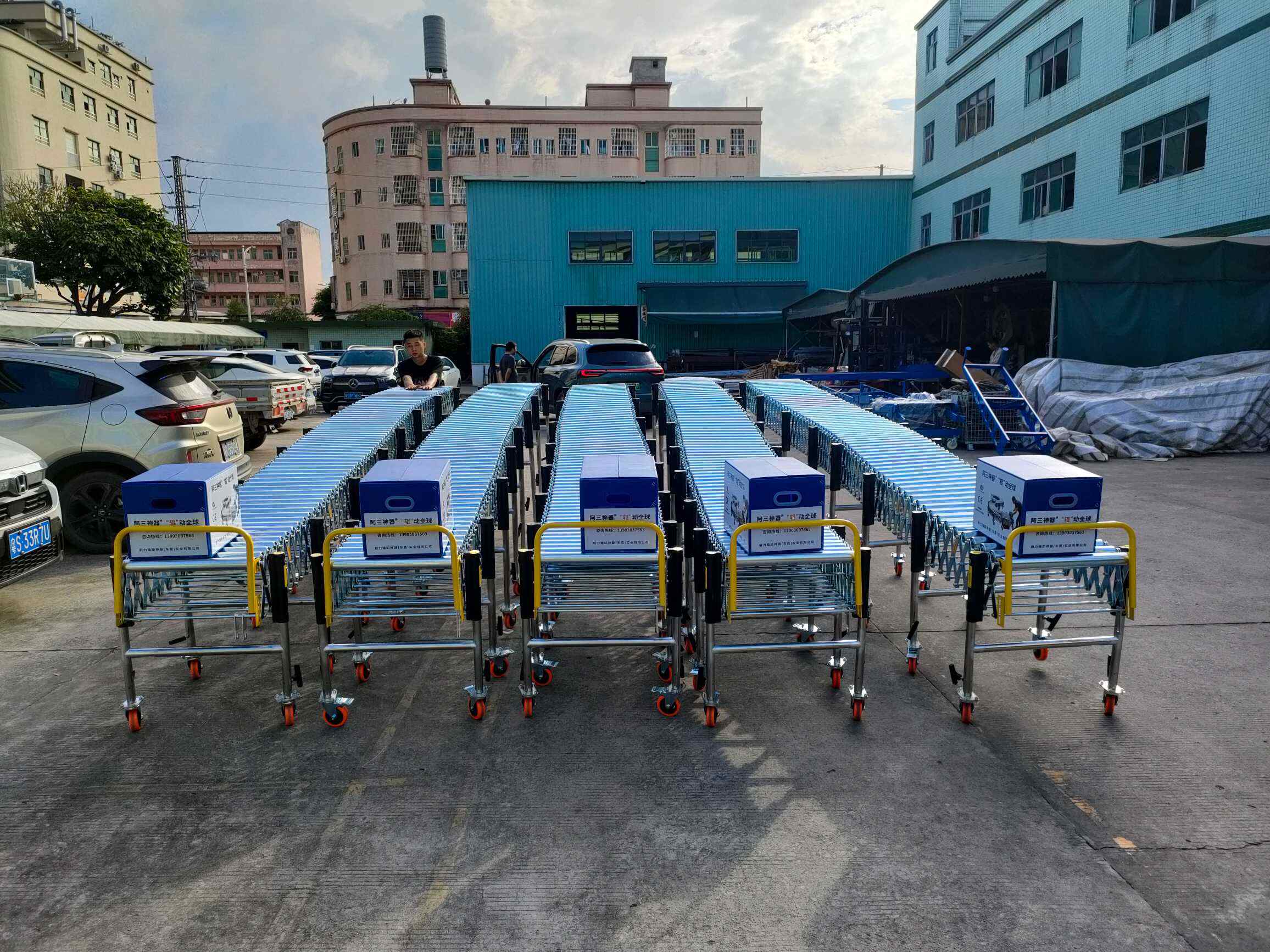
Transportador telescópico de tres secciones
Our three-section telescopic conveyor can extend up to 7–9 meters, reaching deep into trucks and containers to enable fast and efficient loading and u…

Bidón metálico

Bidón de plástico

Rodar

Caja de cartón

En bolsa
Prerequisite: a dedicated loading dock/loading opening is required
Telescopic conveyors are usually permanently or semi-permanently installed, and the site generally needs to have:
- A fixed loading and unloading opening/position, with structural support conditions that meet installation requirements
- Vehicles able to align and back up to the dock
- Reserved floor space and control area after the equipment is retracted
- Stable three-phase power supply
These prerequisites are more site-dependent, but once installed properly, the efficiency advantages for repetitive operations become more obvious.
Applicable scenarios: fixed loading and unloading points, high-frequency repetition, and a focus on speed and reach
Telescopic conveyors are better suited for:
- Long-term high-frequency operations at fixed loading and unloading openings
- Continuous loading and unloading that requires deep access into the truck bed or container
- A loading and unloading setup centered on efficiency and takt time
- Scenarios with relatively standardized vehicle heights and types
Key capabilities: bidirectional operation, deep reach, adjustable speed
Based on the capability descriptions in the original text, the common advantages of telescopic conveyors in loading and unloading arrangements include:
- Bidirectional operation: can be used for both loading and unloading
- Deep reach into the truck bed: the telescopic structure can deliver the conveyor section deeper into the truck bed, reducing the need for personnel to enter the deeper area of the vehicle
- Adjustable conveying speed: easier to match different cargoes and work rhythms
Maintenance focus is usually more on inspecting and lubricating components such as the conveyor belt and bearings (specific intervals and parameters are not covered here).
Hydraulic Conveyor loading: mobile loading and unloading without a loading dock
The concept behind a Hydraulic Conveyor is different from a Telescopic Conveyor: it does not "extend into" the truck horizontally from a dock, but instead forms an adjustable ramp upward from the ground to smoothly deliver goods to the height of the truck bed. Therefore, it is more suitable forNo loading dockoLarge variations in truck-bed heightsites.
Prerequisites: relatively level ground + movable positioning
A Hydraulic Conveyor has fewer basic requirements and usually needs:
- A relatively flat, stable surface
- Operating space for positioning the equipment and adjusting the angle
- Three-phase power supply (common configuration)
- Storage area when not in use
Suitable operating conditions: no loading dock, large vehicle-height differences, changing loading and unloading points
A Hydraulic Conveyor is more suitable for:
- Sites without a fixed loading dock, where loading and unloading can only be done from the ground
- Sites with complex vehicle types and large differences in truck-bed height
- Loading and unloading points change frequently, requiring the equipment to move with the operation
- Scenarios where the goal is to complete the work with relatively low infrastructure investment loading and unloading retrofit
Key capabilities: adjustable height, casters for mobility, adjustable speed
The key capabilities of a Hydraulic Conveyor are centered on "adjustable + mobile":
- Adjustable height: adapts to different truck-bed heights (specific range varies by model)
- Casters make movement easy: can be quickly repositioned between different loading and unloading points
- Conveyor speed is adjustable: makes it easier to match different cargo rhythms
Maintenance focus is usually more on checking hydraulic oil and the condition of seals (specific intervals and parameters are also not covered here).
Telescopic conveyor loading and Hydraulic Conveyor loading: selection comparison and combination boundaries (with usage reminders)
To make selection faster, you can use the table below to understand the most common differences between the two types of equipment in on-site decision-making.
| Comparison dimension | Transportador telescópico | Hydraulic Conveyor (hydraulic conveyor) | Selection tips |
|---|---|---|---|
| Installation/site conditions | Depends on the loading/unloading opening, loading dock, and alignment space | It can be placed on the ground, with no fixed loading/unloading dock required | If there is no dock, prioritize a conveyor ramp |
| Mobility | Basically fixed (a few models may have wheels, but they are still rather heavy) | Highly mobile, and casters make positioning easy | If loading/unloading points change often, choose a conveyor ramp |
| Ability to reach into the trailer | Stronger, can work deep inside trailers/containers | Mainly depends on the unit length; limited ability to reach in | For jobs that require deep reach, choose Telescopic Conveyor |
| Height adaptability | With dock height as the reference, adjustment is limited | Stronger height adjustment capability | If trailer height varies greatly, choose a conveyor ramp |
| Throughput speed tendency | Usually faster | Usually slightly slower but more flexible | For fixed high throughput, choose Telescopic Conveyor |
| Footprint / storage | Still requires a relatively large fixed space after retraction | Relatively easier to store | If space is tight, prioritize a conveyor ramp |
| Initial investment | Usually higher, and may involve dock construction | Usually lower, with no additional infrastructure required | If budget is a concern, prioritize a conveyor ramp |
Combination boundary: the two cannot be used directly in combination
A common question is whether the two can be stacked together to achieve both "deep reach + adjustable height." According to the original text:Telescopic Conveyor and Hydraulic Conveyor cannot be directly combinedbecause their design paths and operating mechanisms are different, so they cannot be used as a directly coupled system.
Viable alternative: Hydraulic Conveyor + Powered Roller Conveyor
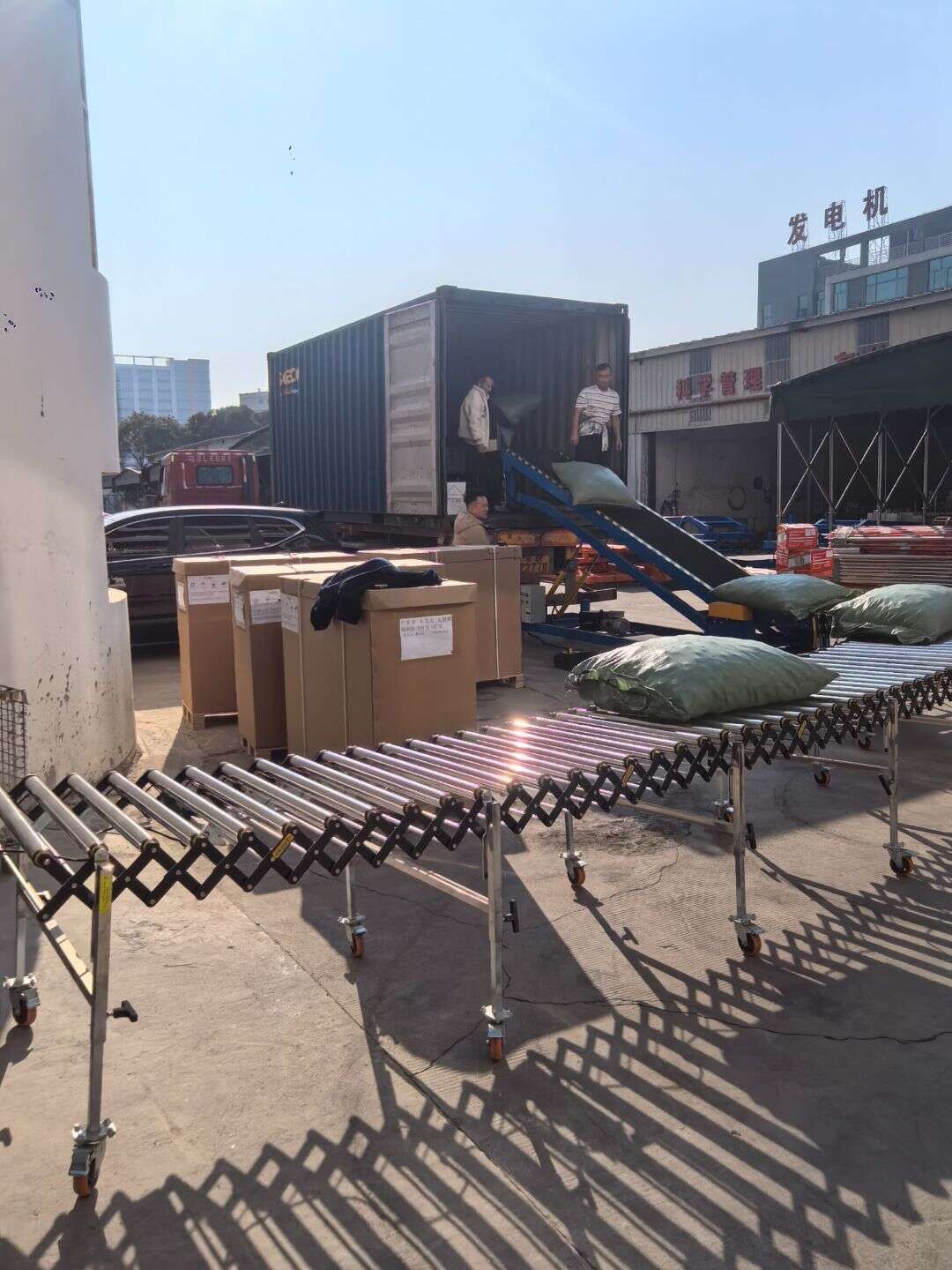
If you want stronger "reach into the trailer" capability in a ground loading/unloading scenario, you can use the alternative approach given in the original text:
- Transportador hidráulicoProvides an adjustable bridge from the ground to trailer height
- On itstop bracketpaired withTransportador de rodillos motorizado, extend the roller section into the truck/container
- Goods can be continuously conveyed from the warehouse floor to deeper inside the truck
Usage reminder: Power outage and maintenance considerations
- During a power outage: the telescopic conveyor cannot be operated or retracted manually; the Hydraulic Conveyor will stay in its current position, but no further adjustments can be made, so it is recommended to prepare a backup power source for critical operations.
- Labor organization: both types of systems can usually be operated with the coordination of about 2 people.
- Maintenance focus and service life: the maintenance priorities differ between the two (Telescopic Conveyor focuses more on belts/bearings, while the conveyor focuses more on hydraulic oil/seals), but with proper maintenance, their service life ranges are similar, usually around 5–10 years.
Extended reference (case study):
Courier center 3-Section Telescopic Conveyor unloading process