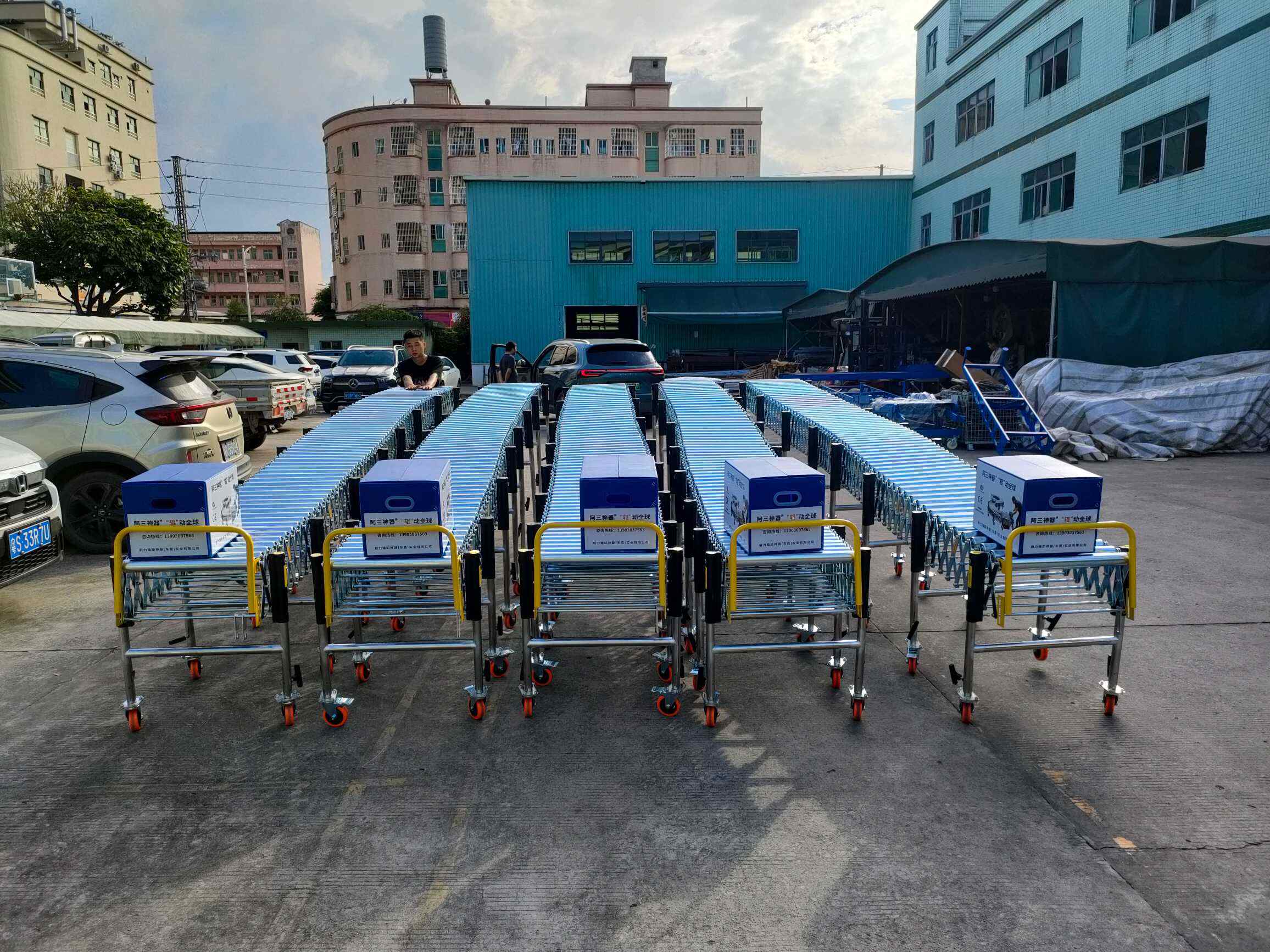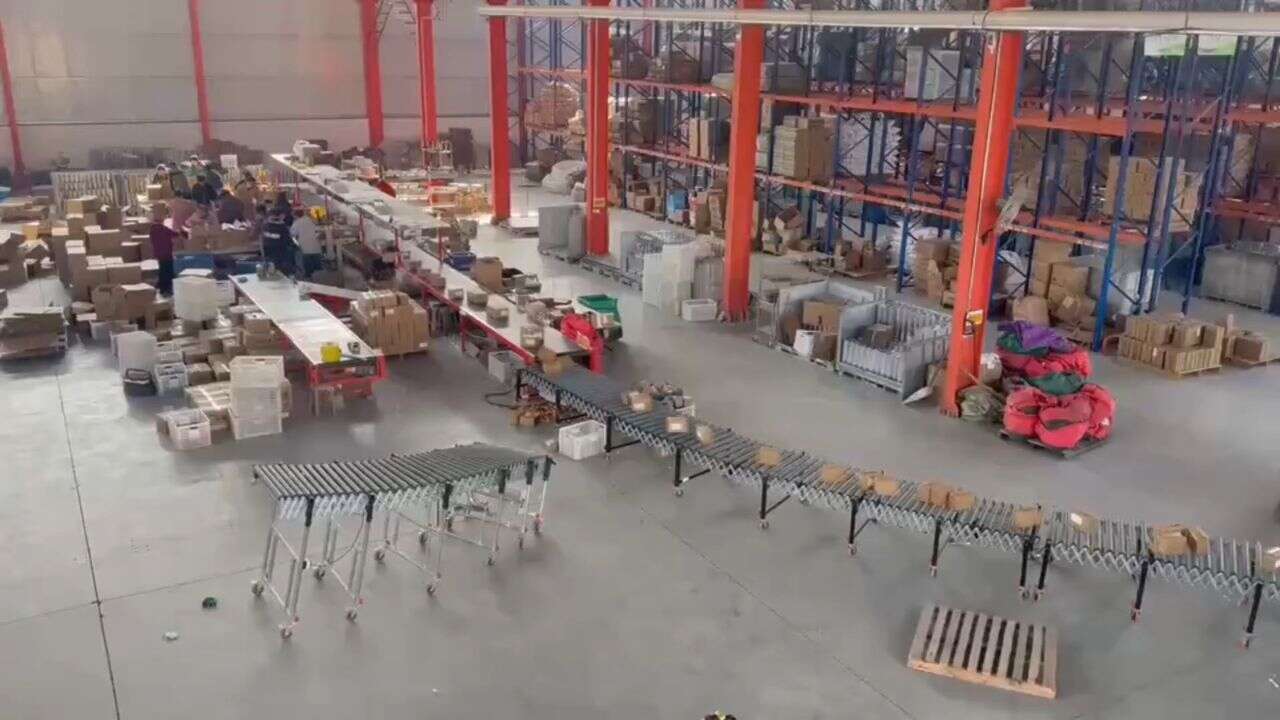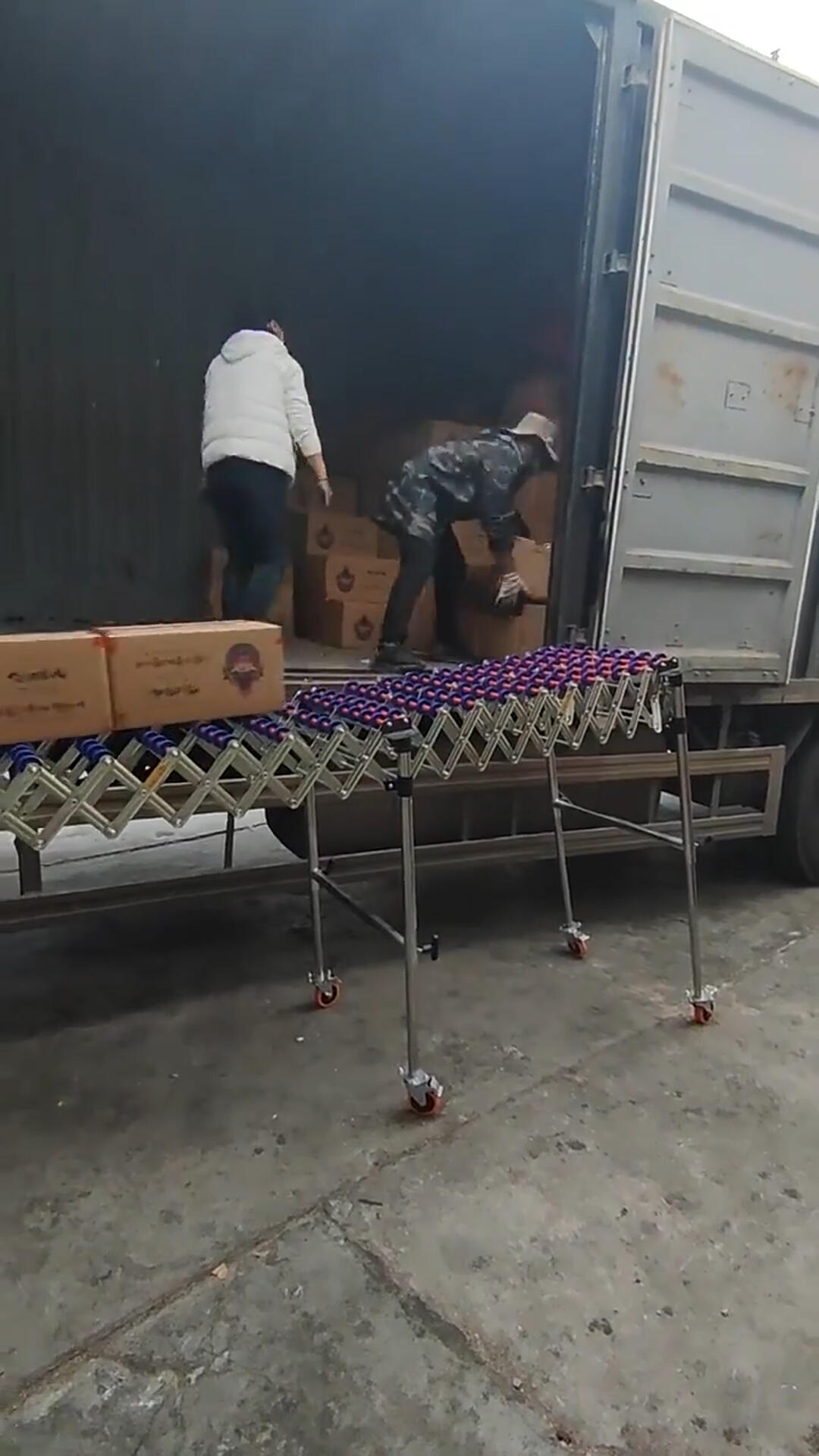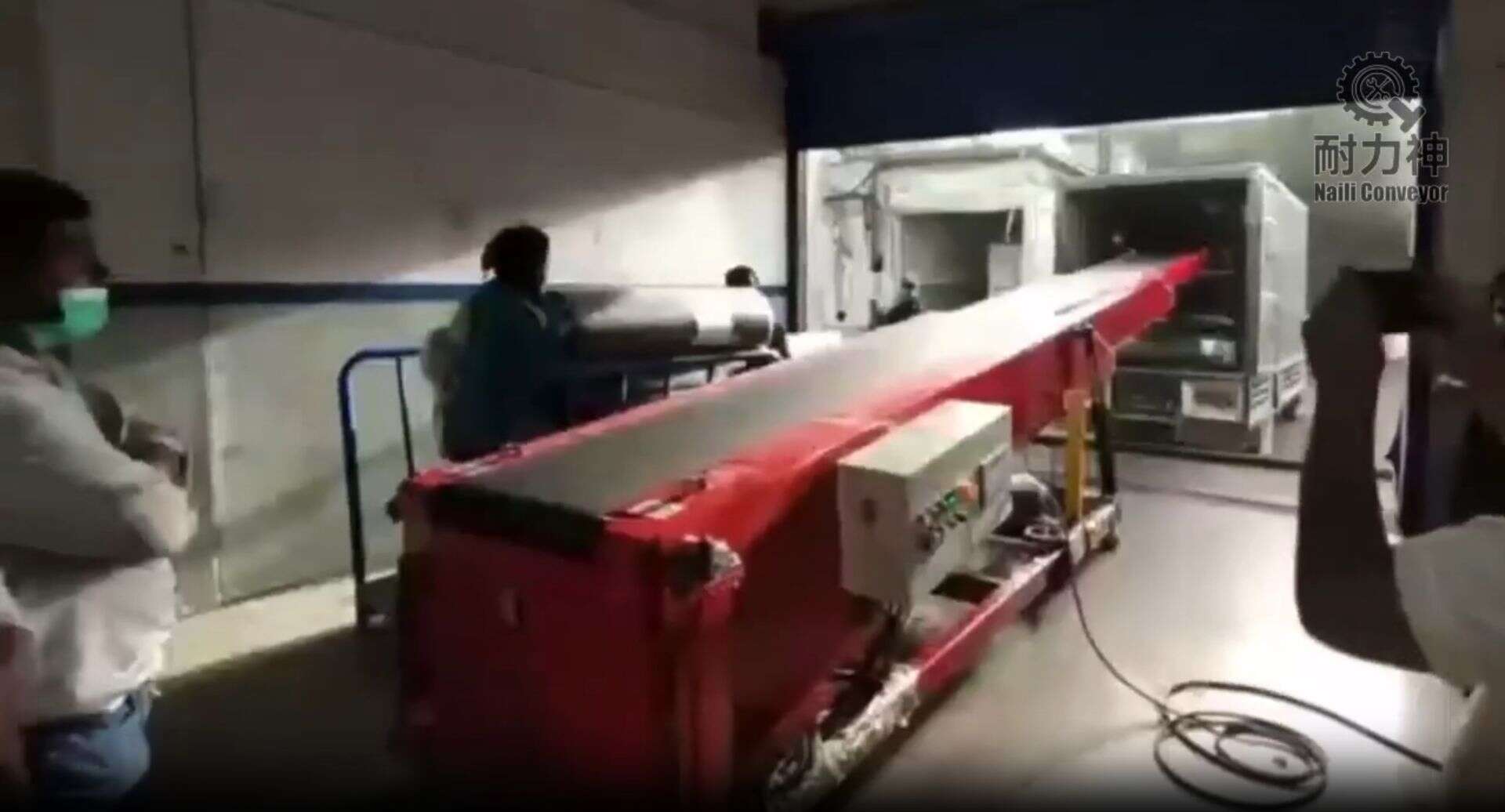
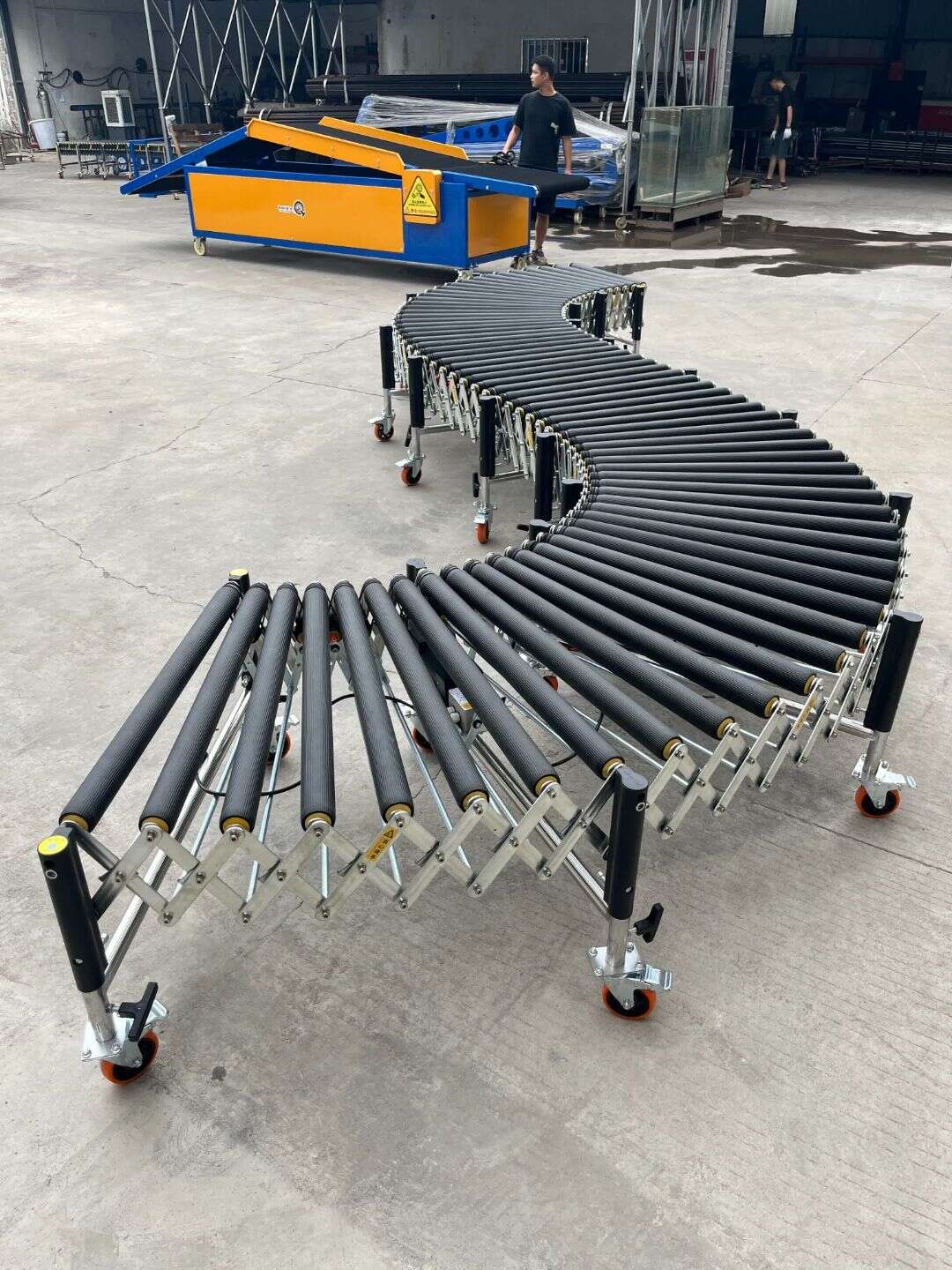
Challenges in transporting soft packaging and bagged items
In warehouse and sorting operations, the demand for powered rubber-covered roller conveyors for bagged items is becoming increasingly common: soft-edged packages, plastic bag packaging (polybags), and irregularly shaped items are often difficult to move ‘obediently’ on traditional roller lines.
Common instability behaviors for these types of goods include:
- Sagging between rollers: The bottom is not rigid enough, easily forming a ‘pocket’ when crossing roller gaps, leading to discontinuous operation
- Drifting, rolling, or displacement: Irregular shape with rapidly changing pressure points, making it easy to deviate from the center during movement
- Sliding: When the outer packaging surface is relatively smooth, there is insufficient grip on the roller surface, resulting in uneven transport with a ‘slide-then-stop’ motion
- Increased risk of jamming and blockage: The combination of sagging and uneven movement can easily cause items to get caught in gaps, jammed, or piled up
These issues not only affect cycle times but also lead to frequent line stops, increased manual intervention, and a higher possibility of damage to products or packaging.
Why Standard Metal Roller Conveyors Are Prone to Failure
When the conveyed items change from rigid cartons to bagged goods, soft packages, and irregular items, standard metal roller conveyors often expose weaknesses in two mechanisms:Insufficient frictionyStructural risks caused by roller gaps.
Slippage Caused by Insufficient Friction
The low surface friction of conventional metal rollers works well for cartons with flat, rigid bottoms, but it is not ideal for soft packaging:
- Plastic bags and glossy packaging are more likely to slip on metal surfaces
- The speed of the goods may become inconsistent: they start sliding, then get "caught, " making the flow rhythm unstable
- It is difficult to maintain a stable gap between goods, which affects downstream diversion, counting, or manual handling
- On inclined sections, the situation becomes even less predictable. When friction must be relied on to maintain stable movement, slippage becomes more obvious
Jamming and Packaging Stress Caused by Roller Gaps
The spacing between standard rollers creates additional risk, especially for packaging with soft or deformable bottoms:
- Soft packages sag into the gaps between rollers, creating an unsupported discontinuous surface
- Sagging may cause the contents inside the package to shift, and may even lead to squeezing and damage
- The edges of flexible packaging may get pulled into the gaps, causing jams
- Unstable movement can subject package seams to extra pulling and impact
As the load increases, the sagging becomes more pronounced, leading to more frequent blockages and manual intervention.
Key Design Points of Powered Rubber-Covered Roller Conveyor
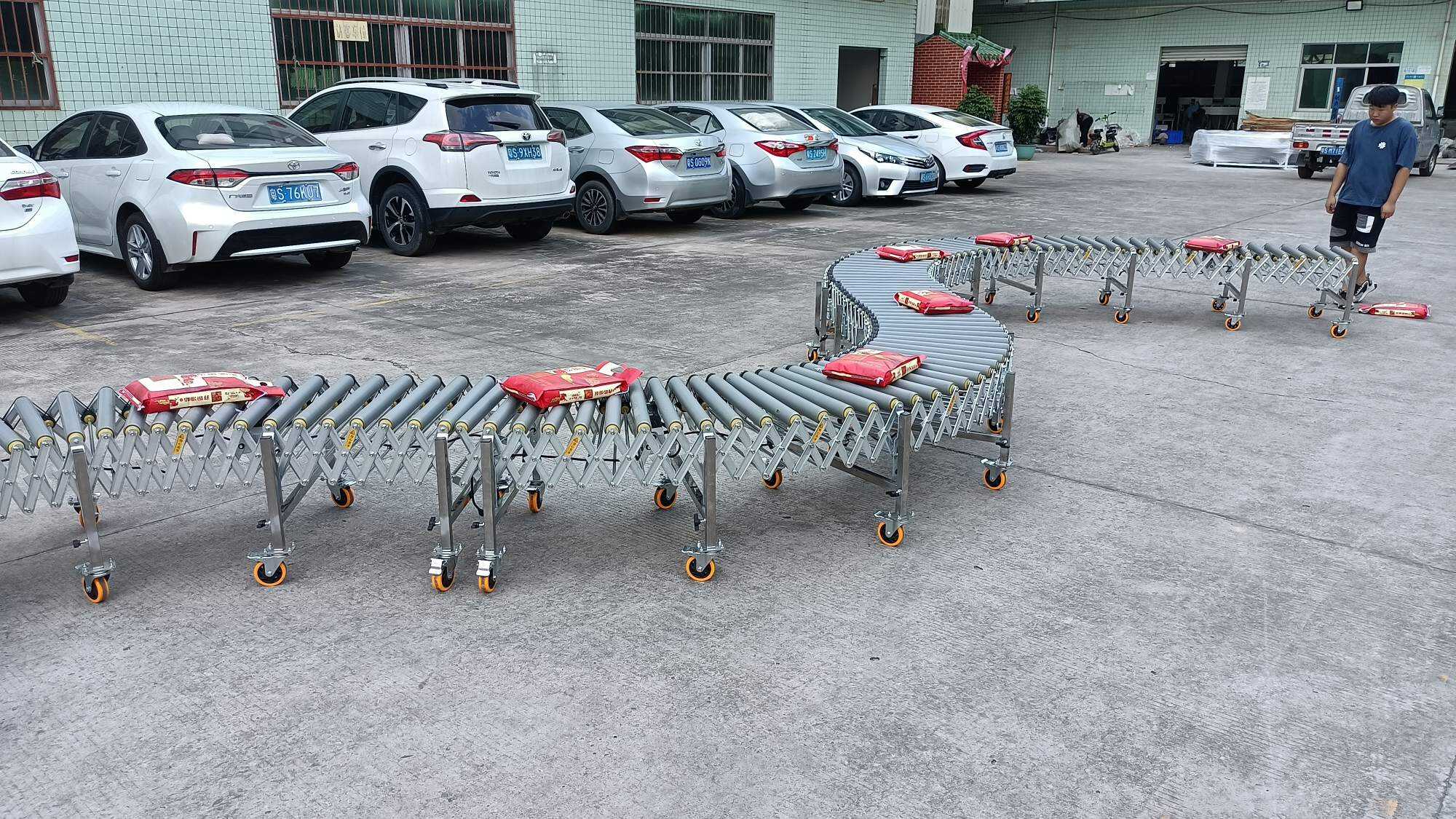
To address the typical pain points of "sagging, slipping, and easy jamming, " Powered Rubber-Covered Roller Conveyor uses rubber-covered rollers and a more continuous contact surface to make it easier for soft packages, bagged goods, and irregular items to achieve stable conveying conditions.
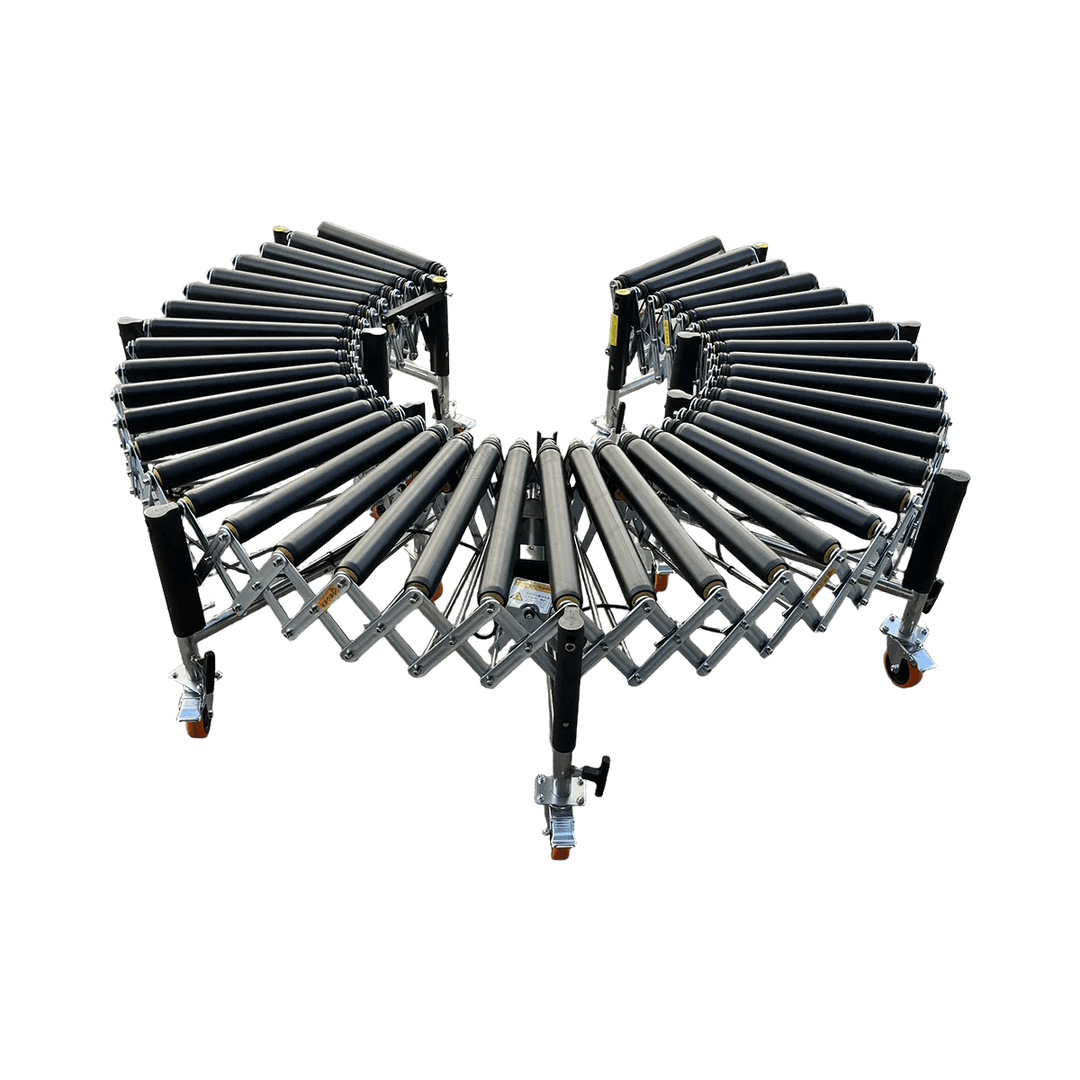
Multi-Wedge Belt Powered Rubber-Covered Roller Conveyor
The multi-wedge-belt Powered Rubber-Covered Roller Conveyor is specifically designed for the smooth conveying of bagged goods. It uses multi-wedge-bel…

Bidón metálico

Bidón de plástico

Rodar

Caja de cartón

En bolsa
The Role of PVC Rubber-Covered Rollers
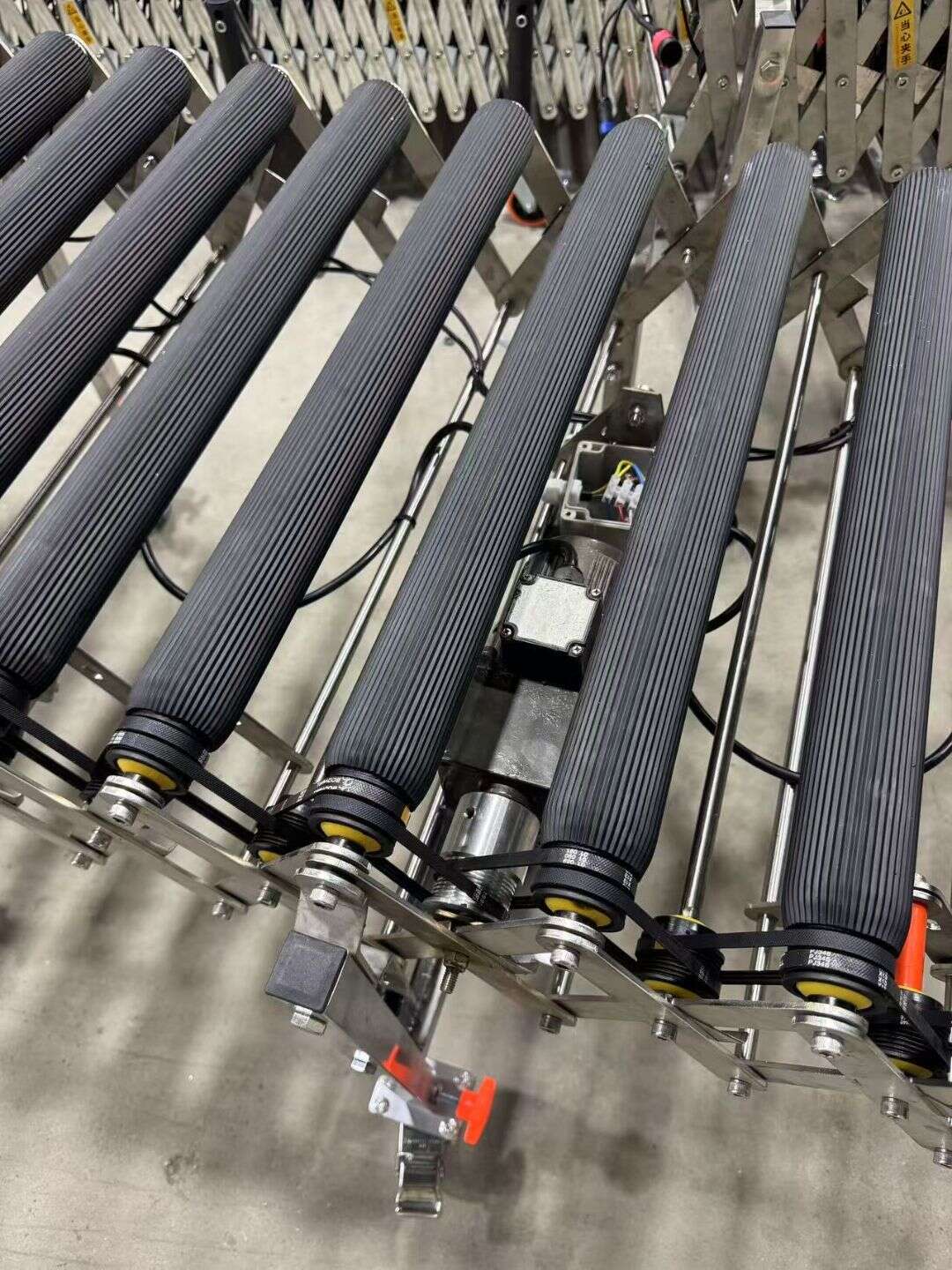
The core difference of Powered Rubber-Covered Roller Conveyor lies in PVC Rubber-Covered Rollers. When in contact with the packaging, the rubber-covered layer provides surface characteristics that are better suited to soft packages:
- Better grip: Compared with metal rollers, the rubber-covered surface has higher friction and can reduce slipping
- Gentler contact: The surface has slight "elasticity, " which can cushion minor impacts and reduce the effect on the contents
- More continuous contact: When dealing with irregular bottoms or soft-bottom packaging, it is easier to maintain stable contact
- Noise reduction: The rubber covering can reduce the rolling noise of goods during conveying
- Reduced static electricity: PVC rubber covering helps reduce the buildup of static electricity generated by some packaging materials during conveying (as stated in the original text)
Drive and Structural Highlights (Presented as Product-Information-Level Details)
To improve stability and adaptability, Powered Rubber-Covered Roller Conveyor is usually designed with targeted drive and structural features:
- Multi-Wedge Belt Drive: Used for power transmission and supports continuous operation
- Adjustable speed: Adjustable conveying speed, up to 40 m/min(subject to product specifications)
- Shorter roller spacing: Standard roller spacing 57 mm, reducing sag in soft packaging by narrowing the gap and improving passability
For more detailed configuration and selection tips, see Practical Solutions for Soft-Pack Conveying with Powered Rubber-Covered Roller Conveyors.
Easy-to-use configuration
In warehouse and logistics operations, the mix of soft-pack products changes frequently, so ease-of-use features are just as important:
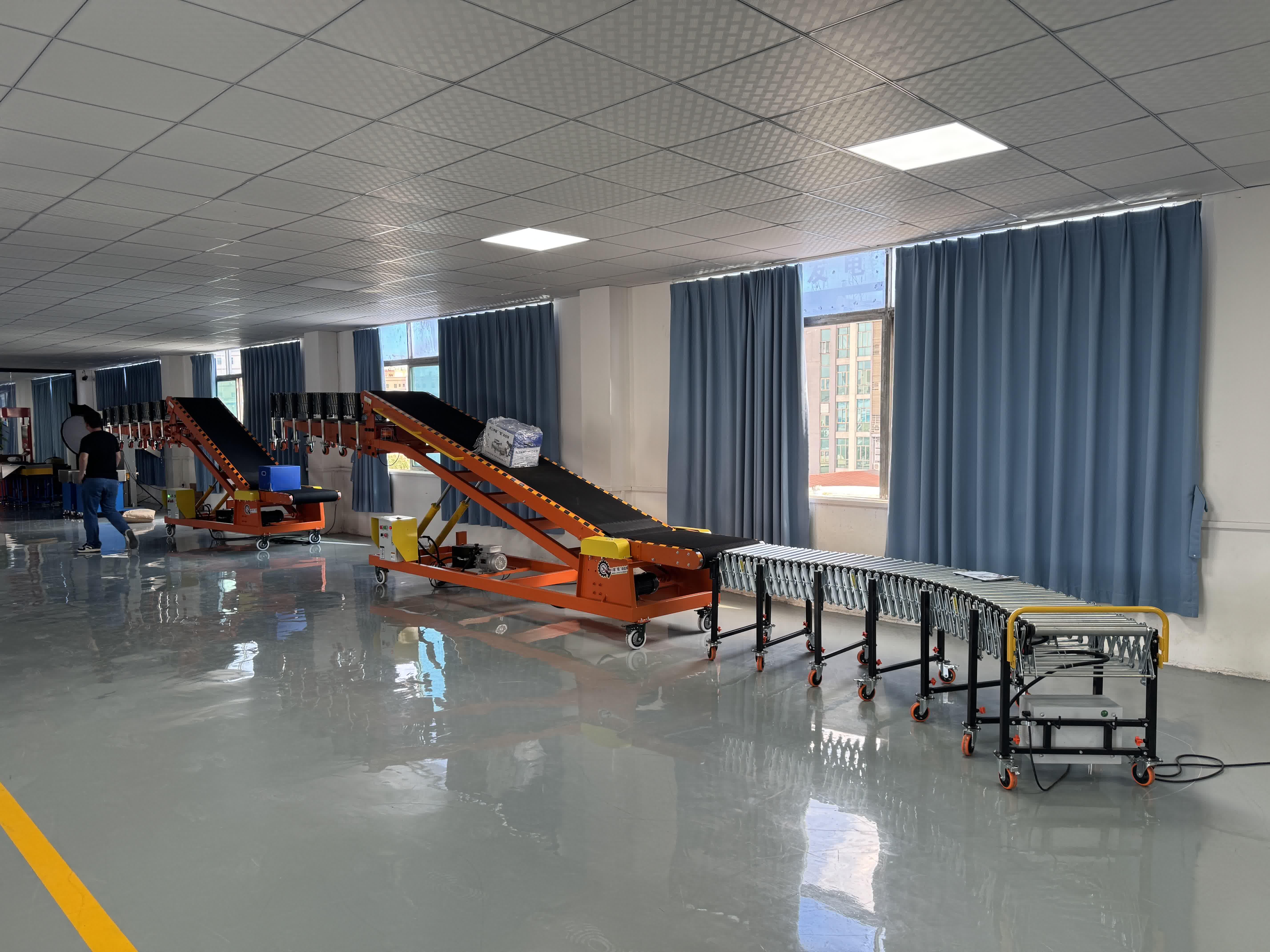
- Expandable sections: Easy to adjust on site based on distance and station changes
- Optional widths: Adapts to bags and soft packs of different sizes
- Panel de control: Supports forward/reverse, emergency stop, and speed adjustment
- Casters and brakes: Convenient to move and position when a mobile setup is needed
Application Scenarios and Usage Notes
Application Scenarios
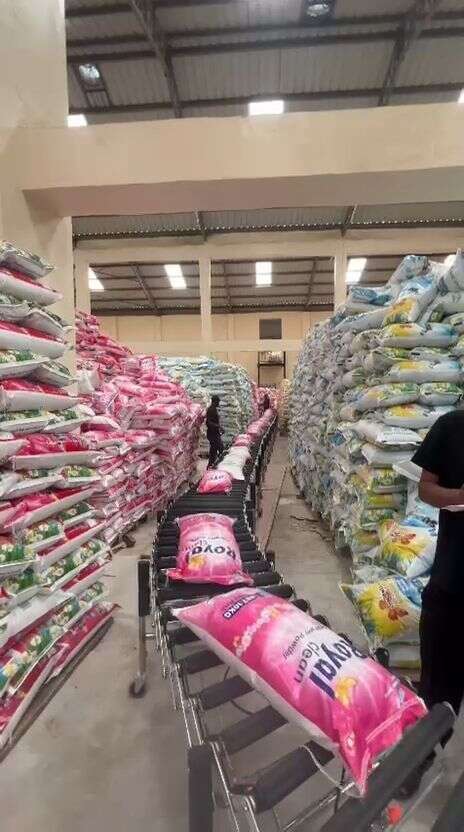
Powered Rubber-Covered Roller Conveyor is especially suitable for processes with a high proportion of soft packaging and unstable package shapes, such as:
- Postal and express centers: large volumes of polybags, soft courier bags, and irregular parcels
- Agriculture and food processing: bagged goods, flexible woven bags, etc. (such as 25 kg bagged feed loading and unloading case)
- E-commerce return handling: varied packaging, inconsistent shapes, and easy occurrence of temporary wrapping or irregular outlines
For a more stable solution for bagged-item conveying, see Article on conveying 50 kg bagged goods with powered rubber-covered rollers.
Usage note: matching and maintenance are equally important
To achieve truly stable conveying of bagged items with powered rubber-covered rollers, it is recommended to focus on two key points in on-site implementation:
- Matching points: Based on the shape of the bottom of the load and the surface material, choose the roller spacing and running speed appropriately to avoid secondary slipping or buildup caused by a mismatch between speed and contact conditions
- Routine maintenance: Clean the roller surface regularly; check the tension of the drive belt; monitor PVC rubber coating for wear and address it promptly
If you need to further combine other conveying equipment in loading/unloading and transfer lines, see the extended reading below:
Hydraulic Conveyor + Powered Rubber-Covered Roller Unloading Solution Without a Platform