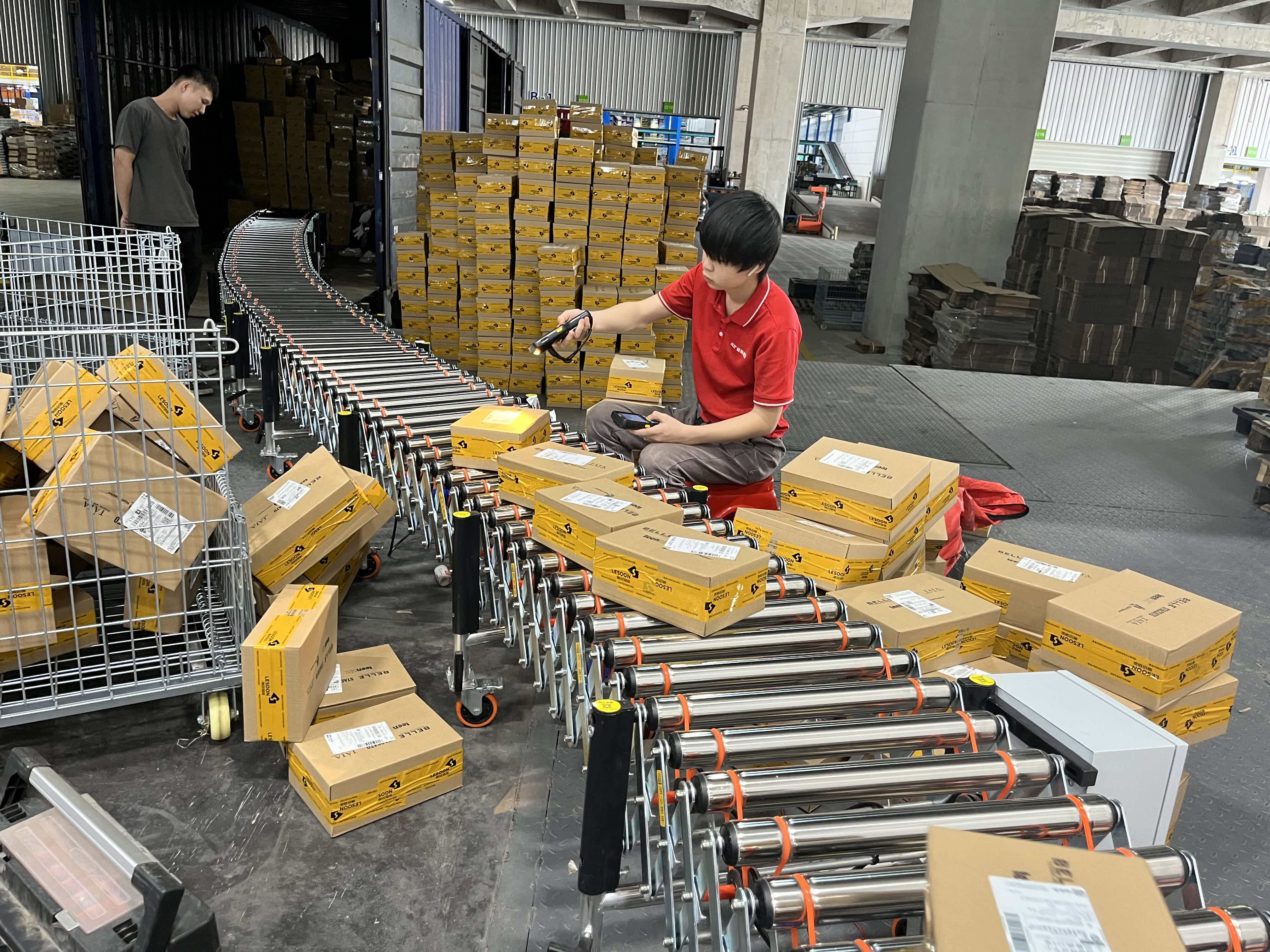
Situación y dificultades: Por qué la carga y descarga con rodillos motorizados resulta más complicada en el caso de la madera y los tubos
A la hora de cargar y descargar en un almacén o depósito de materiales de construcción, los fardos de madera, los tramos de tubería, los suelos y otros materiales de construcción largos se diferencian claramente de las mercancías almacenadas habituales: suelen ser largos, pesados, rígidos y de forma irregular.
Durante el transporte, estos materiales son más propensos a sufrir un soporte insuficiente y una distribución desigual de la fuerza, lo que a su vez conlleva una menor eficiencia, un mayor riesgo de daños y peligros para la seguridad de los operarios. Especialmente durante la transferencia del muelle al vehículo, así como en la carga y descarga de materiales largos, si la superficie de transporte es inestable o no se puede controlar la velocidad, la operación puede pasar fácilmente de una "carga y descarga fluida" a un "proceso de manipulación difícil de controlar".
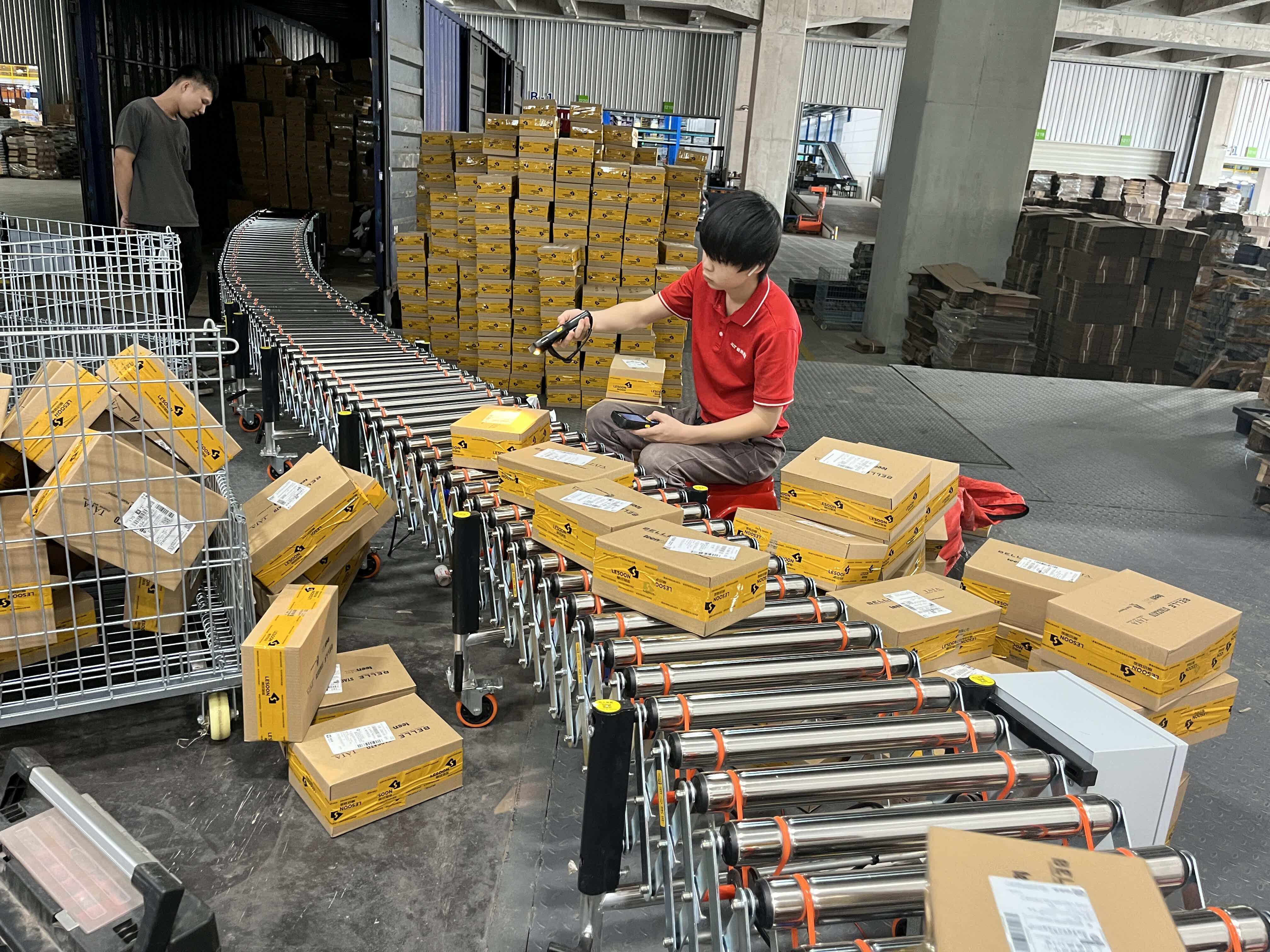
Por qué las cintas transportadoras convencionales no son adecuadas para la carga y descarga de madera y tuberías con una cinta transportadora de rodillos motorizada
Para la carga y descarga de materiales de construcción largos, los dos tipos de transportadores más habituales en las obras son los transportadores de cinta y los transportadores de ruedas deslizantes por gravedad, pero suelen presentar deficiencias en tres aspectos clave: soporte continuo, capacidad de carga y controlabilidad.
1) Cintas transportadoras: propensas a la inestabilidad y al desgaste rápido bajo cargas concentradas
- El peso puede generar fácilmente puntos de presión concentrados, lo que podría dañar la correa
- Los materiales largos pueden desplazarse o rodar sobre una cinta plana, lo que hace que la estabilidad sea insuficiente.
- Muchas cintas transportadoras tienen dificultades para soportar las cargas concentradas que generan los materiales de construcción
- Los materiales pesados y rígidos aceleran el desgaste de la cinta y aumentan la carga de trabajo de mantenimiento
2) Transportador de ruedas «Gravity» de Gravity Skate: el soporte discreto dificulta el control de los materiales largos
- Los puntos de apoyo están dispersos, por lo que los materiales largos tienden a perder estabilidad con mayor facilidad.
- La capacidad de carga habitual suele ser de unos 50 kg/m, lo que a menudo resulta insuficiente para materiales de construcción pesados.
- En los tramos inclinados, el movimiento depende de la gravedad, lo que hace que sea más difícil controlar la velocidad y la dirección de los objetos pesados.
- Tanto el material como la cinta transportadora pueden sufrir daños a causa de puntos de presión concentrados.
Equipo adecuado: transportador de rodillos motorizado de alta resistencia (accionado por correa de múltiples cuñas) para la carga y descarga de madera y tuberías
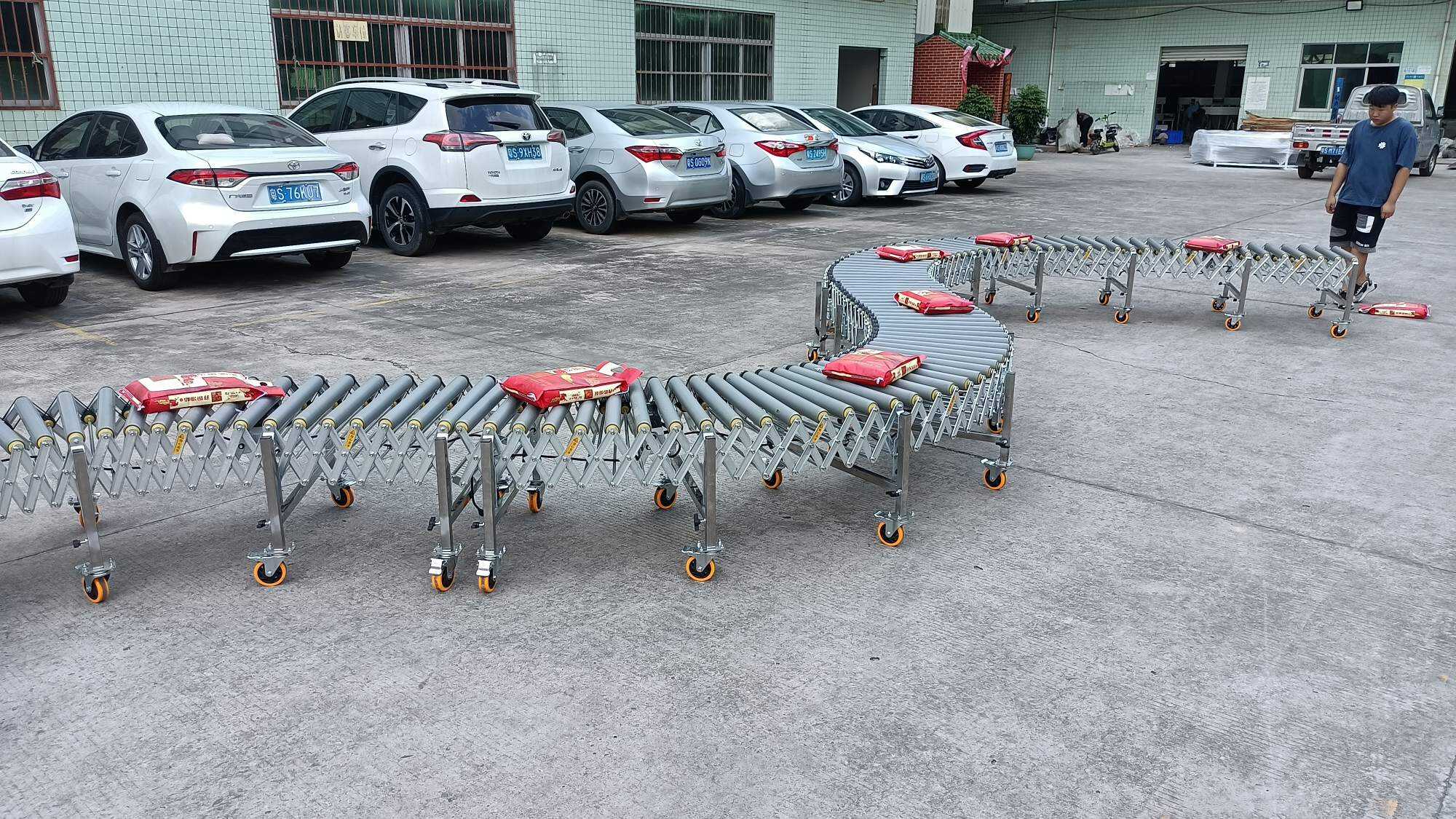
Teniendo en cuenta los requisitos que deben cumplir los materiales de construcción de gran longitud —"soporte continuo + transporte controlable + estructura duradera"—, la mejor opción esTransportador de rodillos motorizado de alta resistencia, dondeel transportador de rodillos motorizado accionado por correa de múltiples cuñaspuede lograr un mejor equilibrio entre sujeción, control y resistencia.
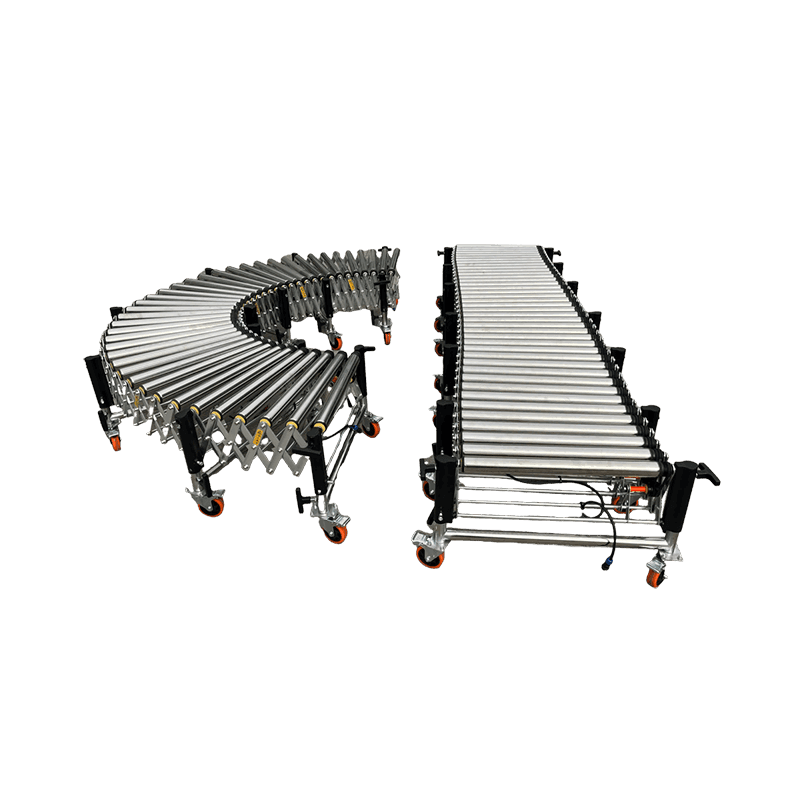
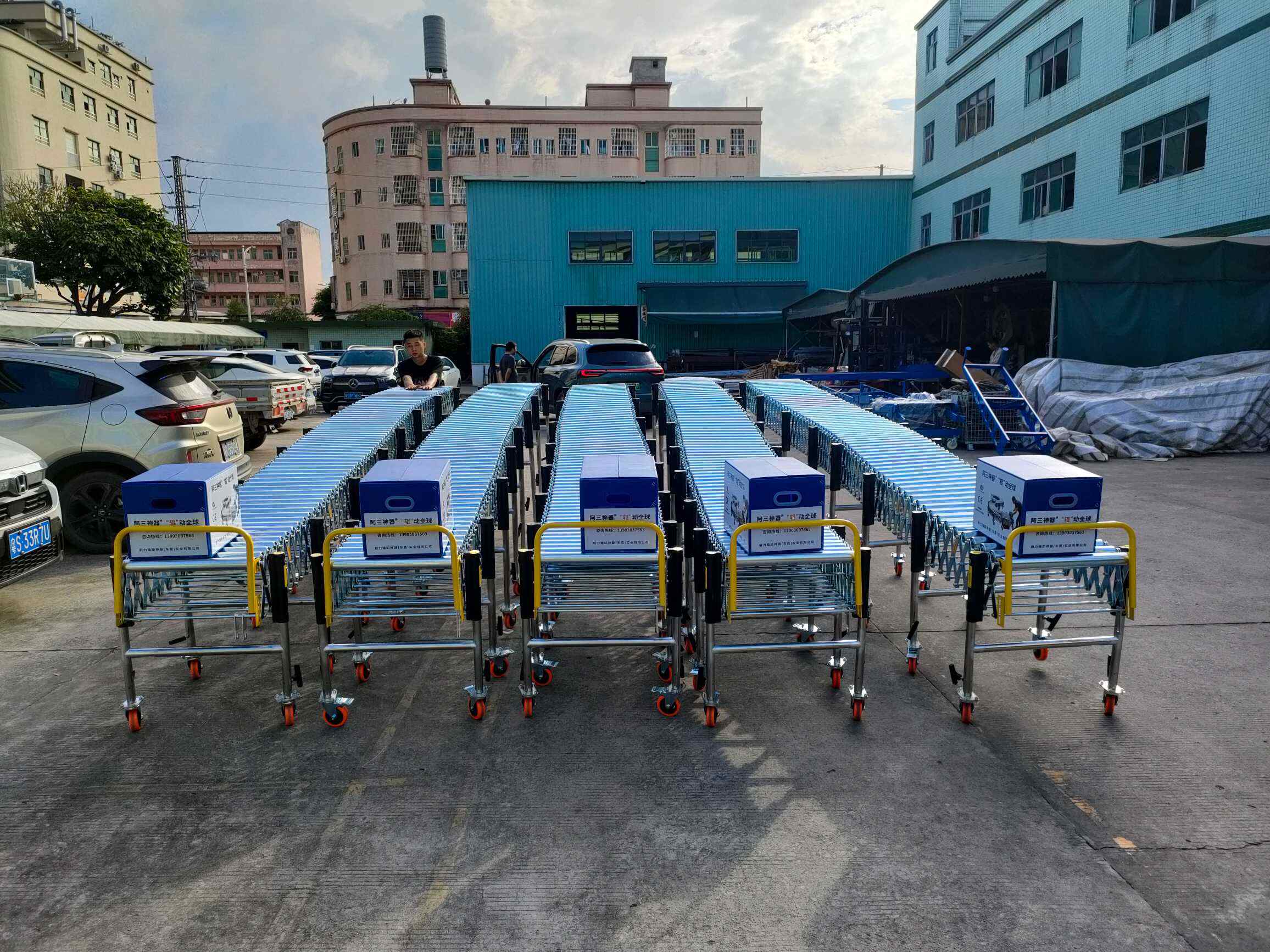
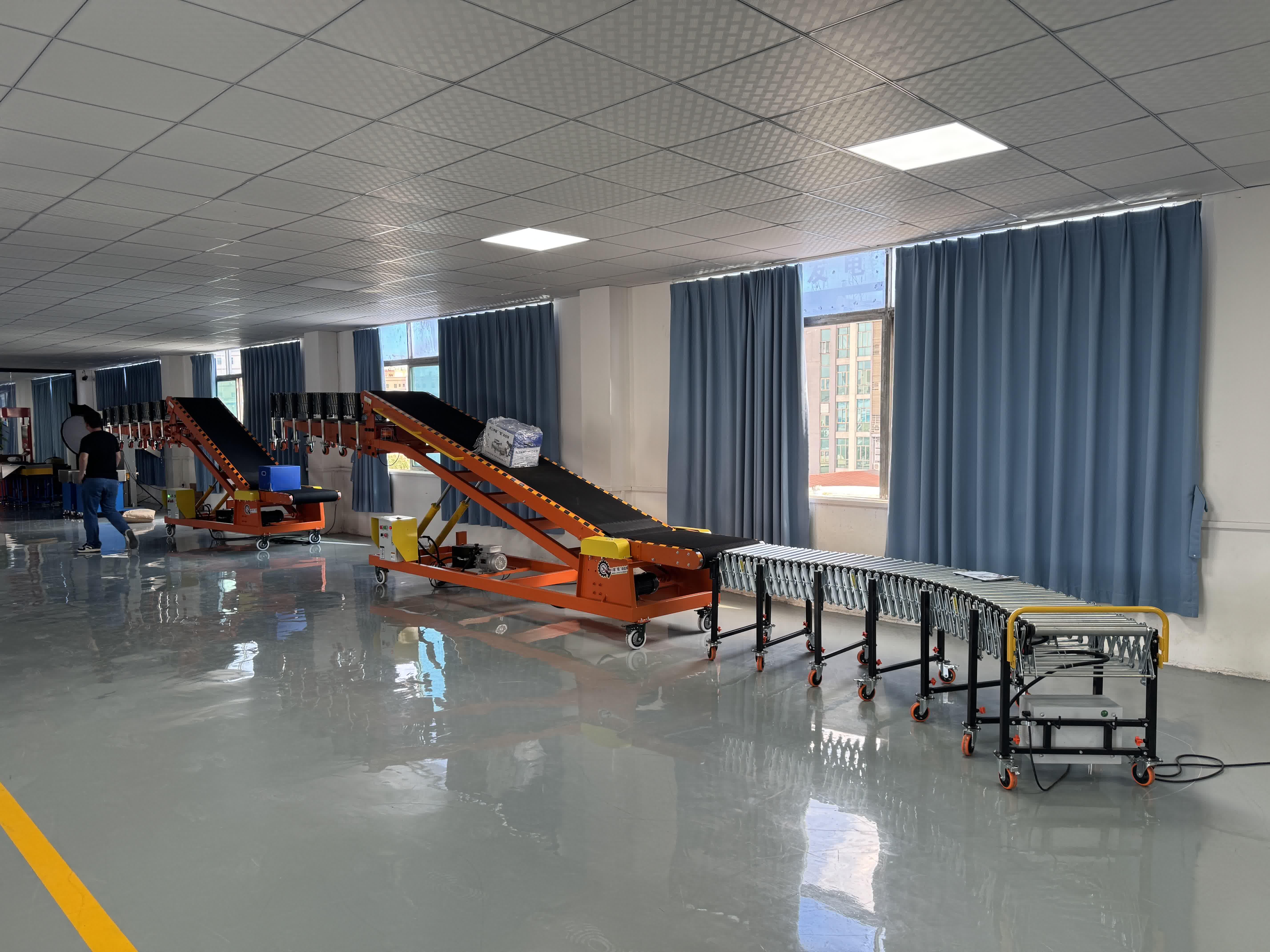
Transportador de rodillos accionado por correa de múltiples cuñas
La cinta transportadora motorizada con rodillos y correa de múltiples cuñas utiliza un diseño de transmisión por correa de múltiples cuñas para lograr un transporte de mercancías fluido y eficiente. Rango de separación entre motores…

Bidón de plástico

Bidón metálico

Caja de cartón

Rodar
Por qué los rodillos motorizados de alta resistencia con correa de múltiples cuñas son más adecuados para materiales de construcción de gran longitud
Tomando como ejemplo las especificaciones de 2000 mm por sección y 100 kg por metro que se indican en el artículo, las principales ventajas de un rodillo accionado por correa de cuñas múltiples para la carga y descarga de madera, tuberías y materiales para suelos se resumen en tres puntos:
- Soporte de rodillos continuos: Los rodillos forman una superficie de apoyo más continua, lo que permite distribuir la fuerza de manera más uniforme sobre los materiales largos
- Accionamiento motorizado controlable: El transporte motorizado mantiene un flujo de material estable y continuo y reduce los riesgos derivados del deslizamiento incontrolado
- Un concepto estructural más resistente: En el caso de materiales pesados y rígidos, la estructura general hace mayor hincapié en la durabilidad y el uso a largo plazo
Al mismo tiempo, los detalles estructurales mencionados en el artículo (diámetro de los rodillos: 50 mm; distancia entre rodillos: 100 mm) contribuyen a crear una disposición de soportes más densa, lo que reduce la probabilidad de que los materiales largos se comben o se balanceen.
Materiales habituales con los que puede trabajar
- Carga y descarga de madera empaquetada
- Transporte de materiales largos, como tramos de tubería y conductos
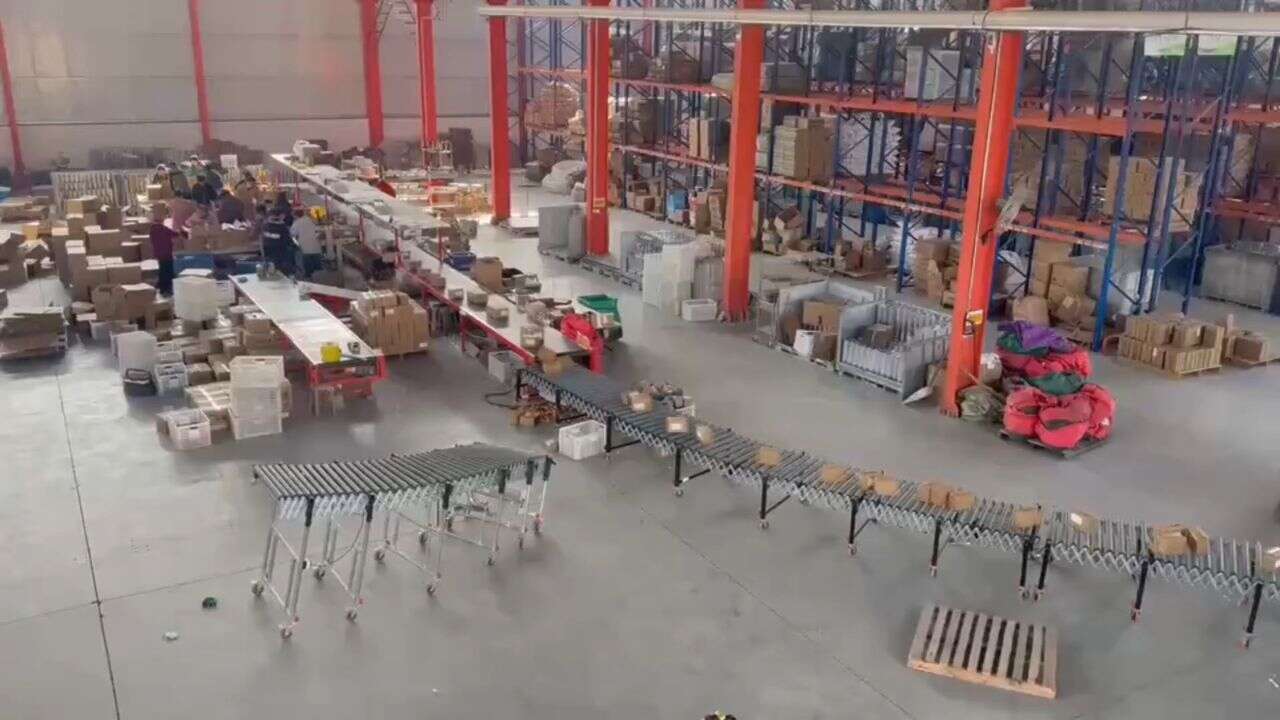
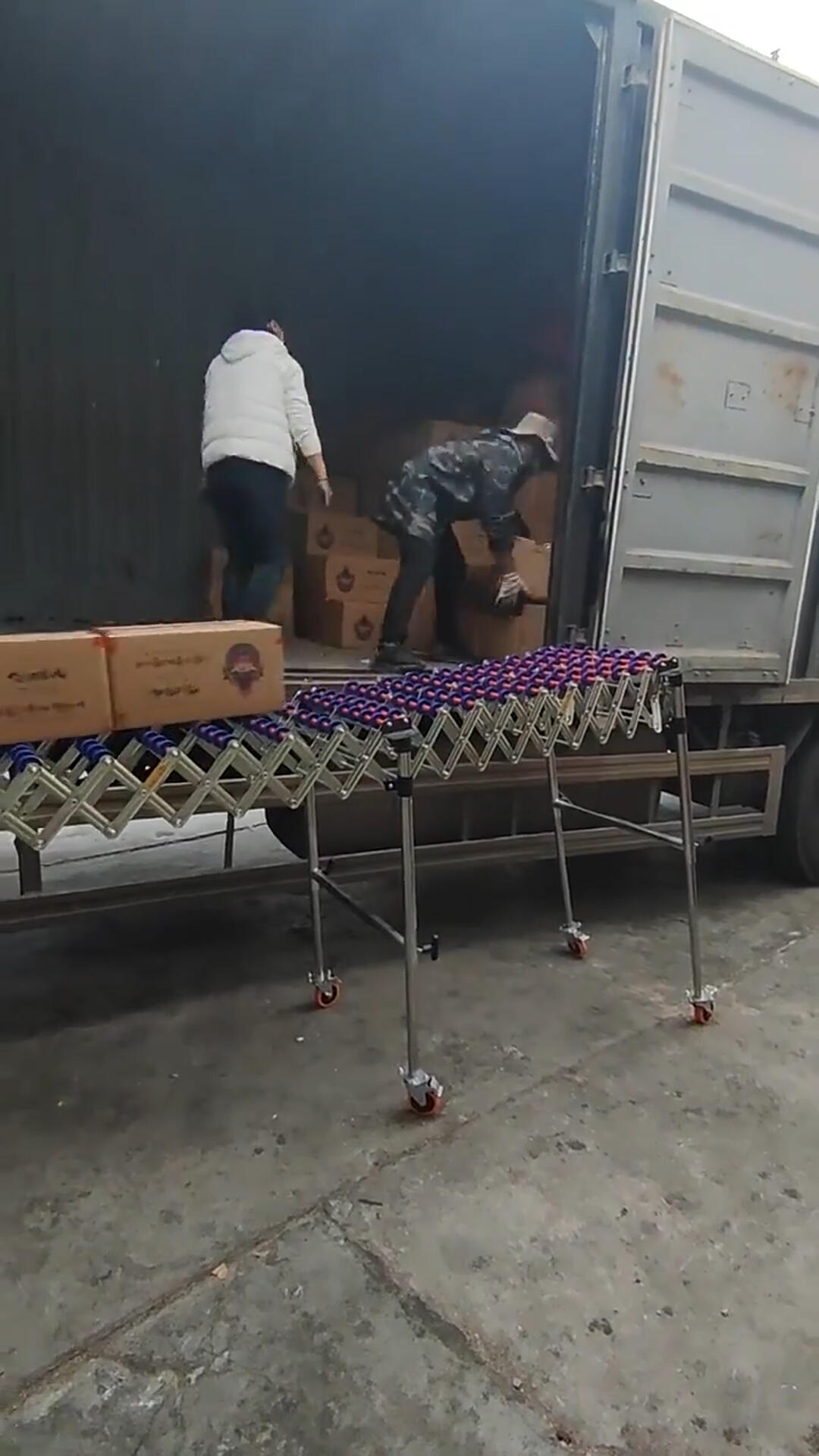
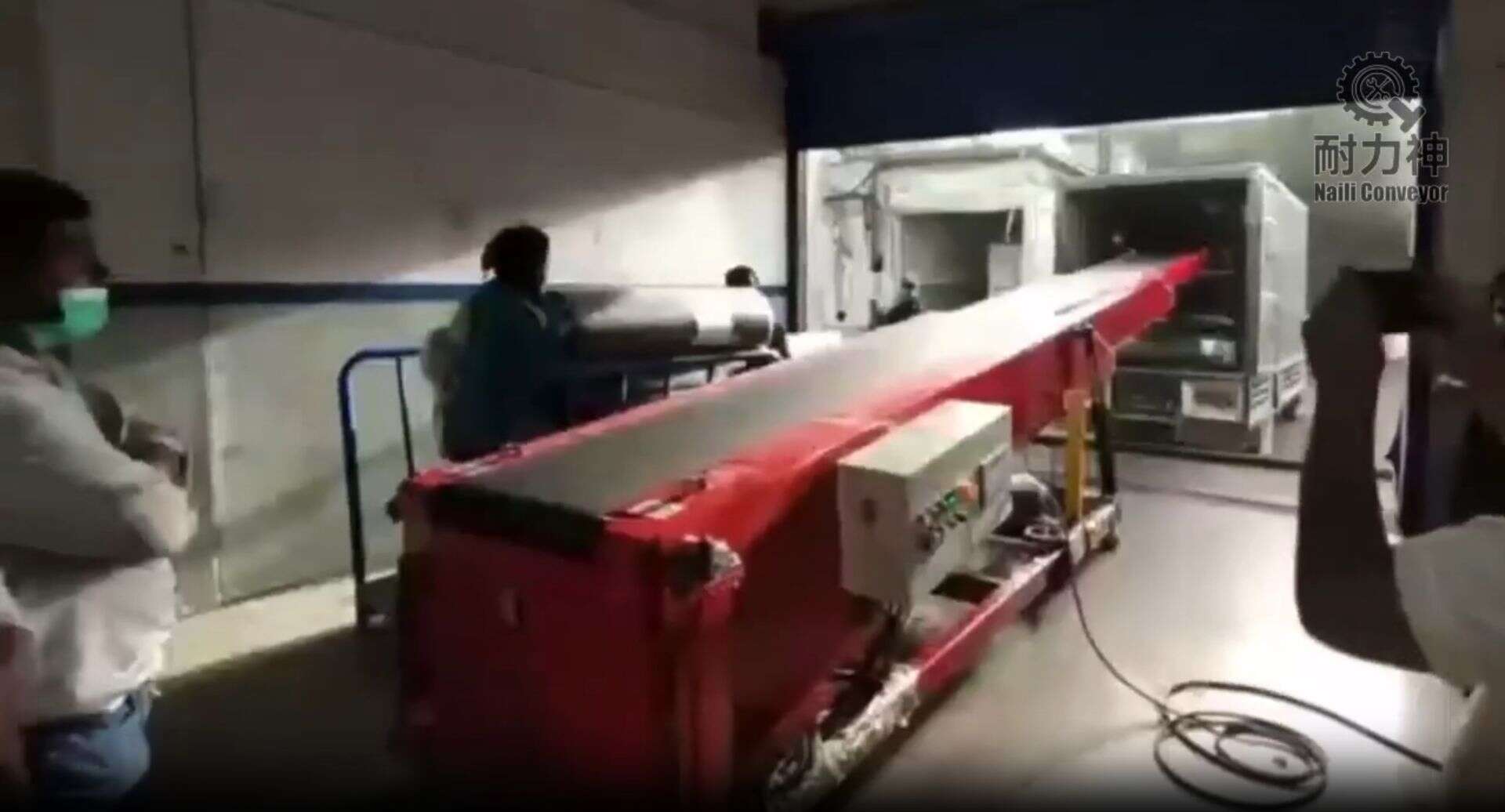
- Carga y descarga de materiales a granel (en palés o en cajas) y traslado a la caja del camión
Puntos clave: consejos para la selección y el uso de transportadores de rodillos motorizados a la hora de cargar y descargar madera y tuberías
Elegir el equipo adecuado es solo el primer paso; la carga y descarga de materiales de construcción largos requiere prestar la debida atención al espacio, la interfaz, la seguridad y el mantenimiento.
1) Diseño y distribución del espacio
- Se puede programar en2000 mm por tramopara planificar la longitud del sistema de transporte y ampliar la distancia de transporte mediante la conexión de varias secciones
- El equipamiento mencionado en el artículotiene una longitud retraída de unos 700 mm, con una relación telescópica de aproximadamente2:3para guardarlo cómodamente cuando no se utilice y desplegarlo rápidamente cuando sea necesario
2) Altura de la interfaz y condiciones de alimentación eléctrica
- Rango de altura de la interfaz:450–1500 mmpara facilitar la conexión con diferentes carrocerías de camión o superficies de trabajo
- Fuente de alimentación: opcional380 Vo220 V(siempre que se cumplan las condiciones de suministro eléctrico del lugar de instalación)
3) Configuración de seguridad y organización operativa
Se recomienda aplicar las siguientes medidas de seguridad en entornos de uso intensivo y alta frecuencia, como los almacenes de materiales de construcción:
- Protectores laterales: reducen el desplazamiento lateral de los materiales
- Botón de parada de emergencia: permite una parada rápida en puntos clave de la operación
- Señalización del suelo en la zona de trabajo: delimita las zonas de carga y descarga y las de actividad del personal
- Formación operativa: estandarizar los procesos de alimentación, posicionamiento y puesta en marcha y parada de las operaciones
En lo que respecta a la coordinación del personal, suele haber al menos2 personastrabajando en equipo (una persona en el extremo de carga y otra en el de descarga); en el caso de materiales especialmente largos o pesados, se pueden incorporar ayudantes adicionales a lo largo de la línea de la cinta transportadora.
4) Puntos de mantenimiento (para garantizar la vida útil y la estabilidad)
- Comprueba periódicamente la tensión de la correa de transmisión
- Lubrica los cojinetes según el calendario previsto
- Limpia los rodillos para evitar que la acumulación de residuos afecte a su funcionamiento.
- Comprueba que las conexiones eléctricas estén bien fijadas y en buen estado
Lecturas recomendadas
Si el pasillo de la instalación es estrecho y se necesita una distribución más flexible, consulte: Transportador de rodillos accionado por correa de múltiples cuñas para espacios reducidos.
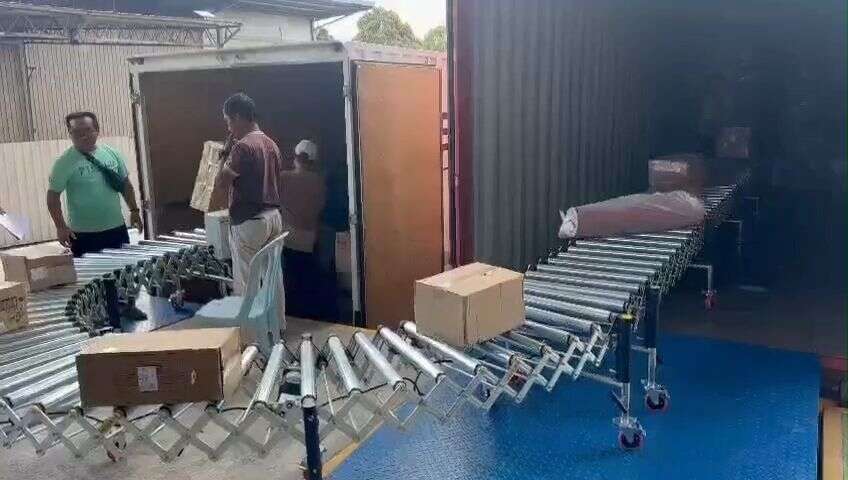
Además, si necesitas manejar tanto mercancías pesadas en palés como mercancías ligeras en cajas de cartón, consulta: Transportador de rodillos accionado por correa de doble capa y múltiples cuñas para aplicaciones mixtas de carga y descarga.
Preguntas frecuentes (FAQ)
¿Qué longitud máxima de madera puede transportar con seguridad un transportador de rodillos motorizado?
Siempre que haya suficientes tramos de rodillos para soportar toda la longitud del material, en teoría puede manejar casi cualquier longitud. En el caso de madera extralarga de más de 6 metros, se recomienda conectar varios tramos de cinta transportadora para garantizar el soporte en toda su longitud.
¿Puede la misma cinta transportadora transportar madera y tubos al mismo tiempo?
Sí. La cinta transportadora de rodillos accionada por correa con múltiples cuñas es versátil y puede transportar fardos de madera, tramos de tubería y suelos en cajas sin necesidad de modificaciones.
¿El transporte de materiales de construcción pesados siempre requiere una pendiente?
No. A diferencia de los transportadores por gravedad, los rodillos motorizados pueden funcionar en posición horizontal, lo que facilita el control de cargas pesadas y reduce los riesgos derivados del deslizamiento por gravedad.
¿Cuántas personas se necesitan para manejar una línea de cintas transportadoras de carga y descarga de materiales de construcción?
Por lo general, se recomienda que haya al menos dos personas trabajando juntas en los extremos de carga y descarga; en el caso de materiales muy largos o muy pesados, se pueden incorporar ayudantes adicionales a lo largo de la línea para mejorar el manejo y la seguridad.
¿Cuáles son los requisitos de alimentación eléctrica?
El texto explica que este tipo de transportador de rodillos accionado por correa de múltiples cuñas suele ofrecer un mejor rendimiento con una alimentación trifásica de 380 V, aunque también existe una opción de 220 V; la alimentación y el sistema de control deben configurarse en función de las condiciones del lugar de instalación.