Common challenges in loading and unloading truck bodies and containers
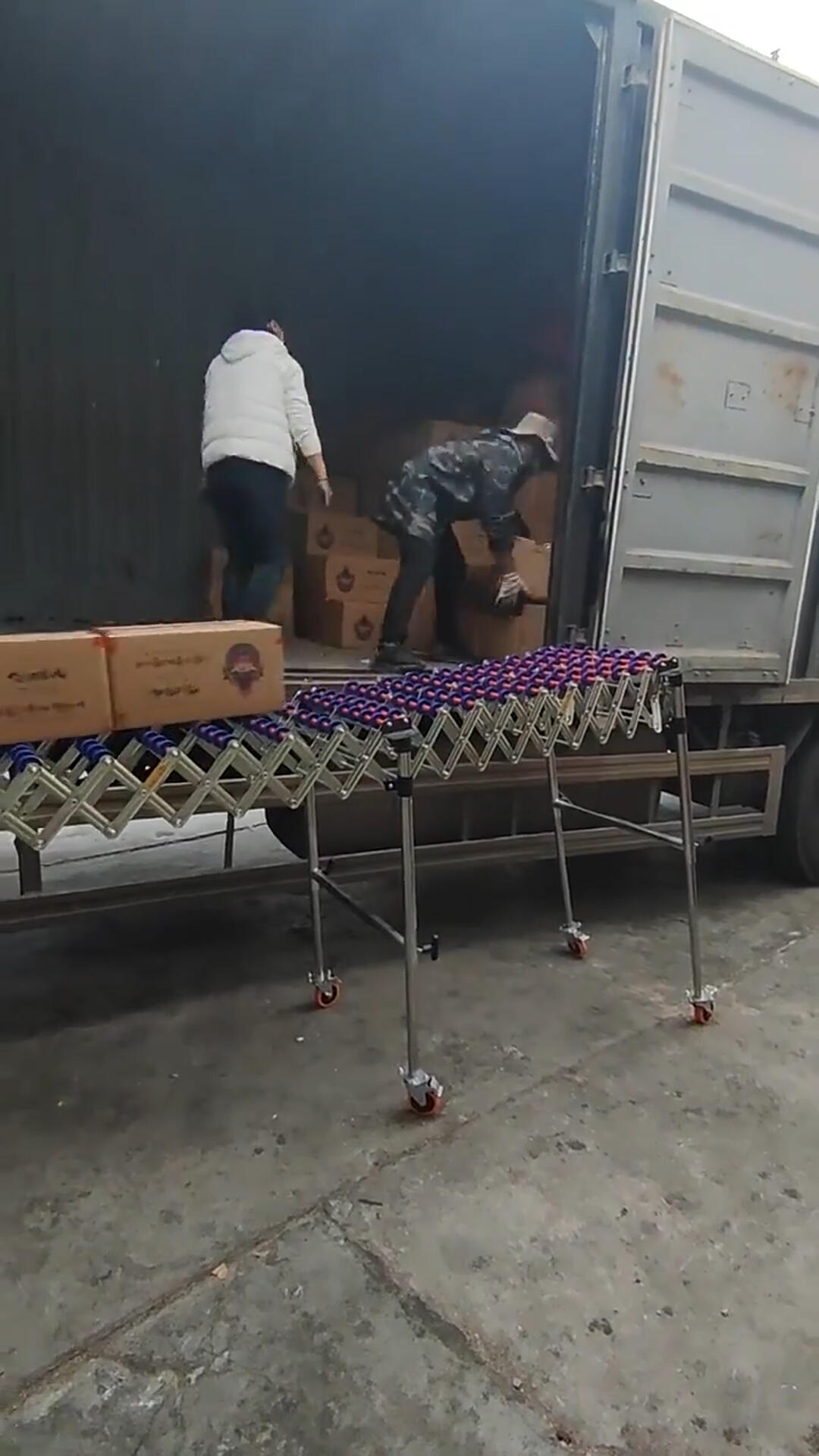
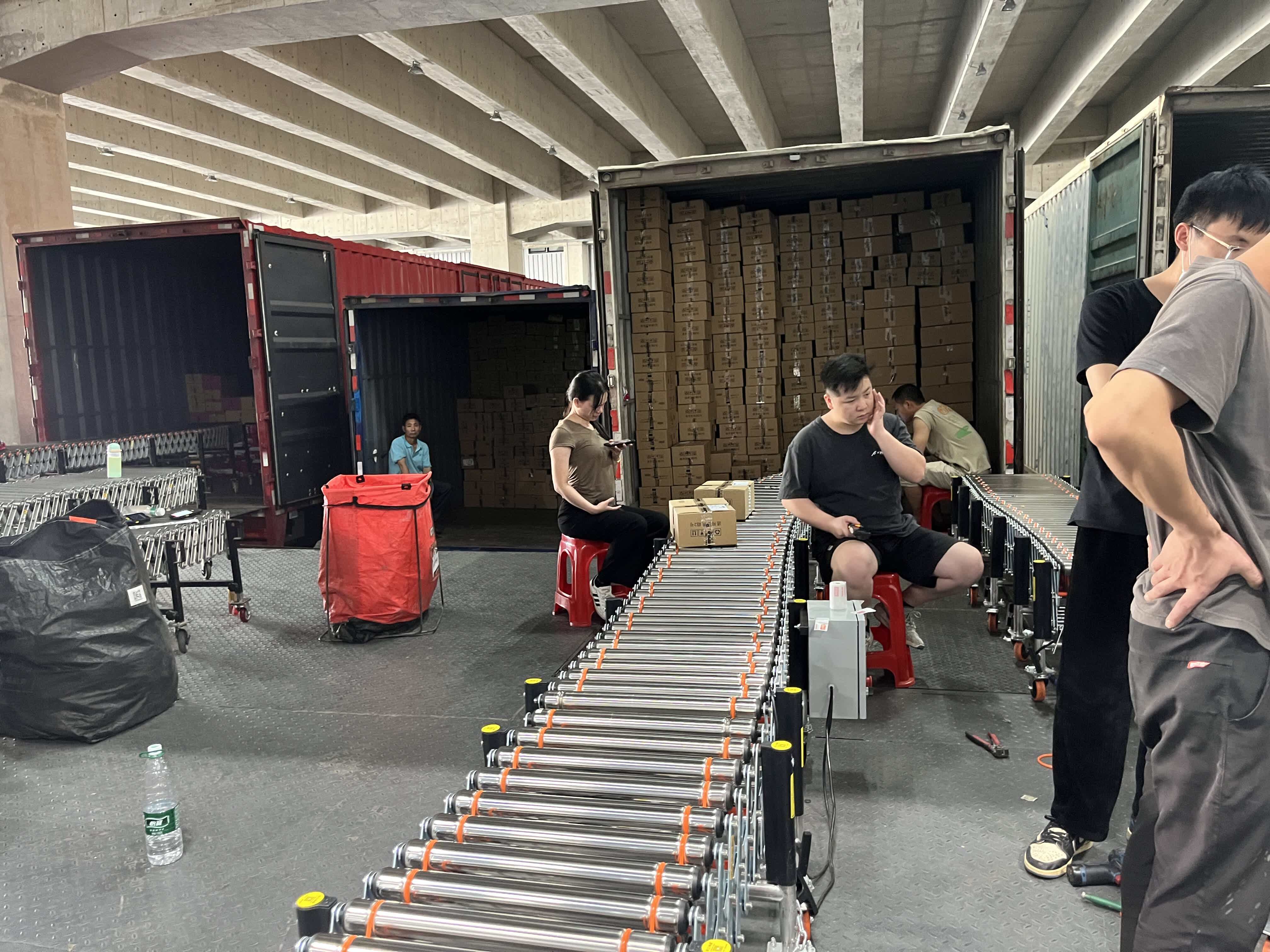
In warehouses, distribution centers, and various logistics sites, loading and unloading truck bodies and containers usually faces two prominent problems: first, cargo compartments are often deep and internal space is limited, so relying on workers to enter the container to stack goods and relay them manually results in low efficiency and high labor intensity; second, frequent entry and exit from truck bodies by personnel can easily lead to cargo damage, collisions, and operational safety pressure.
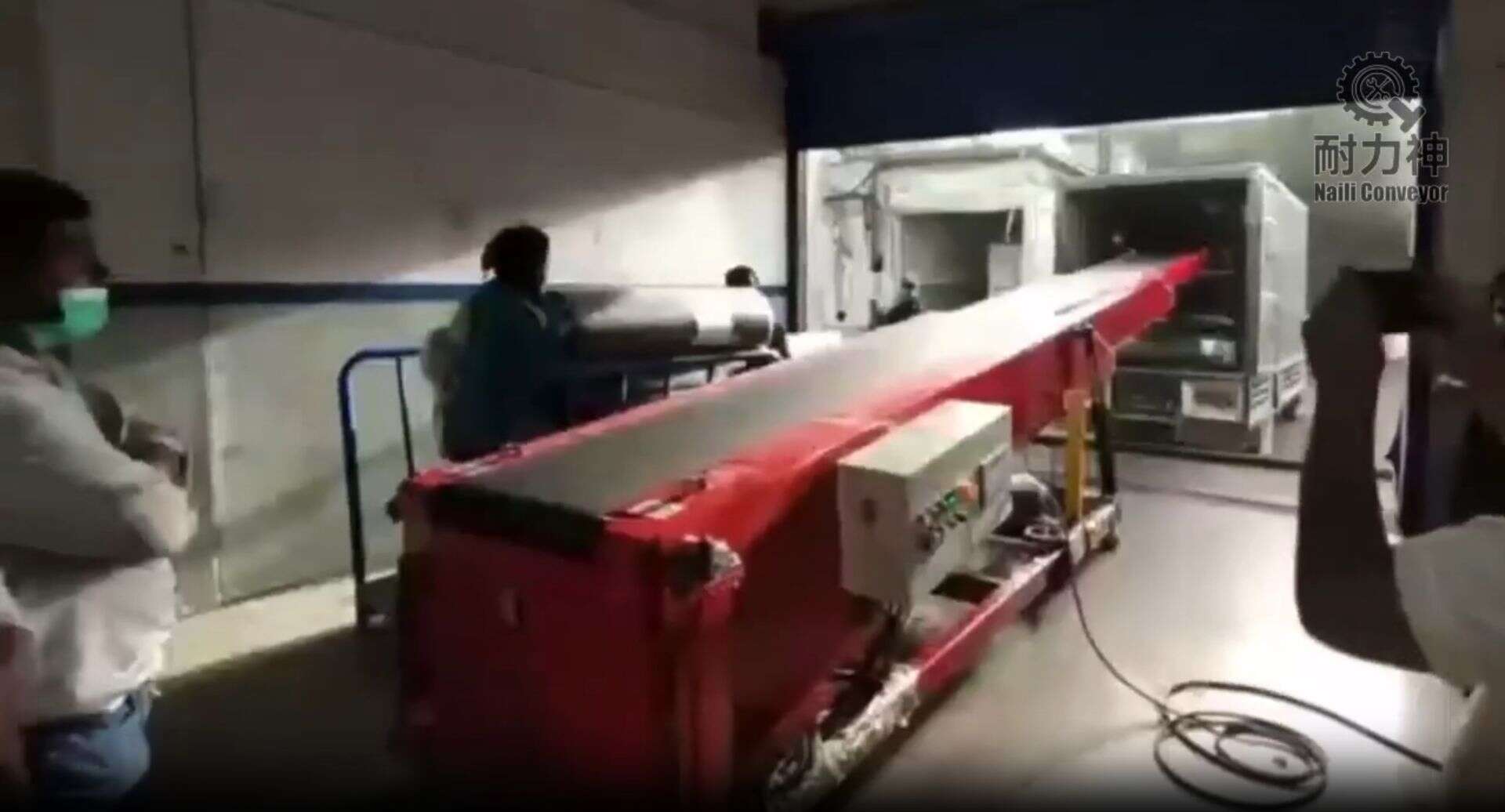
The role of a telescopic boom conveyor is to allow the conveying end to extend directly into the truck body or container, creating a more continuous conveying path between the "inside of the warehouse" and the "truck body, " thereby reducing the need for workers to carry goods deep inside confined spaces.
How a telescopic boom conveyor completes truck loading and unloading
A telescopic boom conveyor typically uses a multi-section nested telescopic structure, with common configurations of 2, 3, 4, and 5 sections. When retracted, the equipment has a more compact footprint; once in operation, it can extend section by section, allowing the conveying end to reach deep inside trucks, trailers, or containers.
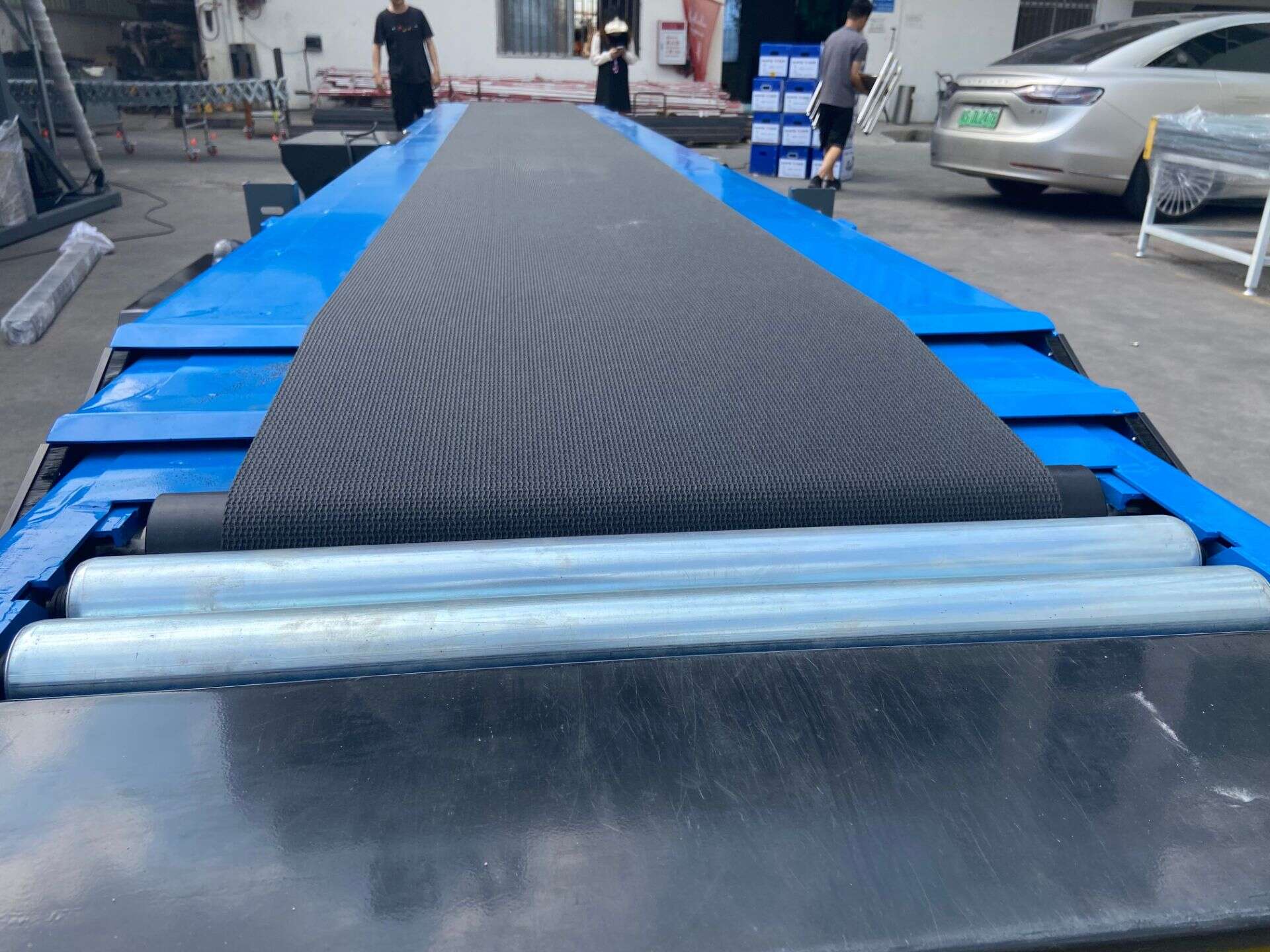
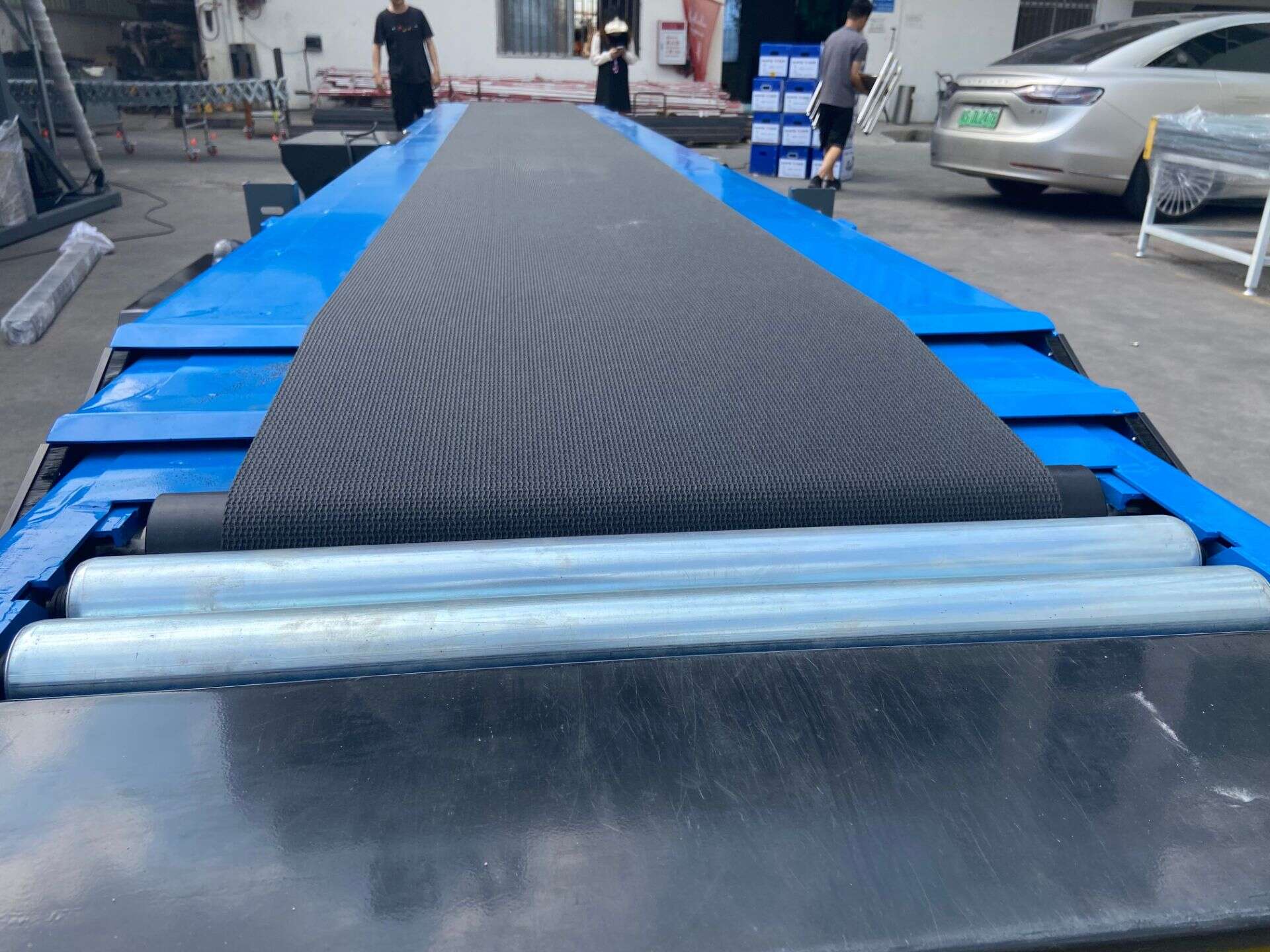
Its core conveying component is a continuous belt running through the full travel length. The original configuration notes mention that the equipment can use a 3 mm PVK impact-resistant composite belt (with steel-buckle joint). The characteristic of this structure is that even while the equipment is extending or retracting, it can maintain continuous conveying to accommodate loading and unloading operations at different extension lengths.
In actual operations, the telescopic boom conveyor supports bidirectional running, so it can be used for both loading and unloading; it also has height adjustment capability, making it easier to connect with different vehicle heights and dock conditions, improving on-site adaptability.
According to the original materials, the equipment capabilities can be focused on the following items:
- Extension distance: the 5-section model can reach up to 17 m
- Speed adjustment range: 10–40 m/min
- Load capacity per unit area: up to 80 kg/m²
- Front-end anti-collision protection: used to improve operational safety
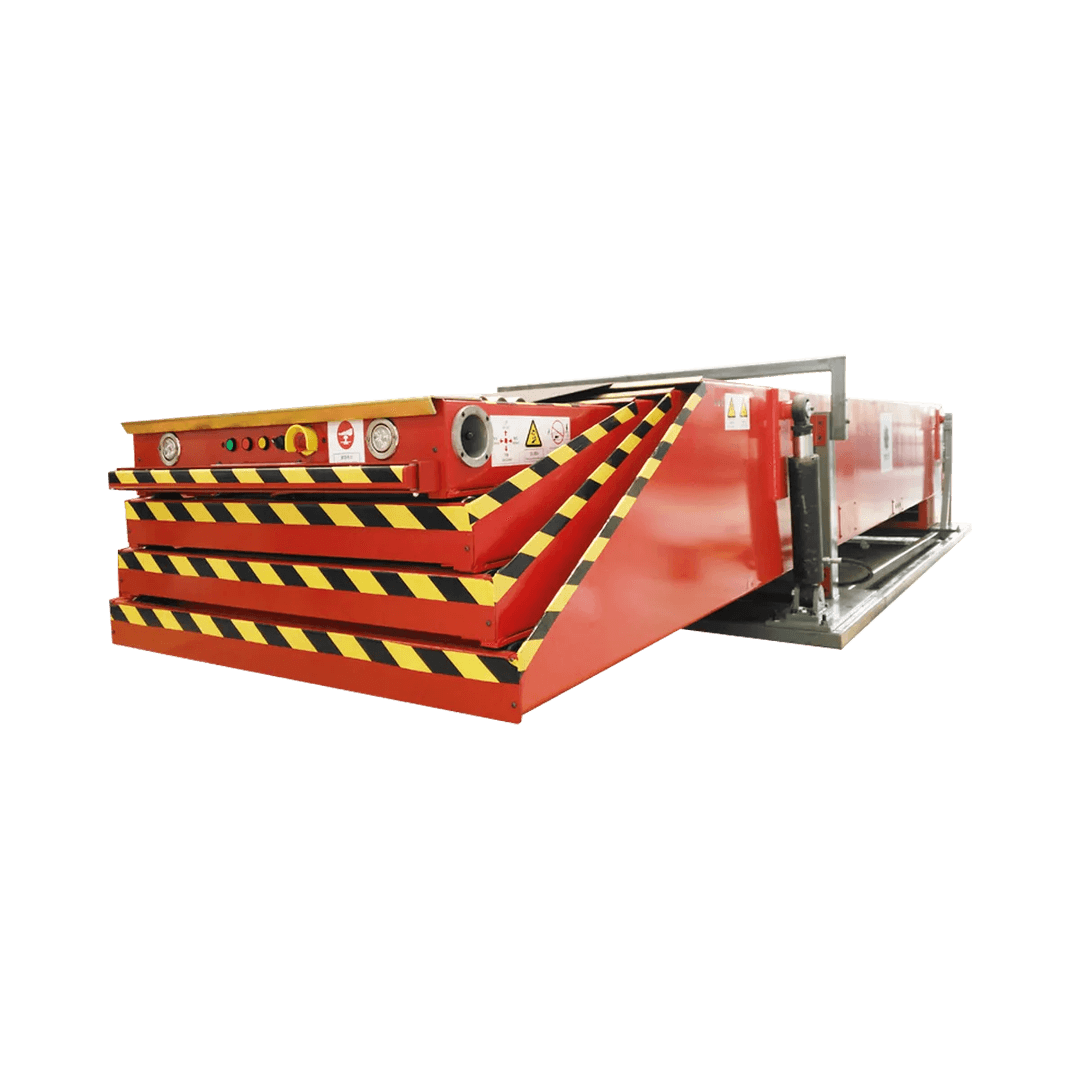
Transportador telescópico de 4 secciones
Our four-section telescopic conveyor can extend up to 12–17 meters, reaching deep into trucks and containers to enable efficient and smooth loading an…

Bidón metálico

Bidón de plástico

Rodar

Caja de cartón

En bolsa
Key capabilities and optional configuration highlights
When confirming a telescopic boom conveyor solution for loading and unloading truck compartments, it is recommended to review the core capabilities and optional configurations separately, making it easier to determine whether the equipment is suitable for on-site operating conditions.
Core capability priorities
- Extension depth: should be determined based on the depth of the truck compartment or container, as well as the actual loading and unloading method
- Speed adjustment: used to match manual work pace, cargo type, and fragility requirements
- Capacidad de carga: should be checked against the required load capacity per unit area
- Safety protection: such as front-end anti-collision devices, which can help reduce the risk of contact and operator error
Common optional configurations
- Mobility method: caster-mounted movement, with manual or electric options
- Lifting method: hydraulic lifting
- Operational assistance: operator platform, anti-slip patterned belt, front-end lighting, remote control
- Information and efficiency functions: counting, barcode scanning
- Site adaptation: rear ramp, suitable for scenarios without a standard loading dock
Usage reminder
For models with three or more sections, the casters should be locked during operation to reduce the potential risk of tipping.
What should be considered when integrating with a conveyor line
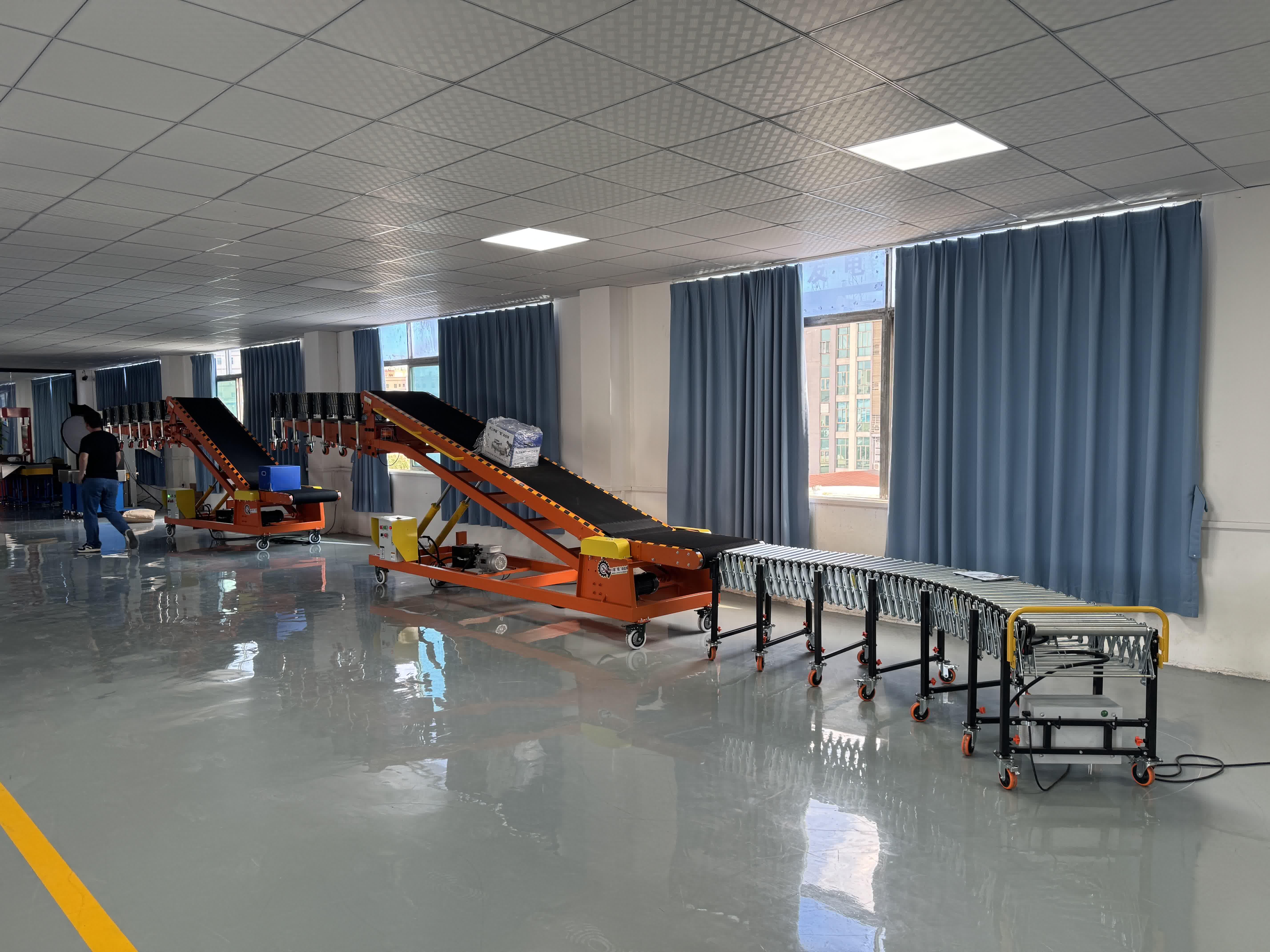
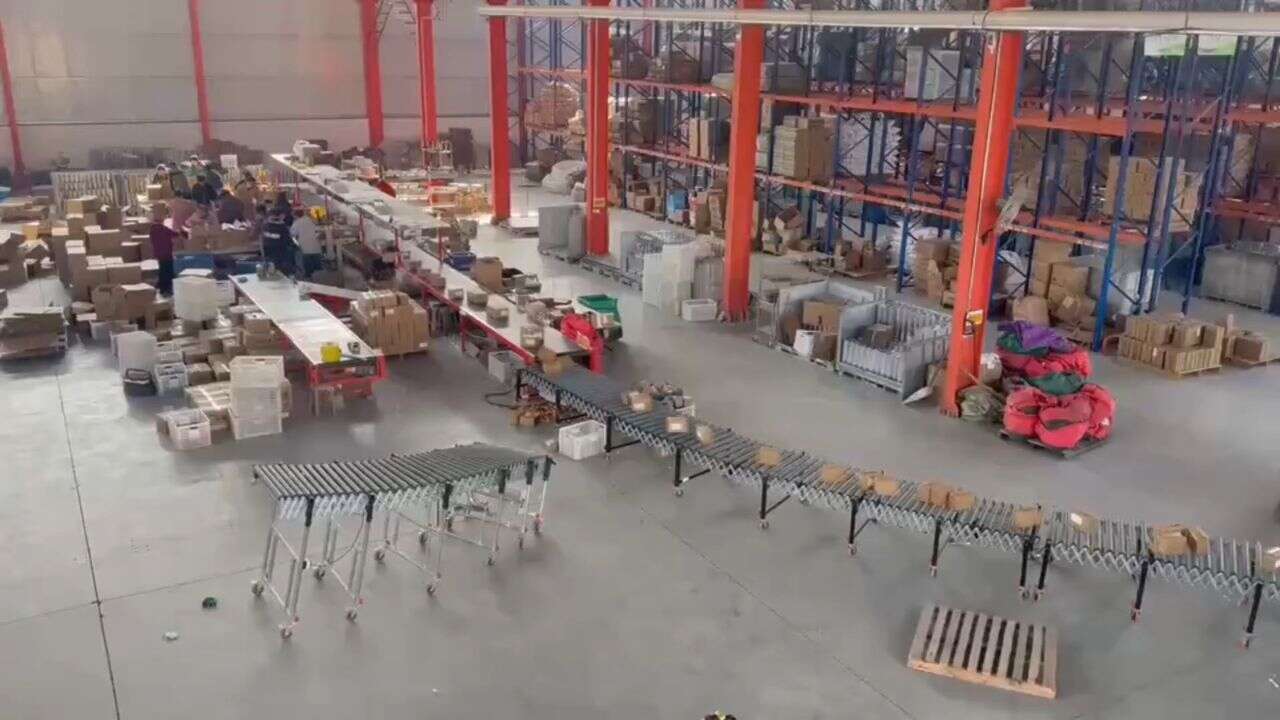
A telescopic boom conveyor can be used as a standalone machine or connected to a powered roller conveyor to create continuous flow from the warehouse to the truck compartment, making it suitable as loading and unloading equipment at the end of an existing conveyor system.
It should be noted that the original documentation clearly states that telescopic boom conveyors are not recommended for use in combination with hydraulic conveyors because the designs are incompatible. Therefore, when planning an on-site solution, the type of supporting equipment should be confirmed in advance.
Selection inputs and safety recommendations for operation and maintenance
On-site conditions recommended for confirmation in advance during equipment selection
- Vehicle or container depth: determines the required extension length
- Site conditions: include installation space for the fixed section and floor load-bearing conditions
- Power supply conditions: the standard is three-phase 380V, and other voltage configurations can also be provided as needed
- Cargo characteristics: such as weight distribution, size and shape, and fragility, can be evaluated together with the speed adjustment strategy
Operation, maintenance, and work safety recommendations
- Maintenance schedule: daily visual inspection; monthly checks of belt tension and condition; quarterly bearing lubrication and electrical system inspection; annual comprehensive maintenance and safety assessment
- Staffing: at least two operators are recommended to work together, typically positioned at opposite ends of the equipment
- Safety checkpoints: safety functions such as emergency stop and overload protection should be verified regularly; also monitor the effectiveness and response status of the front-end anti-collision protection
Through proper model selection, standardized integration, and ongoing maintenance, telescopic boom conveyors can serve truck and container loading and unloading operations more reliably without changing the existing in-warehouse conveying system.