The role of the vertical conveyor: solving continuous transport between floors, rather than replacing horizontal conveying
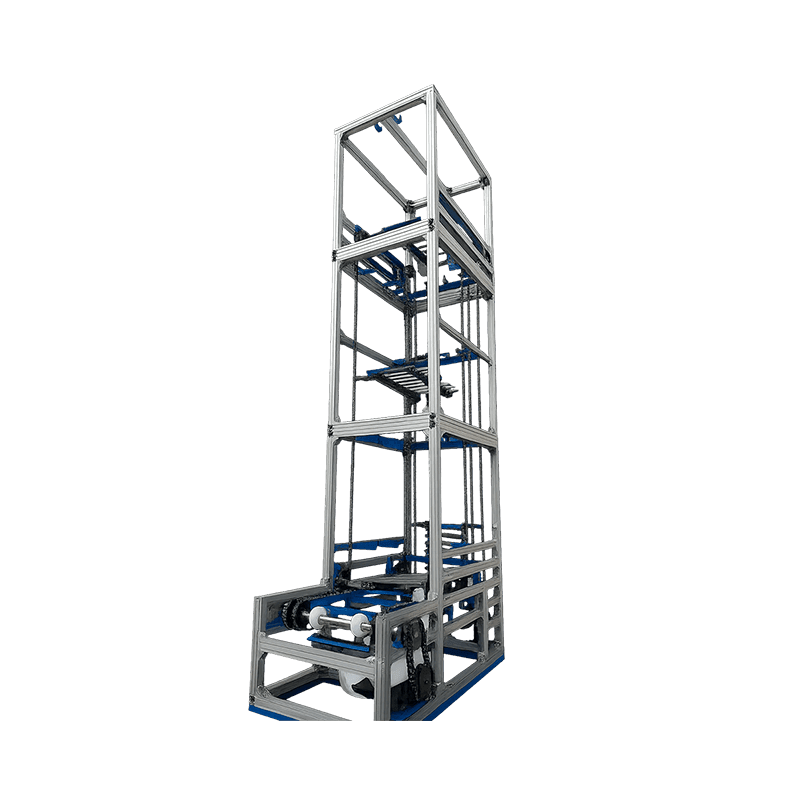
The value of a vertical conveyor often lies not in "being able to lift goods up, " but in turning floor changes that originally depended on manual handling or forklifts into connected continuous transfer nodes. For warehouses and factories, the waiting, queuing, and secondary handling between floors often affect takt time and organizational cost more than the horizontal distance does. A vertical conveyor fills this gap with its "vertical section capability.".
A vertical conveyor also has clear boundaries: it is not suitable for long-distance horizontal conveying. The most common approach is to use roller or skate wheel conveyors upstream and downstream to organize the takt, so the vertical conveyor can focus on floor-to-floor transfer. If you are planning the main inter-floor conveying line, you would usually combine a vertical conveyor with a powered roller conveyor, a gravity roller conveyor, and other equipment to form a stable "horizontal - vertical - horizontal" route. For example, the takt section from the loading/unloading opening to the vertical conveyor inlet can refer to Powered Roller Conveyor and Gravity Roller Conveyor for the adaptation differences.
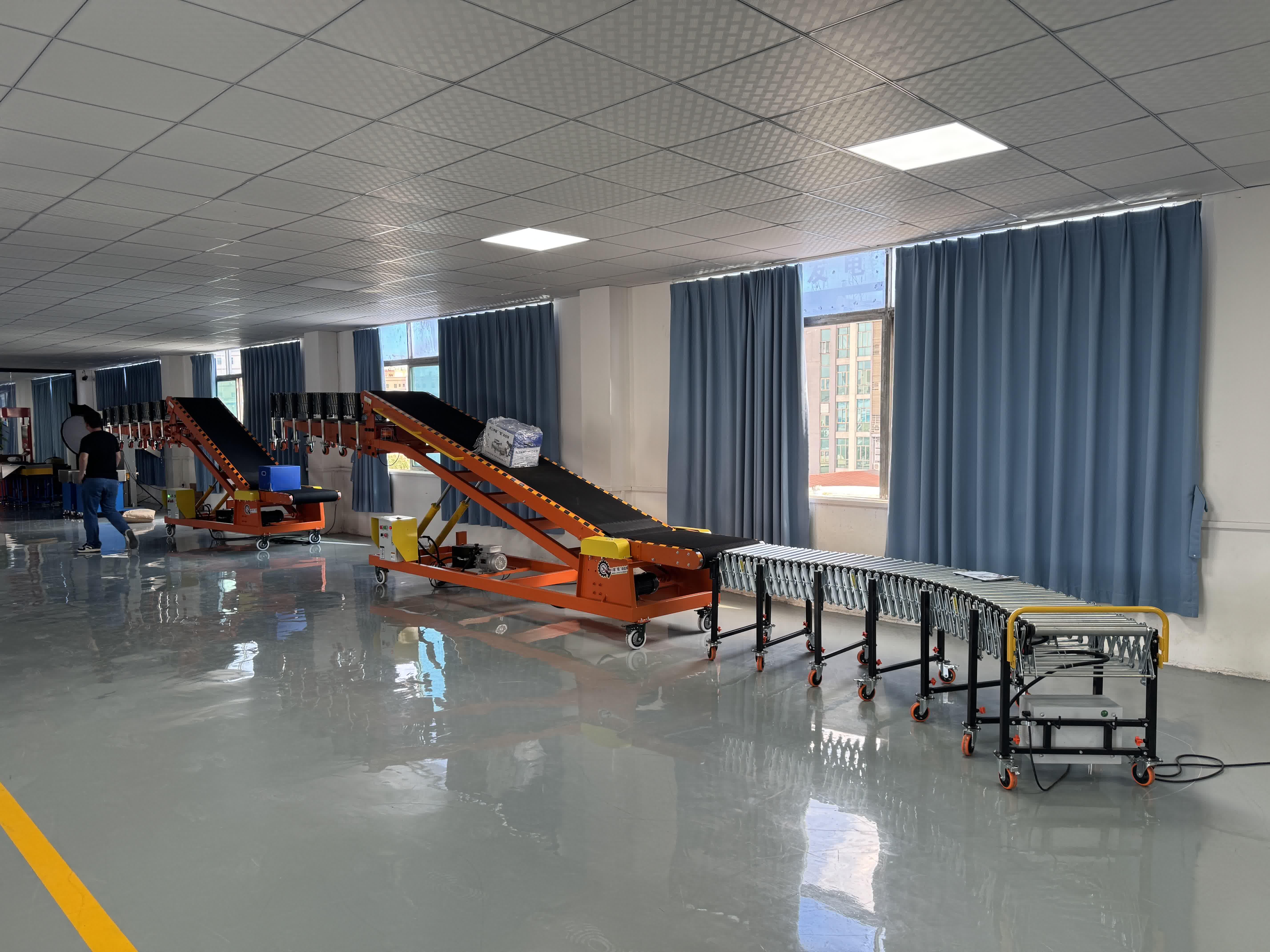
and Hydraulic Conveyor Compared with this type of hydraulic lifting / slope-adjustment equipment, the judgment should be made around "continuous operation and the stability of multi-floor connection": when you need a main inter-floor takt and want upstream and downstream processes to stay continuously connected, a vertical conveyor is more like a stable vertical channel; when you care more about height-difference adaptation, lifting between loading/unloading openings and vehicle beds, or slope transitions, hydraulic conveying equipment is often more flexible, and the two are also often complementary in a system.
The top priority for cargo compatibility is stability and controllability. Regular cartons, panels, and similar items are easier to load and unload smoothly. If the cargo rolls easily, has an unstable center of gravity, an irregular shape, or soft packaging with highly variable bottom-friction conditions, then guidance, protection, and the interface with upstream and downstream equipment must be treated as selection criteria in advance, rather than being adjusted slowly on site after installation.
C-Type and Z-Type Vertical Conveyors: making the judgment from the infeed/outfeed direction and on-site aisle constraints
The most direct way to distinguish C-Type and Z-Type Vertical Conveyors is the relative position of the infeed and outfeed. When you want the infeed and outfeed on the same side, emphasize a compact layout, and keep the upstream - conveyor - downstream connection as straight as possible, C-Type is usually easier to organize into a continuous takt. When you want to separate upstream and downstream paths, reduce crossing interference, or isolate pedestrian / vehicle aisles from the main conveying line, Z-Type is often better for path planning.
On-site aisles and safety isolation often determine whether a structural form can be implemented. The position of the floor opening, doorways and guardrails, column grid, and equipment spacing may make one structure seem feasible on paper, but in the actual flow path it can easily create congestion and crossings. In such cases, Z-Type, by offsetting the vertical and horizontal sections, makes it easier to reserve paths for personnel and for forklifts / hand carts.
If your system needs to interface with a roller line, the key is not merely "connecting it up, " but whether the infeed and outfeed sections have enough buffer and centering space. The clearer the interface method, the more it can reduce jams, backflow buildup, and manual intervention, so the vertical conveyor's advantage of continuous operation is not offset by inlet waiting and outlet accumulation. Common roller-line interfacing solutions can be further explored Multi-Wedge Belt Powered Roller Conveyor or O-Belt Powered Roller Conveyor for differences in takt and cargo compatibility.
In addition, many users later encounter needs such as floor-function adjustments, flow-path changes, or even the addition of new floors. At that point, the "future modification difficulty" should be brought into the decision in advance. The choice between C-Type and Z-Type structures directly affects the scope of modifications, whether downtime windows are easy to arrange, and whether adjustments can be completed without substantially reworking the surrounding guards and isolation layout.
If you have basically confirmed the structural form, you can also screen further by model group directly. For example, if you prefer compact same-side infeed and outfeed, 50 kg/m C-Type Vertical Conveyor, 100 kg/m C-Type Vertical Conveyor and for 50 kg/m Z-Type Vertical Conveyor, 100 kg/m Z-Type Vertical Conveyor.
Combination with loading and unloading conveying systems: how to build a continuous route from truck to floor
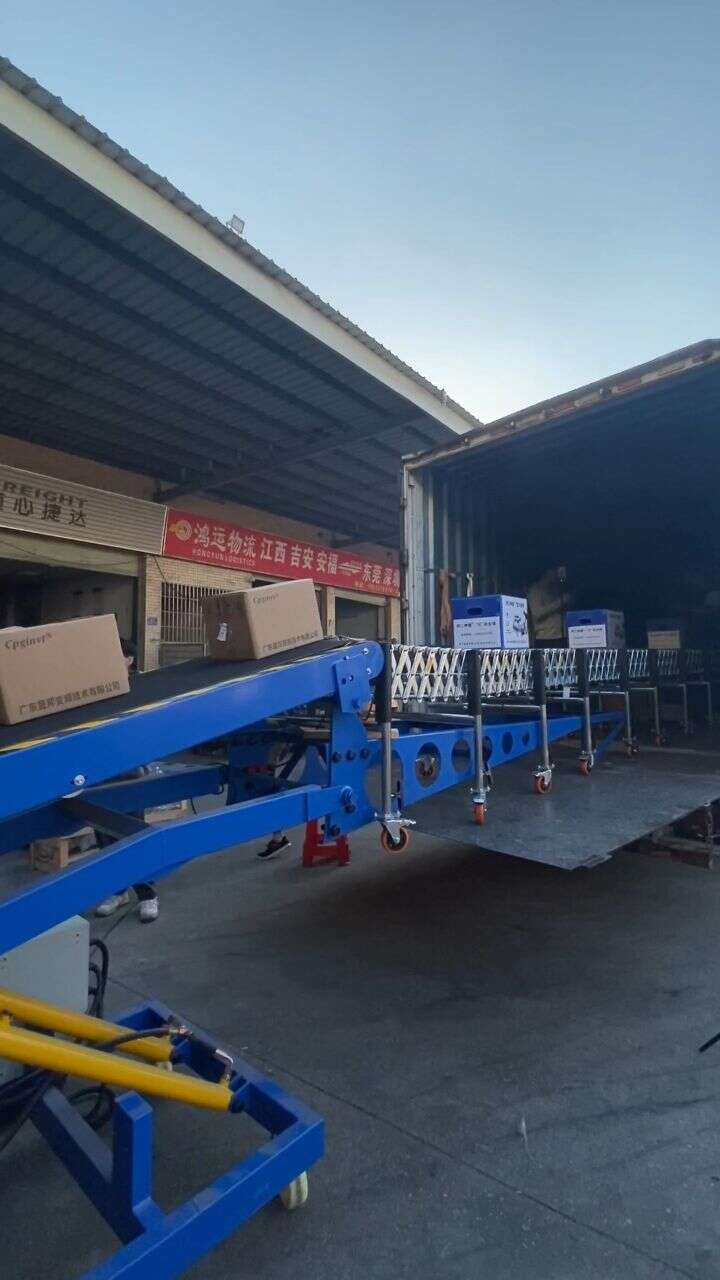
From a system perspective, making the "truck - loading/unloading opening - inside warehouse - floor" run smoothly is not about stacking the performance of individual machines, but about aligning the division of labor and takt of each section. A typical route can be broken down by function: the vehicle interface section guides cargo out of the truck in a stable way; the slope-adjustment section handles the height difference; the horizontal conveying section establishes the takt; the vertical conveyor completes the floor transfer; and the horizontal section on each floor then delivers the cargo to sorting, temporary storage, or workstations.
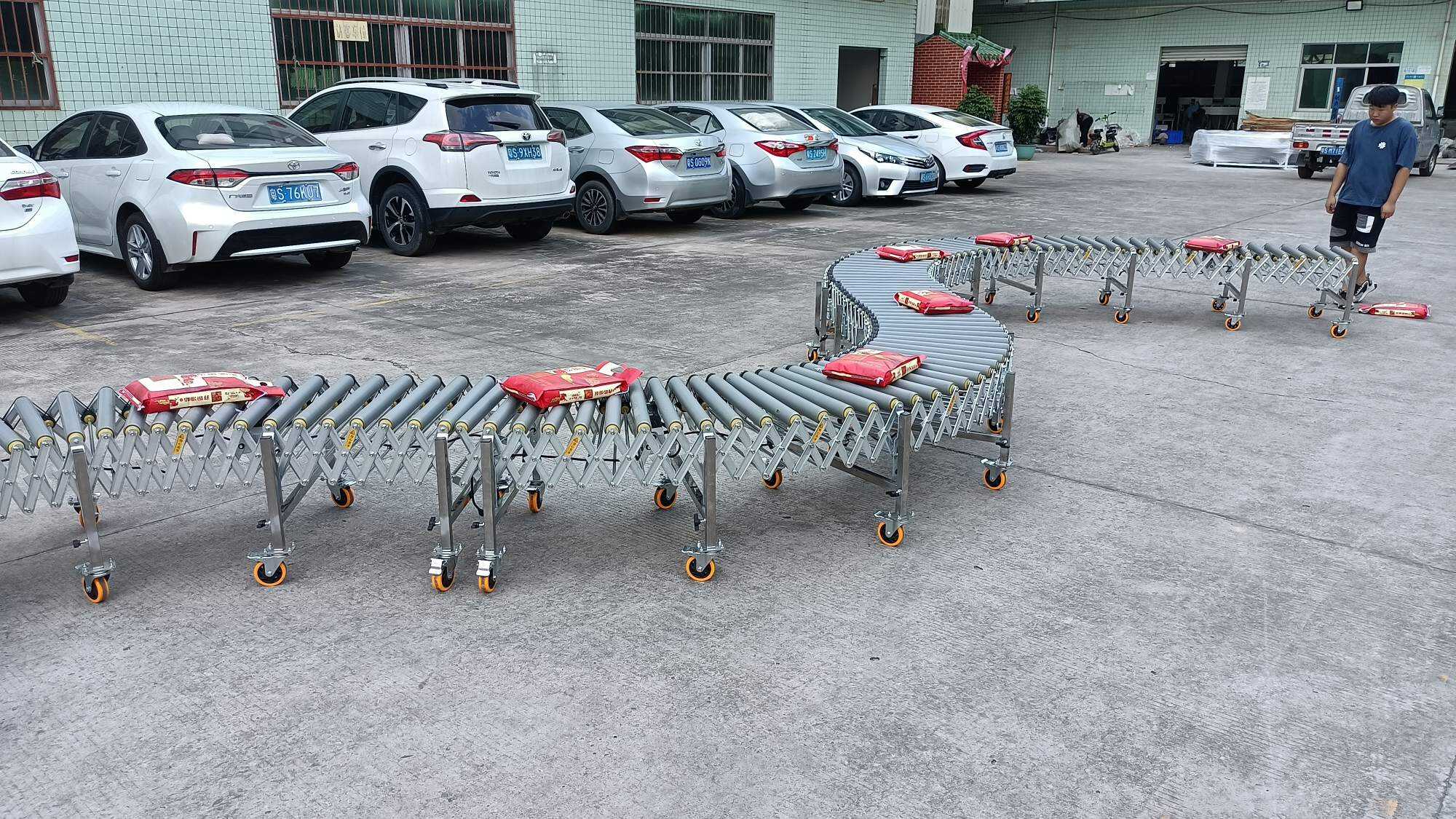
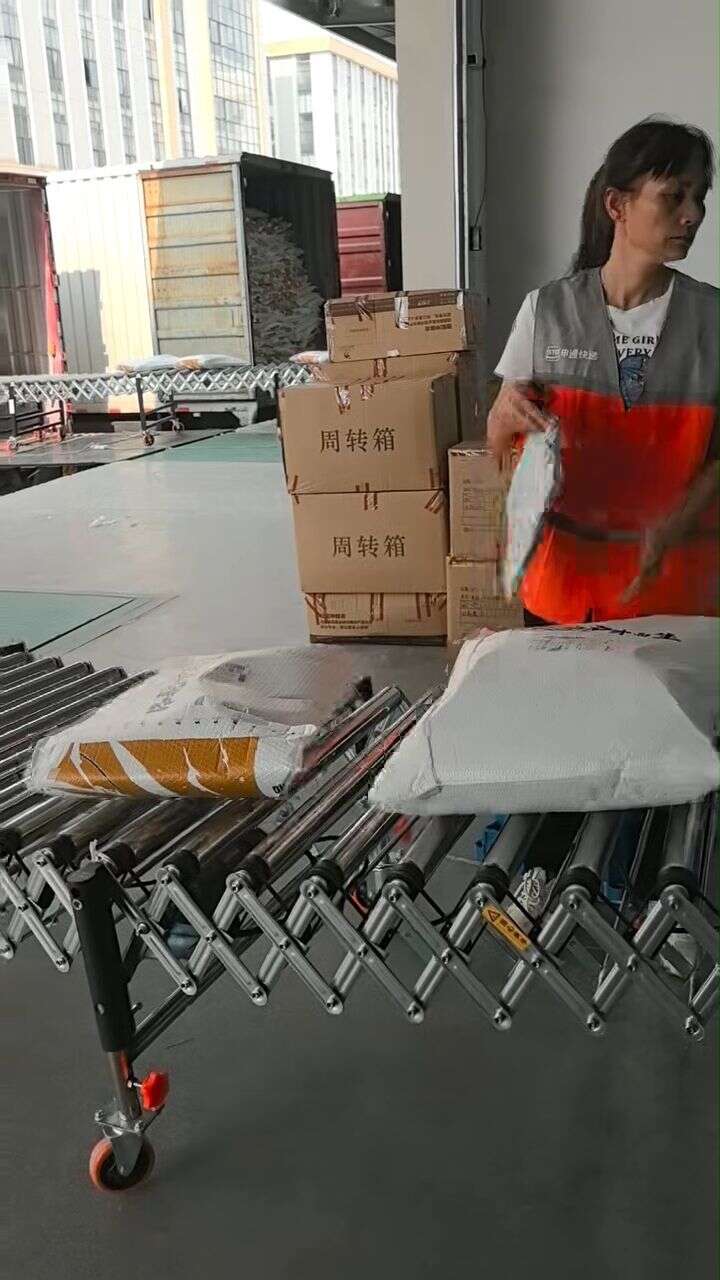
The distance from the loading/unloading opening and the takt usually determine whether horizontal conveying leans more toward powered operation or toward manual organization. When the distance is long or a continuous takt is required, powered rollers make it easier to achieve "continuity". If the distance is short, manual pushing is frequent, or temporary rerouting is common, then a more easily organized transition section can be used for connection, such as Gravity Skate Wheel Conveyor which has more advantages in temporary connection and flexible layout.
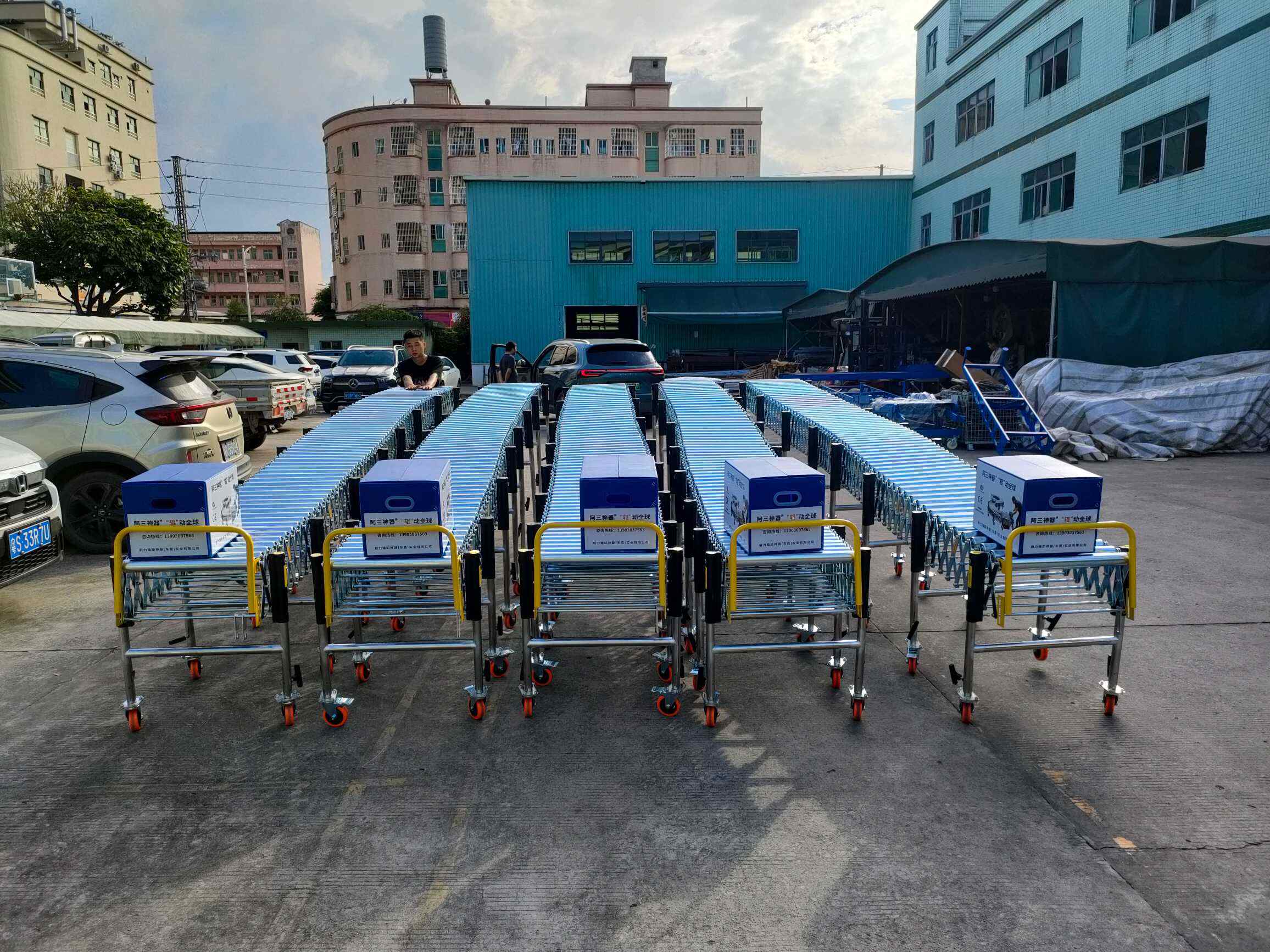
A vertical conveyor must have "controllable interface zones" before and after it. The inlet must be able to absorb upstream fluctuations, and the outlet must be able to land stably into the downstream takt. Otherwise, the more continuous the vertical conveyor is, the more likely it is to amplify upstream fluctuations into inlet accumulation or outlet congestion, eventually leading to frequent manual intervention. For the truck-loading end, if you want to smooth out fluctuations inside the vehicle as much as possible, you can combine Telescopic Conveyor to create a more stable vehicle interface, and then hand over the takt to the horizontal section and the vertical conveyor.
In multi-product or multi-shift scenarios, differences in carton types, urgent add-on orders, and route changes are common. The line must reserve workable space for bypassing, temporary storage, or diversion to minimize disruption to the main route. A good solution is not one that "never has problems, " but one that confines the impact of problems to a controllable area when they occur.
Typical applications: second-floor warehouse loading, floor-level conveying for boards and cases, and multi-level warehouse transfer
For second-floor warehouse loading, the key is often not whether lifting is possible, but whether the receiving rate on the first floor for inbound/outbound loading and unloading matches the receiving capacity on the second floor. If incoming materials from upstream arrive too fast or too slow, or if receiving on the second floor alternates between buildup and interruption, the inlet and outlet of the vertical conveyor are more likely to create waiting time and manual intervention. In such scenarios, the vertical conveyor is more like a "floor backbone node" than a standalone lifting device.
For floor conveying of boards, priority should be given to controlling posture and offset risks. During lifting and infeed/outfeed, stable guidance, alignment accuracy, and edge protection for boards usually matter more than the lifting itself in determining whether daily operation runs smoothly. If you want to see how boards are transferred across floors in practice, you can refer to the case Case of a warehouse vertical conveyor conveying metal sheets to the second floor to understand the logic of board handling at the transfer section and the floor opening.
Floor-level conveying of cases focuses more on traffic organization during continuous operation. The movement paths of personnel and handcarts, the placement of temporary diversion points, and the arrangement of buffer sections directly affect buildup risk and on-site handling efficiency. When cases need to enter the main line from the loading/unloading opening, it is also common to use a roller line to organize the rhythm first, and then hand them over to the vertical conveyor for cross-floor transfer.
Multi-level warehouse integration usually uses the vertical conveyor as the cross-floor backbone, but whether the system is smooth and controllable depends more on how diversion and temporary storage are organized within each floor than on simply pursuing greater lifting capacity. In other words, the vertical conveyor is responsible for sending goods to the "correct floor, " while the rhythm, merging, and diversion within each floor determine whether overall throughput is stable.
Key operating conditions to discuss: cargo form, loading and unloading rhythm, on-site space, and safety isolation
When discussing a vertical conveyor solution, it is recommended to first clarify whether the cargo can be conveyed stably. Whether cases are prone to deformation in soft packaging, whether the bottom surface is flat, whether tape and film are likely to snag or rub; whether boards are prone to slipping, whether the edges need protection, and whether the surface is scratch-sensitive—this information directly changes the design priorities for guidance, protection, and transfer sections, and also affects whether a C-type or Z-type layout is more suitable.
It is best to describe the rhythm in operational terms: will incoming goods be concentrated during peak periods, are there intermittent idle gaps, and is short waiting time allowed? Vertical conveyors are good at continuous operation, but their advantages can only be fully realized with stable upstream and downstream coordination. When you expect large fluctuations, you should focus more on organizing buffering and rhythm smoothing at the inlet and outlet rather than expecting the vertical conveyor to "absorb fluctuations" on its own.
The transfer section should clearly describe "how it comes in and how it goes out." Whether upstream is manual push or powered conveying, whether there is diversion or merging, and whether buffering is needed at the transfer point all determine whether the inlet is better suited to using powered roller conveyors to establish rhythm or using non-powered rollers and pulleys for flexible transition. Likewise, whether the outlet goes directly to a workstation, into temporary storage, or into the next main line will also affect your judgment of the structure and layout position.
Space constraints are not just about floor area. The floor opening location, doorways/guardrails, pedestrian movement, and forklift paths determine the feasibility of C-type/Z-type layouts, as well as the organization of fencing, guardrails, and isolation. In some scenarios, the combination of slope-adjusting sections and loading/unloading sections will in turn affect the optimal placement of the vertical conveyor, such as with Medium Hydraulic Conveyor the coordination relationship of this type of equipment.
Manufacturer and solution comparison: greater attention should be paid to stability, structural reliability, and ease of later maintenance
When comparing different vertical conveyor manufacturers and solutions, stability should be viewed at the "system level." In addition to the vertical conveyor itself, what matters more is whether integration with upstream and downstream conveying is smooth, whether buffering is reasonable, and whether rhythm fluctuations will be amplified into buildup and frequent manual intervention. In many cases, an unstable system is not because the lifting mechanism "lacks power, " but because the chain rhythm has not been organized into a sustainable operating mode.
Structural reliability must be reflected in the risk points of continuous operation scenarios. Whether the design of the load-bearing structure and lifting mechanism favors long-term stability, and whether there is sufficient margin and protection for uncertain cargo and fluctuating rhythm, will directly determine whether the system can remain controllable when facing packaging changes, shift changes, or business fluctuations.
Ease of maintenance determines the risk of long-term downtime. Whether routine inspection is easy to perform, whether wear parts require extensive disassembly for replacement, and whether the maintenance window is manageable often has a greater impact on operating costs than the initial configuration. For multi-level equipment, inconvenient maintenance magnifies the problem that "one downtime affects an entire backbone line, " so when discussing a solution, maintenance accessibility and daily operating habits should be discussed together in the same plan.
Expansion and retrofit suggestions should be evaluated starting from "changes in flow paths." Whether future floor functions may change, whether loading/unloading directions may shift, or whether new equipment integration is required, and whether the solution can be modified within a limited scope while maintaining safety isolation, will determine your final choice between C-type/Z-type layouts and whether upstream should adopt Powered Roller Conveyor or a more flexible transition method.