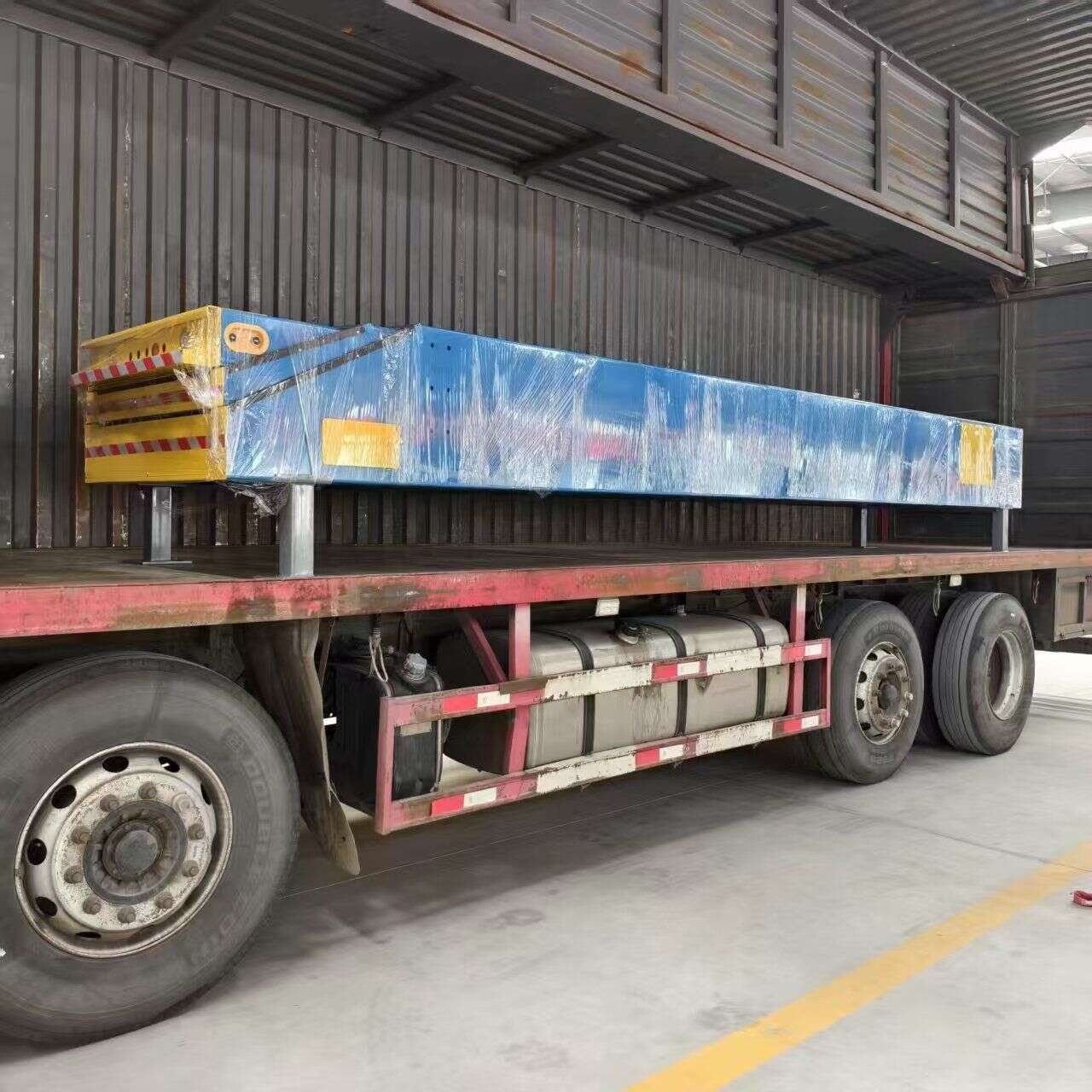
Application Scenarios and Scope of the Telescopic Belt Conveyor for Loading and Unloading Truck Cargo
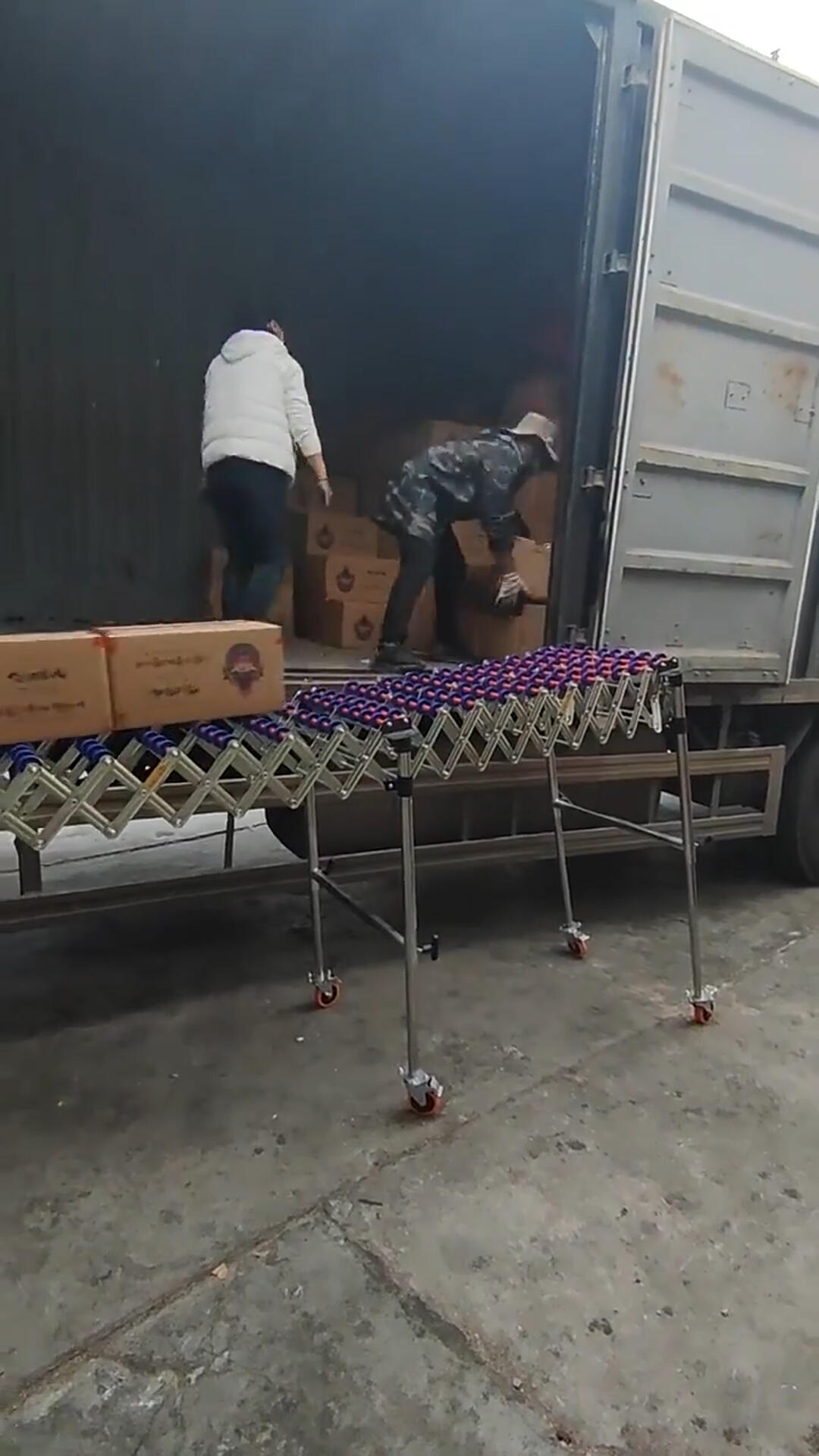
In truck or container loading and unloading operations, the common bottleneck is not whether there is conveying equipment, but that workers have to shuttle back and forth between the dock and the cargo compartment: the distance is long, the physical burden is heavy, the rhythm is hard to keep stable, and fatigue makes mistakes and impacts more likely. This is especially true when the compartment depth exceeds 5 meters, where manual handling efficiency drops sharply and cargo buildup and waiting become more likely.
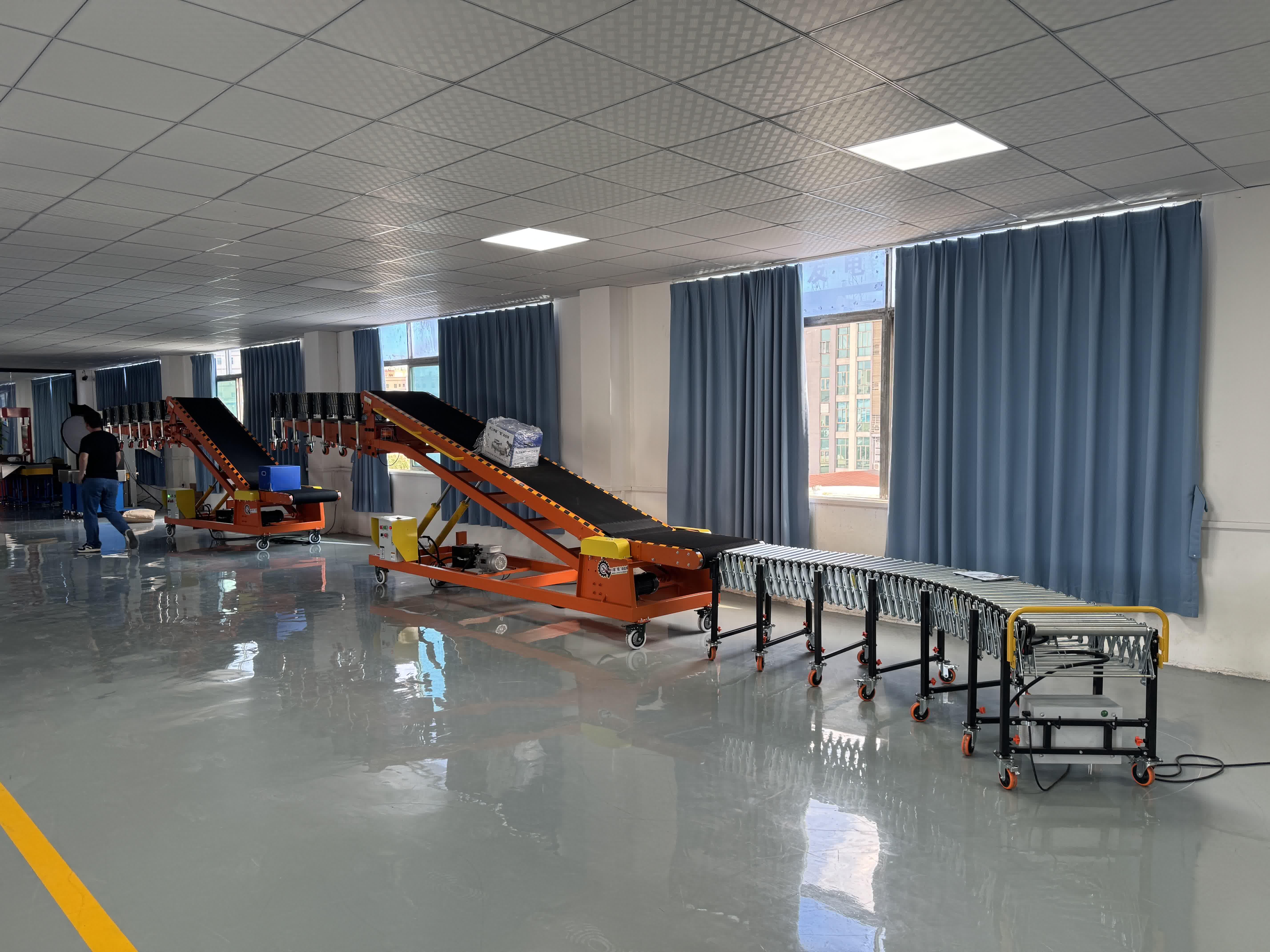
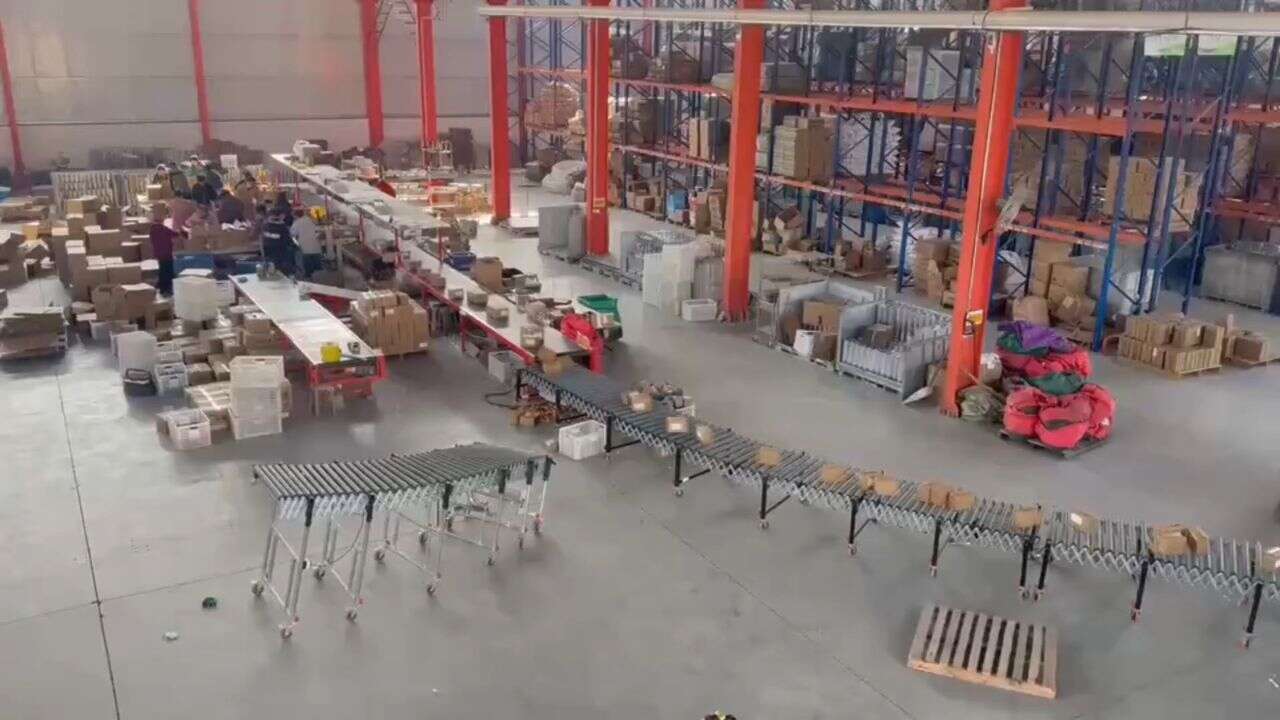
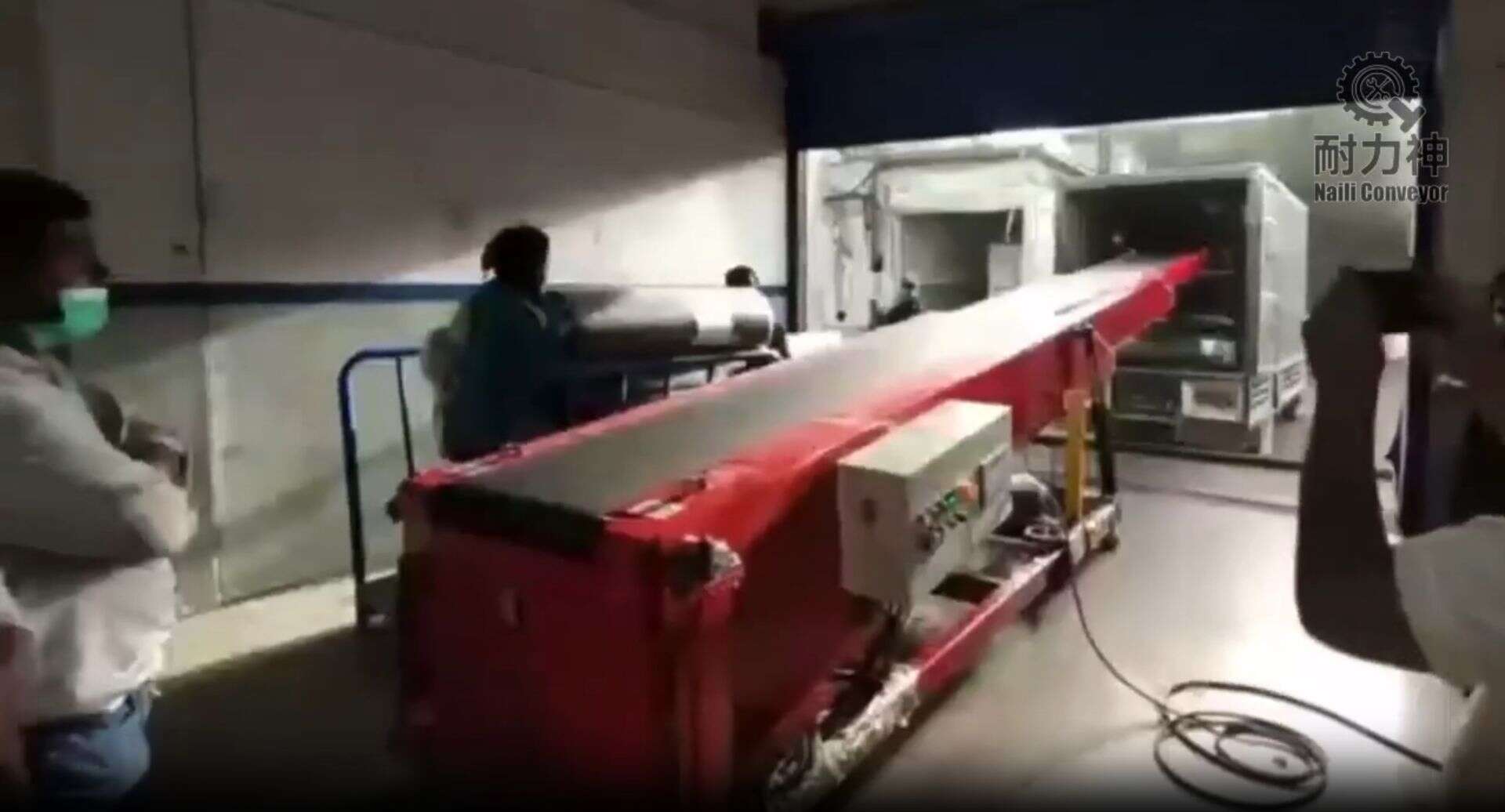
The value of a telescopic belt conveyor is that the equipment can extend directly into the truck compartment or container, handing off the handling distance from the dock to the deep interior of the compartment to a continuous conveying surface, thereby reducing manual handling and intermediate transfer points. For more on the application of Telescopic Conveyor in loading and unloading scenarios, see " Loading and Unloading with Telescopic Conveyor: Multi-Section Extension Covers Different Vehicle Lengths". It is usually suitable for inbound unloading and outbound loading at warehouse, distribution center, and manufacturing plant loading docks, especially for logistics operations that require frequent loading and unloading with tight cycle times. For example, in an express sorting center with hundreds of truck movements per day, Telescopic Conveyor can greatly shorten the operating time per vehicle.
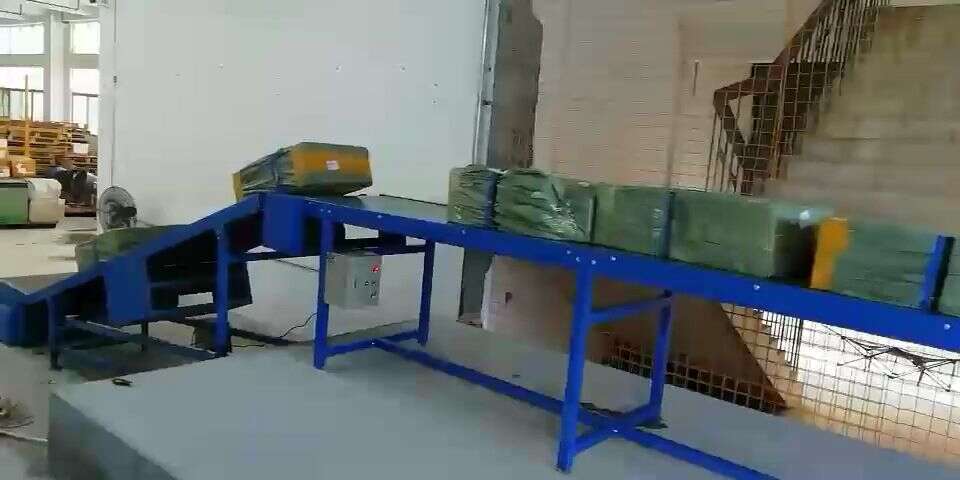
Working Principles and Key Capabilities of the Telescopic Belt Conveyor for Loading and Unloading Truck Cargo
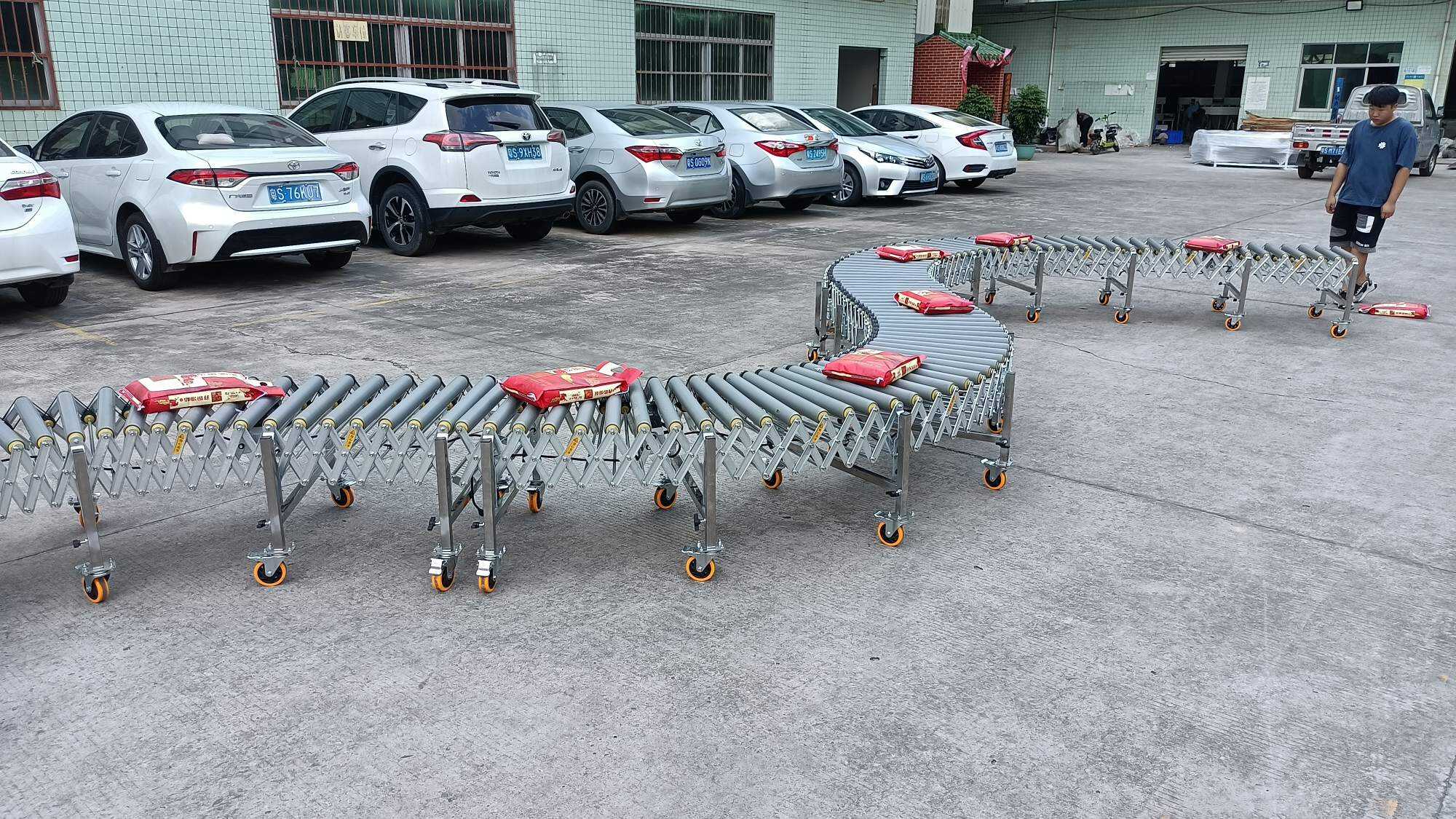
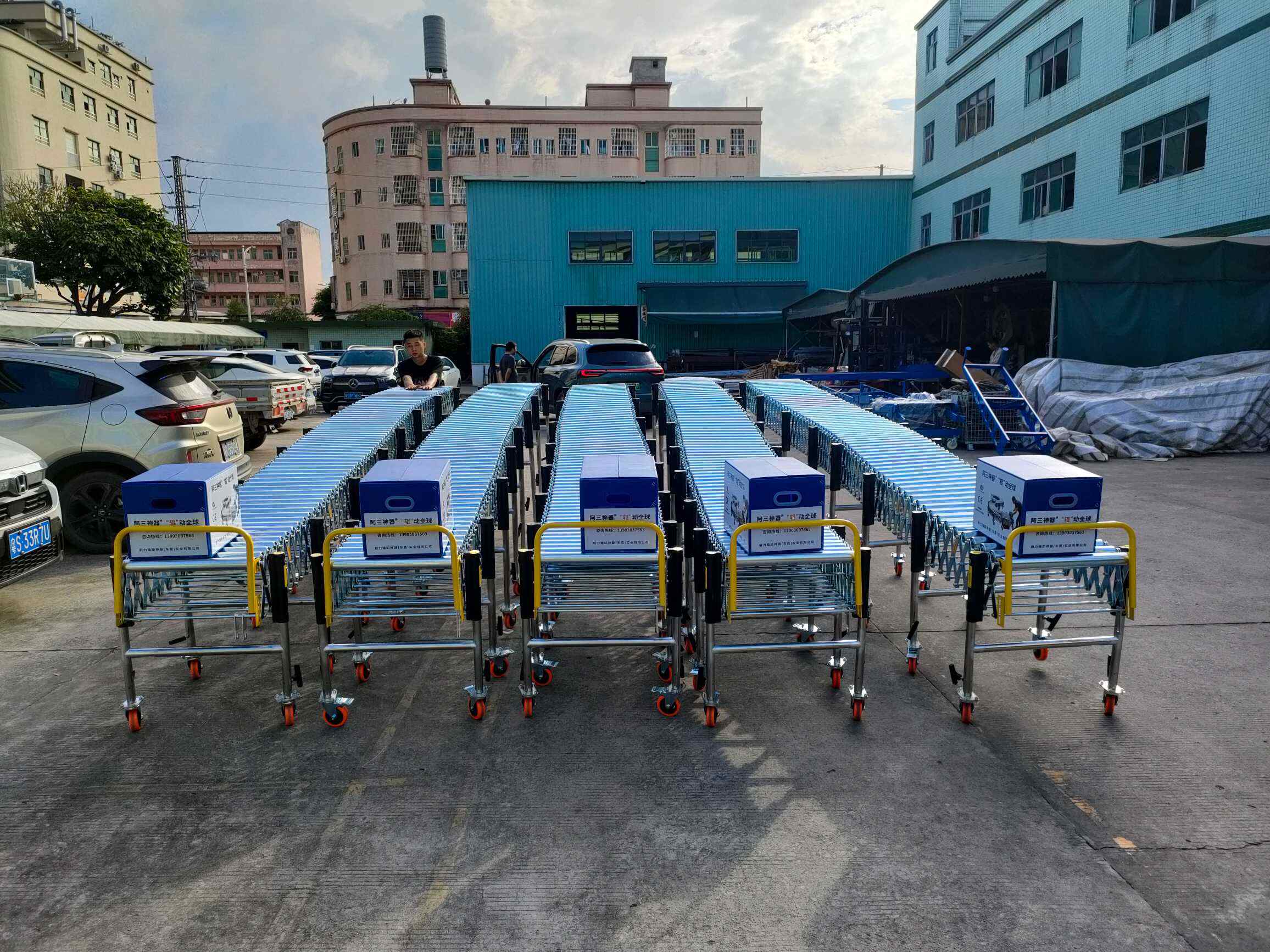
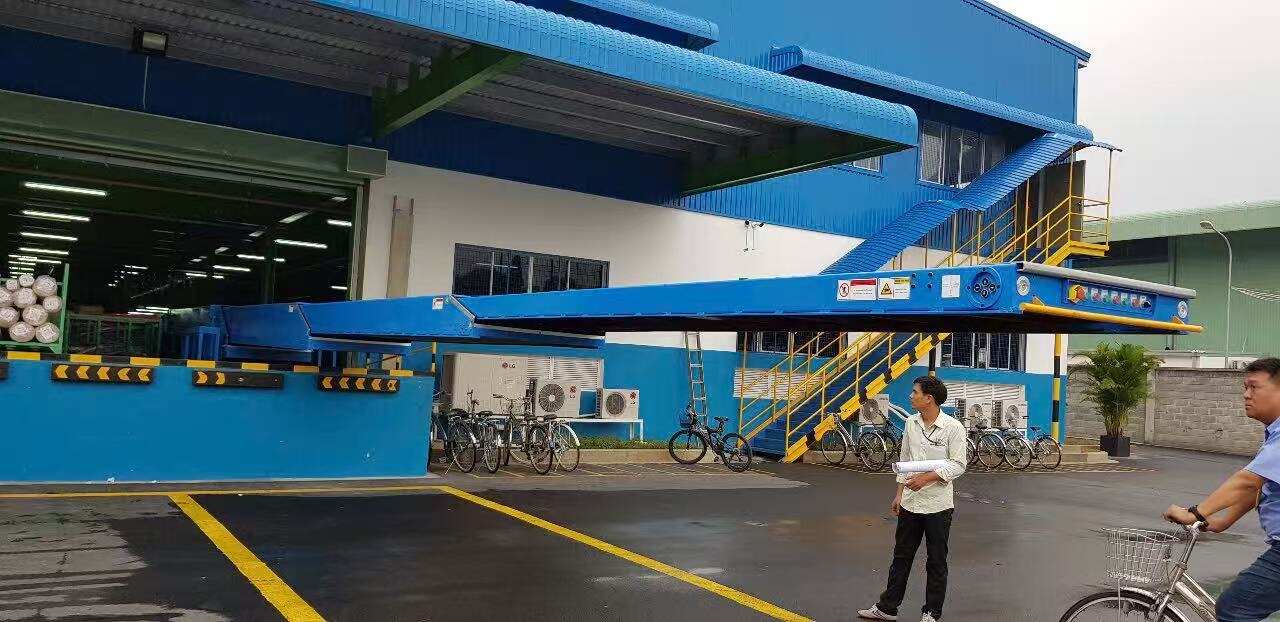
The core of the telescopic belt conveyor for loading and unloading truck cargo is its multi-section nested structure that can extend and retract. It usually consists of 2 to 5 telescopic sections. When extended, it significantly increases the operating length, allowing the conveying end to reach deep into the truck compartment or container; when retracted, it is easy to park and keeps the passage clear. The fully extended length varies by the number of sections and the length of each section, and the common range is 6 meters to 18 meters, which is enough to cover the depth requirements of most trucks (9.6 m, 13 m, 17.5 m) and containers (20 ft, 40 ft).
In terms of conveying method, the telescopic belt conveyor uses a continuous belt surface, and goods can move in both directions on the same conveying line, so one machine can be used for both loading and unloading. To adapt to different vehicles, different dock heights, and different cargo characteristics, the equipment usually has the following key capabilities:
- Height adjustable: via hydraulic or manual adjustment, it adapts to the difference between dock height and truck bed height (common range 0.5-1.5 m)
- Speed adjustable: commonly adjustable within the 10-40 m/min range to match different cargo types and operating rhythms; lighter goods can use a higher speed, while heavy or fragile items are better suited to a lower speed
- As a bridge section: it creates a continuous connection between the warehouse fixed conveyor line and the transport vehicle, reducing manual handling and secondary transfers
When fully extended, modern telescopic loading conveyors can reach a long insertion distance, making them suitable for deeper truck compartments or containers and improving loading and unloading continuity. For example, in an express distribution center, the 4-Section Telescopic Conveyor was successfully applied to loading operations in a platform-free setting ( Case: Truck Loading with Roller Telescopic Conveyor at an Express Distribution Center).
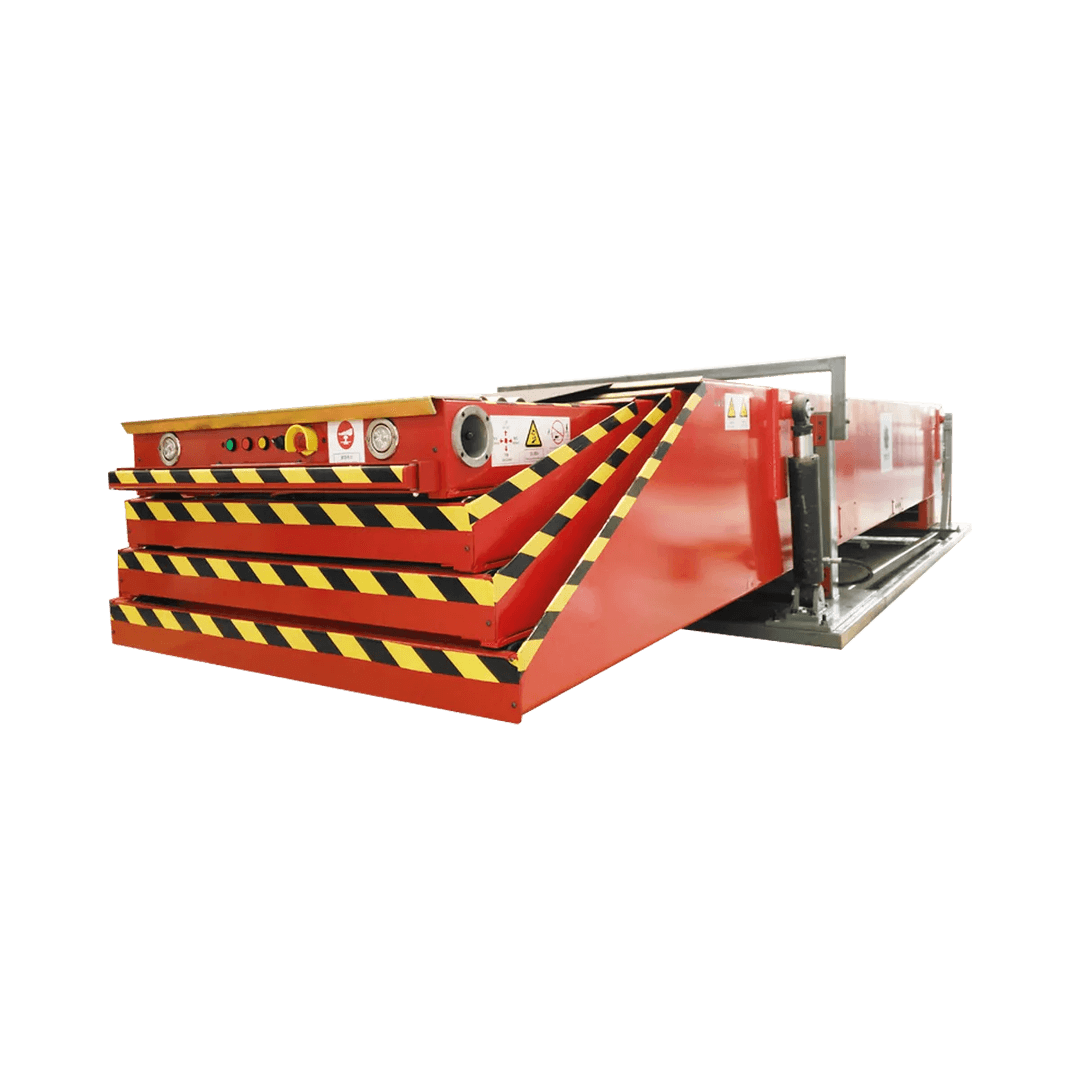
4-Section Telescopic Conveyor
Our four-section telescopic conveyor can extend up to 12–17 meters, reaching deep into trucks and containers to enable efficient and smooth loading an…

Metal Drum

Plastic Drum

Roll

Carton

Bagged
Selection and Technical Key Points (Using Parameters as the Model Data)
When purchasing a telescopic belt conveyor, it is recommended to first convert the requirements into four categories of inputs: length, width, number of sections, and controls/environment, and then match them to the equipment configuration. For container loading scenarios, Telescopic Conveyor for Container Loading can provide a tailored configuration. In addition, for a comprehensive comparison of conveyor selection across different loading and unloading scenarios, see " Conveyor Selection for Loading and Unloading Scenarios".
1) Insertion Length and Floor Space
- Insertion length: first measure the maximum truck compartment or container depth. It is generally recommended that the equipment insertion length cover 80-90% of the depth for better efficiency and operating space; for example, for a 40 ft container (about 12 m), an insertion length of more than 10 m is recommended
- Retracted footprint: when not in operation, the Telescopic Conveyor needs to be retracted and parked. The footprint in the retracted state and the passage conditions must be evaluated to avoid affecting the movement of forklifts, personnel, and other vehicles; the retracted length is usually about one-third of the extended length
2) Belt Width and Cargo Compatibility
- Common belt widths are 600 mm or 800 mm
- The width selection should be based on the cargo dimensions and operating habits: a wider belt is more suitable for large items, but it also increases installation space requirements and equipment cost. For standard cartons or parcels, 600 mm is usually sufficient; for large appliances or palletized goods, 800 mm or wider is recommended.
3) Telescopic Structure and Drive Configuration
- The number of telescopic sections is usually 2 to 5, with 3-section or 4-section models being common
- The telescopic ratio (the relationship between retracted length and fully extended length) is generally about 1: 2 to 1: 4: the larger the ratio, the more it helps achieve a longer extension coverage within a limited space
- Drive configuration: many models use a dual-motor setup, one for belt conveying and one for telescopic extension/retraction; combined with variable frequency control, this enables speed adjustment and forward/reverse switching to ensure smooth cargo conveying
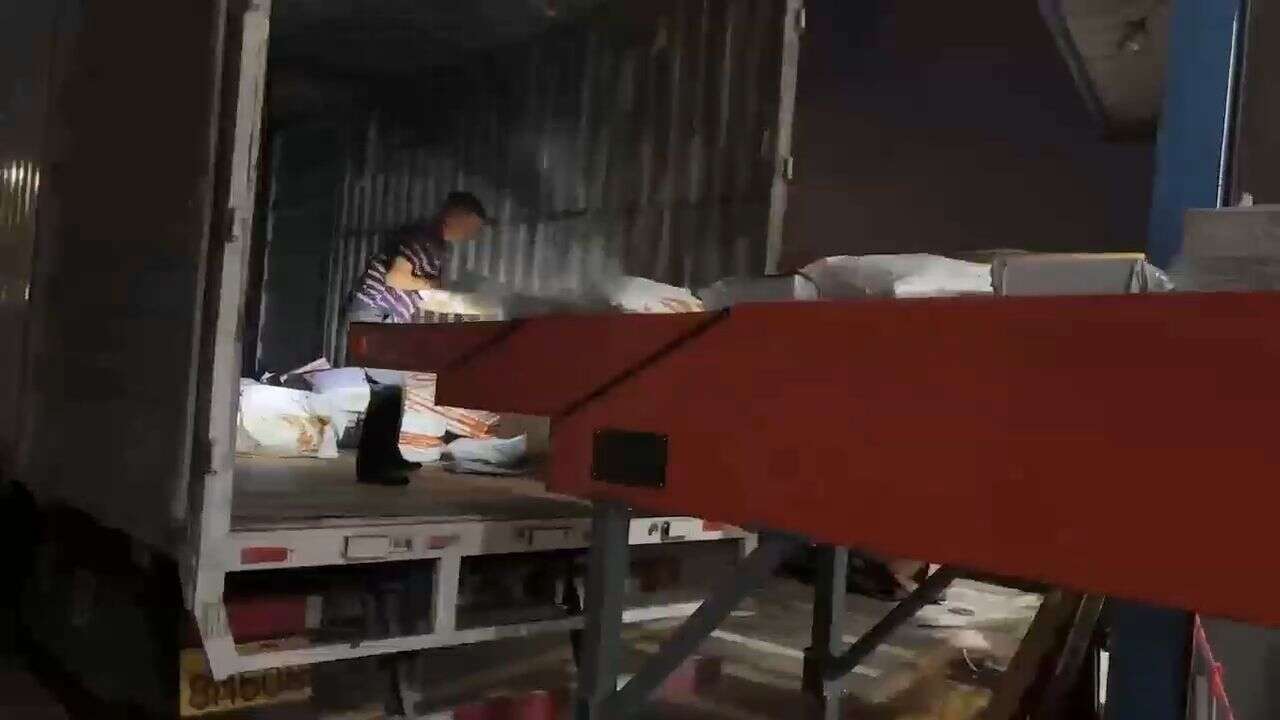
4) Control and Safety Functions
To ensure controllable and safe loading and unloading, telescopic belt conveyors are usually equipped with or can optionally be fitted with:
- Forward/reverse (two-way) control (refer to unloading scenarios: Unloading by Telescopic Conveyor at a express distribution center)
- Speed adjustment to suit different goods and operating rhythms
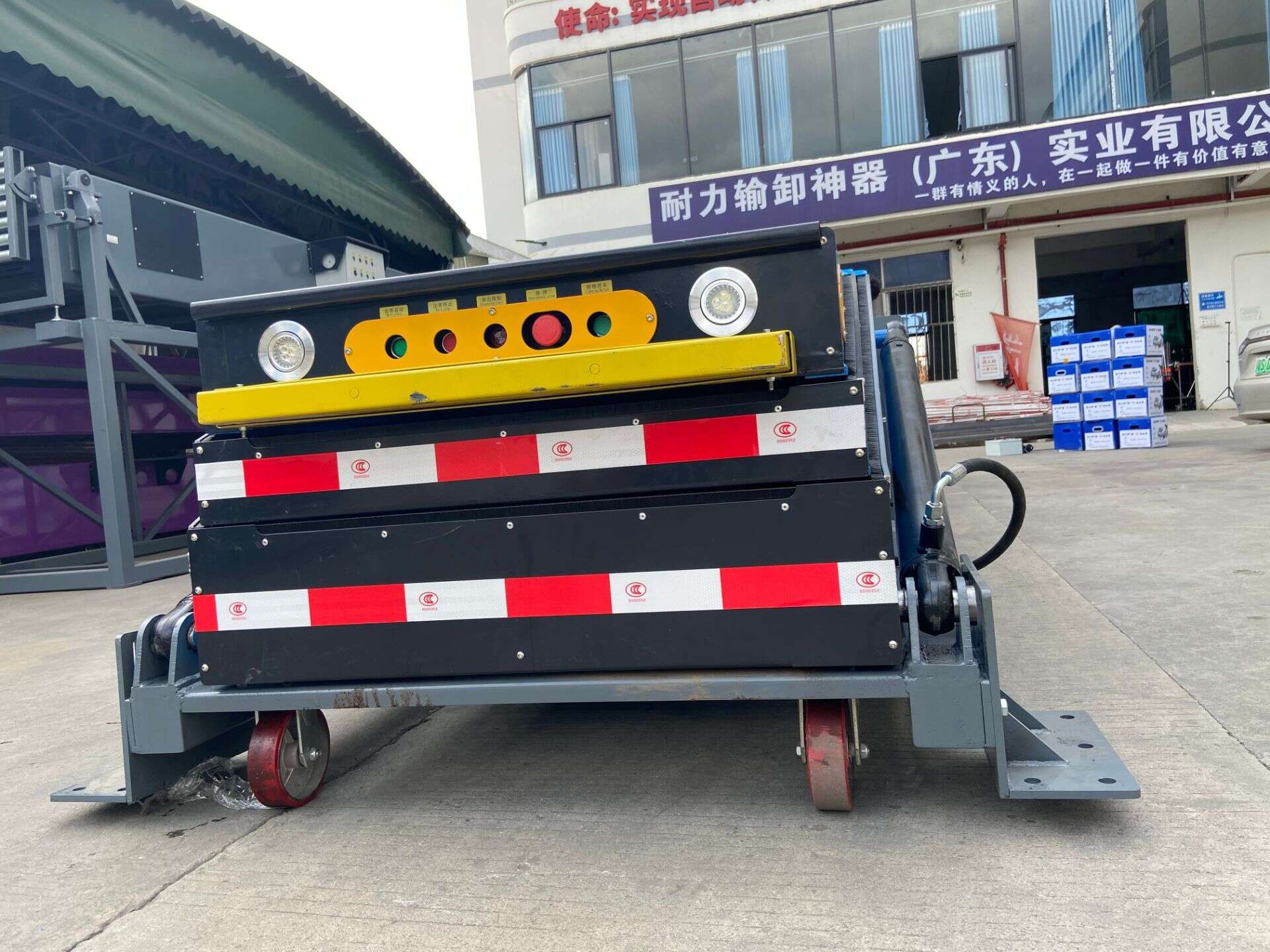
- Emergency stop buttons installed on the operator side and at the front end
- Front-end anti-collision protection, such as anti-collision strips or photoelectric switches, to prevent impacts with the truck body or cargo
- Status indicator lights showing running, stopped, or fault states
- Optional remote control for convenient operation from inside the truck body to control extension and conveying
5) Environmental and Operating Boundaries
- Standard models are mainly intended for indoor use, with a temperature range of 0–40°C
- If outdoor use or harsher environments such as damp or corrosive conditions are required, consider waterproof electrical components, anti-corrosion treatment, or stainless steel configurations
- The common applicable temperature range is 0–40°C; beyond this range, assessment should be based on actual operating conditions. For example, cold storage or high-temperature workshops may require customized insulation or heat-resistant parts
For more selection details, please refer to " Guide to Selecting Telescopic Conveyors for Loading and Unloading Trucks" and " Telescopic Conveyor Truck Loading Configuration". For improvements in unloading efficiency, see " Telescopic Conveyor Unloading: Why Is Two-Person Coordination More Efficient Than One Person?". For a comparison with Hydraulic Conveyor, see " Telescopic Conveyor Truck Loading vs Hydraulic Conveyor: Selection Comparison and Combination Boundaries".
Installation, Maintenance, and Expected Results Reminders
Installation and Commissioning Key Points (Reference)
The key to installing a telescopic belt conveyor is usually not complex construction, but alignment and commissioning:
- Position and align the base to ensure a stable running path and avoid deviation from the track
- Check whether the extension/retraction of Telescopic Conveyor is smooth and free of interference, and whether the gaps between sections are even
- Electrical wiring and protection should be completed by qualified personnel in accordance with local regulations to ensure reliable grounding
- Complete full-machine functional testing: extension, forward/reverse operation, speed adjustment, and safety functions such as emergency stop and anti-collision
The installation period varies depending on the number of sections and site conditions, and is usually estimated and scheduled within a range of 1–3 days (for reference only).
Maintenance and Service Life (Reference)
Proper maintenance helps keep Telescopic Conveyor and the belt system stable. In general, a "daily inspection + regular maintenance" approach can be used, with attention to the condition of wear parts such as belts and bearings; equipment service life is related to factors such as maintenance quality and operating intensity, and 8–10 years can be taken as a reference range. Before daily use, check belt tension, lubrication of the telescopic track, and electrical connections.
Boundary Notes on Efficiency and Labor Changes
By reducing personnel back-and-forth handling and lowering manual involvement, a telescopic belt conveyor can usually shorten loading and unloading time, reduce staffing needs, and lower labor intensity, while also helping to reduce handling injury risks and cargo damage. However, the actual effect is closely related to the on-site cargo form, worker proficiency, connection method, and the configuration of the entire logistics process, and should be evaluated based on real operating conditions.
Further Reading: Selection for Telescopic Conveyor Truck Loading and Unloading