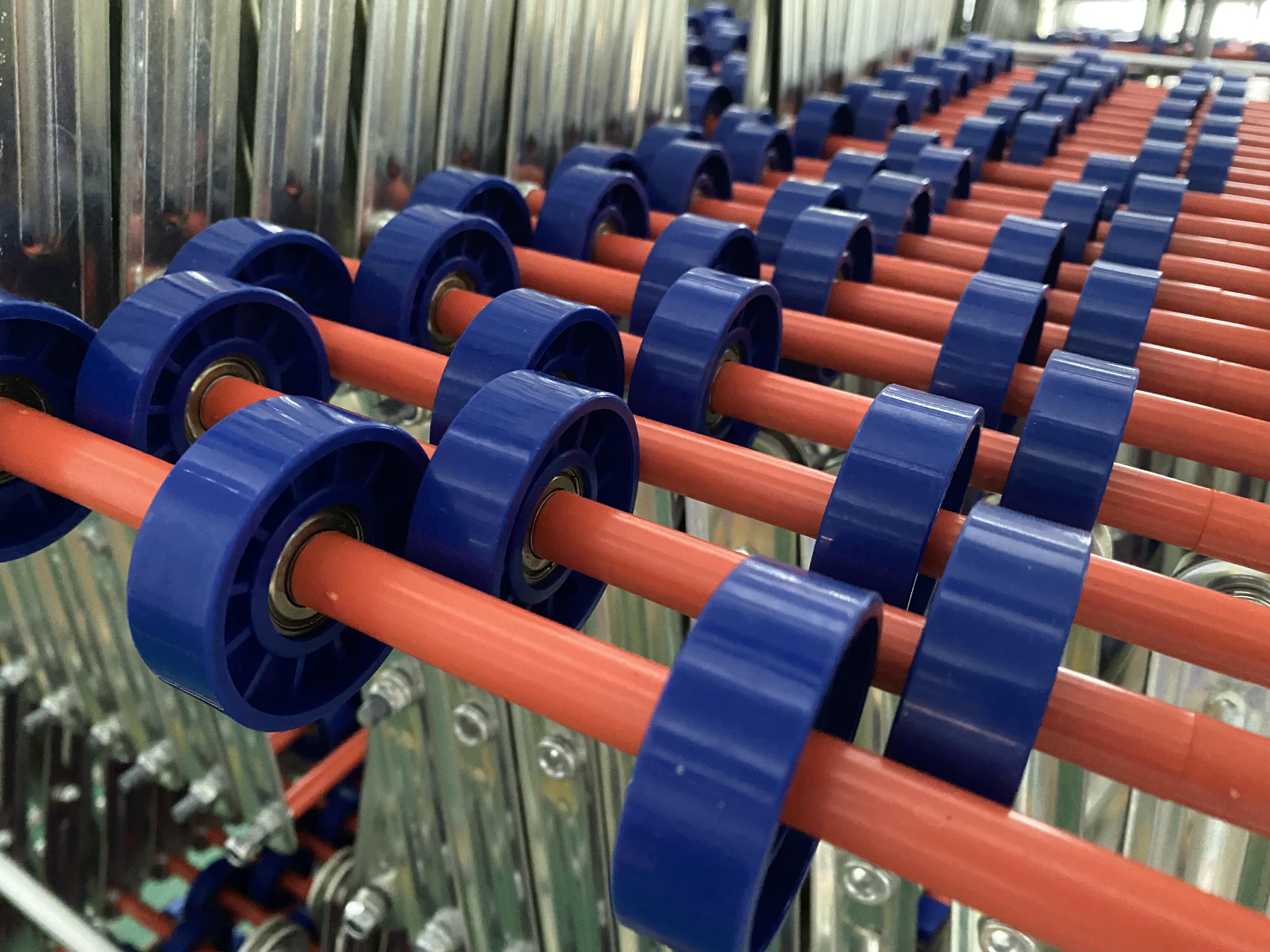
Why Gravity Skate Wheel Conveyor unloading requires first deciding on the "wheel material"
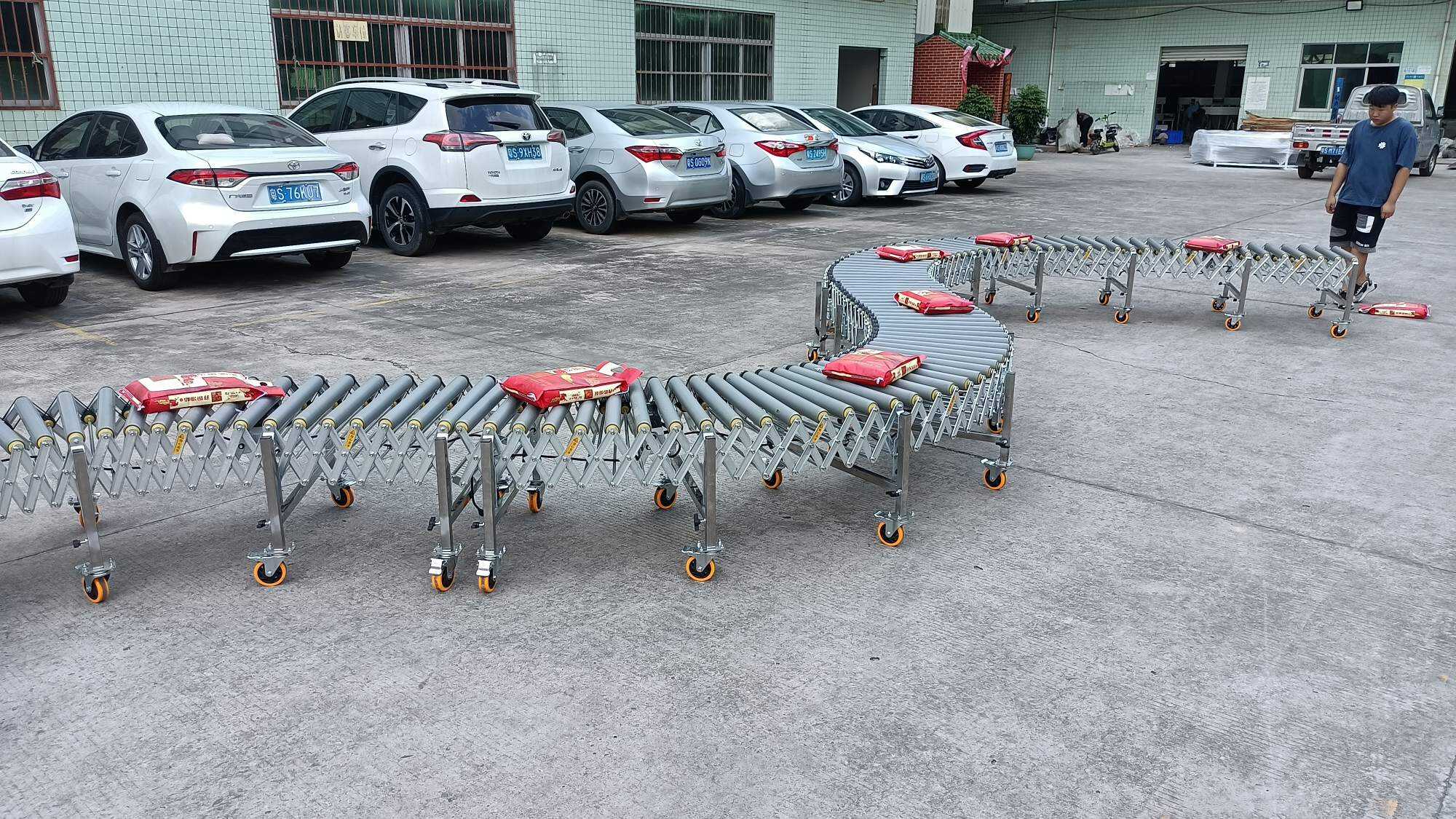
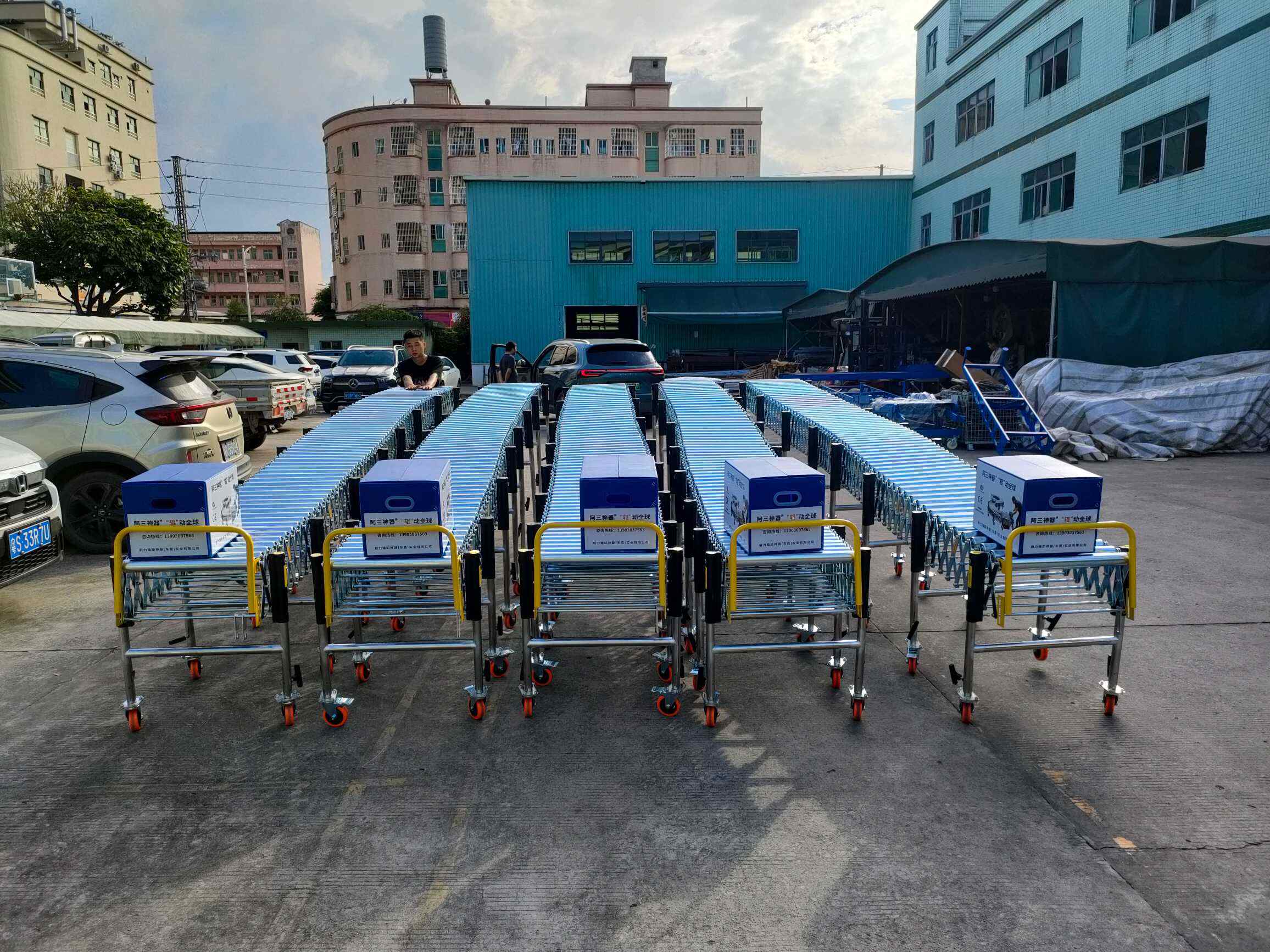
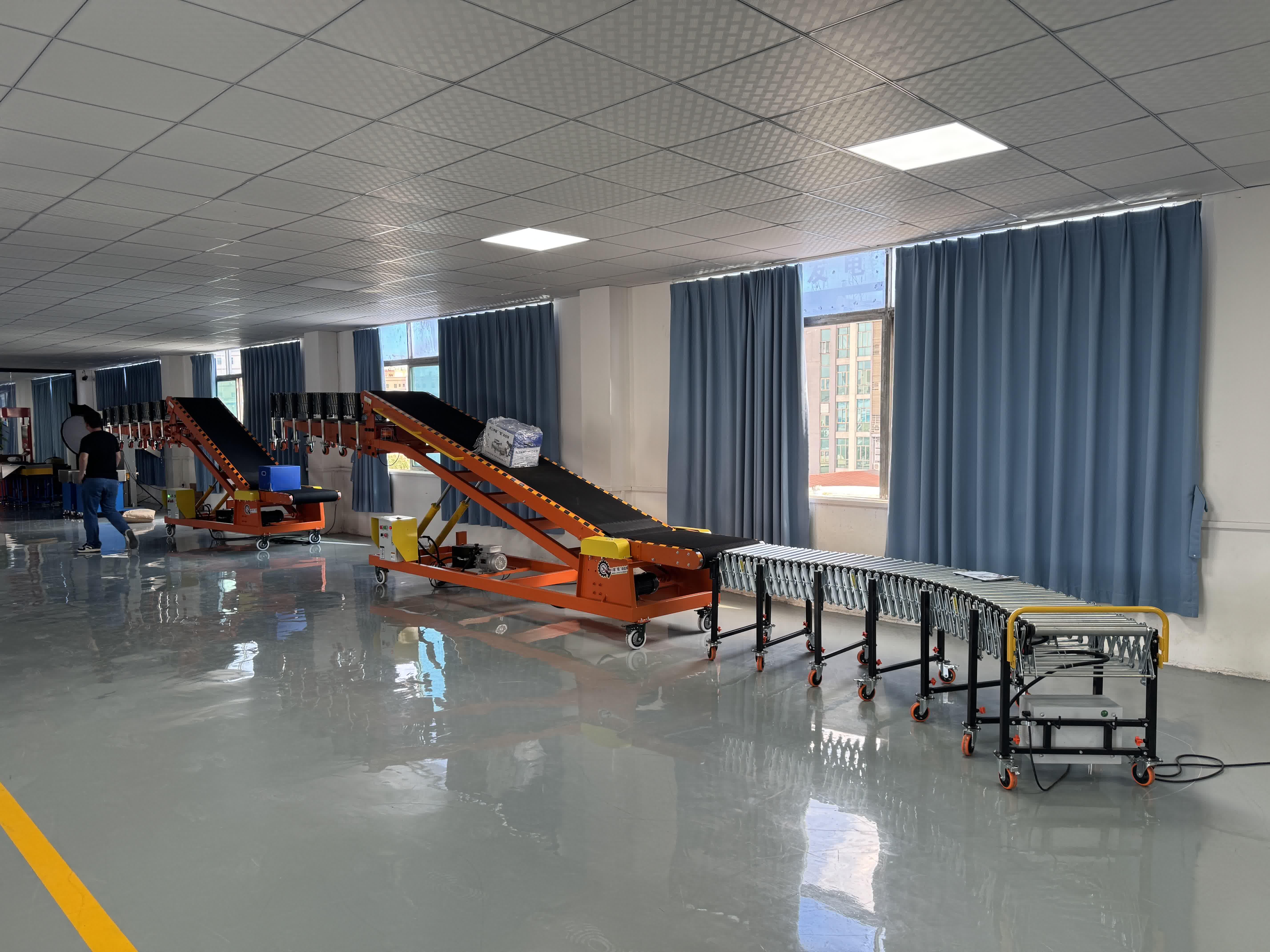
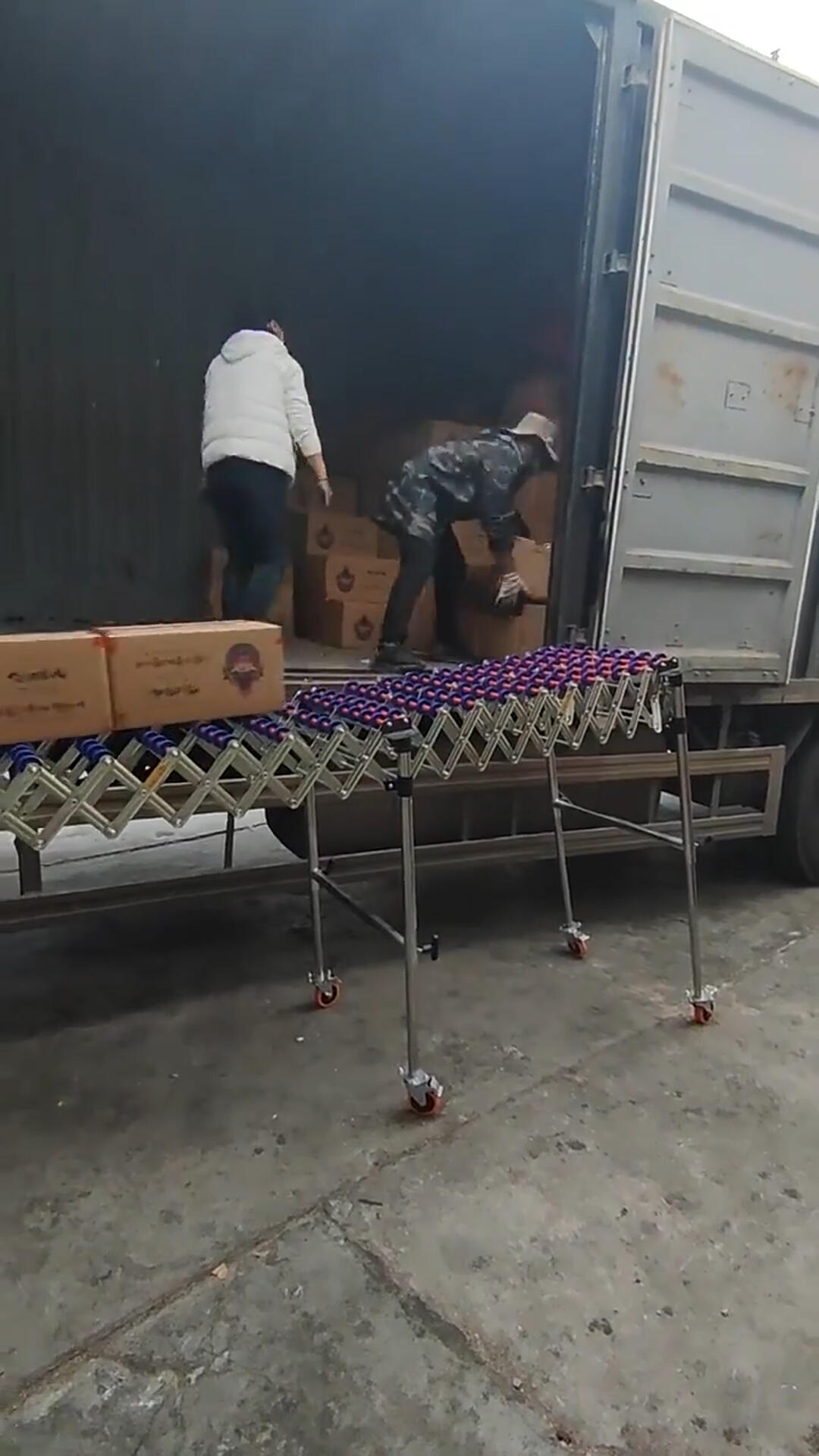
When building a flexible material handling system, Gravity Skate Wheel Conveyor is often used for unloading and temporary transfer: the equipment is easy to move, has a high telescopic ratio (up to 1: 5), and can handle many common packages.
However, after deciding to use Gravity Skate Wheel Conveyor for unloading, the most important point of divergence is often not whether to use the equipment, but which wheel material to choose. Wheel material is not just a matter of price; it directly determines the line’s durability, operating noise, machine weight, environmental adaptability, and long-term service life.
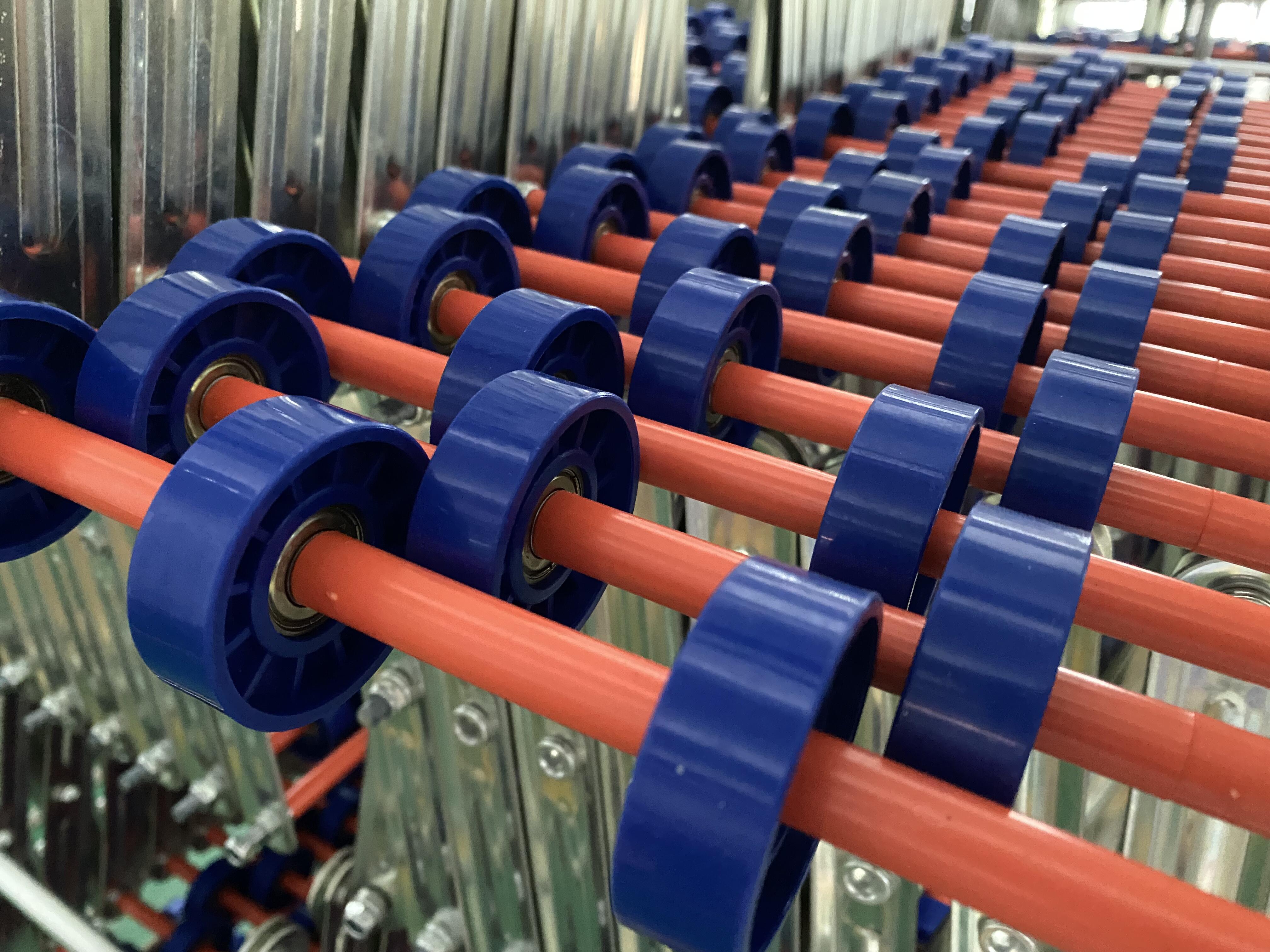
The following sections will focus on two common configurations: ABS engineering plastic wheels and galvanized iron wheels, and use the factors of cargo volume/frequency/environment/budget to help you match the choice to the actual working conditions.
ABS engineering plastic wheel Gravity Skate Wheel Conveyor unloading: lightweight, low-noise, and more budget-friendly
ABS (acrylonitrile-butadiene-styrene) engineering plastic wheels are the "standard configuration" in many Gravity Skate Wheel Conveyor unloading scenarios. They strike a better balance between weight, cost, and user experience, and are especially suitable for flexible operations that require frequent movement and adjustment.
Structurally, this wheel set is usually paired with a 608 international standard bearing to ensure smooth wheel rotation and meet the continuous-use requirements of standard working conditions.
Main advantages
- Lighter and easier to handle and modify: each section weighs about 14–17 kg (depending on width), making it better suited for frequent movement, temporary setup, and storage
- Lower operating noise: more comfortable for personnel, suitable for places that are more sensitive to noise
- Less prone to corrosion: plastic material is less likely to suffer from metal corrosion, suitable for medium-humidity environments
- Lower initial investment: better suited for budget-sensitive configurations
- More "gentle" on the goods: the material has a slight cushioning feel, suitable for goods where appearance/packaging matters more
Typical working conditions that are a better fit (based on the conditions in the main text)
- Standard working conditions centered on cartons and other common packages
- Daily processing volumeLess than 5, 000 pieces, or intermittent/seasonal use
- Frequent movement, line changes, and temporary unloading channel setup required
- Warehouses or work areas with greater sensitivity to noise control
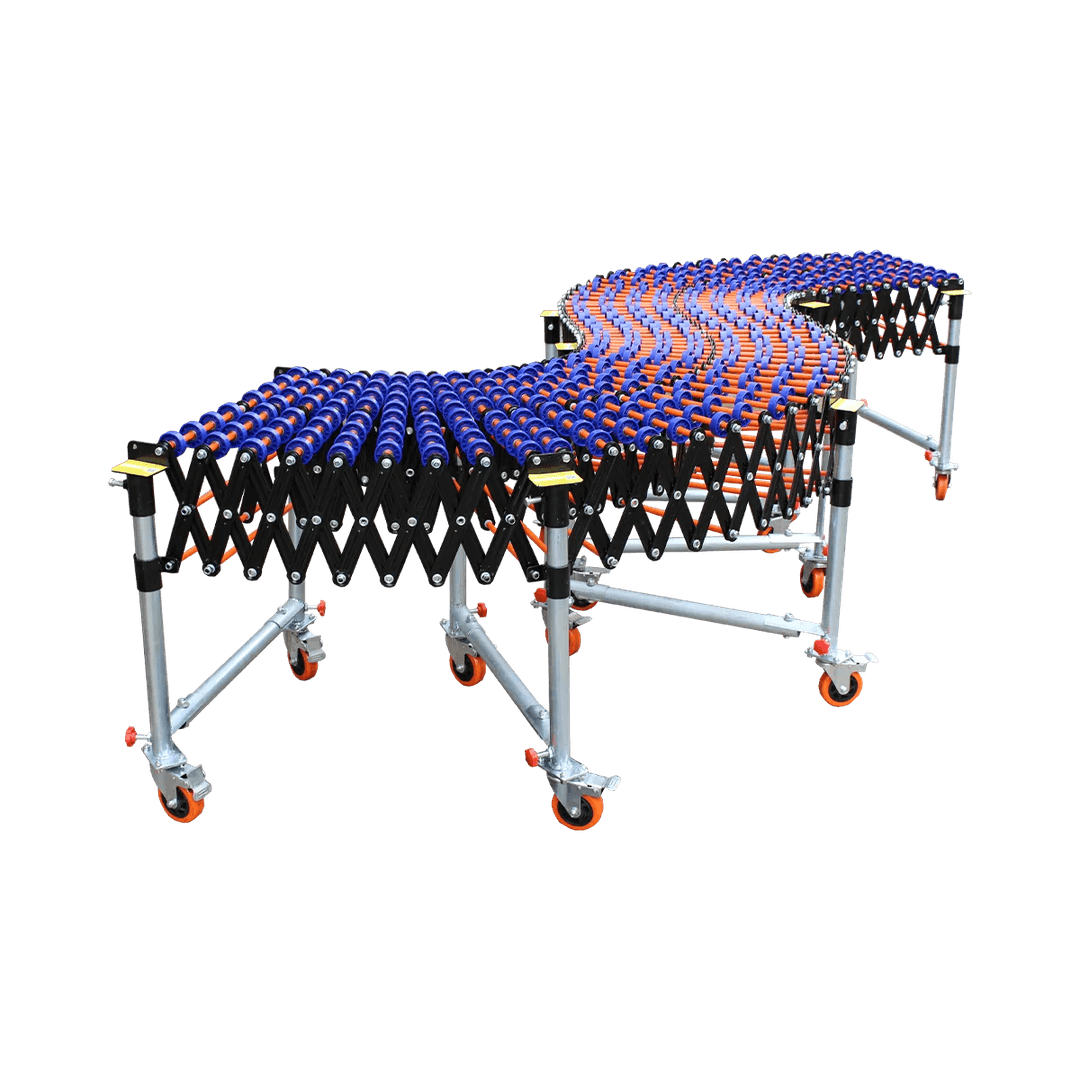
Gravity Skate Wheel Conveyor
Gravity Skate Wheel Conveyor is designed specifically for bottom-flat goods such as cartons, enabling fast and efficient unloading operations. The con…

Carton
Galvanized iron wheel Gravity Skate Wheel Conveyor unloading: a durability upgrade for high-frequency heavy-duty use
When Gravity Skate Wheel Conveyor unloading enters a high-throughput, long-hour operating rhythm, wheel wear and impact accumulation will accelerate significantly. At this point, galvanized iron wheels are usually the more "long-term value" choice: more wear-resistant, more impact-resistant, and suitable for high-frequency, near-continuous use.
This type of wheel assembly also uses 608 international bearings; at the same time, the galvanized layer provides a certain degree of corrosion protection to cope with basic moisture exposure.
Key advantages and trade-offs
- More wear-resistant and impact-resistant: better suited for long-term high-intensity operation and heavier boxed goods
- Longer service life: in high-throughput applications, it can usually reach2–3 times
- Better heat dissipation and more stable operation: during continuous operation, it helps reduce the risk of bearing wear
- Greater stability: single-section weight is about 20–22kg (varies by width), making operation more stable but handling more labor-intensive
- Higher initial cost: better suited to an investment approach aimed at reducing replacement and downtime maintenance
Typical scenarios that fit better (based on the judgment criteria in the main text)
- Daily processing volume5, 000 pieces or more
- Used almost every day, multiple shifts, or near-continuous operation
- Goods are more "heavy", with more obvious impact and wear
- Mainly fixed installation, with a desire to reduce replacement frequency and maintenance downtime
The product materials also clearly state: when daily processing exceeds 5, 000 pieces and the equipment is used almost every day, galvanized iron material is more recommended for a longer service life.
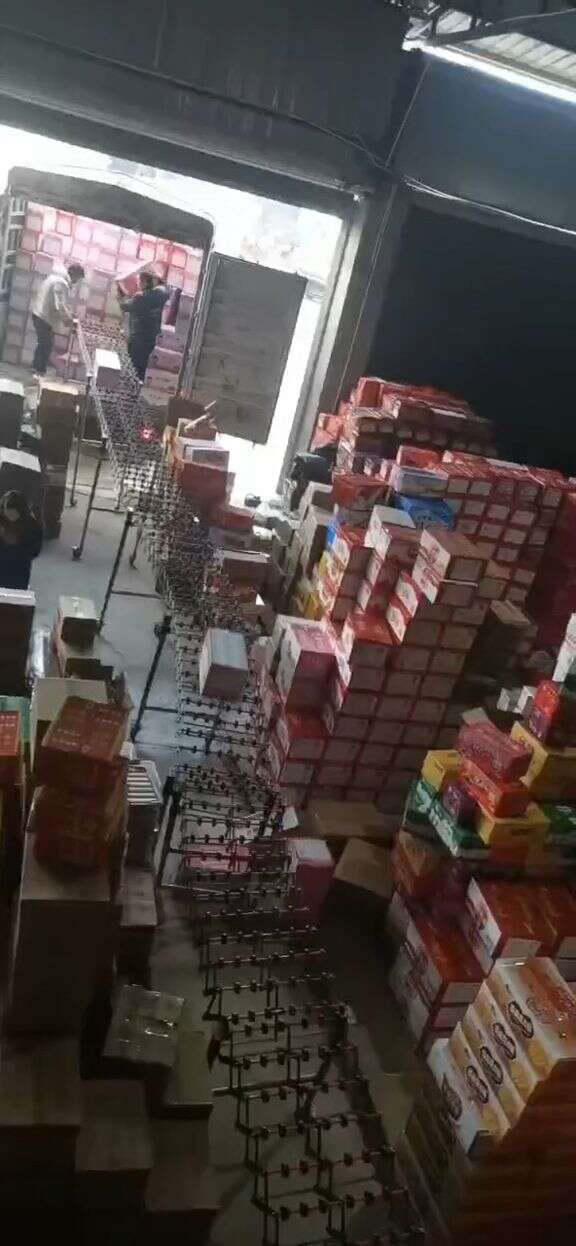
Quick selection guide for Gravity Skate Wheel Conveyor unloading: make fast decisions based on volume, environment, and budget
If you want to make a quick decision, you can understand wheel material selection as matching "operating intensity" with the "durability buffer" of the wheels. The table below places the key dimensions side by side.
| Decision dimension | ABS engineering plastic wheels | Galvanized iron wheels |
|---|---|---|
| Daily processing volume | Below 5, 000 pieces | Above 5, 000 pieces |
| Usage frequency | Intermittent/seasonal | Used every day, multiple shifts |
| Expected lifespan | About 3–5 years under standard use | About 5–10+ years under intensive use |
| Noise requirements | Lower noise | Higher noise acceptable |
| Mobility/storage requirements | Frequently moved, modified, and stored | Mostly fixed in place |
| Budget-oriented | Prioritize controlling initial investment | Place more value on service life and downtime cost |
| Cargo type | Mainly lighter cartons | Mixed cargo, including heavier cartons |
| Maintenance resources | Can accept regular maintenance | Prefer less maintenance and less downtime |
How to choose among three common scenarios (from the main text)
- Seasonal retail distribution: Large fluctuations in cargo volume, frequent storage or layout adjustments, and a daily throughput of mostly 2, 000–3, 000 pieces → more inclined toward ABS engineering plastic wheels
- E-commerce high-throughput fulfillment: Stable high volume (such as 7, 000+ pieces/day), multi-shift near-continuous operation, and a relatively fixed layout → more inclined toward galvanized iron wheels
- Medium-intensity use in manufacturing plants: 3, 000–4, 000 pieces/day but sustained for many years → need to combine service life and continuity, and make an overall trade-off between ABS and galvanized iron
Further reading: For the layout and connection approach of the Gravity Skate Wheel Conveyor under different loading and unloading site conditions, see Gravity Skate Wheel Conveyor loading and unloading site comparison. In actual cases, the Gravity Skate Wheel Conveyor performs exceptionally well in milk unloading ( Gravity Skate Wheel Conveyor unloading milk into storage).
Frequently Asked Questions (FAQ)
1) Can ABS wheels and galvanized iron wheels be mixed on the same continuous conveyor line?
Technically yes, but it is not recommended. The two wheel types differ in height and performance characteristics, which can easily cause inconsistent material flow. For stable sliding and transition performance, a continuous conveyor line should use a uniform wheel type.
2) How much difference is there in weight between plastic wheels and iron wheels?
The weight varies with conveyor width. Taking a common 600 mm width as an example, an ABS plastic wheel configuration weighs about 18 kg/section, while galvanized iron wheels weigh about 20 kg/section, a difference of about 10%–15%. This difference becomes more noticeable when multiple sections of equipment need to be handled.
3) Are metal wheels more likely than plastic wheels to damage cartons?
No. Properly designed galvanized iron wheels also use their surface and spacing to provide stable support and will not cause extra damage to carton packaging. The main difference between the two is durability and weight.
4) How much longer can galvanized iron wheels usually last than ABS wheels?
Under high-throughput conditions (more than 5, 000 pieces/day), galvanized iron wheels can usually last 2–3 times as long as ABS wheels, making them more suitable for high-frequency, near-continuous use.
5) Can the wheels be replaced separately as spare parts?
Yes. Both ABS plastic wheels and galvanized iron wheels can be replaced separately as spare parts. Modular maintenance extends the overall equipment lifecycle and optimizes maintenance costs.