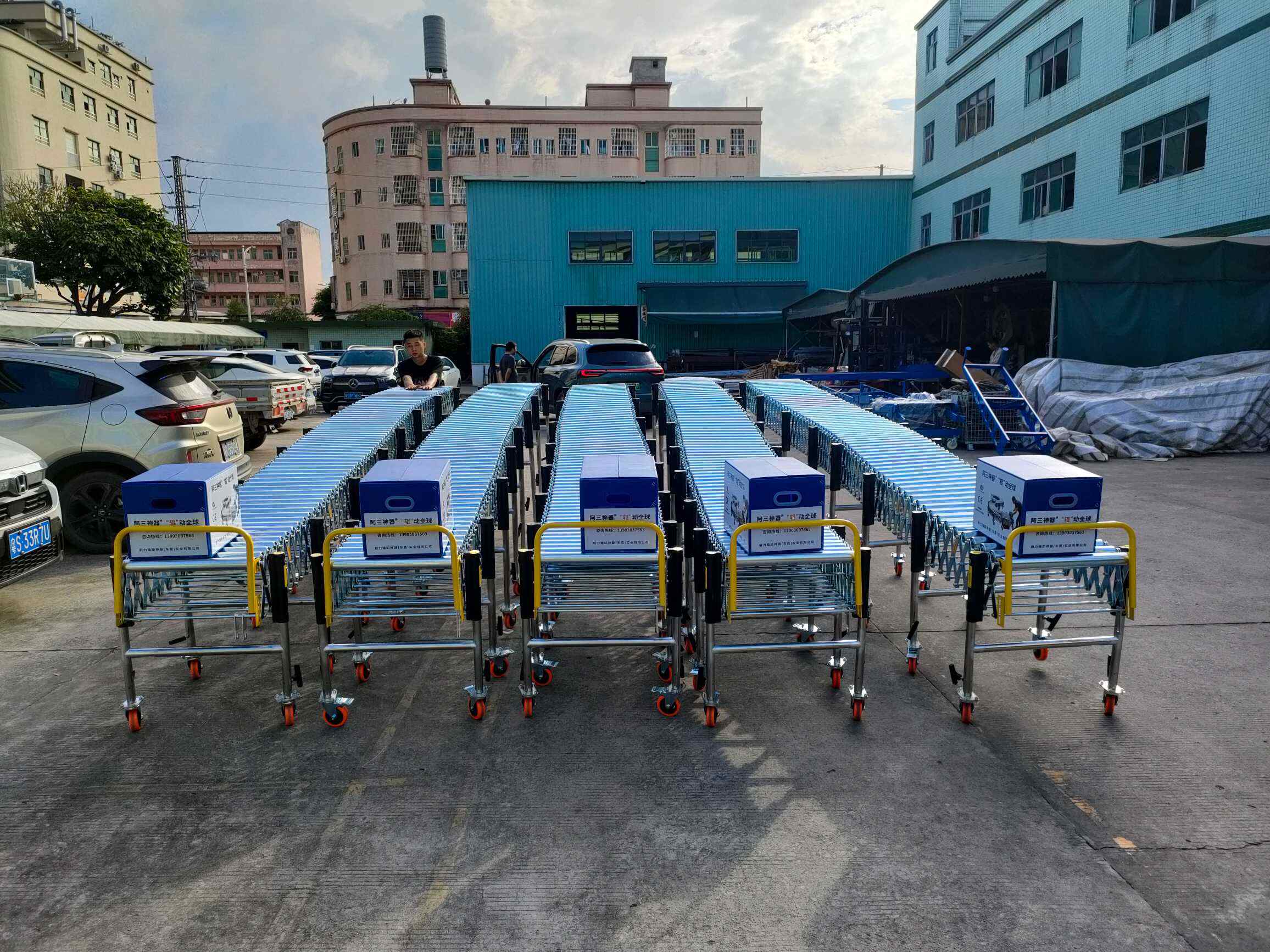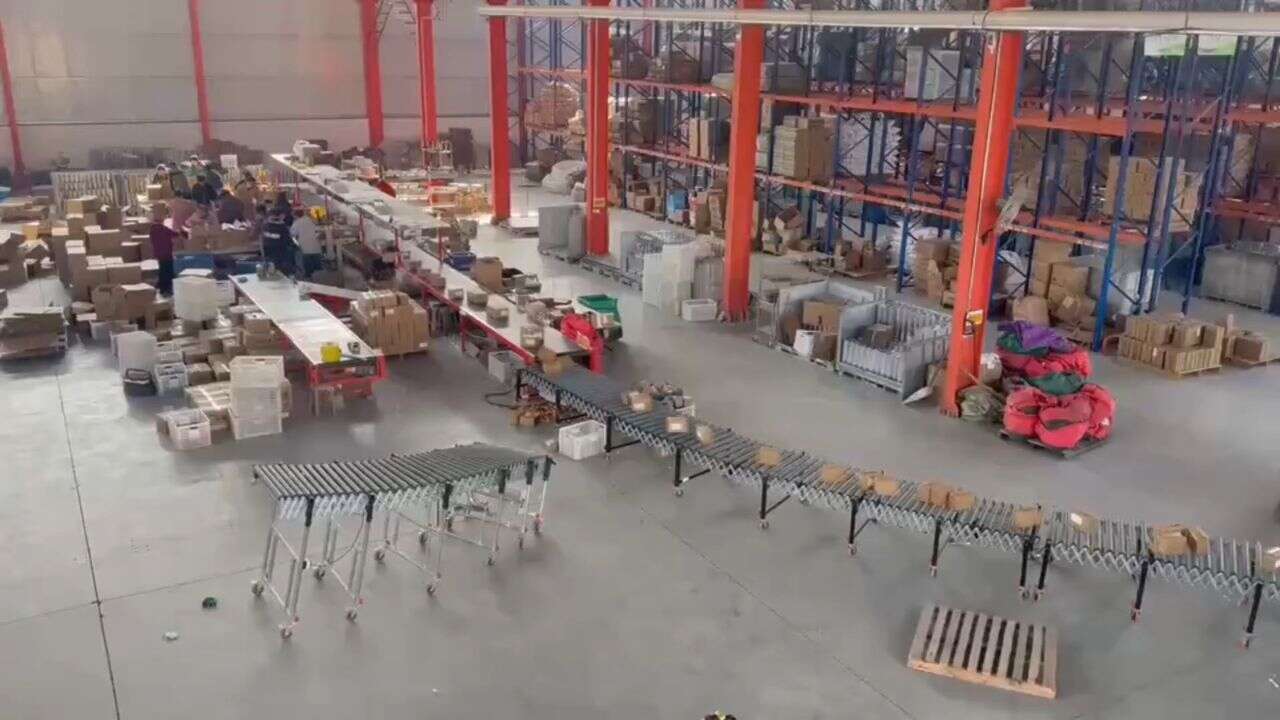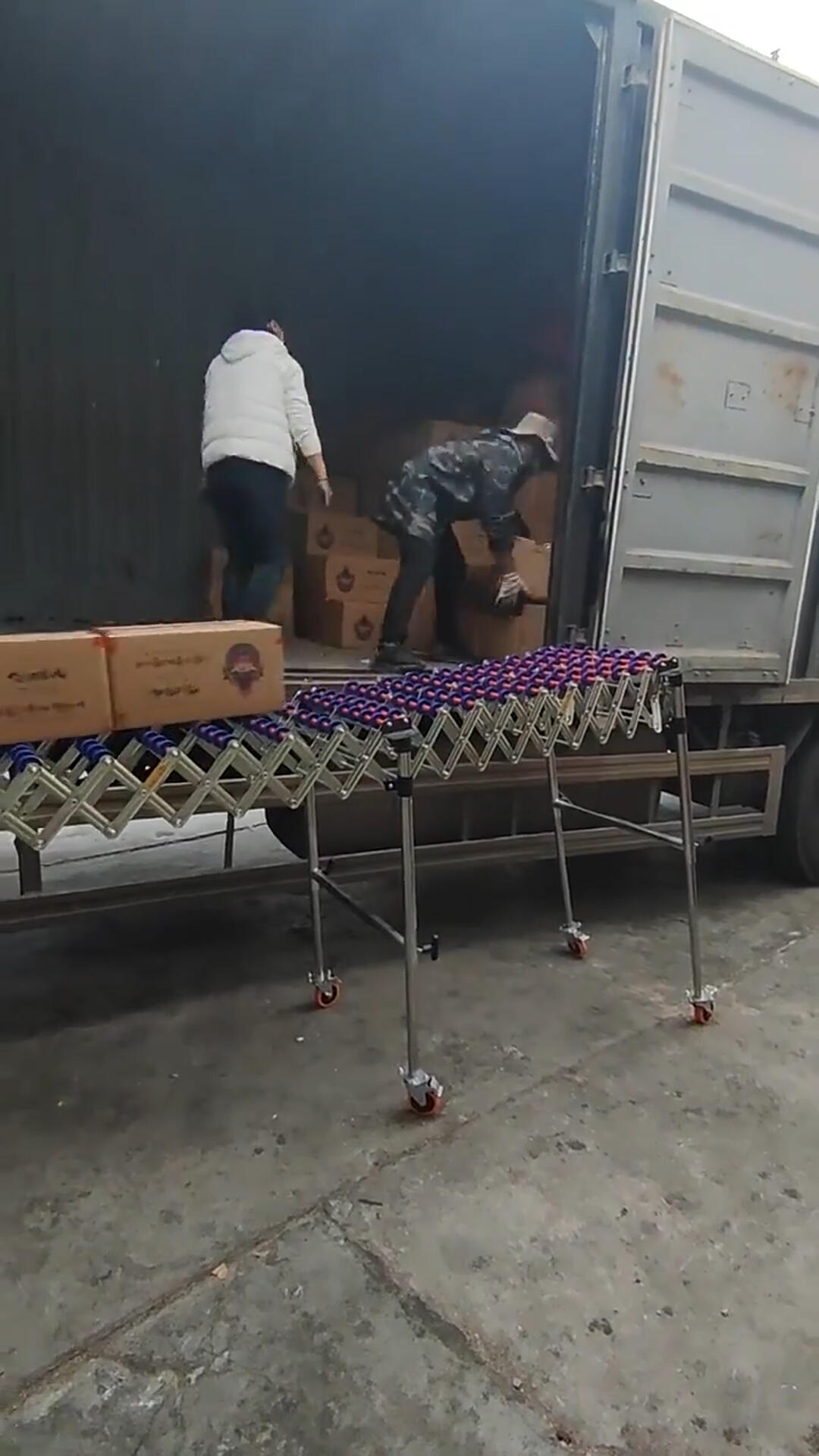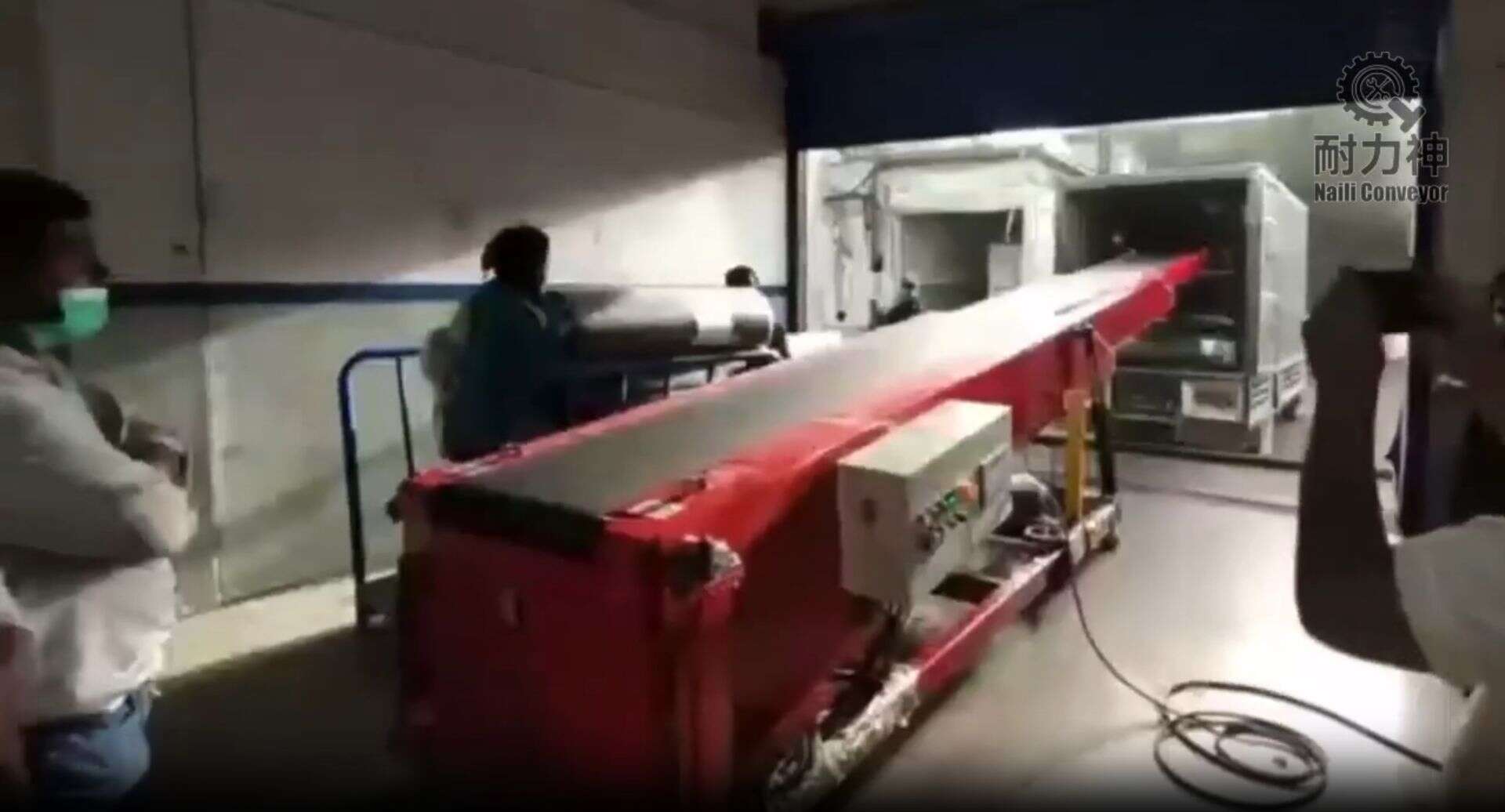
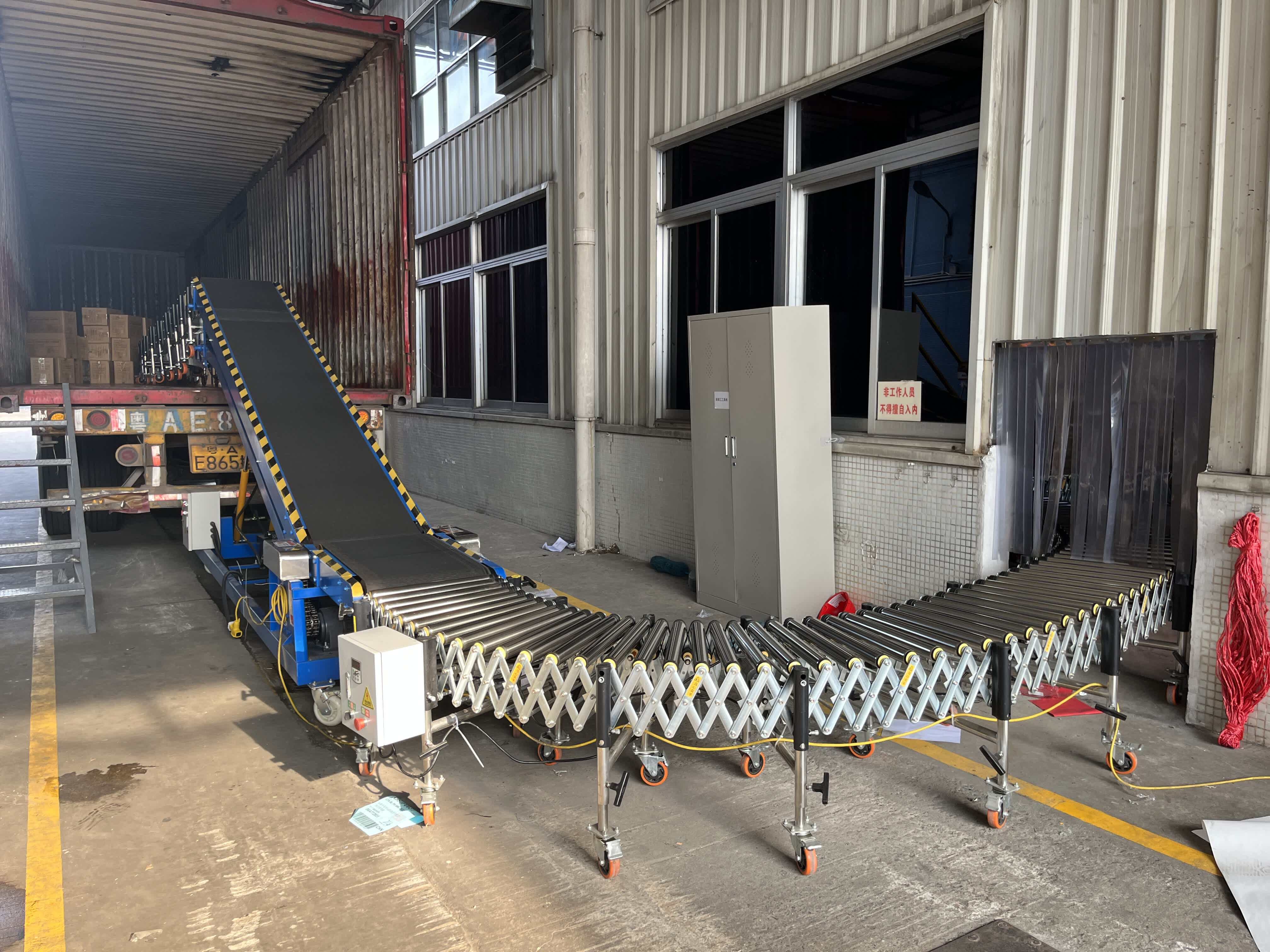
In logistics and warehousing operations, when dealing with truck bodies of different heights and structures, traditional manual handling is inefficient and physically demanding. As an auxiliary loading and unloading device, the Hydraulic Conveyor can effectively bridge the height difference between the ground and the truck body through manual operation, enabling smooth cargo transfer. This equipment requires two people to operate together and is suitable for loading and unloading boxed, bagged, and other regular goods; it has been widely used in express delivery, food, daily chemicals, and other industries.
Basic Structure and Working Principle of the Hydraulic Conveyor
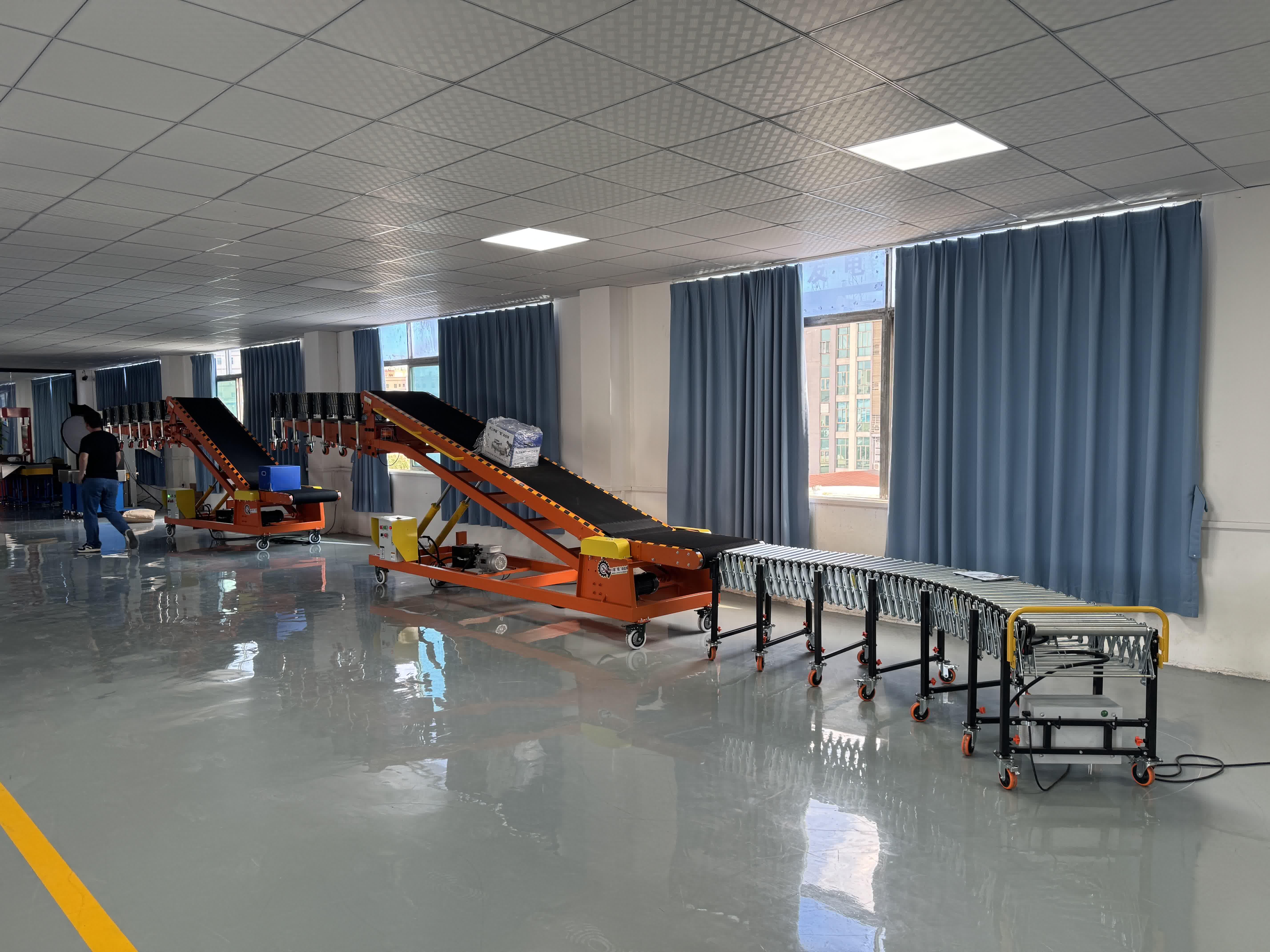
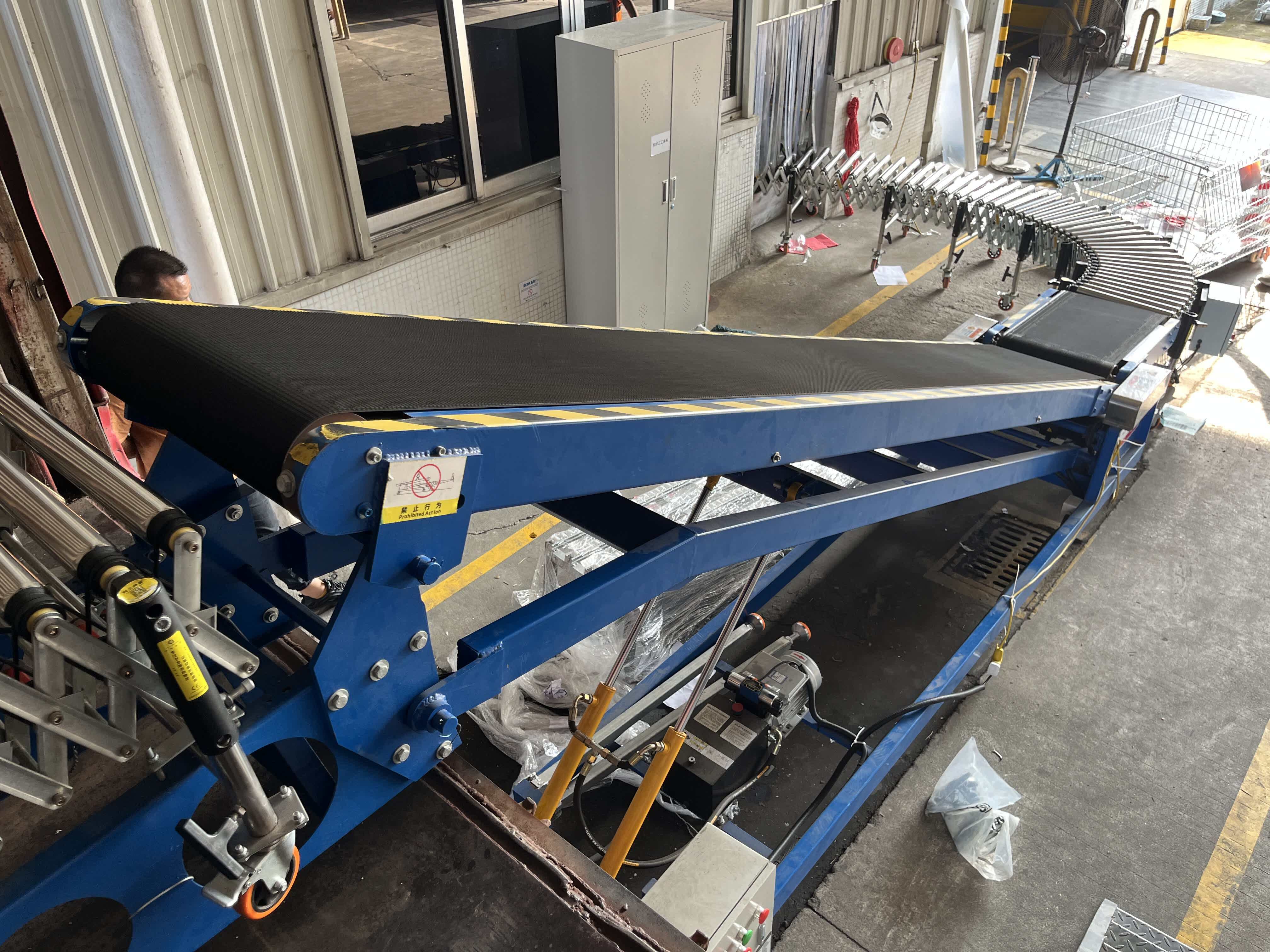
The core power of the Hydraulic Conveyor comes from the hydraulic drive system, which provides stable and controllable lifting power to ensure smooth operation while adjusting height. The bottom of the equipment is equipped with swivel casters, making it easy to move flexibly in warehouses or loading and unloading areas, especially in scenarios that require frequent adjustment of the work position. The height-adjustable mechanism is one of its key functions; operators can manually control lifting according to the height of the truck bed to achieve precise docking with the truck entrance. The entire operation process requires two people to cooperate: one controls the hydraulic lifting and equipment positioning, while the other assists with pushing or receiving goods to ensure operational safety.
Vehicle-Specific Adaptation Solutions and Operating Tips
Loading and Unloading Applications for Small Trucks
Small ramp conveyors are mainly suitable for low-sided trucks or vans under 4.2 meters. These vehicles have lower cargo bed heights and a smaller equipment adjustment range. During operation, attention should be paid to aligning with the rear door of the truck body to avoid the front end of the conveyor hanging in midair.

Medium-sized box truck operation
Standard box trucks (such as 6.8 m, 7.6 m, and 9.6 m models) usually use a light-duty or medium-duty conveyor. A medium-duty conveyor can handle high-sided trucks, and its support structure is more stable, making it suitable for long hours of operation. During operation, first push the equipment to the rear of the truck bed, then slowly raise it through the hydraulic system until the conveying surface is level with or slightly below the truck floor to prevent cargo from slipping.
Loading and Unloading Solutions for Large Trucks
For large freight vehicles such as 13 m and 17.5 m trucks, a heavy-duty conveyor is required. This type of equipment has stronger load-bearing capacity, and when paired with a multi-section roller conveyor, it can extend deep into the truck bed for operation.
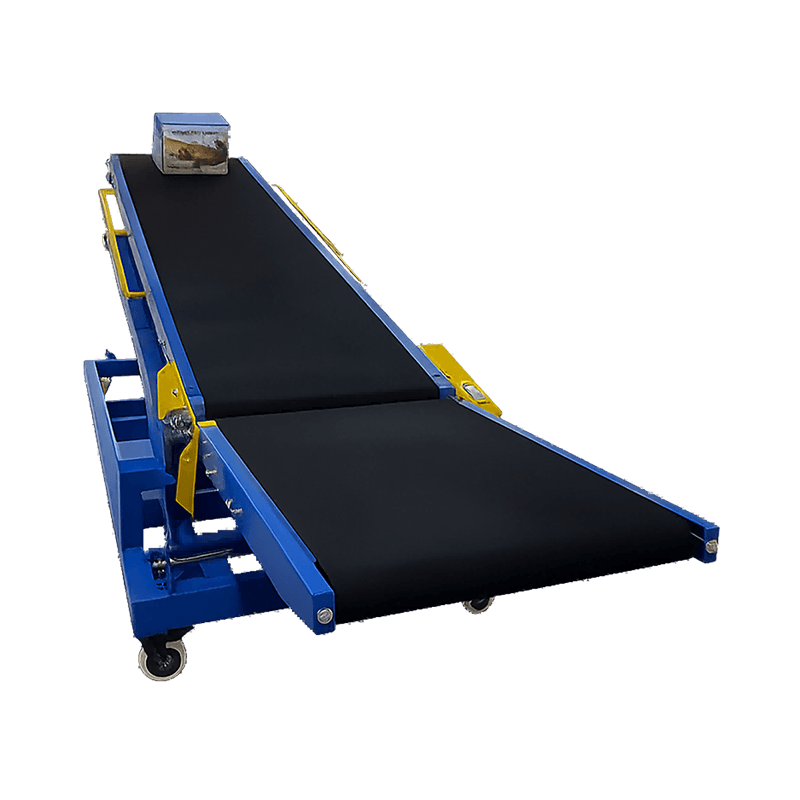
Large Hydraulic Conveyor
The Large Hydraulic Conveyor is designed specifically for sites without a loading dock and is suitable for trucks under 40 ft. With a built-in hydraul…

Metal Drum

Plastic Drum

Roll

Carton

Bagged
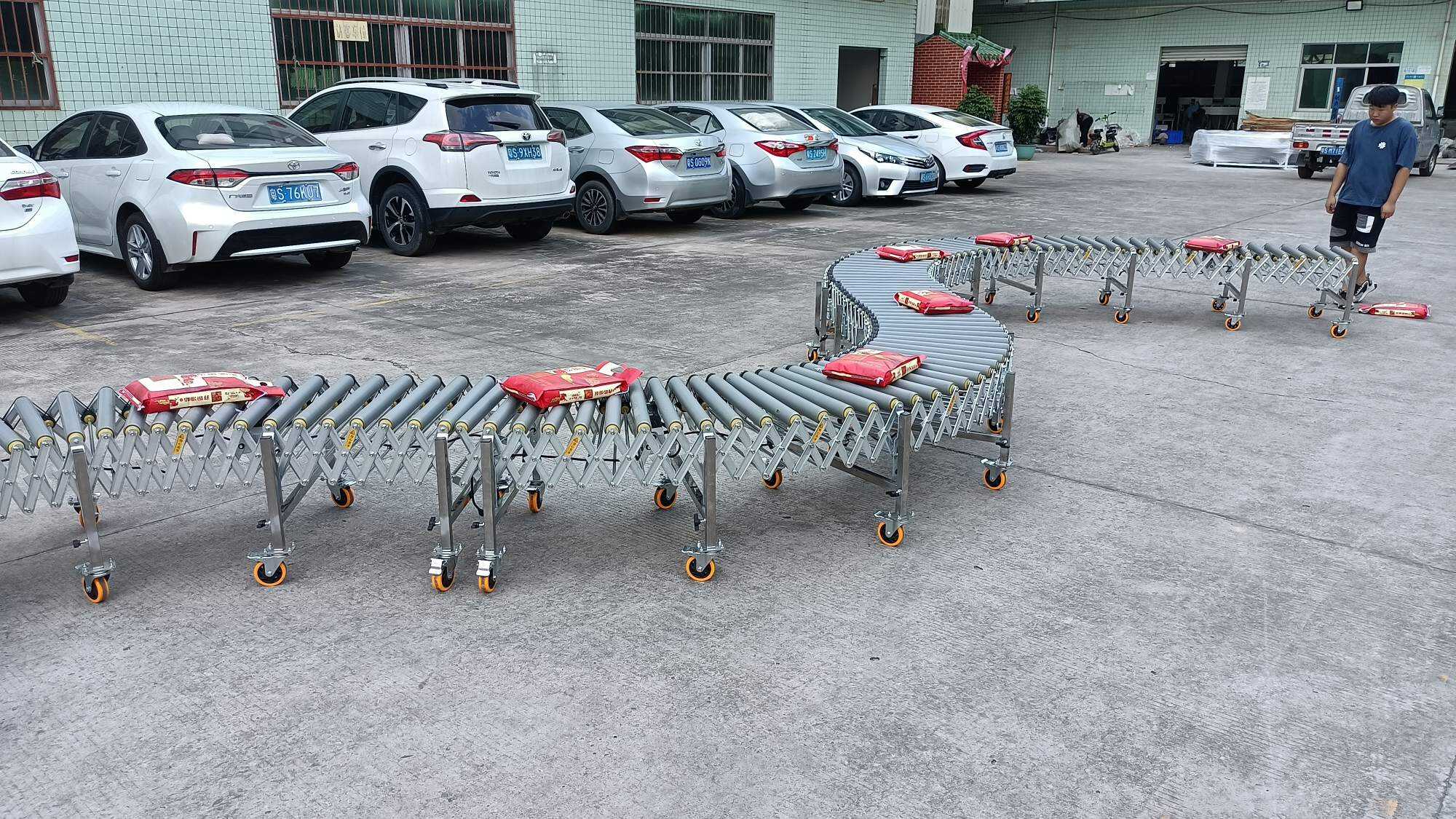
In practical applications, such as the collaborative loading and unloading practice of Multi-Wedge Belt Powered Roller Conveyor and a medium-duty conveyor, the equipment combination can effectively meet long-distance loading and unloading needs.
During height adjustment, operators should observe the docking status with the truck bed and avoid forcing the lifting action, which may damage the equipment or the truck. After docking is complete, use support legs or a locking device to stabilize the equipment and prevent movement during operation.
Practical Ways to Improve Loading and Unloading Efficiency
Using a hydraulic conveyor can significantly reduce the physical strain of manual handling. Operators no longer need to repeatedly climb in and out of the truck bed or carry heavy items. Cargo moves smoothly across the roller conveyor surface, shortening the time required for each loading or unloading cycle. It is especially suitable for boxed water, grain, daily necessities, and other regular-shaped goods.
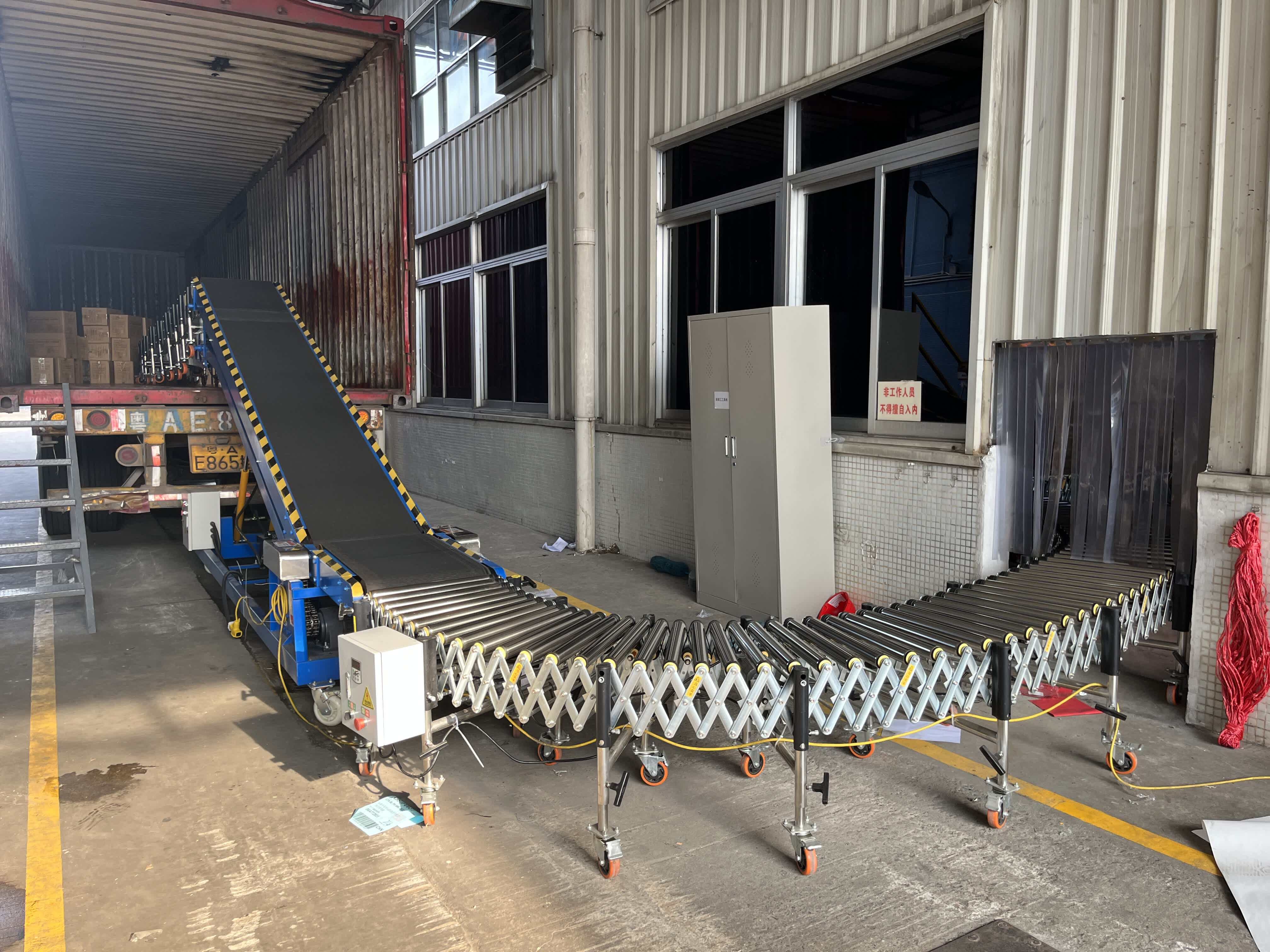
In high-frequency loading and unloading scenarios, such as express sorting centers, the equipment can be deployed quickly and reused repeatedly, improving site turnover efficiency. At the same time, because the cargo is evenly stressed during conveying, the breakage rate is significantly reduced.
Equipment Maintenance and Operating Safety Guidelines
Before daily use, check the hydraulic oil level, pipe sealing, and whether the caster wheels rotate smoothly. Operators should receive basic safety training and understand the equipment operating procedures and emergency handling methods. When moving the equipment, ensure that there is no cargo on the conveying surface to avoid an unstable center of gravity. During operation, the support legs must be deployed and the equipment confirmed secured.
Hydraulic system maintenance should be carried out regularly by professionals, including cleaning the filter screen and checking seals. Common faults such as slow lifting and lowering, abnormal noise, or failure to lock height are often caused by contaminated hydraulic oil or loose mechanical parts. The machine should be stopped and inspected in time.
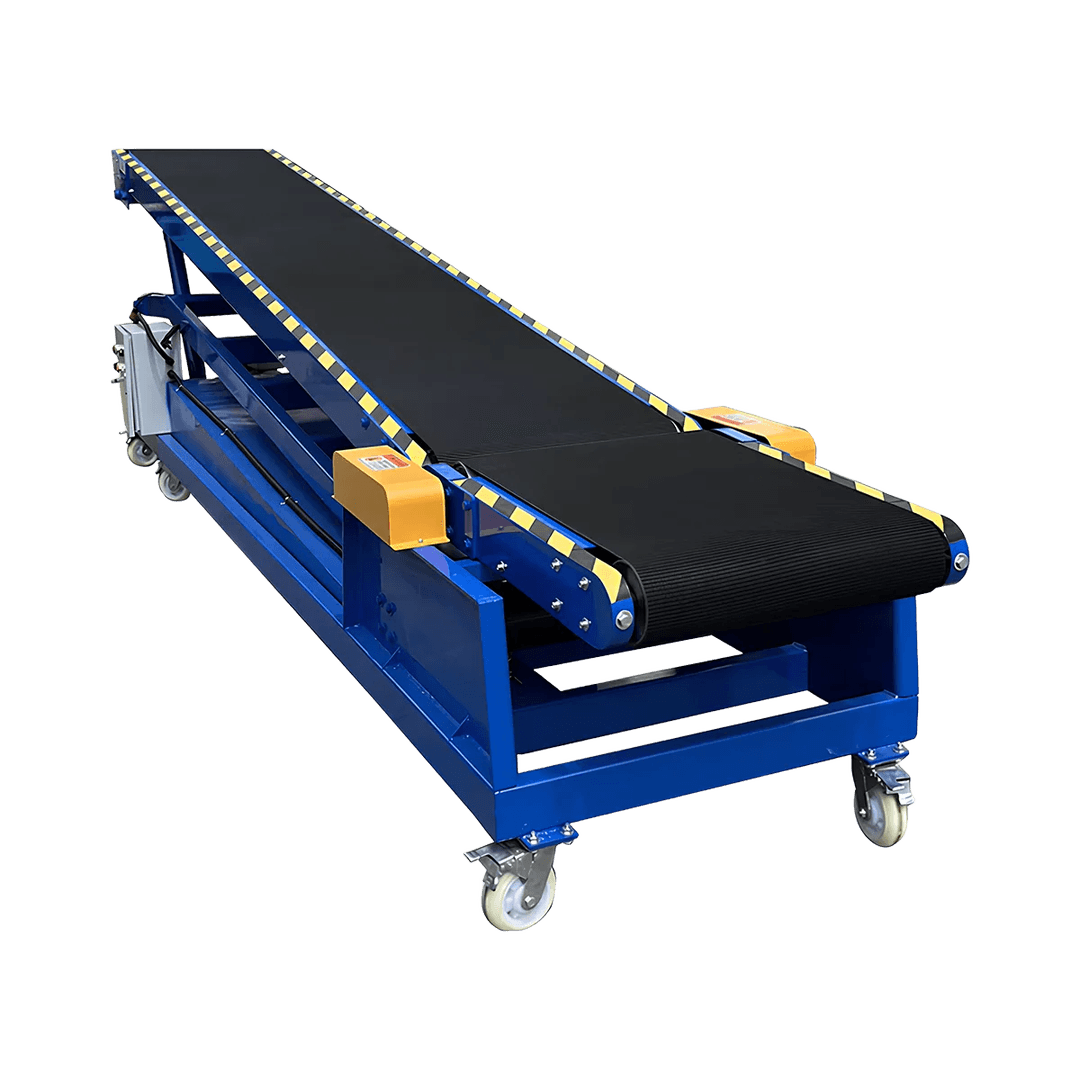
Hydraulic Conveyor Series
The hydraulic lifting conveyor is designed specifically for warehouses, factories, and logistics sites without loading docks. It enables smooth and sa…
Metal Drum
Plastic Drum
Roll
Carton
Bagged
Frequently Asked Questions (FAQ)
Q1: What types of cargo is a hydraulic loading conveyor suitable for?
A: It is suitable for regular-shaped cargo with flat bottoms that can roll, such as boxed, bagged, or barrel-packed goods. It is not suitable for bulk, irregular, or fragile unpackaged items.
Q2: Is operation by multiple people required?
A: The standard operating mode is two people: one is responsible for equipment positioning and lifting control, and the other assists with pushing or receiving cargo to ensure safety and efficiency.
Q3: Can it be used for container loading and unloading?
A: It can be adapted to standard containers such as 20GP and 40GP, but the appropriate model must be selected according to the container floor height, and the equipment support must remain stable.
Q4: Does the equipment support fully automated operation?
A: No. This equipment is a manual-assisted loading and unloading tool and requires full operator involvement throughout. It has no automatic recognition or unmanned operation functions.
Q5: Can it be used at narrow warehouse entrances?
A: Yes. The equipment can be folded and pushed into narrow areas, then unfolded and used together with a roller conveyor extending from the warehouse to the loading and unloading area, enabling flexible docking.
Q6: Can it be used on rainy days or outdoors?
A: It can be used in dry outdoor environments, but the hydraulic system and electrical components should not be exposed to rain or high-humidity conditions for long periods. Operation under a rain shelter is recommended.