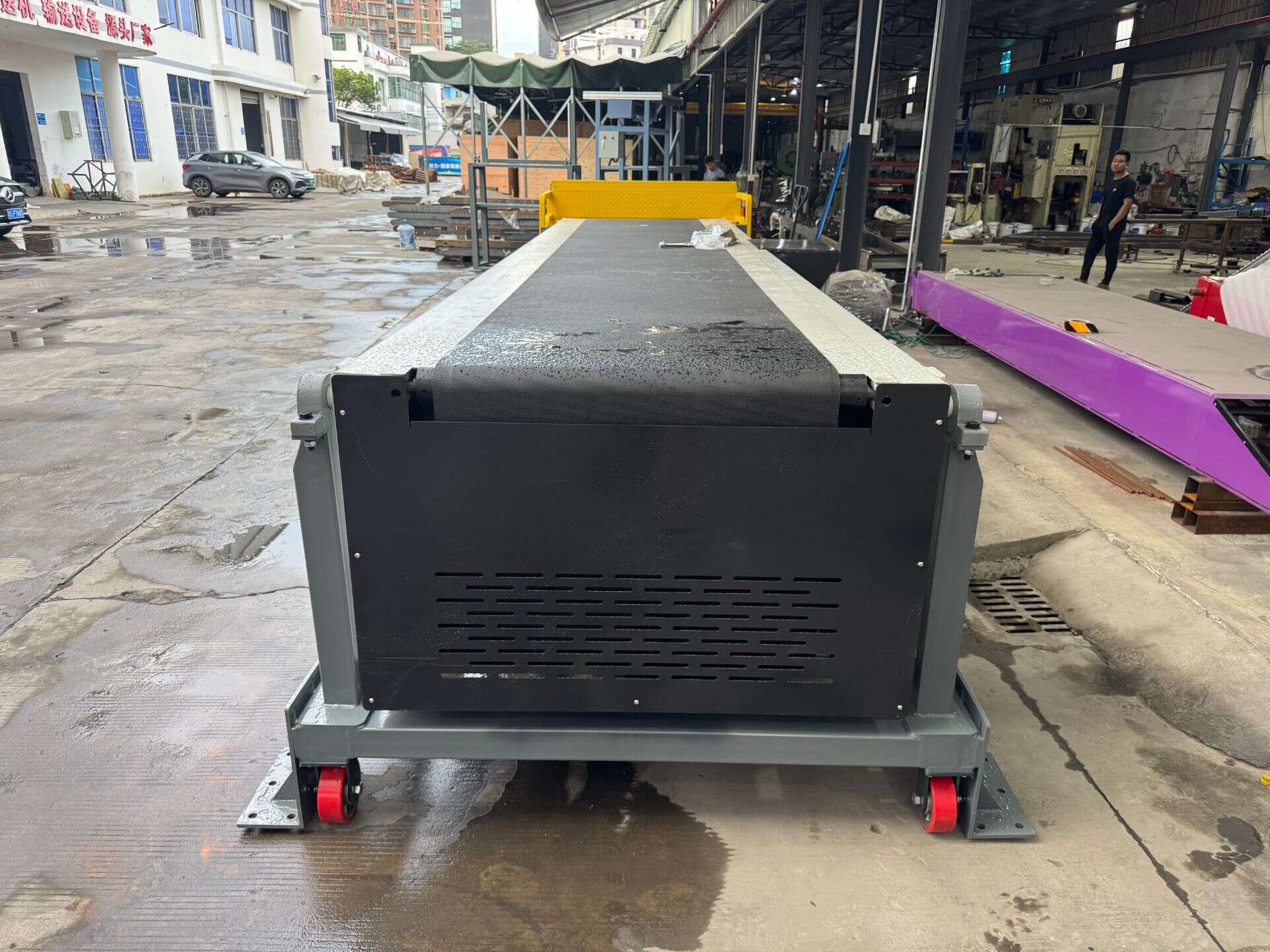
Decision scenarios for choosing a loading and unloading conveyor manufacturer
Loading and unloading conveyors are the "core equipment" used in warehouses and logistics sites for loading, unloading, and material transfer. Equipment selection not only determines truck turnover speed, personnel operating rhythm, and on-site adaptability, but also continuously affects maintenance costs, downtime risk, and system upgrade potential over a period of 5 to 10 years or more.
Faced with a market that ranges from comprehensive equipment manufacturers to specialized loading and unloading manufacturers, it is recommended that when selecting partners, your focus should expand from "buying a single machine" to "choosing a long-term manufacturing and service system." The following sections use loading and unloading scenarios as the center to outline the key points for evaluating manufacturers.
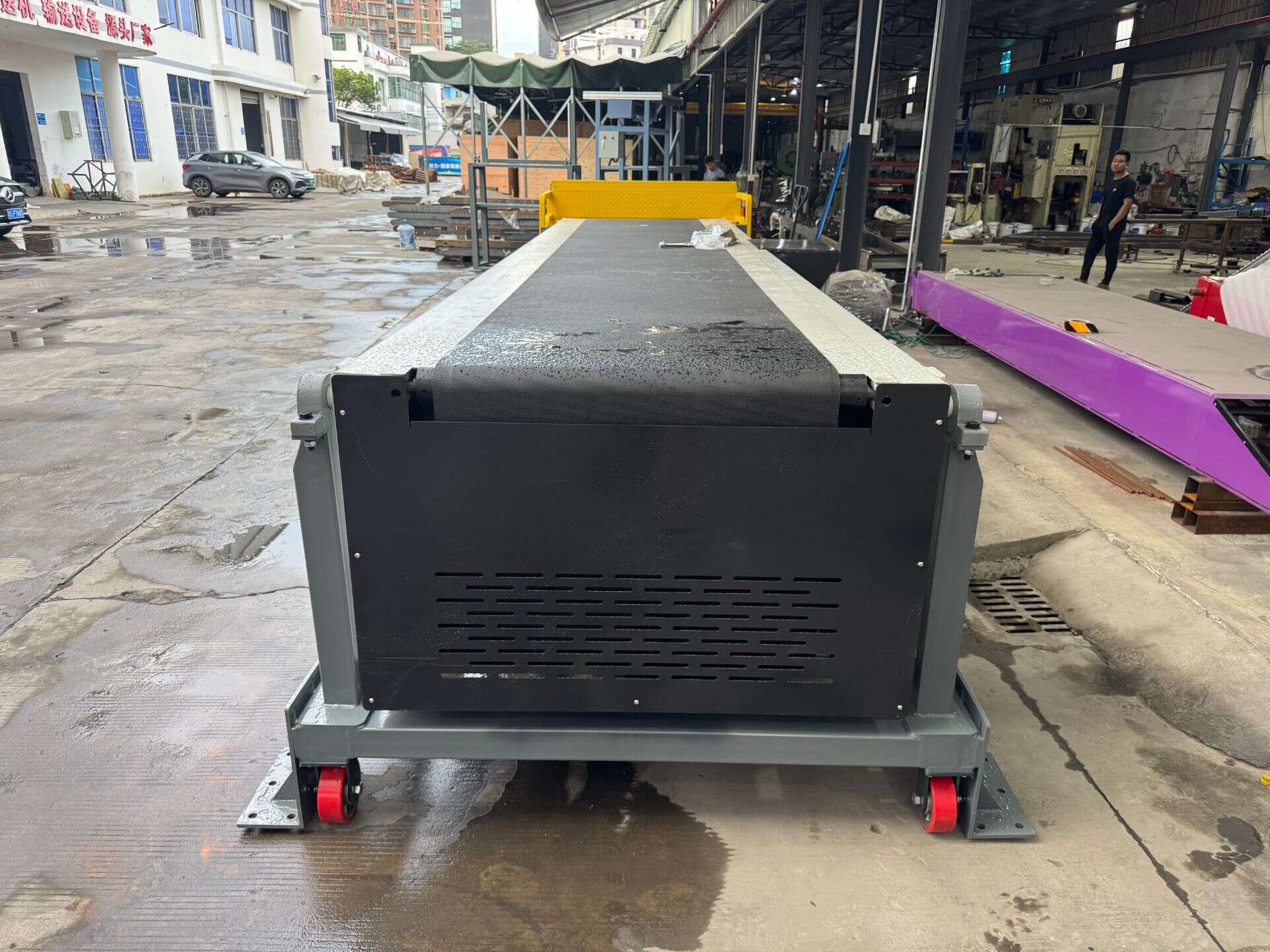
Key point 1: When choosing a loading and unloading conveyor manufacturer, first look at professional focus and scenario fit
When evaluating a loading and unloading conveyor manufacturer, you should first distinguish whether the other party is a "professional manufacturer for loading and unloading scenarios" or a "general-purpose supplier" covering various material handling equipment. The difficulties in loading and unloading operations are often concentrated in two types of issues:
- Compartment height changes: Different vehicle models and loading/unloading positions cause fluctuations in docking height
- Transfer stability: Whether goods remain stable and are less likely to jam when transitioning between the truck compartment and the ground system
Manufacturers that specialize in loading and unloading conveyors can usually provide more purpose-driven designs and recommendations focused on loading and unloading efficiency. For example:
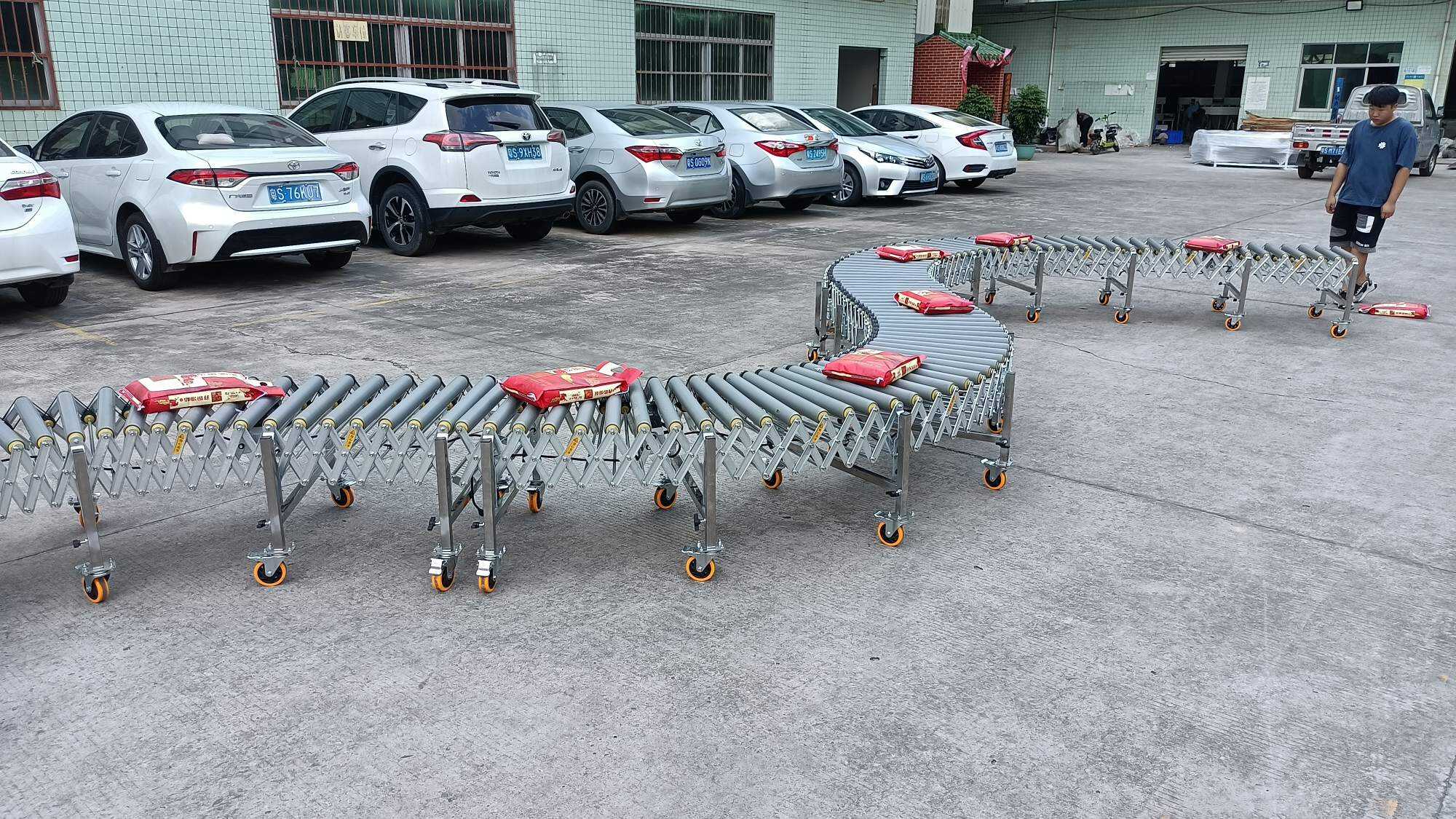
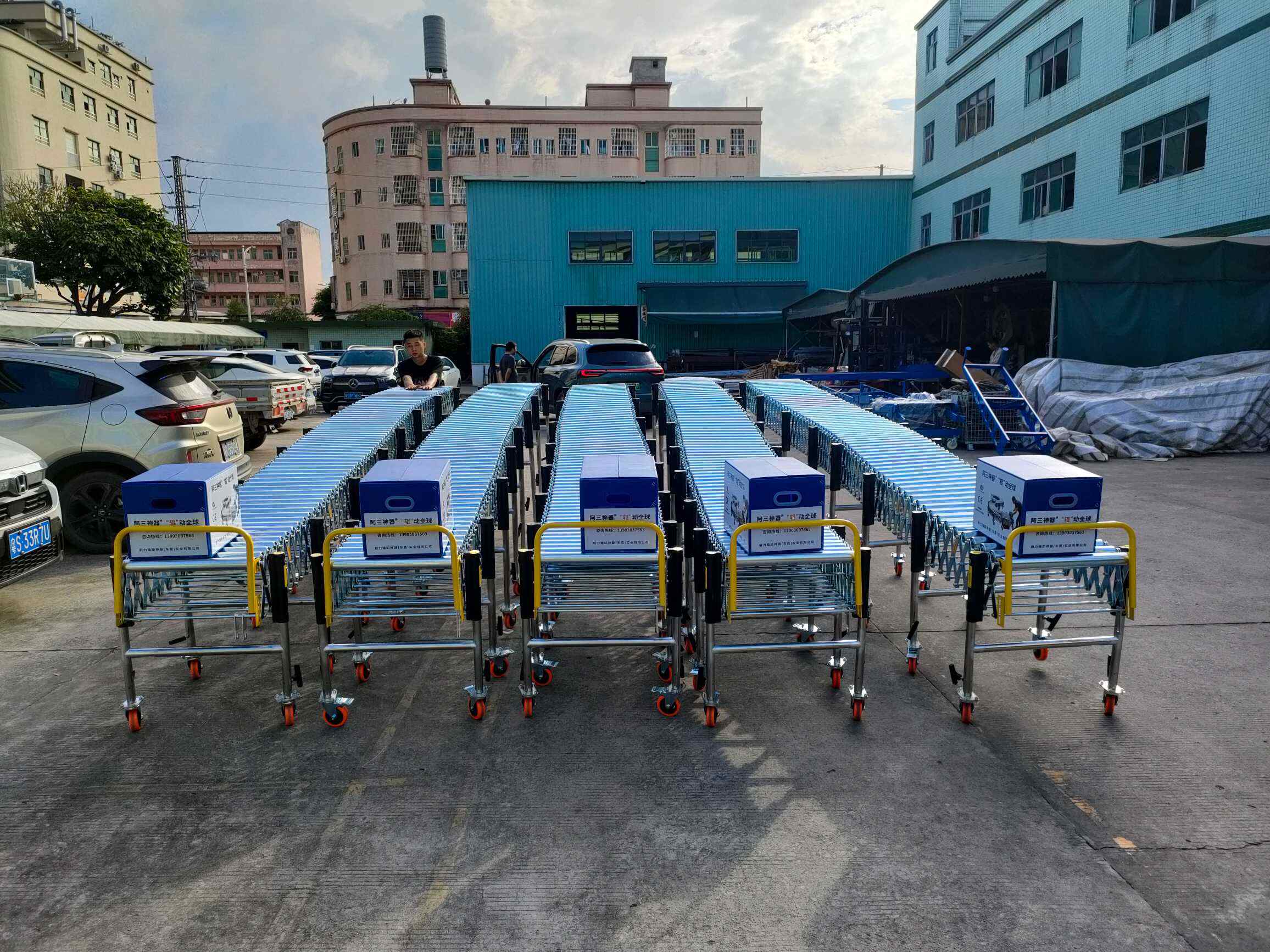
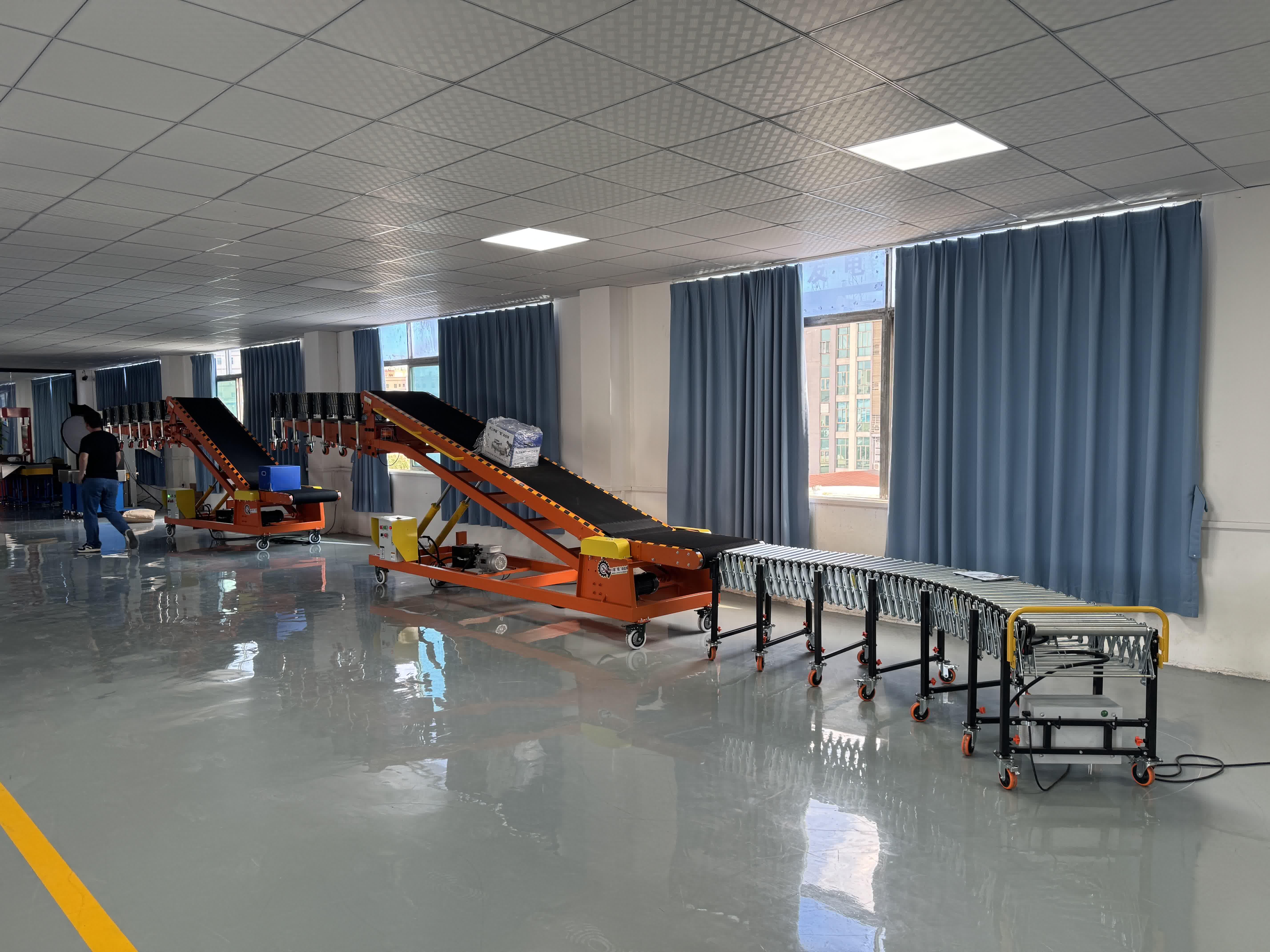
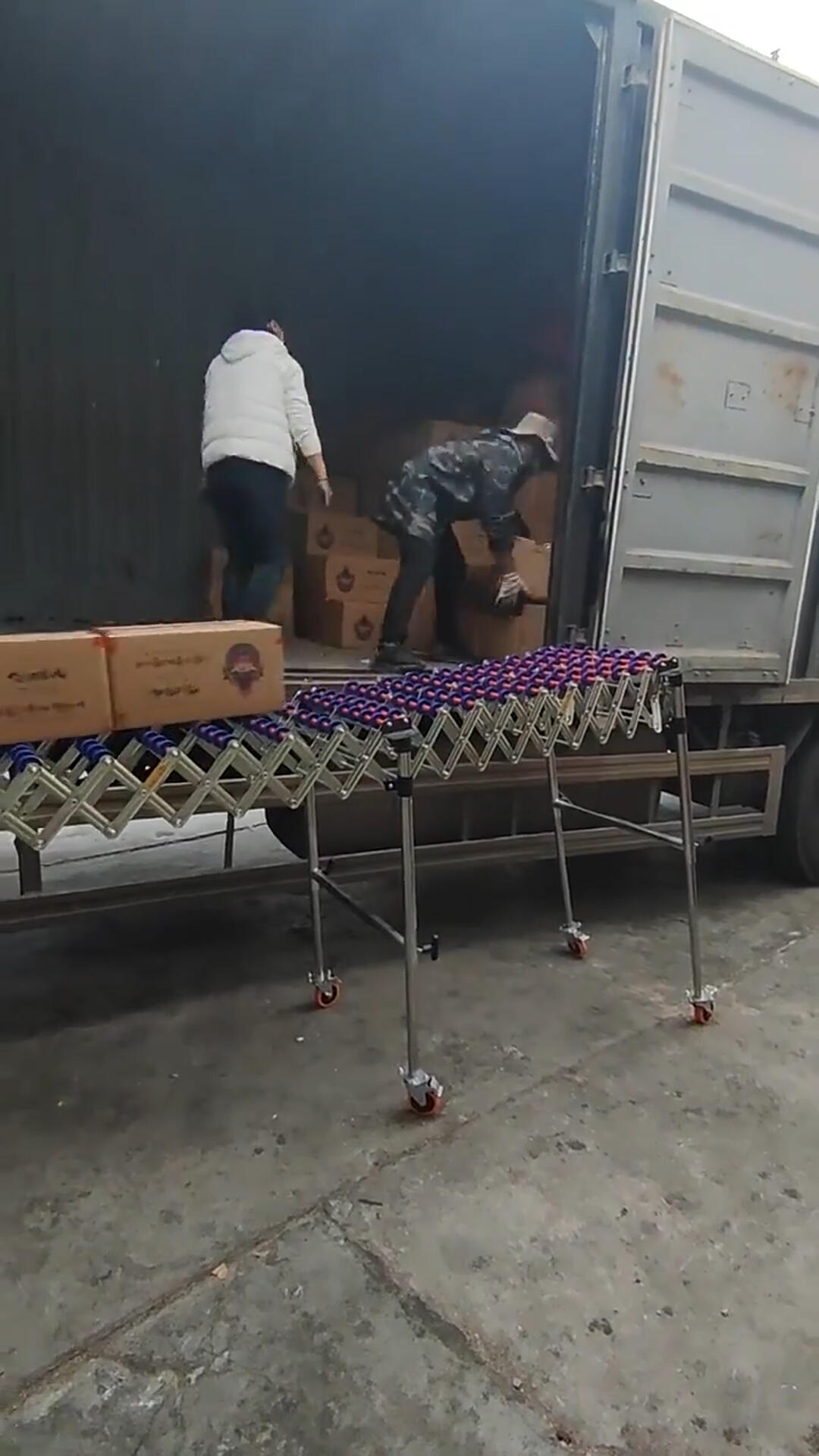
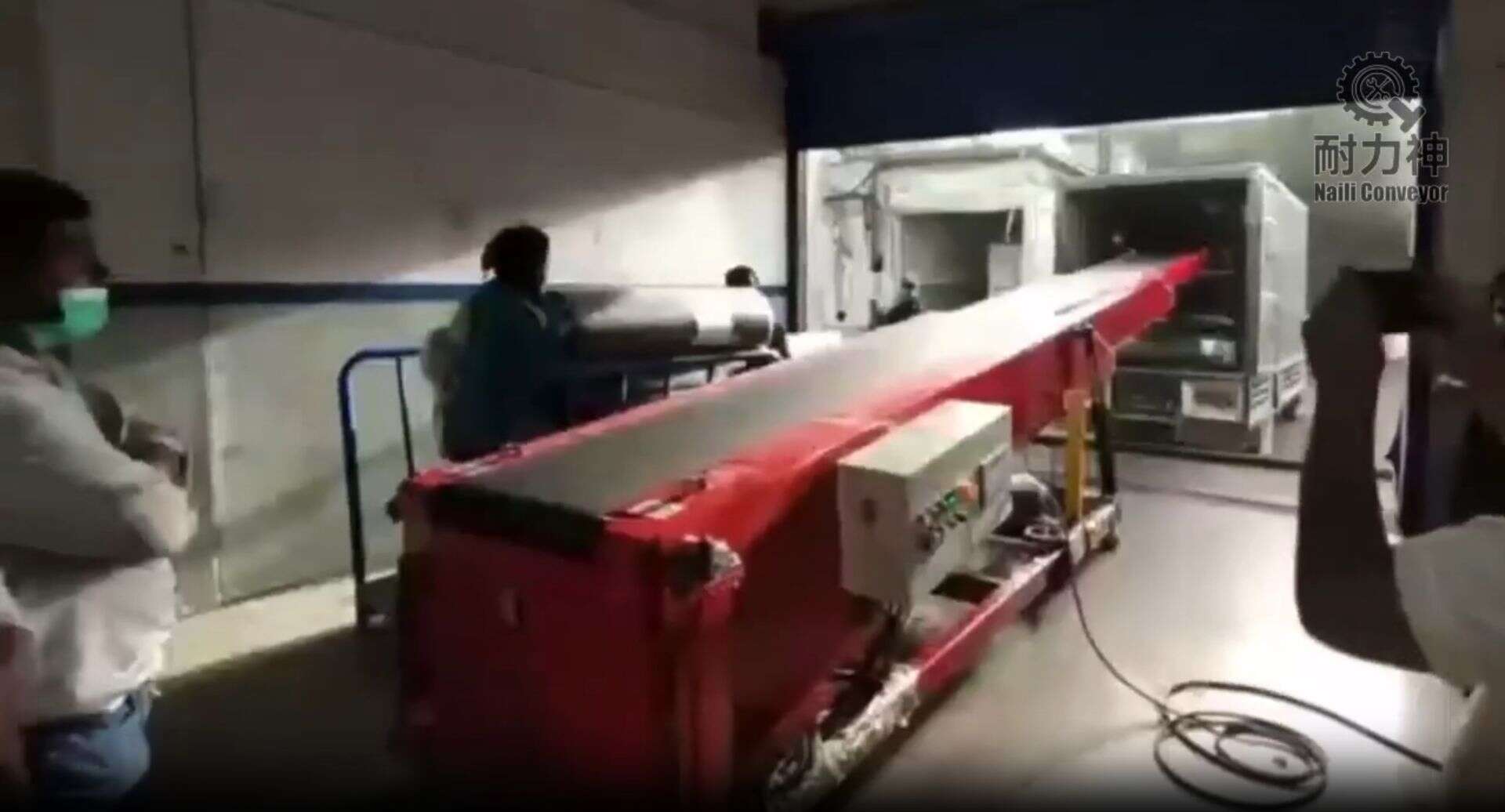
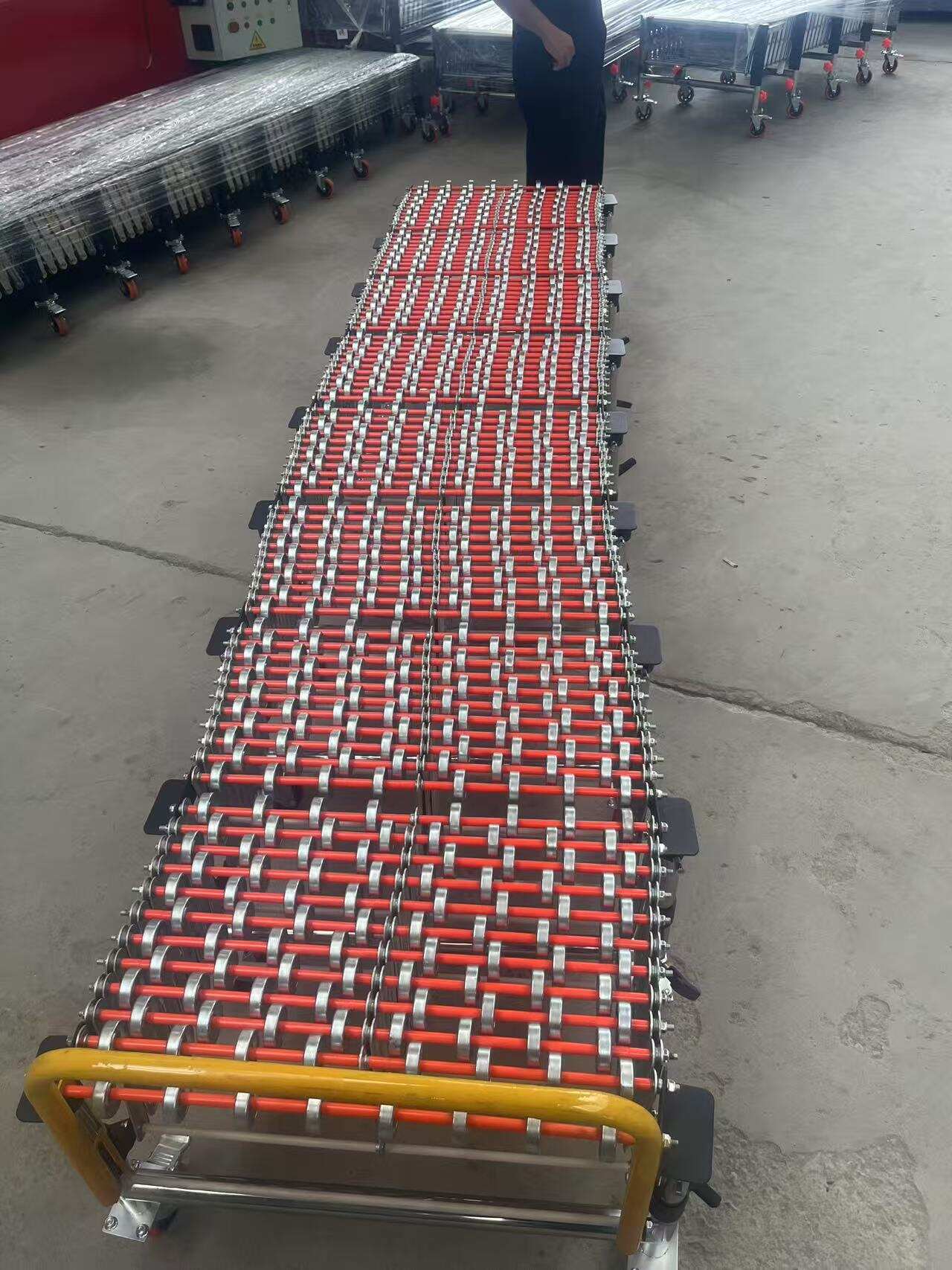
- Telescopic structure: Extends/retracts to shorten the manual handling distance and improve loading and unloading efficiency (related reading: Telescopic conveyor loading and unloading trucks)
- Hydraulic height adjustment: Raise or lower it to fit different truck bed heights and reduce reliance on fixed loading docks
At the same time, professional manufacturers can often provide recommendation logic that better matches real operating conditions: loading and unloading points with high frequency and fixed dock positions can usually gain efficiency benefits more easily from telescopic solutions; sites without fixed docks or with many changing connection points need greater attention to how well adjustable-height solutions can accommodate changes in truck bed height.
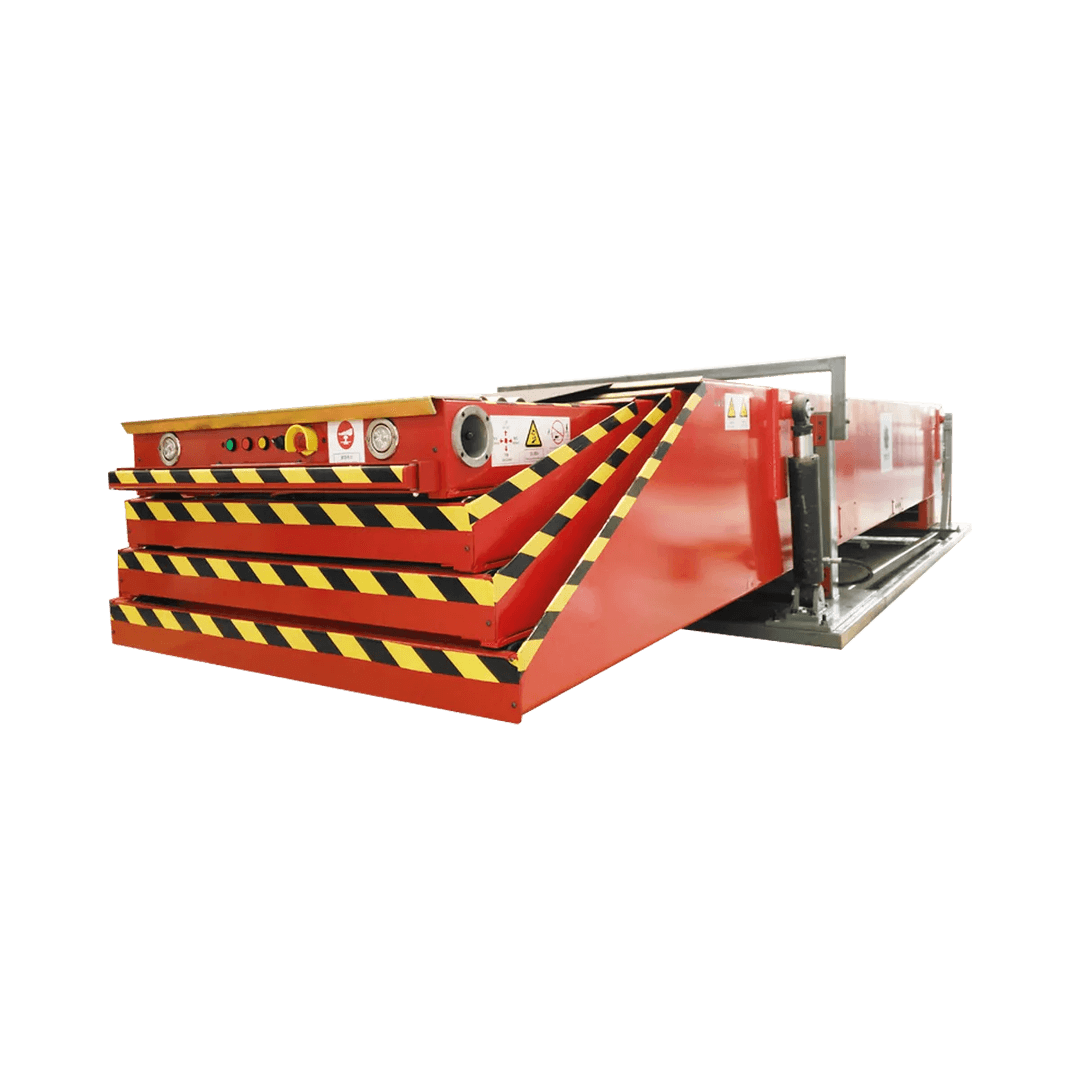
4-Section Telescopic Conveyor
Our four-section telescopic conveyor can extend up to 12–17 meters, reaching deep into trucks and containers to enable efficient and smooth loading an…

Metal Drum

Plastic Drum

Roll

Carton

Bagged
Key point 2: When choosing a loading and unloading conveyor manufacturer, be sure to verify manufacturing quality and critical components
The true cost of a loading and unloading conveyor goes far beyond the purchase price. If materials and critical components are under-specified or cut down, this often leads to higher failure rates, more frequent repairs, and longer downtime, ultimately affecting total cost of ownership and loading/unloading continuity.
For on-site evaluation, you can create a checklist by critical area:
- Frame and structural parts: steel thickness, welding consistency, anti-corrosion treatment, and more
- Rollers and bearings: specification matching, bearing quality, and dust-proof/sealing capability
- Drive system: whether the motor and gearbox configuration is suited to the load and operating intensity
- Belt: material, wear resistance, anti-slip performance, and match to the goods being handled
- Electrical controls: component quality, circuit protection, control panel durability, and ease of maintenance
Note: Some manufacturers provide examples of materials, specifications, and selection terminology in their documentation (for example, different steel grades, roller structures, electrical components, and belt configurations). This information is better used as a reference for how to read parameters and verify configurations, and for comparing how different manufacturers trade off critical components, but it should not be directly equated with your project’s on-site configuration. Related cases: Building materials warehouse loading and unloading solution.
Key point 3: When choosing a loading and unloading conveyor manufacturer, verify customization capabilities, modular expansion, and after-sales support
Differences in loading and unloading operations come from the industry, cargo form, site layout, and future changes. When choosing a manufacturer, it is recommended to break down "whether it can fit now" and "whether it can handle changes" into verifiable questions.
1) Customization capability: clarify the boundaries
Focus on whether the manufacturer can provide matching solutions across the following dimensions, and clearly state the achievable scope and limitations:
- Dimensions: width, length, height/height-adjustment range
- Performance: speed adjustment, load capacity
- Power supply: compatibility with on-site power conditions
- Environment: material and protection choices for indoor/outdoor, humid, or corrosive conditions
2) Modularity and expansion: not only look at whether it can connect, but also clarify what cannot be connected
A good loading and unloading system usually needs to connect with other conveyor equipment and be scalable and reconfigurable when business changes. During evaluation, it is recommended to confirm the following at the same time:
- How different types of conveyors connect and how they are controlled
- Whether the extendable length and configuration have a clear upper limit
- Whether compatibility restrictions are transparent (for example, the original text mentions that certain combinations are not available)
3) After-sales service and spare parts: the key factor in downtime cost
Even the best equipment cannot do without maintenance. A manufacturer’s investment in after-sales support, spare parts, and documentation directly determines whether a failure becomes a "brief pause" or a "long shutdown." When evaluating, pay close attention to:
- Warranty: duration and scope, what is covered and what is not, and the claims process
- Spare parts: stock and lead time for common wear parts, compatibility and supply capability for older equipment versions
- Technical support: response methods, installation guidance, maintenance training
- Maintenance documents: whether preventive maintenance recommendations, common fault troubleshooting, and replacement procedures for belts and electrical parts are clear
Finally, it is recommended to use "verifiable cases and the depth of documentation" to assess the manufacturer’s real capability: whether they can clearly explain the working principle, advantages, and limitations; whether they remain transparent about maintenance and constraints; and whether they can provide sufficiently detailed technical documentation to support implementation.
Further reading:
Telescopic conveyor truck loading and unloading selection | Telescopic roller conveyor loading and unloading warehousing