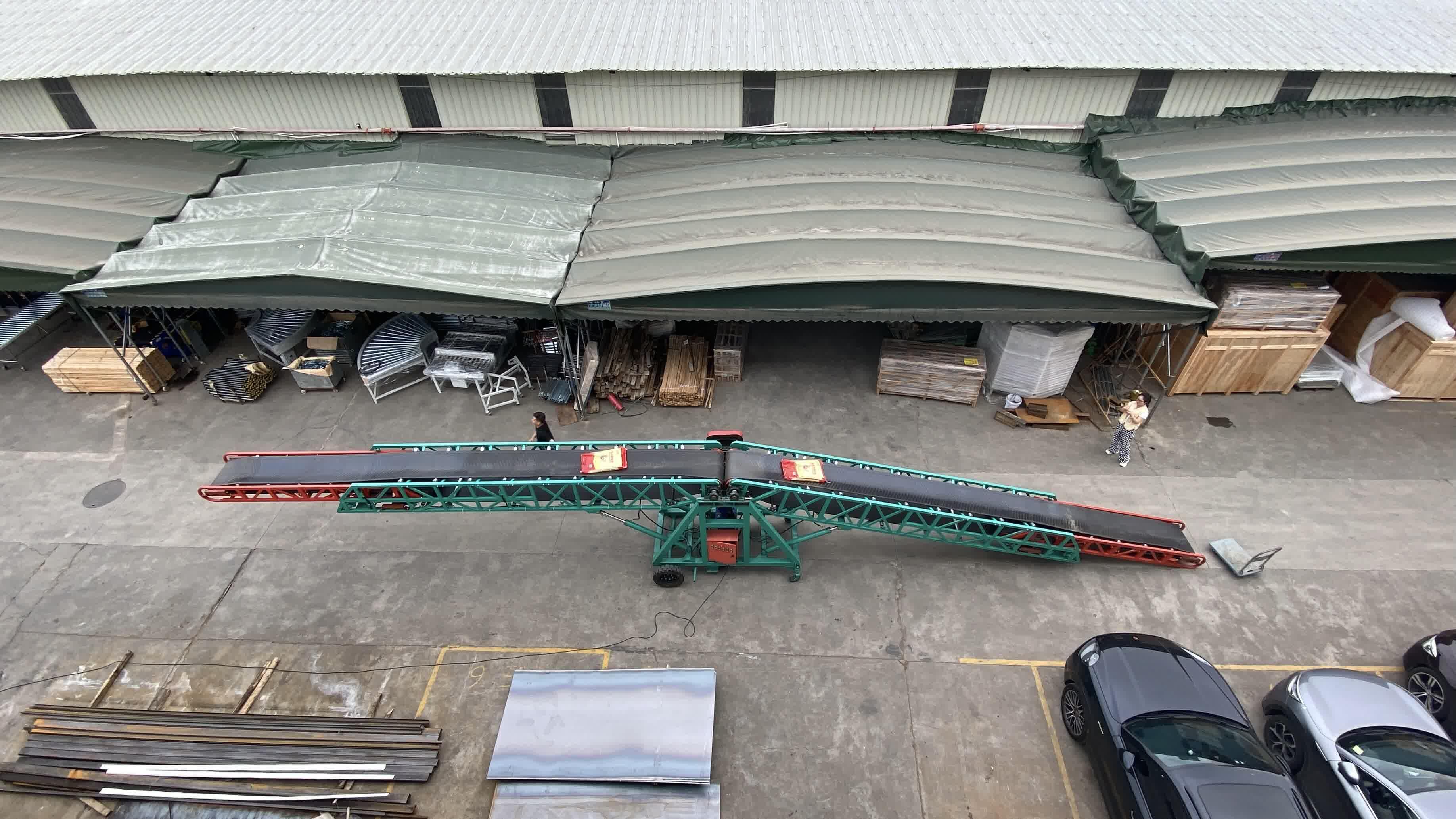
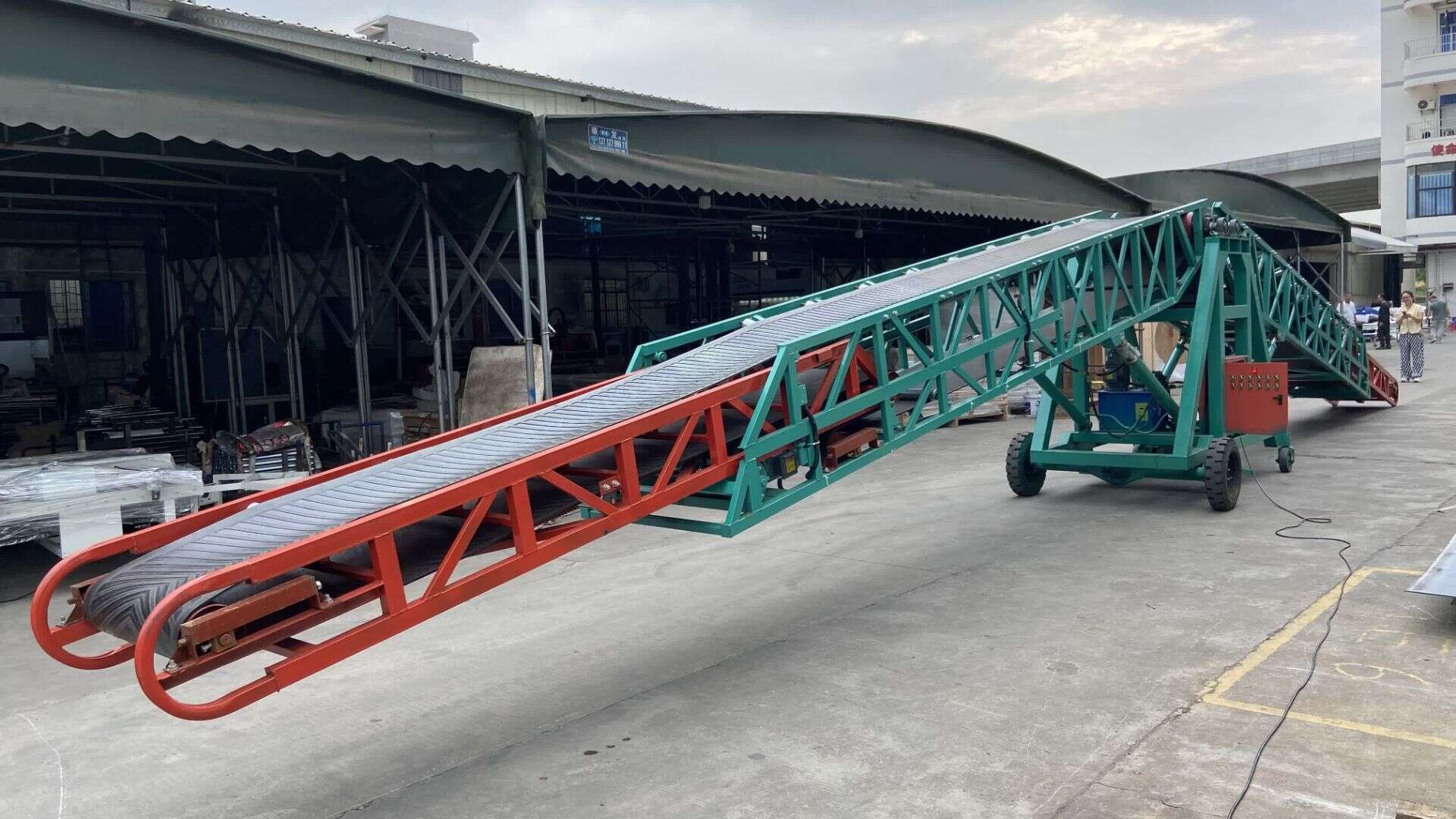
Why a Double Wing Conveyor manufacturer page should start by answering the applicable working conditions
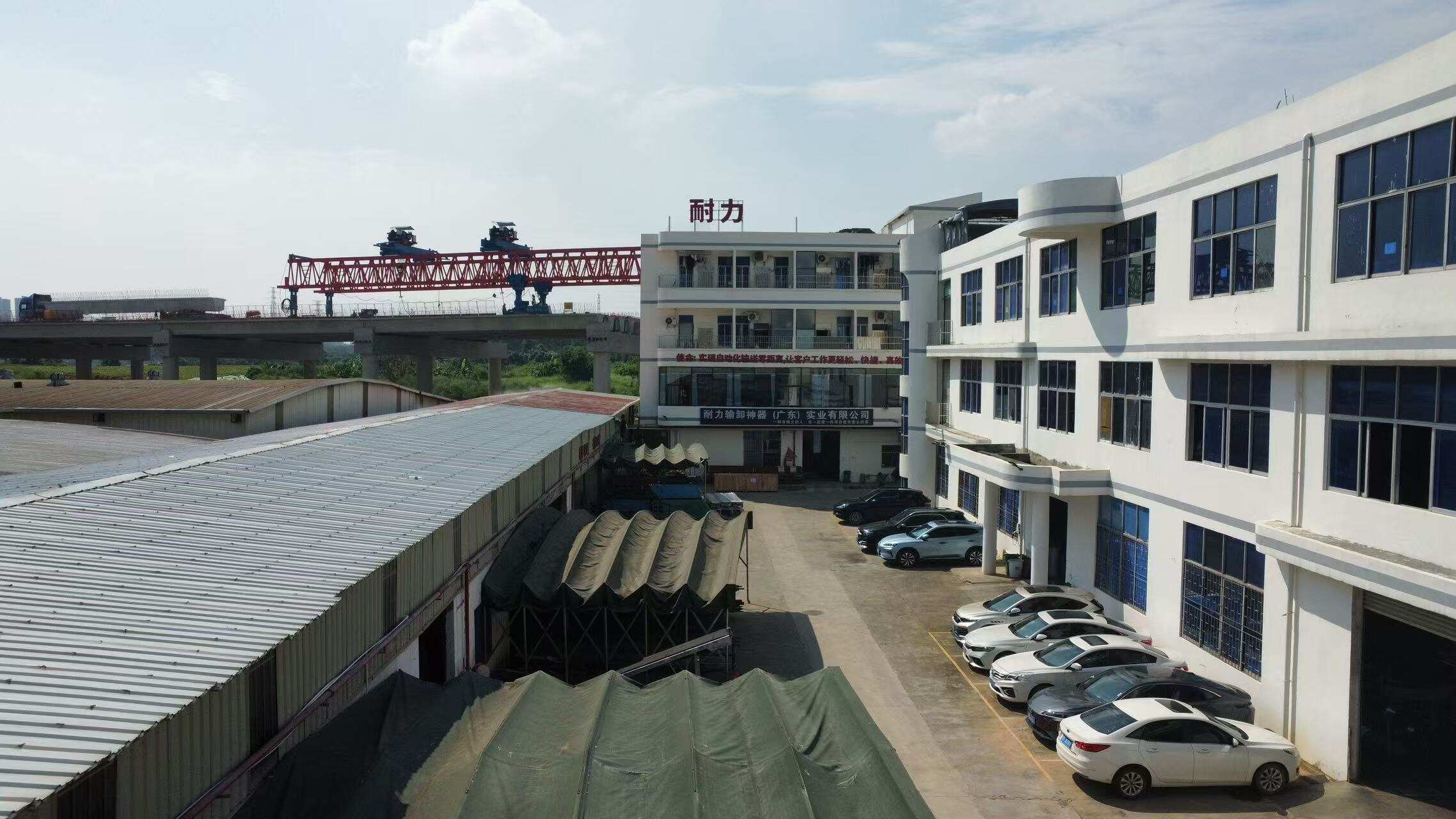
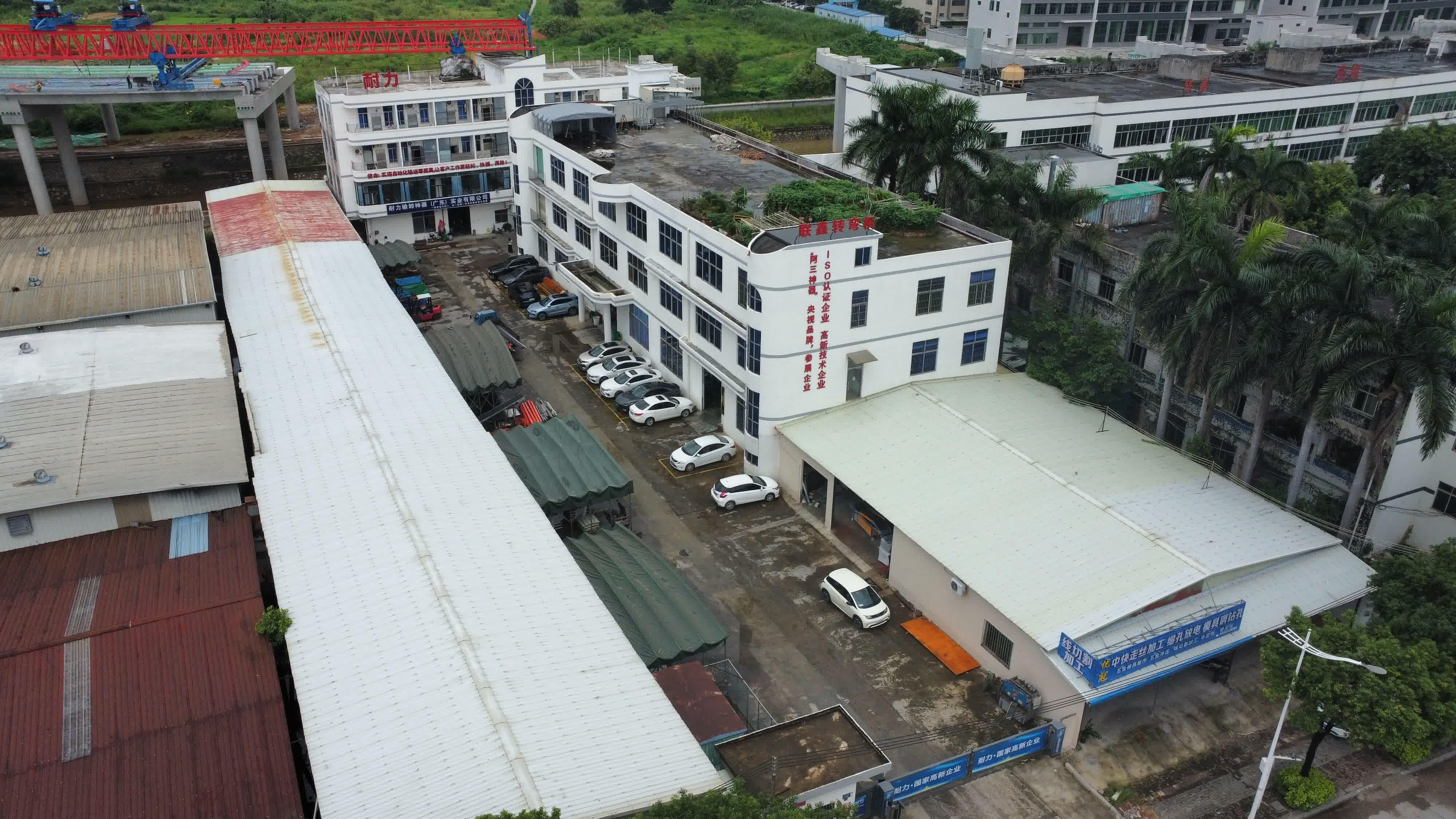
As a Double Wing Conveyor manufacturer, Naili Conveyor (Guangdong NAILI Logistics Special Equipment Manufacturing CO., LTD.) hopes that pages like this first help procurement, equipment, and operations teams determine whether the site is suitable for this equipment route, rather than rushing to put the model into a shopping list. What really affects launch performance is often whether the operating workflow runs smoothly, whether the cycle time is stable, and whether later maintenance remains controllable.
For Double Wing Conveyor manufacturers, common searches often focus on questions such as "Double Wing Conveyor loading conveyor manufacturer, Double Wing Conveyor unloading conveyor manufacturer, Double Wing Conveyor warehouse transfer equipment, Double Wing Conveyor logistics loading and unloading solution, Double Wing Conveyor custom manufacturing." These may look like keywords, but they actually correspond to clear working-condition judgments: whether there is a height difference on site, whether the conveyor needs to extend into the truck body, whether the cargo is prone to slipping, whether dual-station coordination is required, and whether floor-to-floor integration is needed. The page content must clearly explain these questions in order to match the semantics of a manufacturer title.
Double Wing Conveyor application scenarios and the boundaries of manufacturer customization
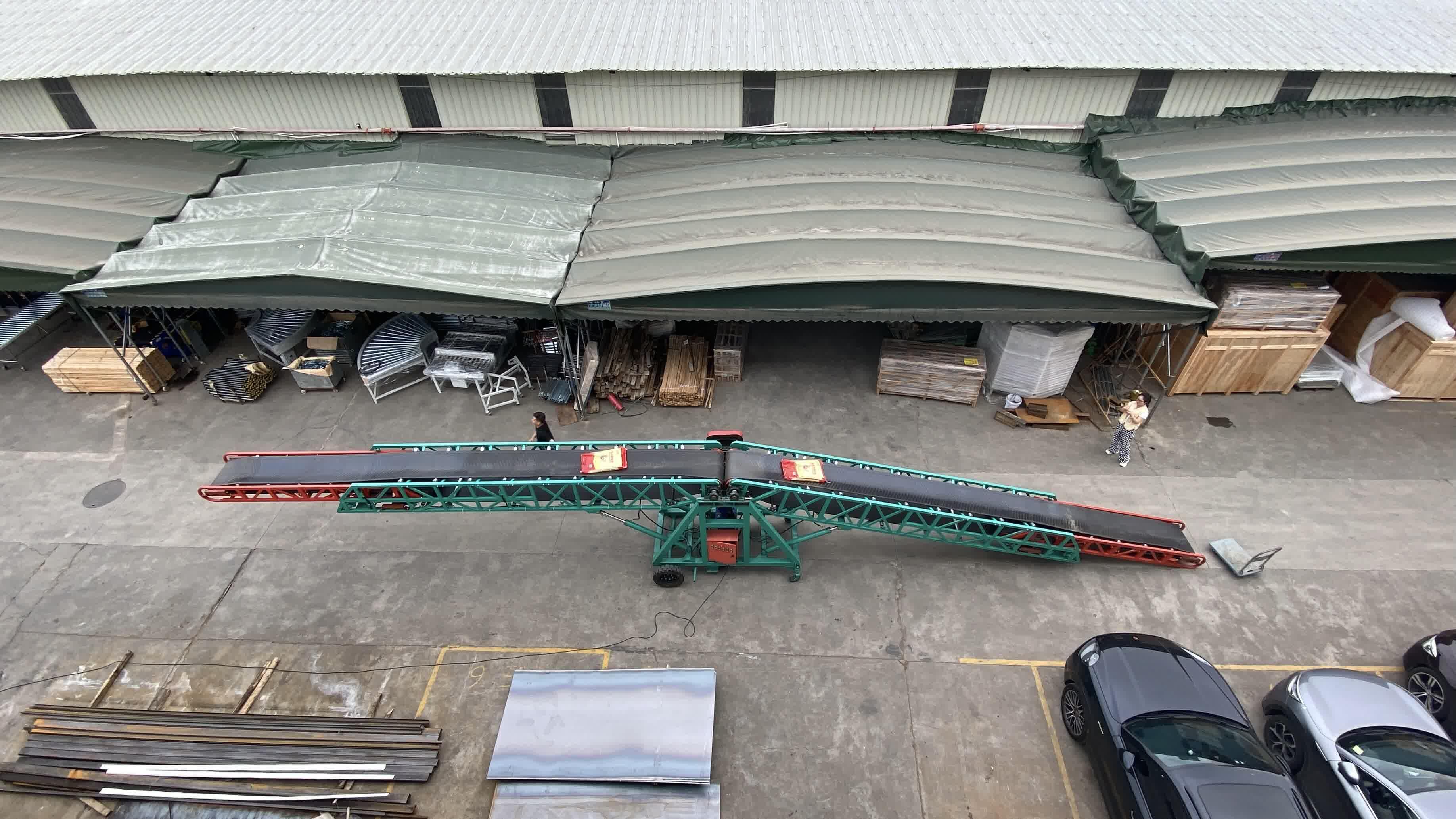
- Feed mill dual-station conveying: for different loading, unloading, or transfer lines.
- Inter-floor transfer: for different loading, unloading, or transfer lines.
- Parallel loading and diversion: for different loading, unloading, or transfer lines.
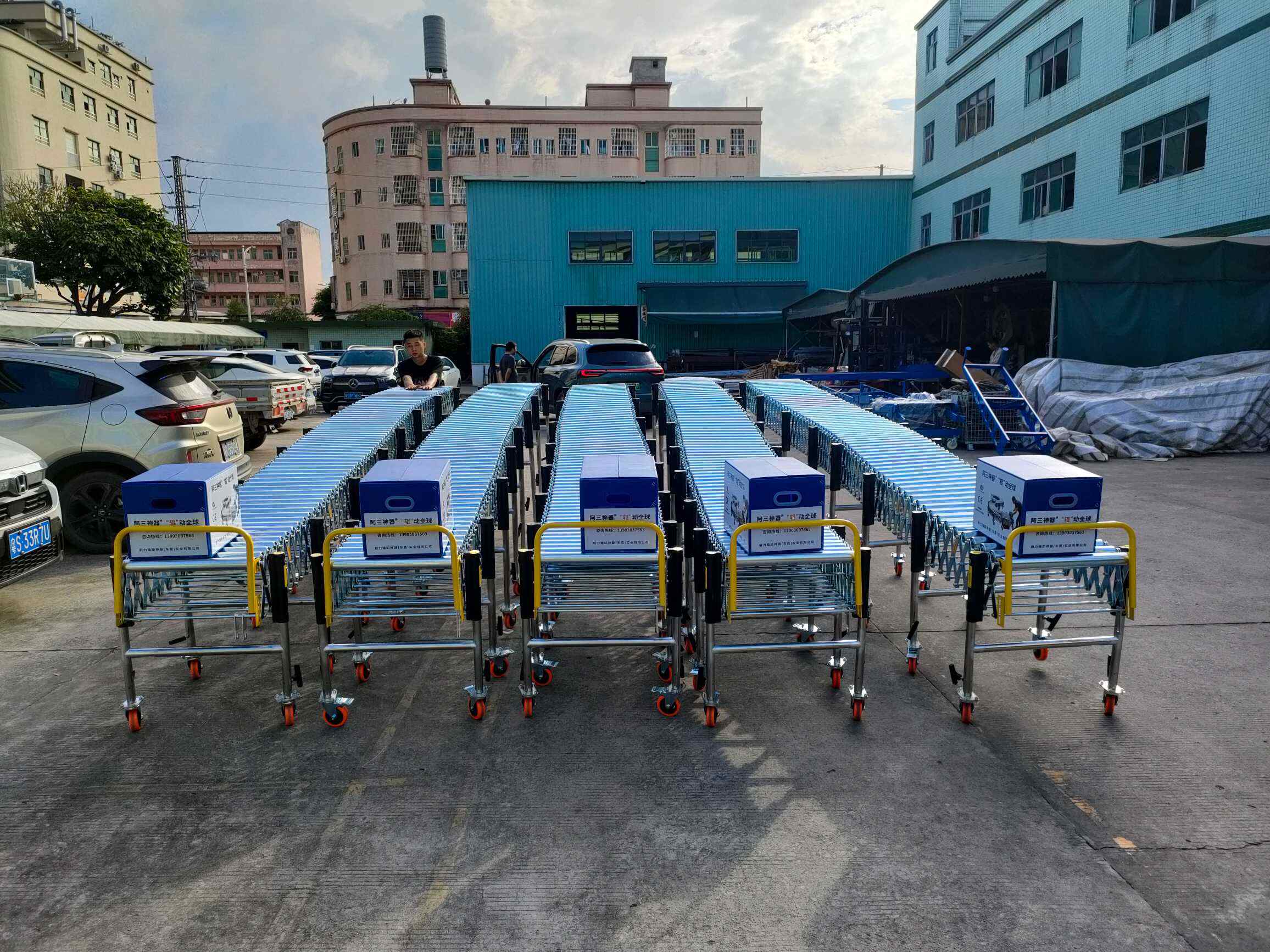
Common custom items that need to be confirmed together on the manufacturing side include wing width, lifting stroke, station layout, turning method, and retraction method. First map out the path of the workstations on both sides, then determine how the double wings unfold and retract. If station changes are frequent, pay close attention to retraction efficiency and safety boundaries.
How are models classified under Double Wing Conveyor
- Double Wing Conveyor: Its value lies not in big specifications, but in whether the workstations on both sides can truly work together.
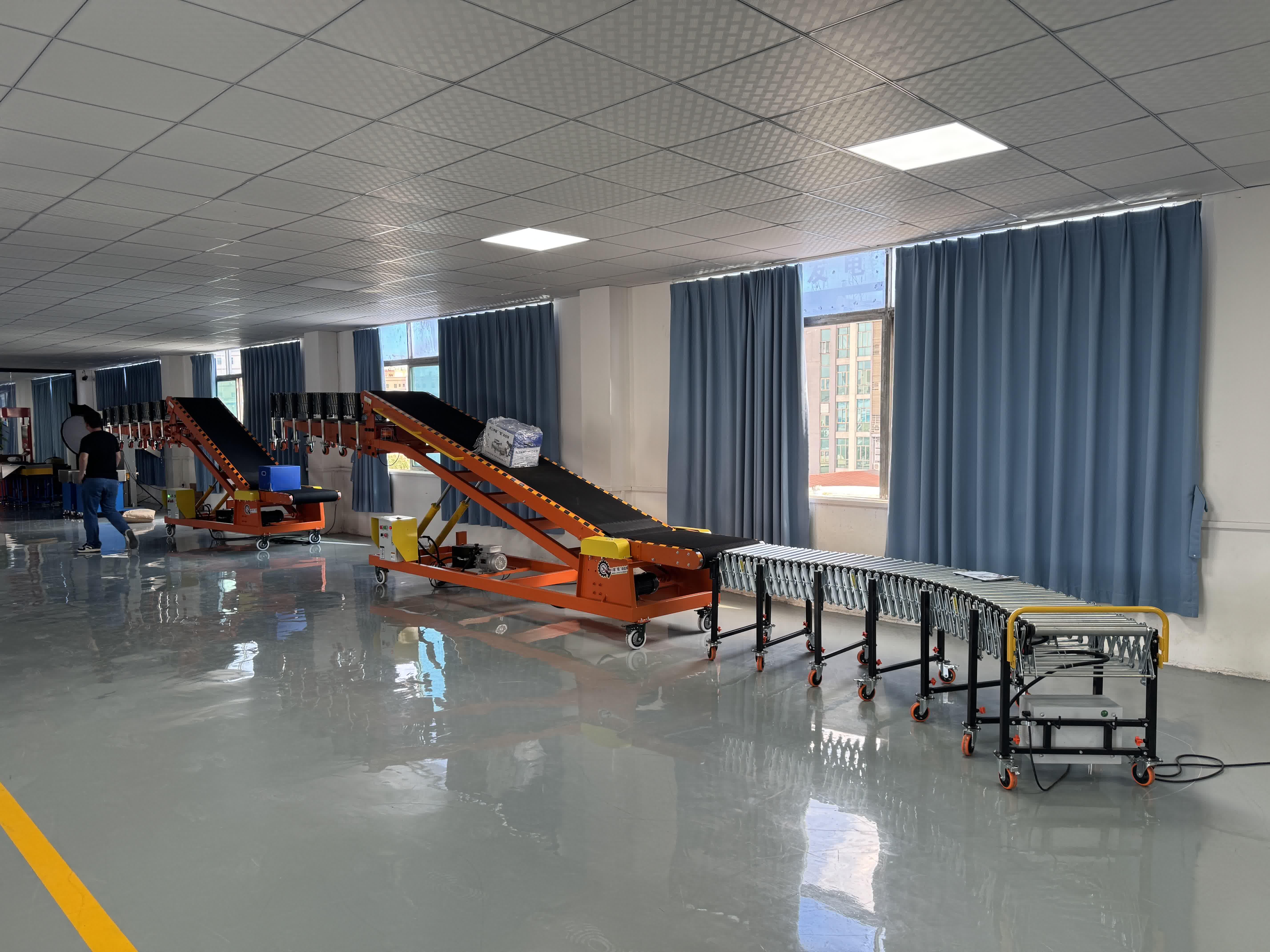
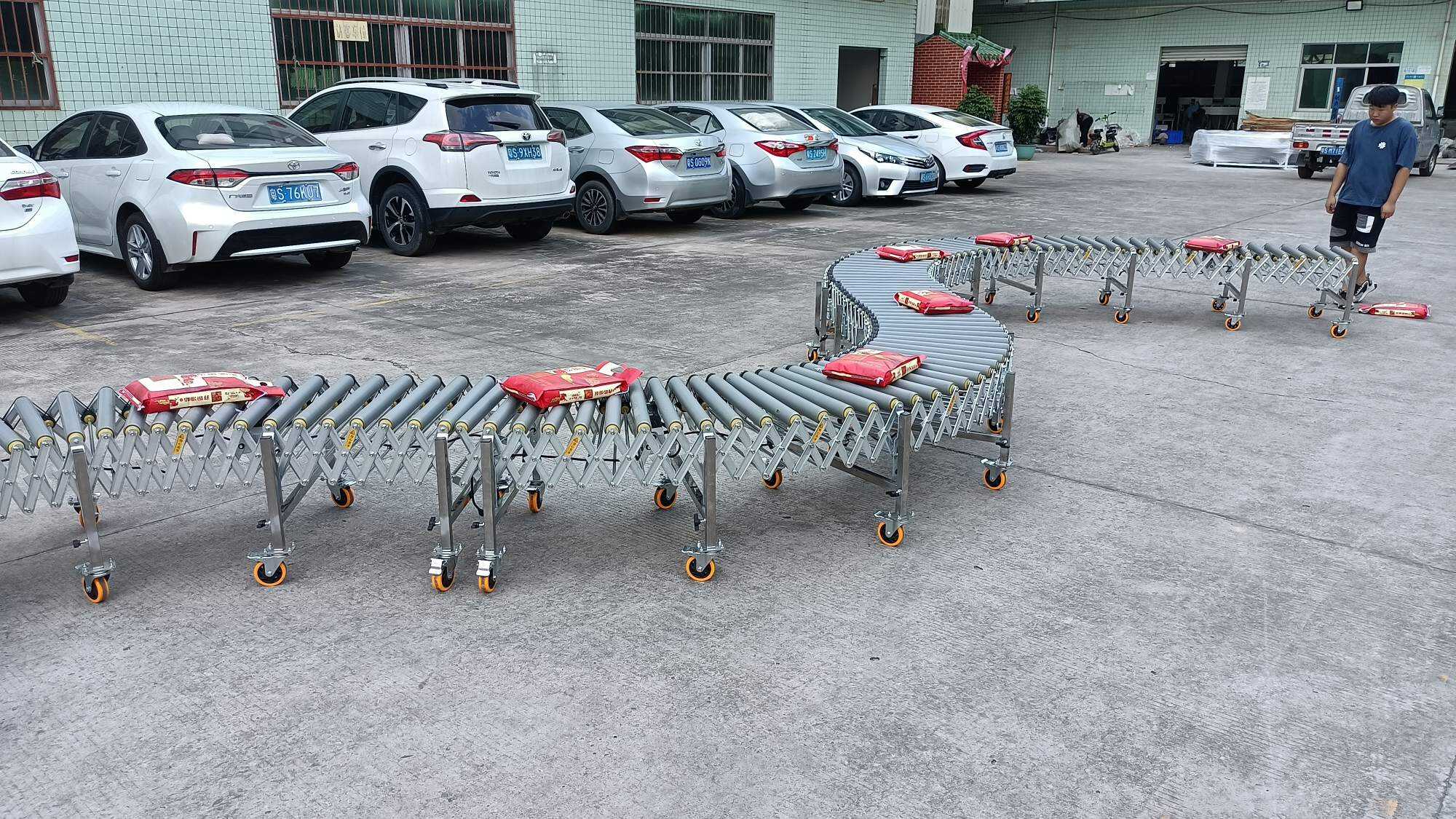
If you need to compare across categories, you can also continue to view Telescopic Conveyor, Hydraulic Conveyor, Powered Roller Conveyor, Gravity Roller Conveyor and Vertical Conveyor and compare the manufacturing route with the on-site route on the same diagram.
Double Wing Conveyor cases, media, and acceptance focus points
- Feed mill floor conveying: Double Wing Conveyor: on-site cases centered on loading, unloading, or warehouse transfer.
- Powder detergent warehouse loading conveying solution: on-site cases centered on loading, unloading, or warehouse transfer.
- Logistics warehouse loading conveying solution: on-site cases centered on loading, unloading, or warehouse transfer.
- 25 kg bagged feed loading and unloading solution: on-site cases centered on loading, unloading, or warehouse transfer.
During acceptance, it is recommended to focus on continuity during peak shifts, integration with upstream and downstream equipment, whether the maintenance access is clear, and whether operators can consistently reproduce the cycle time. Only then can you verify whether the content provided by the Double Wing Conveyor manufacturer can truly be implemented on site, rather than merely looking complete on the webpage.