Core challenges in mixed-package scenarios
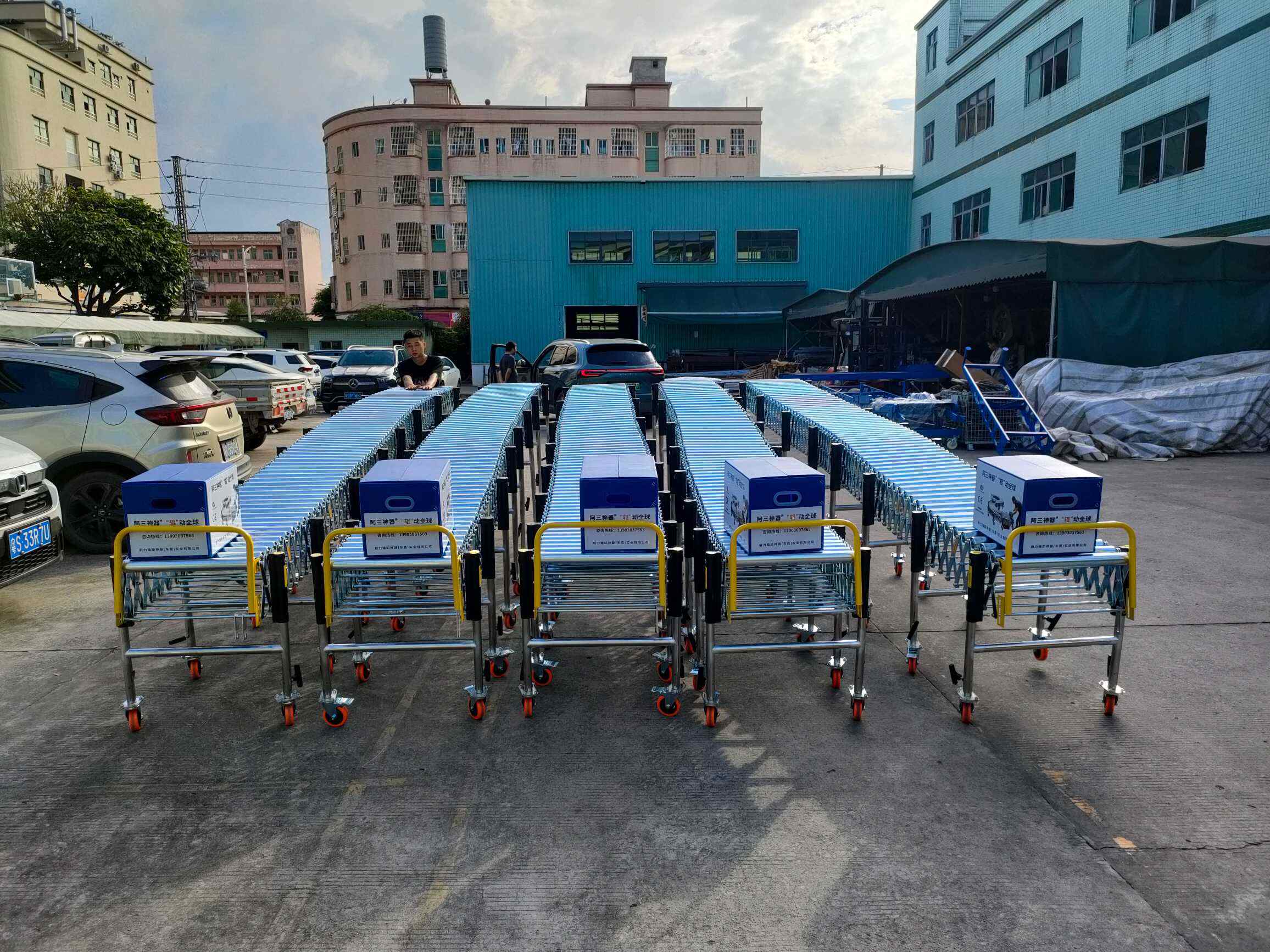
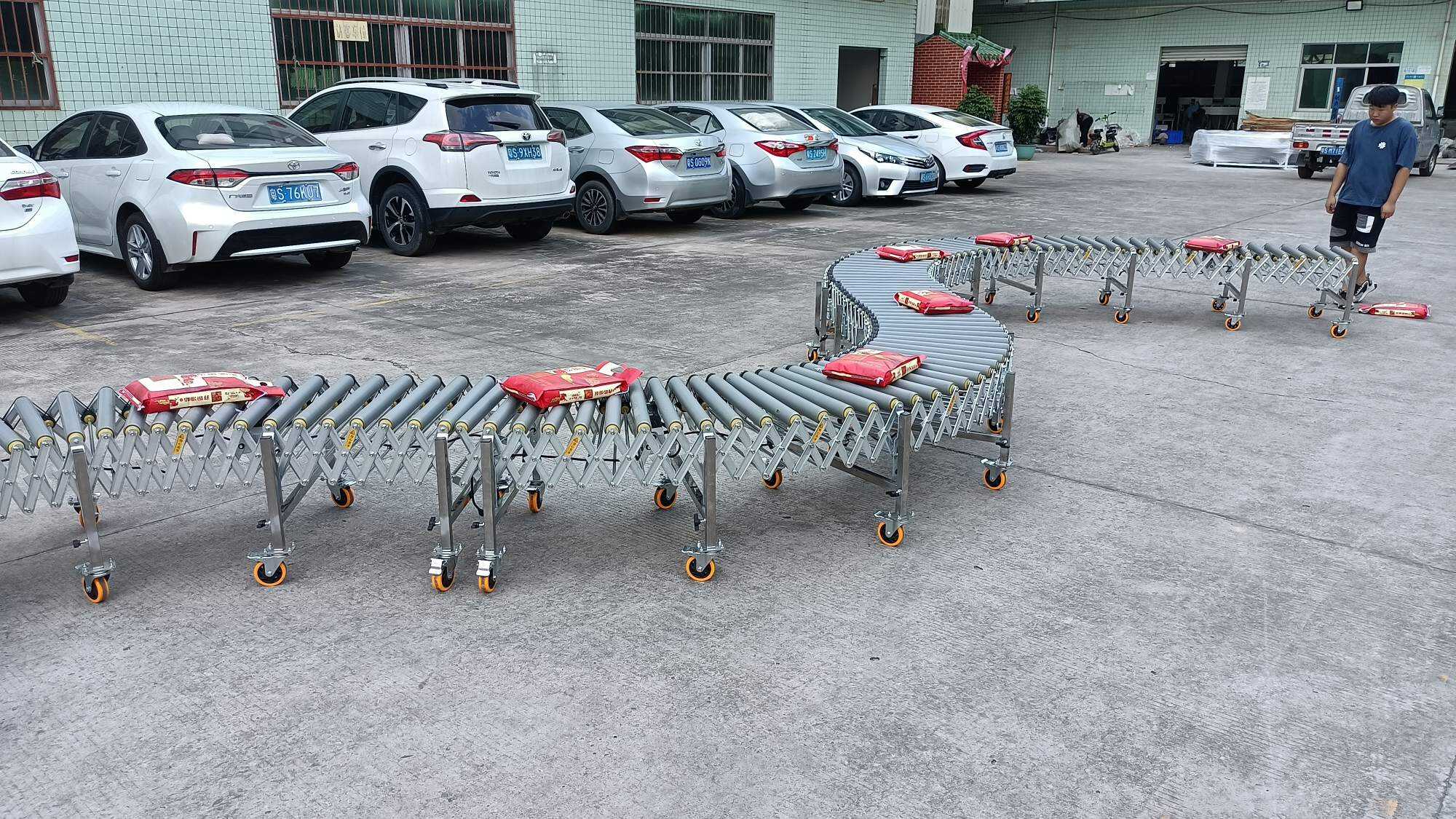
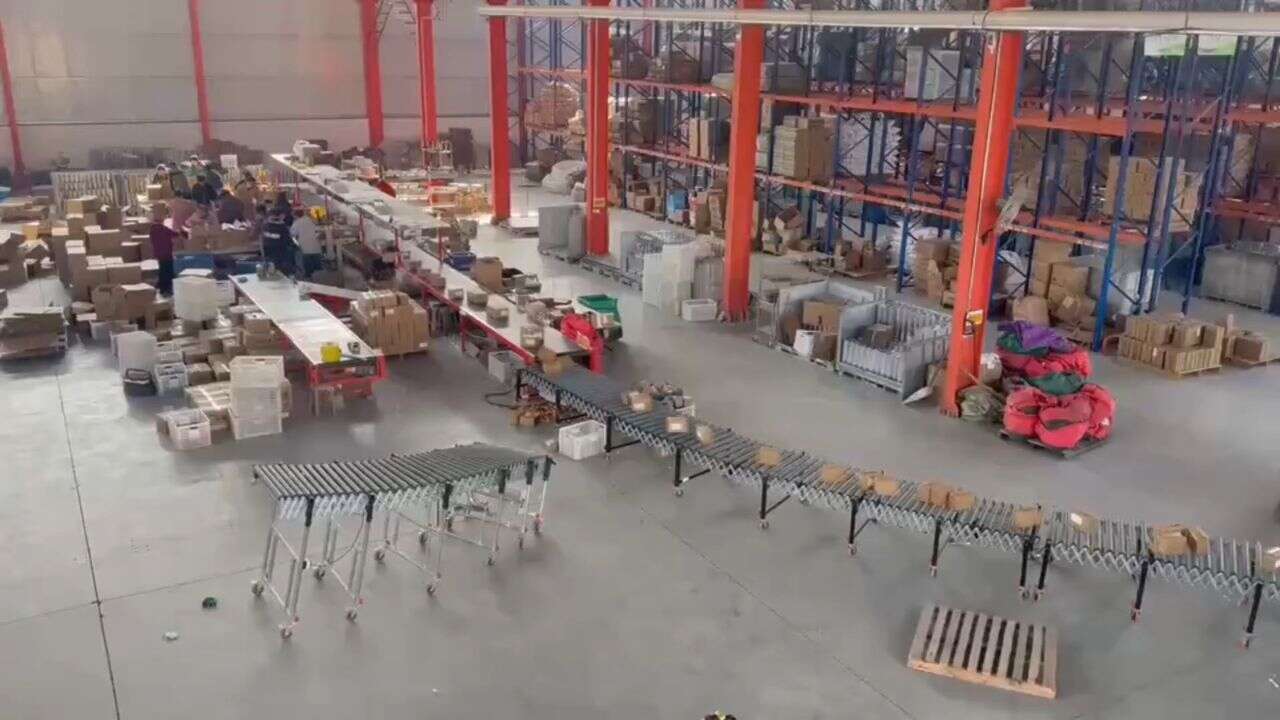
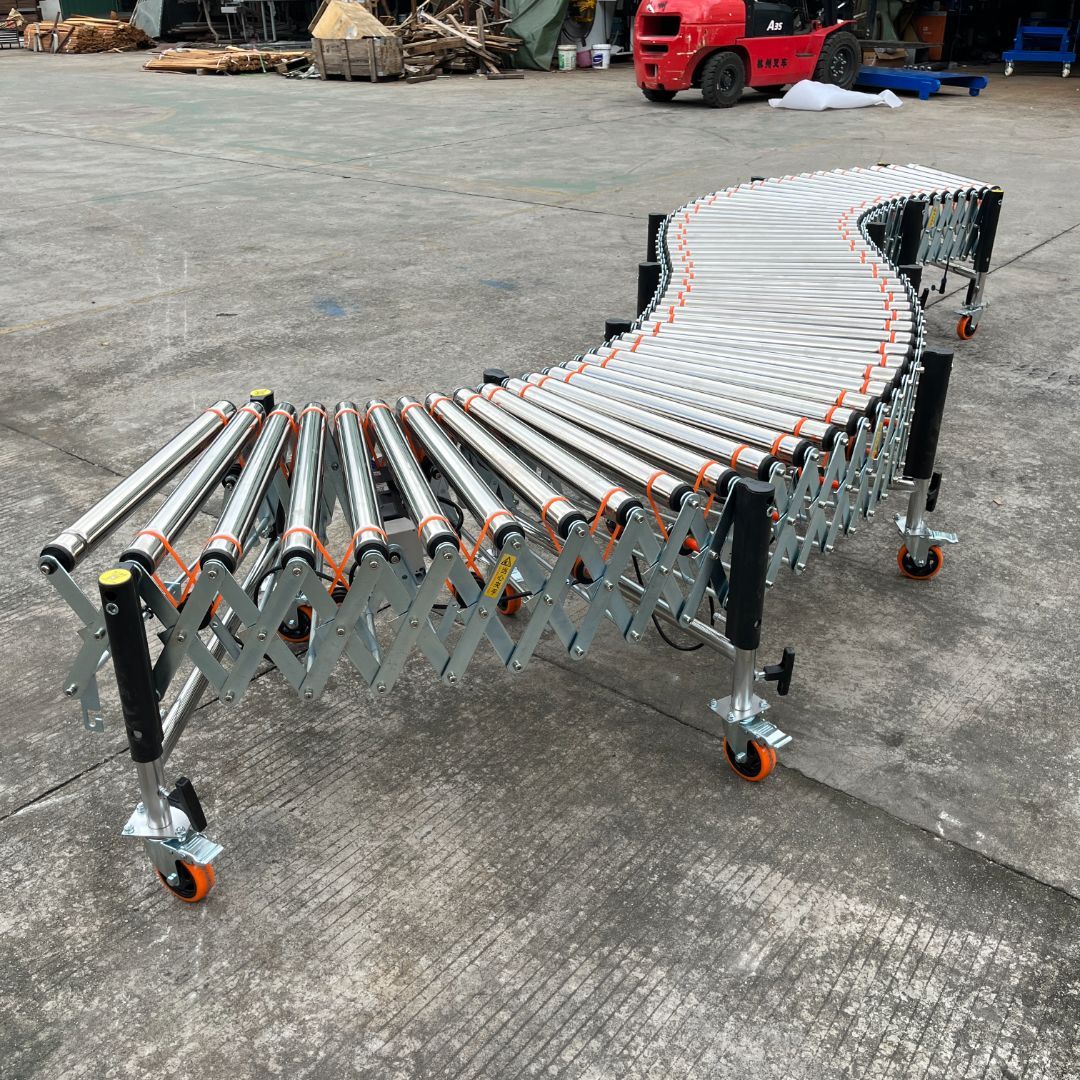
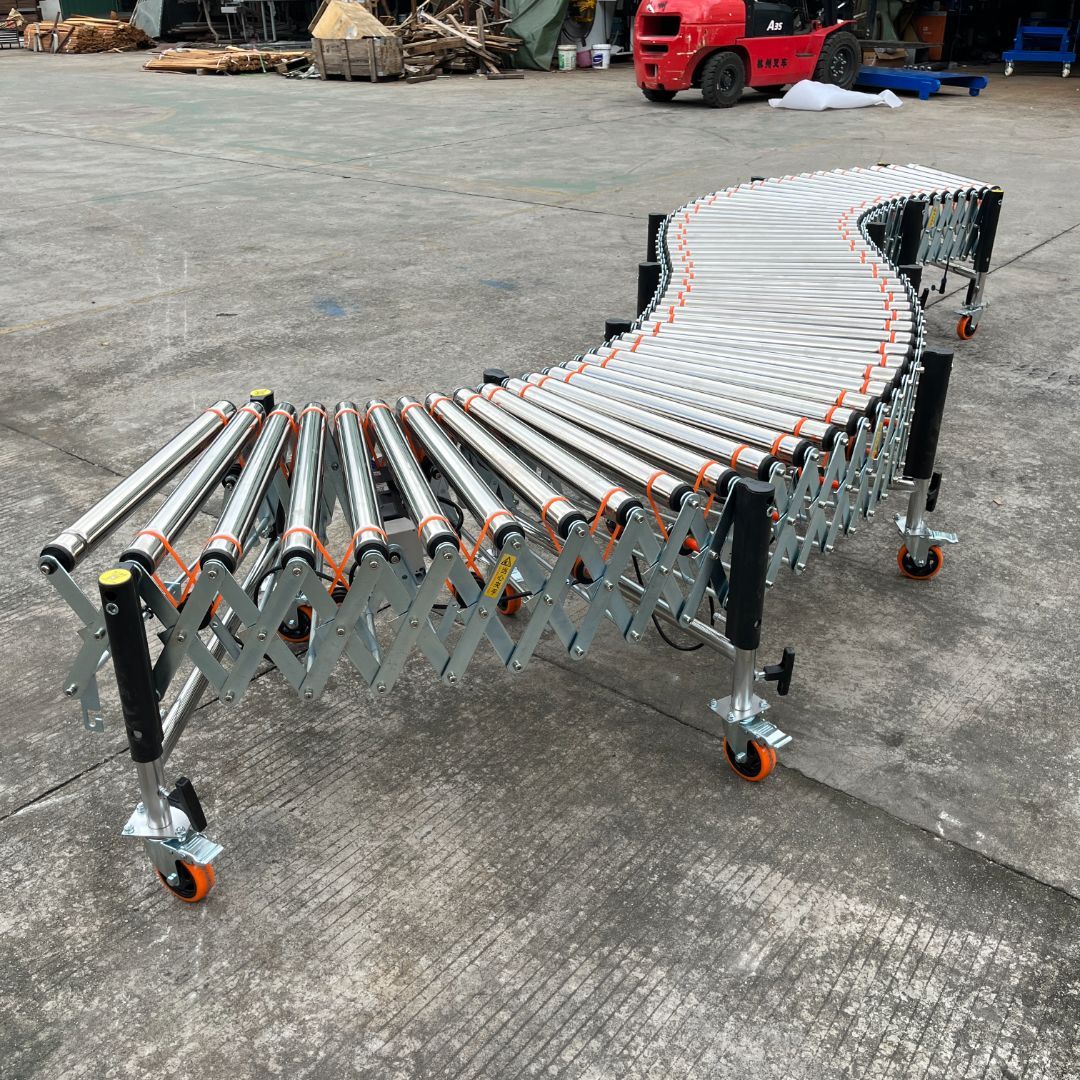
In warehouse sorting, consolidation, and loading operations, the reason a "Powered Roller Conveyor handling mixed packages" is difficult lies in the fact that the same line will simultaneously see light small bagged items, medium cartons, and larger, heavier outer boxes. Differences in weight, size, and fragility directly magnify issues such as jamming, falling, poor transitions, and speed mismatch during conveying.
An ideal mixed-package conveying solution needs to balance the following without sacrificing throughput:
- Weight range: light items must be stable, and heavy items must not exceed the limit or become unstable
- Size variation: width must leave enough margin, and small items must not slip through gaps due to insufficient support
- Fragility differences: it must convey gently and also be able to speed up while remaining stable
- Reduce frequent adjustments: avoid stopping the line or making heavy manual interventions just because the package type changes
Traditional conveying systems are often better at efficient handling of "one specific package type, " but when faced with mixed input, the common approach is to add multiple dedicated lines, or manually sort by size and weight before items enter different routes, which indirectly raises operating costs.
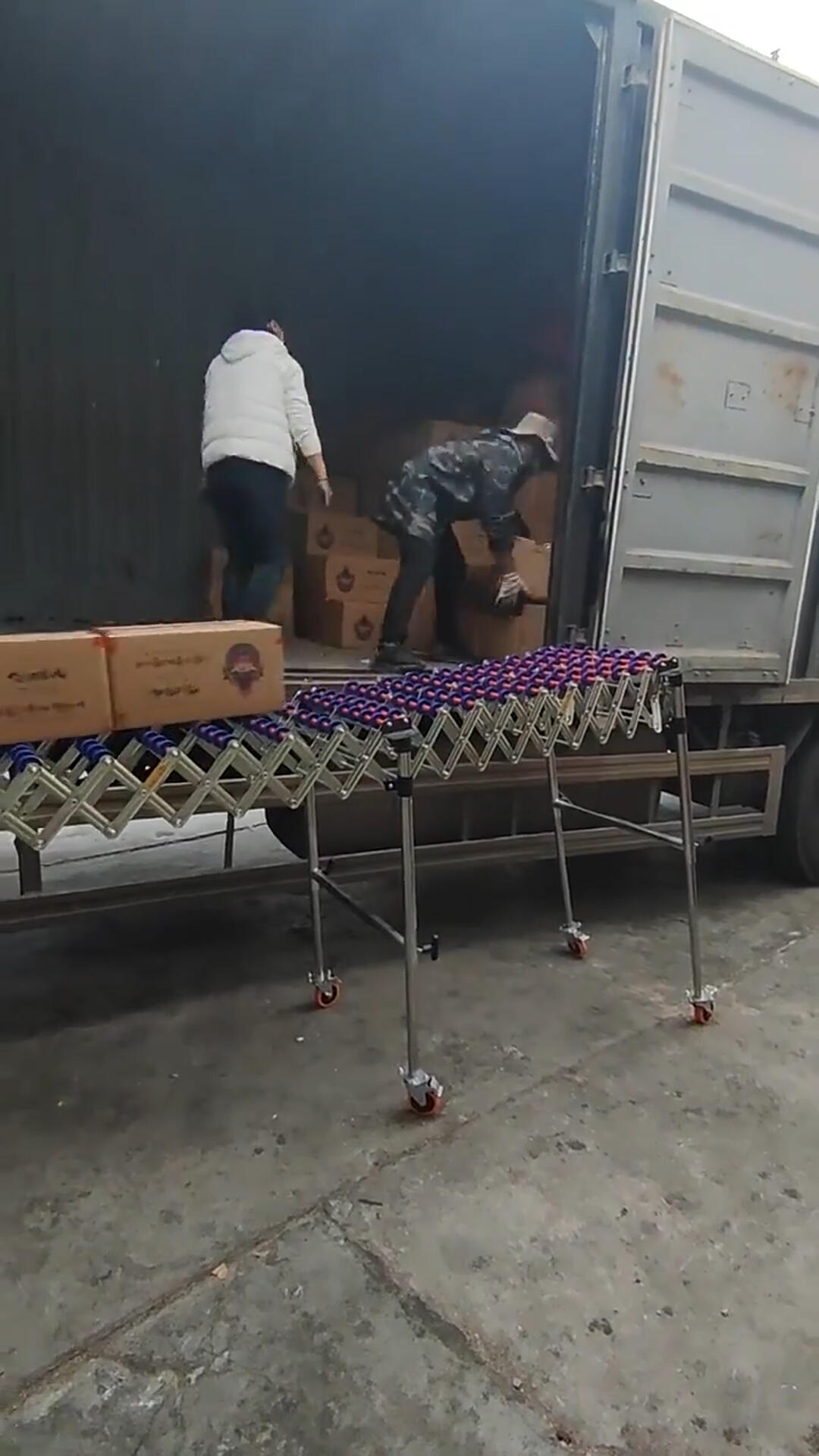
How Powered Roller Conveyor covers differences in weight and size
Under mixed-load conditions, so-called "universal" conveyors often reveal structural shortcomings, such as insufficient width that restricts large boxes, insufficient load capacity that affects stability with heavy goods, excessive roller spacing that causes small items to jam or fall, and a single configuration and speed that cannot accommodate different cargo types.
When handling mixed packages with a Powered Roller Conveyor, it is recommended to focus selection and structural considerations on the following factors:
-
Load capacity must cover the upper limit for heavy goods
- The typical range is 80–100 kg/m (depending on the model)to enable the same line to handle heavier cartons/outer boxes and reduce the need to process heavy items separately.
-
Leave extra width for "large cartons + offset"
- Common width options include 500 / 600 / 800 mm. When package sizes vary significantly and enter the same line in parallel, a wider frame usually means a larger adaptation range and less edge interference.
-
Roller pitch affects small-item stability
- For small bagged items, small cartons, and other goods that can easily slip through gaps, the support density between rollers is especially important. Multi-Wedge Belt models can use 100 mm roller pitchto help improve support stability for small items and reduce drops and transfer jamming.
-
Roller diameter and transition connections should minimize jamming
- 50 mm roller diameter, and the connection design between sections should be as smooth as possible to reduce the chance of small items getting stuck at the transition.
-
Add guides and stops when necessary
- For smaller items that are more likely to deviate, you can optionally addside railsto keep goods centered during mixed-load conveying and reduce jamming and collisions caused by lateral offset.
For more selection details, please refer to Powered Roller Conveyor User Manual.
Multi-Wedge Belt Powered Roller Conveyor
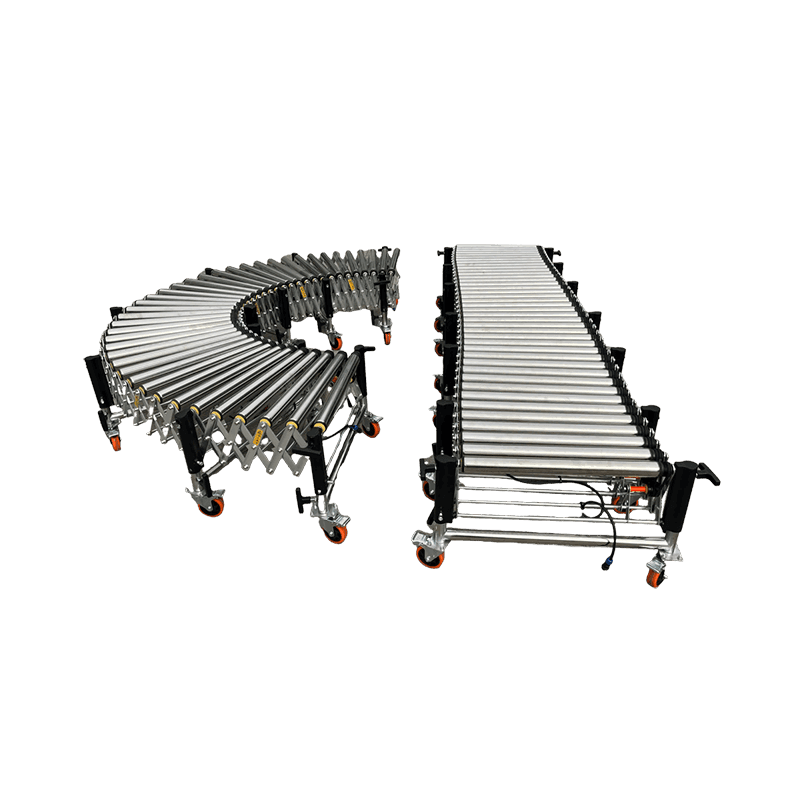
The multi-wedge belt Powered Roller Conveyor uses a multi-wedge belt drive design to achieve smooth and efficient cargo conveying. Motor spacing range…

Plastic Drum

Metal Drum

Carton

Roll
The role of variable frequency speed control in handling fragile items and mixed-load operations
Another contradiction in mixed-load parcels is that "one line, different goods need different speeds." Fragile items require a gentler, more controllable conveying pace, while sturdier cartons can increase throughput under stable conditions.
Adjustable-speed operation through variable frequency:
- Speed range: 0.3–40 m/min, adjustable according to the cargo mix for the shift
- Variable-frequency drive power levels: 0.75 / 1.5 / 2.2 kW, used to achieve smoother acceleration and deceleration and a more controllable operating state
- Zoning optimization: After multiple conveyor sections are connected, a more suitable speed strategy can be set for each zone
- Forward/reverse capability: Supports forward and reverse operation, making it more flexible when the site flow direction changes or temporary adjustments are needed
- The operator side emphasizes quick adjustment: reducing line stoppages and manual intervention caused by changes in mixed loads
Reference case: mixed-load single-line conveying connected to sorting and loading
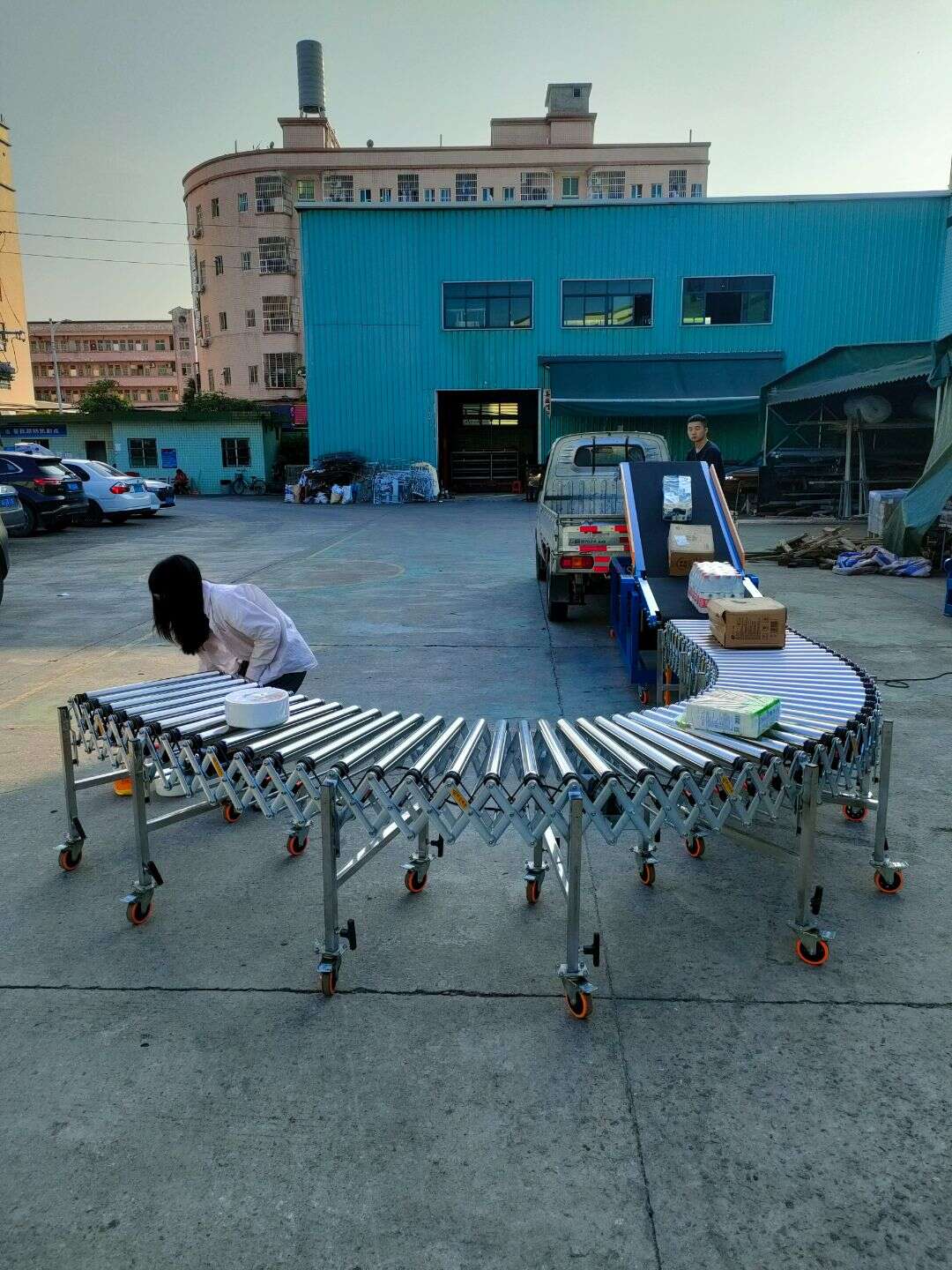
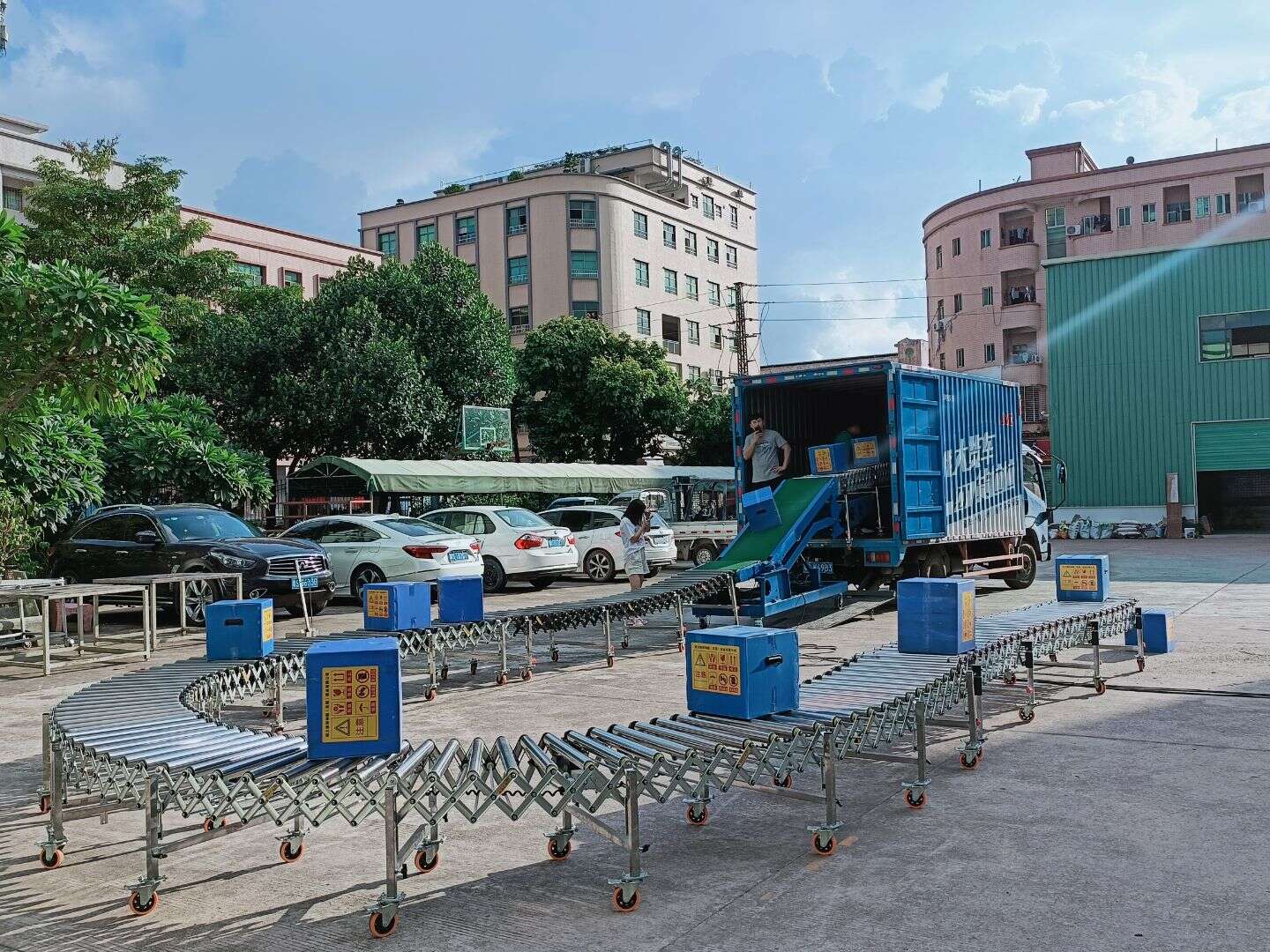
A typical implementation is to use the powered roller main line to connect "sorting – conveying – loading" into a continuous process, so that mixed parcels can be transferred on the same line as much as possible.
The case scenario is an e-commerce fulfillment center:
- Infeed end: Connected to the existing sorting system, with items uniformly loaded onto the main line
- Main line: Continuous transfer by powered roller conveying
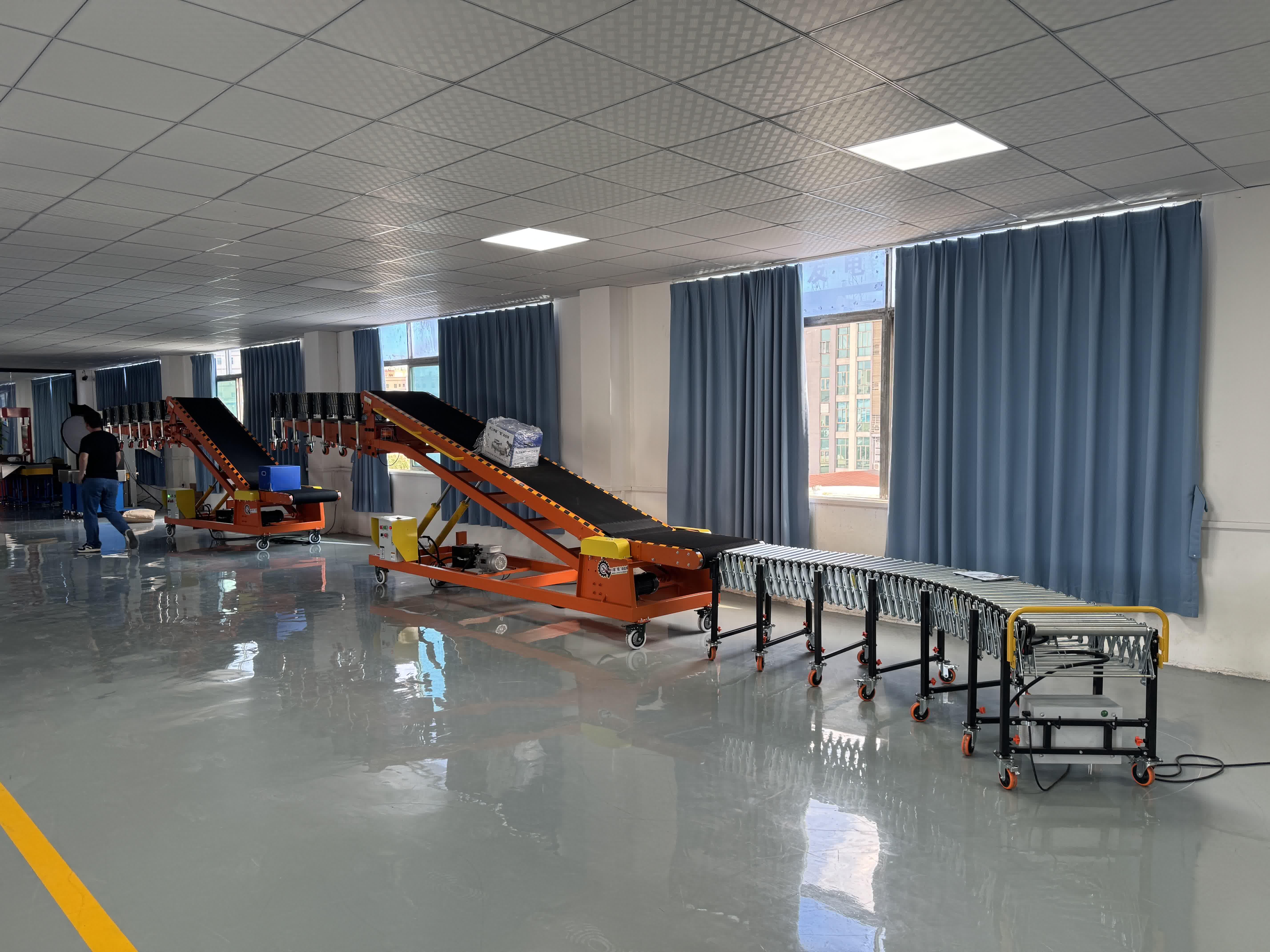
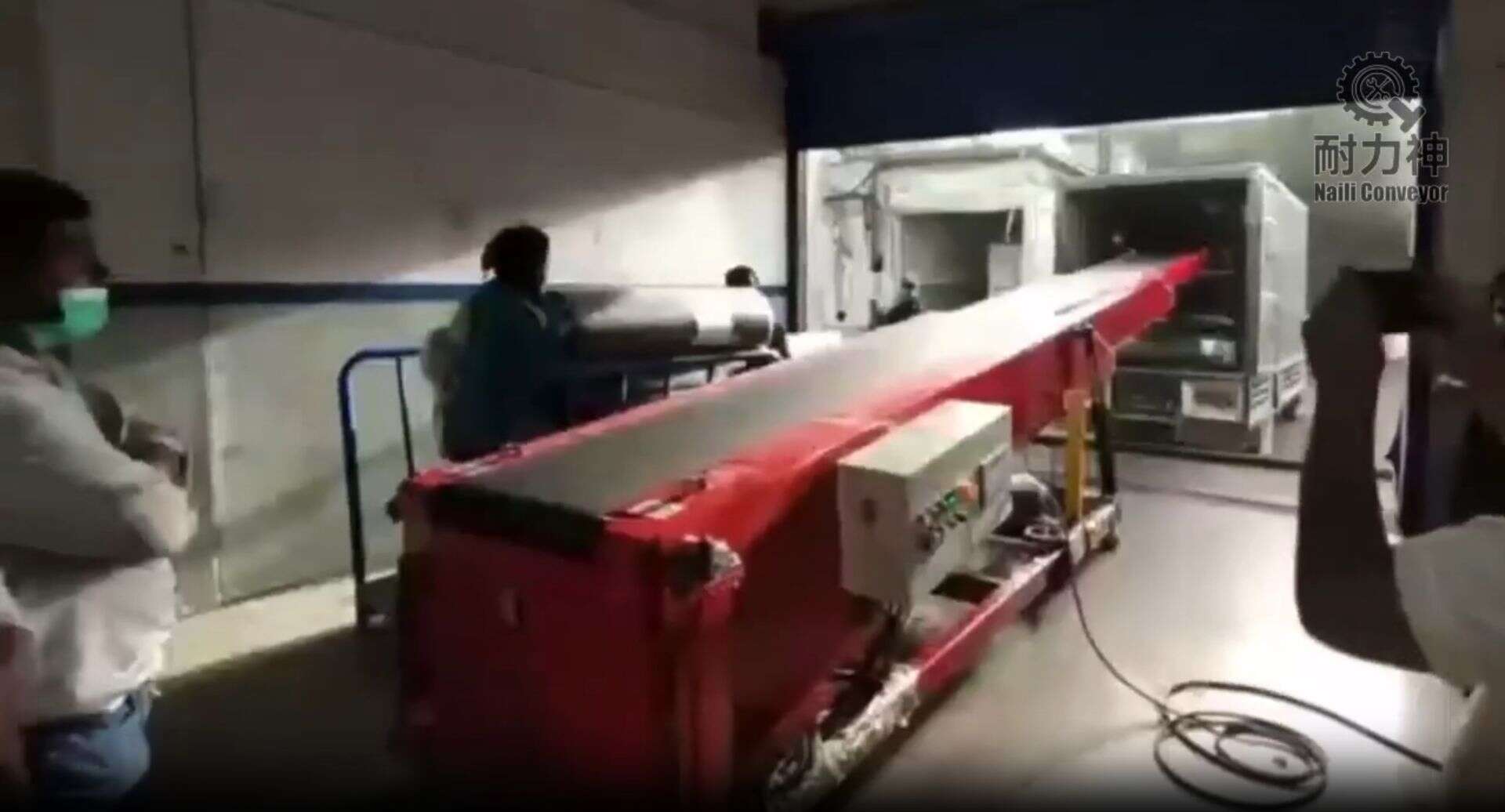
- Outfeed end: Combined with the hydraulic conveyor, it completes loading connection to the truck compartment
A typical operating process can be summarized as follows:
- Uniformly load items onto the main powered roller line
- The operator adjusts the conveyor speed based on the day’s cargo mix
- Maintain smooth transitions between sections to reduce jamming and collisions
- At the end, the load enters the truck compartment through the hydraulic conveyor section, completing loading
The results show a trend toward improvement: after the unified system is put into use, overall throughput, labor input, and damage all improve; however, the actual outcome depends on the site layout, cargo mix, and operating method. Similar loading solutions can be found in Truck loading: Powered Roller Conveyor with climbing machine.
Further reading:
Double-layer Multi-Wedge Belt Powered Roller Conveyor hybrid loading and unloading application
Frequently Asked Questions (FAQ)
1) What weight range can a single powered roller line cover?
With a properly configured setup, the same powered roller line can handle both small light items and heavier cartons at the same time. The key is to choose sufficient load capacity (in the 80–100 kg/m range, depending on the model) and match it with the right roller pitch.
2) How can small items be prevented from falling between rollers or jamming at transitions?
Start with the roller pitch and transition connections. Multi-Wedge Belt models can use a 100 mm pitch to improve support; for very small items, a short skate-wheel section can be added locally, or that section can be changed to belt conveying for better continuous support.
3) How can one line handle both fragile goods and heavy cargo?
Switching between "gentle conveying" and "higher throughput" can be achieved through variable-frequency speed control. The adjustable speed range is 0.3–40 m/min, allowing quick adjustments based on cargo structure and fragility.
4) What width is most suitable for mixed-loading conditions?
Common width options are 500/600/800 mm. The more complex the mixed loading and the greater the difference in package sizes, the more likely a wider configuration is needed to expand the range of compatibility; if the maximum package width is not large, a narrower specification can also be chosen to fit the available space.
5) How does a mixed-package conveying line connect to truck loading?
The main powered roller line can be connected to a hydraulic conveyor at the end, using the hydraulic section to bridge the height difference between the floor and the truck compartment, enabling mixed packages to enter the truck compartment continuously.