Two Ways to Plan Warehouse Conveyor Line Length
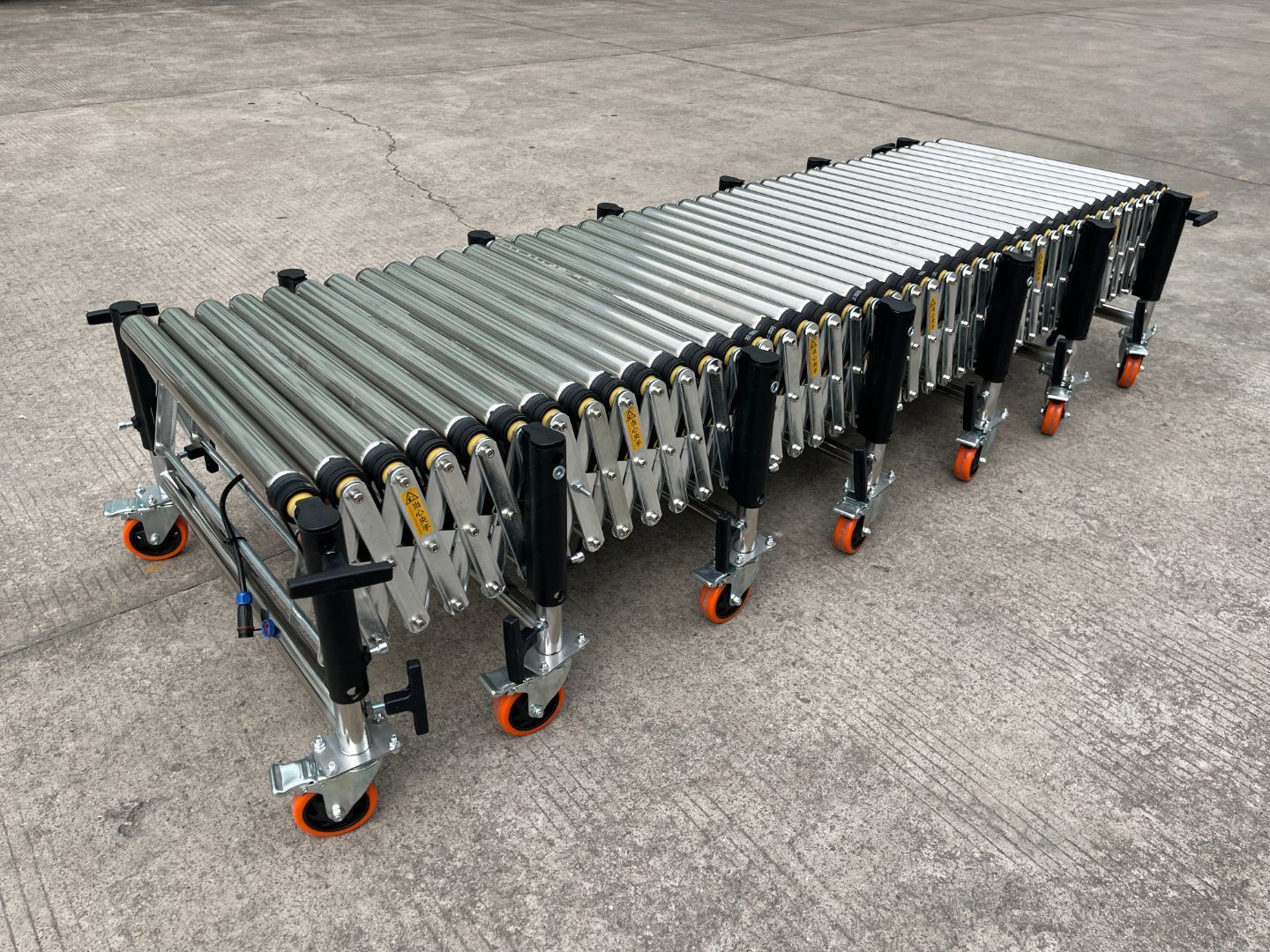
When planning warehouse line length with modular conveyors, warehouses/distribution centers usually face a key choice: install one continuous extra-long conveyor, or use multiple interconnected modular conveyors to build up the total length.
On the surface, it is just a different length solution, but it directly affects three things: operational efficiency, layout adaptability, and long-term operating costs, including downtime and maintenance costs. Naili emphasizes a modular approach in flexible conveyor planning: first define the total distance requirement, then quickly build it with standard sections while preserving room for future adjustments.
Three Benefits of Using Modular Conveyors to Plan Warehouse Line Length
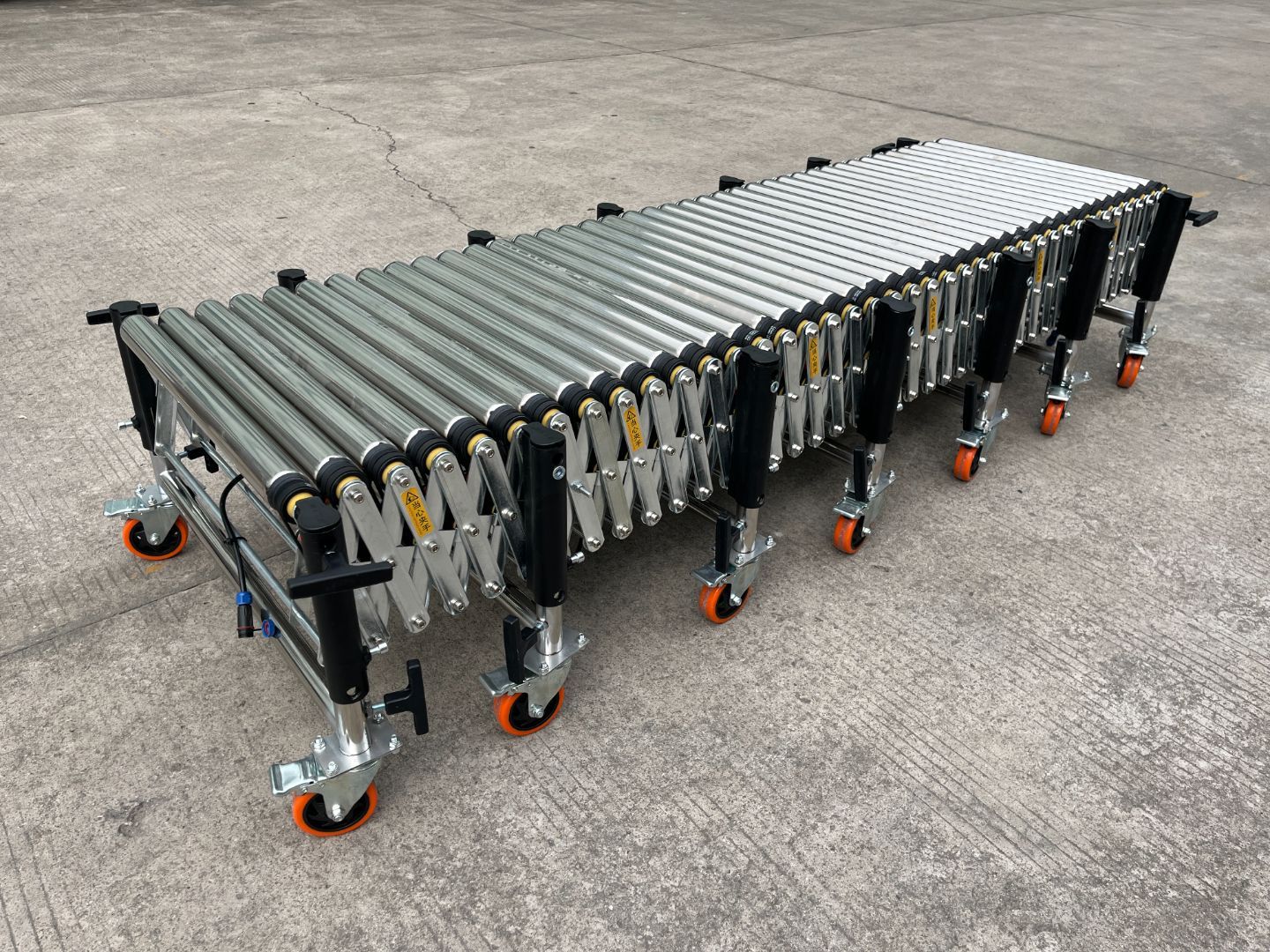
Breaking a long-distance conveyor line into multiple sections is not simply a matter of splicing them together; it uses a structure that is detachable, movable, and replaceable to gain greater operational flexibility. Taking a total length of 21m as an example: using 7 sections of 3m Powered Roller Conveyor to achieve the same total distance is usually advantageous in the following three aspects.
Multi-Wedge Belt Powered Roller Conveyor
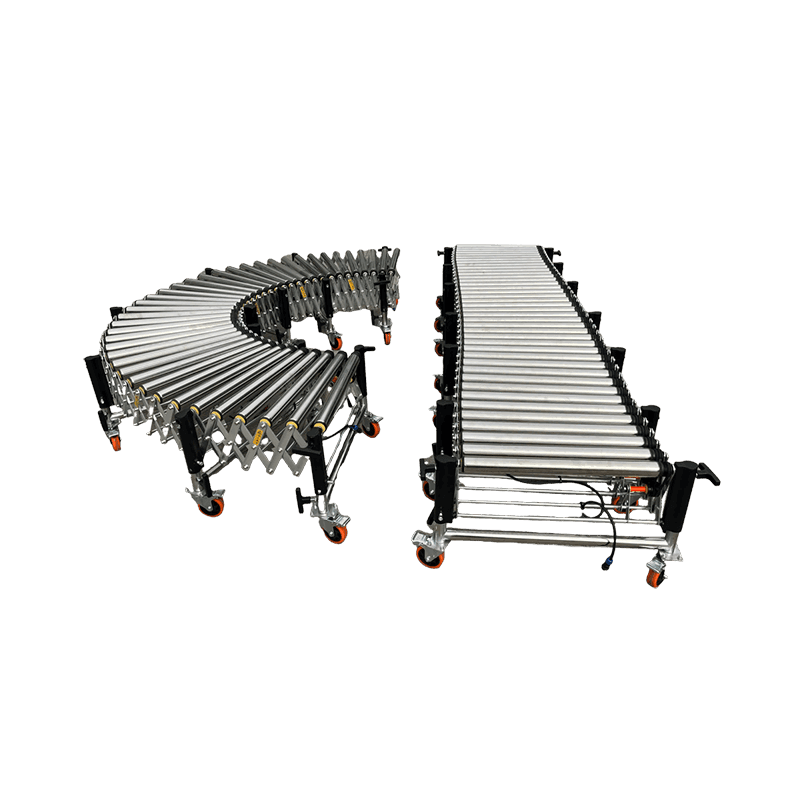
The multi-wedge belt Powered Roller Conveyor uses a multi-wedge belt drive design to achieve smooth and efficient cargo conveying. Motor spacing range…

Plastic Drum

Metal Drum

Carton

Roll
1) Reconfigurable: the same total length can be split into multiple lines
After adopting multiple sections, the total length remains unchanged but can be reconfigured as needed:
- If a single 21m straight line is needed, the sections can be connected into one continuous line
- If two short lines are needed, it can be split into two 10.5m lines
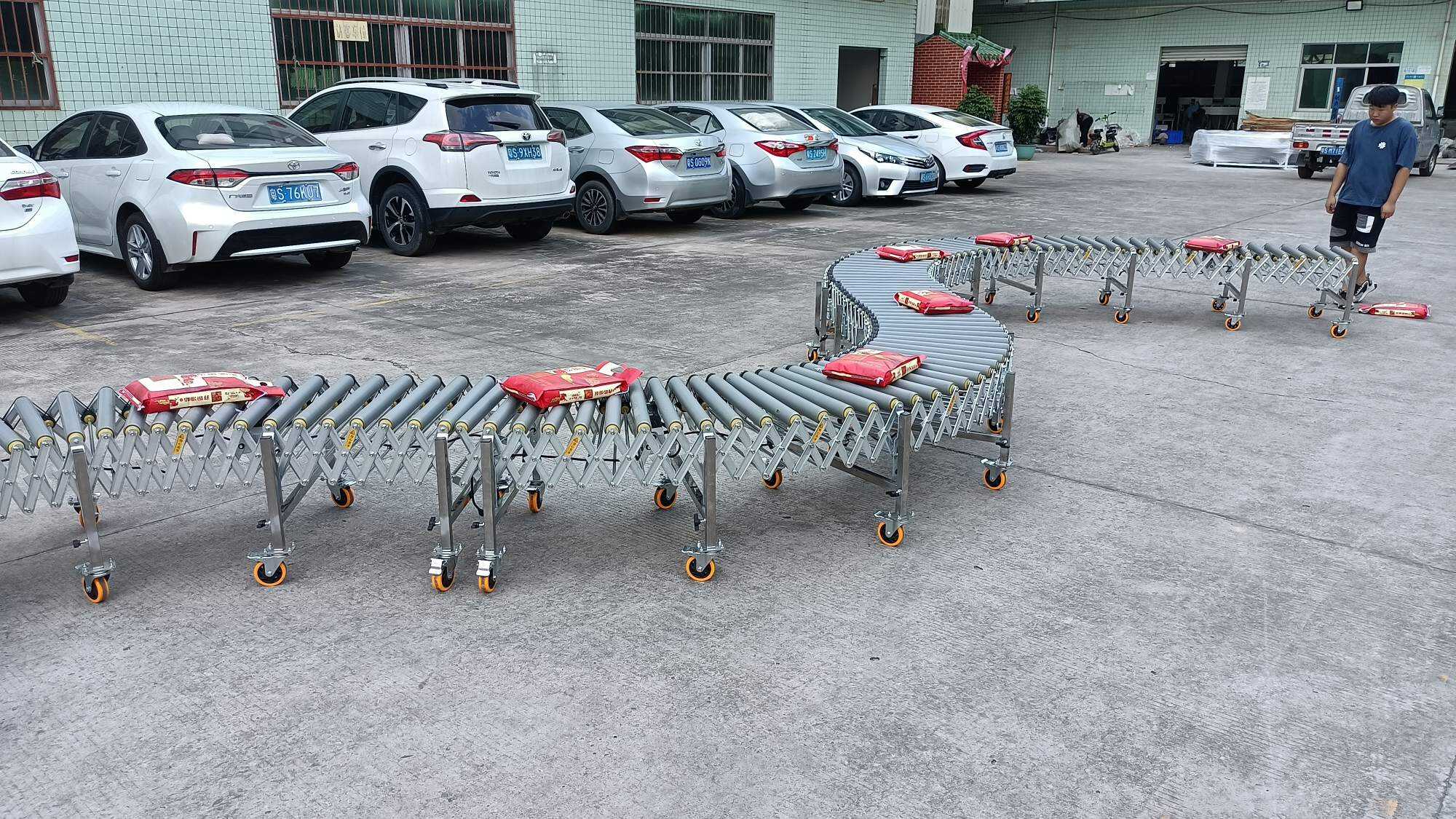
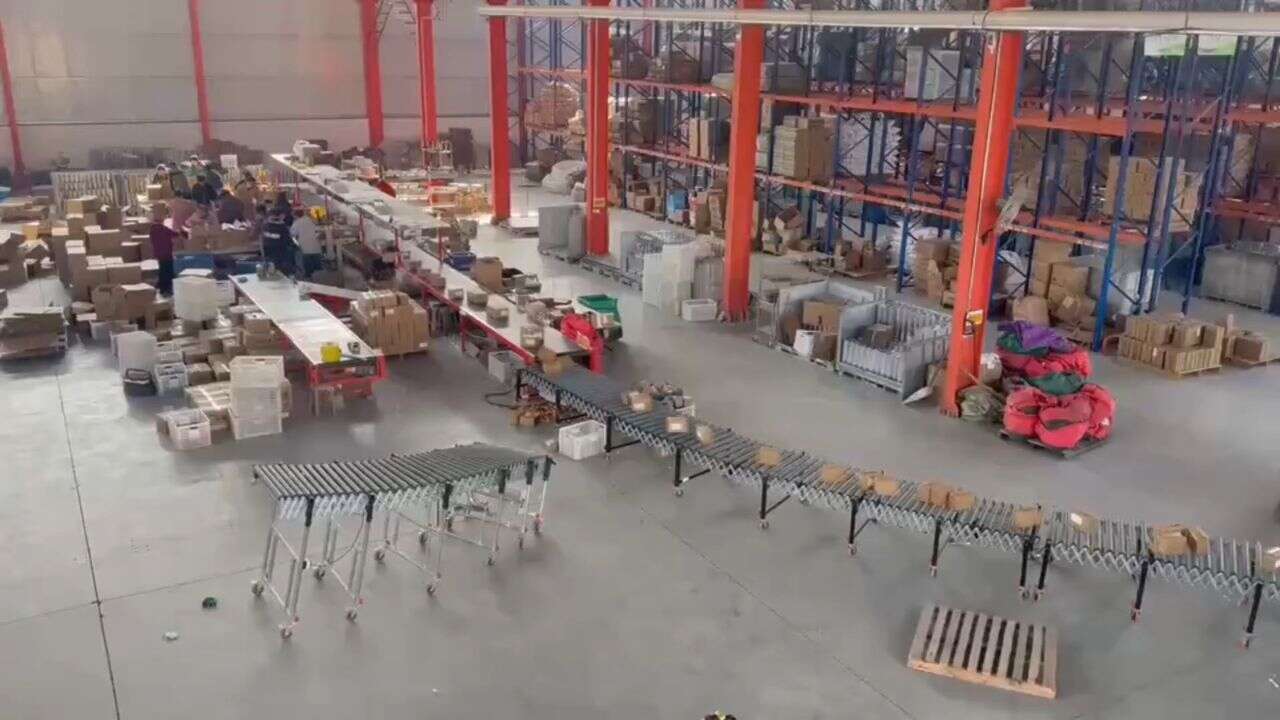
- By rearranging the sections, a straight, L-shaped, U-shaped, or parallel layout can be formed; see Portable Conveyor Loading and Unloading 3PL Case.
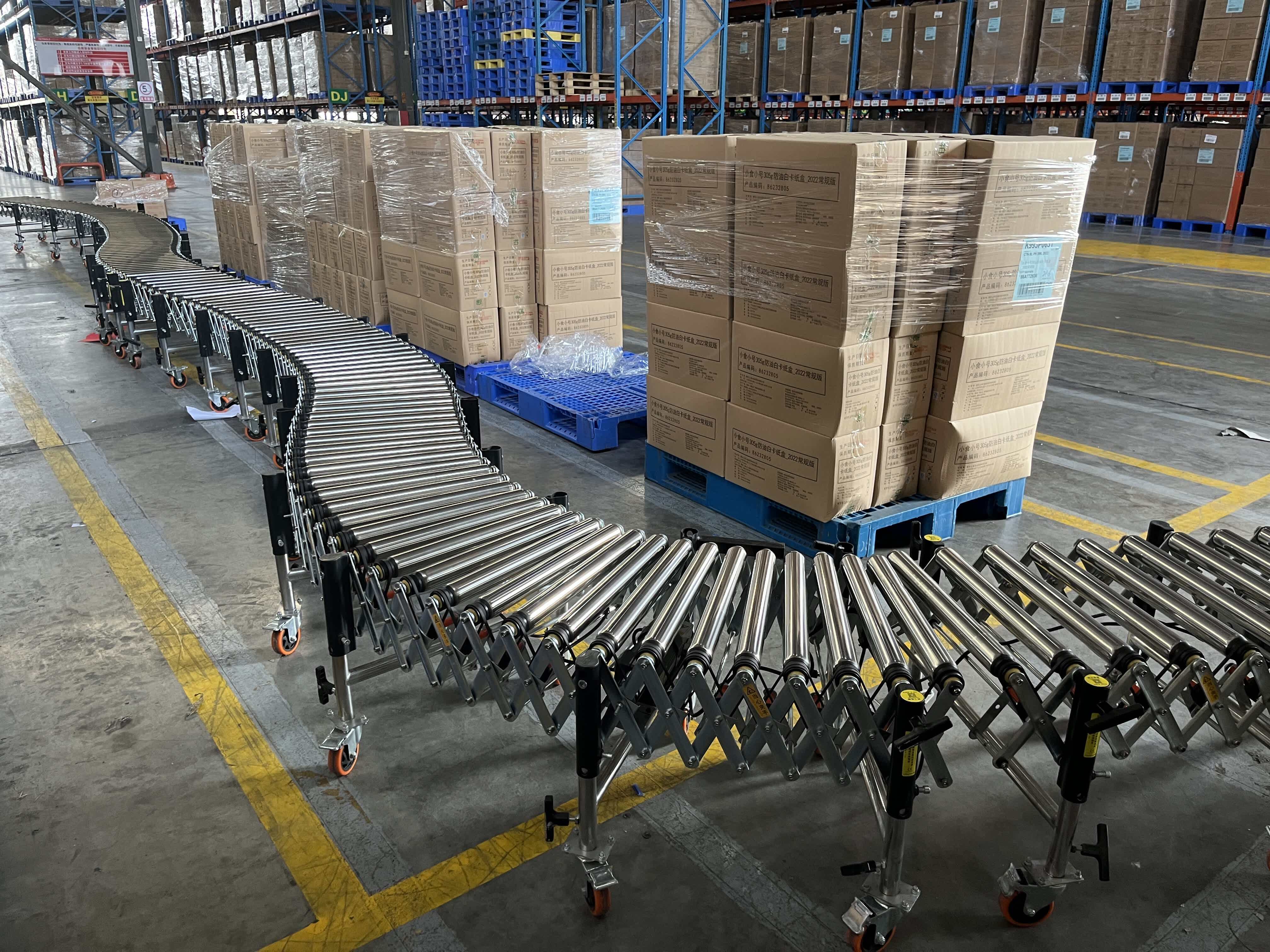
This kind of reconfigurable capability is suitable for warehouses where product structures change, peak and off-peak seasons fluctuate, or work areas are frequently adjusted.
2) Easier to move and store: sections are easier to pass through doors, turn, and store
Another advantage of modular sections is lower "moving and storage costs":
- A 3m single section weighs about 60–80kg (depending on width), making it easier for on-site staff to handle and reposition
- By comparison, assuming a 21m single-unit continuous system, its theoretical weight would reach about 420–560kg, making movement, transfer, and installation more restricted
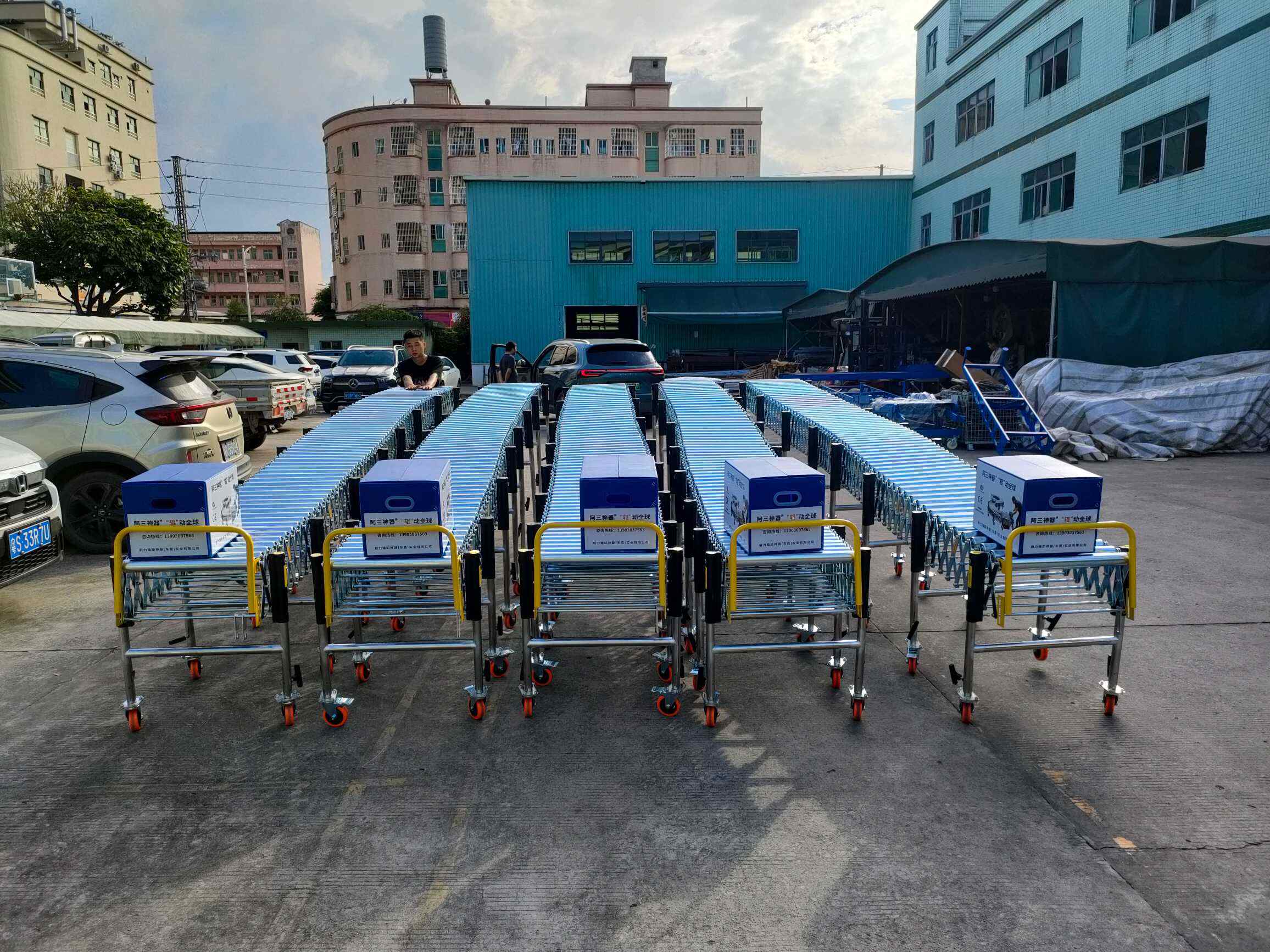
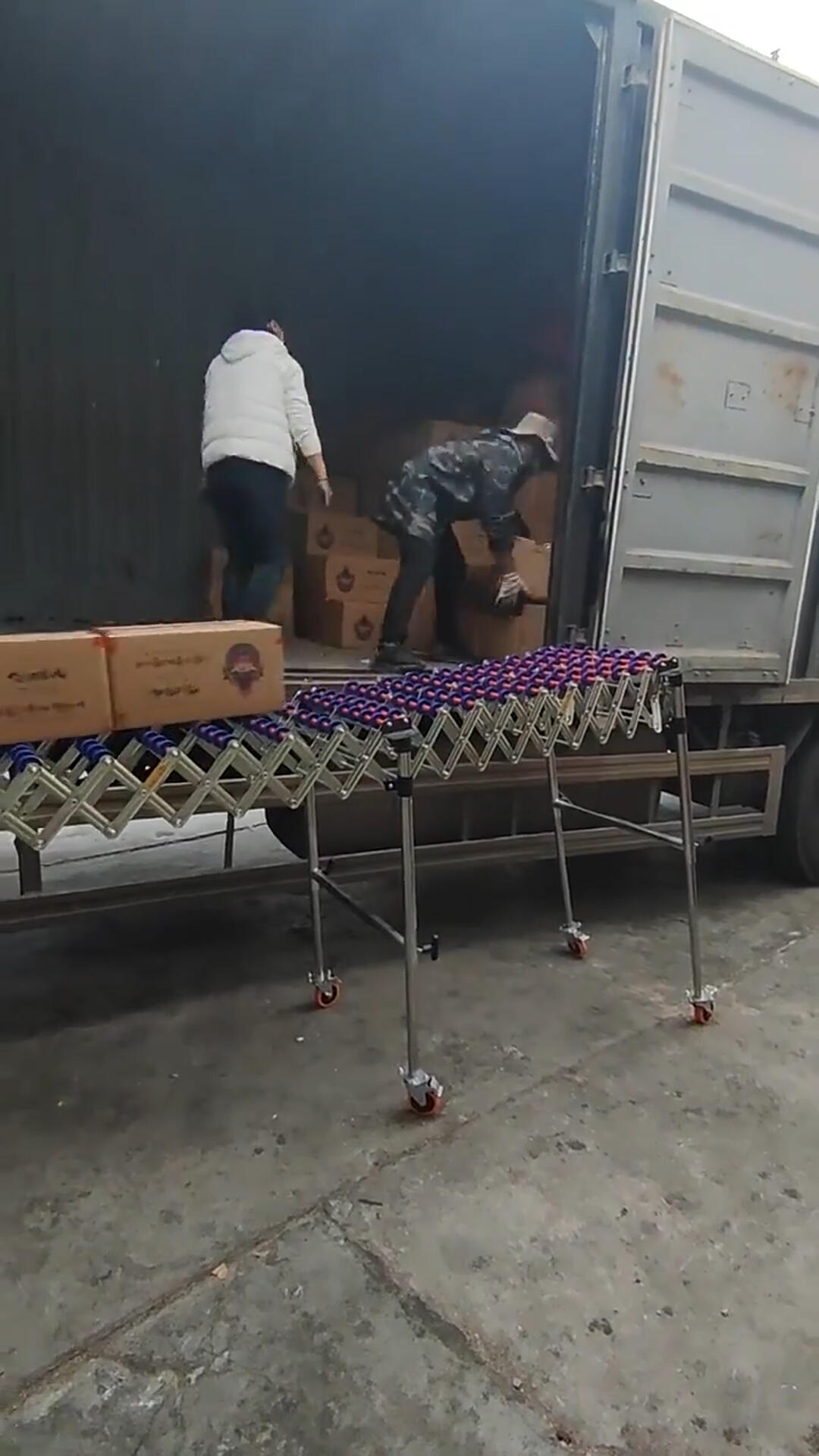
- Most sections can be retracted for storage, reducing floor space when not in use; among them, the Gravity Skate Wheel Conveyor can achieve a maximum retraction ratio of about 1: 5
When the site needs to temporarily free up floor space or adjust traffic flow, a modular solution often makes it possible to "move only the affected section" rather than dismantle the entire line.
3) Redundancy and maintenance: a failure in one section will not stop the whole line
A multi-section structure naturally provides fault isolation capability:
- Powered sections can operate independently when needed
- If a motor or belt in one section has a problem, the impact is usually limited to that single section
- The faulty section can be quickly replaced, keeping downtime within a more controllable range
Key points to consider when using multiple sections in long lines
While modularity brings benefits, it also introduces new management points. When planning a longer modular conveyor line, it is recommended to include the following three types of issues in the design and acceptance checklist in advance.
1) Connection point management: alignment, height consistency, and gap control
The more sections there are, the more connection points there are. Every connection point needs attention to:
- Whether the mechanical connections are aligned, and whether the hook connectors are properly seated and locked
- Whether the heights between sections are consistent to ensure smooth cargo transfer
- Whether the gaps are kept within a reasonable range to prevent packages from getting stuck or tipping over
- Whether a regular inspection mechanism has been established for the connection points
2) Electrical power line: total power calculation and matching with control cabinet capacity
When a powered conveyor line is composed of multiple sections, the electrical side must perform a "total power summation" calculation and confirm the control cabinet capacity and interlocking method:
- Check whether the on-site power supply can cover the load of multiple motors running at the same time; for selection, refer to Key Points for Choosing a Loading and Unloading Conveyor Manufacturer for modular suggestions.
- Multiple sections can be controlled uniformly by a single control cabinet (within its capacity)
- Pay attention to the startup sequence to avoid surge caused by the instant of startup
- The emergency stop must achieve coordinated response for the entire line
The article mentions that the common power ratings for control cabinets are 0.75/1.5/2.2 kW, and selection must match the line configuration.
3) Installation and support: long lines are more sensitive to the floor and load distribution
Long lines are more sensitive to installation levelness and support layout:
- Ensure the entire line has consistent height and reliable levelness
- Arrange supports properly to prevent shaking or local sinking under load
- Uneven ground will amplify height differences between sections, so the effect should be eliminated by adjusting the support legs during installation.
- Pay attention to the load distribution across the entire line to avoid long-term overload or uneven force on any one section.
Connection Methods and Deployment Recommendations (including FAQ points of interest)
Hook Connector: Connection Steps and Time Estimate
Modular conveyor lines can be reconfigured frequently, and the key is having a connection method that is simple enough. The hook connector described in this article can usually be completed at a single connection point in "minutes"; the process can be carried out as follows:
- Move the two sections into the target position so their ends face each other
- If needed, adjust the support leg height to ensure the two sections are aligned in height
- Attach the hook connection mechanism
- Lock it in place to prevent separation during operation
- Run a test parcel through the connection point to confirm a smooth transition
For powered sections, the electrical connection also emphasizes simplification: use plug-and-play connectors for quick installation and removal, but polarity and linkage testing still need to be confirmed as required.
Mixed connection of gravity sections and powered sections: feasible, but compatibility boundaries must be considered
Different types of sections can be mixed, but the impact of their differences must be considered:
- The Gravity Roller Conveyor section can be connected to a gravity skate wheel section, but pay attention to roller/wheel spacing and height differences
- Powered sections can be connected to gravity sections, but powered and gravity sections usually require separate control and operating logic
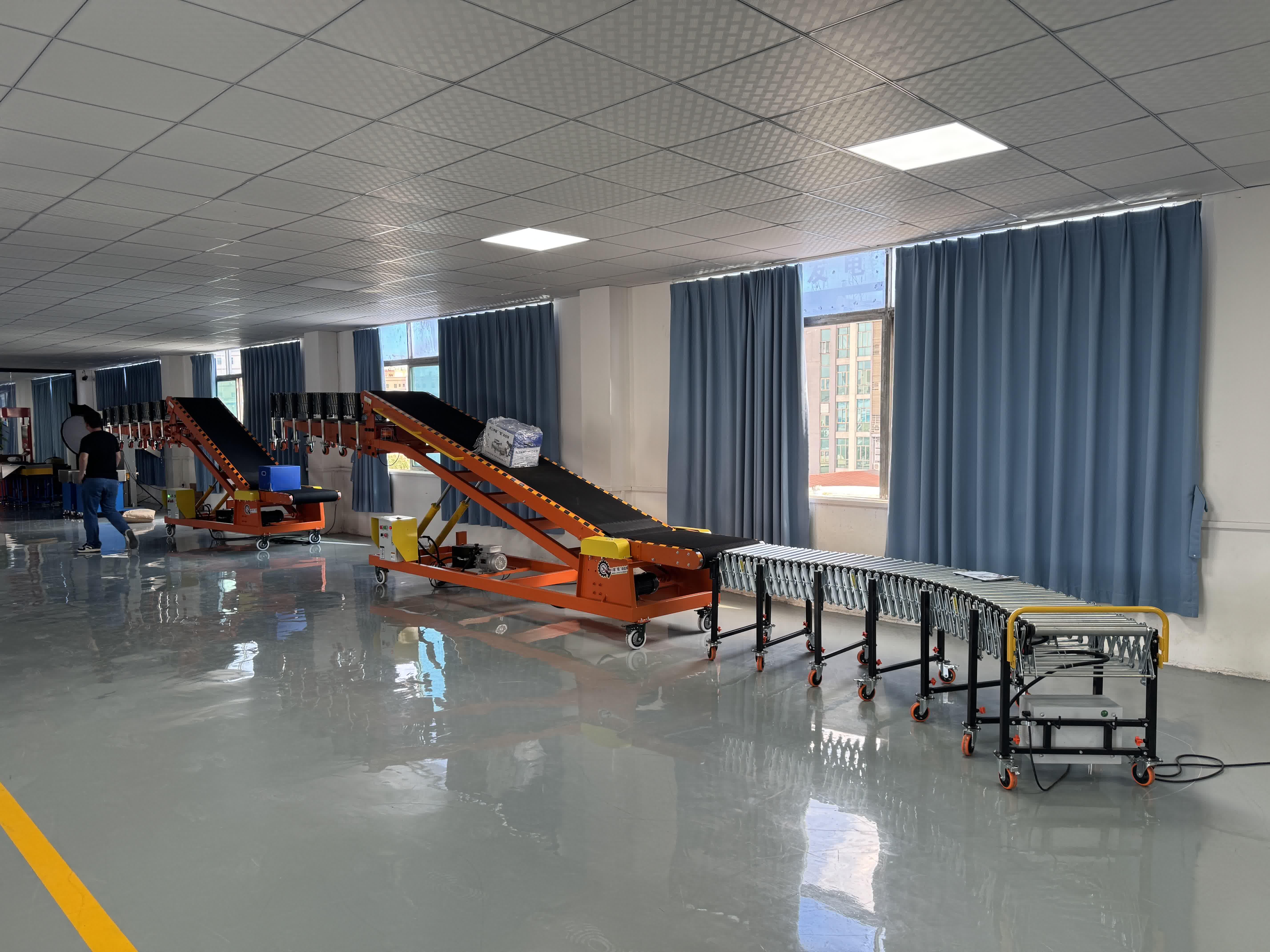
- Clear restriction: telescopic conveyors and hydraulic conveyors cannot be used together
How to choose section length: work backward from handling, storage, and access conditions
Section length is not better just because it is longer; it is recommended to work backward from on-site constraints:
- Handling tasks: whether frequent relocation or cross-area repositioning is needed, and whether it can be managed by 1–2 people
- Storage space: whether it can be compactly stored when not in use, and whether a higher retraction ratio is needed
- Access conditions: whether limits such as door width, corridor turning radius, and elevator dimensions will block longer sections
The article gives several typical section specification examples: Powered Roller Conveyor can be selected in 1500mm, 2000mm, 3000mm, and other section lengths; Gravity Roller Conveyor can be selected in 1500mm (50mm rollers) or 1700mm (38mm rollers); gravity Gravity Skate Wheel Conveyor sections can retract from 420mm to 2100mm.
How long does reconfiguration and maintenance take?
- Two workers can usually disassemble, reassemble, and reconnect a 3m section within 5 minutes.
- A full reconfiguration of a 21m line typically takes about 30–45 minutes (depending on the complexity of the new layout).
Further reading: On-site considerations for docking with loading and unloading operations
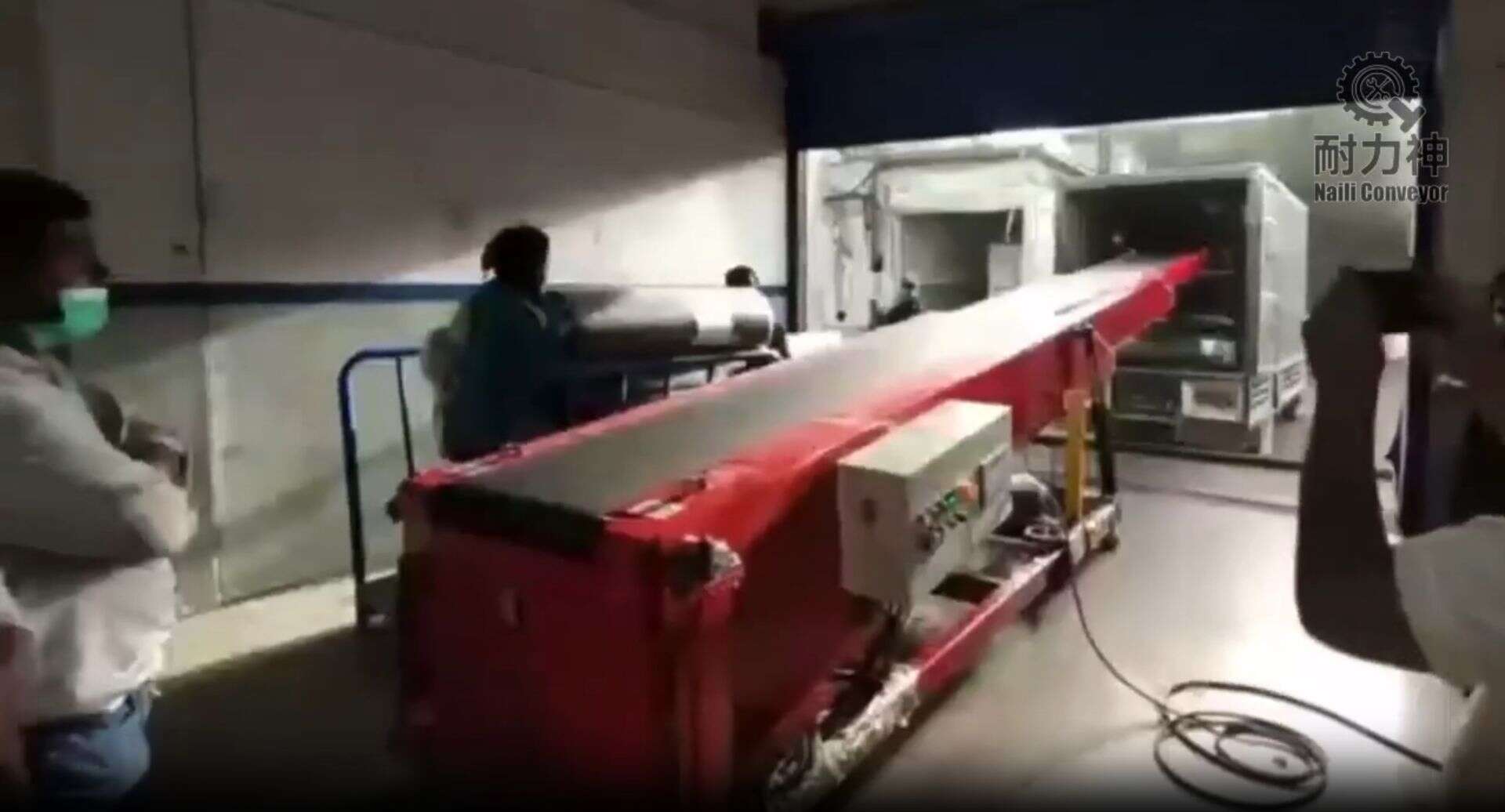
If your scenario involves connecting a loading/unloading dock to a conveyor line, you can refer to this article for more details on docking and height adjustment:
Adjustable Roller Conveyor Docking for Loading and Unloading
When planning warehouse line length with modular conveyors, the recommended approach is to first plan the total distance according to the workflow, then build the line in sections, leaving "variable operational needs" within the structure. Compared with a single ultra-long continuous machine, a multi-section solution requires more detailed connection and electrical management, but it usually brings greater layout flexibility, lower handling and storage costs, and more controllable downtime risk.