Scenario and requirements.
The reviewed scenario focuses on the unloading stage at an express distribution center, concentrating solely on the unloading connection and flow from the truck to the unloading point without extending into subsequent sorting or in-warehouse conveying.
The unloading target is a 9.6-meter truck. The onsite focus is to create a smoother transition channel between the truck entrance and the unloading end, reducing interruptions and back-and-forth handling.
Within this scope, the goal of introducing the telescopic conveyor is to organize the unloading operation into a more coherent process: goods exiting the truck can enter the unloading channel more directly and continue flowing toward the unloading end.
How the solution connects.
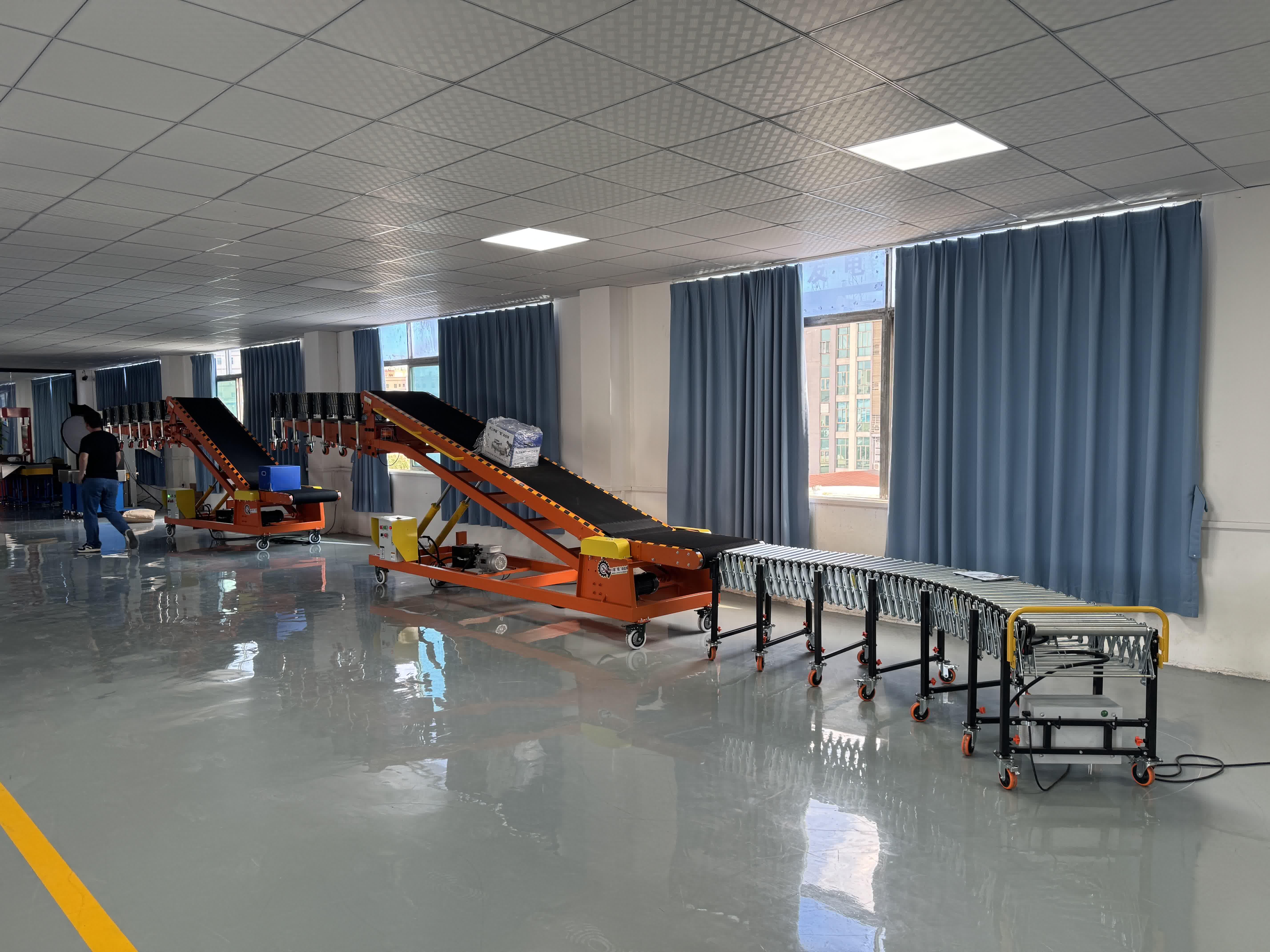
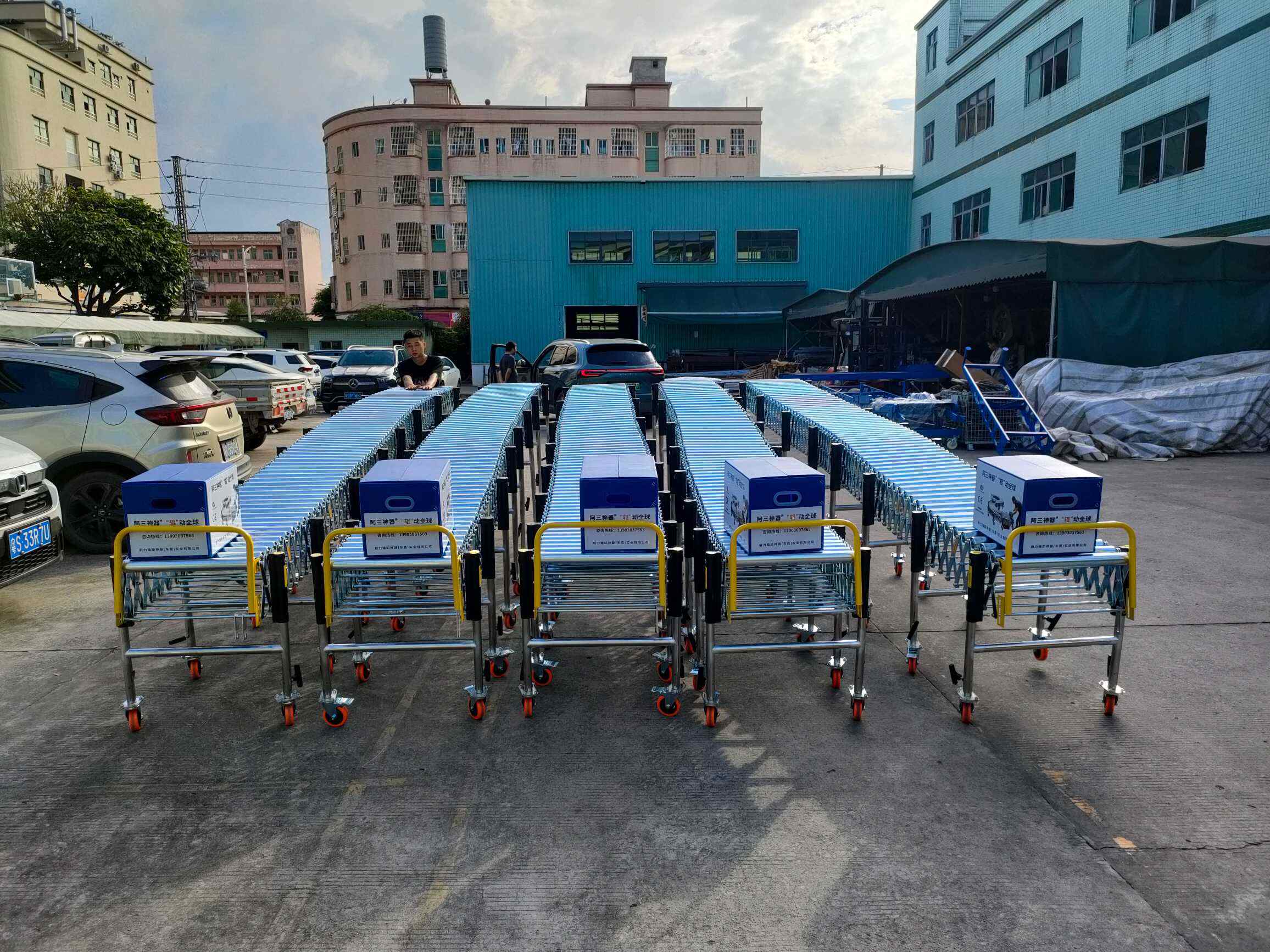
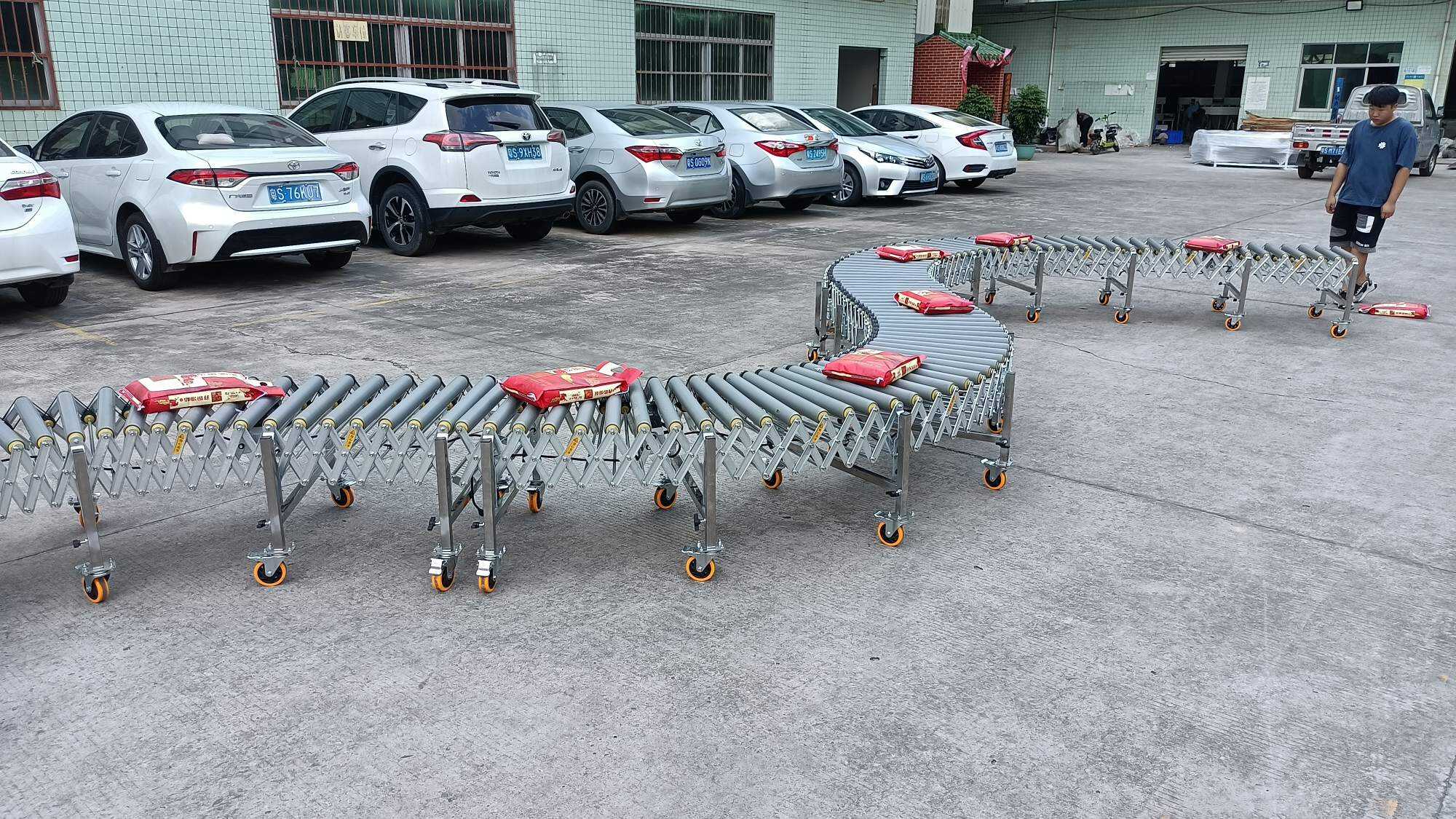
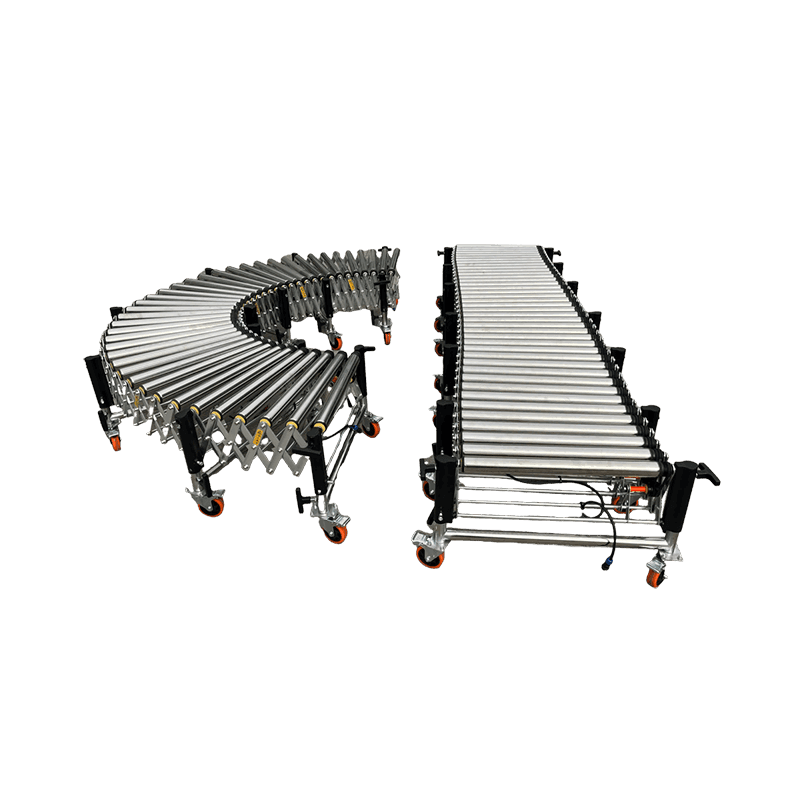
This solution uses a 4-section telescopic conveyor as the unloading channel between the 9.6-meter truck body and the unloading end.
The interface is centered on extending from the unloading end into the truck: once the telescopic conveyor reaches into the truck, the truck opening and the conveying path are connected, allowing unloading to flow continuously along that path and reducing stops caused by repeated handovers at the truck entrance.
This review only describes the unloading connection and flow itself, without extending to sorting, packing, or subsequent in-warehouse conveying solutions.
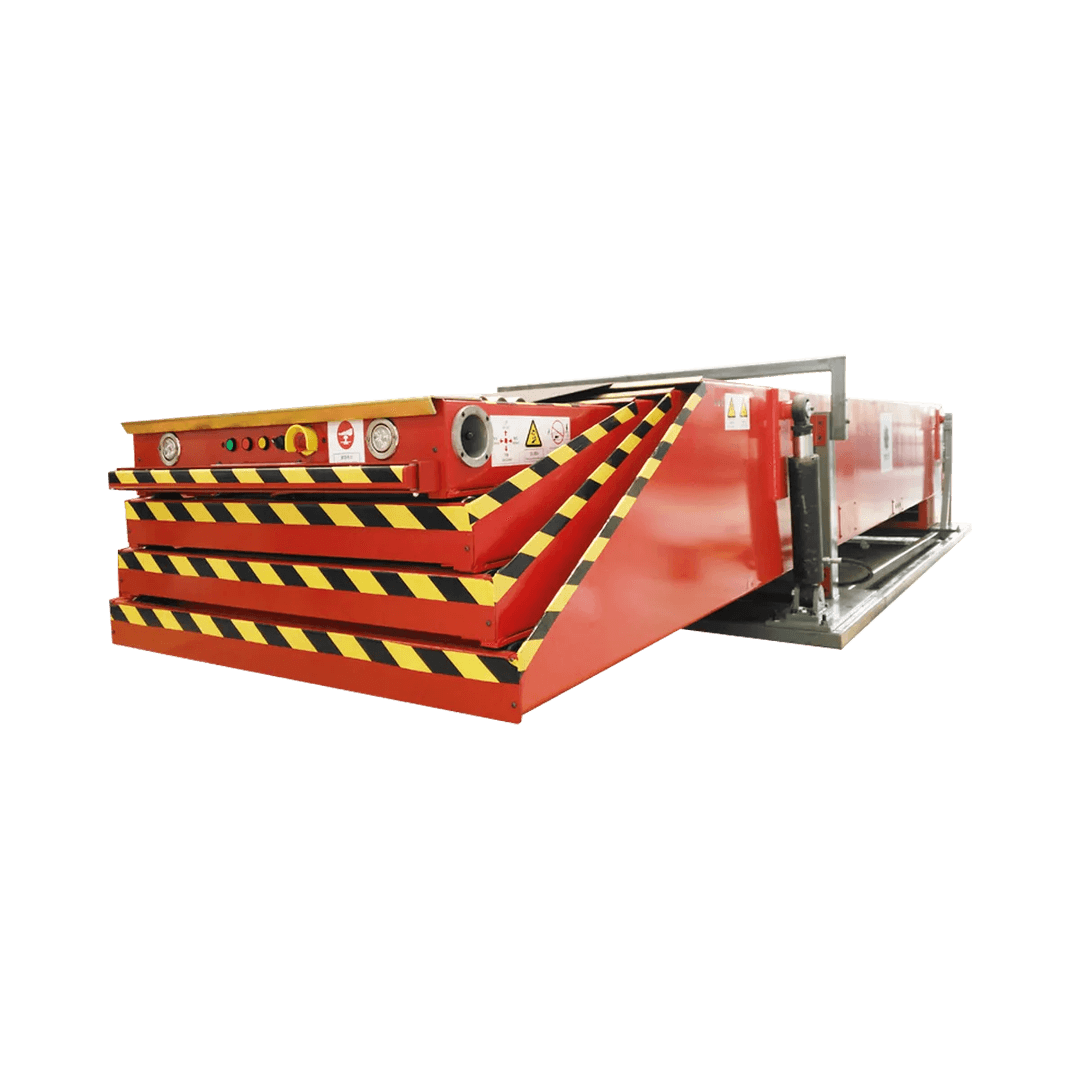
4-Section Telescopic Conveyor
Our four-section telescopic conveyor can extend up to 12–17 meters, reaching deep into trucks and containers to enable efficient and smooth loading an...
 Metal Drum
 Plastic Drum
 Roll
Roll
 Carton
 Bagged
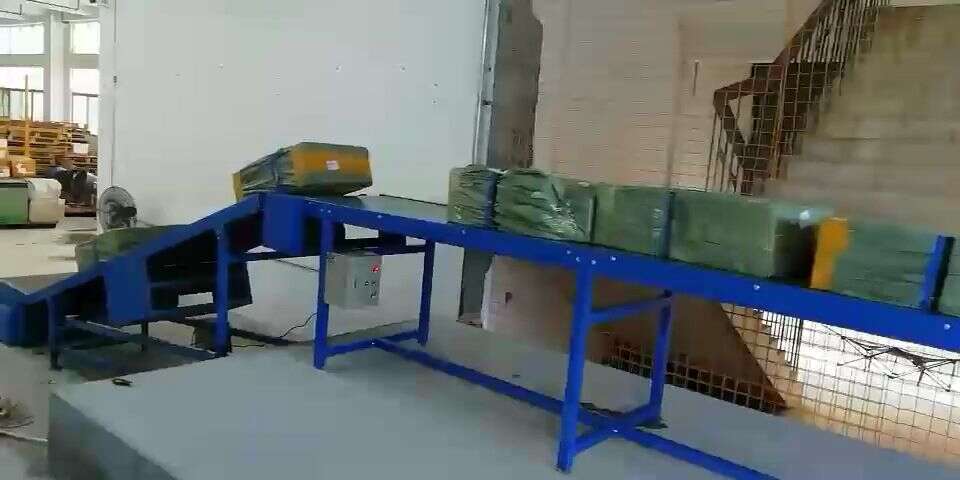
Telescopic conveyor manual.
Operation flow and human coordination.
Truck arrival and berth preparation.: After the vehicle is in position, the telescopic conveyor is set up at the unloading end. Before interfacing with the truck, the team performs basic checks and alignment confirmation, focusing on positioning, extension status, and start-stop readiness to ensure a stable connection once the conveyor extends into the truck.
Unloading execution.: During unloading, goods enter the telescopic conveyor from the truck end and flow toward the unloading end along the telescopic conveyor. The site organizes continuous conveying around the unloading rhythm to ensure the timing between the truck end dispatch and the unloading end receipt can mesh.
Process coordination.: During the unloading advancement, staff operate the equipment as needed, including start-stop, extension/retraction, and forward/reverse motion, to match the loading and unloading pace inside and outside the truck. Personnel are still required to organize dispatch at the truck end, receive goods at the unloading end, and perform the necessary sorting and handover.
Completion.: After unloading is complete, the telescopic conveyor retracts from the truck and returns to standby, freeing the berth and preparing for the next truck connection.
Changes after implementation.
After introducing the telescopic conveyor, the unloading organization shifts from 'manual handling dominant' to 'equipment connection dominant.' Management and field execution shift their focus more toward whether the channel from the truck entrance to the unloading end remains continuous.
At the same time, the onsite continuity and management attention move toward the operation and interface processes themselves: including whether alignment confirmation is in place, how to time extension actions, and how to coordinate start-stop and forward/reverse motions with the unloading rhythm. By embedding these actions into on-site collaborative steps, the unloading process becomes easier to keep continuous and controllable.