Scenario and requirements: connecting the loading platform to the truck end
The case takes place at an express delivery distribution center with a loading dock. Between leaving the warehouse and loading, there is an end transfer distance that needs to be bridged: once goods leave the warehouse, without the connecting section, a transfer gap forms between "after leaving the warehouse—before loading the truck.".
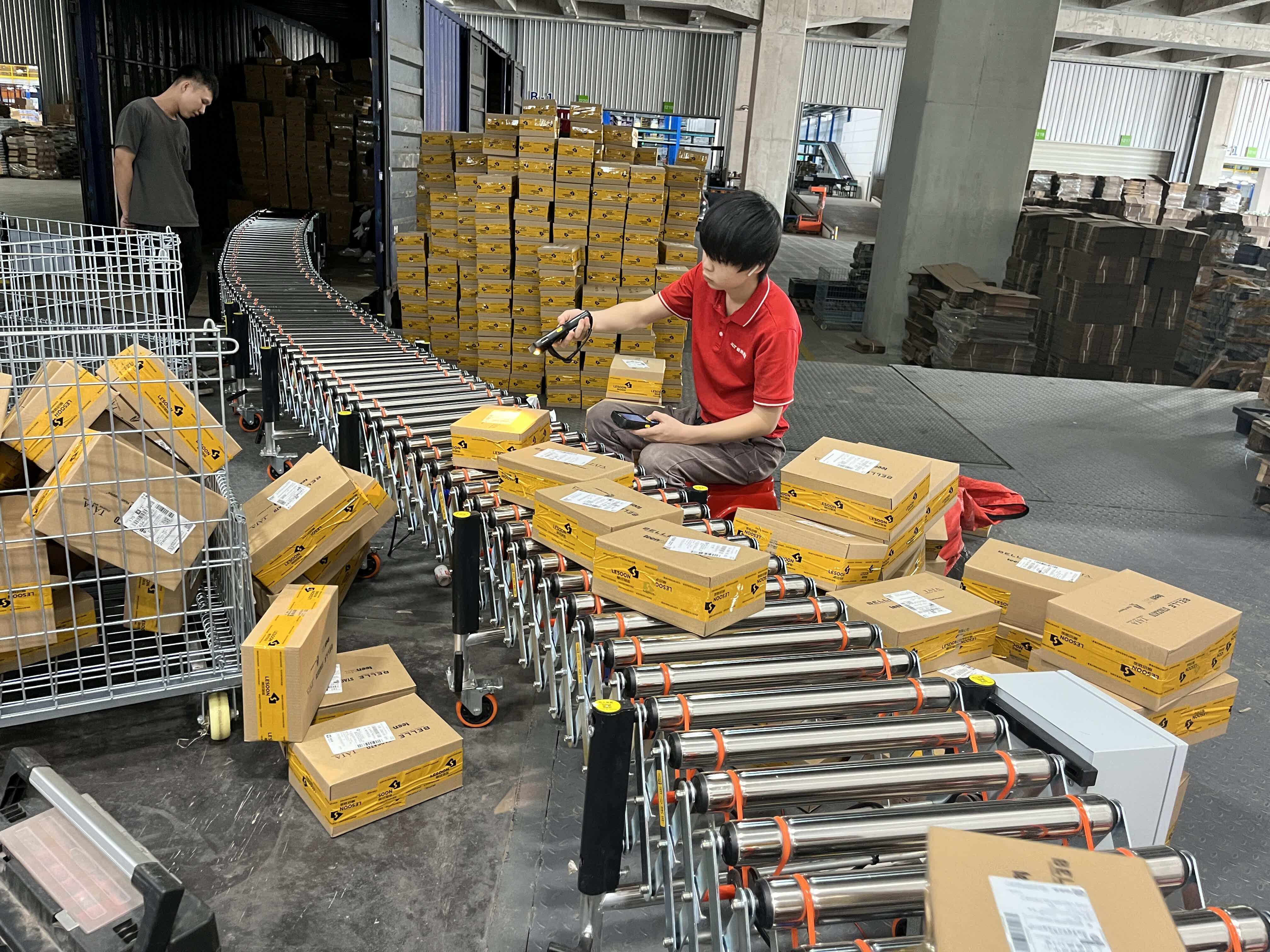
The on-site vehicles include 7.6-meter and 9.6-meter trucks, so the end equipment must quickly align with the truck opening once the vehicle is in position, linking the warehouse exit to the truck loading mouth with a continuous transfer channel. A multi-wedge belt powered roller conveyor is chosen to handle this final transition from warehouse to truck.
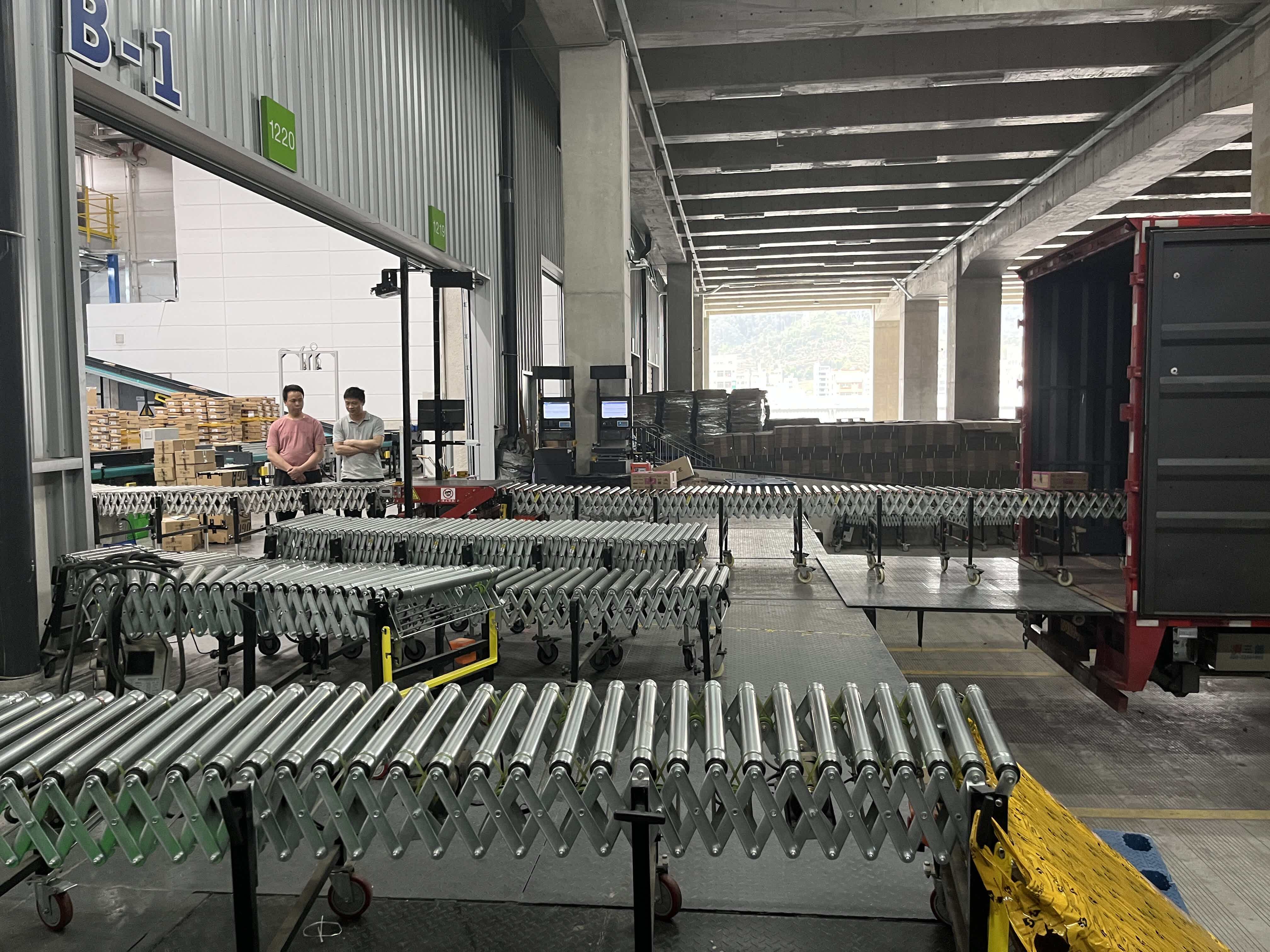
How the solution connects: placing the multi-wedge belt powered roller conveyor in the "after leaving the warehouse—before loading the truck" segment
The multi-wedge belt powered roller conveyor is arranged in the connecting section after the loading dock, positioned within the "after leaving the warehouse—before loading the truck" end transition zone.
After the vehicle is parked, align the roller conveyor according to the truck opening so that its end docks with the truck loading mouth, forming a continuous transfer segment from the platform end to the truck loading mouth and reducing intermediate secondary handling or repeated handoffs.
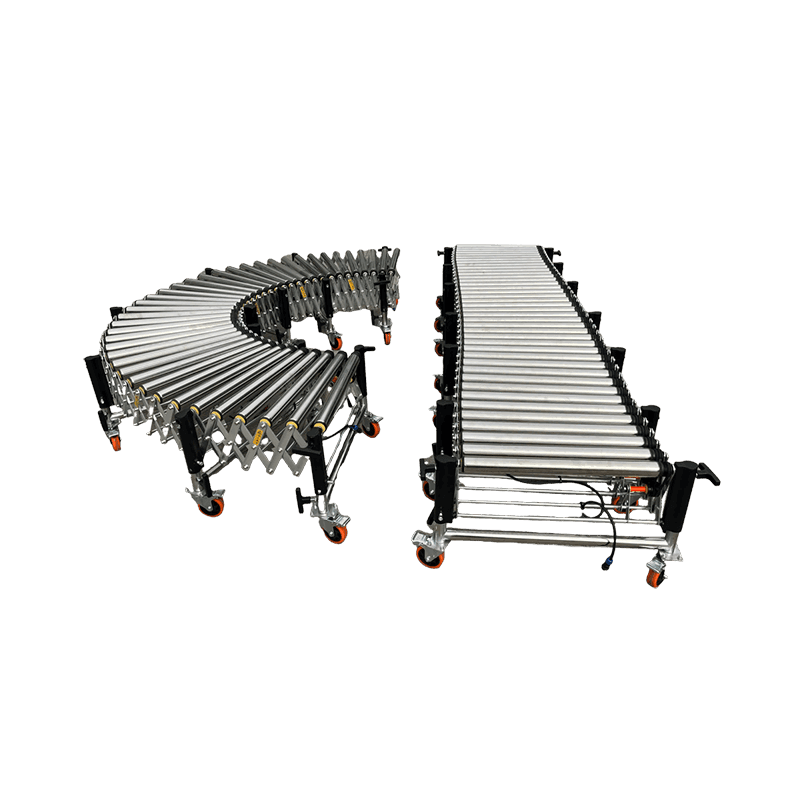
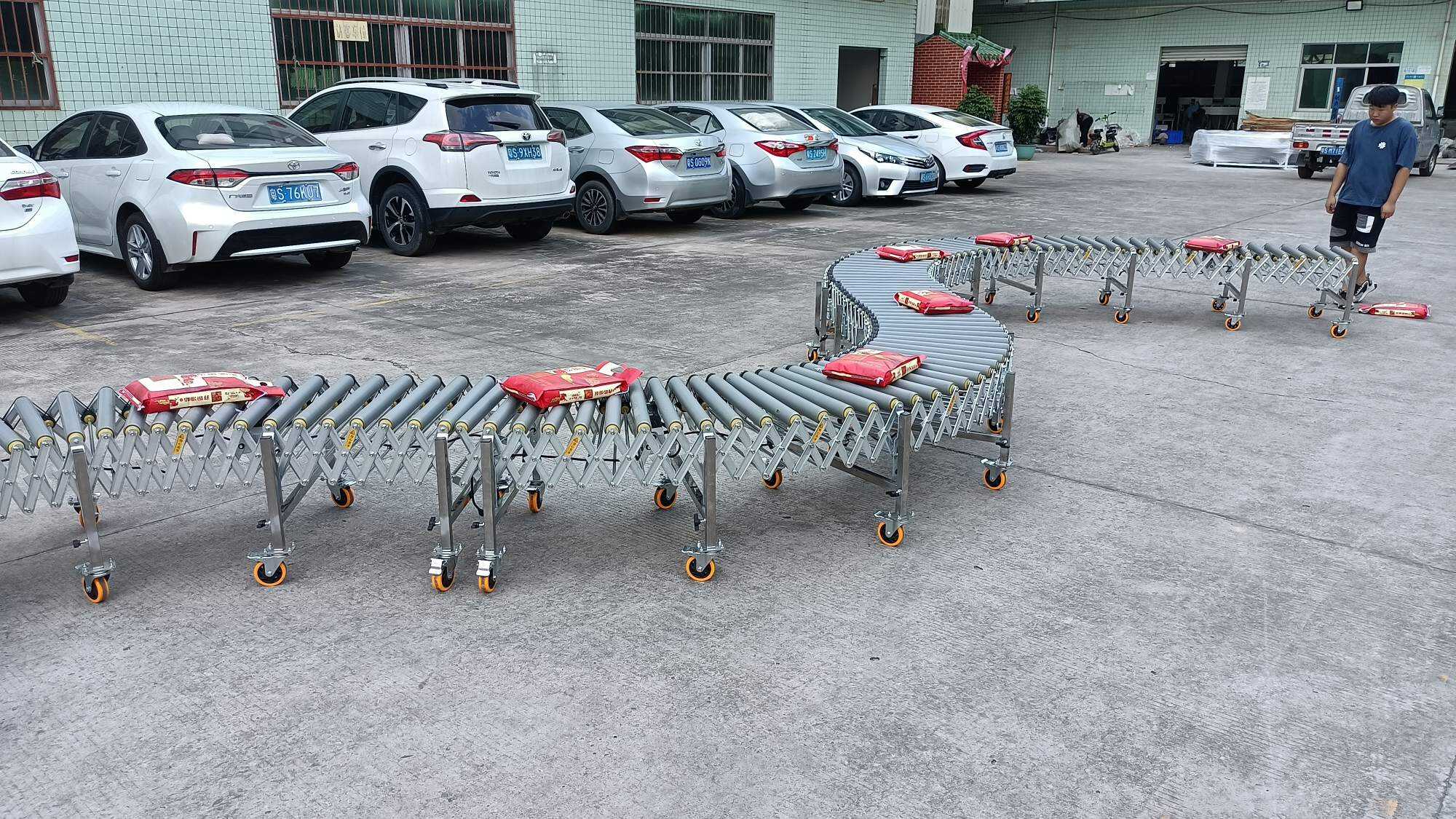
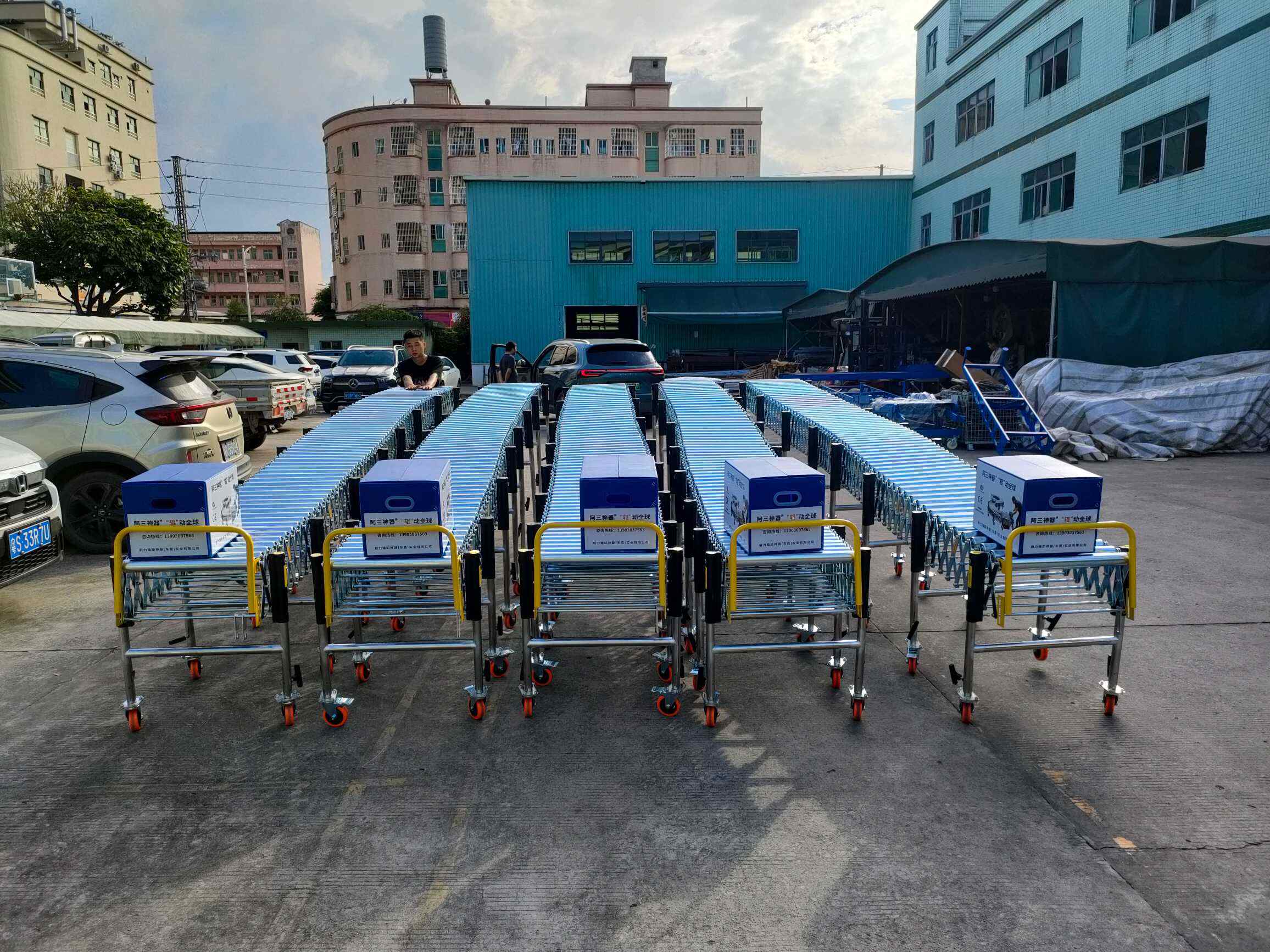
Multi-Wedge Belt Powered Roller Conveyor
The multi-wedge belt Powered Roller Conveyor uses a multi-wedge belt drive design to achieve smooth and efficient cargo conveying. Motor spacing range...
 Plastic Drum
 Metal Drum
 Carton
 Roll
Roll
The final link of the sorting system: how to use conveyors to bridge the gap between the sorting exit and the truck compartment
Operation workflow and human coordination: placement adjustments, docking, and loading cooperation during vehicle switching
On-site operations progress in the sequence of "vehicle arrival/switching—placement adjustment—completing docking—loading cooperation":
- When a vehicle arrives or a replacement truck is needed, first adjust the roller conveyor placement to ensure its end can smoothly dock with the truck opening.
- After docking, goods enter the powered roller conveyor from the warehouse exit and travel directly along the connecting section to the truck loading port.
- The loading stage remains coordinated with the conveyor: workers at the truck end continue stacking/placing goods to keep loading continuous.
Post-use changes: comparing flexibility, operating cost, and efficiency with telescopic conveyors.
The site compared this connection method with telescopic conveyors, and feedback focused on three points:
- Flexibility: when switching vehicles and adjusting positions, the powered roller conveyor was reported to be more adaptable.
- Operating cost: compared with telescopic conveyors, field feedback indicated the powered roller conveyor has lower usage cost.
- Efficiency perception: under actual loading rhythm, the field reported little difference in efficiency between the two.