






| Equipment parameters | ||
|---|---|---|
| Parameter name | Specifications/Parameters | Remarks |
| CM – Complete Machine | Retracted: 680 mm Extended: 1500 mm |
Standard |
| ER – Extension Ratio | 1: 3 | Standard |
| LB – Load Bearing | 250 kg/m | per meter |
| SPH – Speed | 0.3-40 m/s Adjustable speed, variable frequency control |
1 minute |
| UW – Width | 500/600/800 mm | Standard operating width |
| DD – Roller | 50 mm, ≥1.5T | Galvanized/201 |
| S – Shaft Core | Q235 | Standard |
| T-leg (Main H Frame) | 40 × 40 mm, ≥1.8T carbon steel Electrostatic spray coating |
Standard |
| SL – Support Leg | 35 × 35 mm, ≥1.8T carbon steel Electrostatic spray coating |
Sleeve structure design / height adjustable |
| RSWT – Frame Steel Wall Thickness | ≥3.0T, Q345 | |
| Accessory Parameters | ||
| Parameter Name | Specifications/Parameters | Remarks |
| R – Gear Reducer | 1 120 W reducer for every 1.5 m | Motor type: IE4 three-phase asynchronous motor |
| FC frequency converter | 0.75 kW / 1.5 kW / 2.2 kW, Shengbang | Configured according to length |
| CP control panel | Forward/reverse / emergency stop / speed control | Standard |
| ECP electrical control box | In accordance with the requirements of relevant national standards | Circuit breaker: 32A Schneider |
| RV rated voltage | Standard: 220V/380V/50Hz Single-phase/three-phase |
Standard |
| Chain | POM, galvanized carbon steel pin shaft, 40P | Wear-resistant |
| DM drive mode | Double-row gear chain drive Variable-frequency drive (gear motor + chain/belt transmission) |
Variable-frequency drive is suitable for applications that require speed control |
| C-casters | Medium orange perforated wheel: 4 in Wheel width: 30 mm Wheel height: 120 mm |
Swivel with brake |
| Other parameters | ||
| Parameter name | Specification/parameter | Remarks |
| O-equipment electrical control box and equipment wiring | Use 1.5 mm² wire and parallel wiring. | Wiring must meet standards / power cable leakage protection required |
| Product dimensions | ||
| Effective width | Overall machine width | |
| 500 mm | 731 mm | |
| 600 mm | 831 mm | |
| 800 mm | 1031 mm | |
| Other Parameters | ||
| 1: Three standard bracket options available: 550-580 / 750-905 / 900-1250; other sizes require custom fabrication. | ||
| 2: Each section has 11 rollers. | ||
| 3: The spacing between rollers is 100 mm (50 mm when using spacing rods), and the roller center distance is 150 mm. | ||
| 4: For a 90-degree turn, two sections are recommended as the best choice. | ||
| 5: For a 180-degree turn, four sections are recommended as the best choice. | ||
| Warranty | ||
| Item | Duration | Remarks |
| RWT-Machine Frame Warranty Period | 12 months | Naili |
| RWT-Chain Warranty Period | 12 months | Naili |
| The conveyor body and motor are covered by a one-year warranty, and the drive belt is covered by a six-month warranty.
Within the warranty period, if parts have quality issues caused by non-human damage, we will provide replacement parts free of charge. However, because international shipping is involved, the related freight cost shall be borne by the customer. If the equipment or parts are damaged due to human error, improper use, improper maintenance, or similar reasons, or if the issue occurs outside the warranty period, both the cost of replacement parts and the shipping cost shall be borne by the customer. For overseas orders, the warranty period is calculated from the bill of lading date; for domestic orders, the warranty period is calculated from the date the goods are delivered or received. |
||
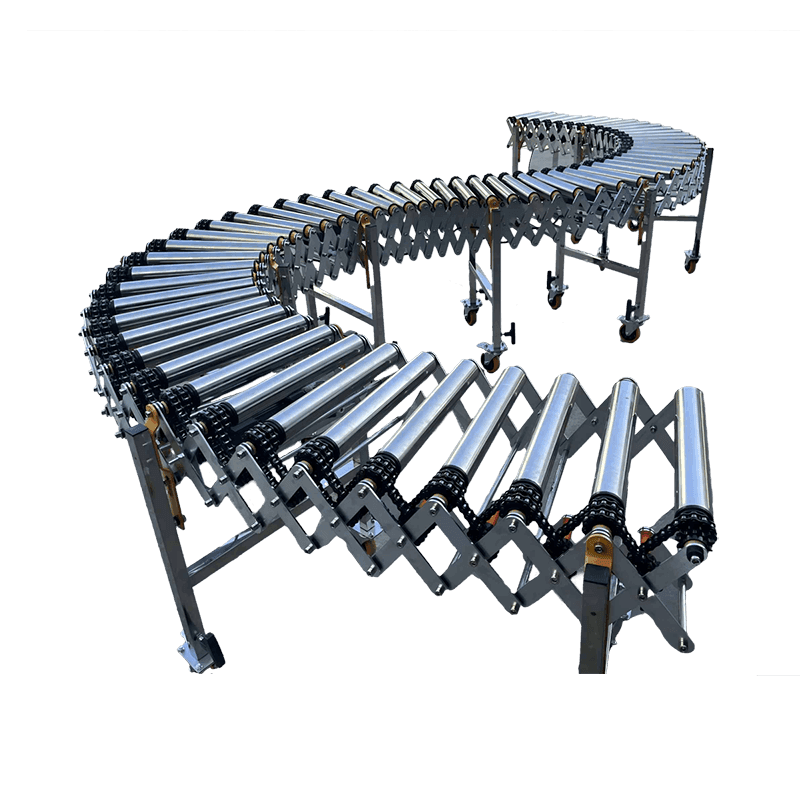
Powered Roller Conveyor Series
Chain Powered Roller Conveyor
The chain Powered Roller Conveyor uses a chain-driven design to achieve efficient material handling. The motor spacing is 1, 500 mm, and the conveying load is 150 kg per meter, ensuring stable and continuous movement of goods. It is suitable for warehouses, factories, and logistics facilities, providing a reliable powered conveying solution.
Speed
0.3-40 m/min Stepless Speed Regulation
Effective Width
500/600/800/1000 mm
Load Capacity
150 kg/m
Retraction ratio
1:2.3
Applicable Goods (Recommended Maximum weight per item)
Chain Powered Roller Conveyor Maximum weight per item (reference)
Actual maximum weight depends on specific working conditions and configuration
| Type of goods | Maximum weight (per item) |
|---|---|
Plastic Drum | 200 kg/pcs |
Metal Drum | 200 kg/pcs |
Carton | 200 kg/pcs |
Roll | 200 kg/pcs |
Plastic Drum
Maximum weight (per item)
200 kg/pcs
Metal Drum
Maximum weight (per item)
200 kg/pcs
Carton
Maximum weight (per item)
200 kg/pcs
Roll
Maximum weight (per item)
200 kg/pcs
Product Options
Chain Powered Roller Conveyor Product Options
Select appropriate optional parts, structural components, and auxiliary configurations based on site conditions.
No image available
#1 The body is made of 304 stainless steel.
No image available
#2 Upgraded to a waterproof motor.
No image available
#3 Upgrade to explosion-proof motors
No image available
#4 Waterproof Electrical Cabinet
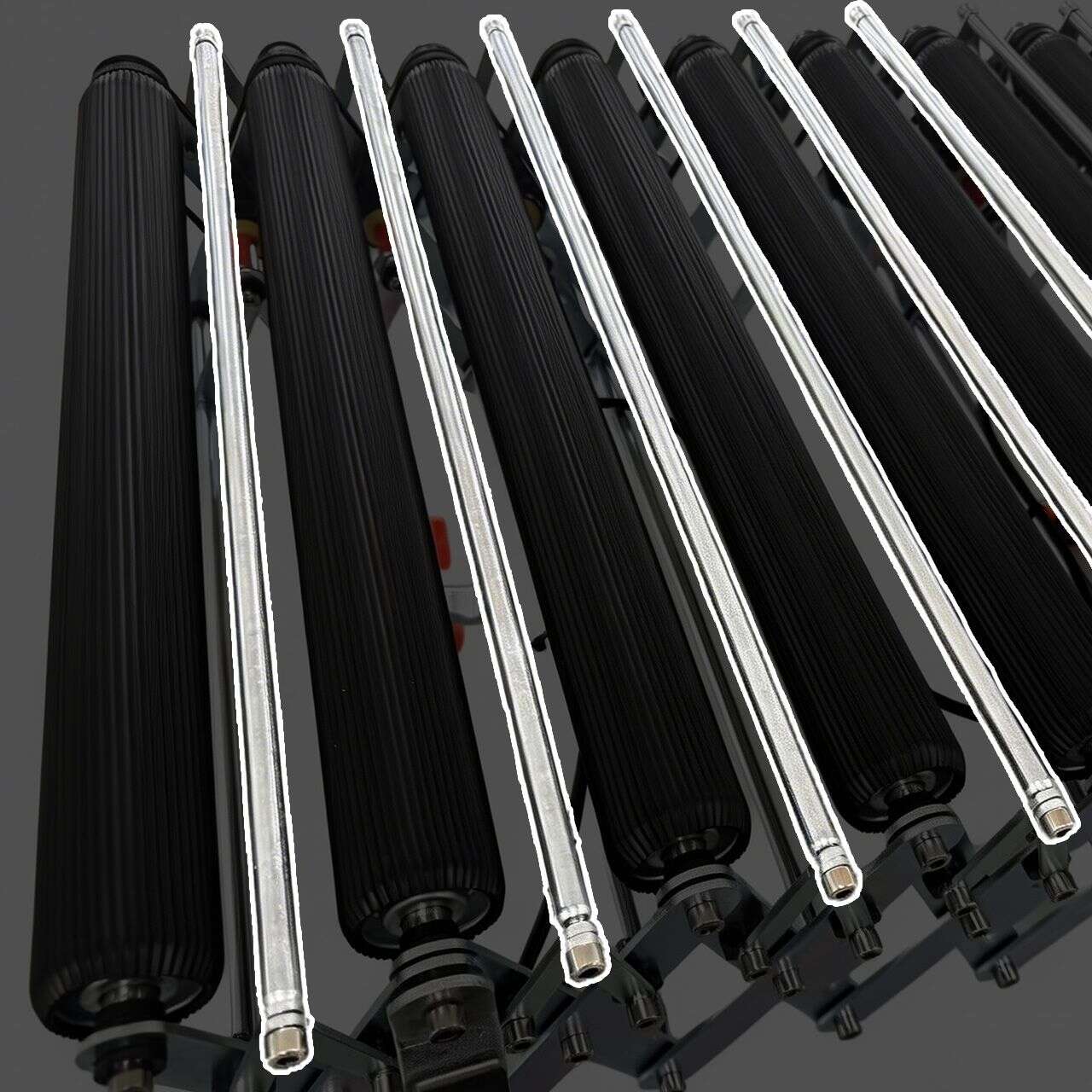
#5 Spacer Bar
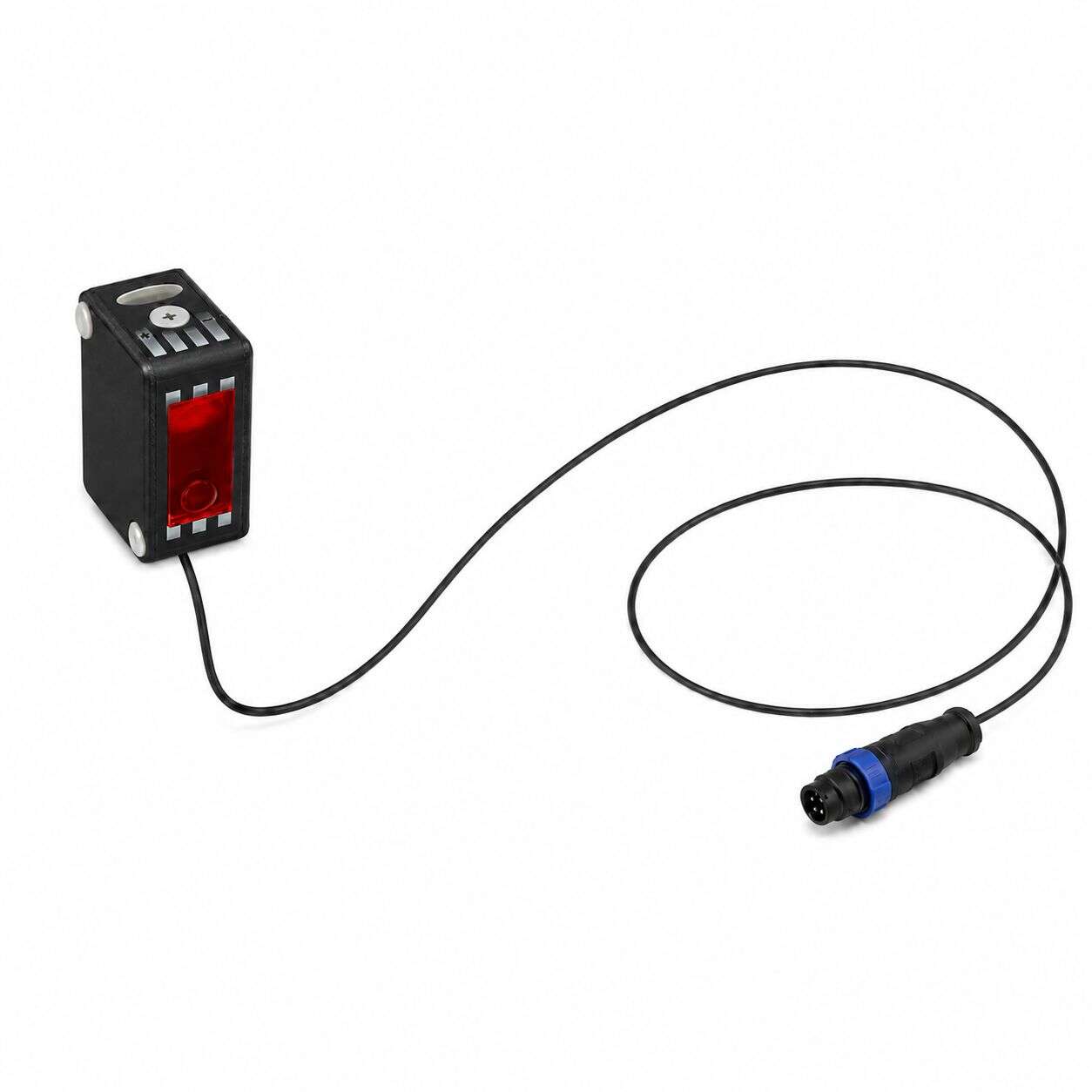
#6 Optical sensor
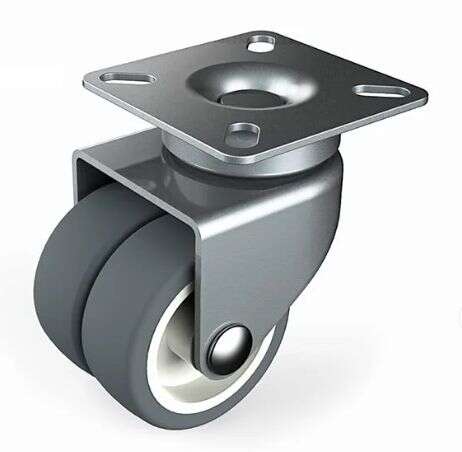
#7 Double-Wheel Swivel Caster
Qualifications and Reports
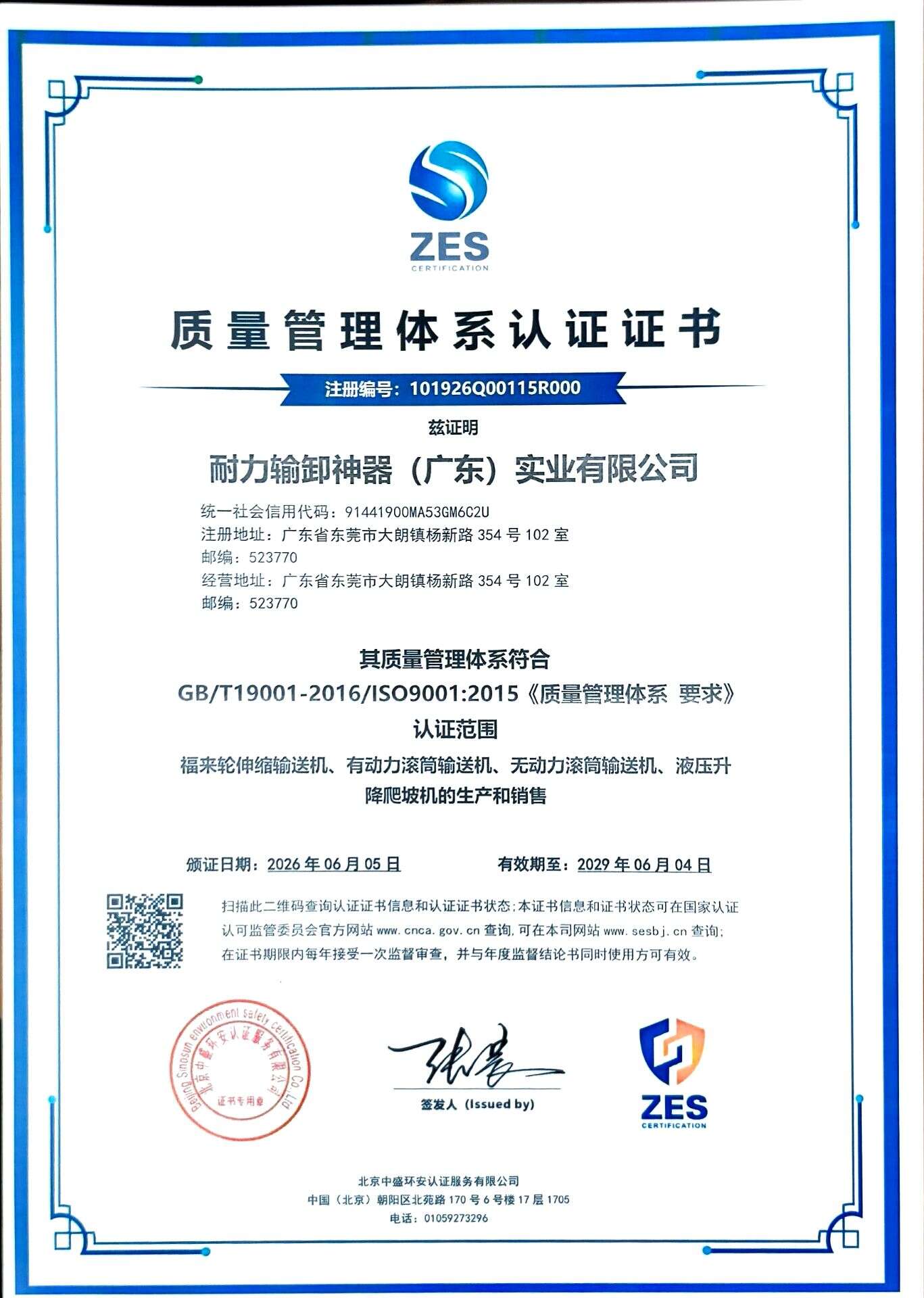
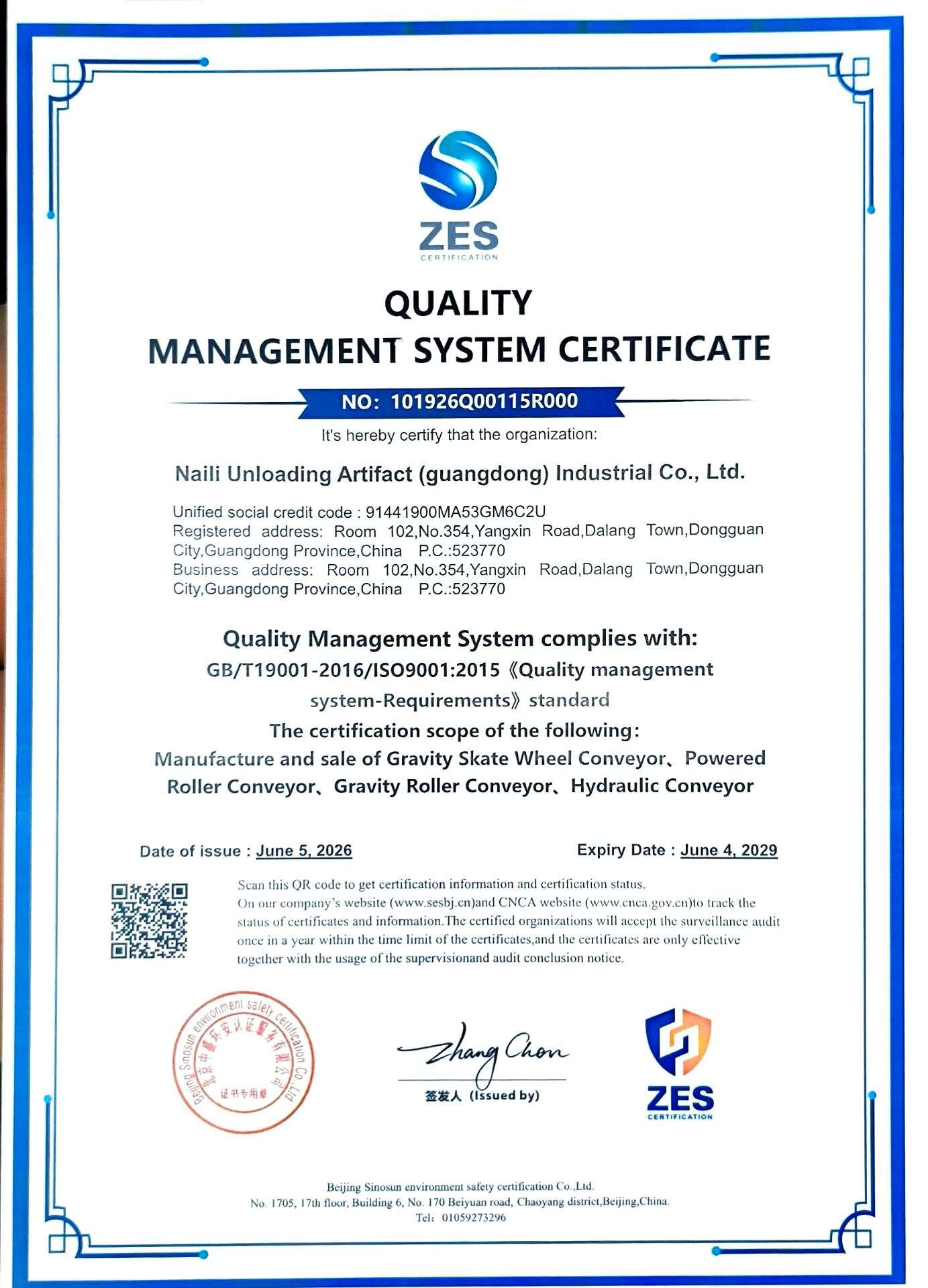
Chain Powered Roller Conveyor Qualifications and Reports
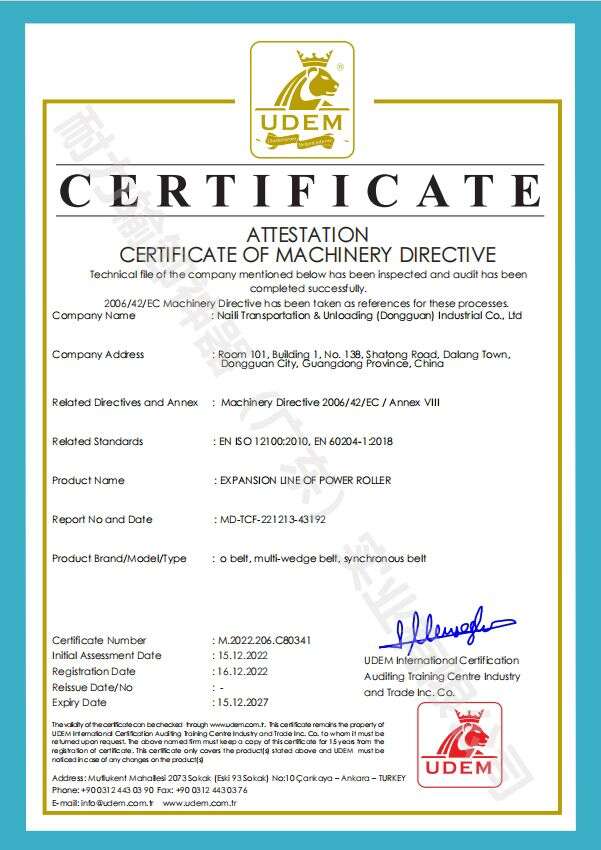
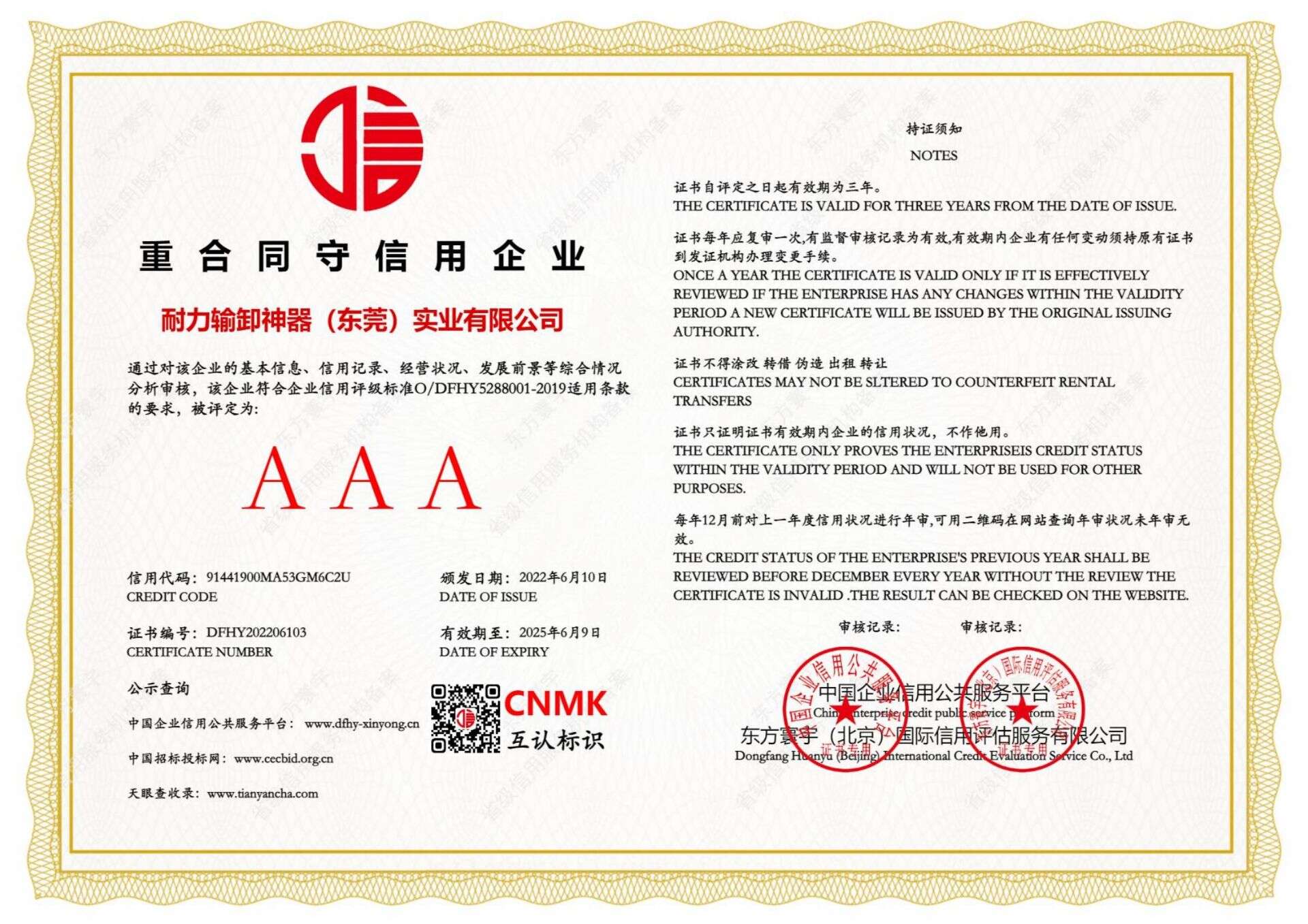
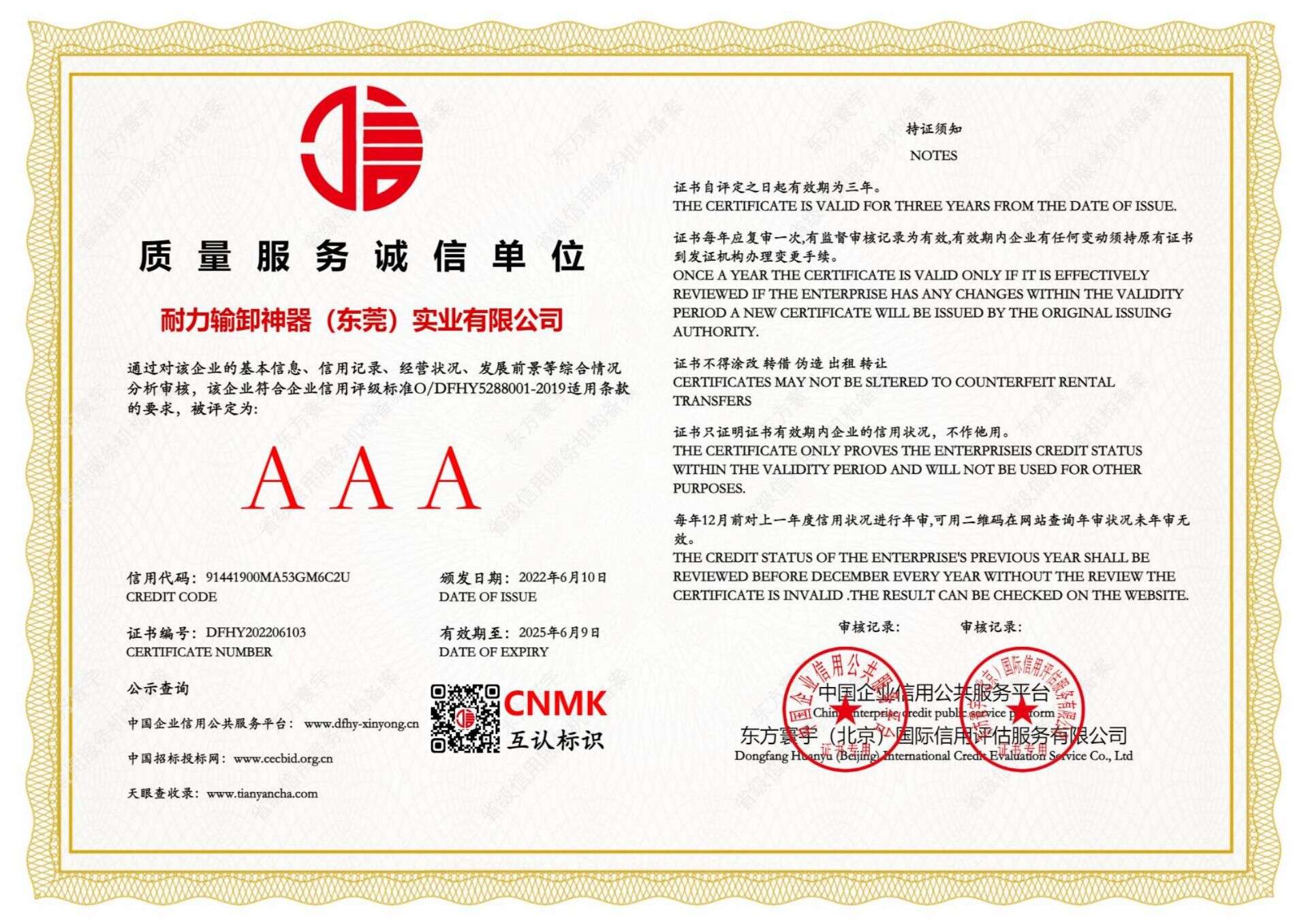
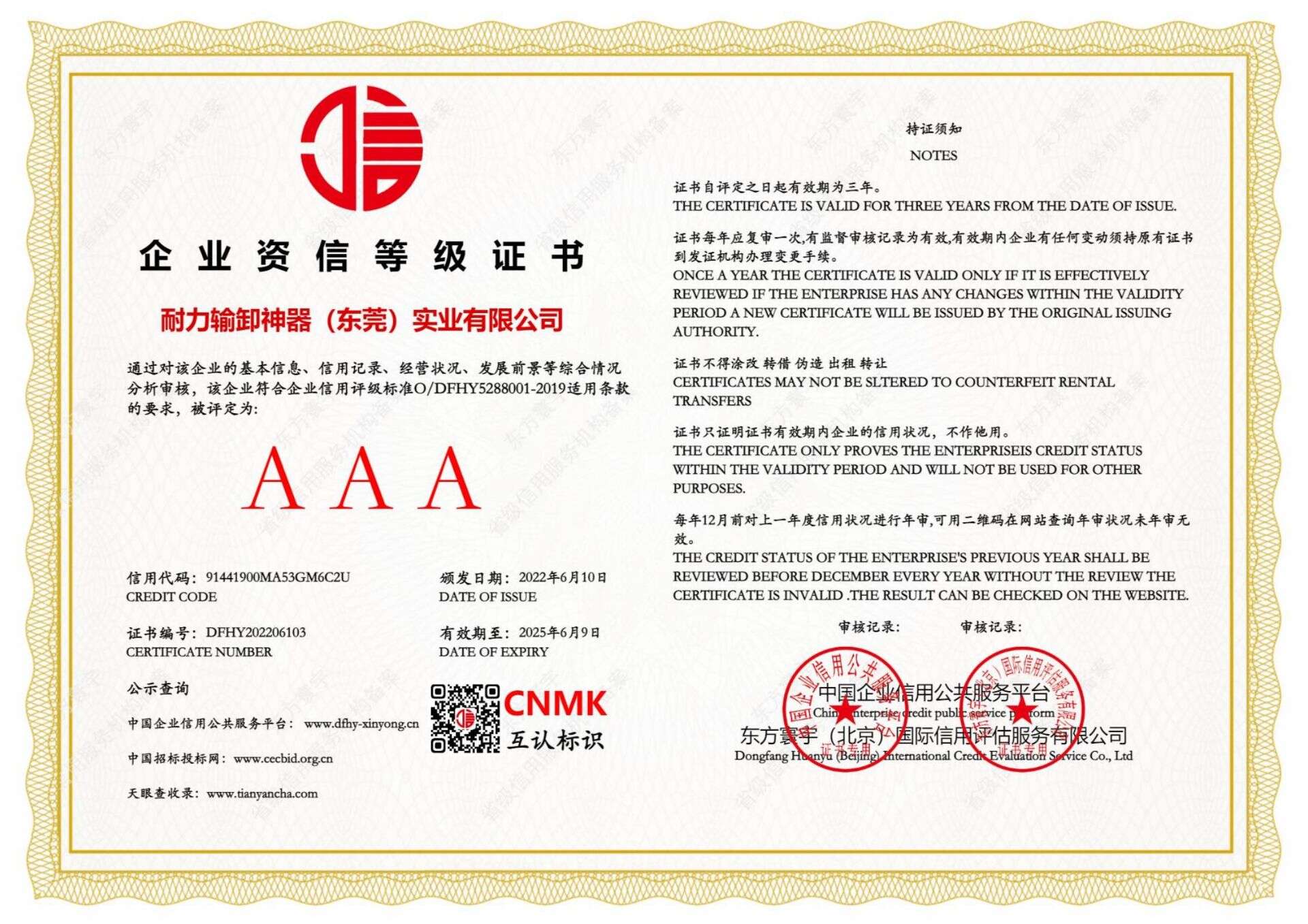
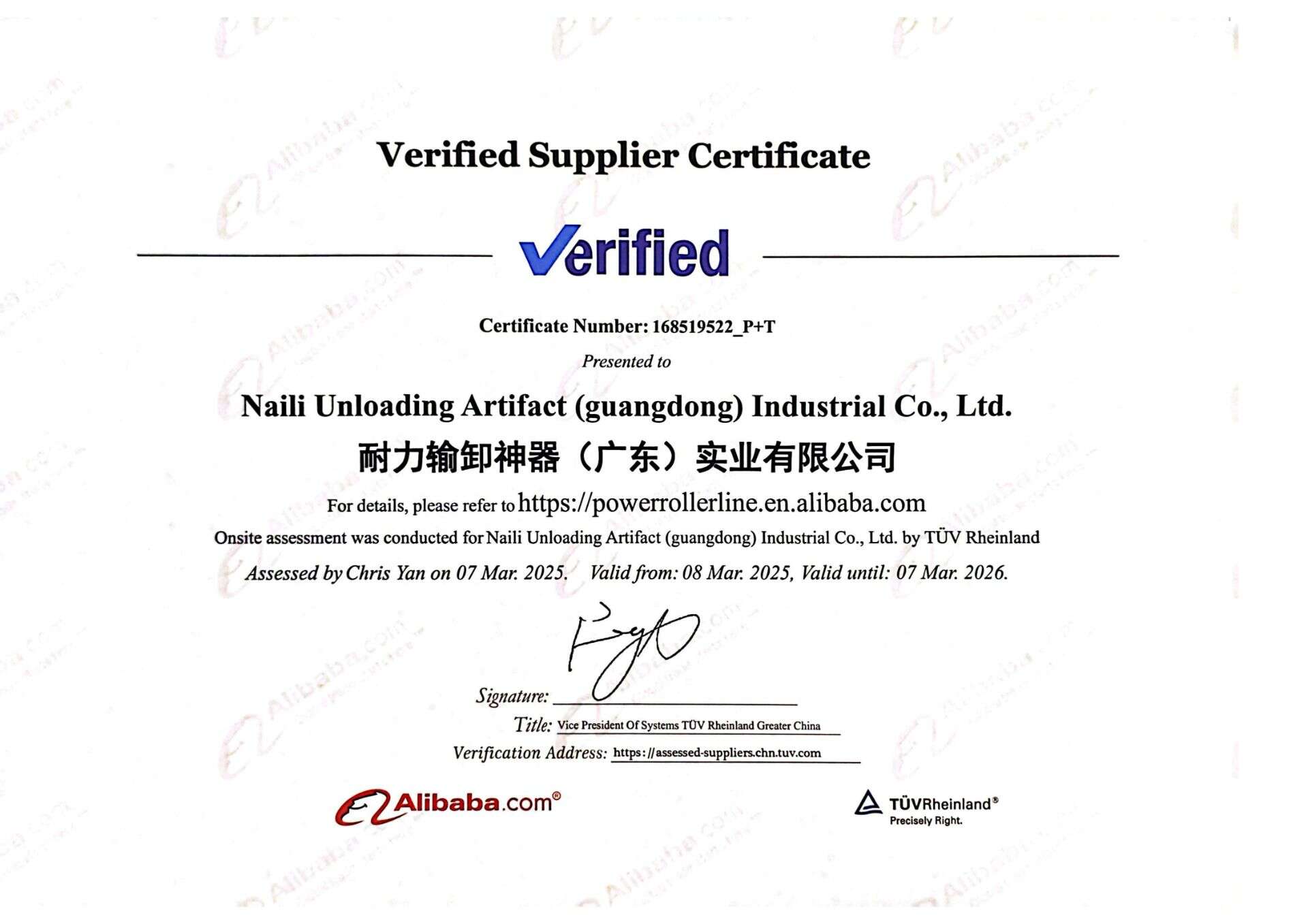
View the certificates, test reports, and patent certificates related to this product for easier verification of qualifications and technical basis.
Certificates
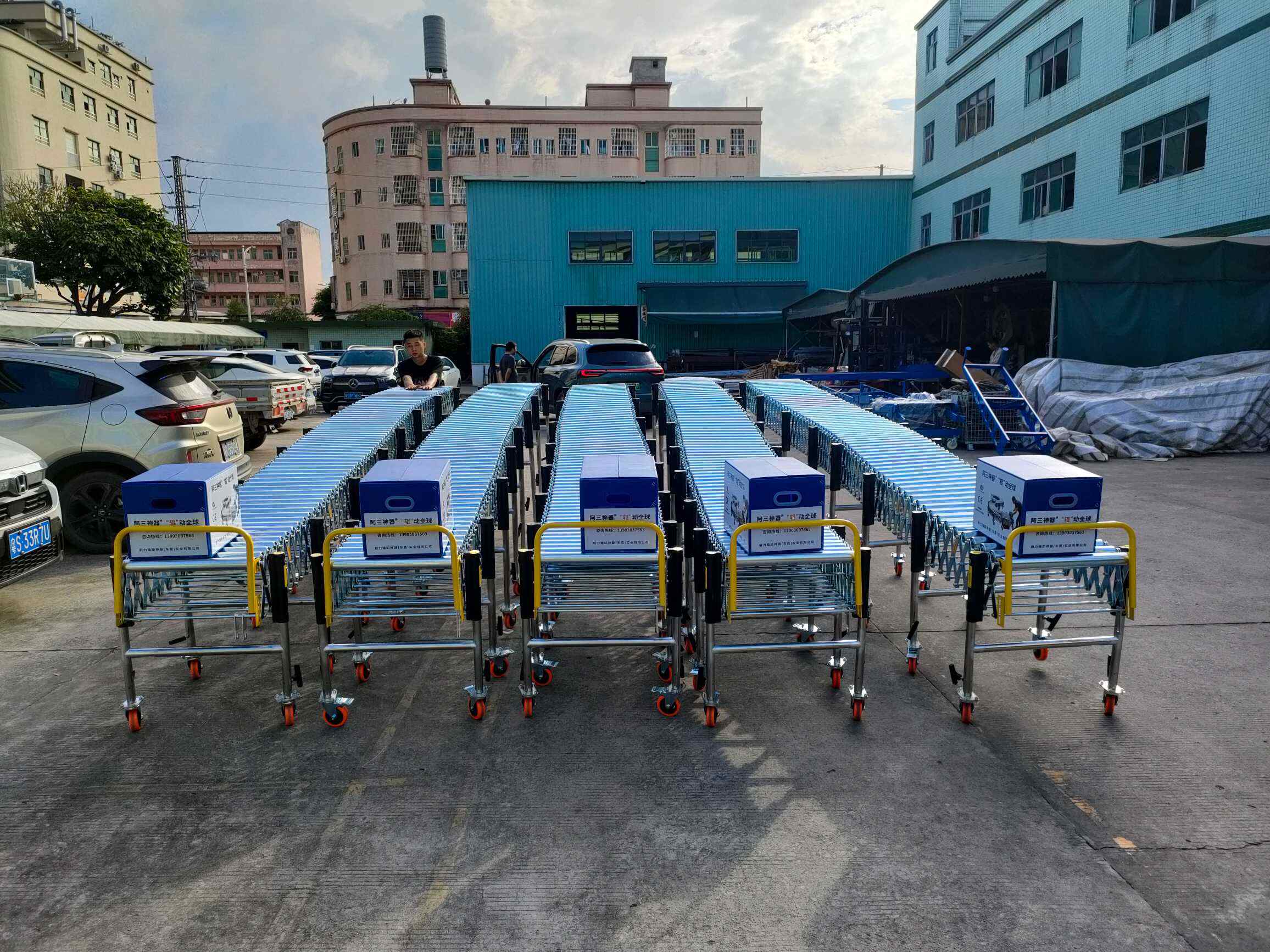
Actual Photos & Videos
Chain Powered Roller Conveyor Product Images
View equipment structure, on-site status, and operational details through galleries and videos.
Actual Photos & Videos
Chain Powered Roller Conveyor Case Videos
View equipment structure, on-site status, and operational details through galleries and videos.
Actual Photos & Videos
Product Guide Videos
Get a quick overview of this product’s configuration and operating essentials through selection, installation, and usage videos.
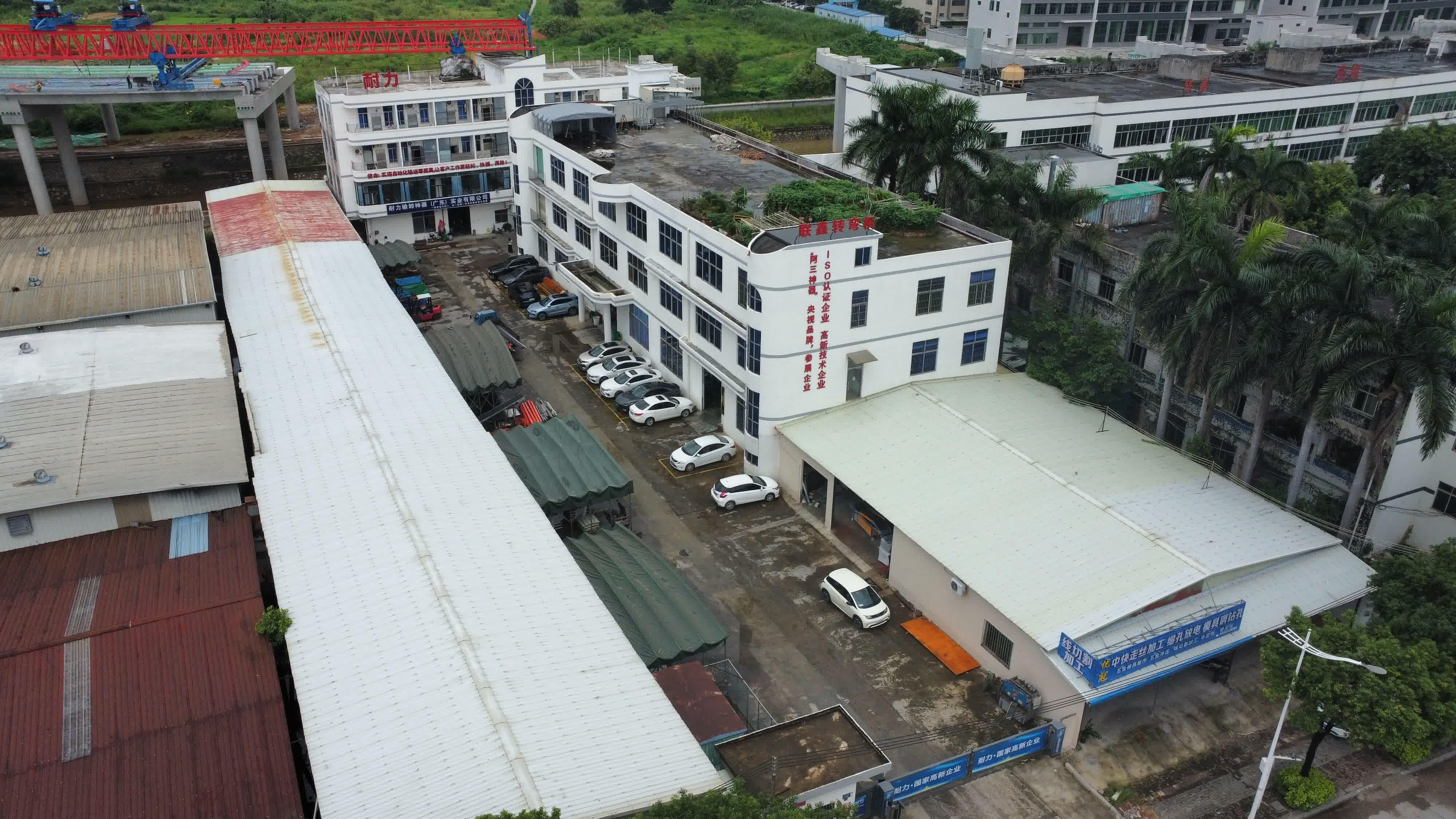
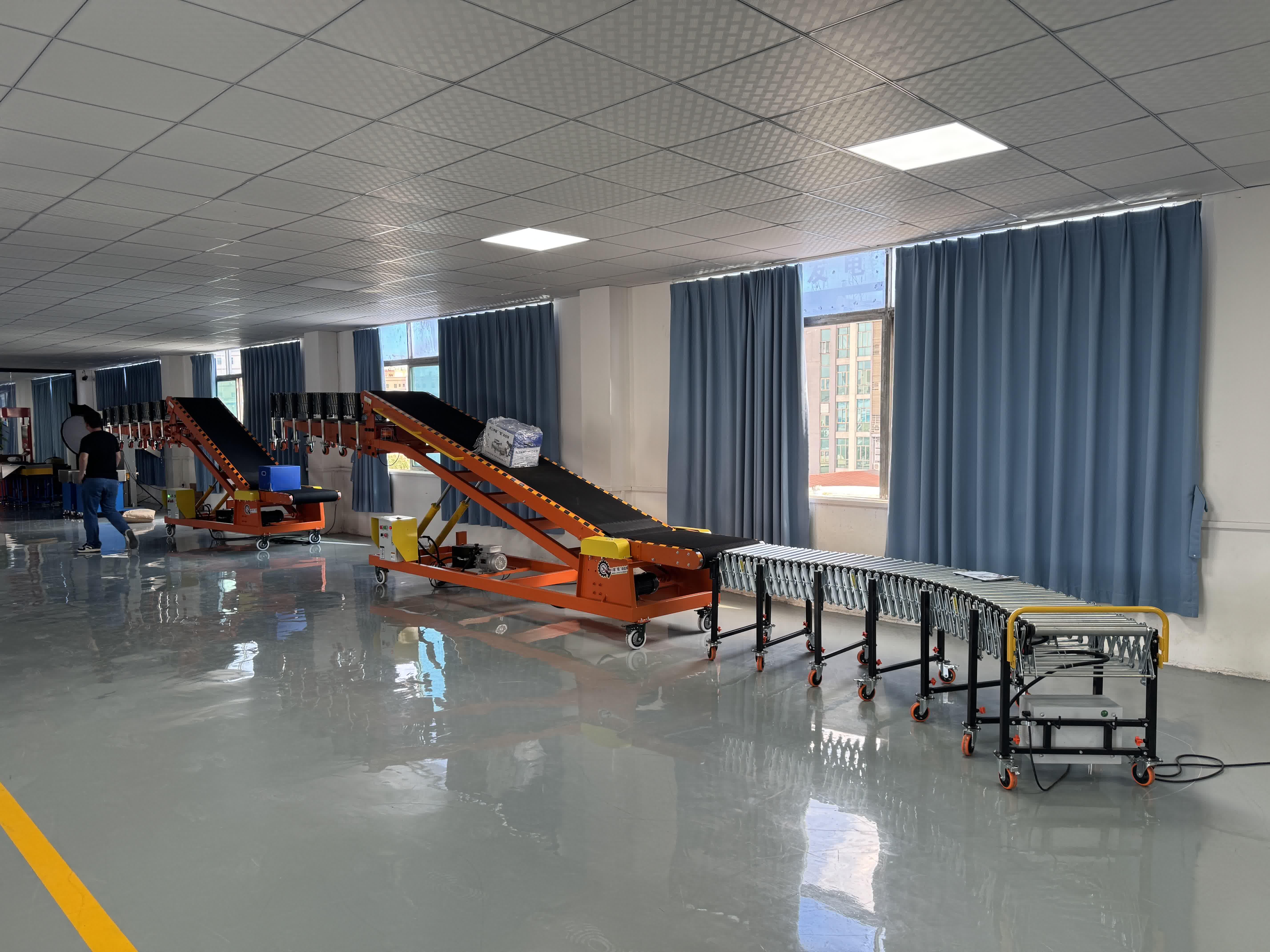
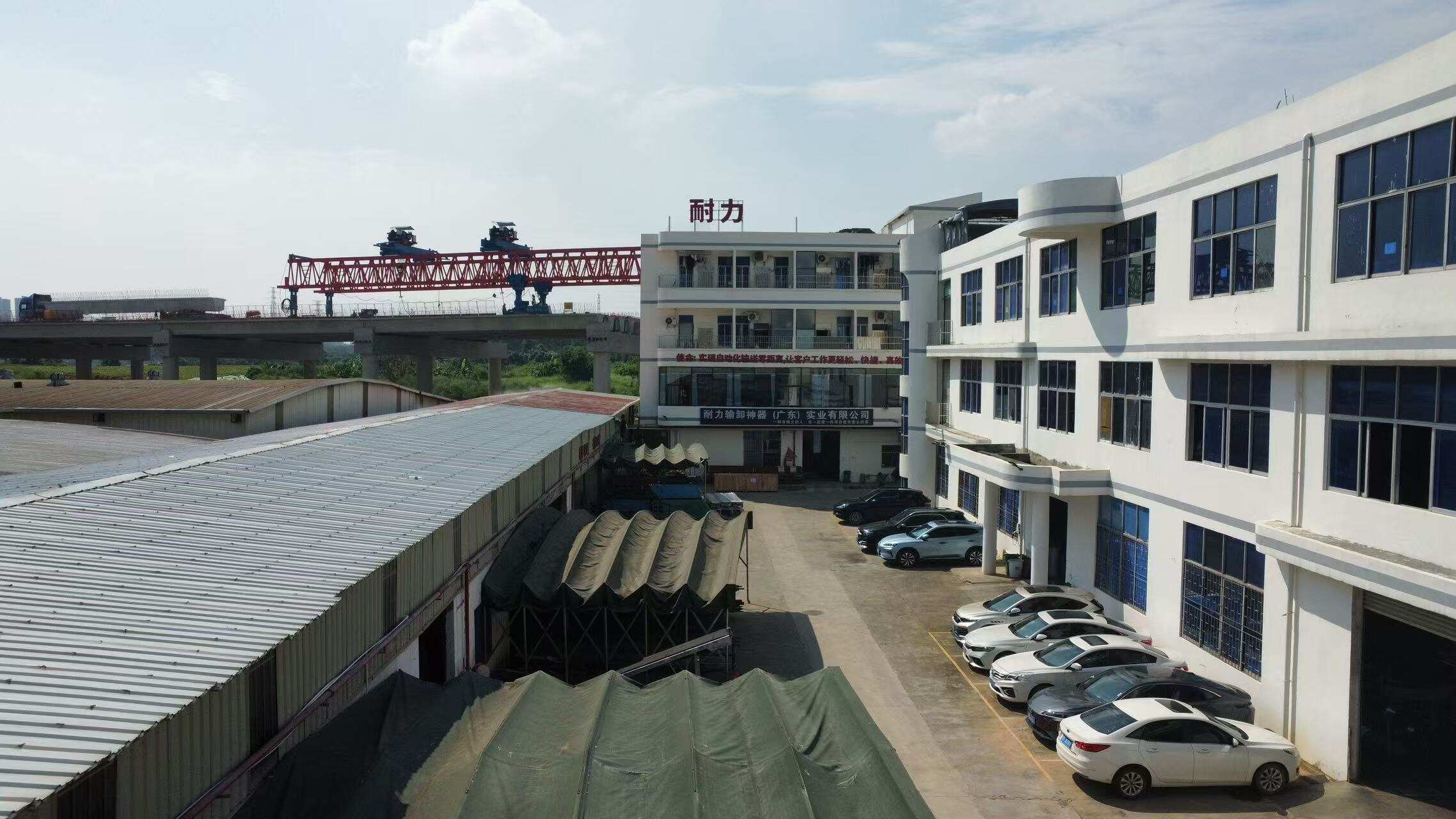
Factory Strength
Learn about production equipment, workshop environment, processing capacity, and quality control through real photos and videos.
Image
工厂图片 4
Image
工厂图片 2
Image
工厂主图
Image
工厂图片 3
Image
工厂图片 1
Specifications
Specifications & Technical Data
View core parameters, structured specifications, and downloadable materials by model.
Chain Powered Roller Conveyor Technical Specifications
PRC-C-1.5
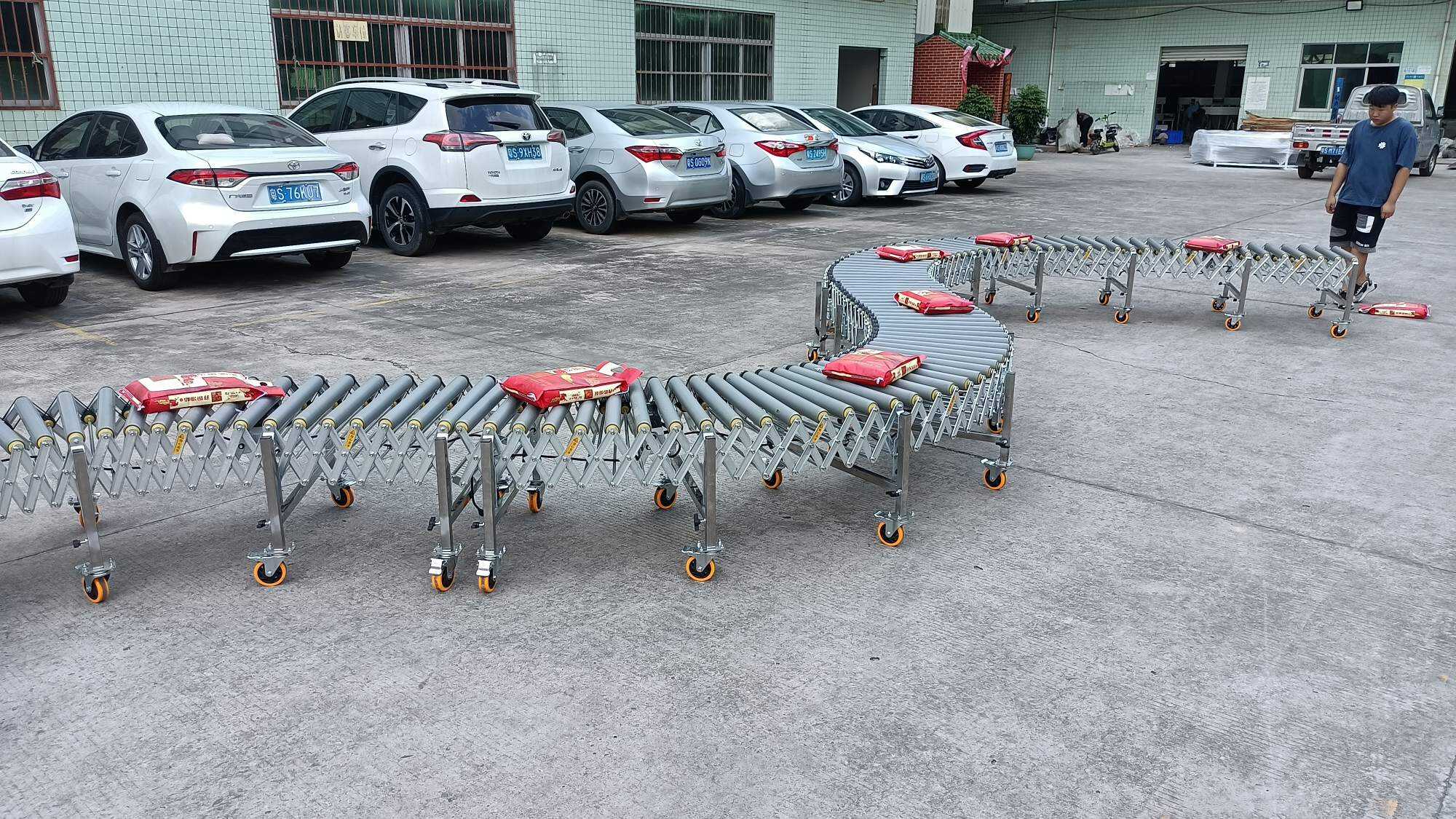
The chain-driven Powered Roller Conveyor mainly solves the powered transfer of goods such as cartons, roll goods, metal drums, and plastic drums within warehouses, factories, and logistics sites. It is suitable for handoff between stations that require stable drive and fixed-route conveying. Before purchasing, first check three boundaries: whether the weight of each item and the load per meter of the line are within range, whether the underside of the goods is suitable for stable passage on rollers, and whether the height and length of the front and rear equipment can be smoothly connected with the site floor. For drums and roll goods in particular, confirm the placement posture, rolling direction, and side restraint method.
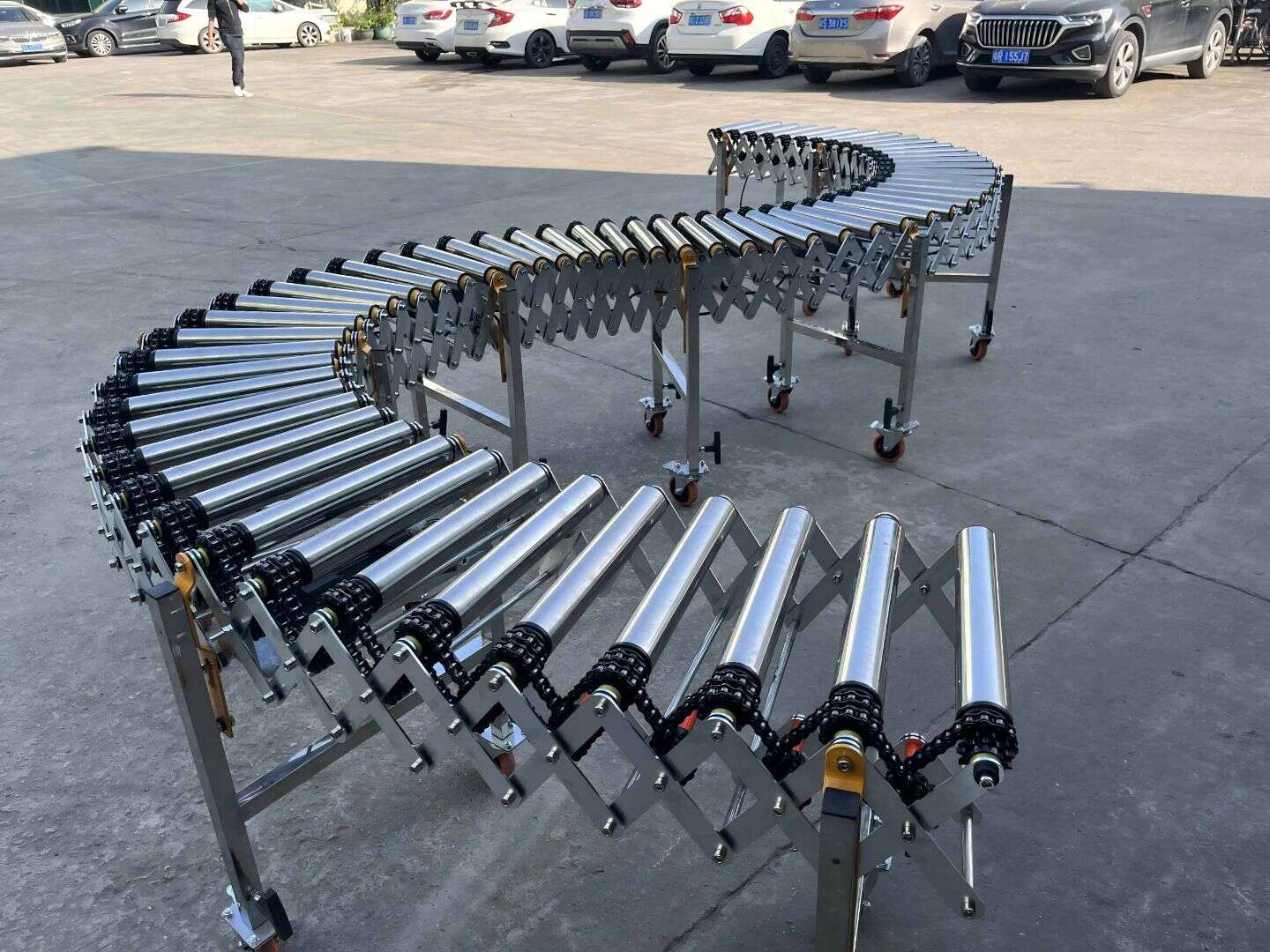
Applicable site and cargo boundaries
The chain-driven powered roller line focuses on transferring power to each roller section, and is suitable for packaging items that are relatively heavy and require stable pushing. The cargo boundaries for the current models include metal drums, plastic drums, roll goods, and cartons, with each item weighing no more than 150 kg.
When judging on site, in addition to checking the weight of each item, you should also verify the following conditions:
- The underside of the cargo must be continuously supported by multiple rollers to avoid hanging in the air, edge jamming, or uneven loading.
- For drums and roll goods with a tendency to roll easily, confirm the conveying direction, guidance, and end-stop method.
- If the carton bottom is too soft, the bottom seal is uneven, or the bottom area is too small, first confirm whether it will sink between the rollers or deviate from the line.
- If there are manual pick-and-place stations before or after the line, reserve standing space and receiving areas to avoid goods directly crowding the operator’s position.
The table below can be used to quickly determine whether the site falls within the applicable range of this model:
| Site condition | Judgment | Recommended action |
|---|---|---|
| Cartons, roll goods, metal drums, plastic drums, single item ≤150 kg | Can be used as the basic applicable range of this model | Continue checking width, speed, and connection height |
| The cargo underside is flat and can rest stably on multiple rollers | Suitable for roller conveying | Continue to confirm support between rollers and guidance |
| Drums or roll goods tend to roll sideways | Further on-site confirmation required | Add guidance, restraint, or end-stop solutions |
| Single item exceeds 150 kg, or local impact load is high | Exceeds the normal boundary | Engineering confirmation, alternative solution, or reconfirmation of load-bearing and conveying method required |
| The cargo underside is too soft, too small, or uneven | May jam or deviate from the line | First confirm the cargo orientation, the base support type, or switch to another conveying method |
How to read the key parameters
The current model in this group is the Powered Chain Roller Conveyor, 1.5 m per section. For the key parameters, prioritize the items that directly affect layout and passability rather than expanding every dimension of the whole unit.
| Parameter | Impact on model selection | How to confirm on site |
|---|---|---|
| Effective width: 500/600/800/1000 mm | Determines whether the cargo can pass through smoothly and whether guiding is needed | Measure the maximum overall width of the cargo and leave sufficient operating clearance |
| Load capacity: 150 kg/m | Determines the cargo weight that can be supported per unit length | Check the weight of each item, stacking method, and localized concentrated load |
| Speed: 0.3-40 m/min | Determines the pace of manual loading and unloading, station handoff, and end buffering requirements | Confirm according to the rhythm of manual operation, barcode scanning, sorting, or temporary storage |
| Base length A: 680 mm; fully extended length C: 1500 mm | Determines the footprint of a single section when retracted and extended | Measure the available straight-line space, transfer passage, and parking position on site |
| Extension ratio: 1: 2.21 | Affects the relationship between the retracted length and the extended length | Confirm the parking area when the equipment is idle and the extended area during operation |
| Roller diameter: 50 mm | Affects the cargo support condition and the feel of passage | Confirm based on the cargo bottom dimensions and bottom shape |
In addition, the motor spacing is 1, 500 mm, which means one geared motor is installed every 1.5 meters. If a longer conveying distance is required on site, sections are usually combined; the total extended length, total retracted length, and number of motors must be confirmed according to the final quantity.
How the front and rear sections connect
The Chain Powered Roller Conveyor is mostly used between floor workstations, near warehouse inbound and outbound areas, and at post-packing transfer sections. When connecting, the main points to confirm are height, rhythm, and cargo flow direction.
Common connection methods include:
- The front section is a manual sorting table, packing table, or unloading point, and the rear section is a fixed roller line inside the warehouse.
- The front section is a fixed roller line inside the warehouse, and the rear section is loading or unloading equipment.
- Combined with the same type of Powered Roller Conveyor to form a longer conveying section for cross-station transfer.
- When the floor conveying section needs to connect to the truck opening or a height-difference position, it can be matched with Medium Hydraulic Conveyor or Large Hydraulic Conveyor but the heights at both ends, cargo orientation, and operator positions must be confirmed first.
If there is a height difference between the front and rear sections, the Chain Powered Roller Conveyor mainly handles horizontal or near-horizontal conveying; when there is a significant height difference, connection to a truck opening, or loading and unloading between platform levels, the height difference should be handled by a dedicated ramp section, and then the docking height of the roller lines at both ends should be confirmed.
Selection boundaries with similar powered roller models
When it falls under the powered roller conveyor category, the chain-driven model is mainly chosen based on the conveyed items, load limits, and the required on-site driving stability. If the items being conveyed are relatively heavy cartons, drums, or rolls, and a chain transmission method is preferred, you can first confirm within this model range.
You can also view other options in the same category Multi-V-belt Powered Roller Conveyor and O-belt Powered Roller Conveyor. The selection boundary can be judged as follows:
- If chain drive is required and the single-item weight and load-bearing requirements per unit length are clear, first verify this model.
- If the goods are lighter, the takt time is more precise, or there are specific requirements for segmented conveying, you can also compare the multi-V-belt or O-belt models together.
- If the surface of the goods on site is likely to be affected by hard rollers, or if you want to change the contact surface form, you can also take a further look at chain Powered Rubber-Covered Roller Conveyor.
Width, speed, load capacity, and line layout conditions for different drive types still need to be confirmed according to their respective models and cannot be directly substituted for one another.
On-site Layout and Maintenance
The base length per section of this model is 680 mm, and the fully extended length is 1500 mm, making it suitable for segmented layout. When planning the layout, first consider the straight-line space, then the pedestrian passage and forklift detour space.
During on-site use, it is recommended to focus on checking:
- After the equipment is extended, whether there is enough receiving area at both the inbound and outbound ends to prevent goods from piling directly onto the drive section.
- The height of the stands should be aligned with the front and rear sections to prevent goods from bouncing, catching on the edge, or tipping at the joint.
- The moving and locking positions of the casters must be clearly defined to prevent the line from shifting during operation.
- The operating positions for forward rotation, reverse rotation, start, stop, and emergency stop should be easy for on-site personnel to reach.
- The speed is adjustable within the range of 0.3-40 m/min. When there is a lot of manual loading and unloading, set the speed to a range that makes receiving and unloading easier.
For maintenance, the main inspection points on site are usually the chain drive, roller rotation condition, motor running noise, emergency stop function, and caster locking status. If drums, rolls, and other eccentric-load goods are conveyed for a long time, also periodically check whether the guides and support points show uneven wear.
Frequently Asked Questions
1. Is it suitable for conveying metal drums and plastic drums?
Yes, but you must also confirm that the weight of each item does not exceed 150 kg, that the drum is placed in a stable position, and that necessary guides or stops are installed to prevent side rolling and collisions.
2. Is it suitable for direct connection to a carton packaging line?
Yes, for cartons with a flat bottom and stable dimensions. If the carton bottom is soft, the bottom area is too small, or the shape is not square, confirm passability before connecting.
3. How should the speed be set?
The speed range of this model is 0.3-40 m/min. Faster is not always better; it should be confirmed together with the manual loading and unloading takt time, end-buffer space, and the speed of the upstream and downstream equipment.
4. How do you determine the number of sections for a line of a required length?
This model is assembled in 1.5 m sections, with a single-section extended length of 1500 mm and a base length of 680 mm. The total extended length, total retracted length, and number of motors need to be confirmed based on the final quantity.
Confirmation Before Purchase
Before submitting an inquiry or planning a layout, it is recommended to provide the following information first for more direct communication:
- Goods type: cartons, rolls, metal drums, plastic drums.
- Single-item weight, maximum overall length/width/height, and bottom surface form.
- Planned conveying width; first confirm the target range among 500/600/800/1000 mm.
- Total line length, number of sections, and the storage space after the equipment is retracted.
- On-site floor conditions, and whether movement, locking, and frequent repositioning are required.
- Names of the upstream and downstream equipment, loading/unloading height, interface width, and product flow direction.
- Operator mode: manual loading, manual unloading, end buffering, or linkage with other equipment.
- If there is a height difference, truck opening, or dock connection, also provide the height difference and available length to help confirm whether it needs to be paired with Medium Hydraulic Conveyor and other equipment.
If the site mainly handles drum-type, roll-wound, or heavy goods close to the load-bearing limit, we recommend providing product photos, bottom dimensions, and the planned placement posture together so that the conveyor width, guiding method, and line layout can be confirmed more quickly.