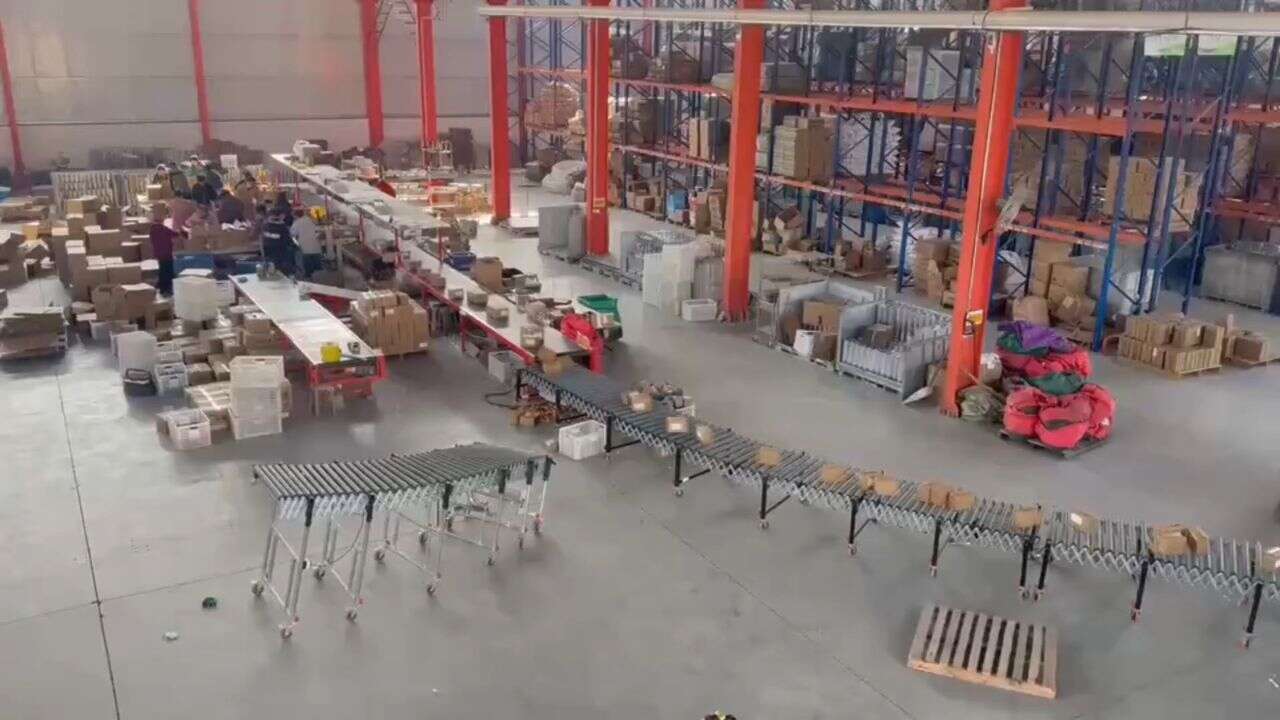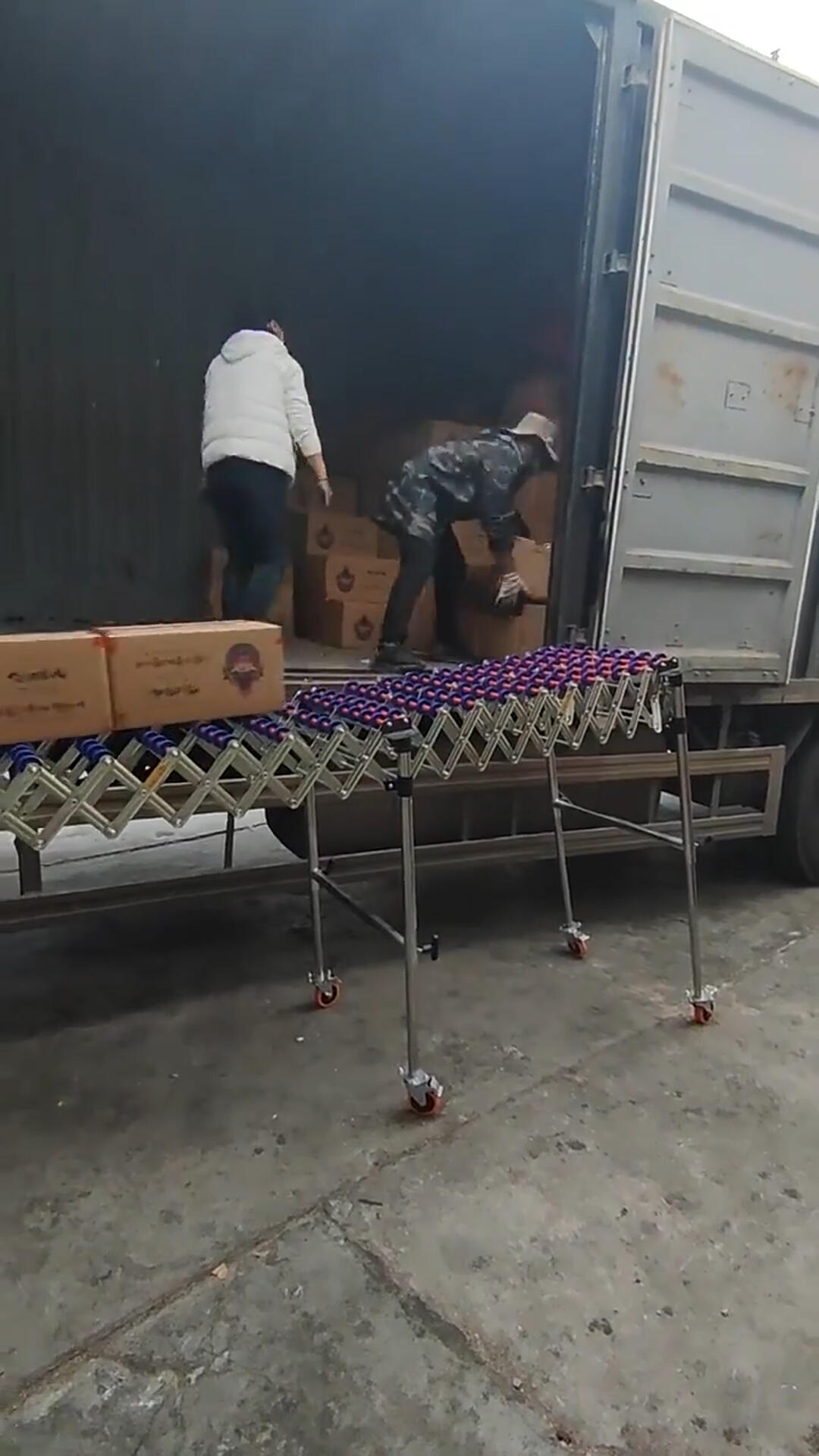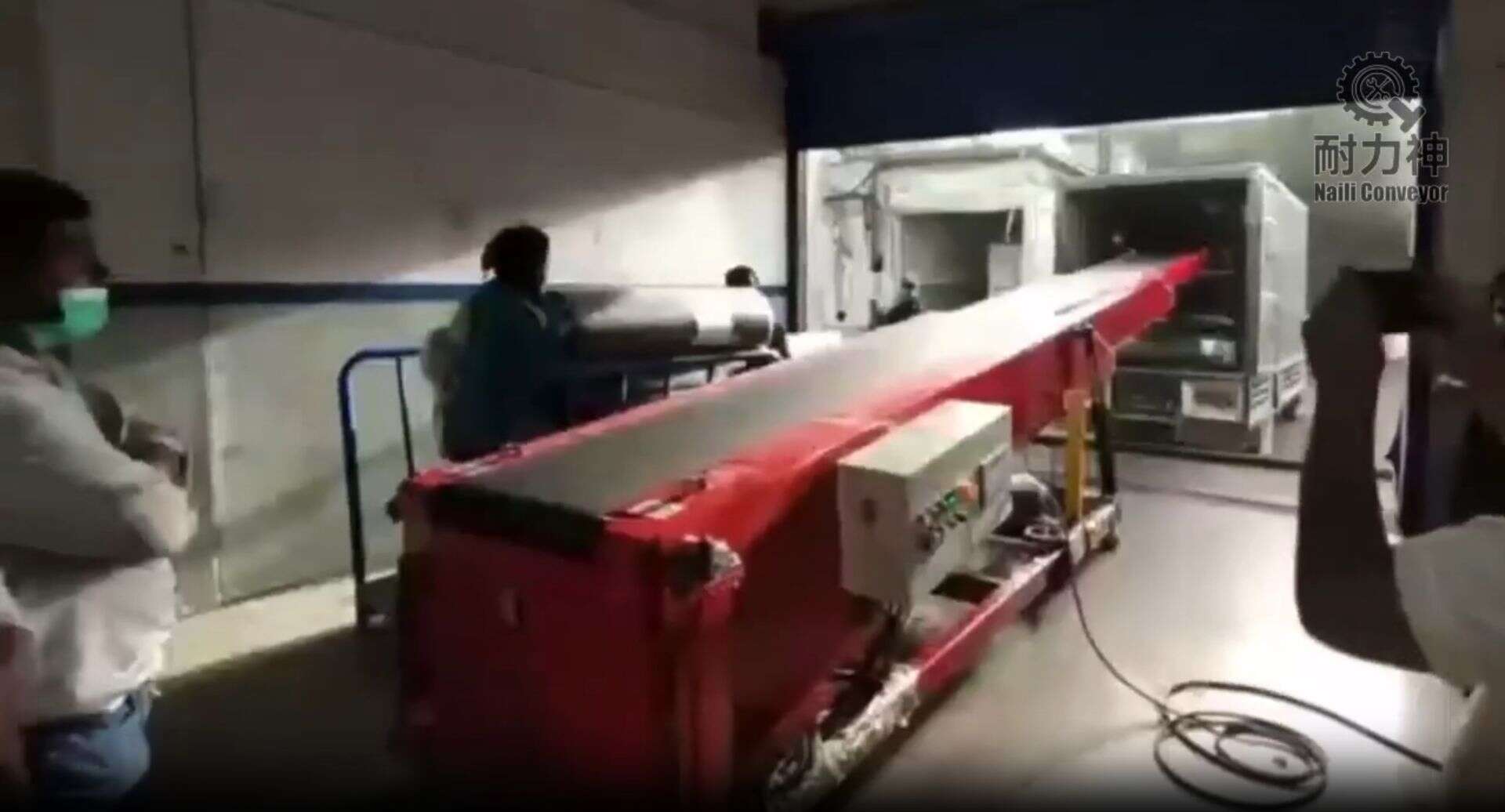
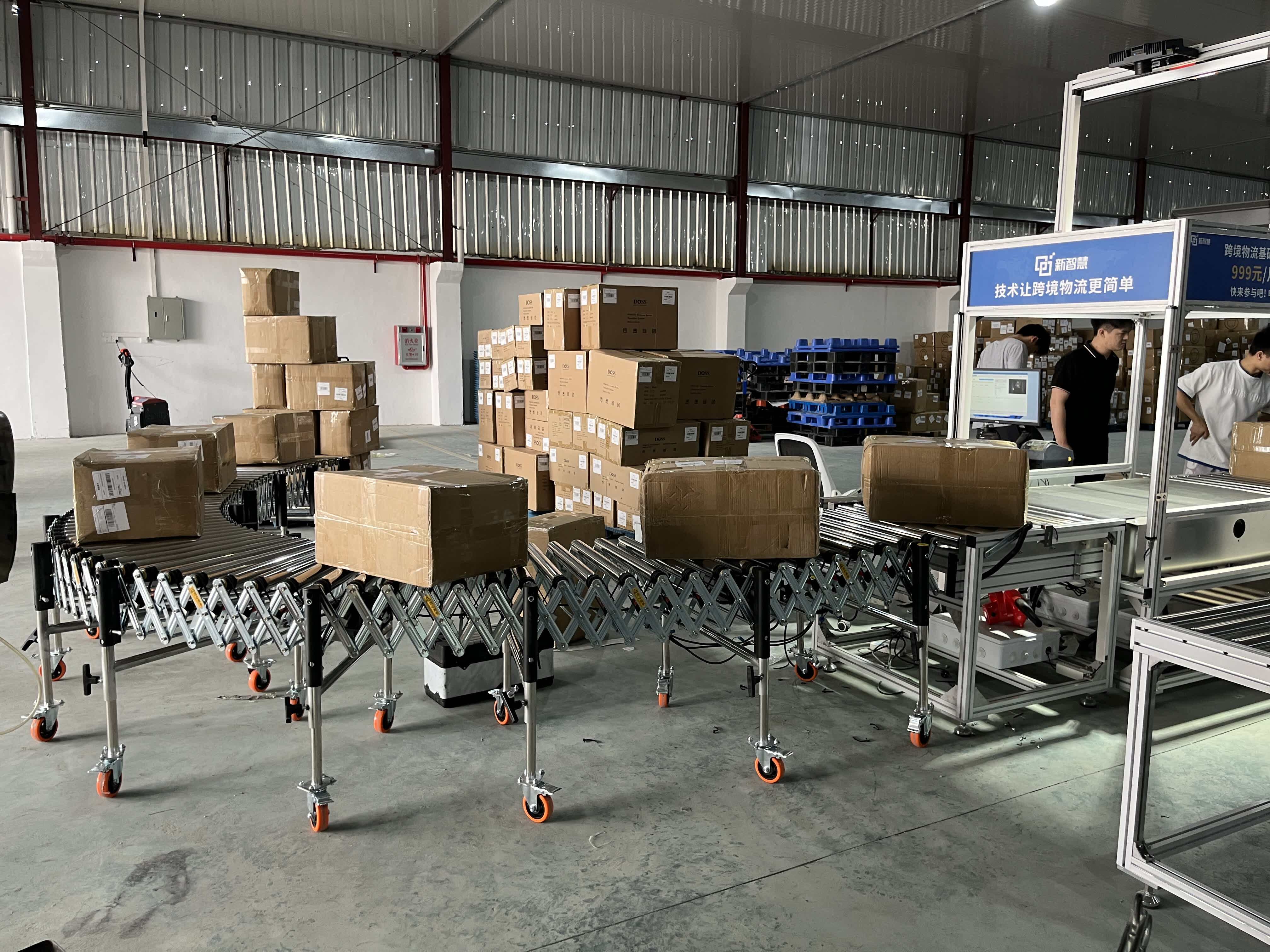
In modern warehousing and manufacturing environments, powered roller conveyors are widely used for their efficient and flexible material handling capabilities. As demand grows for spaced transportation in manual sorting and inspection stages, powered roller conveyors with photoelectric sensors have become an important solution for achieving automatic spacing control and assisting manual operations. This article will detail their working principles, practical applications, efficiency and risk control, and the suitability of different structural types.
Working principle of powered roller conveyors equipped with photoelectric sensors
Equipment structure and sensor layout
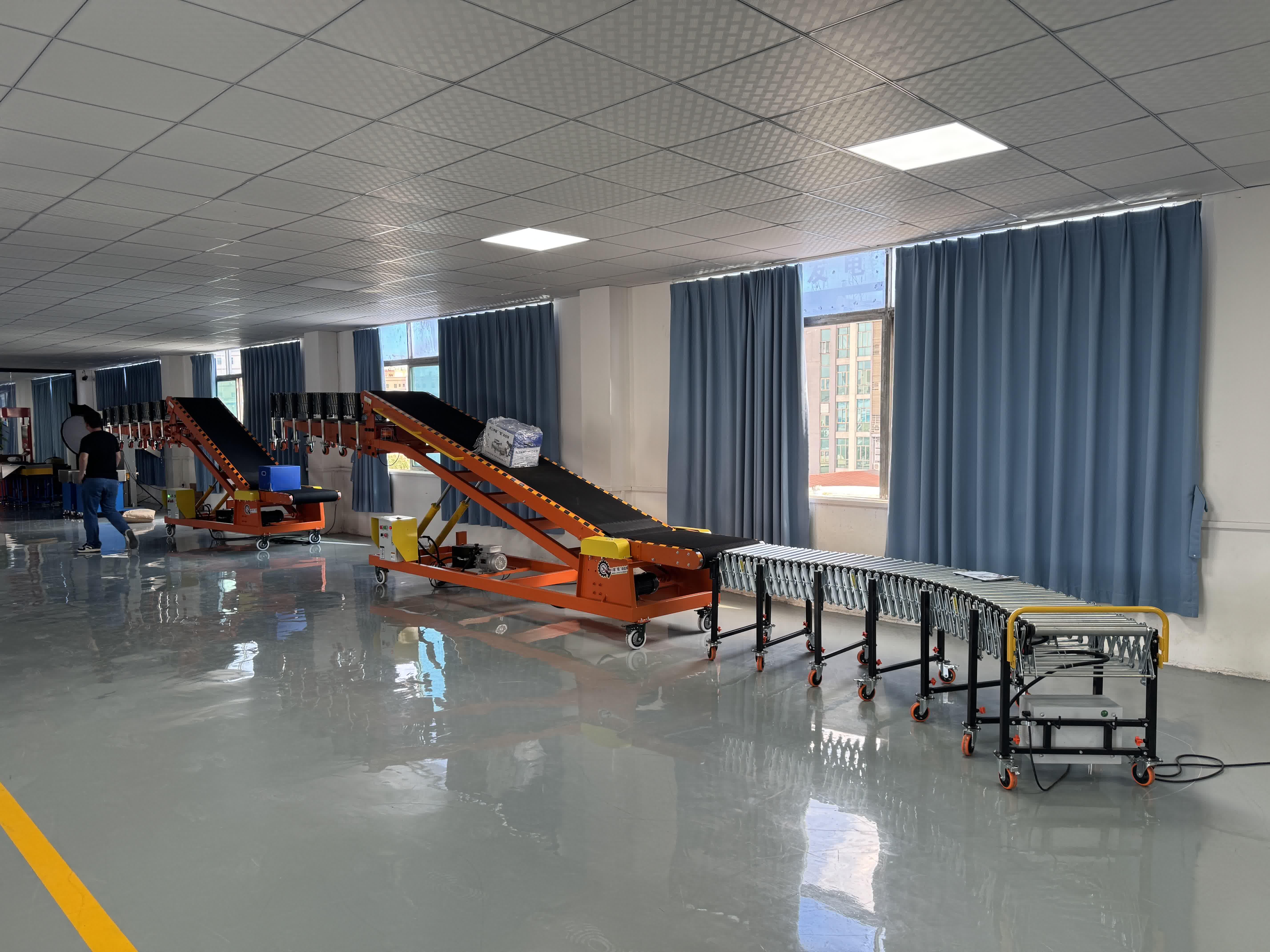
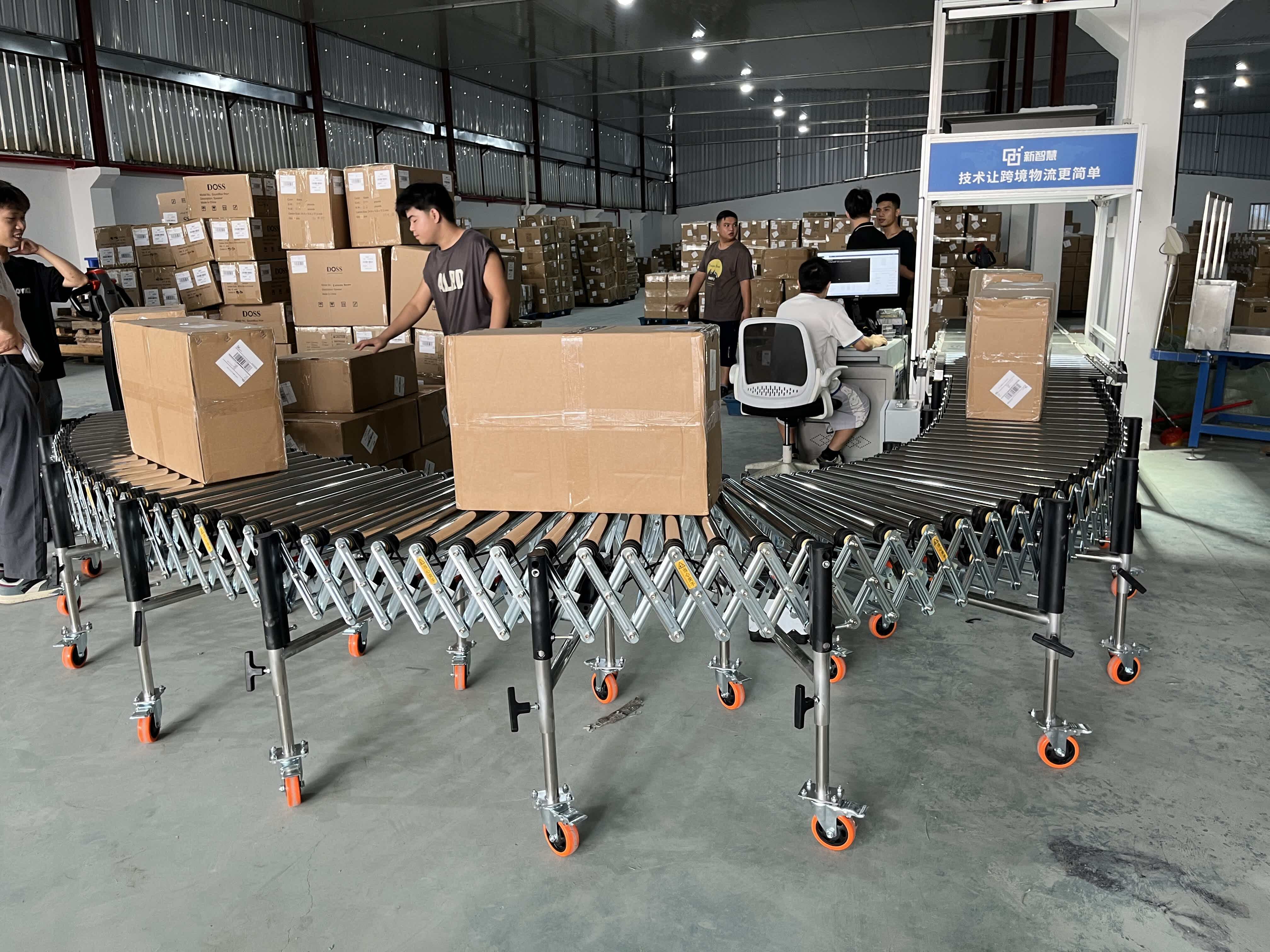
Powered roller conveyors mainly include chain-driven, multi-wedge belt-driven, O-belt-driven, and rubber-coated roller types. Their core components consist of powered rollers, drive mechanisms, frames, and control systems. Photoelectric sensors are usually installed at key conveyor points, such as segment start and end points or before manual workstations, to detect the arrival and departure of goods in real time.
Cargo detection and control logic
When goods pass a photoelectric sensor, the sensor detects the obstruction and the control system immediately stops the conveyor to hold the goods at intervals. After a preset delay, the conveyor restarts to push the next item into the work area. This logic effectively creates evenly spaced transportation, facilitating subsequent manual or automated operations while reducing accumulation and confusion.
Application scenarios for spacing transport functionality
Sorting and manual operations
During sorting, packaging, and manual inspection, operators need sufficient time and space to handle each item. Spacing transport ensures that each item pauses briefly before the workstation, preventing buildup and misoperations caused by continuous arrivals, and improving safety and accuracy in manual tasks.
Integration with downstream equipment
Powered roller conveyors often connect to automated sorters, palletizers, and similar equipment. By using photoelectric sensors to control spacing, the pace at which goods enter automated devices can be precisely regulated, reducing blockages and sorting errors. For example, when coordinating with a palletizer, spacing transport ensures only one item enters the palletizing zone at a time, enhancing overall workflow smoothness.
Efficiency gains and risk reduction aided by photoelectric sensors
Reducing cargo accumulation
Automatic spacing control effectively decreases accumulation and blockages on the line, especially during peak periods, lowering the frequency of emergency manual interventions and ensuring continuous conveyor operation.
Optimizing manual intervention processes
Spacing transport gives operators ample working windows, reducing the risk of errors and safety hazards caused by overly dense goods. Operators can also flexibly adjust their pace based on actual progress, improving overall efficiency and comfort.
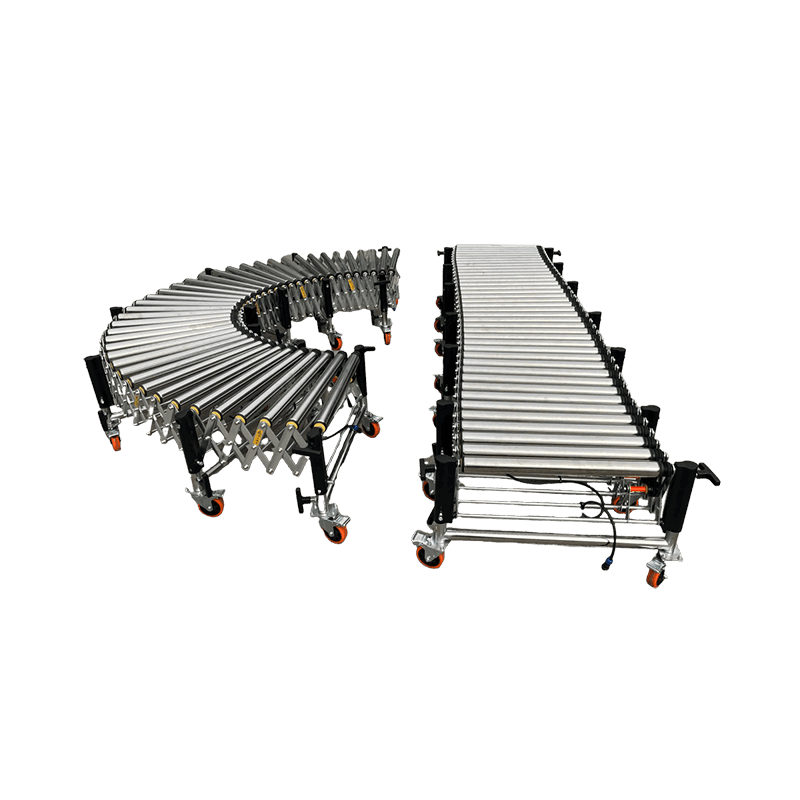
Powered Roller Conveyor Series
The powered roller conveyor is designed specifically to meet conveying needs for the final stretch of loading and unloading, enabling continuous and s…

Plastic Drum

Metal Drum

Carton

Roll
Suitability comparison of different powered roller conveyor types
Differences among chain, belt, and rubber-coated structures
Chain-driven powered roller conveyors are suited for spaced transportation of heavy or oversized goods, offering robust construction ideal for high-intensity environments. Multi-wedge belt and O-belt drives are better for small to medium items, providing smooth operation and low noise, fitting environments with stricter requirements. Rubber-coated rollers perform best when conveying slippery or smooth-surfaced goods by increasing friction and reducing slippage.
When selecting equipment, users should consider cargo type, operational needs, and on-site space to choose the powered roller conveyor type that best fits their scenario.
Common questions answered (FAQ)
1. After installing photoelectric sensors on a powered roller conveyor, is manual intervention completely unnecessary?
No. The photoelectric sensors mainly help achieve spaced transportation and reduce manual intervention frequency, but manual participation is still required during sorting, inspection, and other stages.
2. What types of goods are suitable for rubber-coated powered rollers?
Smooth and slippery boxes, plastic containers, and similar goods are better suited for rubber-coated rollers, as they effectively prevent slipping during conveying.
3. How is the installation location of photoelectric sensors determined?
Sensors are typically installed at the front of workstations that need spacing control or at segment handover points, with the precise location determined by the actual process and cargo dimensions.
4. When connecting powered roller conveyors to automated sorters, what are the advantages of spacing transport?
It precisely controls each item entering the sorter, reducing blockages and sorting mistakes, and improving automation stability.
5. What scenarios are not suitable for spacing transport?
Fully automatic high-speed conveying scenarios with extremely high cargo flow and no need for manual intervention may be negatively affected by spacing transport and are not recommended.