Why a Powered Rubber Roller Conveyor Manufacturer Page Should First Explain the Applicable Working Conditions
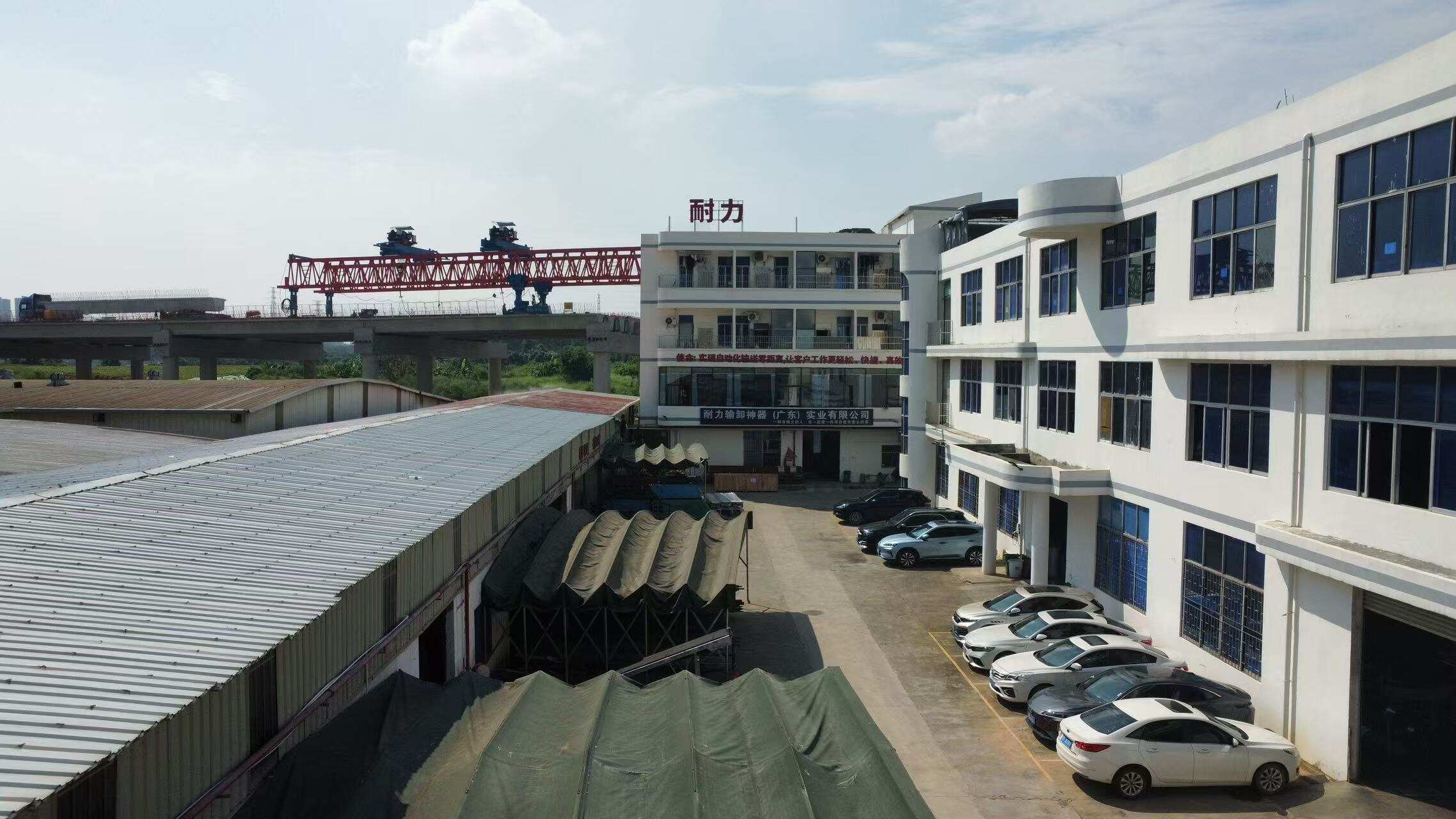
Naili Conveyor (Naili Unloading) is a powered rubber roller conveyor manufacturer. For this type of page, we want to help procurement, equipment, and operations teams first judge whether the site is suitable for this equipment route, rather than rushing to add a model to the shopping list. What really affects launch performance is often whether the workflow runs smoothly, whether the pace is stable, and whether later maintenance is manageable.
For searches around a powered rubber roller conveyor manufacturer, common queries often focus on questions like "powered rubber roller conveyor loading conveyor manufacturer, " "powered rubber roller conveyor unloading conveyor manufacturer, " "powered rubber roller conveyor warehouse transfer equipment, " "powered rubber roller conveyor logistics loading and unloading solution, " and "custom powered rubber roller conveyor manufacturer." Although they look like keywords, they actually reflect clear working-condition checks: whether there is a height difference on site, whether the conveyor needs to extend into the truck body, whether the goods are prone to slipping, whether dual-station coordination is needed, and whether floor-to-floor connection is required. The page content must clearly explain these issues to match the semantics of a manufacturer title.
Application Scenarios and Manufacturer Customization Boundaries for Powered Rubber Roller Conveyors
- Bagged powder loading: suitable for different loading, unloading, or transfer workflows.
- Edible oil and household chemical carton transfer: suitable for different loading, unloading, or transfer workflows.
- Anti-slip conveying for light industry finished goods warehouses: for different loading, unloading, or transfer lines.
Common customization items that the manufacturing side often needs to confirm in sync include the rubber-covering material, drive type, roller pitch, and cleaning and maintenance methods. First confirm the condition of the cargo surface and the friction requirements, then decide on the rubber-covering and drive combination. For long-term operating scenarios, the cleaning and maintenance schedule also needs to be designed in.
How models are divided under the Powered Rubber-Covered Roller Conveyor category
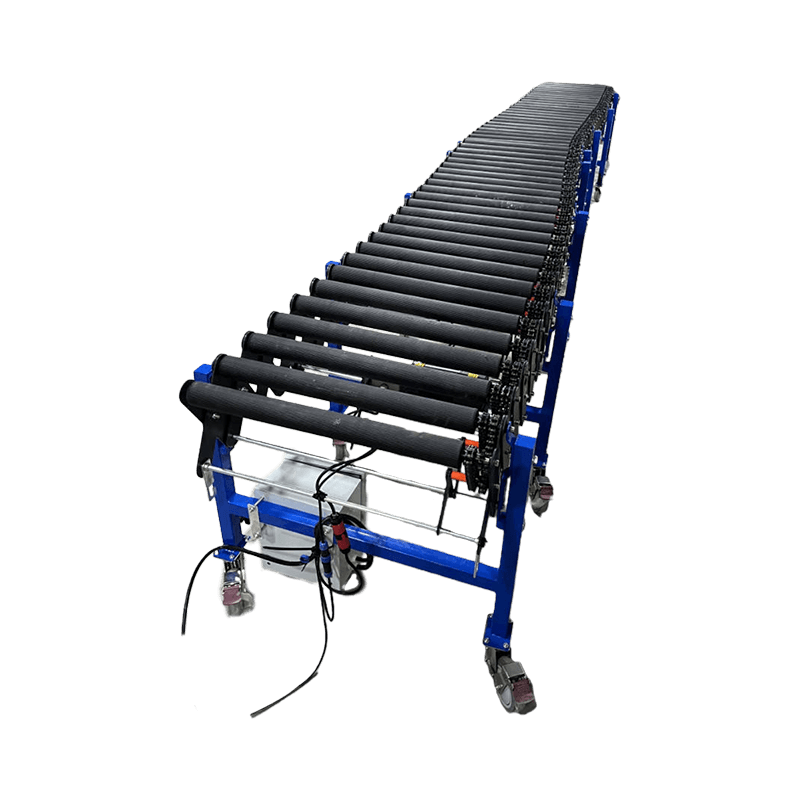
- Chain Powered Rubber-Covered Roller Conveyor: Suitable for working conditions with both high anti-slip requirements and heavy loads, with an emphasis on long-term stability.
- Multi-Wedge Belt Powered Rubber-Covered Roller Conveyor: More suitable for continuous anti-slip conveying with light to medium loads, and is the general-purpose mainstream model among rubber-covered rollers.
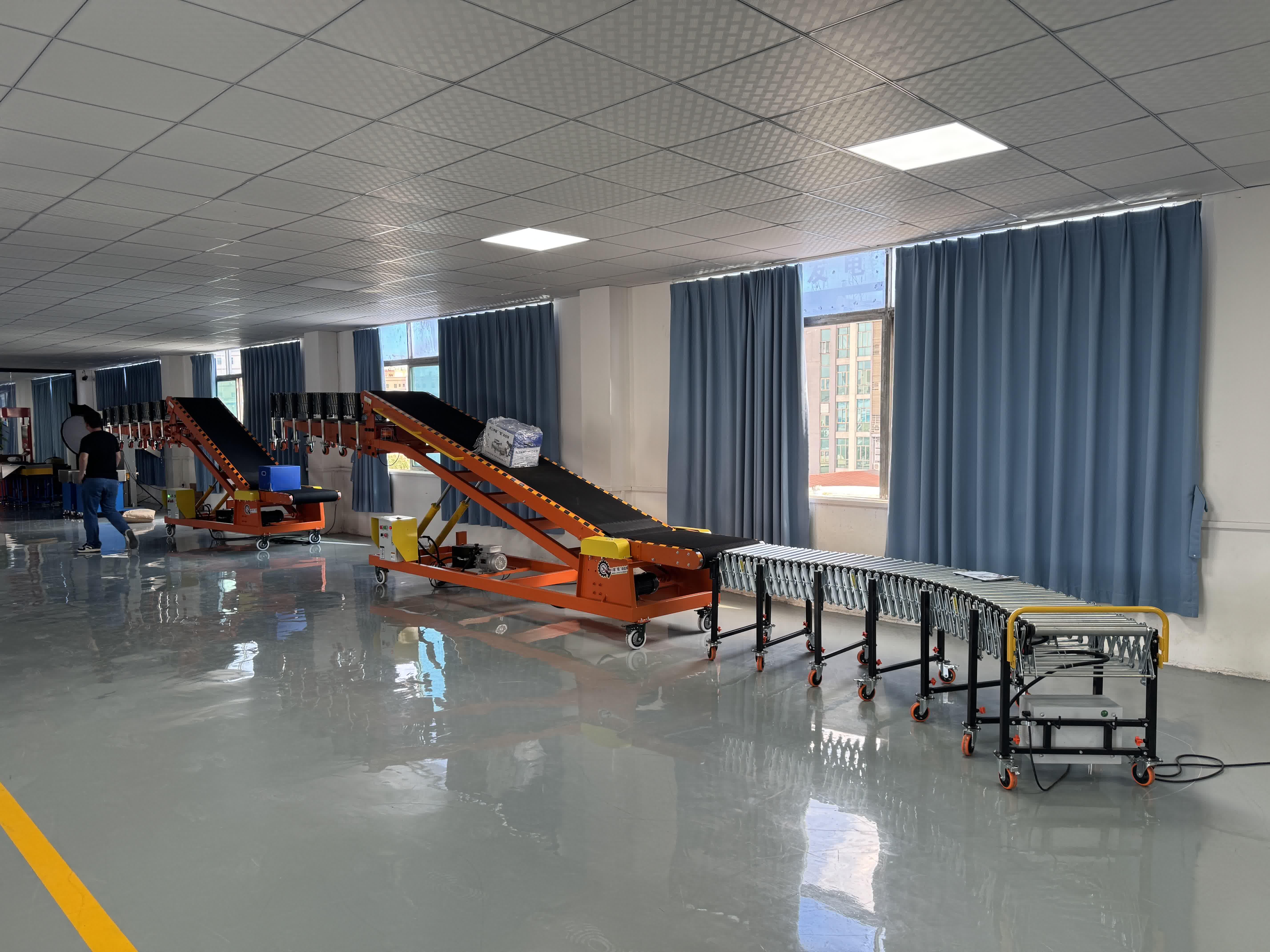
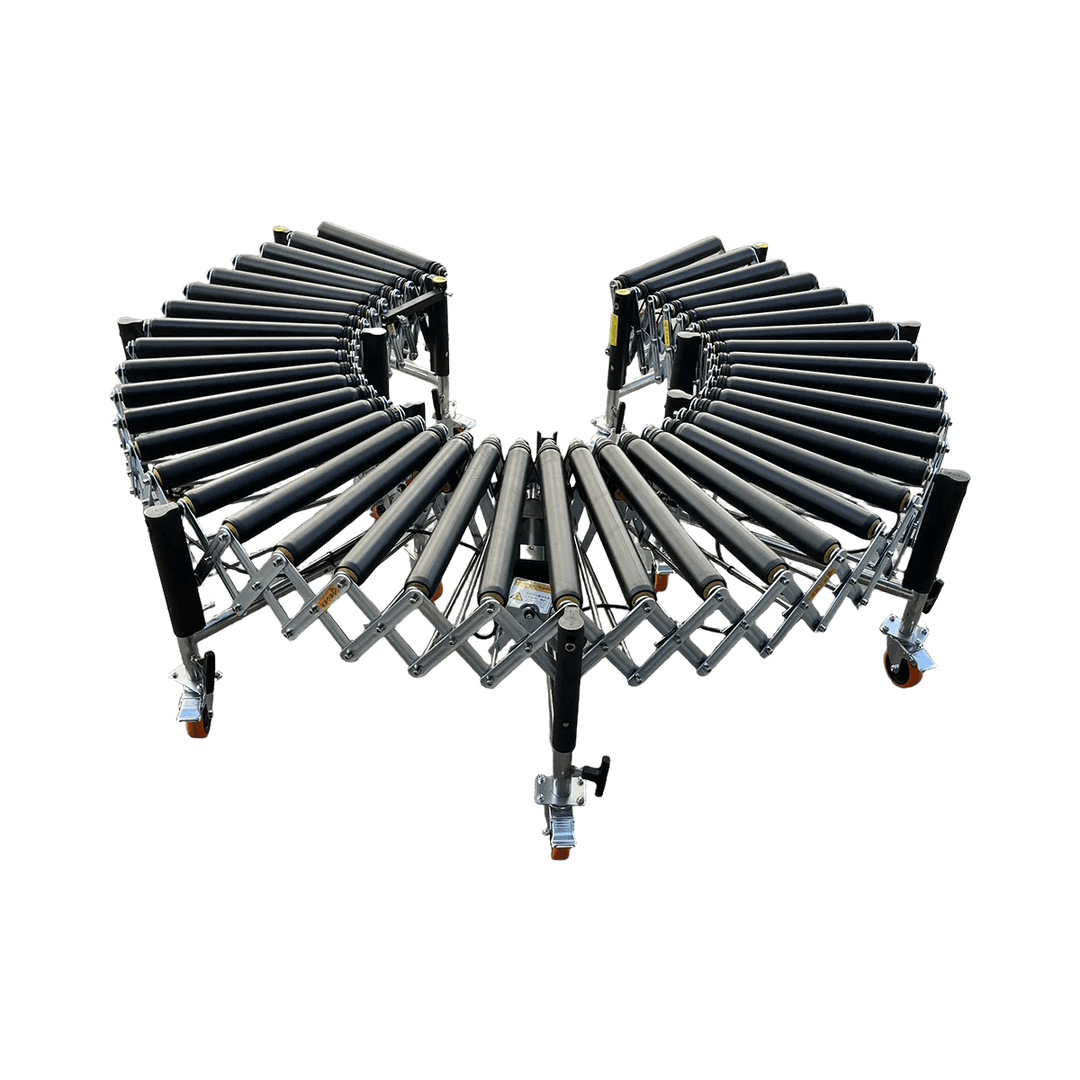
If you need to compare across categories, you can also continue to view Telescopic Conveyor, Hydraulic Conveyor, Powered Roller Conveyor, Gravity Roller Conveyor and Vertical Conveyor and compare the manufacturing route and the on-site route on the same diagram.
Cases, media, and acceptance focus points for Powered Rubber-Covered Roller Conveyor
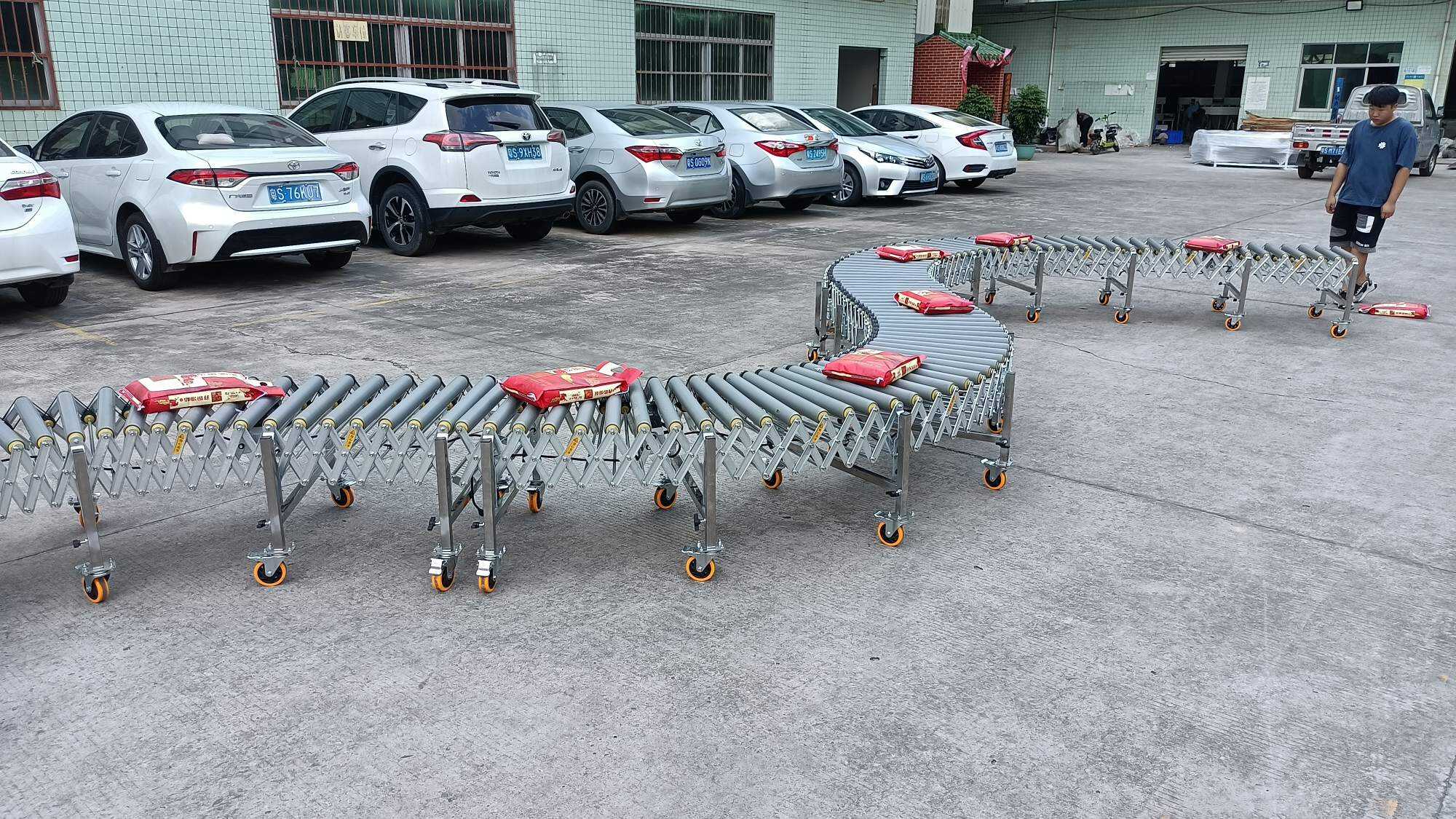
- Warehouse loading efficiency improvement solution: On-site cases around loading, unloading, or warehouse transfer.
- Detergent powder warehouse loading and conveying solution: On-site cases around loading, unloading, or warehouse transfer.
- 60m rubber-covered roller conveyor line for an edible oil workshop: On-site cases around loading, unloading, or warehouse transfer.
- Loading and unloading solution for 25 kg bagged feed: On-site cases around loading, unloading, or warehouse transfer.
When accepting the equipment, it is recommended to focus on continuity during peak shifts, the connection with upstream and downstream equipment, whether the maintenance passages are clear, and whether operators can consistently reproduce the cycle time. Only then can you verify whether the content provided by the Powered Rubber-Covered Roller Conveyor manufacturer can truly be implemented on site, rather than just looking complete on the webpage.